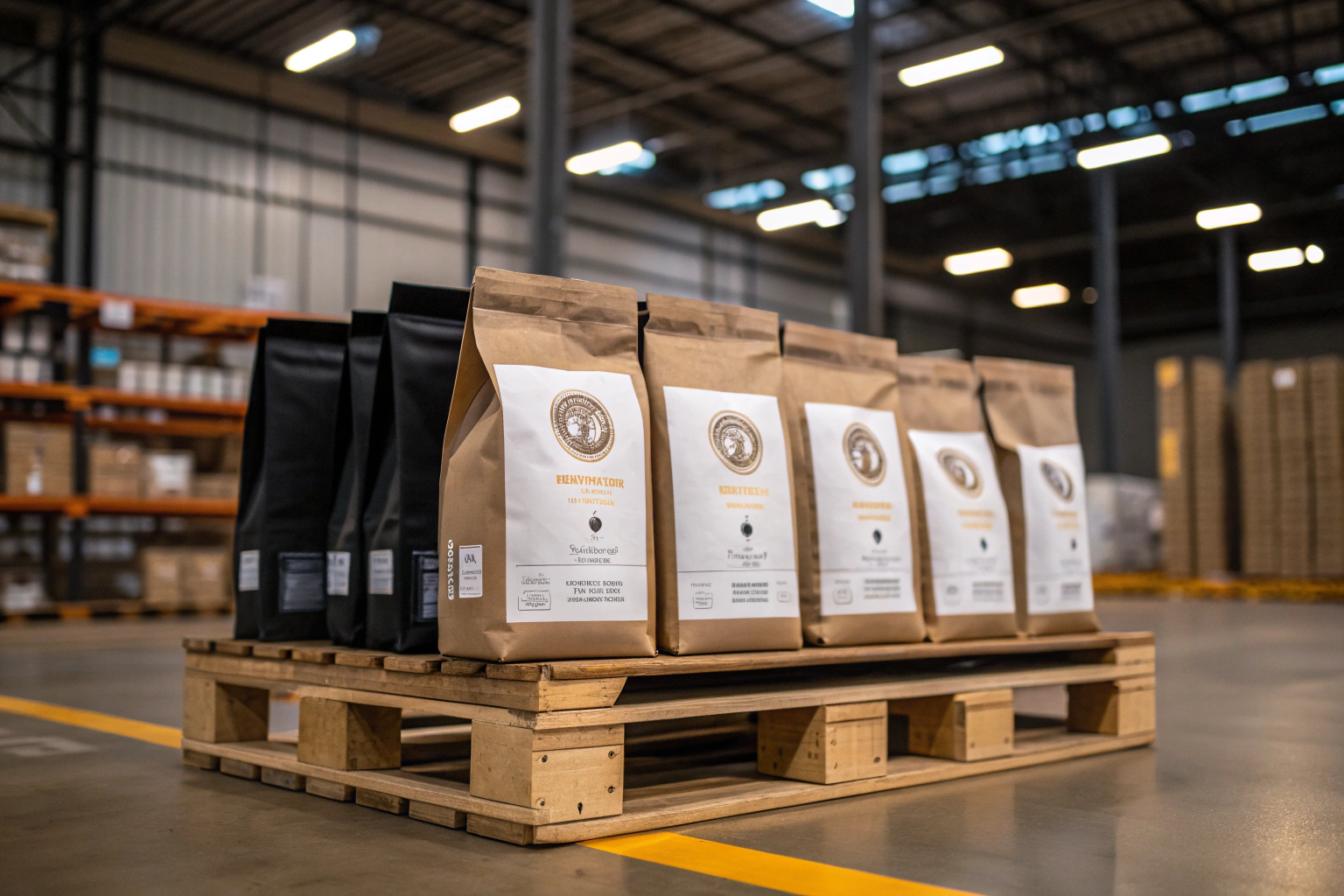
You've just received a pallet of freshly roasted, premium coffee, perfectly sealed in those familiar valve bags. You feel confident. But a question nags at you: how long will this peak freshness actually last? As a buyer or brand owner, getting this wrong means wasted inventory, disappointed customers, and a direct hit to your bottom line. The shelf life of roasted coffee isn't a fixed number—it's a race against time, oxygen, and chemistry. And the valve bag is your first and most important line of defense.
The shelf life of roasted coffee in high-quality, properly sealed valve bags is typically 6 to 9 months for optimal freshness, with the coffee remaining safe to consume for up to 12 months or more from the roast date, provided it's stored in cool, dark, and dry conditions. However, "shelf life" must be split into two concepts: Freshness Life (the peak flavor window of 3-6 weeks) and Safe Shelf Life (the period before noticeable staleness or degradation makes it commercially unacceptable). The valve bag's role is to maximally extend that critical Freshness Life.
Let's be clear: coffee is a fresh agricultural product, not a canned good. The moment it leaves the roaster, a countdown begins. Understanding what drives this countdown—and how your packaging and handling can slow it—is essential for managing your inventory and protecting the quality you paid for. Let's dive into the science and practical realities.
How Does a One-Way Valve Bag Actually Work?
That small round patch on your coffee bag isn't just for show. It's a sophisticated one-way degassing valve, and it's the key to modern coffee packaging. Here's the problem: freshly roasted coffee beans release significant amounts of carbon dioxide (CO2) for days and even weeks after roasting. If you seal the beans in an ordinary bag, the pressure from this CO2 will build up and eventually burst the bag.
The valve solves this. It contains a tiny, flexible membrane that allows CO2 to escape from inside the bag but prevents oxygen from the outside air from seeping back in. This is crucial because oxygen is the enemy of fresh coffee. It causes oxidation, which rapidly degrades the aromatic oils and leads to stale, flat flavors. A good valve bag, therefore, performs a balancing act: it lets the coffee "breathe out" safely without letting the harmful outside air in. The quality of the valve and the bag's barrier layers (often foil-lined) determine how well this balance is maintained over time.
What Are the Key Layers in a High-Quality Coffee Bag?
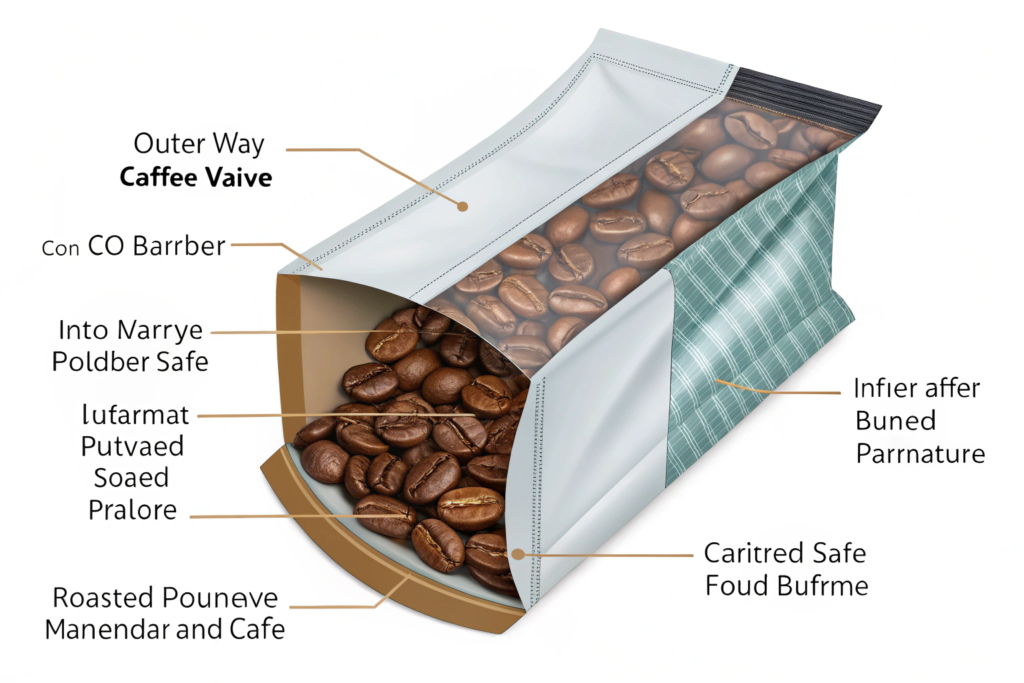
A premium valve bag is a multi-layered shield. From the outside in, you typically find:
- Outer Layer: Printed polyester or polypropylene for branding and abrasion resistance.
- Barrier Layer: This is the critical part. It's usually a thin layer of aluminum foil or a special metallized film. Its sole job is to be an impermeable barrier to oxygen and moisture.
- Inner Layer: Food-safe polyethylene. It seals well and protects the coffee from any interaction with the foil.
The one-way degassing valve is installed through all these layers. The combination of a high-barrier material and a functional valve is what defines professional packaging. Cheap bags might use only plastic layers, which are somewhat permeable to oxygen, leading to a much shorter freshness life.
Why Can't You Just Vacuum Seal Roasted Coffee Immediately?
Vacuum sealing right after roasting seems logical, but it's a mistake. The ongoing CO2 production in a vacuum-sealed bag would cause it to inflate, negating the vacuum and stressing the seams. More importantly, CO2 itself acts as a protective, inert gas that helps displace oxygen within the bean's cellular structure and the headspace of the bag. Letting some initial degassing occur into a valve bag allows for a more stable and effective long-term seal. The best practice is to allow coffee a short "resting" period (12-24 hours) after roasting before packaging, then seal it in the valve bag. This is the standard at professional roasteries supplying wholesale clients.
What Are the Real Enemies of Coffee Freshness?
To extend shelf life, you must know what you're fighting. Four primary factors degrade roasted coffee, and they often work together:
- Oxygen (Oxidation): This is the biggest culprit. It reacts with the aromatic oils and compounds in coffee, breaking them down and producing stale, cardboard-like flavors. This process begins the second roasted coffee is exposed to air.
- Moisture: Coffee beans are hygroscopic, meaning they absorb moisture from the air. This can lead to loss of crisp texture, dulled flavor, and in worst cases, mold.
- Heat: Heat accelerates all chemical reactions, including oxidation. Storing coffee in a warm warehouse or in direct sunlight drastically shortens its life.
- Light: Especially UV light, can degrade sensitive compounds and contribute to flavor loss through photo-oxidation.
A valve bag stored correctly addresses all four: the foil barrier blocks oxygen and moisture, and storing the bag in a cool, dark place mitigates heat and light. The battle is never completely won, but it can be strategically delayed. At Shanghai Fumao, when we ship our roasted Arabica and Catimor, we use bags with high-barrier foil and ensure they are packed in outer cartons for additional protection against light and physical damage during the long journey to North America or Europe.
How Does the "Freshness Curve" Typically Decline?
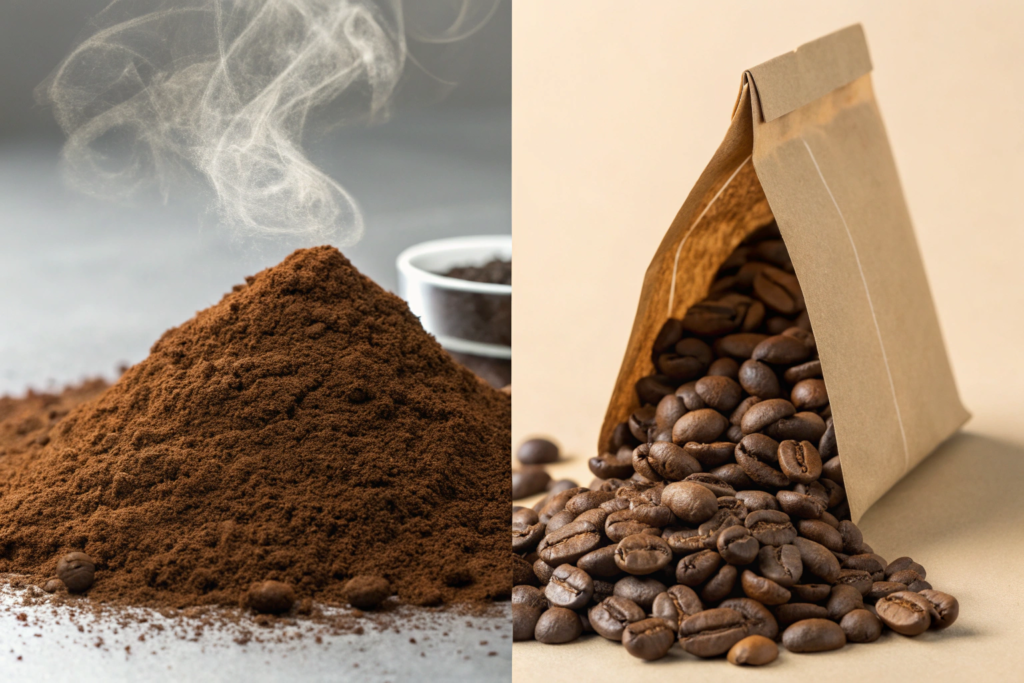
Flavor doesn't disappear on an expiration date; it decays on a curve. The first 1-2 weeks post-roast are often peak complexity. From weeks 3-8, the coffee is still very good but gradually loses its most vibrant top notes (bright florals, sharp fruits). By months 2-3, it settles into a more muted, but often still pleasant, chocolatey/nutty base profile—this is where a well-packed bag still offers good value for espresso blends. Beyond 4-6 months, staleness (flat, woody flavors) becomes dominant. A "best before" date of 9-12 months is about safety and commercial acceptability, not peak flavor. For a café or retailer, rotating stock to sell coffee within its first 4-8 weeks is the gold standard for quality assurance.
Can You Smell or See Signs of Staleness?
Yes, there are clear indicators. Fresh coffee has a pronounced, pleasant aroma when ground—you might smell fruits, caramel, or flowers depending on the origin. Stale coffee has a dull, muted aroma, often described as "flat" or resembling cardboard or old hay. In extreme cases, if the bag barrier failed and moisture got in, you might see a loss of the bean's sheen or even feel a rubbery texture. Visually, very old coffee may look excessively oily on the surface (as oils continue to migrate out and oxidize). Trust your senses—they are a good first check.
How Should You Store Valve Bags for Maximum Life?
The responsibility doesn't end with the roaster. How you, the buyer, store the bags upon receipt is equally critical. Even the best packaging can be defeated by poor storage conditions.
The mantra is: Cool, Dark, Dry, and Sealed.
- Cool: Maintain a stable temperature, ideally between 15-20°C (59-68°F). Avoid temperature fluctuations and never store near heat sources (ovens, radiators, in direct sun).
- Dark: Light is a catalyst for degradation. Keep bags in their original opaque outer cartons or in a dark cupboard or pantry. A warehouse should have minimal UV exposure.
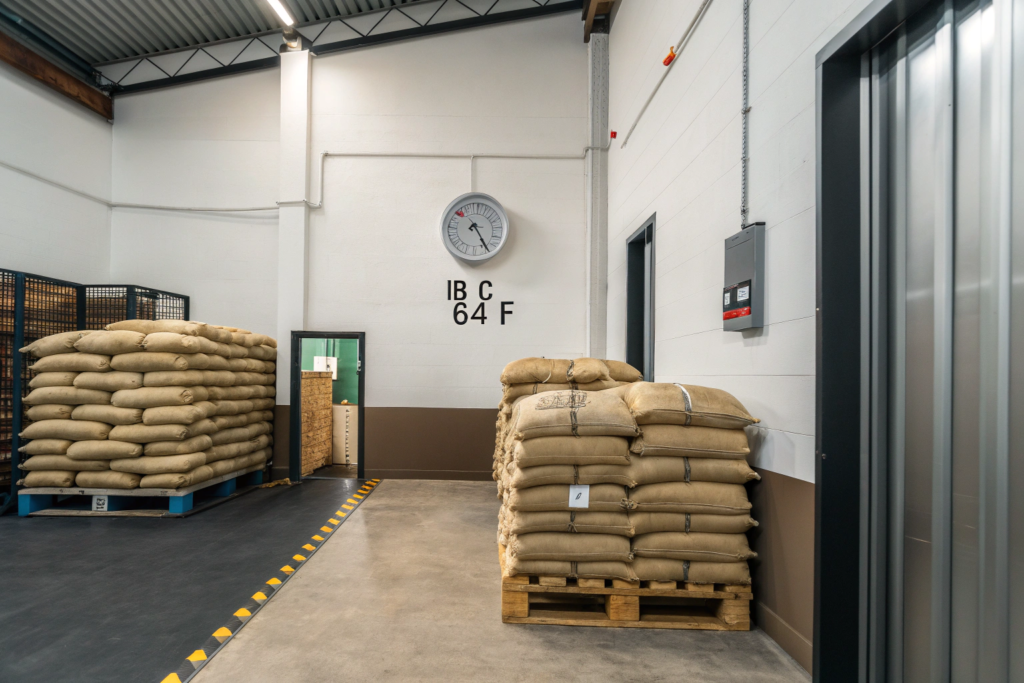
- Dry: Humidity is the enemy. Store bags off concrete floors (which can wick moisture) in a dry environment.
- Sealed: Once a valve bag is opened, the clock speeds up dramatically. For café use, transfer only a day or two's worth of beans to an airtight hopper at the grinder. Reseal the original bag tightly, squeezing out excess air, or better yet, transfer the entire contents to an airtight container. The valve is ineffective once the main seal is broken.
What is the Impact of Freezing Roasted Coffee?
Freezing is a controversial but effective technique for long-term preservation of roasted coffee, especially for wholesale buyers who purchase in bulk. The key is to do it correctly: Divide coffee into airtight, moisture-proof portions (like vacuum-sealed bags) before freezing to prevent condensation and freezer burn. Once frozen, keep it frozen until ready to use, then thaw the sealed portion completely before opening to avoid condensation on the beans. Used this way, freezing can essentially pause the staling process for months. However, for regular inventory meant to be used within a few weeks, standard cool, dark storage is simpler and safer.
Does Grinding Affect the Shelf Life in the Bag?
Absolutely. Whole bean coffee stored in a valve bag has a much longer freshness life than pre-ground coffee. Grinding increases the surface area exposed to oxygen by thousands of times, accelerating oxidation massively. Pre-ground coffee in a valve bag may lose its best flavors in a matter of days, not weeks or months. This is why the industry standard for quality is to ship whole beans and grind immediately before brewing. If you are a distributor considering offering ground coffee, you must have an extremely fast turnover and perhaps use smaller, single-use packaging with higher barrier properties.
What Do "Best Before" Dates Really Mean?
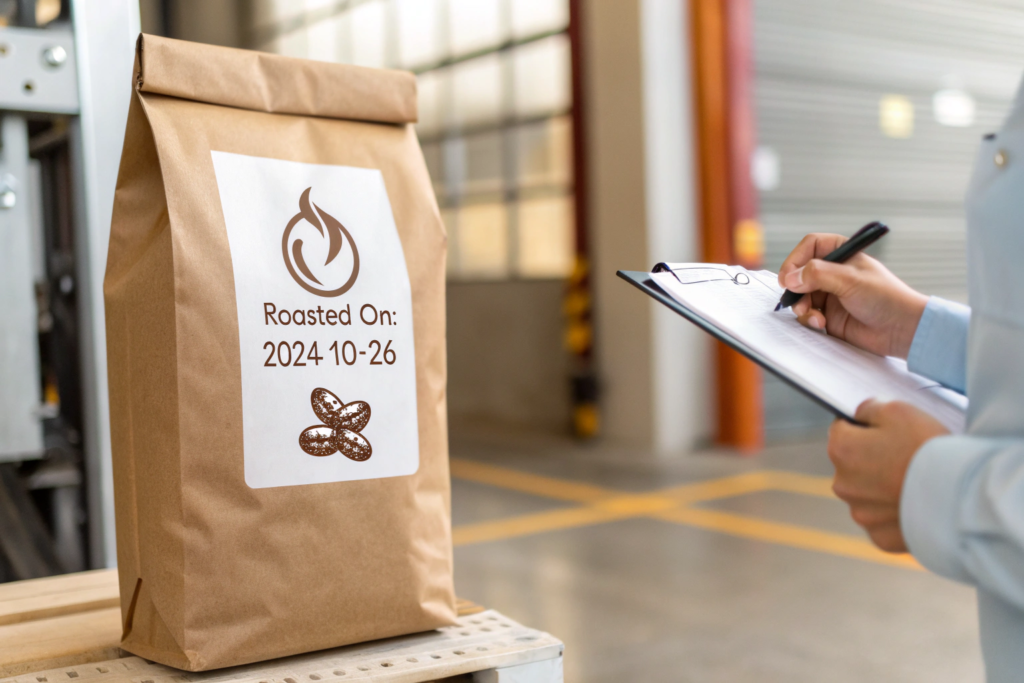
You'll see a "Best Before" or "Roasted On" date on every professional bag. Legally and practically, these are very different from "Use By" dates on perishable foods. A "Best Before" date is the roaster's estimate of when the product will no longer be at its peak quality—it's about flavor degradation, not safety. Coffee stored past this date is typically still safe to drink but will likely taste stale.
Most reputable roasters for the specialty market set a "Best Before" date 3-6 months from roasting, aligning with the optimal freshness window. Larger commercial brands might push it to 12+ months, relying on very dark roasts (where "roast taste" dominates) and high-barrier packaging. As a buyer, you should always prioritize the "Roasted On" date. This gives you the true information to manage your inventory rotation (FIFO - First In, First Out). A bag roasted 10 months ago with a "Best Before" date next month is an old bag, regardless of what the label says.
How Can Buyers Verify Freshness Upon Receipt?
When a shipment arrives, conduct a simple quality check:
- Check the Roast Date: Immediately upon opening a carton, note the roast date. It should ideally be within 1-4 weeks for peak freshness.
- Inspect the Bag: Ensure the valve bag is fully sealed, with no punctures or compromised seams. Gently squeeze a bag; you might feel a slight pressure of CO2, indicating recent roasting and good seal integrity.
- Smell and Visual Test: Upon opening a sample bag, the aroma should be strong and pleasant. The beans should look uniform and have a characteristic sheen for their roast level.
This quick audit protects you and ensures you are delivering on the good quality promise to your own customers. It's a non-negotiable step in a reliable supply chain.
What is the Role of Nitrogen Flushing?
Many premium roasters and large-scale producers use nitrogen flushing before sealing the valve bag. This process involves injecting inert nitrogen gas into the bag to displace the oxygen-rich air before sealing. By reducing the oxygen content in the headspace from 21% to as low as 1-2%, nitrogen flushing dramatically slows oxidation from day one. It's a premium step that significantly extends the practical shelf life and is highly recommended for coffee that will face long logistics journeys, like exports from our Yunnan facility to overseas markets. When sourcing, asking if the coffee is nitrogen-flushed gives you insight into the supplier's commitment to freshness preservation.
Conclusion
The shelf life of roasted coffee in valve bags is a dynamic interplay between packaging science, roast chemistry, and storage discipline. While high-barrier valve bags can preserve commercial viability for 9-12 months, the window of peak flavor—the reason you source premium beans—is measured in weeks, not months. Your strategy must account for both timelines: managing inventory for financial shelf life while prioritizing rotation for sensory shelf life.
Ultimately, freshness is a shared responsibility. It begins with the roaster's packaging choice and ends with your storage and handling. Partnering with a supplier who understands this chain, who uses quality foil valve bags and provides clear roast dates, is the first and most critical step.
If you are looking for a wholesale partner committed to delivering freshness through robust packaging and transparent dating, let's connect. At Shanghai Fumao, we ensure our roasted products are packed to survive the journey and arrive ready to impress.
To discuss our packaging specifications, roast schedules, and how we can align with your inventory needs, please contact our sales lead, Cathy Cai. She can provide detailed information and samples. Reach her at cathy@beanofcoffee.com. Let's ensure the coffee you sell is as fresh as the day it was roasted.