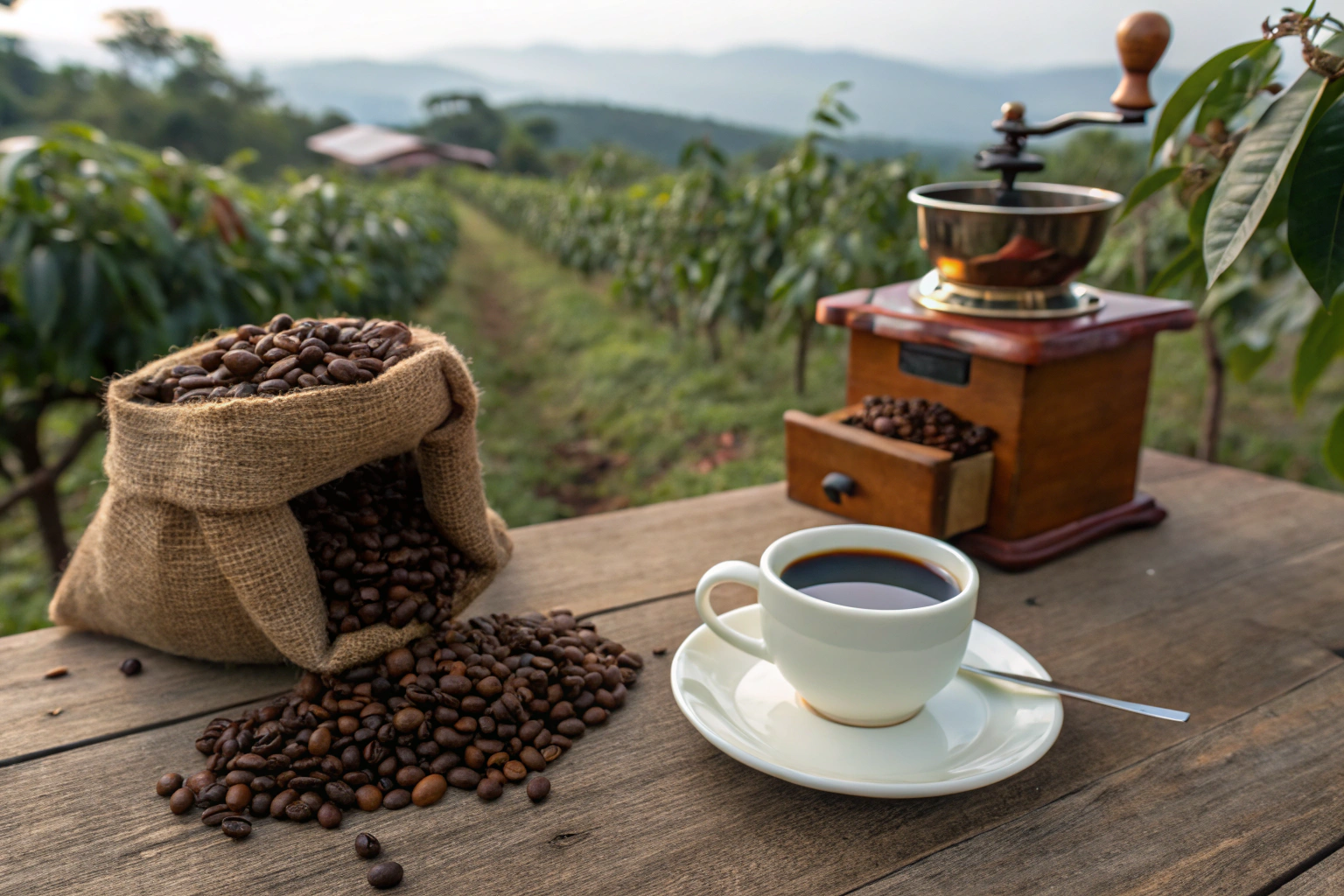
Price in coffee is not just a number—it’s a signal. It tells a story about quality, sustainability, fairness, and accessibility. For you as a buyer, whether you're a roaster, distributor, or brand owner, the price you pay directly shapes your product's market position, profitability, and ethical footprint.
The significance of coffee price lies in its role as a critical link between supply chain costs and end-consumer value. It reflects agricultural practices, processing quality, labor conditions, logistics, and market demand. For buyers, a higher price often correlates with traceability, specialty grading, and sustainable sourcing—key selling points in today’s market. Conversely, competitive pricing enables broader market access but must be balanced with consistent quality and reliable supply to protect brand reputation.
Understanding price helps you make smarter sourcing decisions. Let’s explore what goes into coffee pricing and how it impacts your business from farm to cup.
How does coffee pricing affect quality perception?
Price creates expectations. When a consumer pays more, they anticipate a better experience—richer flavor, unique origin story, or ethical assurance. This isn’t just psychology; it’s often grounded in reality.
Higher-priced coffees usually come from specialty coffee grades with rigorous scoring systems. These beans undergo strict quality control—like hand-sorting and precise roasting—which adds cost but ensures superior cup profiles. When you source at a price that supports such practices, you’re investing in customer satisfaction and repeat business.
But price alone isn’t everything. Consistency matters more. A mid-priced coffee that reliably delivers good flavor can build stronger loyalty than an expensive one with variable quality. That’s why at Shanghai Fumao, we focus on offering stable pricing tied to consistent, high-scoring lots from our owned plantations. You get predictable quality without unpredictable costs.
Why do coffee prices fluctuate so much?
Coffee is a commodity deeply tied to global dynamics. Three main drivers cause price swings:
-
Weather and harvest yields: Frost in Brazil or drought in Colombia can tighten supply, pushing prices up globally.
-
Market speculation: Futures trading on exchanges like ICE can amplify price movements based on predictions rather than actual supply.
-
Logistics and geopolitics: Shipping delays, tariff changes, or political instability in transit countries add cost layers.
For you, this volatility means budgeting headaches. One way to mitigate this is to partner with vertically integrated suppliers. Because we control farming, milling, and export, we can offer more stable coffee pricing—shielding you from the sharpest market spikes and helping you plan long-term.
Can low pricing ever indicate good quality?
Rarely—but it’s possible with efficient, large-scale operations. The key is cost control without quality compromise. For example, owning vast farmland (like our 10,000+ acres in Yunnan) reduces raw material costs. Streamlined processing and direct export cut middleman fees.
So yes, a lower price can sometimes come with good quality if the supplier operates with high efficiency and transparency. But beware: consistently rock-bottom prices often signal corner-cutting—using lower-grade beans, poor processing methods, or unsustainable labor practices. Always request samples and certifications, not just a quote.
How does price impact sustainability and ethics?
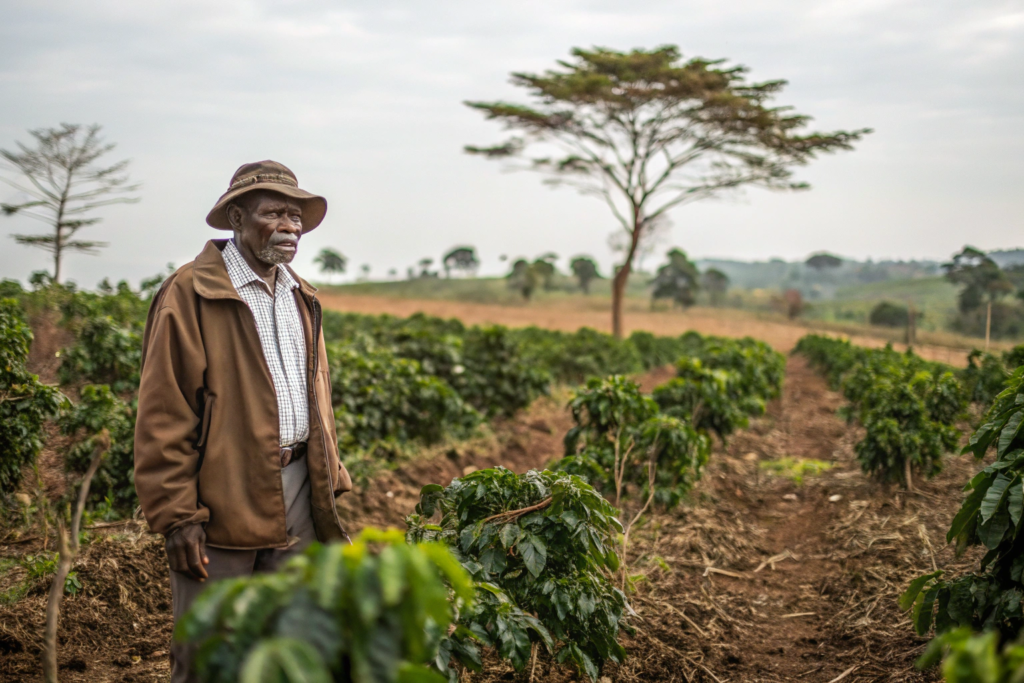
The price paid at origin directly determines whether farming is viable for growers. This is where your sourcing choices create real impact.
When green coffee prices are too low, farmers struggle to invest in sustainable coffee farming practices—like shade-growing, organic fertilization, or water conservation. They may be forced to overharvest, degrading land over time. Ethically, low prices can perpetuate poverty cycles, leading to unfair labor conditions and farm abandonment.
Paying a fair, above-market price (as seen in Fair Trade or direct trade models) enables growers to:
-
Improve living standards
-
Invest in eco-friendly methods
-
Ensure long-term supply stability
By choosing suppliers who price fairly, you’re not just buying beans—you’re investing in a resilient supply chain. Our approach at Shanghai Fumao ties pricing to long-term farmer partnerships, ensuring social and environmental responsibility while securing your future supply.
What is "fair price" in coffee trading?
A "fair price" covers the cost of sustainable production and provides a living income for farmers. It’s often calculated as a premium over the commodity C price. Key frameworks include:
-
Fair Trade Minimum Price: A safety-net price set for certified coffee.
-
Direct Trade Pricing: Buyers and growers negotiate directly, often resulting in higher prices for higher quality.
-
Living Income Reference Price: Covers costs needed for a decent standard of living.
For you, sourcing at a fair price mitigates risk. It builds trust with producers, ensuring they prioritize your orders and maintain quality. It’s a strategic investment in supply chain loyalty.
How do certifications influence price?
Certifications (like Organic, Rainforest Alliance, Fair Trade) add cost due to audits, documentation, and compliant farming practices. These costs are reflected in a higher green bean price.
But this premium can be a valuable marketing tool. Certified coffees appeal to conscious consumers, allowing you to command a higher retail price. The key is to choose certifications that align with your brand values and customer base. Don’t pay for a certification your market doesn’t value—focus on the ones that enhance your story and justify the cost.
How should buyers evaluate price versus value?
Your goal isn’t to find the cheapest coffee—it’s to find the best value. Value = (Quality + Reliability + Ethics) / Price.
Start by defining what matters most for your business:
-
If you’re a specialty roaster, cup score and origin story might outweigh cost.
-
If you’re a large distributor, volume consistency and logistic efficiency could be top priorities.
Next, look beyond the FOB price. Calculate the total landed cost, including:
-
Freight and insurance
-
Import duties and taxes
-
Warehousing and financing
A slightly higher FOB price from a supplier with integrated logistics (like us) might result in a lower total cost and fewer headaches. You’re paying for peace of mind—guaranteed on-time delivery, expert documentation handling, and proactive quality management.

What pricing models do reliable exporters offer?
Trusted suppliers typically use transparent, structured models:
-
Fixed-price contracts: Lock in a price for a specific volume and delivery period, protecting you from market volatility.
-
Price-linked contracts: Tied to the coffee futures market but with a fixed premium for quality and service.
-
Cost-plus models: A transparent markup on production and logistics costs, fostering long-term partnership.
At Shanghai Fumao, we prefer fixed-price or cost-plus models for our long-term partners. Why? Because it builds mutual trust. You get budget certainty, and we get a committed partner, allowing us to plan our harvests and resources effectively.
When is it worth paying a premium?
Consider paying more when it directly safeguards your business:
-
For traceability: Knowing the exact farm and lot ensures consistency and provides marketing content.
-
For exclusive lots: Unique microlots or processing methods (like anaerobic fermentation) can differentiate your product.
-
For supply security: A premium can secure priority access during shortages.
-
For risk reduction: Suppliers with strong food safety certifications (HACCP, ISO22000) minimize your recall or rejection risks.
In the end, price in coffee is a tool. Used wisely, it secures quality, ensures ethics, and builds a sustainable, profitable business on both ends of the supply chain.
Conclusion
The price of coffee is a multifaceted indicator—shaping quality, sustainability, market positioning, and supply chain resilience. For savvy buyers, understanding the components behind pricing is essential to making sourcing decisions that protect both profit and principle. By evaluating total value—not just cost—and partnering with transparent, integrated suppliers, you can turn price from a variable expense into a strategic advantage.
If you're looking to balance competitive pricing with uncompromised quality and reliability in your coffee supply, we can help. With direct control from our Yunnan plantations to export, we provide clear, stable pricing that supports consistent quality. Contact our team, led by Cathy Cai at cathy\@beanofcoffee.com, to discuss how we can tailor a sourcing solution that delivers true value for your U.S. market needs.