You're exploring coffee varieties and keep encountering Catimor—sometimes praised for its disease resistance and productivity, sometimes criticized for its flavor. But what does it actually taste like? If you've ever drunk coffee from Southeast Asia or parts of Central/South America, you've likely tasted Catimor without knowing it. Understanding its unique profile helps explain why it's both widely planted and controversial among coffee connoisseurs.
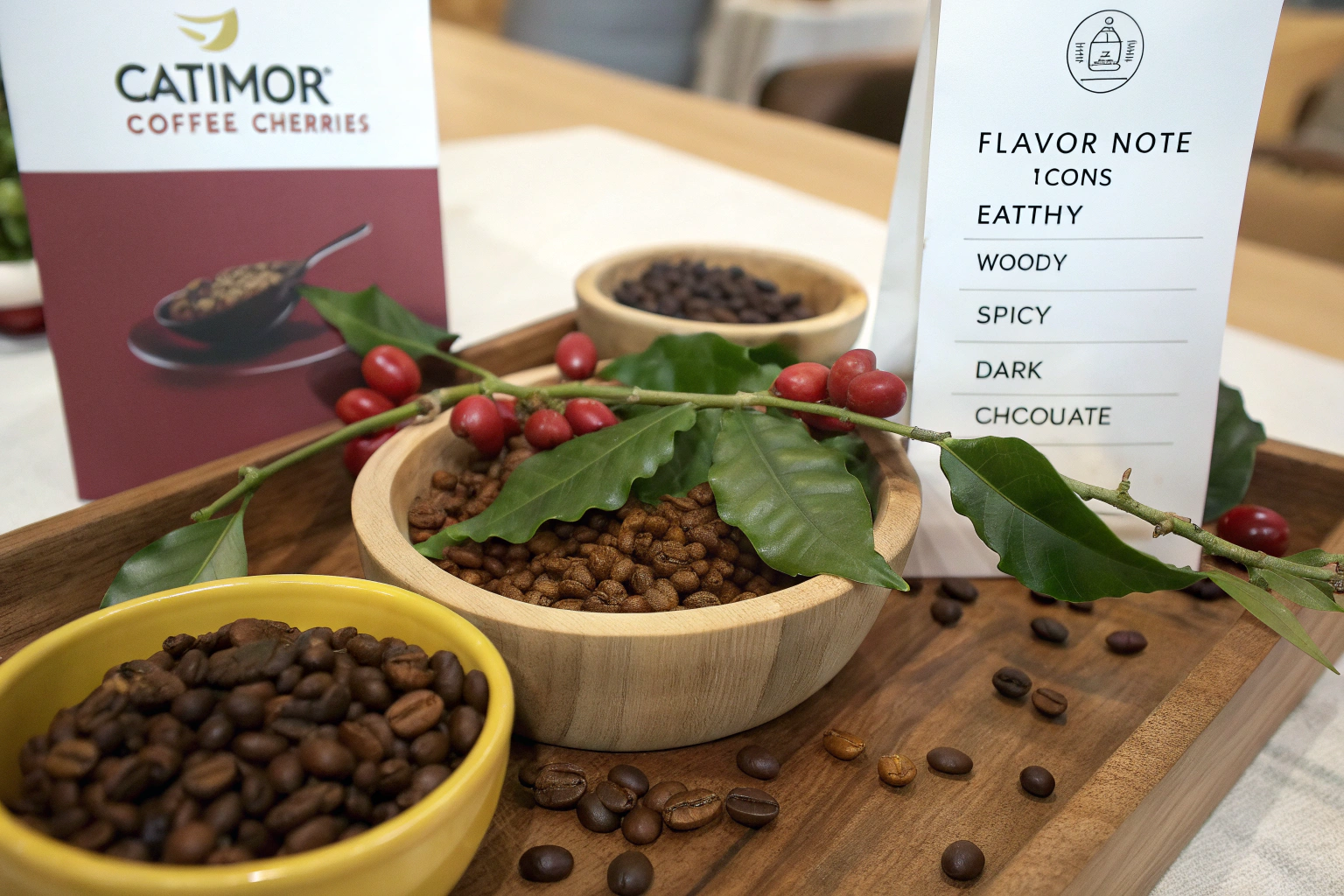
Catimor coffee beans typically produce a cup with moderate to low acidity, heavy body, and dominant earthy, woody, or spicy notes, sometimes with bitter or astringent undertones. The flavor profile is often described as straightforward and robust rather than complex or delicate, with potential for pepper, tobacco, or dark chocolate notes. When grown at high altitudes with careful processing, Catimor can develop more balanced sweetness and reduced bitterness.
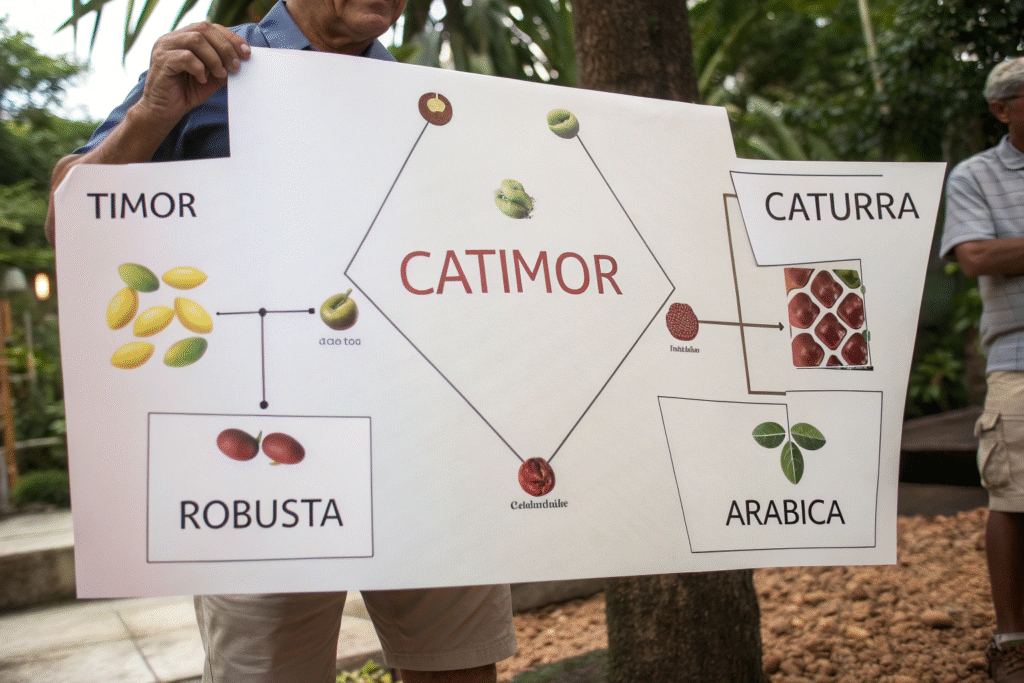
So, why does this particular hybrid—a cross between Timor (Robusta heritage) and Caturra (Arabica)—taste the way it does, and what factors can improve or diminish its cup quality? The answer lies in its genetic inheritance, growing conditions, and how it's processed. Let's explore the distinctive characteristics of Catimor and when it might be the right choice for your needs.
What Genetic Factors Shape Catimor's Flavor?
Catimor inherits traits from both its parents: disease resistance and body from its Timor (Robusta) side, and some Arabica characteristics from Caturra. This genetic mix creates its distinctive—and sometimes divisive—taste profile.
The Robusta ancestry contributes to Catimor's lower acidity, heavier body, and stronger, sometimes harsher flavor compounds. The Arabica lineage offers some potential for sweetness and complexity when grown optimally.
How Does Robusta Heritage Influence Taste?
The Timor hybrid in Catimor's ancestry brings Robusta characteristics:
- Lower acidity compared to pure Arabica varieties
- Heavier body and mouthfeel
- Higher caffeine content (though less than pure Robusta)
- Stronger, more assertive flavors that can dominate subtle notes
- Potential for bitterness or astringency if not carefully processed
This Robusta influence explains why Catimor often tastes "stronger" or more "traditional" than delicate heirloom Arabicas.
What Can the Arabica Side Contribute?
When grown under ideal conditions, Catimor can express:
- Some sweetness in the form of caramel or brown sugar notes
- Balanced bitterness when properly ripe and processed
- Moderate complexity compared to pure Robusta
- Acceptable cup quality for commercial specialty markets
At BeanofCoffee, we grow Catimor in Yunnan's high altitudes, where the combination of elevation and careful processing helps maximize its positive attributes while minimizing harshness. This optimized cultivation demonstrates Catimor's potential beyond its basic reputation.
How Do Growing Conditions Affect Catimor's Cup?
Catimor's reputation for mediocre quality often stems from its use in less-than-ideal growing conditions. When grown at high altitudes with proper care, its cup quality improves significantly.
Altitude, soil quality, and farming practices dramatically influence whether Catimor expresses harsh, bitter notes or more balanced, sweet characteristics.
Why Does Altitude Matter So Much for Catimor?
- High altitude (>1,200m): Slower maturation allows more sugar development, reducing bitterness
- Medium altitude (800-1,200m): More typical commercial quality with mixed characteristics
- Low altitude (<800m): Often produces the harshest, most bitter cups
Catimor grown at high altitudes in regions like Yunnan, China or certain parts of Central America can achieve specialty-grade quality that surprises those familiar only with low-grown versions.
How Do Farming Practices Influence Flavor?
- Selective picking of only ripe cherries reduces astringency
- Proper fertilization prevents nutrient deficiencies that cause off-flavors
- Adequate shade can slow maturation and improve sugar development
- Soil health management impacts nutrient uptake and flavor potential
Well-managed Catimor farms can produce coffee that defies the variety's sometimes negative reputation through meticulous agriculture.

What Processing Methods Work Best for Catimor?
Processing choices can either emphasize Catimor's inherent robustness or help balance its stronger characteristics. Certain methods are particularly well-suited to this variety.
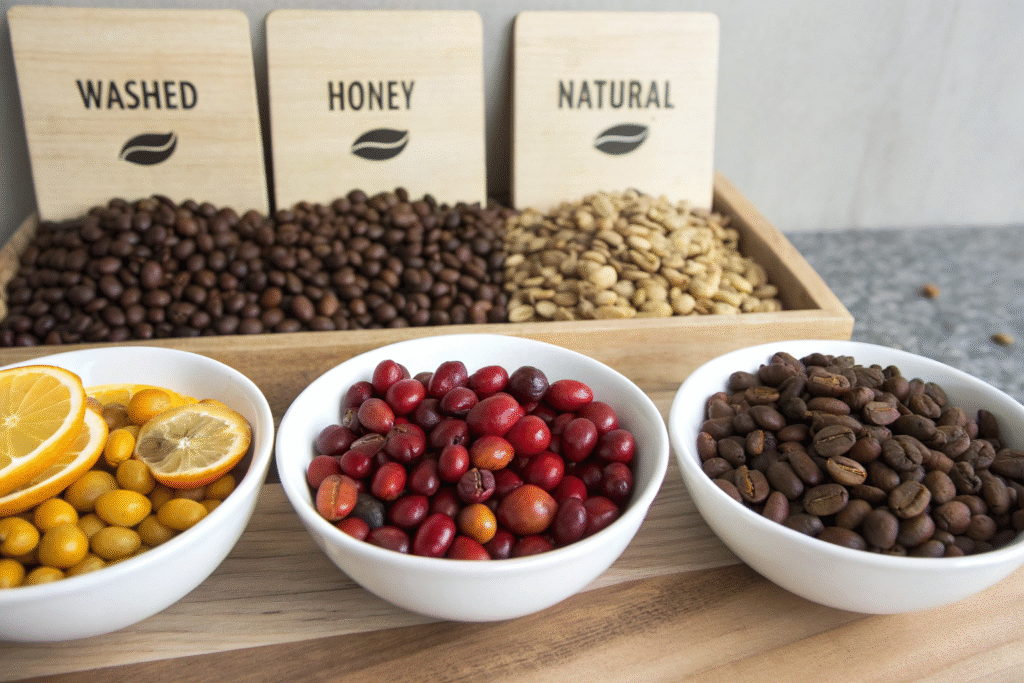
Natural (dry) processing tends to amplify Catimor's body and earthy notes, while washed (wet) processing can create cleaner cups with better acidity balance.
How Does Washed Processing Affect Catimor?
Washed Catimor typically exhibits:
- Cleaner cup with fewer fermenty notes
- Brighter acidity than natural processed
- More distinct flavor separation
- Reduced bitterness compared to natural processing
- Better for highlighting any inherent sweetness
This cleansing effect of washed processing often works well with Catimor's robust character, making it more approachable for specialty markets.
What About Natural and Honey Processing?
- Natural processing: Increases body and sweetness but can emphasize earthy/fermented notes
- Honey processing: Can provide a middle ground with good body and some clarity
- Experimental processing: May help create more interesting profiles from this workhorse variety
The processing choice should align with the target market—commercial blends may prefer natural processing's body, while specialty markets often favor washed processing's clarity. This strategic processing helps match Catimor's expression to its intended use.
How Does Catimor Compare to Other Common Varieties?
Understanding Catimor's place in the coffee variety landscape helps explain its specific uses and limitations compared to heirloom Arabicas and other hybrids.
Catimor occupies a middle ground between high-quality heirloom Arabicas and purely disease-resistant hybrids, offering a practical compromise for many growing regions.
How Does It Compare to Traditional Arabicas?
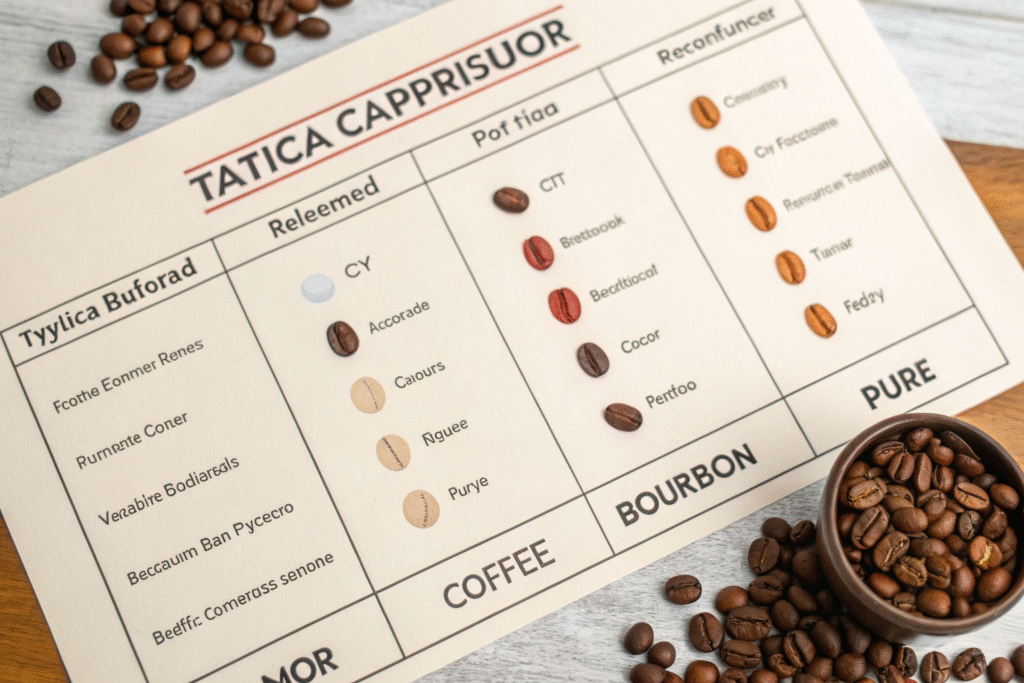
| Characteristic | Catimor | Traditional Arabica (e.g., Typica, Bourbon) |
|---|---|---|
| Acidity | Low to moderate | Bright, complex |
| Body | Heavy, robust | Medium to full |
| Flavor Notes | Earthy, woody, spicy | Floral, fruity, citrus |
| Complexity | Straightforward | High complexity |
| Disease Resistance | Very high | Low to moderate |
| Yield | High | Moderate |
This practical compromise makes Catimor a rational choice for farmers facing disease pressure, even if it sacrifices some cup quality.
What About Compared to Other Hybrids?
Compared to newer hybrids like Castillo or Marsellesa:
- Catimor often has stronger flavor (both positive and negative)
- Newer hybrids sometimes offer better cup quality with similar disease resistance
- Catimor remains widely available due to decades of planting
- Farmers are familiar with Catimor's cultivation requirements
This generational difference means Catimor represents an earlier stage in the quest for disease-resistant quality coffee.
What Are Catimor's Best Uses in Blending and Products?
Given its distinctive profile, Catimor serves specific purposes in coffee products. Understanding these applications helps roasters utilize it effectively rather than viewing it as merely a lower-cost alternative.
Catimor excels in applications where body, caffeine content, and cost-effectiveness matter more than delicate flavor complexity.
How Does Catimor Perform in Espresso Blends?
Catimor can contribute valuable attributes to espresso:
- Heavy body creates desirable mouthfeel and crema
- Low acidity balances brighter components
- Dark chocolate notes work well with milk
- Cost-effectiveness allows premium pricing on other components
- Caffeine content adds kick to the blend
When comprising 20-40% of a blend, Catimor provides structural support without dominating the flavor profile.
What About for Instant Coffee and RTD Products?
Catimor's characteristics align well with processed coffee products:
- Strong flavor survives processing and storage
- Body translates well to ready-to-drink formats
- Cost structure supports competitive pricing
- Consistency across harvests aids product standardization
Many large commercial instant coffee brands use Catimor or similar hybrids for these practical advantages.

Conclusion
Catimor coffee beans produce a distinctive profile characterized by earthy, woody, and spicy notes with low acidity and heavy body. While often criticized by specialty coffee purists, Catimor represents a practical compromise that provides disease resistance and yield stability for farmers, and body and cost-effectiveness for certain coffee products.
The key to appreciating Catimor is understanding its optimal applications: as a blending component for body and structure, in products where strong flavor survives processing, or when grown at high altitudes with careful processing that maximizes its potential. Rather than dismissing it outright, savvy coffee professionals recognize Catimor as a tool with specific strengths for specific jobs. If you're considering Catimor for your product line and want to sample well-grown, carefully processed examples, contact our export manager, Cathy Cai, at cathy@beanofcoffee.com to try our Yunnan Catimor lots that demonstrate this variety's potential when grown and processed with quality in mind.