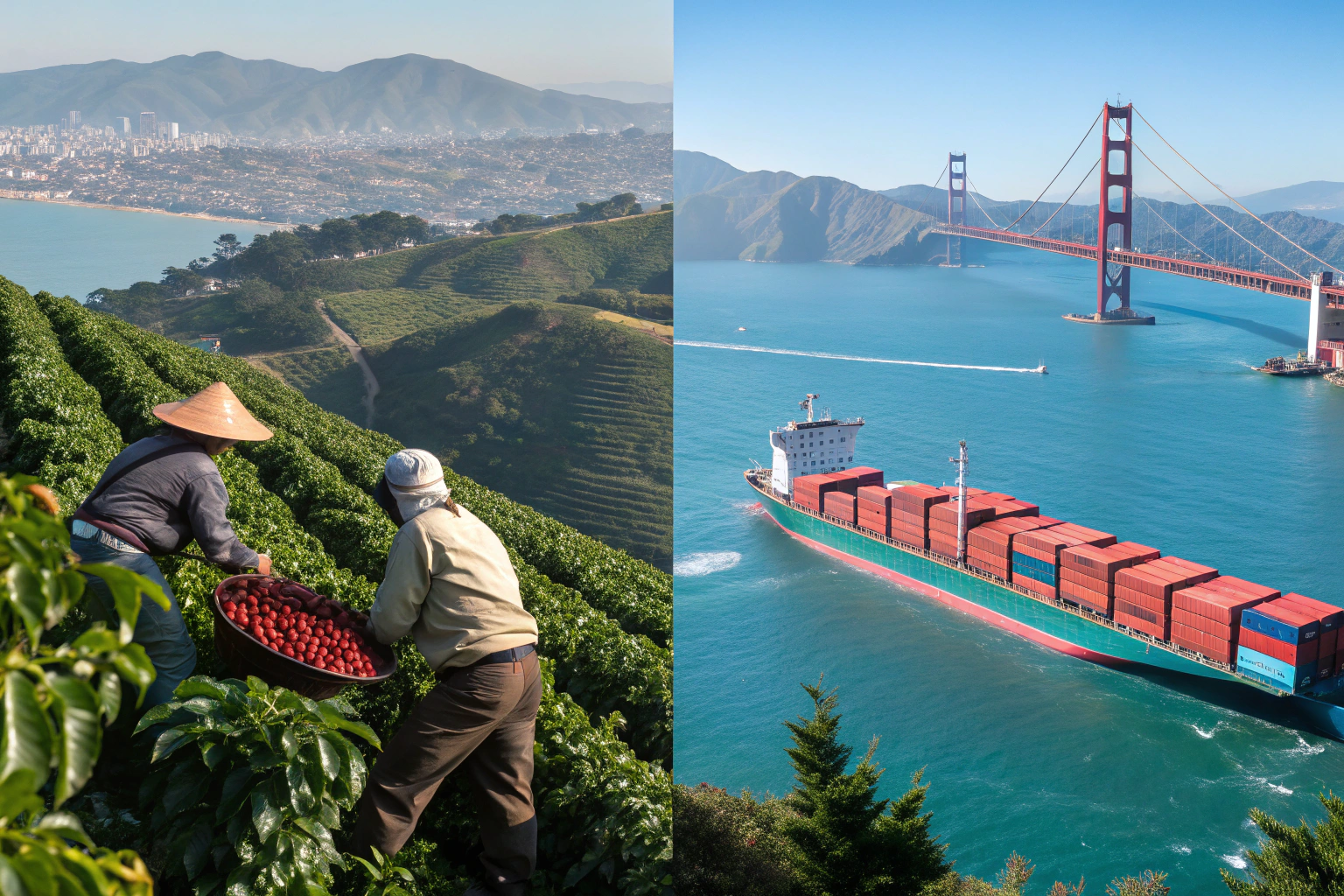
You've just placed a large order for premium Yunnan coffee, and you're excited. But then a crucial question hits you: "When will it actually get here?" You have a roastery to run, clients to supply, and inventory to manage. An answer like "it depends" is frustrating and unhelpful. You need a realistic timeline to plan your production schedule and cash flow. The uncertainty of international shipping lead times is a major source of stress for buyers, turning excitement into anxiety.
The typical total lead time for shipping coffee beans from our farms in Yunnan, China, to a roastery in the U.S. is between 45 and 65 days. This total timeline is much more than just the time the ship is on the water. It's a multi-stage process that includes production and preparation on our end, the sea transit itself, and customs clearance and delivery on your end. Understanding these distinct phases is the key to having a realistic expectation and a smoothly managed supply chain.
As a direct exporter who manages this entire process from our 10,000-acre plantations in Baoshan, Yunnan, I've guided hundreds of shipments on this exact journey. At Shanghai Fumao, we believe in radical transparency. A vague timeline only creates problems. So, I'm going to break down the entire lead time for you, piece by piece. We'll look at each stage, explain the variables, and show you how we work to make this process as predictable and efficient as possible for our partners like Ron.
What Happens Before the Coffee Is Even Shipped? (Production & Inland: 15-25 Days)
Many buyers think the clock starts when the container is loaded onto the ship. But a significant portion of the lead time happens long before the coffee ever sees the ocean. Once you place your order, a whole chain of events is set in motion here in China. Rushing this stage is a recipe for quality problems. The fear is that a supplier will cut corners here to meet a shipping deadline, compromising the very quality you're paying for.
The pre-shipment phase, which includes final processing, bagging, and inland transport to the port, is a critical quality-control stage that typically takes 15 to 25 days. This isn't a delay; it's a necessary part of the process to ensure your coffee is perfect. This phase involves taking the rested green coffee from our warehouse, performing a final quality check, bagging it to your specifications, and arranging all the complex logistics to get it from our mountainous region to a major seaport.
I've seen other suppliers promise a "5-day" turnaround from order to port, and it makes me cringe. It's impossible to do it right that quickly. So, what does this mean? It means they are likely using pre-bagged coffee of unknown age or skipping crucial quality checks. We don't do that. Our process is meticulous. For a new order, we re-cup the specific lot to ensure it matches the pre-shipment sample you approved. We then bag it—often using protective GrainPro liners—and prepare the extensive documentation needed for export. This careful preparation is the foundation of a successful shipment.
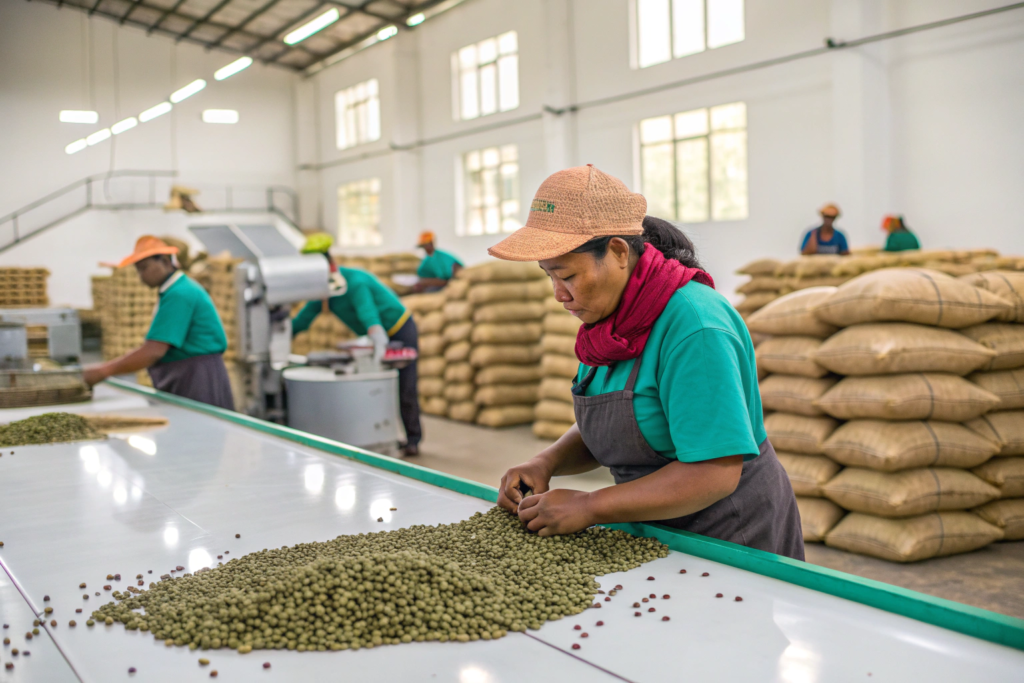
What are the key pre-shipment steps?
Here's a typical breakdown of this 15-25 day period:
- Order Confirmation & Final QA (2-4 days): We confirm the details and our lab re-cups the coffee lot.
- Bagging & Palletizing (3-5 days): We bag the beans in 60kg jute bags (often with liners) and palletize them for safe transport.
- Export Declaration & Booking (4-7 days): We file for an export license and book space for your container on a specific vessel. This can take time, especially during peak season.
- Inland Trucking & Port Delivery (6-9 days): This is a major step. Our farms in Yunnan are over 2,000 kilometers from major ports like Shanghai or Shenzhen. Trucking the container from our facility to the port is a multi-day journey in itself.
Why does inland transport take so long?
China is a vast country. Getting a container from the highlands of Yunnan in the southwest to the eastern seaboard is a significant logistical operation. It involves coordinating with trucking companies, navigating long distances, and sometimes facing road delays. This inland journey is a crucial part of the timeline that is often underestimated by buyers who are unfamiliar with the geography. This is a key part of logistics planning.
How Long Is the Ocean Journey? (Sea Transit: 20-30 Days)
This is the part of the journey everyone thinks of first: the time on the water. You're tracking the vessel online, watching its slow progress across the Pacific. This is where your coffee is most vulnerable to delays from weather, port congestion, or other unforeseen issues. Your main concern here is timeliness—every extra day at sea is a day your capital is tied up and a day your coffee is aging.
The sea transit time for a container ship from a major Chinese port (like Shanghai) to a major U.S. West Coast port (like Long Beach) is typically 20 to 30 days. This can vary based on the specific shipping line, the route (direct vs. transshipment), and prevailing weather conditions. Shipments to the U.S. East Coast will take longer, often adding another 7-10 days as they have to pass through the Panama Canal.
We work almost exclusively with major, reliable shipping lines and prioritize direct-service routes whenever possible. A "direct" route doesn't mean it's a non-stop trip, but it minimizes the number of stops and eliminates transshipment—where your container is offloaded at an intermediate port to wait for another vessel. Transshipment is a major source of delays and quality risk, and we do everything in our power to avoid it. We track every vessel our clients' coffee is on and provide regular updates, so you're never left in the dark.
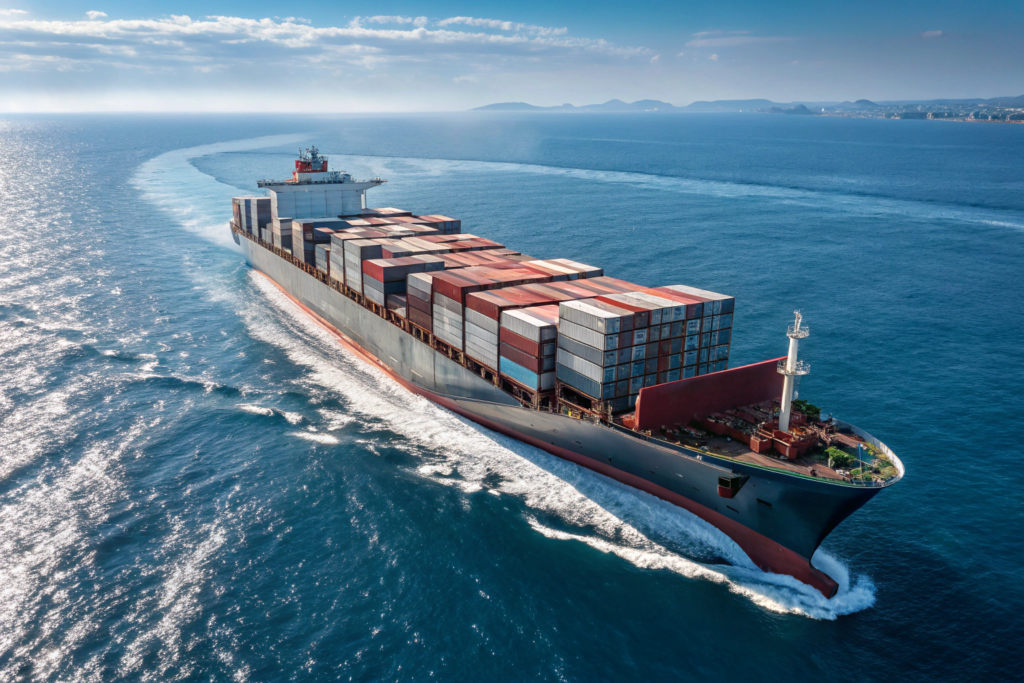
What's the difference between West Coast and East Coast shipping times?
- To U.S. West Coast (e.g., Long Beach, Oakland): This is the fastest route, typically 20-30 days.
- To U.S. East Coast (e.g., New York, Savannah): This route requires passing through the Panama Canal and takes significantly longer, usually 30-40 days.
What factors can delay sea transit?
While we plan for the typical transit time, delays can happen. Common causes include:
- Port Congestion: If the destination port is backed up, ships may have to wait at anchor for days before they can unload.
- Weather: Major storms in the Pacific can force ships to slow down or alter their course.
- Customs Exams: A random customs inspection at a transshipment port can hold up a container for a week or more.
- Vessel Maintenance: Unexpected mechanical issues can cause delays. We mitigate this by using carriers with modern, well-maintained fleets. You can follow global shipping news on sites like the Journal of Commerce to stay informed.
What Happens After the Ship Arrives? (Post-Arrival: 10-15 Days)
The ship has docked! It's a great feeling, but the journey isn't over yet. Many first-time importers are surprised to learn that it can take one to two weeks from the moment the ship arrives to the moment the coffee is delivered to their roastery door. This final stage involves a complex dance between the port authority, the U.S. Customs and Border Protection (CBP), and your domestic trucking company.
The post-arrival phase, including customs clearance and final delivery, typically takes 10 to 15 days. This timeline can be one of the most variable, as it's highly dependent on the efficiency of the port and the scrutiny of government agencies. A simple paperwork error or a random customs hold can add significant delays and costs at this final hurdle.
This is where having an experienced exporter and a good customs broker is critical. We provide all the necessary shipping documents to you and your broker well in advance of the vessel's arrival. This allows your broker to pre-file the customs entry, which can significantly speed up the clearance process. We double-check every document for accuracy to prevent the kind of simple mistakes that can lead to costly delays at the port.
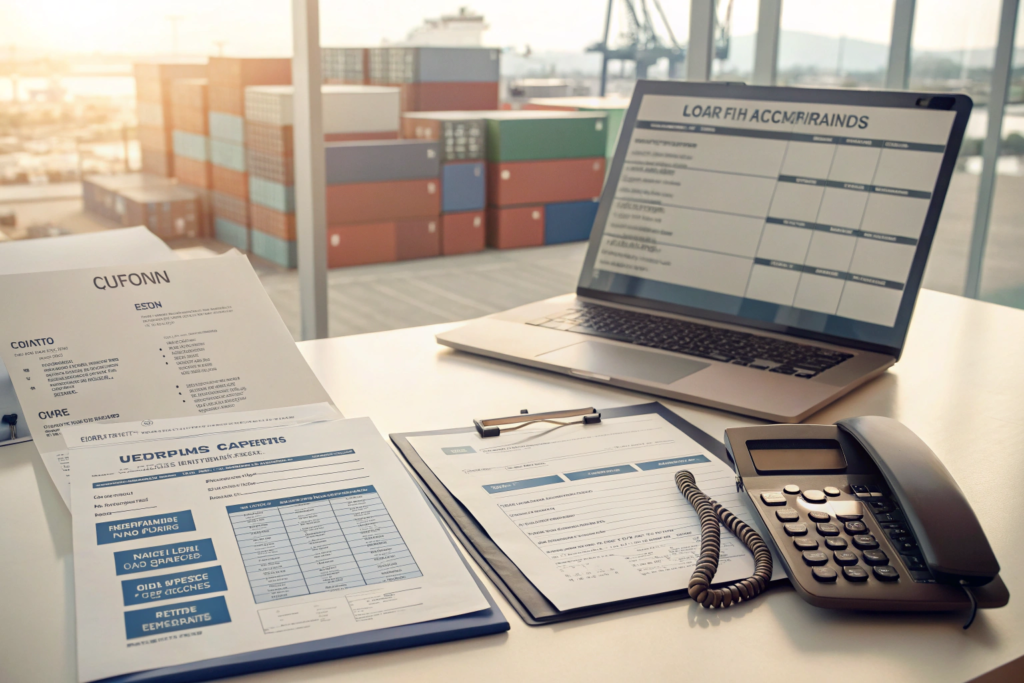
What are the steps in the post-arrival process?
Here's what happens in those 10-15 days:
- Vessel Unloading (2-4 days): It can take several days for the port to unload all the containers from a large vessel and move yours to the correct part of the terminal.
- Customs & FDA Clearance (3-7 days): Your customs broker submits the entry. CBP and the FDA review the documents. If there are no holds or exams, this can be quick. If your container is flagged for an exam (which can be random), it can add a week or more.
- Container Pickup & Delivery (5-8 days): Once cleared, a trucking company needs to be scheduled to pick up the container from the port and deliver it to your warehouse. This involves navigating port appointments and driver availability.
How can you speed up this final stage?
The best way to ensure a smooth final stage is to work with a highly-rated, experienced customs broker. They are your expert on the ground, navigating the complex world of import regulations. They can help you anticipate potential issues and resolve them quickly. Having a good broker is not a place to save money; it's an investment in a faster, more reliable supply chain.
How Can You Manage and Mitigate Delays?
Even with the best planning, delays are a reality of international trade. A typhoon, a port strike, a sudden customs inspection—these things are out of your control and out of your supplier's control. So, if you can't eliminate all delays, how do you protect your business from them? The key is to shift from a mindset of preventing all delays to one of managing them through smart planning.
You can manage and mitigate the impact of delays by building buffer time into your inventory planning and maintaining clear communication with a transparent supplier. Don't plan your roasting schedule around the absolute best-case-scenario timeline. That's a recipe for stress and stock-outs. A professional buyer always builds in a safety net.
This is a conversation I have with all my new clients. I tell them to plan for a 60-day lead time, even though we often deliver faster. So, what does this mean? It means if a shipment takes an unexpected 10 extra days, it doesn't cause a crisis for their business. It's absorbed by the buffer. At BeanofCoffee, our side of this partnership is to provide immediate and honest communication. The moment we are aware of a potential delay, we inform you, so you can make adjustments. A silent supplier is the worst kind of partner in a delay.

How much buffer stock should you hold?
A good rule of thumb is to hold enough safety stock to cover a 2 to 3-week delay on your typical lead time. If your average lead time is 8 weeks, you should reorder when you still have at least 10-11 weeks of inventory on hand. This prevents you from running out of coffee if a shipment gets held up. It's a fundamental principle of inventory management.
What is the role of a transparent supplier?
A transparent supplier is your early warning system. We use advanced tracking and have direct lines to our freight forwarders. If a vessel is going to be delayed at a port, we often know days before the public tracking websites are updated. We immediately pass this information on to you. This allows you to, for example, adjust your roasting schedule or manage your clients' expectations. This proactive communication turns a surprise problem into a manageable logistical event.
Conclusion
So, what is the typical lead time? If you add up the stages—15-25 days for pre-shipment, 20-30 days for sea transit, and 10-15 days for post-arrival—you arrive at a realistic total lead time of 45 to 70 days. This is the timeline you should use for your business planning. While every shipment is unique, this framework provides a reliable guide and highlights why you need a partner who understands and can manage every single step.
Understanding this timeline demystifies the shipping process. It allows you to plan your inventory with confidence, manage your cash flow effectively, and set realistic expectations for your team and your customers. It's a crucial piece of knowledge for any serious coffee importer.
If you're looking for a direct exporting partner who provides this level of transparency and proactively manages the entire lead time from our farm in Yunnan to your door, we're ready to help. Let's build a predictable, efficient, and trustworthy supply chain together. Please contact our lead for North American accounts, Cathy Cai, at cathy@beanofcoffee.com to get a detailed quote and a personalized lead time estimate for your business.