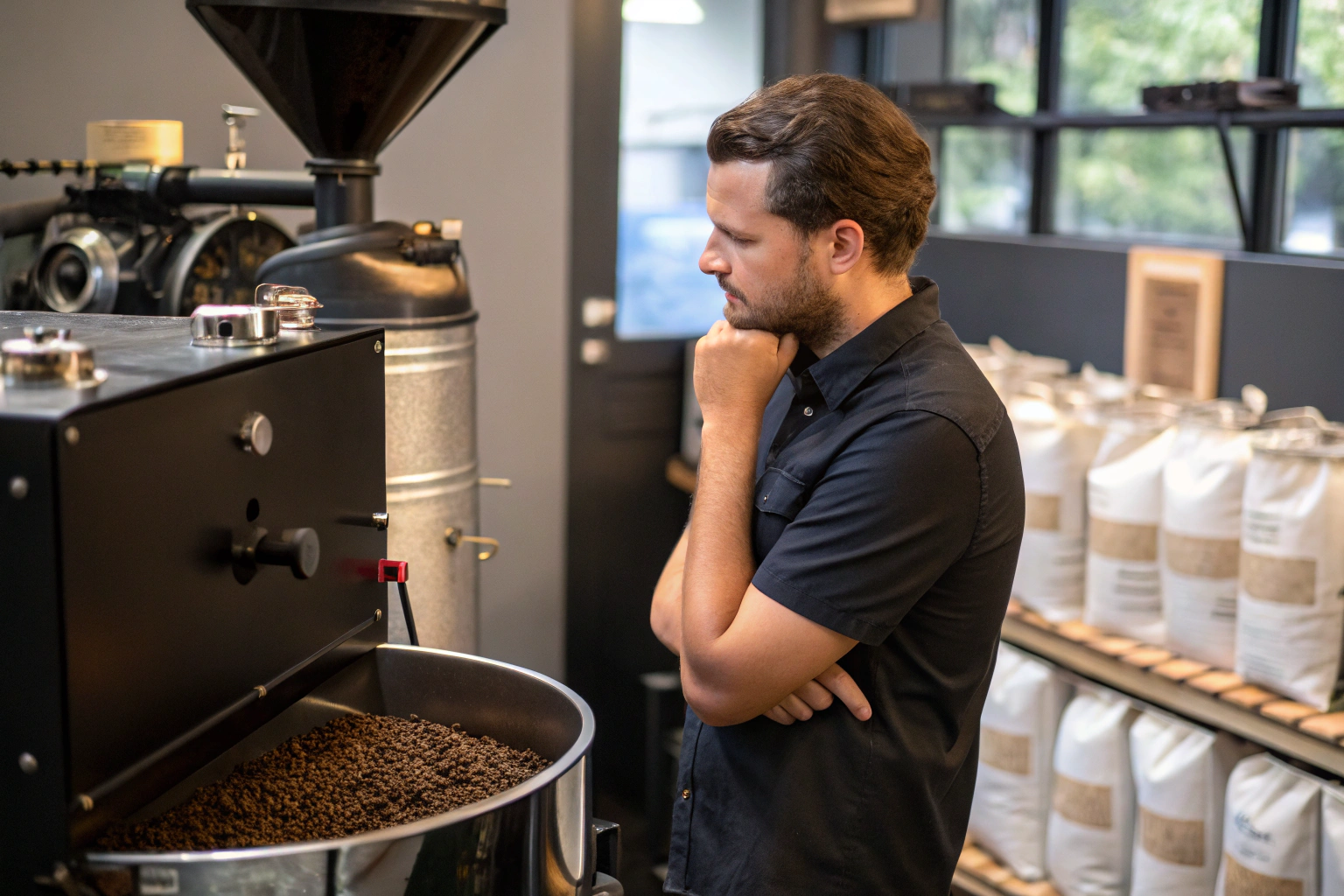
You've seen the auction results. $200 a pound. $400 a pound. A single bag of Geisha selling for more than a used car. You've tasted it—the jasmine, the bergamot, the tea-like elegance. It's unlike anything else. And you're thinking: Could my roastery offer this? Could I get my hands on a bag of this legendary coffee without getting scammed, without paying a fortune in markup, and without ending up with a lot that tastes nothing like the hype? You're asking: What is the actual, practical, non-foolish way to source rare varietals like Geisha?
The best way to source rare varietals like Geisha is not through broad Alibaba searches or anonymous broker emails. It requires a three-pronged approach: (1) Building a direct relationship with a vertically integrated, quality-focused farm at origin that cultivates these varietals. (2) Participating in transparent, verifiable sourcing channels like Best of Panama (BOP) auctions or direct-to-farm micro-lot programs. (3) Demanding exhaustive traceability documentation, including the specific varietal lot number, GPS plot location, and an independent cupping score from a Q-Grader. The goal is to eliminate the anonymous middlemen who create opacity and inflate prices.
I'm going to be direct with you. I manage 10,000 acres at Shanghai Fumao. We grow Catimor, Typica, and yes, we are cultivating Geisha in specific high-altitude plots in Baoshan. I've seen the rare varietal market from the inside. Let me walk you through how to source these coffees intelligently, without getting burned.
Why Is Direct Farm Relationship the Only Safe Way to Source True Geisha?
The rare varietal market is rife with fraud. Geisha is a genetic name, not a legally protected term. Anyone can put "Geisha" on a bag. And many do. The coffee inside might be a mixed varietal, a low-quality Catimor, or just a generic washed Arabica with a fancy label.
A direct farm relationship is the only reliable safeguard against varietal fraud. When you know the farmer, when you can visit the farm (virtually or physically), and when you can see the specific, segregated plot where the Geisha trees are growing, you have assurance that the coffee in the bag is the coffee on the tree. This relationship cuts out the chain of anonymous intermediaries—the local collector, the regional trader, the exporter—each of whom adds cost and creates an opportunity for commingling or misrepresentation.
How Can I Verify the Varietal Without a DNA Test?
You can't run a DNA test on every bag. But you can demand a level of transparency that makes fraud extremely difficult and unprofitable.
Ask the farm for:
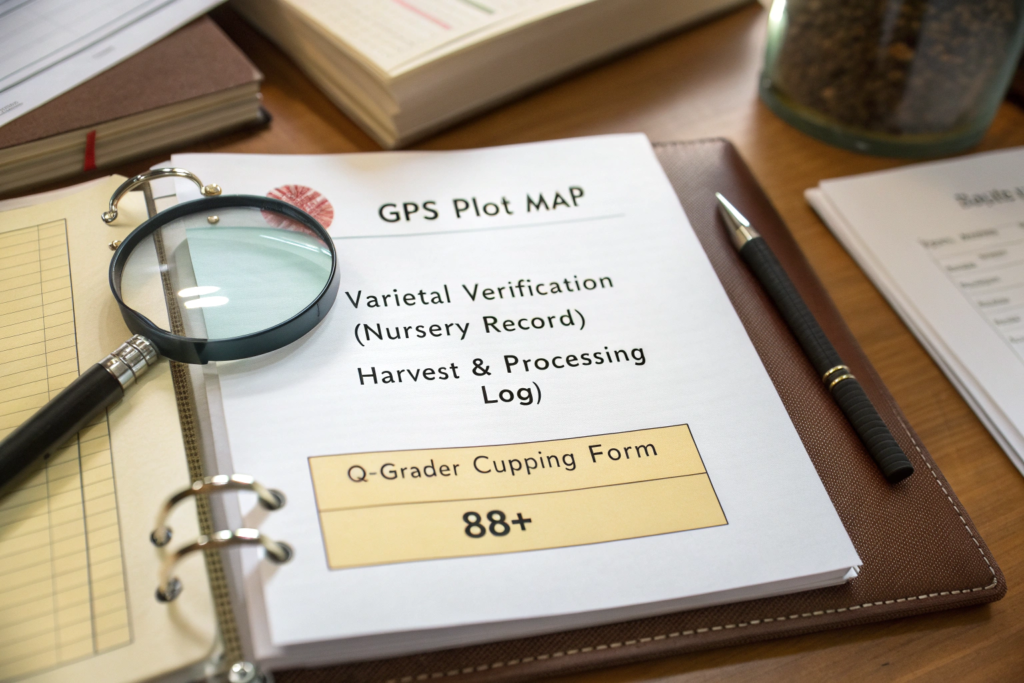
- Plot Map: A GPS polygon of the specific Geisha plot. This shows the trees exist as a distinct, segregated block.
- Harvest Date: The specific day or week the cherries were picked. Geisha is often picked in multiple, selective passes.
- Processing Log: A record of the fermentation time, drying duration, and any specific protocols used for this micro-lot.
- Cupping Score: An independent score from an SCA-certified Q-Grader, with the full cupping form, not just a number.
A farm that can provide this level of detail is operating with transparency. They have nothing to hide. At Shanghai Fumao, our Geisha plots are mapped, tracked, and processed with the same meticulous protocols as the best farms in Panama and Colombia. We provide this documentation as standard for our micro-lot clients.
Why Does Vertical Integration Matter More for Rare Varietals?
A rare varietal is a high-value, low-volume product. It's a prime target for adulteration. A trader who buys parchment from multiple small farmers can easily "stretch" a small Geisha lot by blending it with a cheaper, similar-looking varietal.
A vertically integrated farm controls the entire chain—from the nursery where the Geisha seedlings were planted, to the wet mill where the cherry is processed, to the dry mill where it's sorted and bagged. There is no point in the process where an outsider can introduce a different coffee. The chain of custody is short, direct, and controlled by the farm owner. This vertical control is the strongest possible guarantee of varietal purity. It's one of the reasons why the most famous and trusted Geishas come from estate farms like Hacienda La Esmeralda, and why we are applying the same model to our Geisha program in Yunnan.
What Role Do Coffee Auctions Like Best of Panama Play in Sourcing?
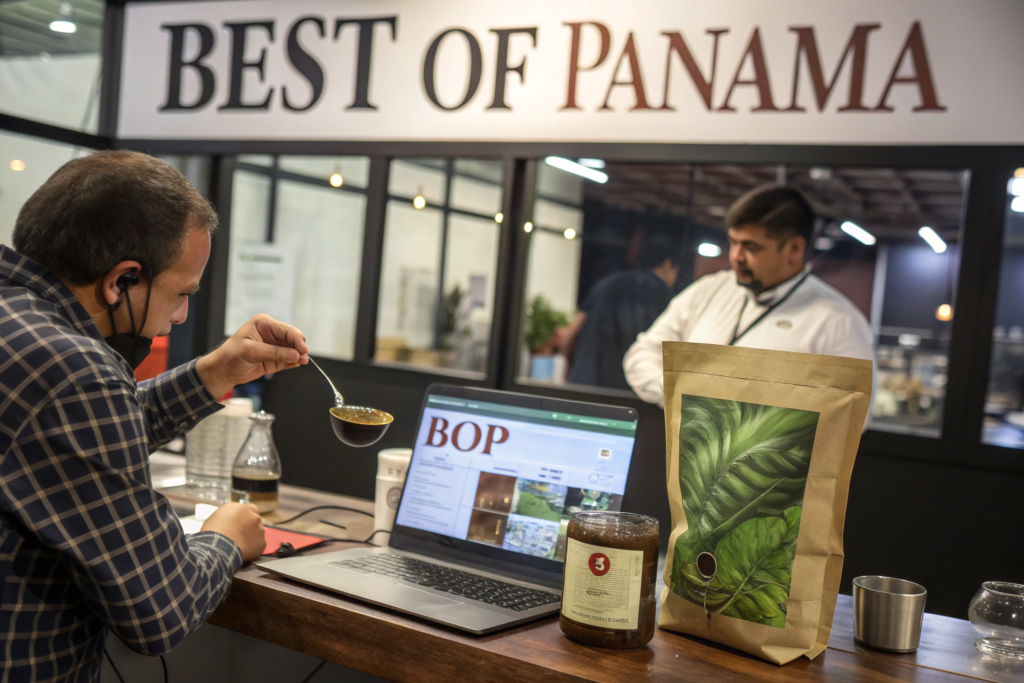
For the absolute pinnacle of Geisha, auctions like Best of Panama (BOP) are the global stage. They are the reference point for quality and price discovery. But they are not the only way, and for many roasters, they are not the best way.
Auctions like BOP provide the ultimate in transparency and quality verification. Each lot is blind-cupped by an international panel of Q-Graders, scored, and ranked. The auction results are public. You know exactly what you're bidding on and what the market values it at. However, BOP lots are extremely limited, extremely expensive, and highly competitive. For most roasters, these auctions serve as a source of inspiration and a benchmark for quality, not a regular sourcing channel.
Is a BOP Geisha Worth the Premium Price for My Business?
It depends entirely on your business model. If you are a roaster with a strong brand, a dedicated high-end subscription base, and a story to tell, a small amount of BOP Geisha can be a powerful marketing tool. It generates buzz. It attracts the most passionate (and highest-spending) customers. It elevates your entire brand.
But if you try to run the numbers on a standard wholesale margin, it will never work. You cannot buy a BOP Geisha at $100/lb green, roast it, and sell it to a cafe at a standard 30% margin. The cafe would have to charge $15 for a pourover. The business case for BOP Geisha is not about direct profit on that specific bean. It's about brand halo—the intangible value of being associated with the best. For most roasters, a more sustainable and profitable approach is to source an exceptional, but not auction-winning, Geisha directly from a farm at a more accessible price point. You can read more about the auction model and see past results on the Best of Panama website.
How Can I Find "Value" Geisha Lots That Aren't Auctioned?
The auctions feature the top 50 lots. But the same farms that produce those winners also produce other Geisha lots—perhaps from a younger section of the farm, or a slightly lower altitude—that are still exceptional but don't command the auction premium.
These are the "value" Geishas. They are found through direct relationship, not through a public auction. You contact the farm. You ask about their non-auction Geisha offerings. You request samples. You cup them. You negotiate a direct price. This is the sweet spot for many quality-focused roasters. You get a verified, delicious Geisha experience for your customers at a green price ($30-$60/lb) that allows for a viable retail model. This is the space where Shanghai Fumao operates with our developing Geisha program. We are not yet at the BOP level, but we are producing a clean, floral, beautifully complex Geisha that offers exceptional value for roasters looking to enter this market.
What Traceability Documents Should I Demand for a Rare Varietal Lot?
For a $3/lb commercial blender, basic traceability is fine. For a $30/lb Geisha micro-lot, the documentation standard must be exponentially higher. You are paying for the story, and you need the receipts to prove the story is true.
For a rare varietal lot, you should demand a "Micro-Lot Documentation Package" that includes: (1) A GPS map of the specific plot. (2) The exact varietal name and, ideally, the nursery source of the seedlings. (3) The precise harvest date(s) and the number of picking passes. (4) A detailed processing log (fermentation hours, drying days, final moisture). (5) An independent, third-party cupping score and full flavor notes from a Q-Grader. (6) The final export lot number that ties all this information together.
Why Is the GPS Plot Map Non-Negotiable?
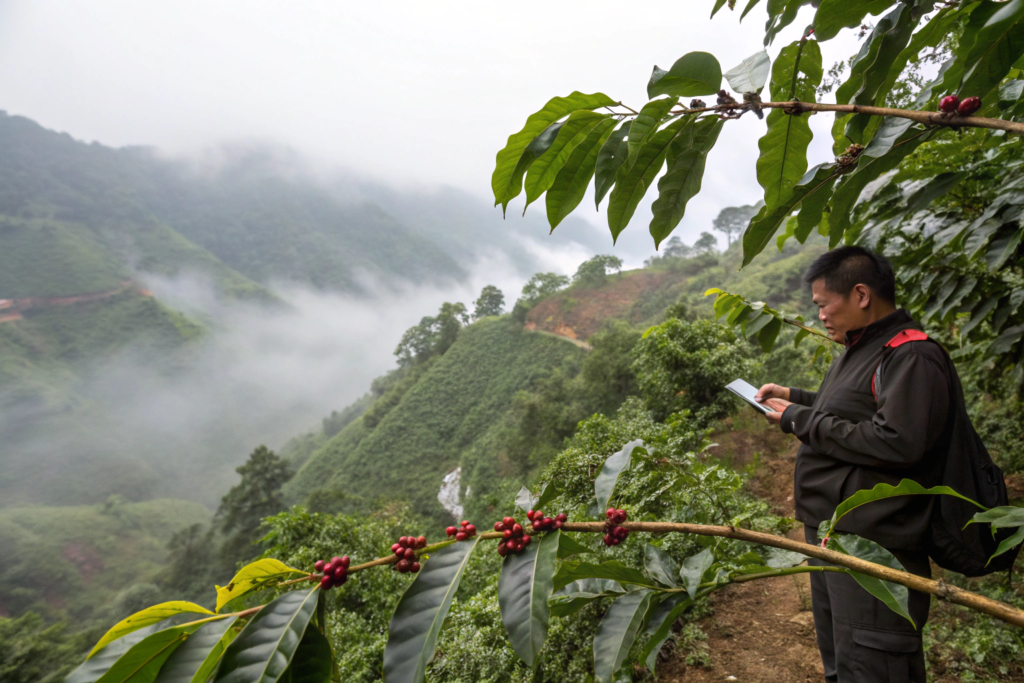
Because it's the most concrete piece of evidence that the coffee came from a specific, segregated place. It's the foundation of the entire story.
A Geisha grown in a specific micro-climate on a specific hillside commands a premium. The GPS map is the proof of that place. It allows you, the buyer, to independently verify the location using satellite imagery. It's the same technology that underpins EUDR compliance, and it's becoming the standard for all high-value, traceable coffees. A supplier who cannot or will not provide a plot map for a Geisha lot is not a supplier you should trust with a premium purchase.
What Should a Q-Grader's Cupping Form Tell Me About the Geisha?
The score is important. An 86+ is good. An 88+ is excellent. 90+ is world-class. But the descriptors are just as important.
A true Geisha has a signature profile. Look for words like: Jasmine, Bergamot, Stone Fruit (Peach, Apricot), Honey, Delicate Tea-Like Body. If the cupping form for a "Geisha" says "Dark Chocolate, Toasted Nut, Heavy Body," you are likely looking at a mislabeled coffee. That's a classic Catimor or Caturra profile. The cupping form is your sensory verification of the genetic claim. It must align with the expected Geisha flavor signature. At Shanghai Fumao, our Geisha lots are cupped and scored by independent Q-Graders. We provide the full form, not just the number.
How Is China Emerging as a New Origin for Rare Varietals Like Geisha and Typica?
The narrative of Geisha is dominated by Panama, Colombia, and Ethiopia. But the map is expanding. Yunnan, China, with its high elevations, volcanic soils, and significant investment in specialty coffee, is quietly becoming a compelling new origin for these rare varietals.
Yunnan offers a unique value proposition for rare varietals: a combination of suitable, high-altitude terroir, modern agricultural practices, and a lower cost structure than traditional Geisha origins. This translates to an exceptional cup quality—a Geisha with the classic floral and stone fruit notes, but often with a slightly more rounded, tea-like body—at a green price that is significantly more accessible to roasters. It's an opportunity to offer a genuine Geisha experience to a broader segment of your customer base.
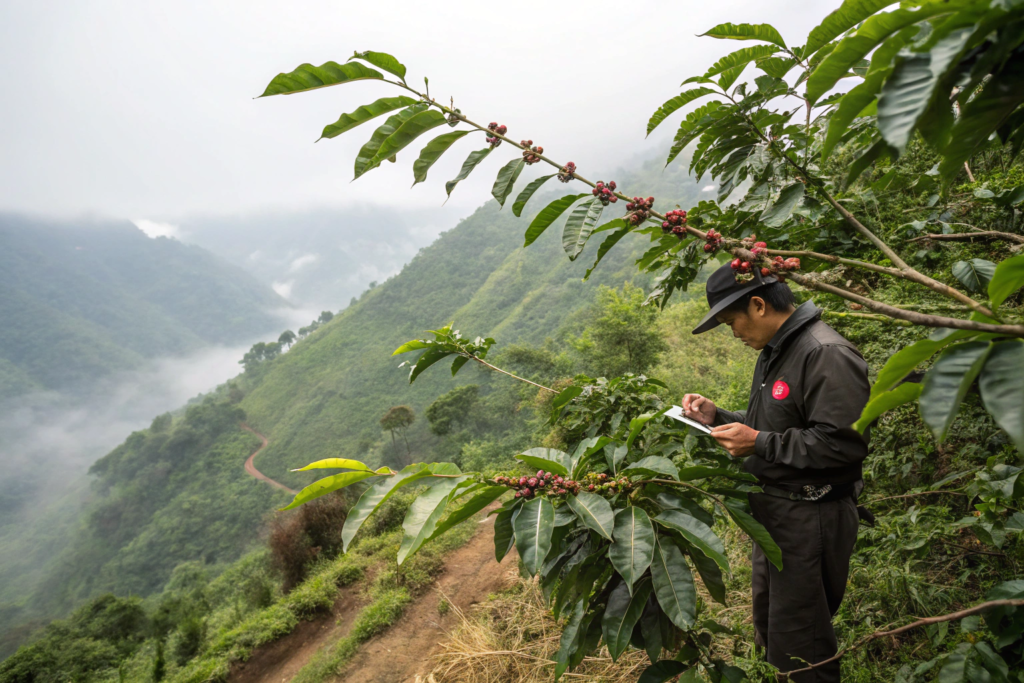
What Is the Quality Potential of Yunnan-Grown Geisha and Typica?
The early results are extremely promising. Yunnan has distinct wet and dry seasons and cool nights at elevations above 1,400 meters. These are ideal conditions for slow cherry maturation and the development of complex sugars and aromatics.
Geisha and Typica trees have been planted in Yunnan for over a decade now, and the trees are reaching productive maturity. The cup quality has improved dramatically in recent years. Blind cuppings are showing Yunnan Geishas scoring in the 86-88 point range, with the classic jasmine and bergamot notes clearly present. They may not yet reach the absolute zenith of a 95-point Panamanian Geisha, but they offer a remarkably similar sensory experience at a fraction of the cost. For a roaster, this is an exciting development. It means the "Geisha experience" is becoming democratized. At Shanghai Fumao, our Geisha and Typica plots are among our most prized assets. We are meticulously managing them to push the quality ceiling higher every year.
Why Is the Price Point for Chinese Geisha So Compelling?
The cost of land and labor in Yunnan, while rising, is still lower than in Panama or Colombia. The logistics chain, as I've discussed before, is efficient and reliable.
These structural advantages allow a Yunnan farm to produce a high-quality Geisha at a lower cost basis. This saving is passed on to the roaster. A direct-trade Geisha from Yunnan might be available at a green price that is 30-50% lower than a comparable quality Geisha from a more established, high-demand origin. For a roaster, this changes the business model. You can offer a limited-edition Geisha as a profitable, exciting seasonal offering without needing to charge $50 a bag. You can introduce your customers to the magic of this varietal at an accessible price point, building a new category of demand for your brand.
Conclusion
Sourcing rare varietals like Geisha is a journey into the heart of specialty coffee. It's a pursuit of the extraordinary. But it's a journey that must be undertaken with clear eyes and a disciplined, verification-based approach.
The path is not through anonymous online marketplaces. It's through building direct, transparent relationships with farms that control their supply chain. It's through demanding the documentation—the GPS maps, the cupping forms, the processing logs—that proves the story. And it's about being open to new, emerging origins like Yunnan that are rewriting the rules of accessibility for these legendary beans.
If you're curious about exploring the rare varietal program at Shanghai Fumao—whether it's our developing Geisha, our elegant Typica, or another unique lot—I invite you to a direct conversation. Let's cup some samples and look at some plot maps. My email is cathy@beanofcoffee.com.