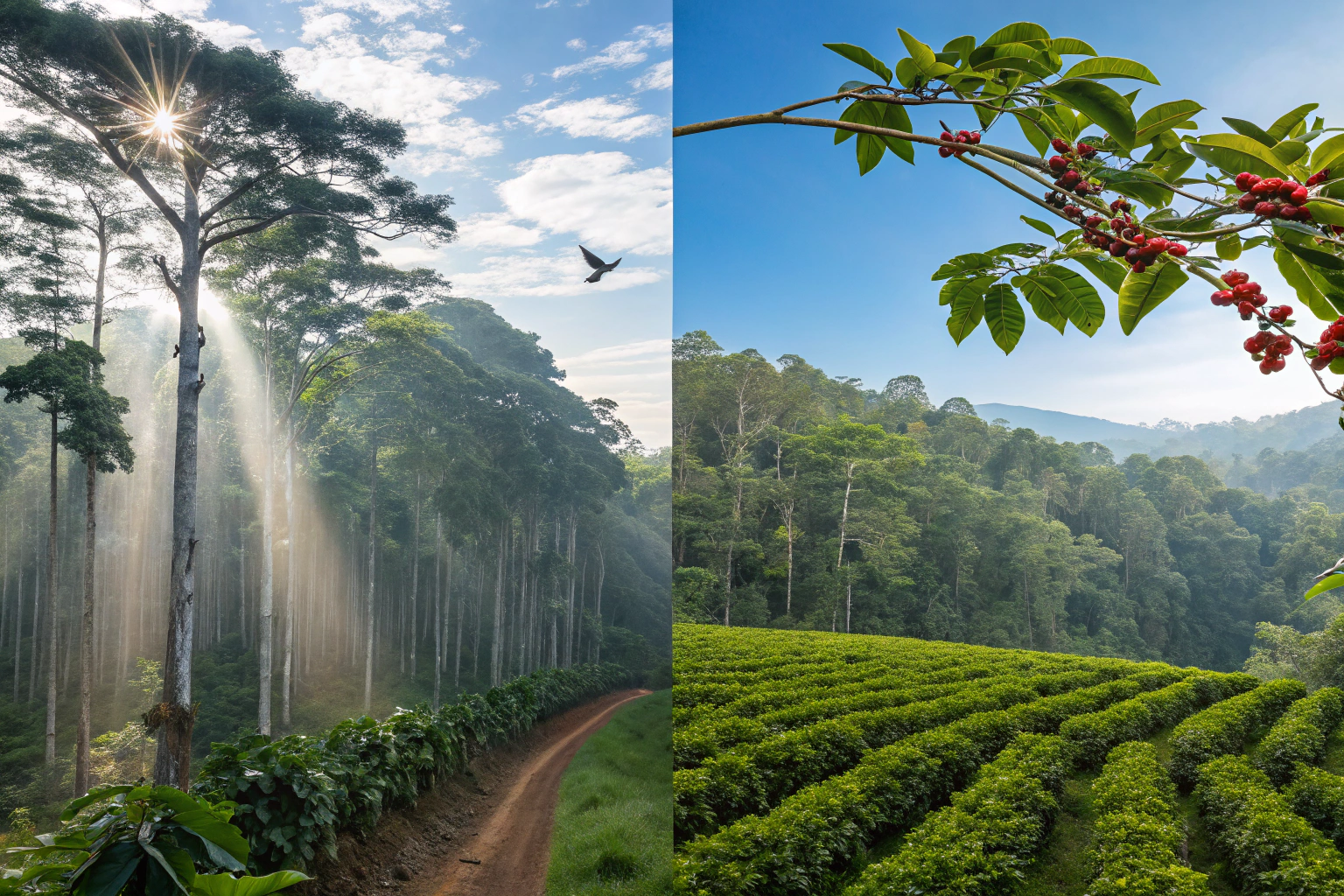
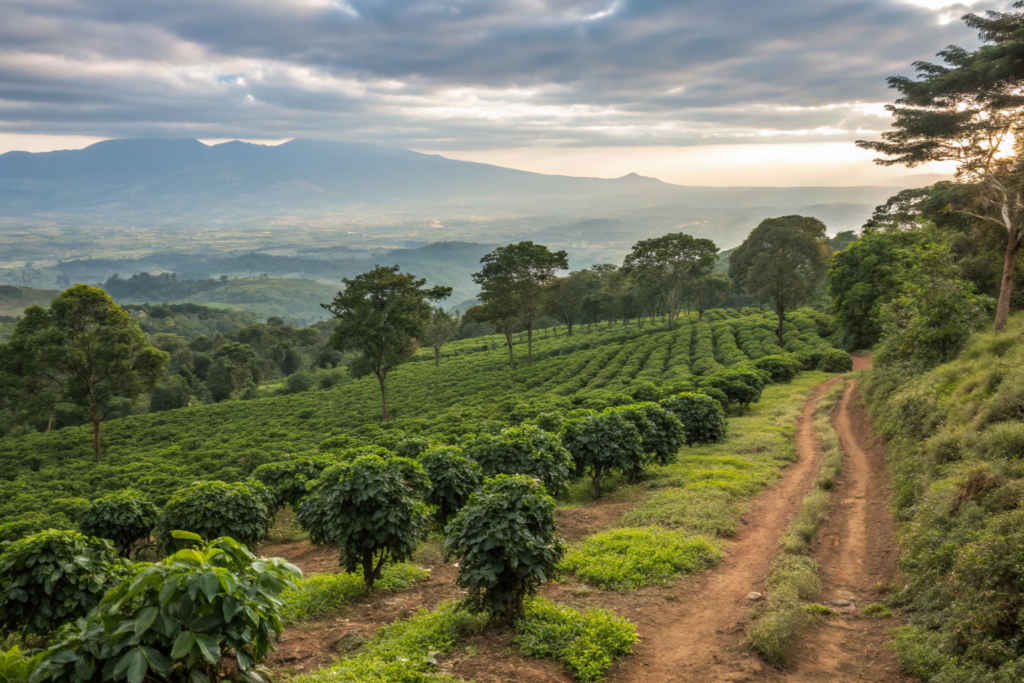
You're walking through a forest. The air is cool, birds are singing, and dappled sunlight filters through a canopy of tall trees. Between those trees, coffee bushes grow slowly. Now picture a vast, open field under the blazing sun, with rows upon rows of coffee plants stretching to the horizon. These two pictures aren't just different scenes—they represent two fundamentally different ways of growing the coffee you drink, with deep impacts on taste, environment, and even your buying choices.
The core difference is in the cultivation ecosystem. Shade-grown coffee is cultivated under a canopy of diverse native trees, mimicking a natural forest. Sun-grown coffee is farmed in direct sunlight in monoculture, cleared fields. This simple distinction drives everything: flavor complexity, farming costs, ecological impact, and bean chemistry. Shade-grown typically yields slower-maturing, denser beans with more complex acidity, while sun-grown produces higher, faster yields with a potentially simpler, bolder profile.
But which one is better? That's where things get interesting. It's not just a simple "good vs. bad" story. As a buyer or business owner, your choice influences supply chains, costs, and the story you tell your customers. Let's dig into the real-world implications of each method.
How Does Cultivation Method Directly Affect Bean Quality & Flavor?
Think about a tomato grown in your backyard versus one grown in a massive hydroponic greenhouse. They're both tomatoes, but they taste worlds apart. The same principle applies to coffee. The environment in which a coffee cherry develops fundamentally shapes what's inside the bean—its sugars, acids, and aromatic potential.
Shade-grown beans mature slower in the cooler, protected understory. This extended ripening period allows for more complex sugar development and higher bean density. The result in the cup is often described as having brighter, cleaner acidity, more nuanced flavor notes (like fruit, floral, or citrus), and a balanced body. Sun-grown beans, maturing faster under direct sun, tend to develop simpler sugar structures. They can produce a heavier body, stronger bitterness, and more straightforward, chocolatey or nutty flavors. However—and this is crucial—excellent sun-grown coffee from ideal high-altitude regions can still be superb; it's just that the potential for peak complexity is often tied to the slower, stress-controlled growth of shade systems.
What biochemical changes occur in the coffee cherry?
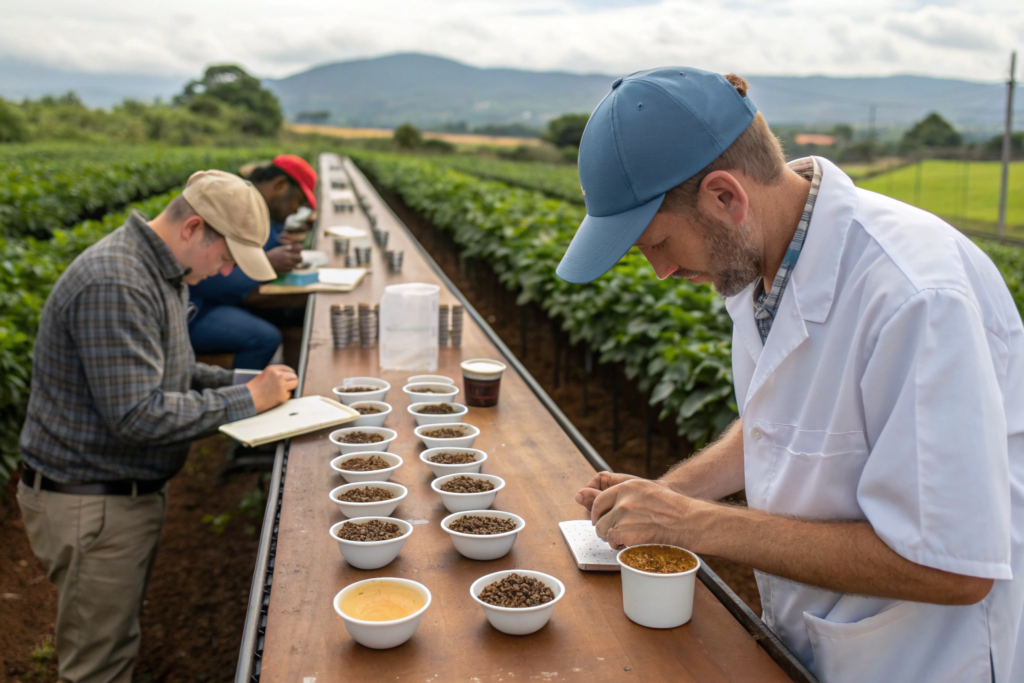
The key players are carbohydrates and acids. In shade, the plant focuses energy on seed (bean) development rather than fighting sun stress, leading to a higher concentration of sugars and lipids. These are the precursors for flavor during roasting. Shade also moderates temperature, preserving delicate chlorogenic acids (which break down into quinic and caffeic acids upon roasting, influencing brightness and astringency). In full sun, the plant produces more caffeine and trigonelline as natural pesticides—this can contribute to increased bitterness. At our Yunnan plantations, we observe this firsthand; our shaded Arabica lots consistently cup with a distinct, wine-like acidity compared to some sun-exposed plots.
Can processing methods override these inherent qualities?
Processing is powerful, but it can't create what isn't there. A masterful wash or honey process can highlight the inherent qualities of a bean, but it can't magically impart the intricate acidity of a slow-grown, shade bean into a fast-grown, sun bean. Think of it like cooking: a high-quality, grass-fed steak needs simple seasoning, while a tougher cut needs marinating and slow cooking to become tender. Sun-grown beans often undergo more controlled fermentation or drying to manage their profile. For exporters, this means our processing protocols for shade-grown lots at BeanofCoffee are often more minimalistic, aiming to preserve the innate complexity, while we might use more tailored techniques for sun-grown lots to achieve a specific, consistent profile our buyers want.
What Are the Environmental & Economic Impacts of Each System?
This is where the conversation shifts from your cup to the cloud forest and the farmer's livelihood. The choice between shade and sun isn't just about taste; it's a choice between different models of agriculture, with ripple effects across ecosystems and communities.
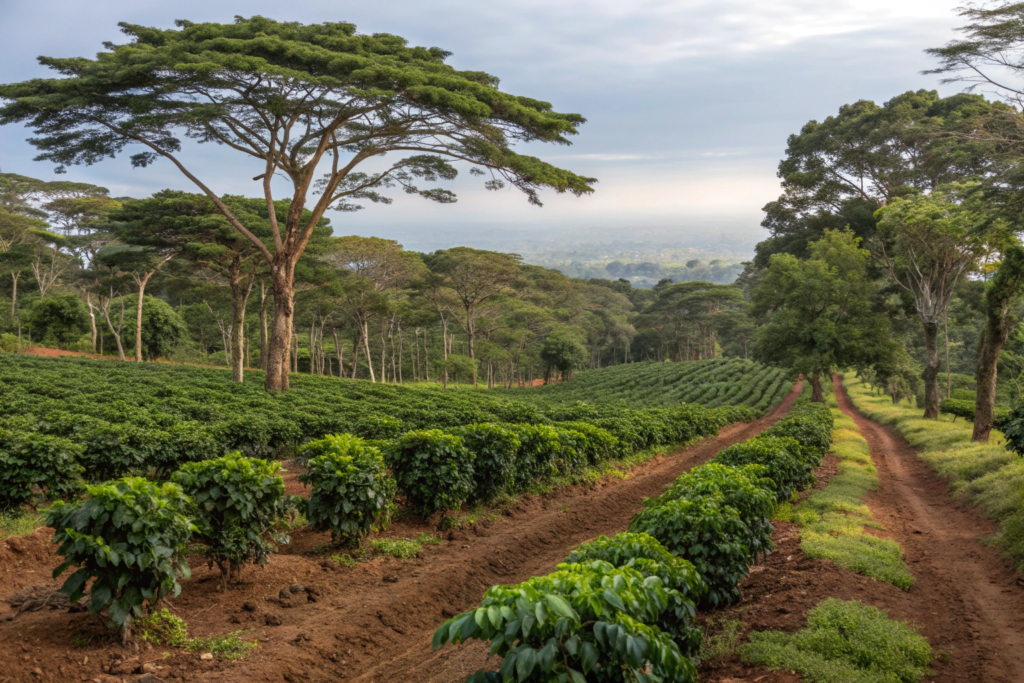
Shade-grown coffee farms function as agroforestry systems. They conserve soil, prevent erosion, sequester significant carbon, and provide vital habitat for migratory birds and biodiversity. They are a form of regenerative agriculture. Sun-grown monocultures, while highly productive, often lead to deforestation, require more chemical fertilizers and pesticides to maintain yields, and can degrade soil health over time. Economically, shade systems often have lower per-acre yields but can command premium prices. Sun systems offer higher volume and lower per-unit cost, appealing to large-scale commercial markets.
Is shade-grown coffee always more sustainable?
Broadly, yes, from an ecological perspective. But sustainability has three pillars: environmental, social, and economic. A shade system fails if it doesn't provide a livable income for the farmer. The premium price for shade-grown coffee is essential to offset its lower yield. This is where certification programs like Bird Friendly (by the Smithsonian Migratory Bird Center) or Rainforest Alliance play a role—they verify the practice and help market the product. However, a well-managed, high-altitude sun farm with integrated pest management and soil conservation can also be more sustainable than a poorly managed shade farm. The method is one indicator, not an absolute guarantee.
Why would a farmer choose sun-grown over shade-grown?
The answer is often economic pressure and immediate yield. Converting to sun cultivation can double or triple short-term yield. For a farmer needing cash flow, this is a powerful incentive. The inputs (fertilizer, pesticide) are a known cost, while the market premium for shade coffee can be uncertain without direct trade relationships. This is a key challenge in the industry. At our company, we work with our partner farmers in Yunnan to maintain shade areas by providing agronomic support and guaranteeing purchase contracts at a better price for those lots. It's a long-term partnership model that Shanghai Fumao invests in to ensure a stable, quality supply of both types, depending on our clients' needs.
How Can Buyers Identify and Source Authentic Shade-Grown Coffee?
With "shade-grown" becoming a popular marketing term, how do you, as a professional buyer, cut through the greenwashing and ensure you're getting what you pay for? Authenticity hinges on traceability and verification, not just a label on a bag.
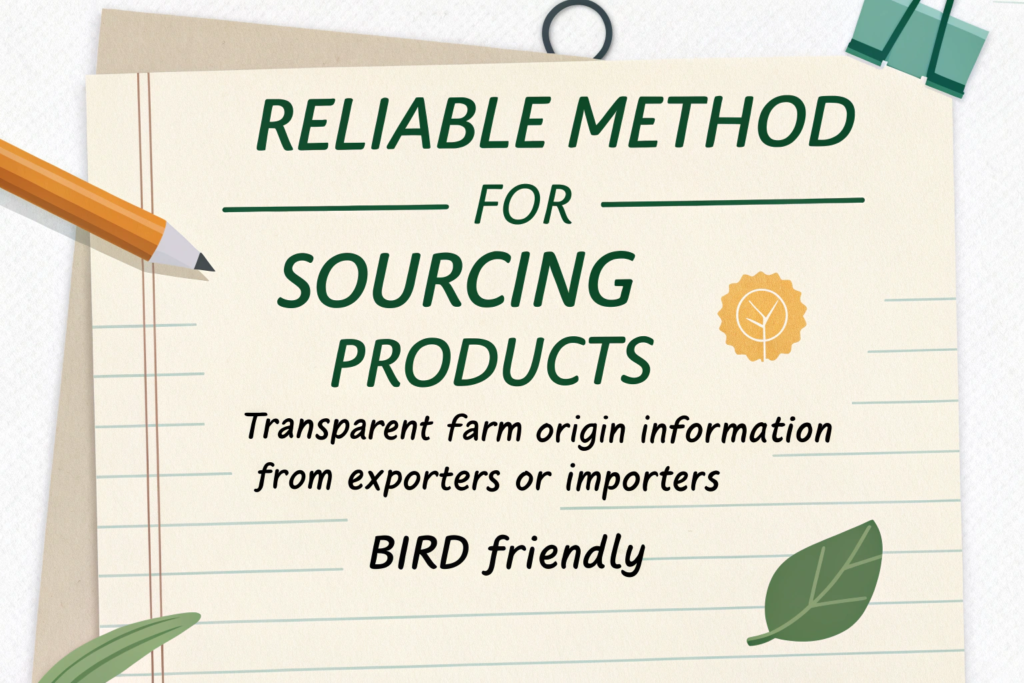
The most reliable method is to source from exporters or importers who provide transparent farm-origin information and back their claims with recognized certifications. Look for the "Bird Friendly" certification, which has the strictest standards for canopy cover and biodiversity. "Organic" certification often overlaps with shade growing but doesn't require it. "Rainforest Alliance" certification promotes agroforestry but allows for varying degrees of shade. Beyond certificates, ask your supplier direct questions: Can they describe the farm's canopy? Can they share photos? Do they have a direct relationship with the grower?
What certifications are most credible for shade-grown verification?
The gold standard is the Smithsonian Bird Friendly® certification. It requires a diverse, native tree canopy of at least 11 species and specific height/density metrics. It's also always organic. Organic certification alone doesn't guarantee shade, but it prohibits synthetic chemicals, which aligns with the philosophy. Rainforest Alliance certification includes criteria for maintaining shade cover and ecosystem conservation, making it a strong, verifiable option for larger commercial volumes. When we prepare certified shade-grown lots for export, we ensure the chain of custody documentation is flawless, from our Yunnan farm to the port, so our buyers have full assurance.
What questions should I ask my supplier?
Go beyond "Is this shade-grown?" Ask these specifics:
- "What is the approximate percentage of shade cover on the farm?" (70%+ is good).
- "Are shade trees native or introduced species?" (Native is better for biodiversity).
- "Can you provide the certification number and a copy of the current certificate?"
- "What is the name of the specific farm or cooperative?"
A supplier who is genuinely connected to their source, like our team at Shanghai Fumao, will readily provide this information. Hesitation or vagueness is a red flag.
Does the Shade vs. Sun Debate Affect Supply Stability and Price?
You need a reliable, consistent supply of green coffee. Does choosing one cultivation method over the other expose you to more risk or cost volatility? The answer is yes, but the types of risk are different. Your choice here influences your supply chain's resilience.
Shade-grown coffee supply is generally less volatile in the long term but more susceptible to short-term shocks. The agroforestry system is more resilient to climate variations (drought, unseasonal rain) and pest outbreaks due to biodiversity. However, its lower yield and dependence on a premium market make its economic model fragile; if buyer demand drops, farmers may be forced to convert to sun. Sun-grown supply is high volume and price-competitive but more vulnerable to commodity price swings, climate extremes, and input cost spikes (e.g., fertilizer prices).
How does climate resilience differ between the systems?
The shade canopy acts as a natural buffer. It reduces soil temperature, conserves moisture, and protects flowers from frost. This makes shade farms more stable in the face of increasing weather unpredictability. Sun farms are exposed; a heatwave can scorch cherries, and heavy rain on bare soil causes erosion. For a buyer, a long-term partnership with a shade-grown producer can mean more consistent quality and volume year-to-year, despite potentially higher base cost. This stability is a value we communicate to our partners at Shanghai Fumao.
What is the typical price differential, and is it justified?
Authentic, certified shade-grown coffee typically carries a 15-30% premium over conventional sun-grown of similar grade. Is it justified? It depends on your values. You are paying for: 1) Ecological services (carbon sequestration, watershed protection). 2) Biodiversity conservation. 3) Long-term farm resilience. 4) Potentially more complex cup quality. If your brand story and customer base value these things, the premium is an investment. For commercial blends where consistent, bold flavor is the goal, a high-quality sun-grown bean might offer better value. We offer both options to cater to these distinct market segments.
Conclusion
The difference between shade-grown and sun-grown coffee is a tale of two agricultural philosophies. One prioritizes harmony with a forest ecosystem, yielding nuanced flavors and ecological benefits. The other prioritizes efficiency and scale, delivering robust yields and a familiar profile. Neither is inherently "bad," but understanding the distinction empowers you to make informed sourcing decisions that align with your quality goals, brand values, and customer expectations.
Ultimately, the best choice comes down to the partnership you forge. You need a supplier who is transparent about their farming practices, whether they manage sun or shade, and who can provide the traceability and consistency your business requires.
If you are looking to source high-quality Yunnan Arabica, Catimor, or Robusta—whether from our carefully managed shaded plots or our productive sun-grown fields—we can provide detailed profiles, samples, and the verification you need. For a transparent discussion on how our cultivation methods can meet your specific flavor and sourcing requirements, contact our export manager, Cathy Cai. Let's find the right bean for your needs. Reach Cathy at: cathy@beanofcoffee.com.