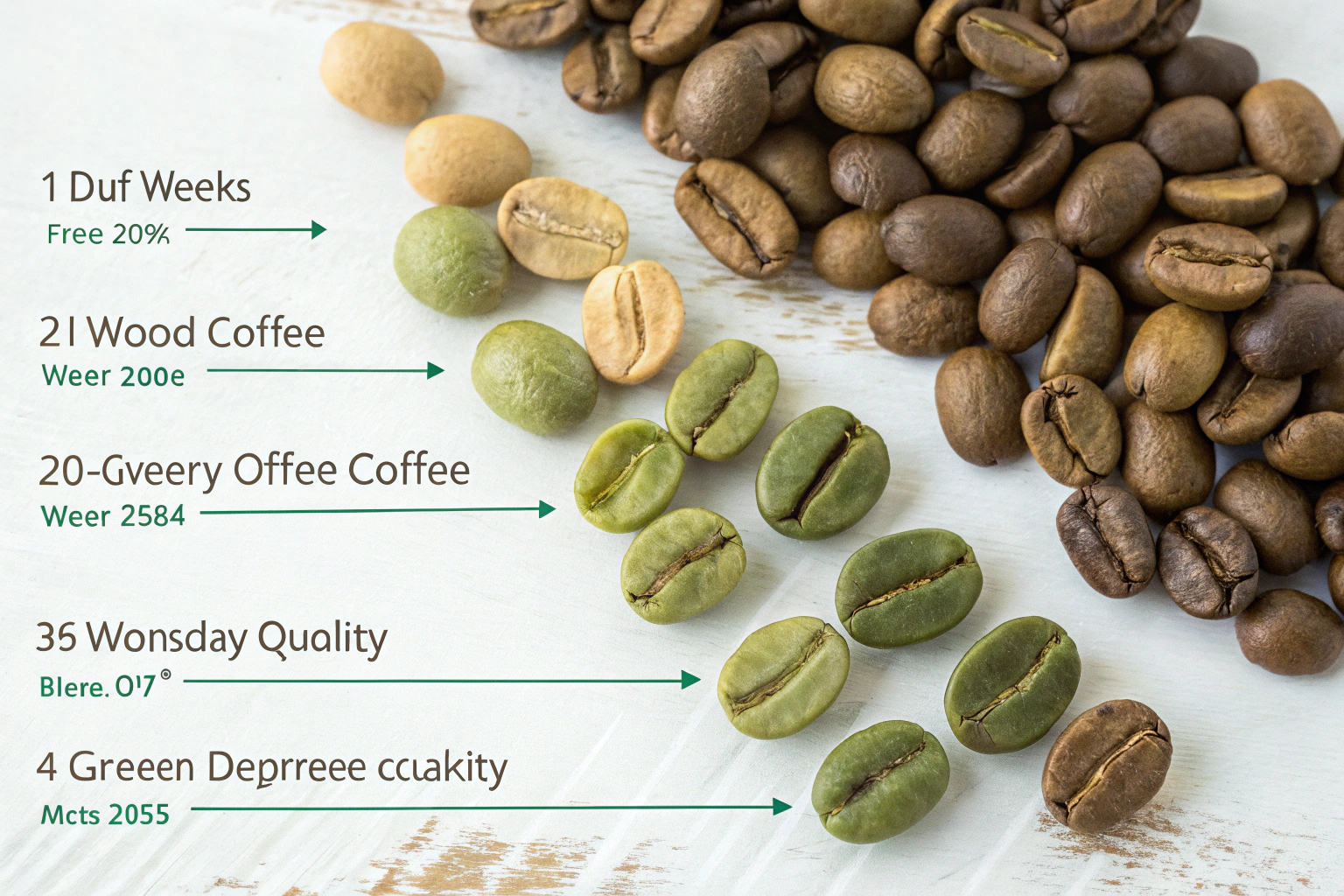
You dial in the espresso first thing in the morning. The shot pulls beautifully. Rich crema. Balanced flavor. The cafe is buzzing. A few weeks later, you're using the same coffee from the same bag. The same grinder setting. The same recipe. But the shot is different. The crema is thinner. The flavor is... muted. A little flat. A little woody. Your barista didn't change anything. The coffee just got older. You're asking: How much of my cafe's quality is quietly slipping away as the beans sit in the hopper? And what can I actually do about it?
The age of green coffee beans has a measurable, cumulative impact on the flavor and aroma of the brewed cup. Over time, volatile aromatic compounds responsible for the coffee's complexity and brightness naturally dissipate—a process accelerated by exposure to oxygen, heat, and moisture. The lipids (oils) in the bean slowly oxidize, leading to flat, woody, or papery off-notes. While a period of rest (2-4 weeks post-roast) is essential for degassing and flavor development, a steady decline in cup quality begins thereafter. The rate of decline is directly influenced by storage conditions and the initial quality of the green coffee.
I manage a warehouse full of green coffee at Shanghai Fumao. Understanding and mitigating the effects of age is my daily responsibility. Let me walk you through the science of what happens to a coffee bean over time, from the moment it leaves our dry mill in Baoshan to the moment it's ground in your cafe.
How Does Green Coffee Age Differ from Roasted Coffee Aging?
This is the most important distinction for a coffee buyer to understand. Green coffee and roasted coffee are fundamentally different products with different aging trajectories. Confusing the two leads to poor sourcing and storage decisions.
Green coffee is a stable, living seed with a moisture content of 10-12%. When stored properly in a cool, dark, and dry environment, its quality degrades very slowly—over months, not days. Roasted coffee is a fragile, porous, and degassing product. Its cell structure has been shattered by heat. It is highly susceptible to oxidation and staling, with a peak flavor window measured in days or weeks, not months. The clock on roasted coffee age is much, much faster.
What Happens to Green Coffee Over 6-12 Months in Proper Storage?
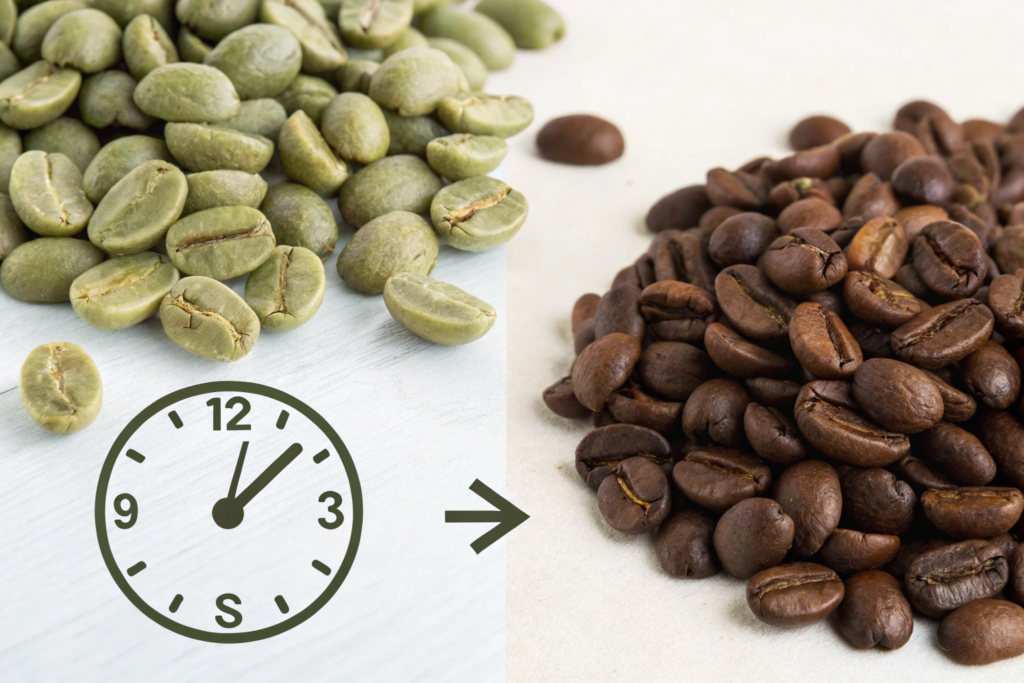
This is the "past crop" scenario that makes buyers nervous. But a well-stored past-crop coffee is not a defective coffee. It's simply a coffee that has mellowed.
In a climate-controlled warehouse (cool, dark, stable humidity), a dense, high-quality green coffee like our Yunnan Arabica will undergo a slow, predictable evolution. The sharp, vibrant acidity will soften slightly. The volatile floral and fruity top notes will fade a little. But the core flavor structure—the chocolate, the nuts, the body—remains remarkably intact. This is why past-crop coffee can be an excellent, smooth base for espresso blends. It loses some of its "pop" as a single origin but gains a rounded, integrated character. The key is storage. Green coffee stored in a hot, humid environment will degrade rapidly, developing "baggy" or "woody" off-flavors in just a few months. At Shanghai Fumao, our past-crop coffee is stored in GrainPro bags in a cool, high-altitude warehouse. We cup it every 60 days to monitor its profile. We're confident in its quality.
What Is the Ideal "Resting" Period for Freshly Roasted Coffee?
Freshly roasted coffee is not ready to brew. The roasting process creates a significant amount of carbon dioxide gas trapped inside the bean's cellular structure.
This gas needs time to escape—a process called "degassing." If you brew coffee immediately after roasting, the CO2 bubbles disrupt the extraction, leading to a sour, uneven, and hollow-tasting cup. The ideal resting period varies by roast level and bean density, but a general rule is 3 to 7 days for espresso and 2 to 5 days for filter coffee. After this rest period, the coffee enters its "peak flavor window," which typically lasts for 2 to 4 weeks when stored in a sealed, valved bag away from light and heat. After this peak, the volatile aromatics begin their steady decline, and the oxidation of oils leads to flat, stale flavors.
What Are the Specific Sensory Changes as Coffee Beans Age?
The decline in coffee quality is not a binary switch from "good" to "bad." It's a gradual, predictable shift in the sensory profile. Being able to identify these age-related notes helps you diagnose issues in your cafe.
The sensory journey of aging coffee follows a pattern: The first notes to fade are the most volatile and delicate—floral aromas (jasmine, bergamot) and bright, citric acidity. These are replaced by a flatter, more generic "brown" sweetness (caramel, generic chocolate). As oxidation progresses, negative "past-crop" notes emerge: paper, dry wood, cardboard, and eventually, a distinct baggy or musty character. The body also thins, and the finish becomes shorter and less sweet.
What Does "Woody" or "Papery" Taste Like in an Aged Coffee?
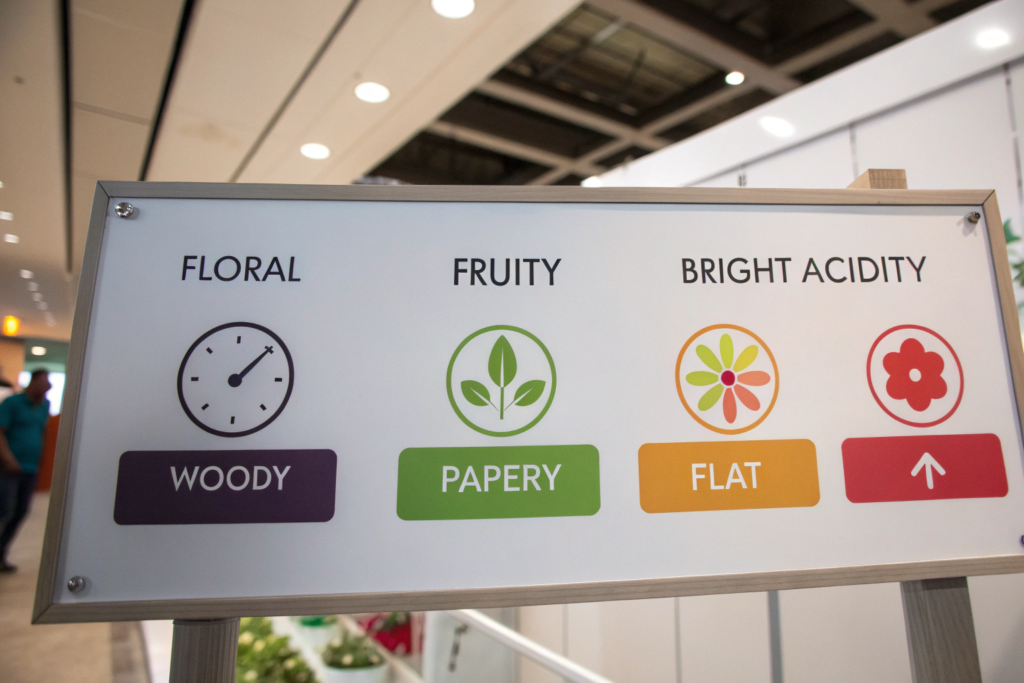
These are the classic markers of a coffee past its prime. "Woody" is not the pleasant aromatic wood of cedar or sandalwood. It's the dry, flavorless taste of a popsicle stick or dry sawdust.
"Papery" tastes exactly like it sounds: like licking a plain piece of white printer paper or a brown cardboard box. It's a dry, flat, and distinctly non-coffee flavor. These notes are the result of the oxidation of the coffee's lipids (fats and oils) and the degradation of the cellulose structure of the bean. They are most noticeable in the aftertaste and the finish of the coffee. If your espresso has a lingering, dry, cardboard-like finish that wasn't there a month ago, the coffee is likely showing its age.
How Does Acidity Fade and Why Does It Matter for Balance?
Acidity is the "sparkle" in coffee. It's the bright, lively sensation that balances the sweetness and bitterness. It's what makes a coffee taste vibrant and complex.
As coffee ages, this acidity fades. The coffee doesn't become "bitter" in the traditional sense. It becomes "flat." The flavor profile collapses into a one-dimensional, muted sweetness. The coffee tastes "boring." This is particularly noticeable in origins prized for their acidity, like Kenyans or Ethiopians. For a cafe, this fading acidity means your carefully crafted blend loses its definition. The bright top note that balanced the heavy chocolate base is gone. The coffee still tastes "okay," but it's lost the magic that made it special. A naturally lower-acid coffee, like a Yunnan or a Brazilian, will show this fading less dramatically because the acidity was never the star of the show to begin with.
How Can Roasters and Cafe Owners Manage Green and Roasted Coffee Age?
You can't stop time. But you can manage it. A proactive approach to inventory and storage is the difference between a cafe serving consistently vibrant coffee and a cafe serving faded, forgotten beans.
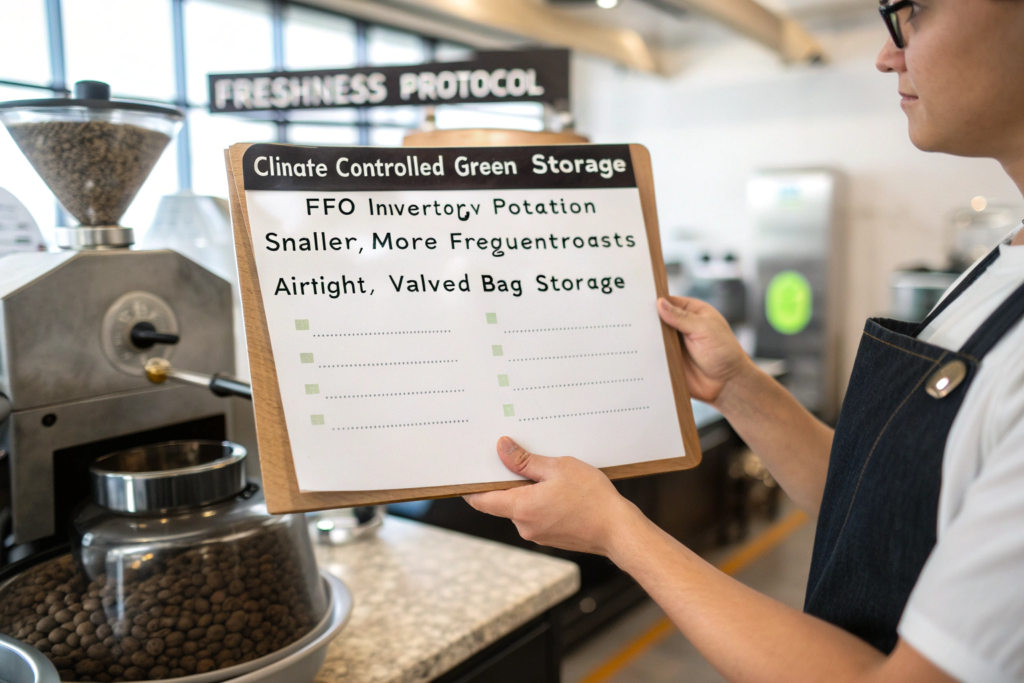
Managing coffee age requires a two-pronged strategy: (1) Green Coffee Management: Store green beans in a cool, dark, dry environment. Use GrainPro bags for long-term storage. Practice FIFO (First-In, First-Out) inventory rotation. Order volumes that align with your 6-9 month usage, not speculative multi-year stockpiles. (2) Roasted Coffee Management: Roast in smaller, more frequent batches to minimize the time roasted coffee sits on the shelf. Store roasted coffee in airtight, one-way valve bags away from heat and light. Grind immediately before brewing.
Why Is "Roast to Order" a Superior Model for Cafe Quality?
The "Roast to Order" model—where a roastery roasts coffee specifically to fulfill pending orders rather than roasting large batches for speculative inventory—is the gold standard for freshness.
This model ensures that the coffee in your cafe was roasted within the last few days, not weeks ago. It arrives at peak flavor and is served during its optimal window. While it requires more logistical coordination and potentially higher shipping costs, the quality payoff is significant. Customers can taste the difference. For a cafe, aligning with a roaster who operates on this model—or adopting it for your own roasting—is a powerful competitive advantage. At Shanghai Fumao, we work with many roasters who operate this way. They order green coffee from us in smaller, more frequent shipments to support their just-in-time roasting model.
What Is the Single Biggest Storage Mistake Cafes Make with Roasted Coffee?
Leaving the open bag of coffee next to the espresso machine or on a shelf above the oven. Heat and light are the enemies of roasted coffee.
The warm environment accelerates oxidation and drives off volatile aromatics at an alarming rate. Coffee stored next to a hot espresso machine can go stale in a matter of days, not weeks. The best practice is to store your daily-use coffee in a sealed, airtight container in a cool, dark cupboard. Your backup bags should be stored sealed, in their original valved packaging, away from heat. This simple change in habit can extend the peak flavor window of your roasted coffee significantly. It's a free upgrade in cup quality.
Does the Coffee Varietal or Origin Affect How It Ages?
All coffees age. But not all coffees age in the same way or at the same rate. The coffee's inherent genetic makeup and its processing method play a significant role in its aging trajectory.
Generally, high-density, washed Arabica coffees from high altitudes age more gracefully than lower-density naturals. The dense cellular structure provides a better barrier against oxidation. Coffees with inherently low acidity and heavy body, such as those from Brazil, Sumatra, and Yunnan, tend to show the effects of age less dramatically. Their core flavor profile—chocolate, nuts, earth—is more stable over time. A high-acid, floral Ethiopian coffee will show a more noticeable and rapid decline in its signature characteristics.
Why Does a Natural Process Coffee Sometimes Age Faster?
Natural process coffees are dried inside the whole cherry. This process often results in a bean with a more porous, less dense cellular structure than a fully washed coffee.
This porosity makes the bean more susceptible to oxygen ingress and lipid oxidation. The vibrant, fruity, and sometimes "funky" flavors of a natural coffee are driven by volatile compounds that are particularly fragile. While a great natural can be spectacular when fresh, it often has a shorter peak window than a dense, washed coffee. It's a "drink it now" kind of coffee. A washed Yunnan Catimor, with its dense structure and stable chocolate profile, is more forgiving. It's a reliable, consistent performer even as the months pass.
Is a Low-Acid Coffee Like Yunnan More "Forgiving" of Age?
Yes. This is a key part of its value proposition for commercial roasters and cafes. The Yunnan flavor profile is built on a foundation of chocolate, nuts, and body, not on delicate floral or citrus top notes.
When a Yunnan coffee ages, the loss is less noticeable because the core identity remains intact. The chocolate is still there. The body is still heavy. It may lose a touch of its brightness, but it doesn't collapse into a papery, hollow shell in the same way a high-acid coffee might. This "forgiving" nature makes Yunnan an excellent choice for a core blend component or a value-oriented single origin. It provides a consistent, reliable canvas. It's one of the reasons why our clients at Shanghai Fumao value Yunnan for their year-round programs. The coffee holds up.
Conclusion
Bean age is an invisible but relentless force shaping the flavor and aroma in your cafe. It begins its work the moment the seed leaves the tree and continues through every stage of processing, shipping, roasting, and brewing. Understanding its impact—and learning to manage it—is not about achieving an impossible, static perfection. It's about making smart choices that maximize the window of peak deliciousness.
It's about sourcing dense, well-processed, stable green coffees. It's about storing them correctly. It's about roasting smaller batches more frequently. It's about keeping that open bag away from the espresso machine.
If you're looking for a core coffee component that offers a stable, forgiving, and consistently delicious profile over time, Yunnan Arabica is a strategic choice. It's a coffee that ages with grace. My email is cathy@beanofcoffee.com.