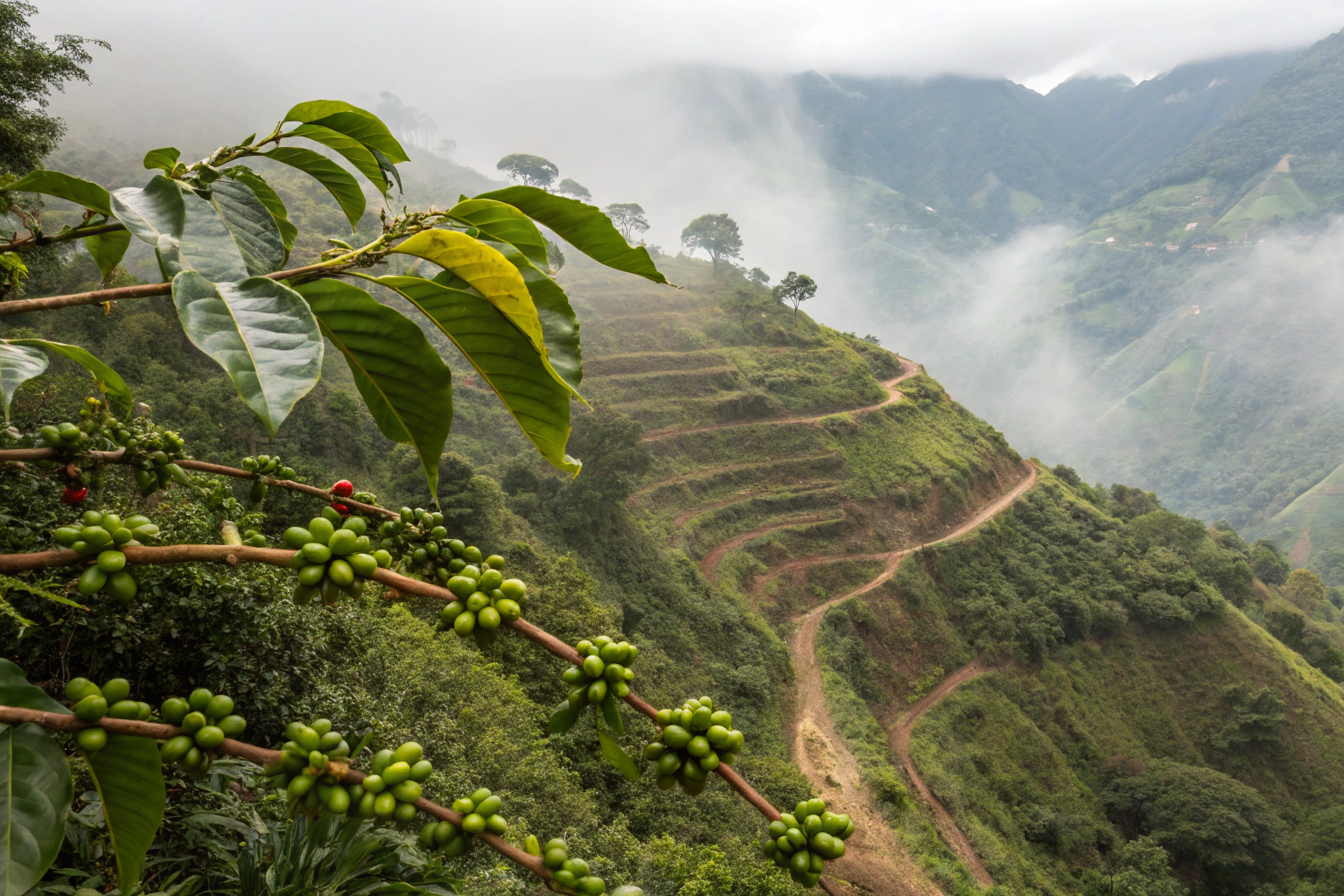
You're cupping two coffees side by side. One tastes simple, flat, and roasty. The other bursts with layered flavors—maybe jasmine, peach, or blackberry. What makes the difference? Often, it's not just the country or variety, but how high the coffee was grown. Altitude isn't just a number on a bag; it's a primary driver of flavor complexity.
Beans grown at high altitudes (typically 1,200 meters / 4,000 feet and above) offer the most distinct and complex flavor notes. This includes many Arabica beans from East Africa (Ethiopia, Kenya), the Andes (Colombia, Peru), and Central America (Guatemala, Costa Rica). Even within these regions, the highest-grown lots, known as "Strictly Hard Bean" or similar, consistently deliver the brightest acidity and most nuanced profiles. However, altitude is just the starting point—it must be combined with the right variety, soil, and meticulous processing.
So, why does a bean grown on a high mountain slope taste different from one grown on a low hill? It's a matter of stress and survival. At higher elevations, cooler temperatures and thinner air slow the cherry's maturation. The bean develops more slowly, becoming denser and packing in more complex sugars and aromatic compounds. This is the foundational chemistry of flavor. Let's explore how this plays out in the cup and how you, as a buyer, can identify and source these exceptional beans.
How Does High Altitude Directly Create Flavor Complexity?
Think of a coffee plant at high altitude as an athlete training in thin air. The conditions are tougher, and the plant must work harder. This struggle directly translates into the chemical composition of the bean, which in turn becomes flavor in your cup.
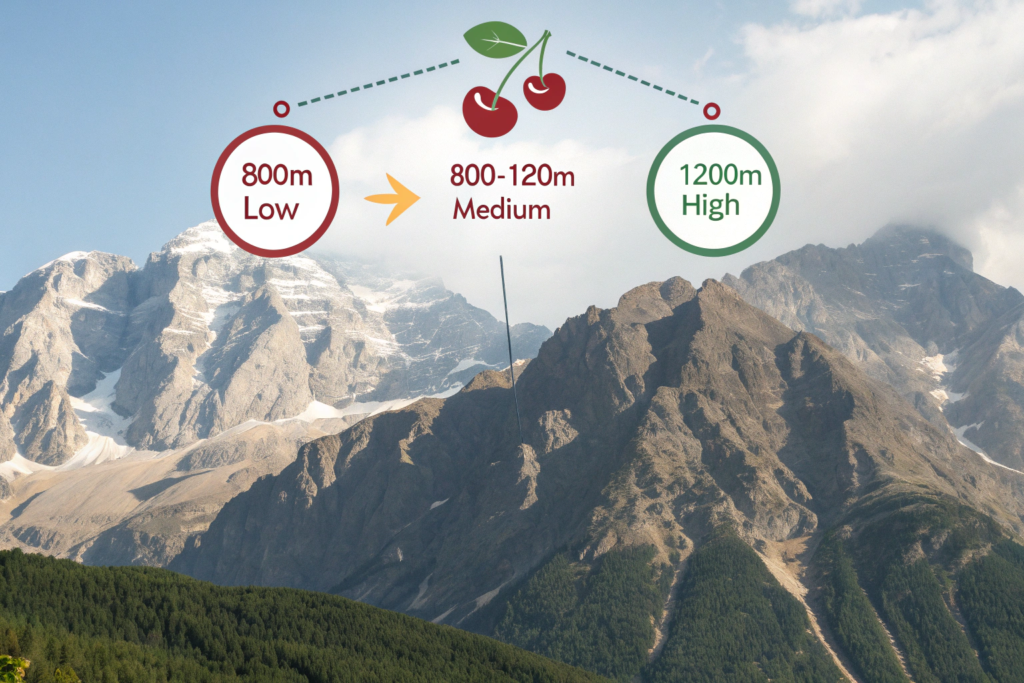
The key factor is the slow development. Cooler temperatures mean the coffee cherry can take many more months to ripen. During this extended time, the plant has more opportunity to pull nuanced minerals from the volcanic or rich soils often found at these elevations. The bean develops a higher concentration of sugars (sucrose) and a greater density of cells. This density is crucial—it's why high-altitude beans are called "hard bean." This hard, dense structure allows for a more even and complex roast, unlocking a wider range of flavor precursors. Furthermore, the slower growth concentrates organic acids like citric and malic acid, which translate to the bright, wine-like, or fruity acidity that defines complex coffees.
What is the Science Behind "Hard Bean" and Acidity?
"Hard Bean" (HB) or "Strictly Hard Bean" (SHB) are official grade classifications in many Latin American countries, directly tied to altitude. The denser bean structure has several impacts. First, it roasts more evenly, preventing the outside from burning before the inside develops. This even development preserves delicate volatile aromatics that would be scorched in a less dense bean. Second, the higher sugar content caramelizes during roasting, creating a sweetness that balances the pronounced acidity. This bright acidity—often described as "vibrant," "crisp," or "juicy"—is the backbone that allows other subtle flavor notes (floral, fruity, herbal) to be perceived clearly. Without this clean acidity, flavors tend to muddle together.
Why is Altitude a Stronger Flavor Indicator Than Continent?
A common misconception is that all African coffees are fruity or all Central American coffees are nutty. While broad regional trends exist, altitude can override them. For example, a low-altitude coffee from Ethiopia might taste rather earthy and simple, while a very high-altitude coffee from Brazil (not traditionally known for extreme altitudes) can surprise with bright citrus notes. The altitude provides the potential for complexity, while the region and variety provide the flavor direction. For instance, high-altitude Yunnan Arabica from our farms in Baoshan (often above 1,300m) can develop a complex profile with citrus, black tea, and dark honey notes, challenging stereotypes about Chinese coffee. Organizations like the Specialty Coffee Association emphasize the role of altitude in their green coffee grading protocols.
Which Global Regions Produce the Most Notorious High-Altitude Beans?
While altitude alone is a key factor, its magic is fully realized in specific terroirs known for their ideal combination of height, climate, and tradition. These regions have built their reputations on delivering distinct, altitude-driven cups.
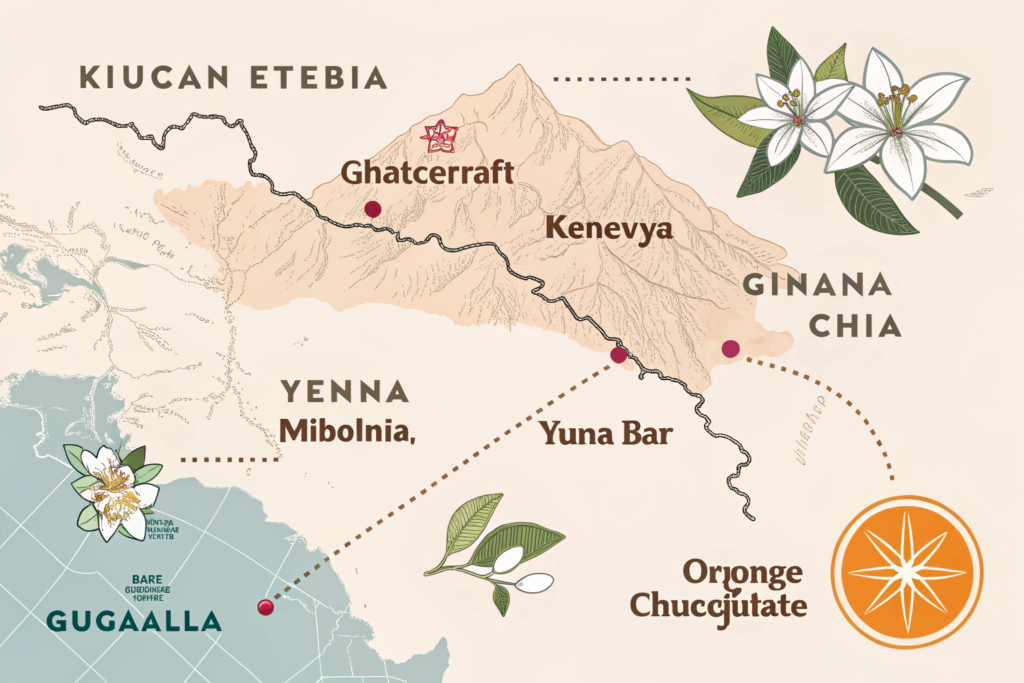
East Africa is often the pinnacle. Ethiopia, the birthplace of coffee, offers stunning highland coffees (1,500 - 2,200m) with explosive floral and citrus notes (think bergamot, jasmine, lemon) and complex fruitiness (blueberry, strawberry). Kenya (1,500 - 2,100m) is famous for its high-altitude SL28/SL34 varieties, producing cups with intense blackcurrant, tomato, and grapefruit acidity, and a full body. In Central America, Guatemala's Antigua and Huehuetenango regions (1,300 - 2,000m) grow SHB coffees with a perfect balance of chocolate, citrus, and spice. Costa Rica's Tarrazú region (1,200 - 1,700m) is known for its clean, bright cups with notes of peach, honey, and brown sugar.
What Makes Ethiopian and Kenyan High-Altitude Coffees So Unique?
Their uniqueness comes from a combination of ancient heirloom varieties (in Ethiopia) and specific processing methods working in synergy with altitude. Ethiopia's heirloom varieties are a vast, untapped genetic pool that, when grown high, produce flavors unmatched anywhere else. The traditional washed processing in Kenya, combined with high altitude, accentuates that mouth-puckering, savory-sweet acidity. The soil and micro-climates in these African highlands are exceptionally distinct. For a buyer, these coffees represent the peak of aromatic complexity and are often the cornerstone of a premium offering. A good importer will provide details down to the washing station or cooperative level.
Are There Emerging High-Altitude Origins to Watch?
Absolutely. Beyond the classics, savvy buyers are exploring new frontiers. Yunnan, China is a rising star. Our plantations in the Baoshan and Pu'er regions sit at ideal altitudes (1,100 - 1,600m). The slow maturation here, combined with careful processing, yields Arabica beans with a distinct profile: vibrant acidity, notes of citrus and red berry, a black tea-like body, and a clean, sweet finish. Peru and Colombia also have extremely high micro-lots (up to 2,000m+) that are pushing boundaries with novel honey and anaerobic processes. These emerging origins can offer exceptional value and a unique story for your brand.
How Does Processing Method Interact with High-Altitude Beans?
A bean with great potential from a high farm can be ruined by poor processing, or its brilliance can be magnified by expert processing. The method is the final, decisive step in shaping the flavor notes altitude made possible.
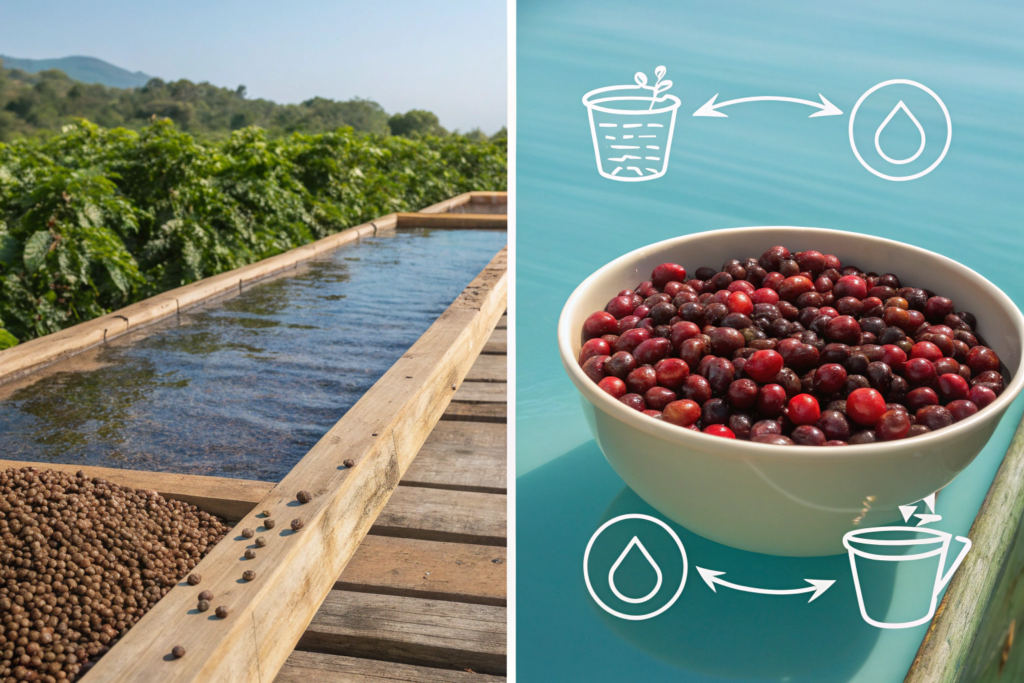
High-altitude beans, with their dense structure and high sugar content, are particularly well-suited to Washed (Wet) Processing. This method, which removes the fruit pulp before drying, highlights the bean's intrinsic clarity and acidity. It's like a clear window into the terroir and altitude. You taste the pure, unadorned character of the bean—the floral, citrus, and tea-like notes shine. Washed processing is the classic choice for showcasing high-altitude complexity in regions like Ethiopia (Yirgacheffe) and Guatemala.
However, these sugar-rich beans also excel with Natural (Dry) or Honey (Pulped Natural) Processing. In these methods, the beans dry with some or all of the fruit mucilage intact. The high altitude's concentrated sugars ferment into intensely fruity, winey, or boozy notes. A high-altitude natural process coffee can be a flavor bomb of blueberry, strawberry, or tropical fruit, while maintaining a clean finish thanks to the bean's inherent quality. This is where processing can take altitude-driven potential and amplify it in a specific direction.
Can Processing Overpower the Altitude Signature?
Yes, and this is a key consideration. A very heavy processing technique—like a long anaerobic fermentation or a heavily macerated natural process—can impart such dominant fermented, funky, or boozy flavors that they mask the subtle, elegant notes that altitude provided. It becomes a "process-driven" coffee rather than an "altitude/terroir-driven" coffee. For buyers seeking distinct origin character, it's crucial to work with suppliers who use processing to enhance, not bury, the bean's inherent qualities. At Shanghai Fumao, we tailor our washing and honey processes to complement the crisp, fruity profile of our high-grown Yunnan beans, not to overwhelm it.
Why is Drying at High Altitudes a Critical Step?
The final drying phase is where flavor is locked in and defects can creep in. At high altitudes, nights can be cold and humid. If drying is not carefully managed (using raised beds, consistent turning, and protective shading or greenhouses), the beans can develop mildew or ferment unpredictably, creating off-flavors. Proper drying preserves the hard work of the plant and the processor. It ensures the complex acids and sugars are stabilized, resulting in a stable, vibrant green coffee. This level of post-harvest care is non-negotiable for premium quality and is a major differentiator between a good and a great supplier.
How Should You Roast and Source High-Altitude Coffee?
Sourcing and roasting these beans requires a tailored approach. Their density and complex chemistry demand respect in the roastery and a discerning eye in the sourcing process.
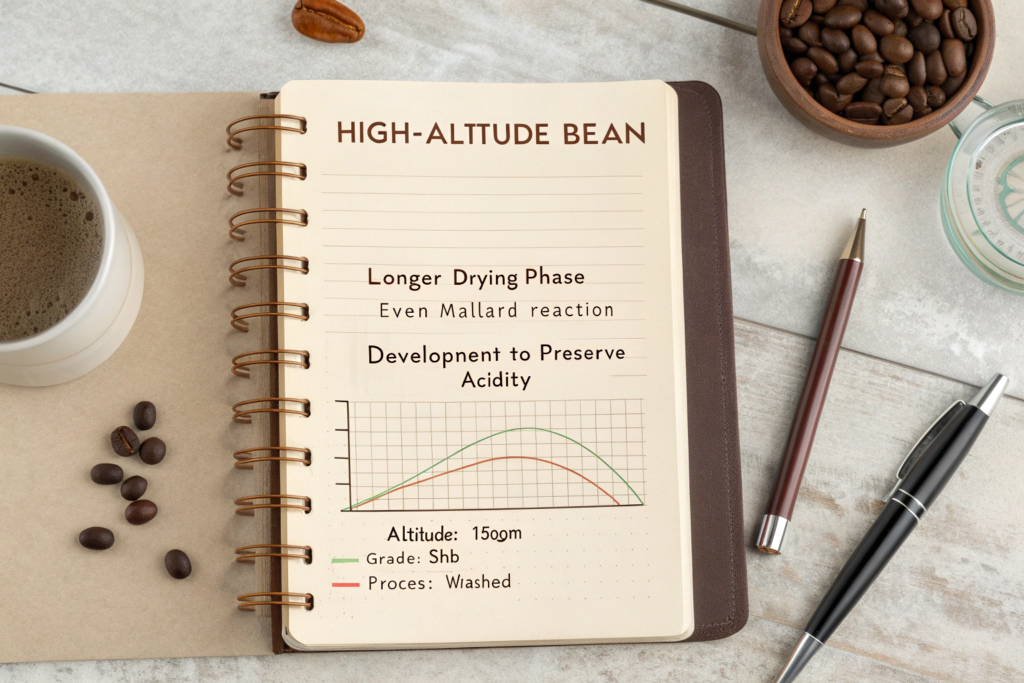
When roasting high-altitude, dense beans, you must apply heat more gradually. A high charge temperature can scorch the outside before the heat penetrates the dense core. Extend the drying phase (the time from turning yellow to first crack) to ensure even heat transfer. This slower development preserves the delicate acidity and aromatics. Many roasters aim for a light to medium roast to highlight the origin's distinct notes. A dark roast will destroy the very complexity you paid for, turning it into generic bitterness. The goal is to develop the sugars enough to balance the acidity, but not to roast away the bean's unique personality.
What Should a Buyer Look for on a Spec Sheet?
Don't just look for a country. Scrutinize the details:
- Altitude: Listed in meters or feet. Prioritize lots above 1,200m (4,000ft).
- Grade: Look for designations like SHB (Strictly Hard Bean), GHB (Good Hard Bean), or Ethiopian Grade 1 or 2.
- Variety: Heirloom, Typica, Bourbon, Caturra, etc. Some varieties, like Geisha, are renowned for high-altitude expression.
- Processing Method: Washed, Natural, Honey. Match this to the flavor profile you want.
- Cupping Score & Notes: A reputable seller like Shanghai Fumao will provide a cupping report with specific flavor descriptors and a score (84+ is considered specialty).
- Moisture Content: Should be between 10-12% for stability.
Why is Building a Direct Relationship Key for These Lots?
The most distinct high-altitude microlots are often small in volume. They sell quickly. By building a direct relationship with an exporter at origin, you get early access to information and samples. You can secure these lots before they hit the broader market. This direct line also allows you to give feedback on processing or request specific lot separations for future harvests. For a business seeking a unique, high-quality offering, this partnership is the most reliable way to consistently access the beans with the most distinct flavor notes.
Conclusion
The most distinct flavor notes are unequivocally found in beans grown at high altitudes, where slow maturation forges dense, sugar-rich beans capable of astonishing complexity. Regions like Ethiopia, Kenya, Guatemala, and emerging origins like Yunnan, China, offer stellar examples. However, unlocking this potential requires perfect processing, skilled roasting, and, for the buyer, a sourcing strategy that prioritizes detailed specs and direct relationships.
If your goal is to offer a coffee with a memorable, articulate flavor story, your search must begin at higher elevations. We invite you to experience the distinct, altitude-driven profile of our Yunnan Arabica—a clean, complex cup that reflects the unique terroir of our highland farms. To request samples and cupping reports for our premium high-grown lots, contact our export manager, Cathy Cai, at cathy@beanofcoffee.com. Let's explore the peak of flavor together.