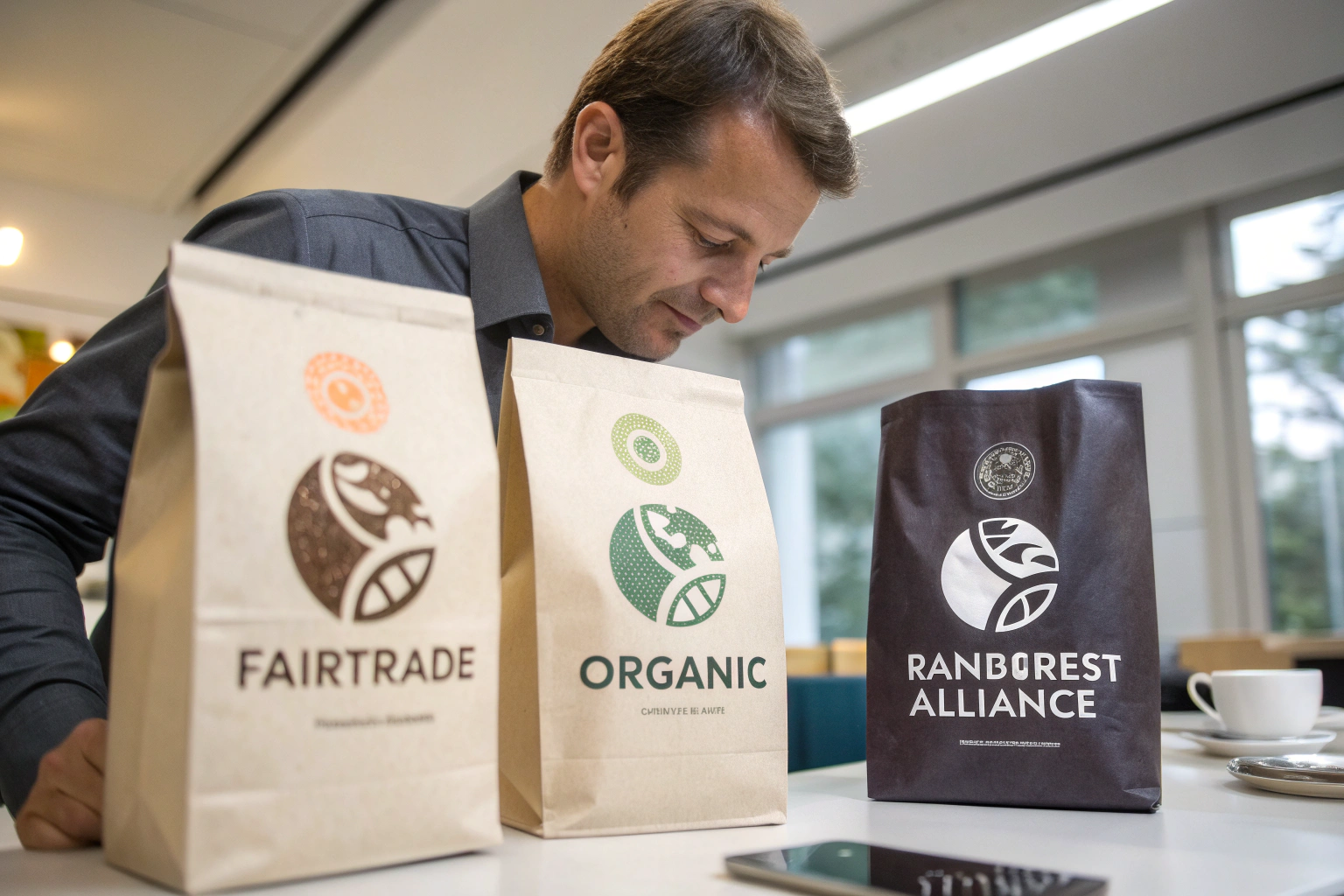
You're facing a purchase decision: one bag of coffee is Fairtrade certified, another is Organic, a third is Rainforest Alliance. Your customers care about ethics, but which label actually delivers on its promises? Choosing the wrong one could mean missing your sustainability targets or wasting your certification budget on a label your customers don't recognize. The "right" certification isn't universal—it depends entirely on your market and mission.
No single coffee certification is objectively "the best" for all buyers. The most impactful certification depends on your primary goal: Fairtrade focuses on farmer price floors and community development, Organic verifies farming without synthetic chemicals, and Rainforest Alliance emphasizes environmental and social sustainability. The choice should align with your brand values and customer expectations.
So, how do you navigate this complex landscape to make an informed choice that benefits your business, farmers, and the planet? Let's decode what each major certification actually guarantees and where it delivers the most value.
Recraft指令--
What Does Fairtrade Certification Actually Guarantee?
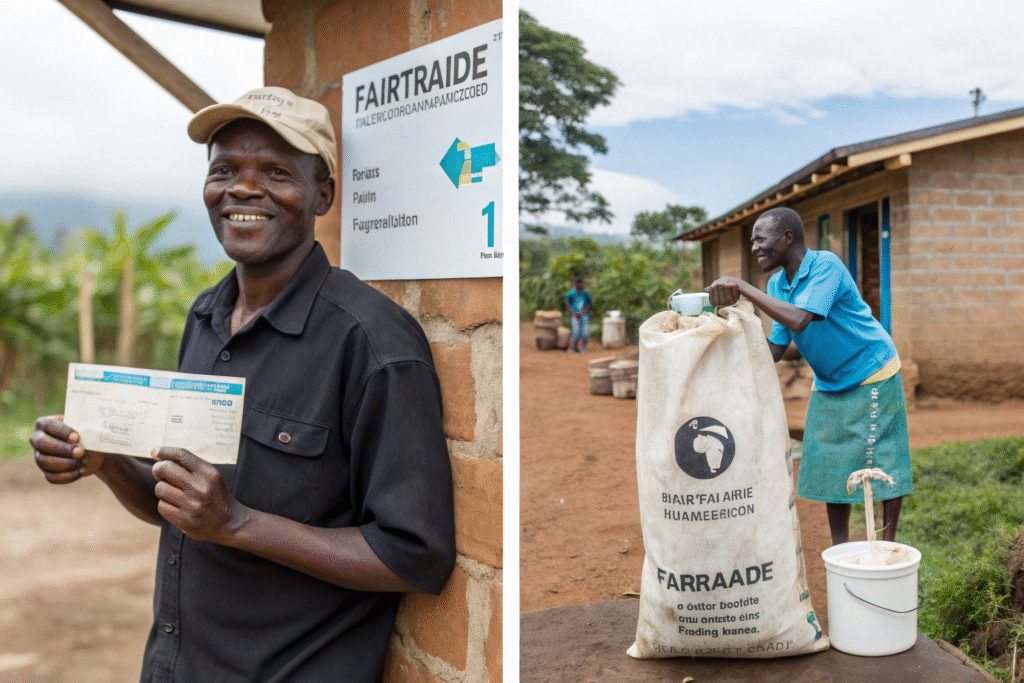
When buyers see Fairtrade, they typically think "fair price for farmers." This is correct, but the system is more nuanced than just a price tag. It's designed to address economic inequality through minimum prices and community premiums.
Fairtrade certification guarantees a safety-net Minimum Price for coffee (even when market prices crash) and provides an additional Fairtrade Premium paid to cooperatives for community projects like schools, healthcare, and infrastructure.
How Does the Minimum Price Protect Farmers?
When the commodity market price falls below the Fairtrade Minimum Price (e.g., $1.40/lb for washed Arabica plus a 20-cent Premium), certified buyers must pay the minimum. This provides crucial stability for smallholder farmers who are part of democratically run cooperatives. However, if the market price rises above the minimum, buyers must pay the higher market price. This system is fundamentally about economic resilience for the most vulnerable producers.
What is the Impact of the Community Premium?
The extra Premium money is managed by the farmer cooperative. They vote on how to invest it—whether in farm productivity, education, or clean water. This empowers communities to address their most pressing needs. For a buyer, this means your purchase directly funds local development. This community-led social impact is a powerful story for consumers who care about systemic change.
What Are the Real Benefits of Organic Certification?
Organic is one of the most recognized labels, but its value extends beyond the absence of chemicals. It represents a holistic farming system that prioritizes soil health and ecosystem balance.
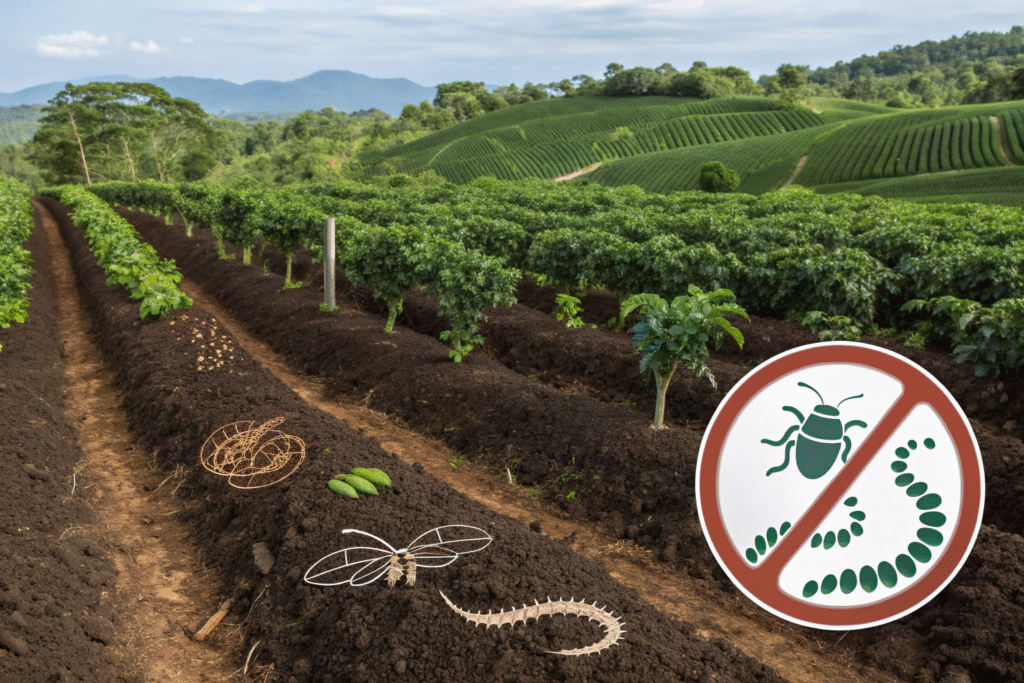
Organic certification verifies that coffee was grown without synthetic pesticides, herbicides, or fertilizers for a minimum of three years. It requires a buffer zone and promotes practices like composting and crop rotation.
Does Organic Automatically Mean Better Quality?
Not necessarily. The certification is about how the coffee is grown, not its cup quality. A poorly processed organic coffee can still taste bad. However, the careful soil management often associated with organic farming can contribute to the long-term health of the coffee plant, which can be a factor in potential quality. The main buyer benefit is accessing the large and growing market of consumers who prioritize environmental health and avoid chemical residues.
What is the Cost vs. Value for Buyers?
Organic certification is expensive and labor-intensive for farmers, which is reflected in the price. The question for you is: are your customers willing to pay that premium? In markets like the US and EU, where organic demand is strong, the certification can be a essential for shelf space. It’s less about a quality guarantee and more about market access and meeting a specific consumer demand.
How Does Rainforest Alliance Certification Differ?
The Rainforest Alliance seal (with the little frog) represents an integrated approach. It doesn't focus on a single issue like price or chemicals, but rather a set of standards designed to make entire farms more sustainable.
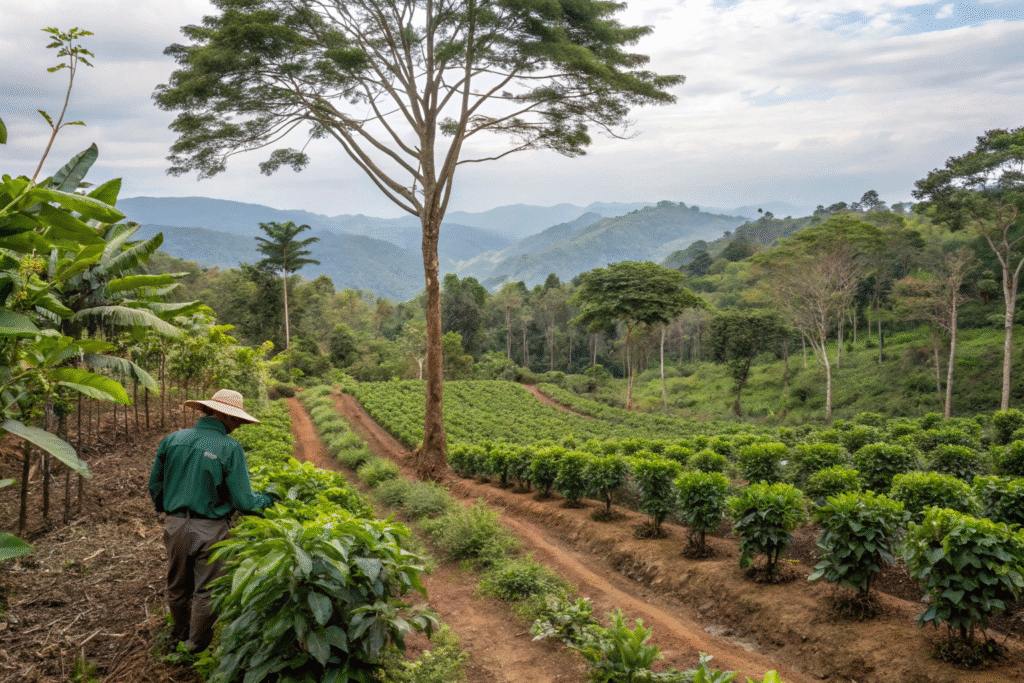
Rainforest Alliance certification combines environmental protection (biodiversity, forest conservation), social equity (safe working conditions, no child labor), and economic viability. It's about holistic farm management.
What is the "Farm-to-Buyer" Chain of Custody?
Unlike Fairtrade, which sets a price, Rainforest Alliance uses a "Mass Balance" chain of custody. This means certified farms can sell their coffee to buyers who may mix it with non-certified coffee, as long the total volume sold as certified matches the volume bought from certified farms. This makes supply chains more flexible but is less traceable than a fully segregated system. The focus is on driving continuous improvement at the farm level.
Why is it Popular with Larger Brands?
The Rainforest Alliance framework is scalable. It allows large companies to source significant volumes of certified coffee and support broader environmental goals like deforestation prevention and climate resilience. For a buyer supplying a major retailer or a large roastery, this certification can demonstrate a commitment to comprehensive corporate sustainability goals.
How Should You Choose the Right Certification?
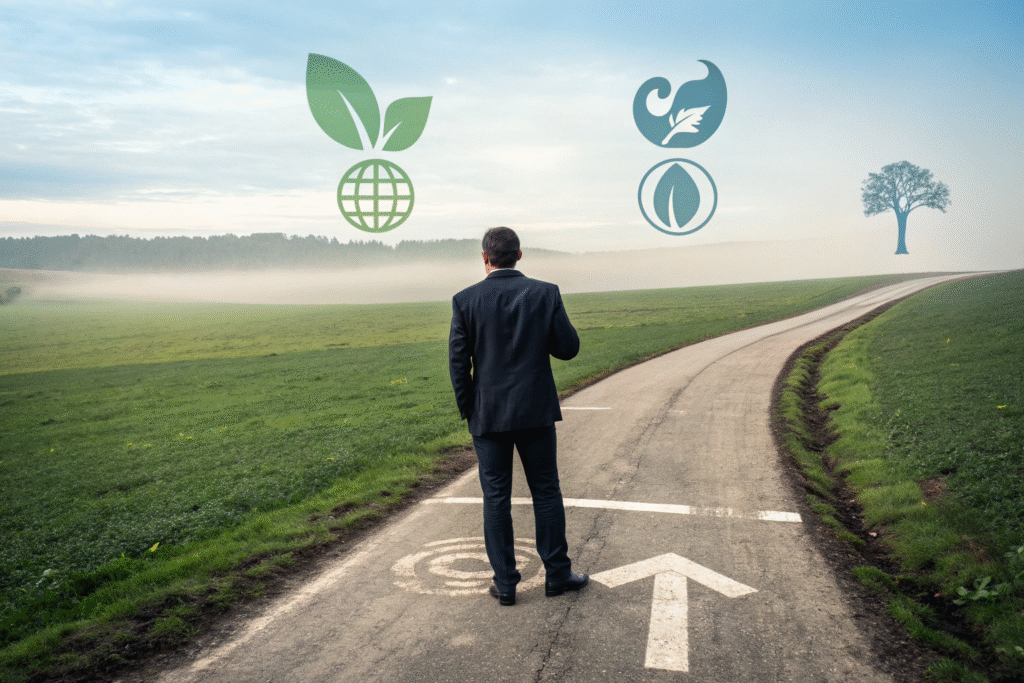
The decision isn't about which certification is "best," but which is "best for your business." This requires honest assessment of your customers' values, your supply chain capabilities, and your brand story.
Your choice should be strategic. Match the certification to your primary goal: choose Fairtrade for direct economic justice, Organic for chemical-free and soil health, and Rainforest Alliance for comprehensive farm-level sustainability.
What Questions Should You Ask Yourself?
- Who are my customers? (Do they prioritize farmer income, environmentalism, or a broad sustainability standard?)
- What is my brand story? (Does one certification align more authentically with our core message?)
- What are my operational capabilities? (Can I handle the traceability requirements of a fully segregated supply chain?)
Answering these will point you toward the most meaningful choice. This is a core part of modern coffee sourcing strategy.
Is Direct Trade a Viable Alternative?
Many roasters, including us at BeanofCoffee, forgo third-party certifications in favor of Direct Trade relationships. This means building long-term partnerships, paying prices well above the market average, and investing in quality and sustainability together. The benefit is unparalleled transparency and quality control. The trade-off is that it requires more effort and lacks an easily recognized consumer label. It's the ultimate form of relationship-based sourcing.
Conclusion
The certification that matters most is the one that aligns with your specific business objectives and resonates with your target audience. There is no one-size-fits-all answer.
- Choose Fairtrade to directly support farmer livelihoods and community development.
- Choose Organic to appeal to health-conscious consumers and support chemical-free farming.
- Choose Rainforest Alliance to demonstrate a commitment to integrated environmental and social sustainability.
For many, the most impactful approach is a combination—or moving beyond certifications to build direct, transparent partnerships. We believe the future lies in this direct connection. If your goal is to source high-quality coffee with complete transparency from a supplier that invests directly in its farms and communities, talk to us. Contact our export manager, Cathy Cai, at cathy@beanofcoffee.com to learn about our verifiable, beyond-certification practices at BeanofCoffee.