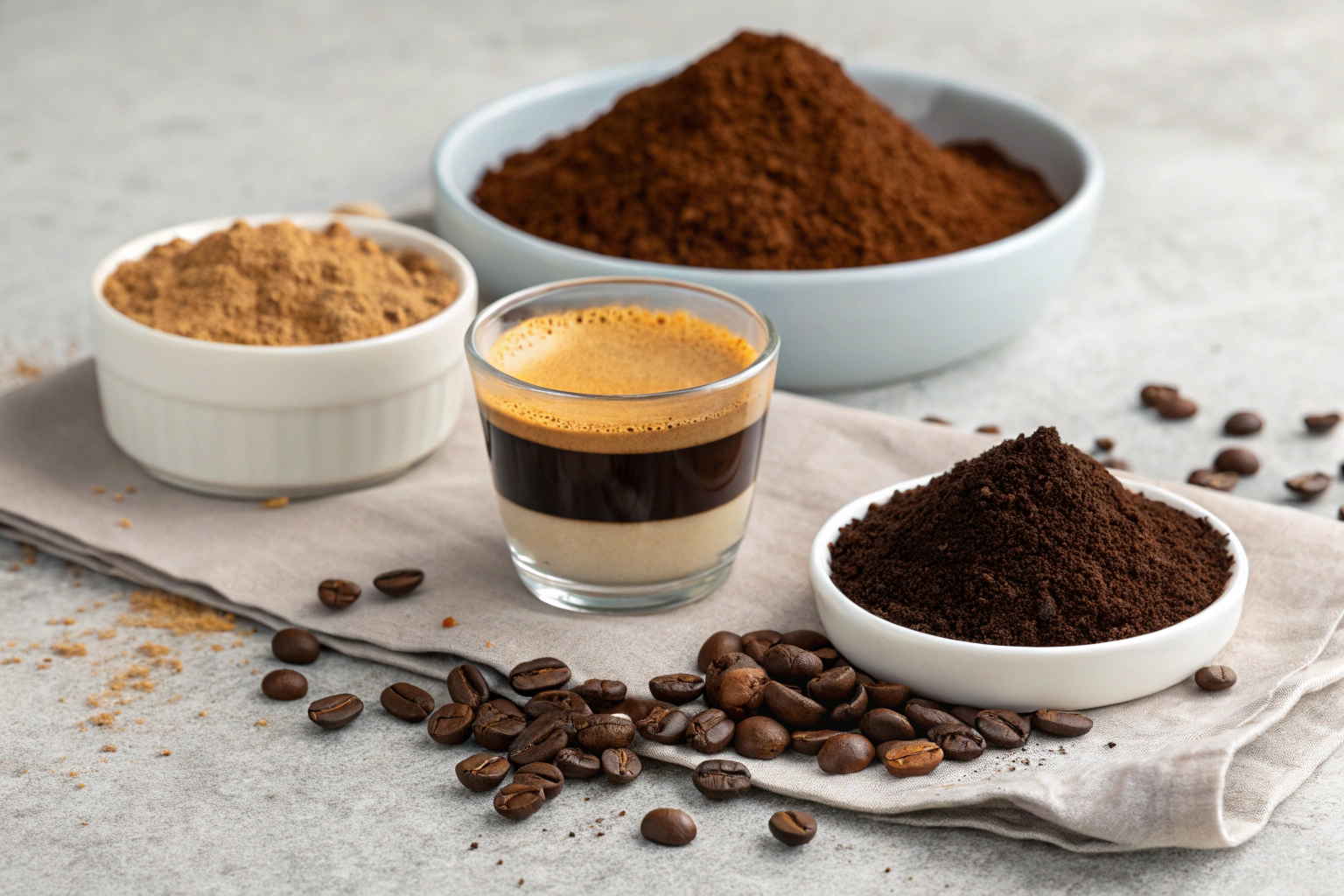
You walk into a cafe or browse an online store for espresso beans. You see labels like "Espresso Roast," "Italian Roast," "Dark Roast," and even light roasts marketed for espresso. The advice is conflicting: some swear by dark, oily beans for that classic punch, while others champion light roasts for fruity, complex shots. So, what's the truth? Is there one "correct" roast level for espresso?
There is no single "correct" roast level for espresso. While a medium to medium-dark roast is the traditional and most forgiving choice, producing a balanced, sweet, and full-bodied shot, both lighter and darker roasts can be used successfully depending on the desired flavor profile and the skill of the roaster and barista. The key is matching the roast level to the bean's origin, the espresso machine, and the intended taste experience.
Let's clear the air. The term "Espresso Roast" is a style, not a scientific level. Traditionally, it meant a darker roast to overcome the limitations of early blends and machines, creating a consistent, bold flavor. But modern specialty coffee has exploded this notion. Today, the "suitability" is determined by how well the roasted bean extracts under high pressure and how its flavors translate into a small, concentrated ounce of liquid. This guide will break down the practical realities of each roast level for espresso, helping you make an informed choice for your business or home setup.
Why is Medium-Dark Roast Considered the Classic Espresso Choice?
When you think of a classic Italian espresso—a short, velvety shot with a thick, tiger-striped crema and flavors of chocolate, caramel, and nuts—you are thinking of a medium-dark roasted bean. This roast level has become the global standard for a reason: it offers the most reliable path to a balanced and satisfying espresso.
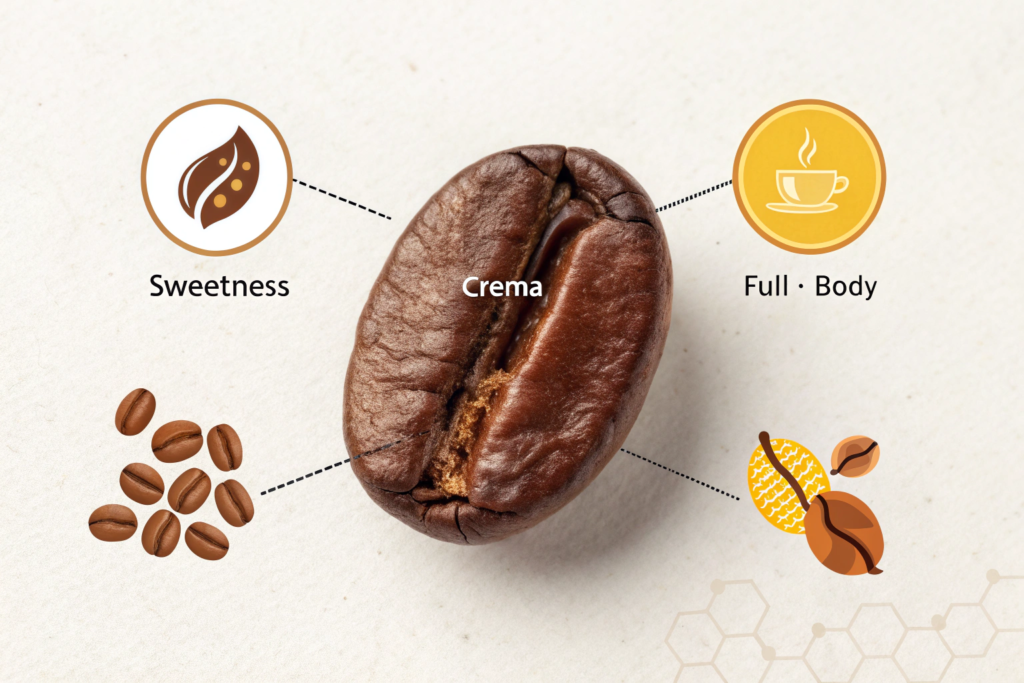
At a medium-dark roast (just past the end of "first crack" and into the beginning of "second crack"), the beans develop soluble compounds that are ideal for high-pressure extraction. The roast reduces the bean's acidity and increases its body and sweetness through caramelization. The cell structure becomes more brittle, allowing water to extract flavors efficiently and produce a stable, persistent crema. This roast profile also masks minor defects in the green beans and blends different origins together harmoniously, which is why it's the backbone of commercial espresso blends. For a business serving high volume with consistency, this is often the safest, most crowd-pleasing choice.
What Chemical Changes Make This Roast Level So Forgiving?
The medium-dark "sweet spot" is forgiving because it hits a key balance:
- Reduced Acidity: The bright, sometimes sharp acids (citric, malic) mellow into softer, wine-like notes.
- Developed Sweetness: Sucrose breaks down, but the Maillard reaction and caramelization create a complex array of sweet, bitter, and nutty compounds that extract well.
- Optimal Solubility: The bean structure is open enough for water to penetrate and dissolve the right amount of solids quickly (in 25-30 seconds), without over-extracting harsh bitters.
This balance means that even with minor variations in grind size, dose, or tamping pressure, you are more likely to get a decent, balanced shot than with a more temperamental light roast. Resources from the Specialty Coffee Association outline these roast phase chemistry basics.
How Does This Roast Profile Impact Crema and Body?
Crema is an emulsion of oils, gases, and water. Medium-dark roasts produce more carbon dioxide (CO2) and have oils that are brought to the surface, both of which contribute to a thick, long-lasting crema that is visually appealing and adds a smooth, creamy texture to the mouthfeel. The body is typically fuller and syrupy, a hallmark of traditional espresso. For a roastery or cafe like many of our clients at Shanghai Fumao, using our Yunnan Arabica at this roast level yields a shot with notes of dark chocolate, brown sugar, and a hint of red fruit, which is highly marketable and familiar.
Can You Successfully Brew Espresso with Light Roast Beans?
Absolutely. This is the frontier of modern specialty espresso. Using a light roast (typically stopped during or just after the end of "first crack") for espresso is a deliberate choice to highlight the bean's origin characteristics—its unique acidity, floral, and fruity notes—in a concentrated form. However, it is a high-wire act with less margin for error.
A light roast bean is denser, with most of its original acidity and complex sugars intact. Under high pressure, these acids can become intensely vibrant, and the delicate floral top notes can shine. The resulting shot might taste like tart berries, stone fruit, or jasmine tea. The challenge is that these beans are less soluble and more resistant to water flow. They require a much finer grind, higher brew temperature, and often a longer extraction time or higher yield (e.g., a lungo) to avoid a sour, under-extracted, and thin shot. The crema will be thinner and paler, and the body lighter.
What are the Key Adjustments for Light Roast Espresso?
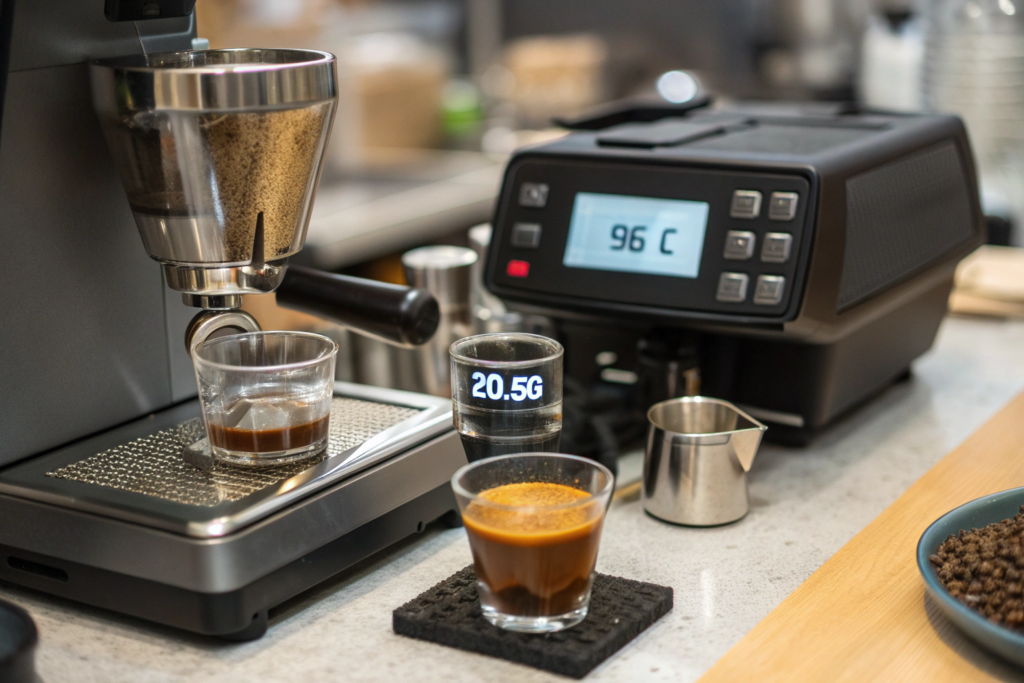
To tame a light roast for espresso, you must manipulate every variable:
- Grind Finer: This increases surface area and resistance to hit the proper pressure and extend contact time.
- Increase Dose: A larger coffee mass in the portafilter creates more resistance.
- Increase Temperature: A higher brew water temp (e.g., 204°F / 96°C vs. 200°F / 93°C) helps extract more from the dense bean.
- Extract Longer/More: A 1:2.5 or even 1:3 ratio (e.g., 18g in, 45-54g out) over 30-35 seconds can balance acidity with sweetness.
This process requires precision and a high-quality grinder. It's not suited for busy commercial environments but is perfect for showcasing single-origin coffees in a specialty cafe.
What Flavor Profile Should You Expect?
Forget chocolate and caramel. A well-executed light roast espresso from a high-quality bean, like a washed Yunnan or Ethiopian, can yield stunning flavors of blood orange, raspberry, honeysuckle, or black tea with a sparkling acidity. It's a completely different, often more complex and aromatic experience. It appeals to adventurers and connoisseurs but may shock customers expecting a traditional espresso. Roasters publishing detailed brew guides for their light-roast espresso offerings is now a common trend.
What are the Pros and Cons of a Very Dark ("Italian") Roast?
The very dark roast—often labeled "Italian," "French," or "Espresso Roast"—is characterized by beans that are shiny with oil, have a smoky aroma, and are roasted well into second crack. This style is deeply traditional in some regions and creates a very specific, powerful flavor profile.
The primary advantage is intensity and uniformity. The roast flavor itself (char, bitterness, smokiness) becomes the dominant characteristic, effectively homogenizing any origin traits. This can be desirable for milk-based drinks like lattes and cappuccinos, where the strong roast flavor can cut through the sweetness of the milk. It also ensures that every shot tastes nearly identical, regardless of the green bean batch, which is a form of quality control for large chains. The beans are very brittle and highly soluble, making them easy to extract.
Why is Over-Extraction and Bitterness a Major Risk?
The downside is a very narrow "sweet spot" for extraction. Because dark roast beans are so porous and soluble, they release their contents—including bitter, carbon-tasting compounds from the deep roast—very quickly. It is extremely easy to over-extract, resulting in a shot that is ashy, hollow, and unpleasantly bitter. The window between a balanced shot and a burnt one is small. Furthermore, the oils on the surface of the beans can go rancid faster and clog grinder burrs. The crema may be dark and dissipate quickly.
Is This Roast Style Losing Popularity?
In the specialty coffee world, yes. As consumers and buyers become more educated about origin flavors, the practice of roasting so dark that it destroys those flavors is seen as counterproductive. However, it remains popular in specific markets and for certain traditional blends. For a B2B seller, understanding if your buyer's end market values this classic profile (e.g., for a traditional Italian-style restaurant) is important. We at Shanghai Fumao can roast to this specification, but we also educate our clients on the broader spectrum of possibilities.
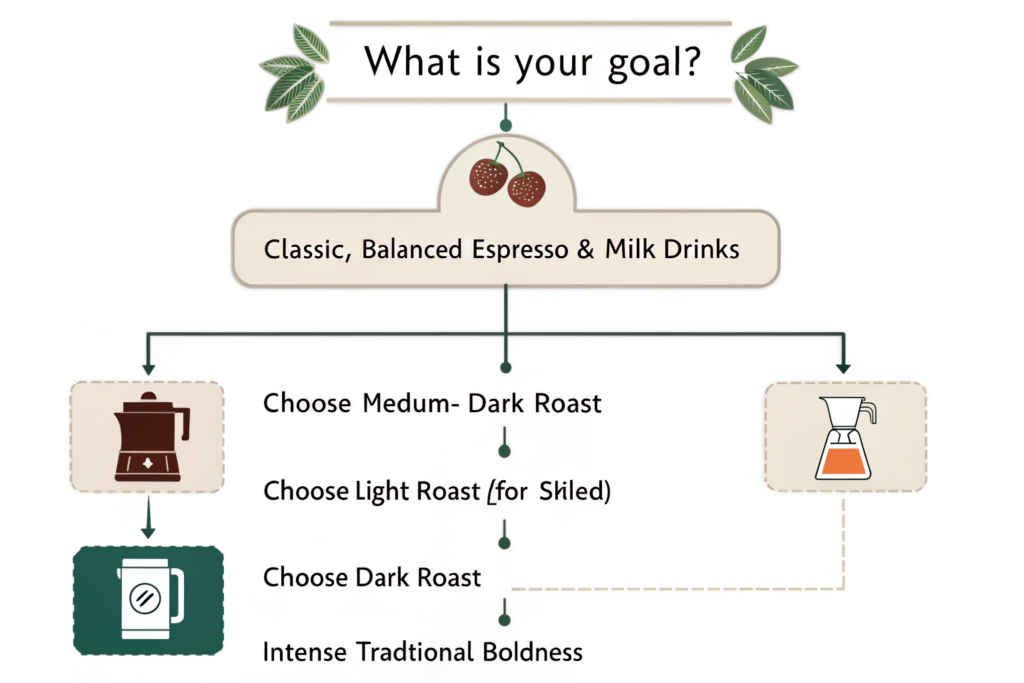
How Should You Choose Based on Your Machine and Purpose?
Your equipment and end-use are perhaps the most practical guides. A home machine with a pressurized portafilter has different needs than a commercial linea with a high-precision grinder.
- For Home Machines (Especially Pressurized Portafilters): These systems are designed to create crema with less-perfect grinds and technique. Stick with medium to medium-dark roasts. They are soluble enough to work well with these machines and provide the classic espresso experience. Light roasts will likely taste sour and underwhelming.
- For Commercial/Prosumer Machines with Flat/Conical Burr Grinders: You have full control. You can explore the entire spectrum. Start with a reliable medium-dark blend for your core menu. Then, experiment with single-origin light roasts as a featured "slow bar" option.
- For Milk-Based Drinks vs. Straight Espresso: Darker roasts (medium-dark to dark) traditionally pair better with milk, as their robust, bitter-sweet notes stand up to and complement the milk's sweetness and fat. Lighter roasts can get lost or taste oddly sour in milk but are exquisite as straight espresso or in an Americano.
What is the Role of Bean Freshness and Resting Time?
Roast level impacts the ideal resting period. Dark roasts degas (release CO2) more quickly and are often best used 3-10 days post-roast. Using them too fresh can lead to overly fizzy, crema-heavy shots with little body. Light roasts degas more slowly and may need 7-14 days of rest to settle, allowing for a more stable extraction. Always ask your supplier for the roast date, not just a "best before" date. Freshness is a non-negotiable component of suitability for any roast level intended for espresso.
How Can a Supplier Help You Navigate This Choice?
A good green bean supplier shouldn't just sell you beans; they should be a resource. At BeanofCoffee, when a client is sourcing beans for espresso, we ask about their target profile, equipment, and market. We might recommend our Catimor for a chocolatey, heavy-bodied medium-dark roast blend, or our premium Washed Arabica for a cleaner, fruiter medium roast single-origin espresso. We can provide sample roasts at different levels and share profiling data. This partnership approach, backed by the stability of our direct farm supply, ensures you get beans that are not just high-quality, but also fit for purpose.
Conclusion
The suitable roast level for espresso is a spectrum, not a point. The reliable, balanced choice remains a medium-dark roast, expertly developed to highlight sweetness and body. However, the modern coffee landscape fully embraces the vibrant, challenging world of light roast espresso and the intense tradition of dark roast. Your selection should be a strategic decision based on your equipment, skill level, and the flavor experience you wish to deliver to your customers.
Don't be limited by the label "Espresso Roast." Experiment with purpose. If you are a roaster or cafe owner looking to develop or refine your espresso offerings, we can provide the high-quality, traceable green beans from Yunnan and expert support to match any roast profile. To discuss your needs and request samples roasted to your specification, contact our export manager, Cathy Cai, at cathy@beanofcoffee.com. Let's extract the perfect partnership.