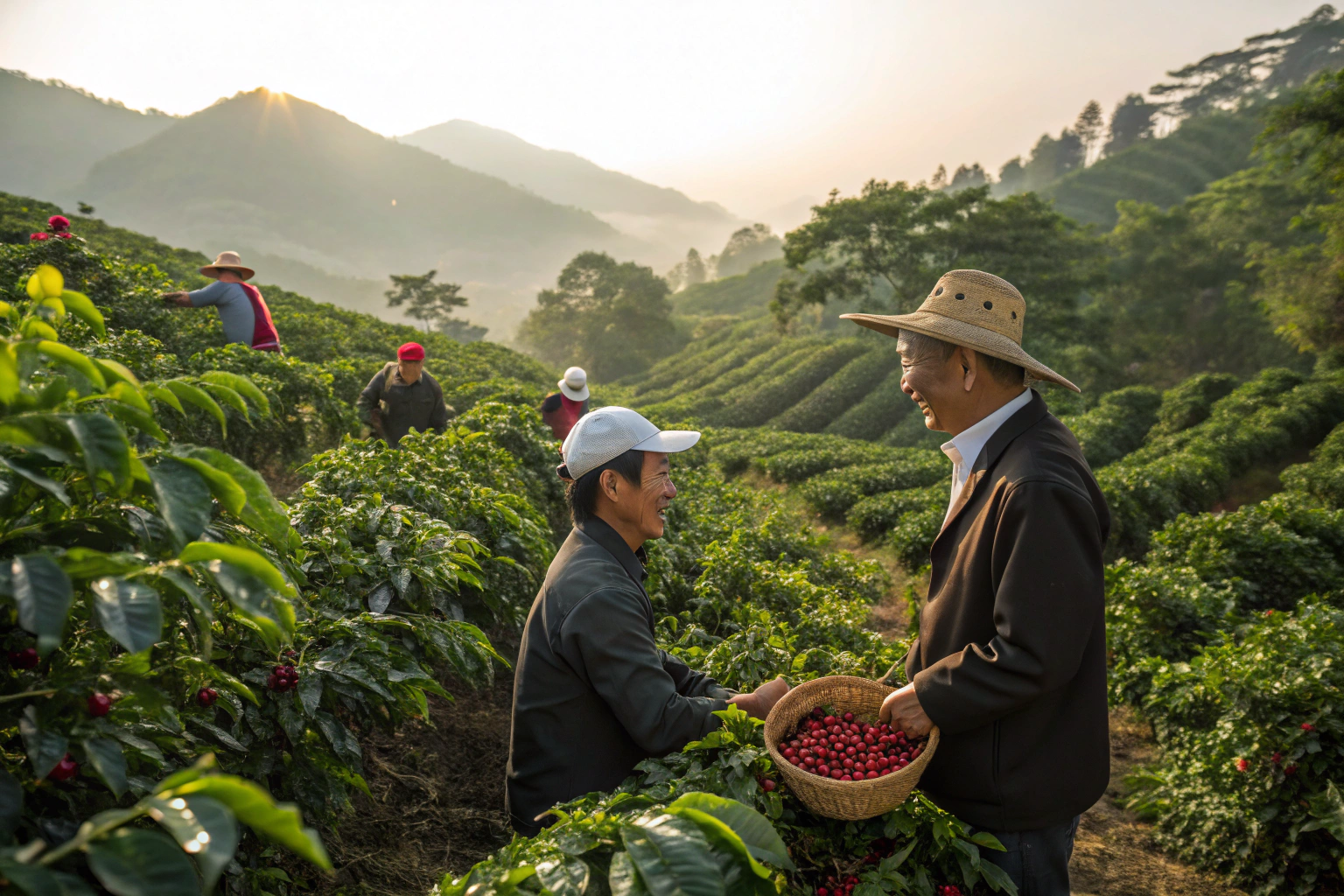
Are you losing money on stale coffee beans? It's a frustrating problem. You find what seems like a great supplier, the price is right, but by the time the container arrives in the U.S., the beans have lost their vibrant aroma and flavor. The culprit is often something business owners overlook: the journey itself. Inefficient logistics can silently kill the quality of your coffee, turning a premium product into a mediocre one, and that directly impacts your bottom line and reputation. Honestly, it's a hidden cost many buyers don't account for until it's too late.
The simple answer is that coffee is a perishable agricultural product, and its peak freshness is incredibly fragile. From the moment green coffee beans are processed, they begin a slow, inevitable decline. Logistics—the entire process of getting those beans from our farm in Yunnan, China, to your roastery in America—is the single biggest factor determining how much of that original, beautiful flavor is preserved. Think of it as a race against time. Every delay, every temperature fluctuation, every bit of exposure to humidity is a moment where quality is lost. For a buyer like Ron, this means the difference between a profitable, sought-after product and a disappointing, hard-to-sell batch.
I've been in this business for years, and I've seen it all. I've seen buyers focus solely on the FOB price, only to be hit with delays and damaged goods that wipe out their margins. It's a tough lesson to learn. That's why I want to pull back the curtain and show you what really happens behind the scenes. We're going to dive deep into the specific logistical challenges of shipping coffee from China to the U.S. and, more importantly, how we at Shanghai Fumao have mastered this process to ensure you get the freshest beans possible, every single time. Let's get into the details.
How Does Shipping Time Impact Bean Quality?
Have you ever wondered why a two-week delay at sea can completely change the taste of your coffee? It's a constant worry for buyers. You're tracking the vessel, hoping for smooth sailing, because you know that every extra day is a gamble with the quality you paid for. The clock is always ticking, and with coffee, time is literally flavor. This isn't just about being impatient; it's about protecting your investment from the slow, silent decay that happens inside every shipping container.
The longer green coffee beans are in transit, the more they are exposed to environmental factors that accelerate aging. Green coffee contains volatile aromatic compounds, which are the very essence of its flavor potential. Over time, these compounds naturally break down. A long sea voyage, especially one with unexpected delays, extends this period of vulnerability. It means more time for moisture levels to fluctuate and for the beans to lose that precious "sparkle" that roasters and customers love. So, what does this mean? It means that a 30-day journey is significantly better than a 45-day one.
The journey from our farms in Yunnan to a port in the United States is a long one, and I've learned that you can't leave anything to chance. It's not just about booking a spot on a ship. It's about choosing the right shipping lines, understanding their typical transit times, and having contingency plans. A common detail that gets overlooked is the transshipment process. Some routes involve stopping at multiple ports, where containers can sit for days or even weeks waiting for the next vessel. This is a quality killer. We work directly with freight forwarders who specialize in direct routes to minimize these stops. It might cost a little more upfront, but it pays for itself by preserving the quality that our clients, like Ron, depend on.
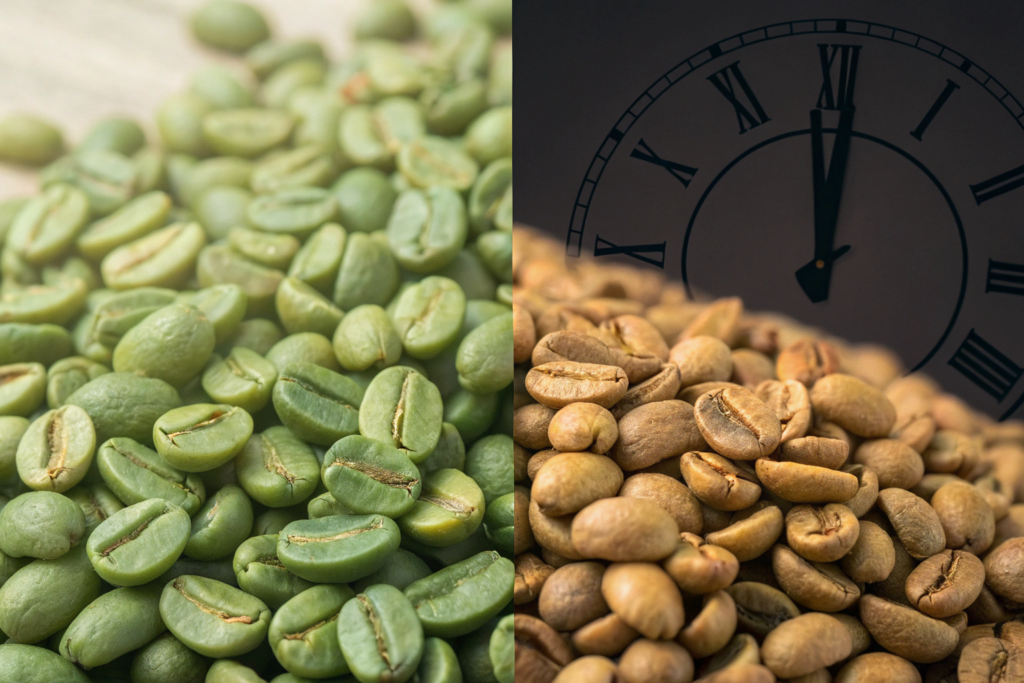
What is the ideal transit time for green coffee?
There isn't a single magic number, but from my experience, the goal is always to keep the total sea transit time under 30-35 days. Once you start pushing past 40 or 45 days, you can begin to notice a tangible drop-off in the cup profile, especially with more delicate Arabica beans. We prioritize carriers known for their reliable schedules and direct routes from major Chinese ports to the West Coast of the U.S. This is a key part of our logistics strategy. We also leverage our relationships to get priority booking, which helps avoid situations where our containers are "rolled" to a later vessel, a common issue during peak shipping seasons. It's about proactive management, not just reactive problem-solving. You know, it's crucial to work with a freight forwarder who understands the specific needs of agricultural products. We also constantly monitor global shipping news to anticipate potential delays.
How do you mitigate unforeseen shipping delays?
Honestly, you can't eliminate all risks, but you can manage them. The key is communication and planning. We maintain a buffer in our production schedule to ensure that even if a vessel is delayed by a week, we have the next batch ready to go, preventing a domino effect on our client's inventory. Furthermore, we use advanced tracking systems that give us real-time updates on the container's location. If a delay is flagged, we immediately inform our client, Ron, and start working on solutions. This could mean exploring alternative routing for future shipments or adjusting production schedules. It's about transparency. A lot of suppliers go silent when there's a problem. We do the opposite. We believe that an informed partner is a confident partner, and that builds the trust that is essential for a long-term business relationship.
What Are the Biggest Risks in Coffee Logistics?
When you're shipping a container of high-grade Arabica worth tens of thousands of dollars across the ocean, what keeps you up at night? For me, and for buyers like Ron, it's the hidden risks. It's not just about the ship sinking; it's the more subtle enemies of freshness. Things like moisture, temperature spikes, and contamination can ruin a perfect batch of beans. These are the logistical nightmares that can turn a profitable deal into a total loss, and they happen more often than you'd think.
The biggest risks in coffee logistics are moisture damage, temperature fluctuation, and contamination. These three factors are the primary culprits behind quality degradation during transit. A container sitting on the dock in a humid port can absorb moisture, leading to mold. A container exposed to direct sun can "cook" the beans, destroying their delicate flavor compounds. And a container previously used for chemicals or spices can impart unwanted odors, a disaster for specialty coffee. Protecting against these risks is non-negotiable.
This is where our experience at Shanghai Fumao really comes into play. We've developed a multi-layered defense system. It starts with the packaging. We don't just use standard jute bags. Our beans are packed in GrainPro bags, which are hermetically sealed plastic liners that create a barrier against moisture and oxygen. Then, we line the container itself with kraft paper and install desiccants to absorb any ambient humidity. It's a belt-and-suspenders approach. Another way to look at this is we're creating a controlled micro-environment for the coffee to travel in. We treat every container like a mobile vault, designed to protect the precious cargo inside from the harsh realities of international shipping.
How do you prevent moisture and mold?
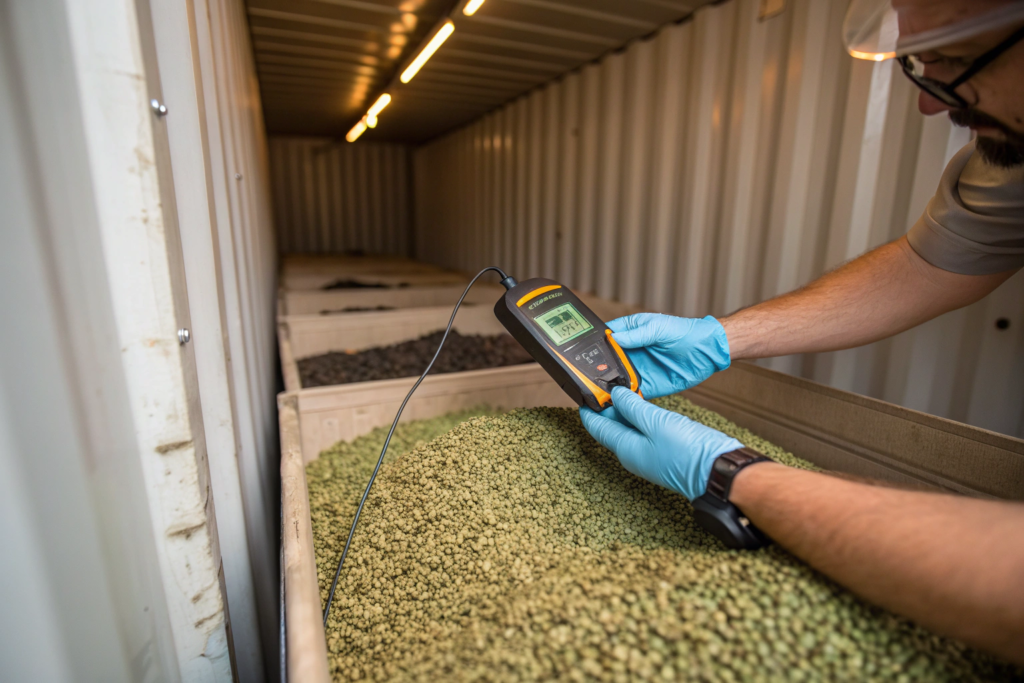
Preventing moisture damage starts long before the container is loaded. It begins with ensuring the green beans are dried to the optimal moisture content—typically between 10.5% and 11.5%—at our processing facility in Yunnan. Any higher, and you risk mold; any lower, and the beans can become brittle and lose flavor. We use precise moisture meters to verify this. Then, as I mentioned, we use GrainPro bags. These bags are the industry standard for a reason. They are incredibly effective at preventing moisture ingress and also stop the beans from losing their own internal moisture. Finally, we inspect every container before loading to ensure it's clean, dry, and structurally sound. We reject any container that shows signs of rust or water damage. It's a meticulous process, but it's the only way to guarantee security. This level of detail is part of what defines true quality control.
How is temperature managed inside a container?
This is a huge challenge, especially on routes that cross the equator. A standard shipping container is just a metal box, and temperatures inside can swing wildly. While a full refrigerated "reefer" container is usually too expensive for green coffee, there are effective strategies. We often opt for placing our containers below deck on the vessel, where they are insulated from direct sunlight and temperature swings are less extreme. For our highest-grade micro-lots, we sometimes use insulated container liners, which act like a giant cooler for the entire container. This adds a cost, but for a buyer who wants the absolute peak of freshness, it's a worthwhile investment. It's all about matching the solution to the client's specific needs and budget. We discuss these options openly with our clients, providing a clear cost-benefit analysis. This transparency is key to building a reliable supply chain.
Why is Full Traceability So Important?
If something goes wrong with a batch of coffee, how do you know where the problem occurred? Was it at the farm? During processing? In transit? Without a clear chain of custody, you're just guessing. This is a major pain point for buyers. They need assurance that the premium single-origin Arabica they paid for is exactly what's in the bag. For a company owner like Ron, traceability isn't a "nice-to-have"; it's a fundamental requirement for quality assurance and brand integrity.
Full traceability provides an unbroken chain of information, guaranteeing the coffee's origin, quality, and journey. It's the ultimate proof of authenticity. For us, traceability means being able to track a specific bag of coffee all the way back to the 10,000-acre plantation in Baoshan where it was grown. It includes data on the harvest date, the processing method, the drying time, the specific container it was shipped in, and the vessel's journey. So, what does this mean? It means that if a customer in America has a question about their coffee, we can provide a detailed history of its life. This builds immense trust and confidence.
At our company, we've invested heavily in a digital traceability system. Every batch of coffee that leaves our farm is assigned a unique lot number, which is linked to a database of information. This isn't just for show. It's a critical tool for our own internal quality control. If our team in the U.S. office flags a potential issue during a pre-shipment sample tasting, we can use the lot number to immediately investigate the entire process for that specific batch. This allows us to pinpoint and correct issues with incredible precision. It transforms quality control from a reactive process to a proactive one. This commitment to transparency is a core part of our business philosophy at Shanghai Fumao.
What certifications should a buyer look for?
Certifications are a key part of the traceability puzzle. They act as a third-party verification of a supplier's claims. For a U.S. buyer, some of the most important ones are Fair Trade, Organic (USDA), and Rainforest Alliance. These don't just speak to the quality of the bean but also to the ethical and environmental standards of the farm. We are proud to have invested in achieving these certifications for our plantations in Yunnan. When we provide our clients with a certificate, it's not just a piece of paper; it's a guarantee that is backed by a rigorous, internationally recognized auditing process. This provides peace of mind and a powerful marketing story for our clients. You can learn more about the importance of these standards from organizations like the Specialty Coffee Association (SCA).
How does technology help with traceability?
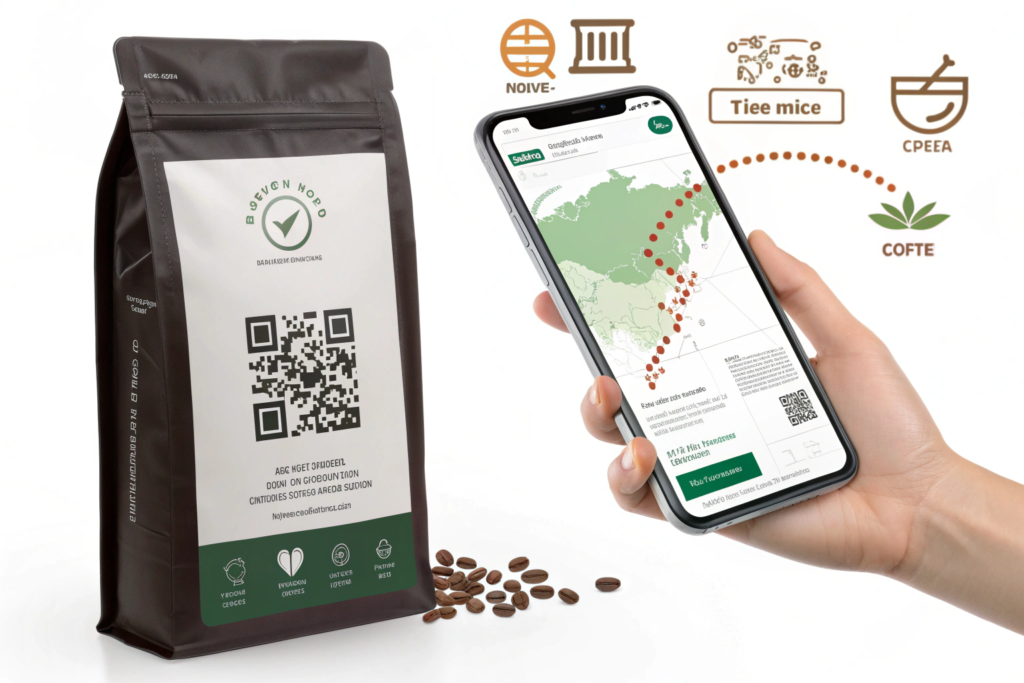
Technology is a game-changer. We are exploring the use of QR codes on our packaging. A buyer like Ron could simply scan the code with his phone and instantly see the entire journey of his coffee—from the specific cooperative of farmers in Baoshan who grew it, to the date it was loaded onto the ship in Shanghai. This level of transparency was unthinkable just a few years ago. It also helps with logistics management. We use GPS trackers in some of our shipments, which not only provide real-time location data but can also monitor for things like severe impacts or container door openings, adding a layer of security. This use of supply chain technology is no longer a futuristic idea; it's a practical tool we use to protect our clients' investments.
How Do Tariffs and Payments Affect Timeliness?
Let's be honest, nobody likes talking about tariffs and payment terms. It can feel complicated and stressful. But ignoring them is a huge mistake. I've seen shipments get stuck at the port for weeks because of a simple paperwork error or a delayed payment. For a buyer, these delays are killers. They mess up your roasting schedule, create inventory gaps, and add unexpected costs for storage at the port. The flow of money and information is just as important as the flow of the physical coffee beans.
Inefficient payment processes and incorrect customs documentation are two of the most common and avoidable causes of logistical delays. A shipment cannot be released from the port of arrival until customs duties (tariffs) are paid and all the paperwork, like the Bill of Lading and Commercial Invoice, is in perfect order. If a wire transfer is slow to clear or if there's a typo on a form, the container just sits there, racking up demurrage fees and, more importantly, losing freshness every single day.
This is an area where having a reliable partner is critical. We've streamlined this entire process. Our export documentation team is meticulous. They double-check every detail to ensure it matches the U.S. customs requirements perfectly. We provide all necessary documents to our clients and their customs broker well in advance of the vessel's arrival. On the payment side, we offer clear and flexible terms. We understand that a large company might have different payment procedures than a smaller independent roaster. We work with our clients to establish a payment schedule—often a deposit upon order and the balance upon presentation of the shipping documents—that is secure and efficient for both parties. This removes the financial friction that can so often grind the logistics to a halt. It's about making the entire process, from order to delivery, as smooth as possible.
What are the typical payment terms for wholesale coffee?
The most common structure in the industry is a percentage upfront (often 30-50%) to secure the order and begin processing, with the remaining balance due against documents. This means once the coffee is on the ship and we have the Bill of Lading—the title document for the goods—we send a copy to the buyer, who then wires the final payment. Once the payment is received, we release the original documents needed to clear customs. We offer various payment methods, including telegraphic transfers (T/T) and sometimes Letters of Credit (L/C) for very large orders, although T/T is generally faster and more efficient. The key is having these terms clearly defined in the sales contract from the very beginning to avoid any misunderstandings.
How can tariff costs be managed effectively?
Tariffs are set by governments, so we can't change the rate. However, we can manage the process to avoid costly mistakes. The key is the correct classification of the goods using the Harmonized System (HS) code. Green coffee has a specific HS code, and using the right one is essential for paying the correct tariff amount. Our team ensures that all our commercial invoices and packing lists use the precise code. We also advise our clients to work with an experienced customs broker in the U.S. A good broker is worth their weight in gold. They understand the nuances of the import process and can often anticipate and solve problems before they even happen, ensuring a swift release of the cargo from the port.
Conclusion
As you can see, getting fresh, high-quality coffee from our farms in Yunnan, China, to your roastery in the U.S. is about much more than just a low price and a ship. It's a complex ballet of timing, risk management, traceability, and financial precision. Every step in the logistical chain—from the moment the beans are bagged to the moment they clear customs—is a critical point where freshness can be either preserved or lost. The impact of shipping time, the hidden risks of moisture and heat, the importance of a transparent supply chain, and the efficiency of payments all play a massive role in the final quality of the coffee you receive. Overlooking any one of these elements is a gamble with your product and your reputation.
We've spent years mastering this process, not because it's easy, but because we are as passionate about the quality of our coffee as you are. We've built our reputation on being a safe, reliable, and stable partner who understands the unique challenges American buyers face. We don't just sell coffee; we deliver a promise of freshness and consistency.
If you're tired of the logistical headaches and quality uncertainties that come with sourcing coffee, let's talk. We can help you build a more secure and profitable supply chain for your business. Contact our lead for North American accounts, Cathy Cai, directly at cathy@beanofcoffee.com to discuss your specific needs and get a sample of our latest harvest.