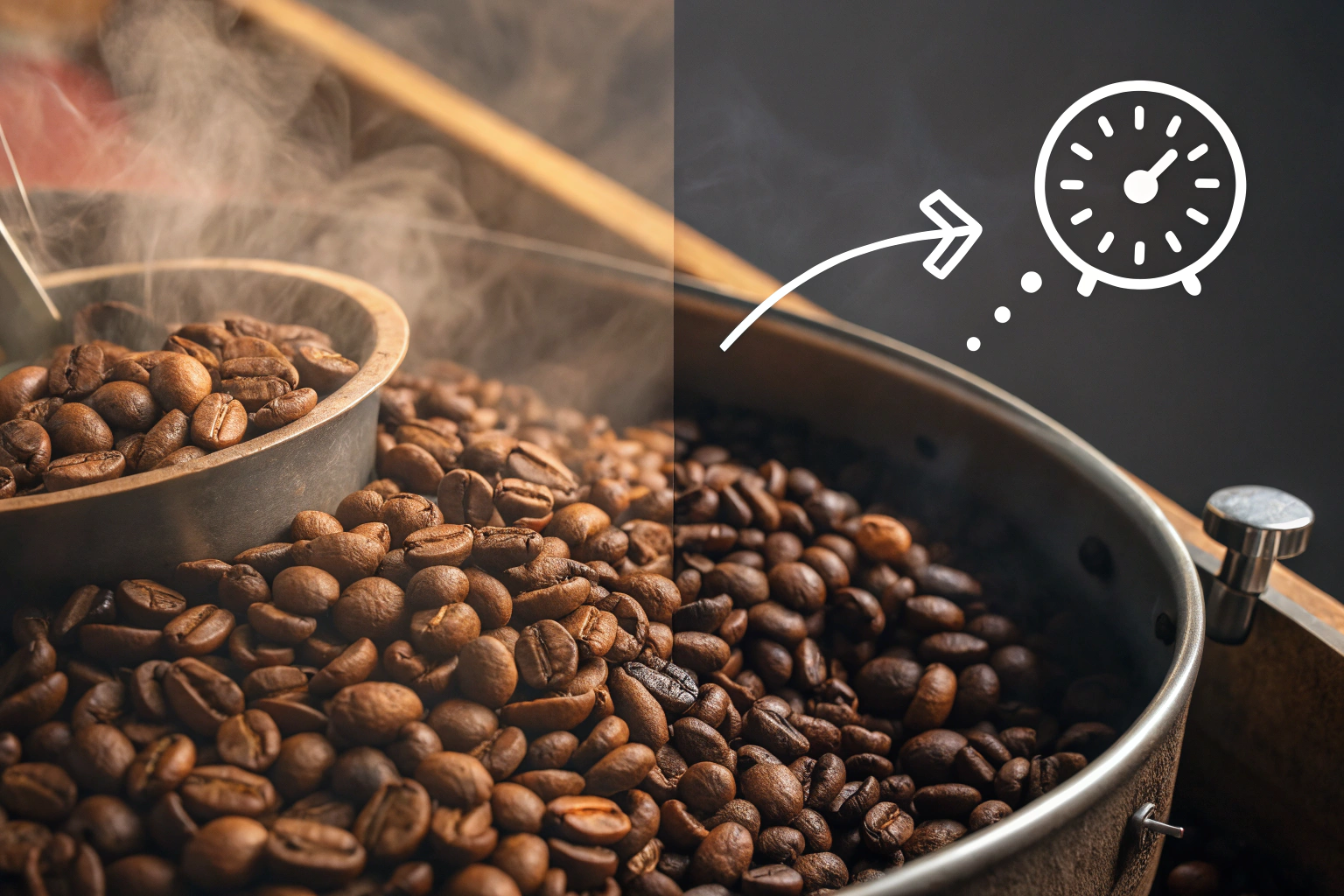
This is the question that frustrates roasters more than any other. You spend weeks selecting the perfect green beans. You dial in your roast profile carefully. You produce a beautiful batch. And then? The clock starts ticking. Within days, it's changing. Within weeks, it's fading. It feels unfair.
The short answer is that roasted coffee goes stale quickly because roasting transforms the bean's cellular structure, creating thousands of volatile aromatic compounds that immediately begin escaping and reacting with oxygen. Unlike green beans, which are stable for months, roasted coffee has a massive surface area, exposed oils, and a porous structure that accelerates staling. Within 7-14 days, significant flavor loss occurs without proper packaging.
But here's the thing. Understanding why it happens is the first step to preventing it. And preventing it is how you deliver better coffee to your customers. Let me walk you through the science, the timeline, and most importantly, what you can do about it.
What Actually Happens During Roasting?
To understand why beans go stale fast, you first need to understand what roasting does to them. It's dramatic. Imagine the raw, unassuming bean—hard, dense, almost lifeless in its green, unroasted state—meeting the fiery embrace of a roaster. As heat sears through, the bean undergoes a symphony of transformations: the Maillard reaction dances, browning the surface and releasing earthy, nutty aromas that curl through the air like a whispered secret.
How does roasting change bean structure?
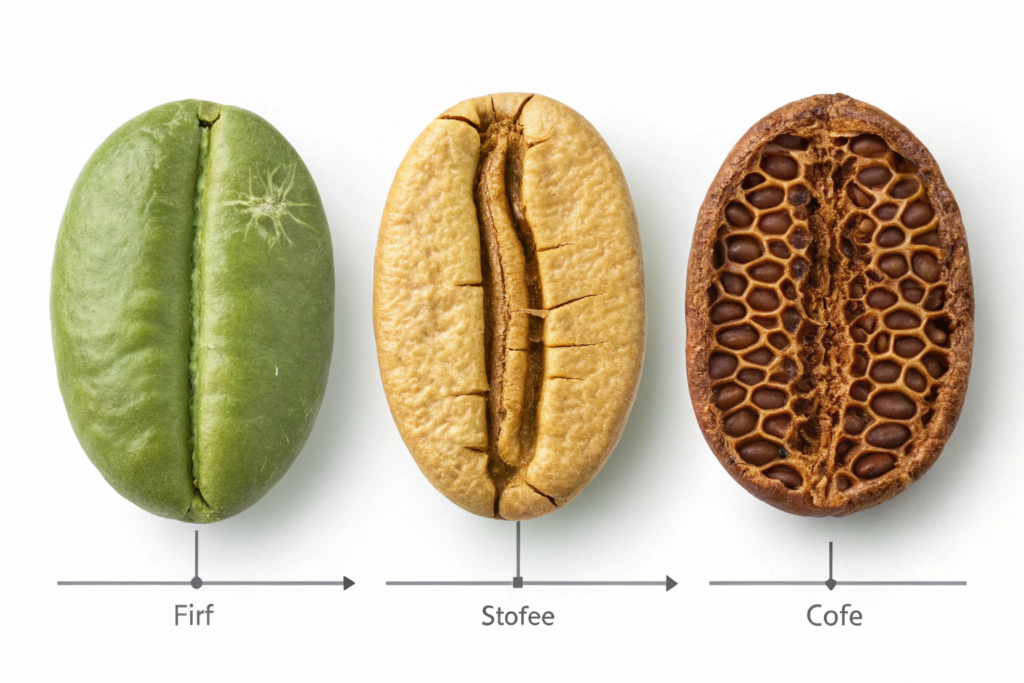
Green coffee beans are dense and stable. The cell walls are intact. The oils and compounds are locked inside. The bean is essentially a storage vessel—designed to survive until planting.
Roasting transforms that completely. Heat causes internal moisture to turn to steam. Pressure builds. The bean expands. At first crack, the structure literally fractures. The bean doubles in size. The cell walls break open.
What's left is a porous, brittle matrix. Like a sponge. Or honeycomb. All those nooks and crannies create enormous surface area. And that surface area is where trouble starts.
The oils that were safely inside the cells are now on the surface. The aromatic compounds that were trapped are now free to escape. The bean is no longer a storage vessel—it's a delivery mechanism. And delivery mechanisms don't last long.
What are the compounds that create flavor?
Roasting creates thousands of aromatic compounds. Maillard reactions between amino acids and sugars produce roasty, nutty, bready notes. Caramelization of sugars creates sweet, complex flavors. Acids break down and transform.
Many of these compounds are highly volatile. That means they evaporate at room temperature. They literally float away into the air. That wonderful smell when you open a bag of fresh coffee? That's your flavor disappearing.
Other compounds are reactive. They combine with oxygen to form new molecules—ones that don't taste good. The bright, fruity notes oxidize into flat, papery ones.
The Specialty Coffee Association has published extensive research on the chemistry of coffee freshness. It's fascinating—and sobering.
What Is the Timeline of Staling?
Freshness isn't binary—fresh or stale. It's a continuum, a living spectrum that shifts like the tide, each moment carrying a whisper of its peak potential. Imagine holding a bag of beans: their aroma is a story, rich and vibrant when first roasted, a symphony of earthy undertones, bright citrus zests, and a hint of caramelized sweetness that dances on your nose. As days pass, this fragrance softens, like a song fading into memory, yet still lingers with a comforting warmth. Understanding this timeline—this delicate dance of flavor evolution—is key to unlocking the beans' best self.
It's about knowing when to savor their bold, unyielding intensity, when to embrace the mellow complexity that emerges as they age slightly, and when to bid farewell to the subtle dullness that signals their prime has slipped away.
What happens in the first 24 hours?
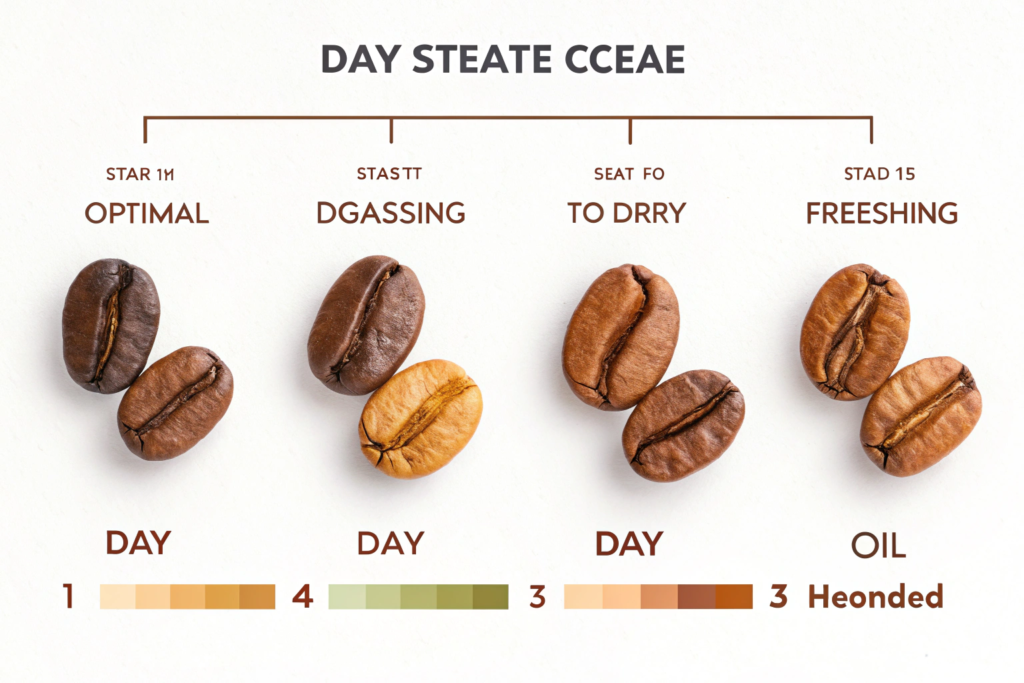
Immediately after roasting, beans are actually not at their best. They're degassing rapidly—releasing CO₂ that built up during roasting. This CO₂ protects the beans by pushing oxygen away from the surface. But it also means the beans are unstable.
In the first 24 hours, flavors are still settling. Some roasters call this the "resting period." Espresso roasted yesterday often tastes different from espresso roasted three days ago. The beans need time to stabilize.
During this period, the most volatile compounds are escaping fastest. That's why fresh-roasted coffee smells so intense. But it's also why we don't ship immediately. We let beans rest, then package at the optimal moment.
What happens after two weeks?
At two weeks, the changes become obvious. The beans look drier. The oils that were on the surface may have soaked back in or oxidized. The aroma when you open the bag is flat—not bad, just... less.
In the cup, the difference is clear. The brightness is gone. The complexity has faded. What's left is a flat, woody, papery taste. It's still coffee. But it's coffee without personality.
The rate of decline depends on storage. Beans in a sealed bag with a one-way valve will last longer than beans in an open container. Beans in a cool, dark place will last longer than beans on a sunny counter. But nothing stops the process completely.
How Does Packaging Affect Freshness?
Packaging is your primary defense against staling, a silent thief that creeps in to steal the crispness of bread, the juiciness of fruit, and the vibrant flavor of snacks. It acts as an invisible shield, standing guard between your product and the elements that conspire to dull its appeal—moisture loss that turns tender pastries into dry relics, oxygen that oxidizes oils into rancid bitterness, and light that fades colors and degrades nutrients.
The right package, crafted with purpose and precision, can transform this battle into a victory, extending freshness dramatically and ensuring that every bite retains its intended splendor. Imagine a loaf of artisanal sourdough, its crust still crackling with the warmth of the oven, sealed in a breathable yet protective pouch that locks in moisture while allowing just enough air to prevent sogginess.
Why do valve bags matter?
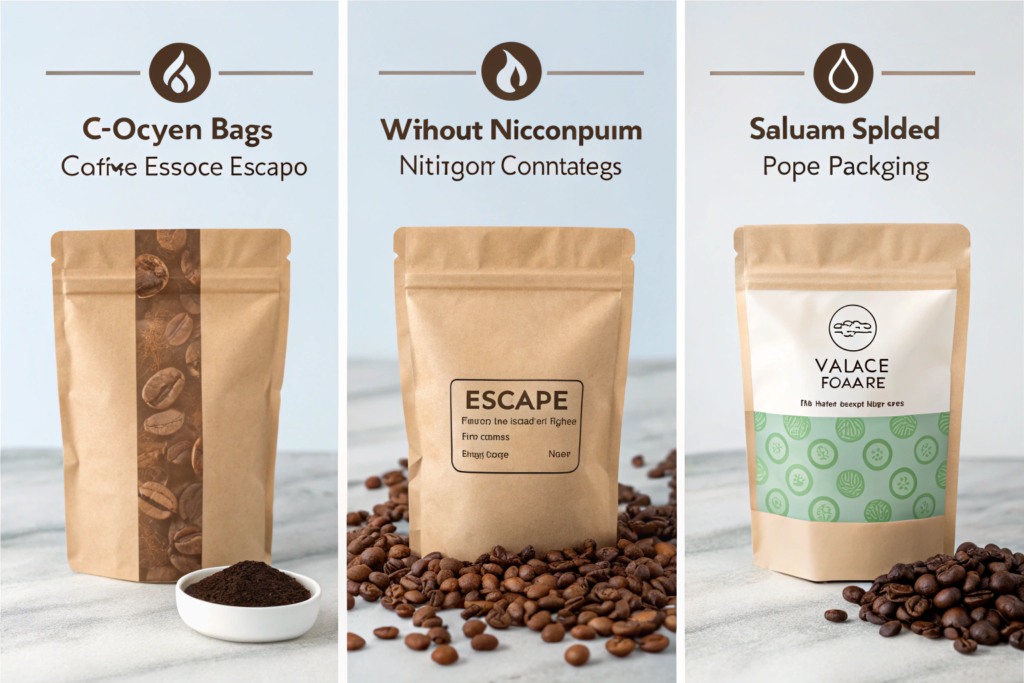
One-way valves are genius. They allow CO₂ to escape without letting oxygen in. Freshly roasted beans produce lots of CO₂. If you seal them in an airtight bag without a valve, pressure builds. The bag bursts. Or the beans get crushed by their own gas.
With a valve, CO₂ escapes. Oxygen stays out. The beans degas safely while remaining protected.
The valve also lets you squeeze air out of the bag after opening. Less oxygen contact means longer freshness. We recommend our clients use high-quality valve bags from manufacturers like Pacific Bag or Roastar.
Does freezing roasted coffee work?
Yes—if done correctly. Freezing roasted coffee stops staling almost completely. At 0°F, chemical reactions slow to near-zero. Beans can be frozen for months with minimal quality loss.
The key is packaging. Beans must be sealed airtight before freezing. Otherwise, they'll absorb freezer odors and suffer condensation damage when thawed. Thawing matters too. Let frozen beans warm to room temperature in their sealed container. Don't open until fully warm. Otherwise, condensation forms on the beans—and moisture is another enemy of freshness.
We've had clients successfully freeze roasted coffee for later use. It's not ideal for everything, but for inventory management, it works. Shanghai Fumao has helped coordinate frozen shipments for buyers who need long-term storage.
How Does Grinding Accelerate Staling?
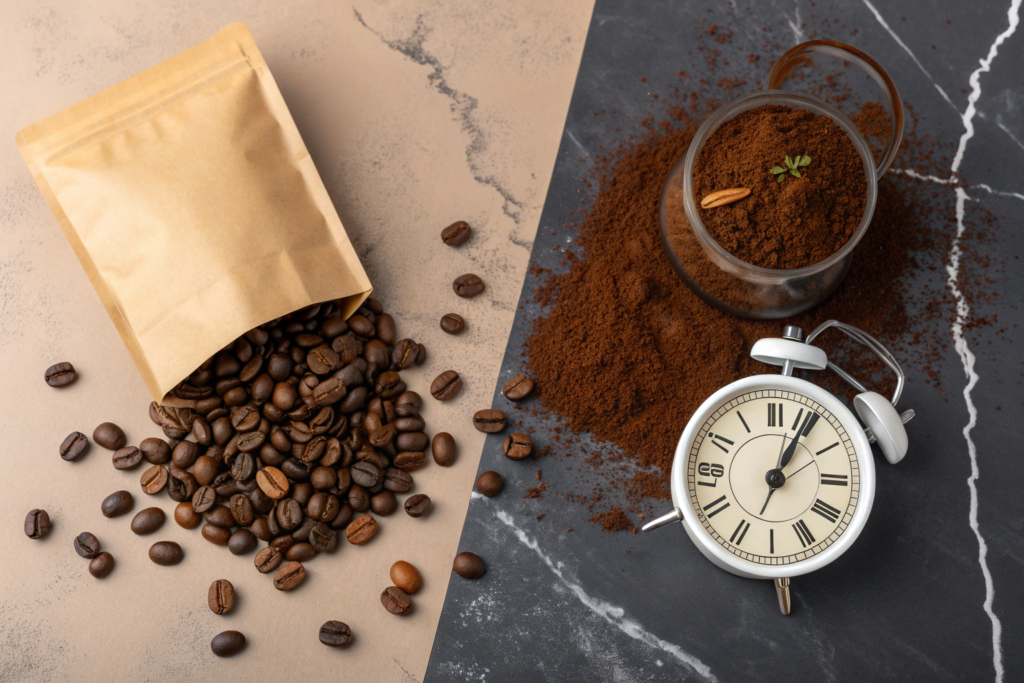
This is where many coffee drinkers make their biggest mistake—a quiet, almost imperceptible error that robs their morning cup of its soul. They grind too early, perhaps the night before, or even earlier, when the day’s first light hasn’t yet kissed the windowsill. And grinding, that seemingly innocuous step in the ritual, is a silent saboteur of freshness, a thief that creeps in and steals the vibrant essence of the bean before it can be savored.
The moment you crack open the bag, the beans are alive with potential—bright, fruity notes, a hint of nuttiness, a whisper of floral sweetness, all locked away in their hard, protective shells. But once you subject them to the friction of the grinder, those delicate aromas begin to dissipate like smoke from a campfire, fleeing into the air as volatile compounds escape.
Why does ground coffee go stale so much faster?
Surface area. That's the answer. Whole beans have relatively little surface area exposed to air. Ground coffee has millions of particles, each with enormous surface area.
When you grind, you're essentially creating the perfect conditions for staling. All those aromatic compounds that were protected inside the bean are now exposed. Oxygen attacks from every angle. Volatile compounds escape instantly.
Within minutes of grinding, coffee loses significant aroma. Within hours, it's noticeably degraded. Within days, it's stale.
That's why we always recommend grinding immediately before brewing. If you must grind in advance, use an airtight container and use it quickly. But nothing beats grinding fresh.
What about pre-ground for food service?
Food service is a challenge. They need consistency and speed. Pre-ground coffee is practical.
The solution is better packaging and faster turnover. Nitrogen-flushed pre-ground coffee in portion packs can stay reasonably fresh. So can coffee ground and used within 24-48 hours.
For our food service clients, we recommend smaller, more frequent deliveries rather than large batches stored for weeks. Freshness is worth the logistics effort.
What Can Roasters Do to Maximize Freshness?
If you're a roaster, you hold the keys to a world of freshness, where every decision you make weaves into the tapestry of flavor that will dance on your customers' palates. Use them—these levers of control, these silent artisans of taste—to craft beans that sing with vitality, that burst with the essence of their origin and the passion of your craft. From the moment the green beans cross your threshold, their journey into becoming a cup of liquid joy is in your hands.
What about storage after roasting?
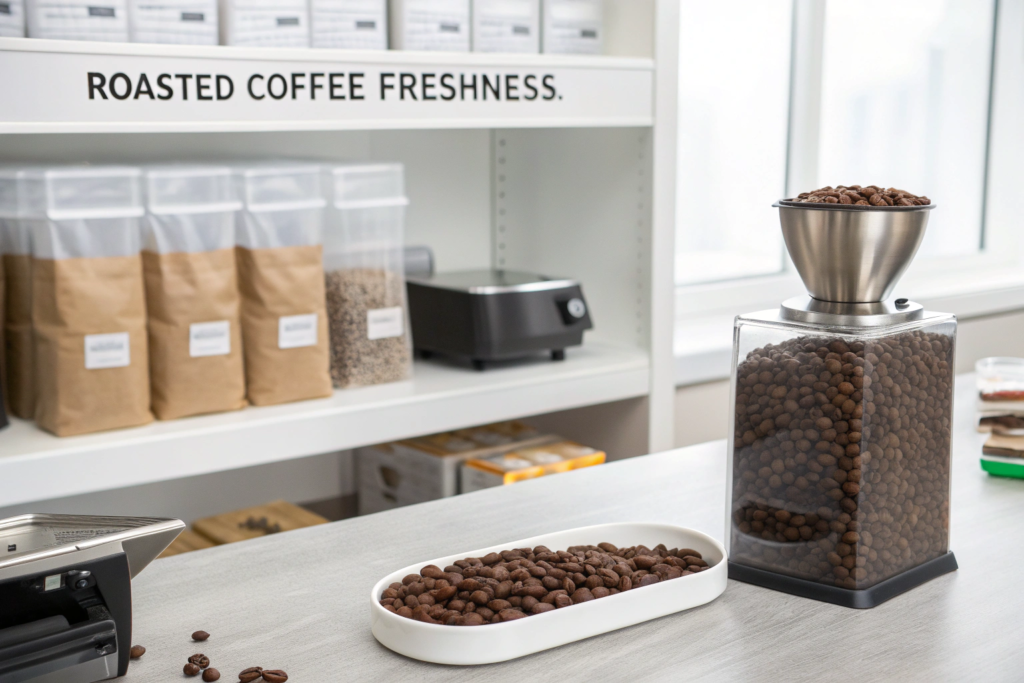
Cool, dark, consistent. Same principles as green coffee, but the timeline is compressed. Store roasted beans in sealed containers with one-way valves. Keep them away from heat sources. Keep them out of sunlight. Don't store them near strong odors—roasted coffee absorbs smells like crazy.
If you're holding beans for more than a week, consider refrigeration or freezing. But only if you can manage condensation risks.
How do you communicate freshness to customers?
Education matters. Customers who understand why freshness matters will value it more.
Put roast dates on bags. Prominently. Explain what it means. "Roasted on [date] for peak freshness within 30 days." Help them understand.
Train your staff. They should be able to explain why fresh matters and how to store coffee at home. When customers succeed, they come back.
Resources from organizations like the Roasters Guild offer great customer education materials.
Conclusion
Roasted coffee goes stale fast because roasting transforms dense, stable beans into porous, aromatic delivery systems. The compounds we love are volatile and reactive. They escape. They oxidize. They fade.
But understanding the process gives us power. Proper packaging extends freshness. Good inventory management ensures customers get coffee at its peak. Education helps them keep it that way.
At Shanghai Fumao, we focus on green beans—but we work with roasters every day. We've learned a lot about their challenges. We share what we know. And we partner with logistics experts like Shanghai Fumao to ensure that from our farm to their roaster, freshness is protected.
If you're a roaster with questions about green bean storage, roast profiles, or anything else, reach out. Cathy Cai coordinates our client relationships and can connect you with resources and expertise.
Email her at: cathy@beanofcoffee.com. Let's keep your coffee fresh—from our farm to your cup.