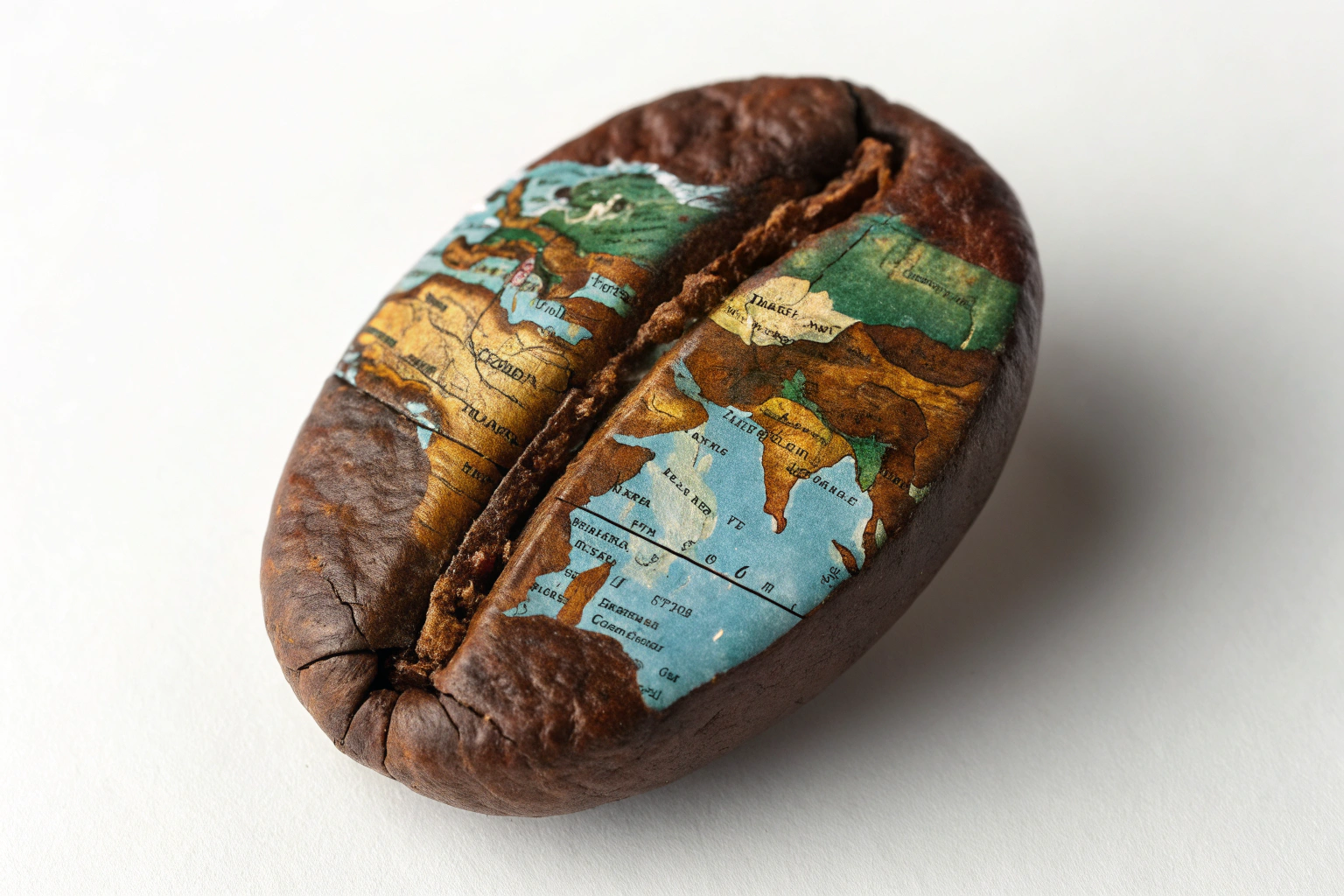
As a coffee lover or a professional buyer, you've seen the labels on the bags: "Ethiopia Yirgacheffe," "Colombia Huila," "Sumatra Mandheling." You know that these names mean something. You've probably noticed that the Ethiopian coffee often tastes floral and tea-like, while the Sumatran one is earthy and heavy-bodied. But you might be wondering, "Why? They are all coffee beans, aren't they? How can the place where they are grown make such a dramatic difference in the final cup? Is it just marketing, or is there something real happening?" This is a common pain point: you can taste the difference, but you don't understand the underlying reasons, which makes it hard to predict what a coffee from a new origin might taste like.
Honestly, the coffee bean's origin is so important because it is the single greatest determinant of its intrinsic flavor potential. A coffee bean is not a blank canvas; it is a seed that has absorbed the unique chemical and environmental signature of the specific place it was grown. This concept, known as terroir, encompasses every aspect of the bean's environment—the soil's mineral composition, the altitude, the climate, the rainfall patterns, and even the other plants growing nearby. These factors combine to create a unique "flavor blueprint" within the bean before it is ever roasted.
From my perspective as a grower on our 10,000 acres in Yunnan, China, I can tell you that our coffee tastes like our land. It doesn't taste like coffee from Kenya or Costa Rica, because it wasn't grown there. The unique volcanic soil and subtropical monsoon climate of our home in Baoshan gives our beans their characteristic notes of dark chocolate, nutty sweetness, and gentle acidity. The origin is the coffee's identity. Let's break down the key components of this "terroir" and how they shape the flavor you experience.
How Does Soil and Topography Shape the Bean's Foundation?
Before all else, a coffee plant is a product of the ground it grows in and the landscape it inhabits. The soil provides the raw nutritional building blocks, and the topography—specifically the altitude—dictates the environment in which the plant uses those blocks.
The soil acts as the plant's "diet," providing the essential minerals that are the precursors to flavor compounds. The altitude acts as a "regulator," controlling the pace at which the plant grows and develops its fruit. A combination of nutrient-rich soil and high altitude is the classic recipe for a dense, complex, and flavorful coffee bean. This is the physical foundation of a coffee's flavor profile.
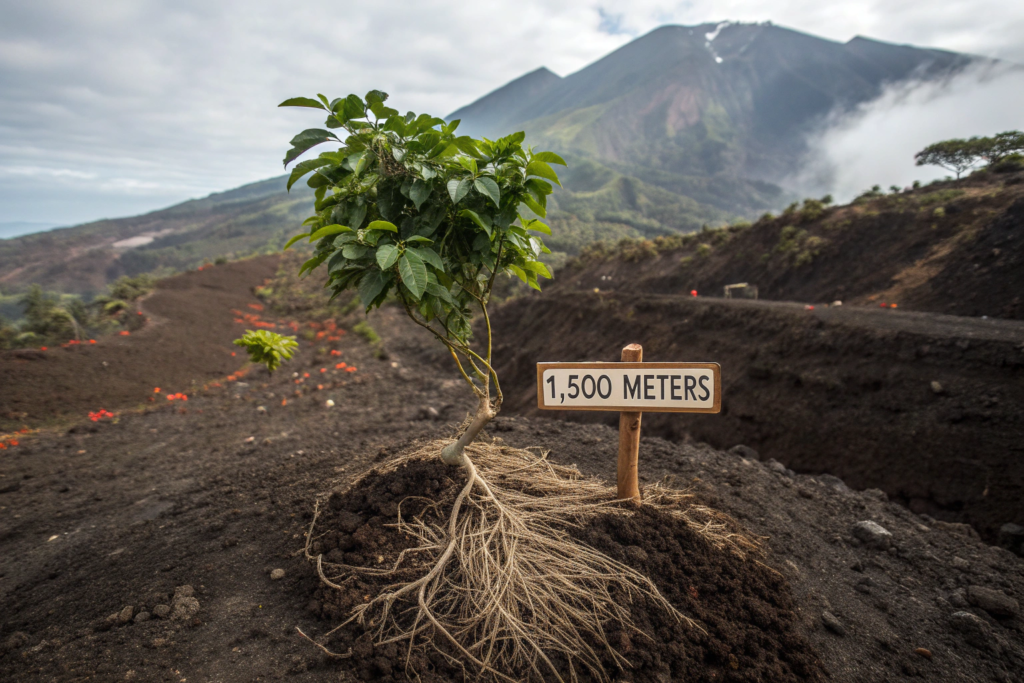
What is the role of soil composition?
Different soil types impart different characteristics:
- Volcanic Soils: Found in many famous coffee regions (like Central America, Colombia, and our region of Baoshan, Yunnan), these soils are rich in nutrients like phosphorus, potassium, and boron. This "rich diet" allows the plant to easily produce the complex organic acids and sugars that translate into vibrant, fruity, and floral notes in the cup.
- Clay Soils: Common in places like Brazil, these soils are heavy and retain a lot of water. They often produce coffees with a heavier body, lower acidity, and classic, deep flavors of chocolate and nuts.
- Laterite Soils: These iron-rich red soils, found in parts of Africa and India, can contribute to the winey, fruity, and sometimes spicy notes found in coffees from those regions.
Why is high altitude so prized in coffee?
Higher altitudes (typically above 1,200 meters or 4,000 feet) mean cooler temperatures, especially at night. This has a crucial effect on the coffee cherry:
- Slows Down Ripening: The cool weather forces the cherry to mature much more slowly. This extended ripening period gives the plant more time to develop a higher concentration of complex sugars and desirable acids. It's the difference between a quick sketch and a detailed oil painting.
- Increases Bean Density: To protect itself from the cooler temperatures, the plant produces a smaller, denser bean. A denser bean generally has a higher concentration of soluble solids—the very stuff that dissolves in water to create flavor. This is why high-altitude beans are often described as "hard bean" or "strictly hard bean" (SHB) and are highly sought after by roasters.
How Does Climate and Weather Create a Regional Signature?
If soil and altitude are the foundation, then the climate—the long-term patterns of temperature, rainfall, and sunlight—is the architect that designs the final structure of the coffee's flavor. Every coffee-growing region has a unique climatic signature.
The specific climate of an origin determines the entire life cycle of the coffee plant—when it flowers, how it develops its fruit, and when it's harvested. These patterns, repeated year after year, create the consistent and recognizable flavor profiles that we associate with a particular origin.
A coffee from a region with a long, dry harvest season will taste very different from one grown in a place with constant tropical rain.
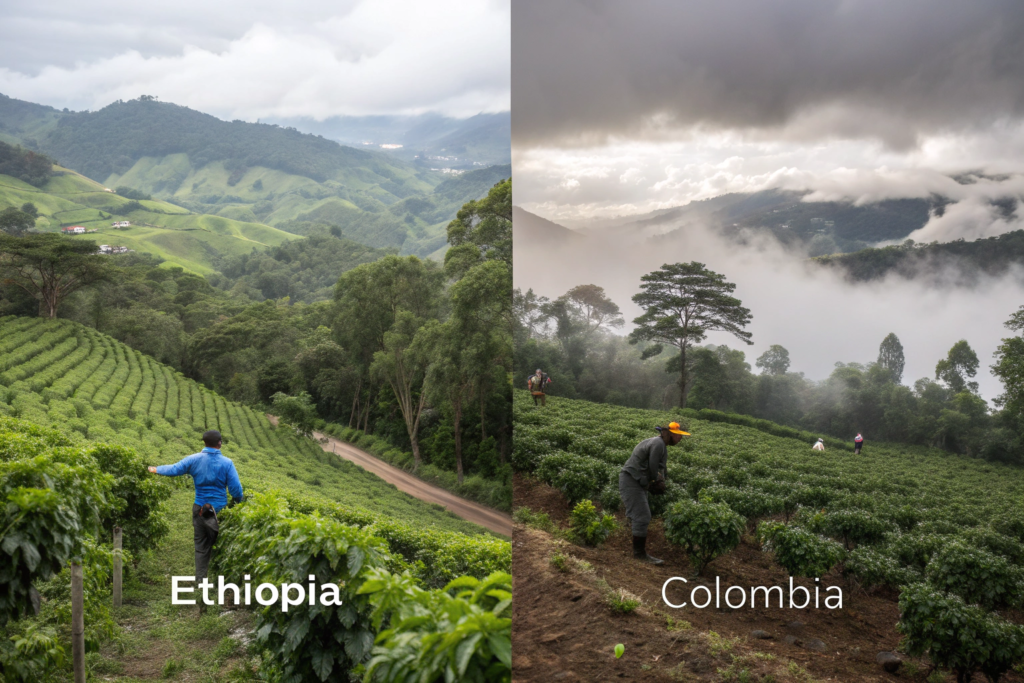
How does rainfall pattern affect flavor?
- Distinct Wet/Dry Seasons: Many regions, like in Central America or Ethiopia, have a clear rainy season (for growth) followed by a dry season (for harvesting and drying). This often leads to a clean, bright, and crisp flavor profile.
- Monsoonal Climates: In places like India or our home in Yunnan, China, the coffee is influenced by monsoon seasons. This can lead to unique processing methods (like the "Monsooned Malabar" in India) and can contribute to a coffee's body and unique flavor notes. Our subtropical monsoon climate at Shanghai Fumao is a key reason for our beans' balanced profile.
- Year-Round Rain: In a country like Colombia, with its two mountain ranges, there can be multiple flowering and harvest seasons throughout the year. This constant cycle of rain and growth contributes to the classic, well-rounded, and consistently available Colombian coffee profile.
How do temperature and sunlight play a role?
The amount and intensity of sunlight affect photosynthesis, which is how the plant creates the sugars that are essential for sweetness in the cup. A region with a lot of cloud cover might produce a coffee with a more delicate, nuanced flavor profile, while a region with more intense, direct sun might produce a coffee with a bolder, more fruit-forward character. The specific daily temperature fluctuation (the difference between the day's high and the night's low) also plays a critical role in developing acidity, as discussed earlier.
How Do Local Plant Varieties and Traditions Influence Taste?
The final layers of an origin's flavor come from the specific type of coffee plant being grown and the human traditions of processing that have developed in that region over generations.
The specific variety of the coffee plant determines its genetic flavor potential, like the difference between a Granny Smith and a Red Delicious apple. The local processing method is the traditional technique used to unlock that potential, shaped by the local climate and culture.
These two factors are what often create the most distinct and recognizable "notes" of a famous origin.
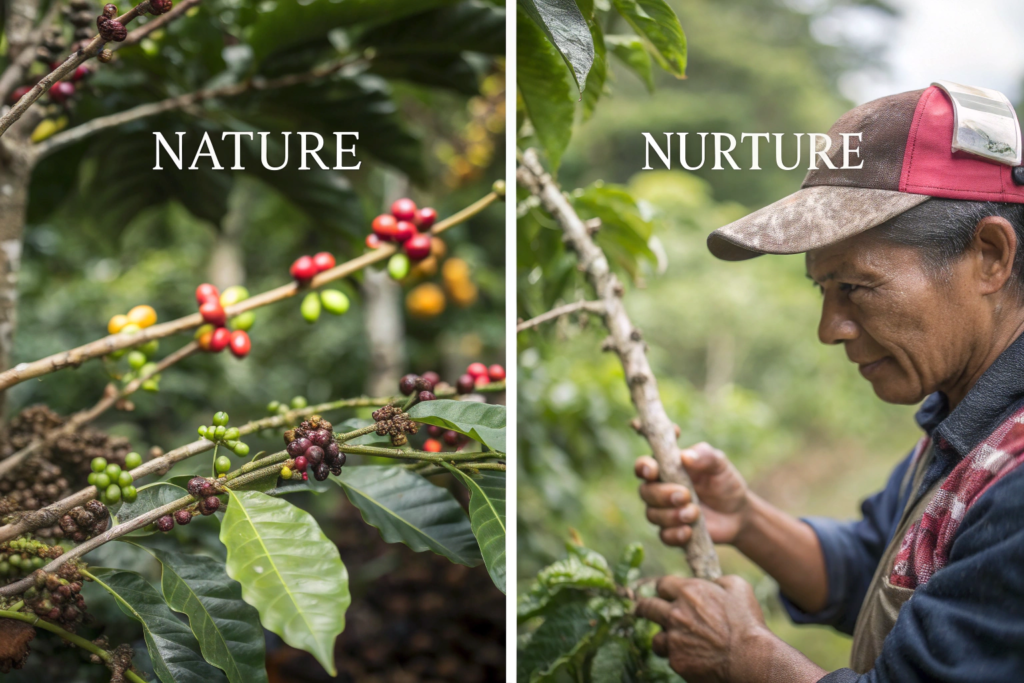
Why does the coffee variety matter so much?
Just as there are thousands of varieties of grapes for wine, there are thousands of varieties of Coffea arabica.
- Heirloom Ethiopian Varieties: Ethiopia is the birthplace of coffee, and its forests are home to thousands of wild, uncatalogued varieties. This incredible genetic diversity is why Ethiopian coffees can have such a stunning range of flavors, from the jasmine and bergamot notes of a Yirgacheffe to the blueberry notes of a natural Harrar.
- Bourbon and Typica: These are two of the oldest and most important cultivated varieties, from which many others are derived. They are known for their excellent cup quality, often with great sweetness and complexity.
- Gesha: Originally from Ethiopia, this variety became world-famous when it was grown in Panama. It is renowned for its incredibly complex, floral, and tea-like flavor profile and commands extremely high prices. The variety itself has this potential, but it needs the right terroir to express it.
How do traditional processing methods create a regional flavor?
Processing is the step where the seed is removed from the fruit. The method used is often dictated by the local climate and has a massive impact on flavor.
- Washed Process: Common in Latin America where there is ample fresh water. This method removes all the fruit before drying, resulting in a clean, bright cup that highlights the bean's intrinsic acidity.
- Natural (Dry) Process: Common in water-scarce regions like parts of Ethiopia and Brazil. The entire cherry is dried intact. This allows the sugars from the fruit to ferment and be absorbed by the bean, resulting in a heavy-bodied, sweet, and intensely fruity coffee.
- Wet-Hulled (Giling Basah): This unique method is almost exclusive to Indonesia. It involves removing the parchment layer while the bean is still wet and has a very high moisture content. This process is responsible for the classic Sumatran flavor profile: very low acidity, a huge, syrupy body, and deep, earthy, and sometimes tobacco-like notes.
How Does All This Help a Buyer Make Better Decisions?
Understanding terroir is not just an academic exercise. For a professional coffee buyer, it is a critical business tool that allows you to source more intelligently and communicate about coffee more effectively.
By understanding the general flavor profiles associated with different origins, you can predict with reasonable accuracy what a coffee might taste like before you even sample it. This allows you to source with purpose, building a well-rounded and diverse coffee portfolio that meets the specific needs of your customers and your brand.
It moves you from reactive buying ("What do you have?") to proactive sourcing ("I am looking for something with these specific characteristics.").

How can you use origin knowledge to build a menu?
You can use your knowledge of origin to create a balanced and interesting menu for your cafe or roastery. For example, you might decide you always want to offer:
- A "Comfort" Coffee: A classic, approachable coffee with notes of chocolate and nuts. Your origin knowledge tells you to look for a coffee from Brazil or perhaps a washed coffee from our farms at Shanghai Fumao.
- An "Adventurous" Coffee: A bright, fruity, and complex coffee. Your knowledge points you toward a natural-processed Ethiopian or a high-altitude washed Kenyan.
- A "Bold" Coffee: A heavy-bodied, rich coffee for your espresso blend. You might look for a good Sumatran or a Fine Robusta.
This allows you to cater to different customer preferences in a deliberate way.
How does it improve your communication and marketing?
When you understand why a coffee tastes the way it does, you can tell a much more compelling story. Instead of just saying, "This coffee is from Colombia," you can say, "This coffee is from the high mountains of Huila, Colombia. The high altitude and volcanic soil give it its characteristic bright acidity and notes of caramel and orange." This deeper knowledge positions you as an expert, builds trust with your customers, and allows you to justify the price of a high-quality specialty coffee.
Conclusion
A coffee bean's origin is its passport, its autobiography, and its soul. It tells the story of the volcanic soil that nourished it, the high-altitude sun and mist that shaped it, the unique genetic code it inherited, and the human traditions that brought it to life. The complex interplay of these factors—the terroir—is what creates the vast and wonderful spectrum of flavors that make the world of coffee so endlessly fascinating. Understanding the importance of origin is what separates a casual coffee drinker from a true connoisseur, and a simple buyer from a strategic sourcer. It is the key to unlocking the world of flavor, one cup at a time.
We are incredibly proud of the unique origin story our coffee has to tell—a story of the rich volcanic soils and subtropical climate of Baoshan, Yunnan. We invite you to explore this exciting new chapter in the world coffee map. Contact our coffee specialist at cathy@beanofcoffee.com to request a sample and taste the unique terroir of our home.