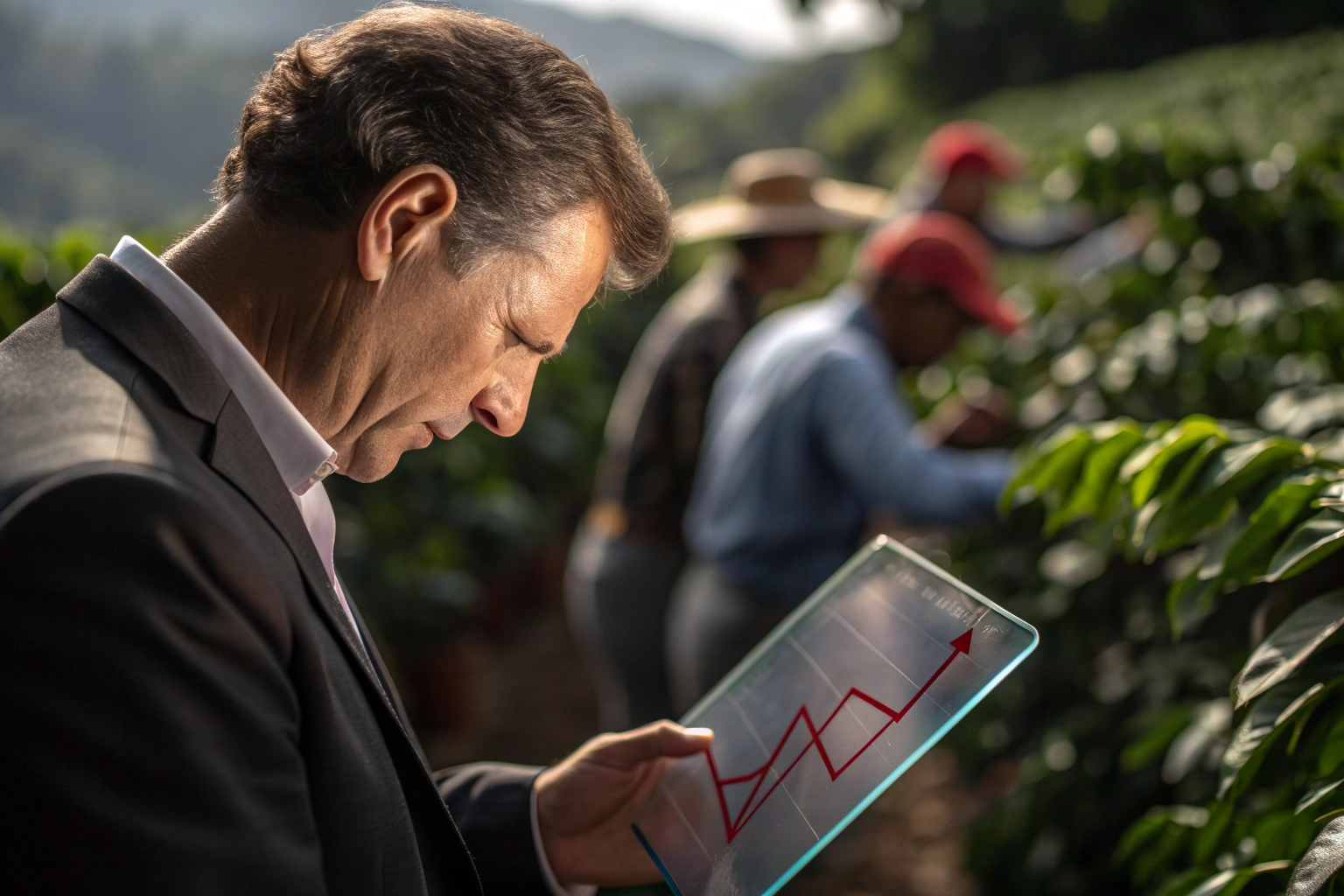
You have probably stared at your procurement spreadsheets this month and thought there must be a mistake. The numbers for your next container load aren't just ticking up; they are jumping. For a buyer like you, Ron, who prides himself on securing the best margins for your company, this market volatility is a headache you didn't ask for. I hear this every day from my partners in the U.S. You want stability, but the market is giving you chaos. Honestly, standing here in my fields in Baoshan, watching the harvest, I feel that pressure too. It is not just you paying more; it is the entire supply chain stretching to its breaking point.
Coffee is becoming expensive in 2024 due to a "perfect storm" of supply deficits caused by severe weather events in Brazil and Vietnam, rising global fertilizer costs, and significant geopolitical disruptions affecting shipping routes like the Red Sea. These factors have driven the commodity price (C-Market) to historical highs while global consumption continues to grow, creating a seller's market where inventory is tight and logistics are premium.
But "supply and demand" is a textbook answer, and we are running real businesses here. To navigate this, you need to understand the specific gears turning behind that price hike. It is not just inflation; it is structural change. When you understand these levers—from the rainfall in Minas Gerais to the shipping lane blockage in the Suez—you can explain to your team why costs are up, and more importantly, you can strategize on when to lock in your contracts with us at BeanofCoffee. Let's break down exactly what is draining your budget.
How does climate change affect coffee prices?
If you ask me what keeps me up at night, it is not the bank; it is the weather report. In 2024, the weather has been the single biggest agitator of price. You might think a degree here or there doesn't matter, but for a coffee tree, it is the difference between a bumper crop and a failed harvest. When the major producing countries sneeze, the global market catches a cold. Right now, the big players are doing more than sneezing; they are running a fever.
Climate change is driving up prices by creating extreme weather patterns—specifically droughts in Brazil and heatwaves in Vietnam—that have decimated yields for both Arabica and Robusta, causing a global supply deficit. When supply drops this sharply, the futures market reacts instantly, and that volatility hits your FOB price before the beans even leave the farm.
What is happening to the Arabica and Robusta supply?
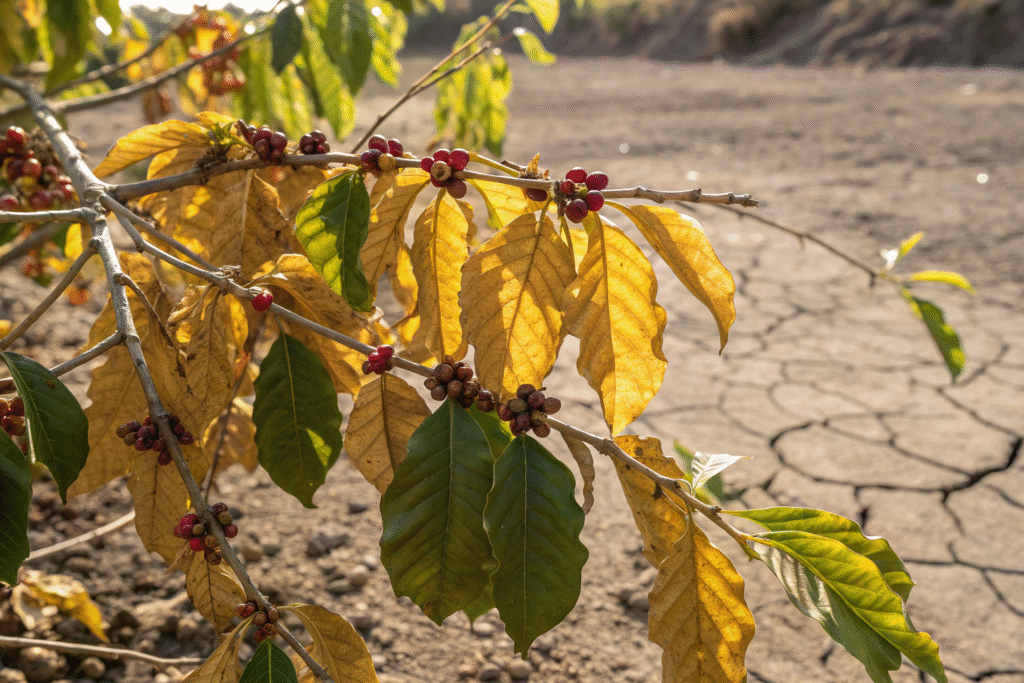
Let's look at the biology for a second. Arabica trees are incredibly sensitive. They need a "Goldilocks" climate—not too hot, not too cold. Recently, Brazil, the world's Arabica giant, has faced severe drought conditions. When the trees don't get enough water during the flowering stage, the flowers drop off. No flowers mean no cherries. No cherries mean we have a supply gap that no other country can easily fill.
On the other side, you have Vietnam, the king of Robusta. Robusta is supposed to be the "tough" bean, right? Well, even Robusta has a breaking point. Vietnam has experienced record-high temperatures and uneven rainfall. This has caused the Robusta supply to tighten drastically. Since Robusta is often used to hedge against high Arabica prices, when Robusta gets expensive, there is nowhere left for buyers to hide. The price floor for the entire market lifts up.
I see the effects here in Yunnan, too. While our high-altitude plantations in Baoshan offer some protection, we are constantly monitoring moisture levels. We have had to invest heavily in irrigation infrastructure to guarantee the stability that clients like you need. You can read more about these global climate impacts in the reports from the National Oceanic and Atmospheric Administration (NOAA) regarding El Niño patterns. Also, World Coffee Research publishes excellent data on how genetic diversity—or the lack thereof—is making current crops more vulnerable to these shifts.
How does this create a long-term deficit?
The scary part is that this isn't a one-year problem. Coffee trees take 3 to 5 years to mature. If a farmer in Brazil loses trees to frost or drought today, replanting doesn't fix the supply for 2025 or 2026. We are looking at a structural deficit. The market knows this. Traders on the Intercontinental Exchange (ICE) are pricing in future scarcity.
This speculation drives the "C-Price" (the global benchmark for Arabica) upward. Even if my harvest in China is perfect, the global price sets the baseline. Another way to look at this is through inventory levels. Certified stocks in ICE warehouses have been historically low. When there is no buffer stock, every weather report causes a price spike.
It is a chain reaction. High prices encourage farmers to plant more, but until those trees mature, you are stuck paying the premium. That is why securing a relationship with a stable supplier like BeanofCoffee is critical—we own our land, so we have more control over our output than aggregators who rely on smallholders. To understand the stock levels, check the daily reports from the Intercontinental Exchange (ICE), and for agricultural forecasting, the FAO (Food and Agriculture Organization) provides deep dives into crop prospects.
Are shipping costs driving up coffee prices?
You know better than anyone that the price of the bean is only half the battle. Getting it from my warehouse in Baoshan to your distribution center in the U.S. is where the headaches really start. Logistics used to be boring. Now, it is a high-stakes gamble. In 2024, the ocean is not just water; it is a geopolitical chessboard, and your coffee containers are the pawns.
Shipping costs are inflating the final landed price of coffee due to disruptions in key transit points like the Red Sea and the Panama Canal, forcing ships to take longer, more expensive routes. For a buyer in North America, this means higher fuel surcharges, insurance premiums, and the dreaded "peak season surcharges" that seem to never end.
Why are ocean freight rates skyrocketing?
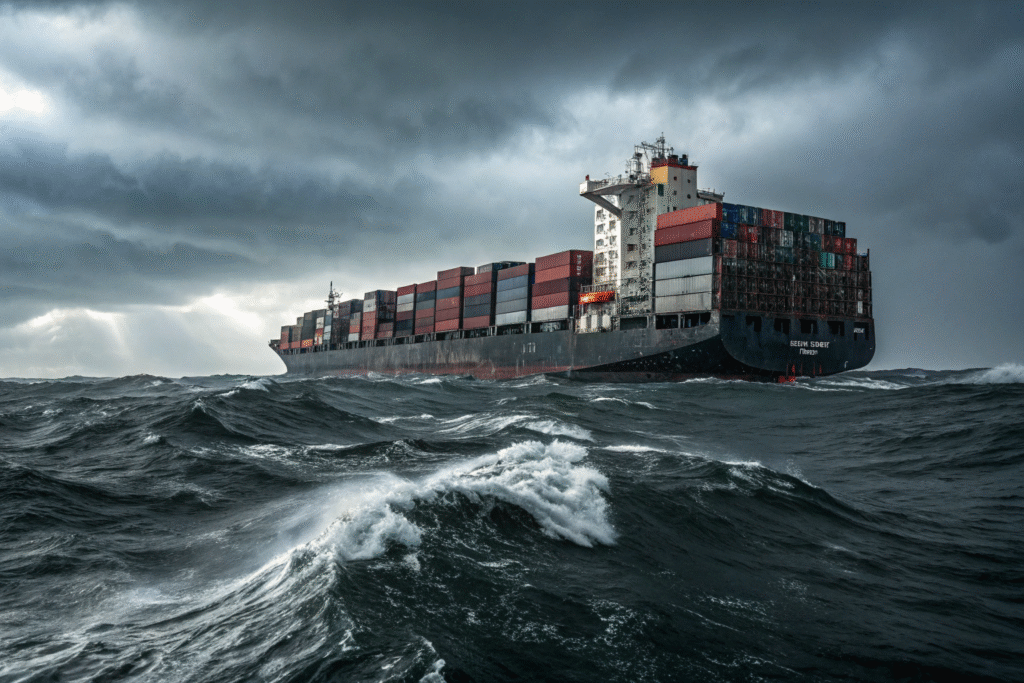
Let's talk about the Red Sea. Attacks on vessels there have forced major carriers to divert ships around the Cape of Good Hope in Africa. This adds weeks to the transit time and consumes massive amounts of fuel. Even though our route from China to the West Coast of the US (Pacific route) doesn't go through the Suez, the global displacement of containers affects everyone.
When ships are tied up on longer voyages, there are fewer containers available in Asian ports. It creates a shortage. I have had days where we have the beans ready, bagged, and palletized, but we are fighting just to get a booking on a vessel. This scarcity allows carriers to jack up the rates. You aren't just paying for transport; you are paying a premium for the privilege of getting on the boat.
And then there is the Panama Canal. Droughts there have restricted the number of ships that can pass through daily. If you are on the East Coast of the US, this hits you hard. The alternative is rail from the West Coast, which adds another layer of cost. You can track these disruptions on the Freightos Baltic Index, which gives you real-time data on container pricing. Also, Lloyd's List is the go-to source for maritime intelligence if you want to see where the bottlenecks are.
How does this affect timeliness and inventory cost?
Time is money. You mentioned timeliness is a pain point for you. When a voyage takes 14 days longer, that is 14 extra days your capital is tied up in floating inventory. You have to finance that. Plus, the uncertainty forces you to hold more safety stock in your US warehouses, which costs money in storage fees.
The unpredictability of sailing schedules means we can't run a purely "Just-in-Time" supply chain anymore. We have to buffer. At BeanofCoffee, we work with premium freight forwarders to secure slots, but the cost is unavoidable. It is a pass-through cost.
Another aspect often overlooked is insurance. With geopolitical tension, war risk insurance premiums have skyrocketed. Even if the ship is safe, the paper trail costs more. It is death by a thousand cuts. To understand the insurance implications, JOC (Journal of Commerce) has excellent analysis on logistics risks. For global trade flow data, the World Trade Organization (WTO) offers broad insights into how these disruptions reshape commodity flows.
| Factor | Impact on Cost | Impact on Time |
|---|---|---|
| Red Sea Diversion | High (Fuel + Surcharges) | +10-14 Days |
| Panama Drought | Medium (Slot Auction Fees) | +5-7 Days |
| Container Shortage | High (Supply/Demand) | Unpredictable Delays |
| Bunker Fuel Prices | Medium (Fluctuating) | Neutral |
Is global coffee consumption outpacing supply?
Here is a twist that might surprise you. While you are worrying about supply, the world is drinking more coffee than ever. I see it right here in China. Ten years ago, everyone drank tea. Now? Shanghai has more coffee shops than any city in the world. This internal demand in producing countries is eating into the exportable surplus. We are fighting a war on two fronts: nature is giving us less, and people want more.
Global consumption is outpacing production, driven largely by rising demand in emerging markets like Asia and a continued appetite for premium coffee in the West, creating a fundamental supply-demand imbalance. When demand grows 2% a year and supply drops 1%, prices have only one way to go: up.

Who is drinking all the coffee?
The "Latte Effect" is real. In countries like China, India, and Indonesia, a rising middle class views coffee as a lifestyle product. It is modern. It is chic. Domestic consumption in China alone is growing at a double-digit pace. As a Chinese exporter, I have local roasters knocking on my door every day offering cash for my best beans.
This puts pressure on the export market. Historically, producing countries exported the best stuff and drank the dregs. Now, they want to keep the good stuff. This means there is less high-quality Arabica available for the international market, increasing the competition for what's left. You are not just competing with other American buyers anymore; you are competing with a coffee shop chain in Chengdu.
And in your market, the US, the demand hasn't slowed down. Despite inflation, people aren't cutting out their morning brew. They might switch brands, but they don't quit caffeine. Coffee is inelastic. You can see these trends in the International Coffee Organization (ICO) monthly market reports. They track consumption vs. production meticulously. Also, Euromonitor International provides great consumer insight reports on how tastes are shifting globally.
How does the "Premiumization" trend impact price?
It is not just more coffee; it is better coffee. Consumers are educated now. They want single-origin. They want fair trade. They want organic. Producing this "specialty" coffee costs more. It requires selective hand-picking, better processing methods, and stricter quality control.
When the market demands higher quality, the floor price for everything rises. Farmers are incentivized to focus on quality over quantity, which limits the bulk volume available for commodity pricing. If you are looking for rock-bottom prices, you are looking for a product that is disappearing.
This shift is actually good for the industry long-term, but painful for the buyer in the short term. It means we have to invest more in our processing facilities in Yunnan to meet these standards. You can read about the economics of specialty coffee at the Specialty Coffee Association (SCA). For data on US consumption habits, the National Coffee Association (NCA) publishes the "National Coffee Data Trends" report which is the industry bible.
Why are coffee farming costs rising globally?
We need to talk about the dirt under my fingernails. Farming isn't just planting a seed and watching it grow. It is an industrial operation. We need fertilizer to feed the trees. We need fuel for the tractors and processing machines. We need labor to pick the cherries. Every single one of these input costs has skyrocketed in the last two years. I can't sell you beans at 2020 prices because my cost to grow them is stuck in 2024.
Farming costs are rising globally due to the high price of nitrogen-based fertilizers (linked to energy markets), labor shortages in rural areas, and increased regulatory compliance costs for sustainability. These input costs raise the "break-even" point for farmers. If the market price drops below this cost, we simply don't harvest.
Why is fertilizer so expensive?
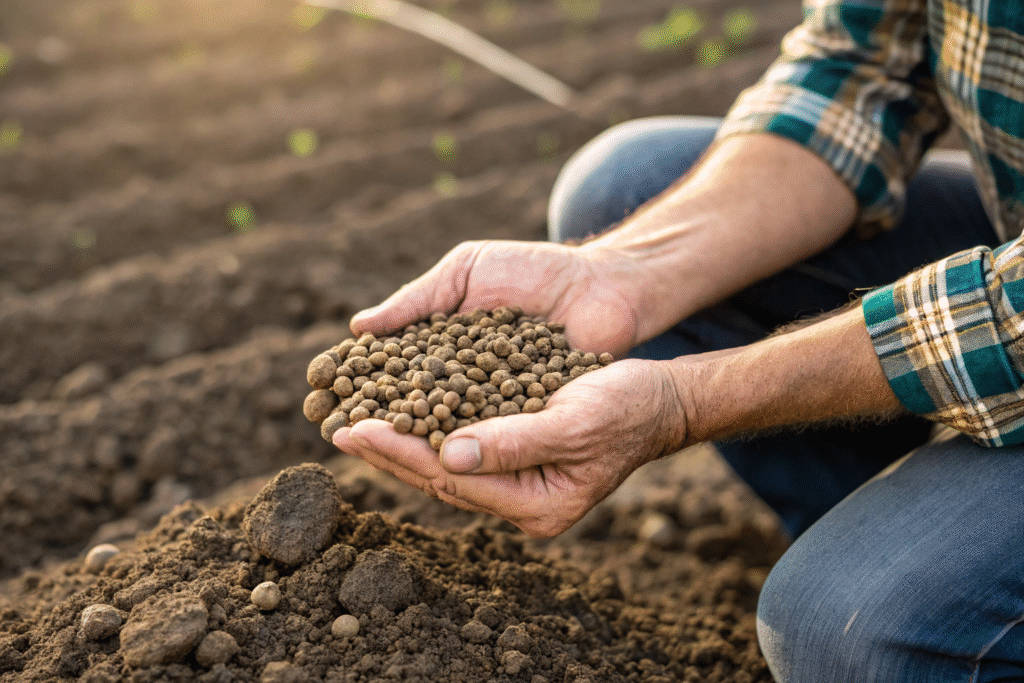
This is where geopolitics hits the farm. A huge chunk of the world's fertilizer supply (potash and nitrogen) comes from Russia and Ukraine. The conflict there disrupted supply chains, sending fertilizer prices to record highs. Even though they have stabilized somewhat, they are still significantly higher than pre-war levels.
Coffee trees are hungry. They need heavy feeding to produce good yields. If a farmer can't afford fertilizer, they skip a cycle. The tree survives, but the yield drops. So, we have two choices: pay the high price for fertilizer and pass that cost to you, or skip the fertilizer and have less coffee to sell, which drives supply down and prices up. It is a lose-lose for pricing.
Energy costs also play a role. Processing coffee—pulping, drying, milling—takes electricity and fuel. When global energy prices rise, our processing costs rise. You can track fertilizer price indices at the World Bank Commodities Market. Also, Yara International provides market insights into the fertilizer sector that explain these dynamics.
What about the labor crisis?
This is a global phenomenon. Young people don't want to work on farms. They move to the cities. In Yunnan, in Vietnam, in Brazil—it is the same story. To attract pickers during the harvest season, we have to pay higher wages. Coffee picking, especially for high-quality Arabica, is manual labor. You can't automate it easily on steep mountain slopes.
Labor accounts for a massive percentage of the production cost. When wages go up, the bean price goes up. Plus, there is the cost of compliance. You want "sustainable" coffee? You want "Rainforest Alliance" or "Organic" certification? That involves audits, paperwork, and stricter farm management. That all costs money.
We are happy to provide safe, ethical coffee, but that value is baked into the price. You can't have ethical labor practices and rock-bottom prices simultaneously. The Global Coffee Platform does great work analyzing the living income gaps for farmers. Also, look at the International Labour Organization (ILO) for reports on agricultural labor trends globally.
Conclusion
So, Ron, to answer your question: Coffee is expensive in 2024 because the world has changed. We are dealing with a climate that is hostile to yield, a logistics network that is fraught with risk, and a global economy that has driven up the cost of everything from fertilizer to labor. It is not price gouging; it is the new reality of the cost of goods. The days of cheap, abundant, worry-free coffee are behind us. Now, it is about securing access and managing risk.
But this doesn't mean you have to lose money. It means you need a partner who understands these dynamics and has the assets to mitigate them. We don't just trade paper; we grow the trees. We control the process from the soil in Baoshan to the container seal. If you want to navigate this volatility with a partner who values transparency and timeliness as much as you do, reach out to us. Contact Cathy Cai at cathy@beanofcoffee.com. She can walk you through our current harvest projections and help you lock in a price that protects your margins before the market jumps again.