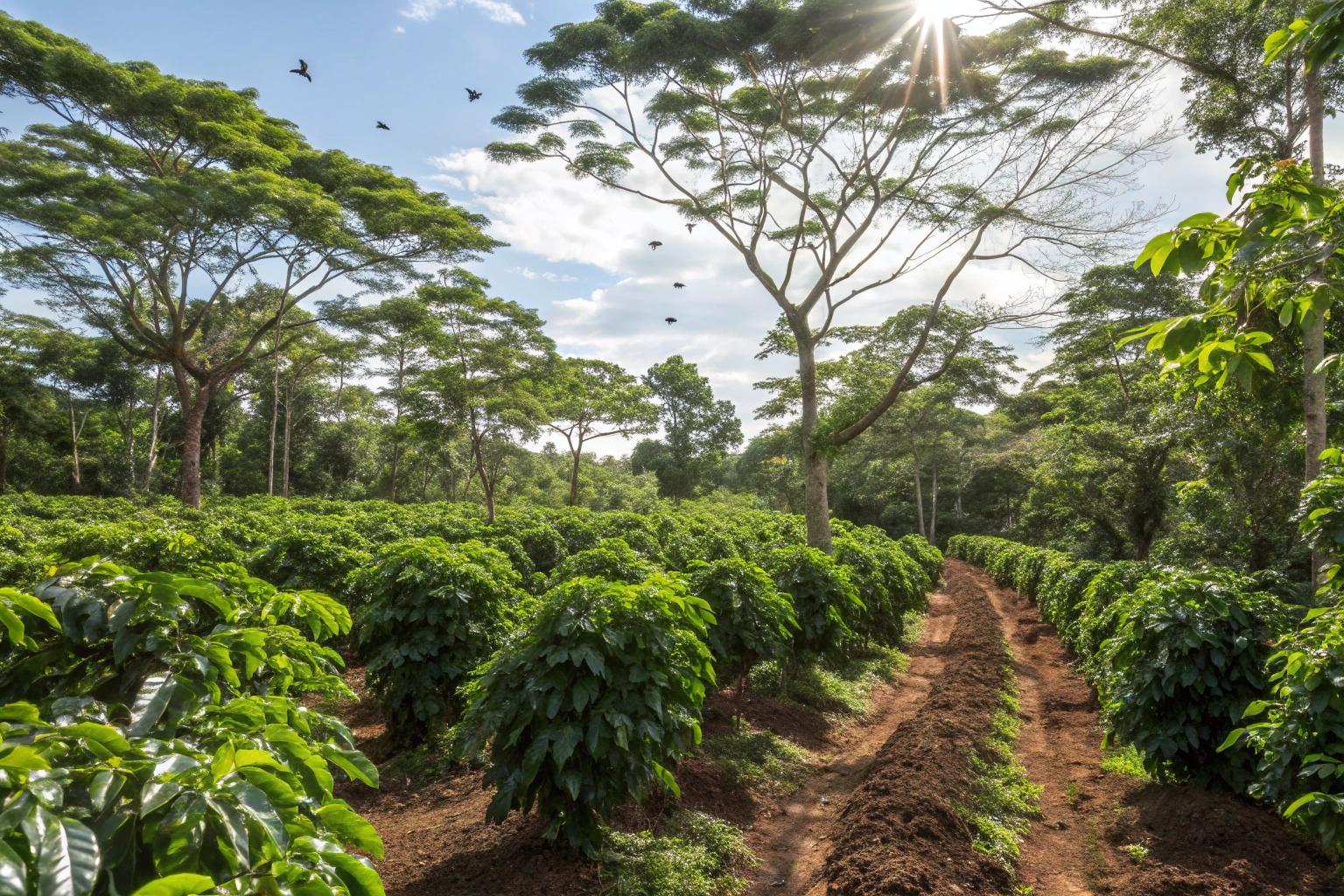
You're sourcing coffee for your brand and come across two lots from the same Yunnan region. One is labeled "Sun-Grown," the other "Shade-Grown." The shade-grown option often comes with a slight premium. Is this just a marketing term, or is there a real environmental benefit that justifies the cost? For a buyer focused on security and long-term supply, understanding this isn't just about ethics—it's about investing in a resilient, sustainable supply chain. Environmental degradation at the farm level is a direct threat to future coffee quality and availability.
So, why is shade-grown coffee better for the environment? In essence, it mimics a natural forest ecosystem, whereas sun-grown coffee replaces it with a simplified, agricultural monoculture. The environmental superiority of shade-grown coffee is profound and multi-faceted, impacting biodiversity, soil health, water resources, and climate resilience. At Bean of Coffee, we are actively transitioning suitable portions of our Yunnan plantations towards shaded agroforestry systems because we see it as the only viable long-term model for our land and our business.
Let's explore the ecological mechanisms that make shade-grown coffee a force for environmental good.
How does shade coffee preserve biodiversity and ecosystem services?
A shade coffee farm is not just a crop field; it's a managed forest. By maintaining a canopy of native trees, it provides habitat for a vast array of species that would be absent in a sun plantation. This biodiversity isn't just nice to have—it's a functional, working part of the farm.
Think of the shade trees as the pillars of a mini-ecosystem. They support a complex web of life that, in turn, supports the coffee plants.
What wildlife depends on shade coffee farms?
Shade farms act as critical wildlife corridors and refuges, especially in regions where natural forest has been cleared.
- Birds: This is the most documented benefit. Shade farms can host 90-95% of the bird species found in natural forests, including migratory songbirds from North America. These birds provide natural pest control by eating insects.
- Insects & Pollinators: A diverse insect population includes beneficial predators that keep pest outbreaks in check and pollinators for the coffee and other plants.
- Mammals, Reptiles, and Amphibians: Bats, lizards, and frogs find shelter and food in the complex habitat, contributing to a balanced ecosystem.
The Smithsonian Migratory Bird Center's "Bird Friendly" certification is the gold standard for verifying this level of biodiversity, requiring a dense, diverse shade canopy and organic practices.
How does biodiversity translate to farm resilience?
This living ecosystem provides free, natural services that sun farms must replace with costly, often harmful inputs.
- Natural Pest Control: Birds, bats, and beneficial insects consume coffee pests like the coffee berry borer. This reduces or eliminates the need for synthetic pesticides.
- Pollination: Many shade trees and understory plants attract pollinators, which can also benefit coffee yields.
- Nutrient Cycling: A diverse array of plants and decomposers (like fungi and bacteria) breaks down organic matter more efficiently, cycling nutrients back into the soil. This reduces the need for synthetic fertilizers.
How does it improve soil health and protect water resources?
The shade canopy and the associated plant life fundamentally change what happens at and below the soil surface. Healthy soil is the foundation of any sustainable agriculture.
Sun-grown coffee exposes the soil to the elements, leading to degradation. Shade coffee protects and nourishes it.
Recraft指令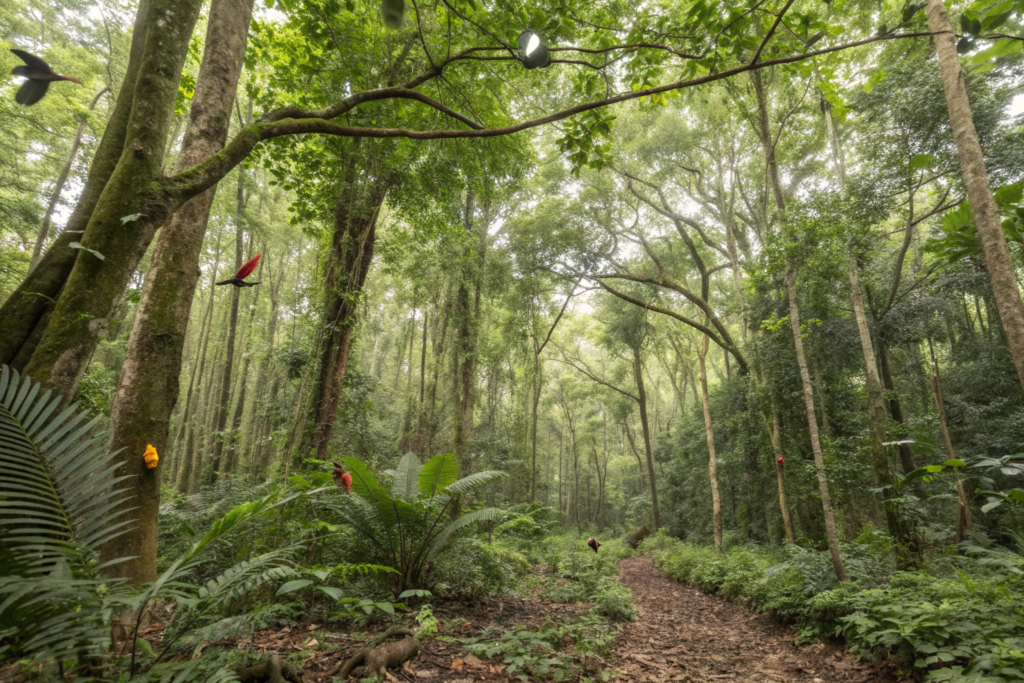
Why is soil erosion drastically reduced?
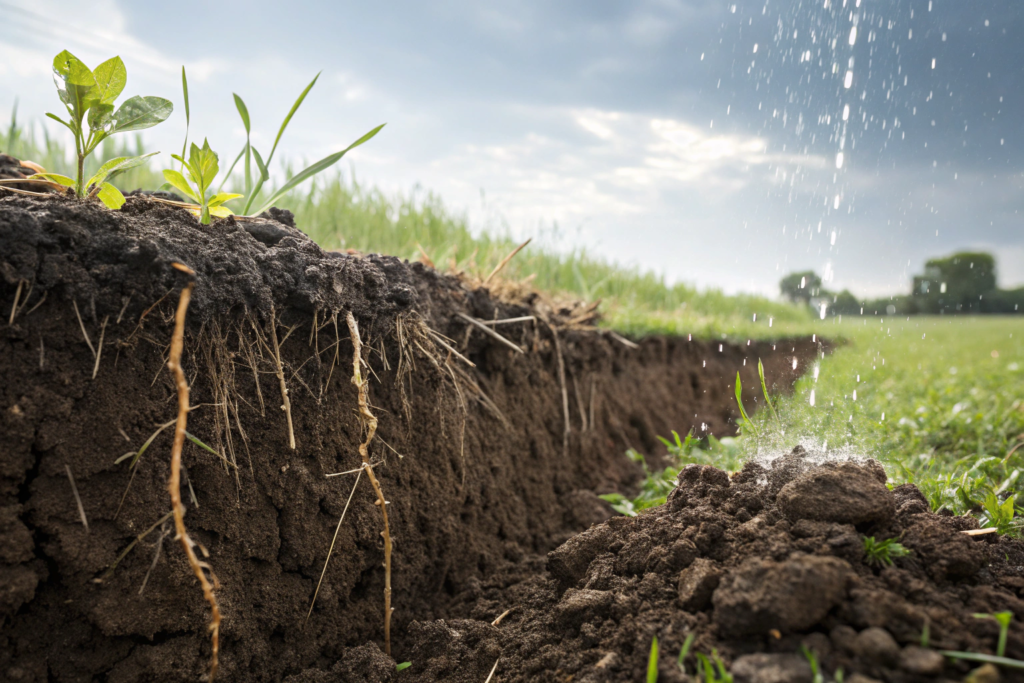
In a sun plantation, heavy tropical rains hit bare soil directly. This leads to severe soil erosion, washing away the most fertile topsoil.
- Canopy Interception: The shade canopy breaks the force of raindrops before they hit the ground.
- Root Networks: The extensive root systems of shade trees and cover plants hold the soil in place.
- Ground Cover: Leaf litter from the trees forms a natural mulch, further protecting the soil surface. This preserves the farm's most valuable asset—its soil—for future generations.
How does shade farming protect watersheds and water quality?
The impact on water is twofold: quantity and quality.
- Water Infiltration & Retention: The protected, porous soil acts like a sponge, absorbing rainwater and recharging groundwater aquifers. This reduces flooding and provides more consistent water flow in local streams during dry periods.
- Water Pollution Prevention: Because shade farms use fewer (or no) synthetic agrochemicals, and because erosion is minimized, there is far less chemical runoff and sedimentation polluting nearby rivers and streams. This is a major benefit for downstream communities and ecosystems.
What are the climate benefits: carbon sequestration and microclimate?
In the era of climate change, agriculture can be part of the problem or part of the solution. Shade coffee farms are significant carbon sinks and create a more resilient microclimate.
They actively remove carbon dioxide from the atmosphere and help the farm withstand climate volatility.
How does shade coffee sequester carbon?
Sun coffee fields store very little carbon beyond the coffee plants themselves. A shade coffee farm, with its tall, long-lived trees, stores substantial amounts of carbon.
- Biomass Storage: Carbon is locked away in the trunks, branches, and roots of the shade trees.
- Soil Carbon: The constant addition of organic matter from leaf litter increases the carbon content of the soil, which is a stable, long-term storage pool.
Converting sun farms to shade systems is a verifiable method for agricultural carbon offsetting. A shade farm can sequester significantly more carbon per hectare than a sun farm.
How does it create a more resilient microclimate?
The shade canopy moderates the farm's immediate environment, buffering against climate extremes.
- Temperature Regulation: The canopy reduces soil and air temperature by several degrees Celsius. This is crucial as rising temperatures threaten coffee production globally. Cooler conditions slow cherry maturation, which can improve cup quality.
- Humidity & Moisture Retention: The shaded, cooler environment reduces evaporation from the soil and plants, conserving precious water and maintaining higher humidity, which coffee plants prefer.
- Wind Protection: Trees act as windbreaks, reducing physical damage to coffee plants and further reducing moisture loss.
What are the trade-offs and how to verify true shade-grown coffee?
The benefits are clear, but shade-grown coffee isn't a monolithic category. There's a spectrum from "rustic" shade (minimal intervention) to "commercial shade" (fewer tree species, more managed). It often has a lower yield per acre than intensive sun farming, which is part of the reason for its premium price.
As a buyer, you need to look beyond the label to understand what you're supporting.
How can you verify environmental claims?
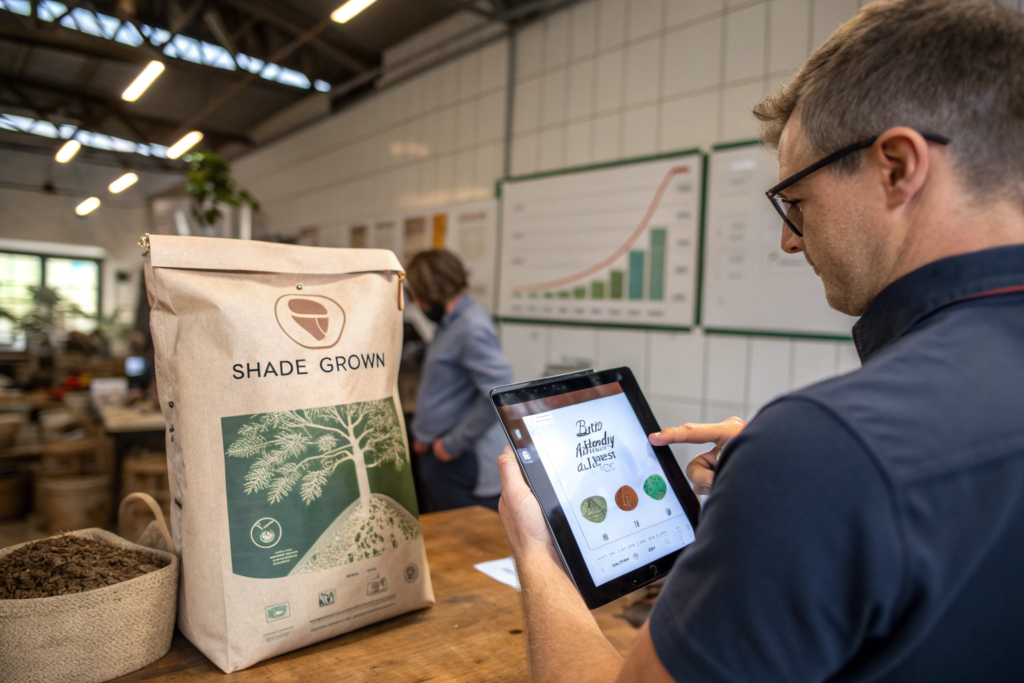
The term "shade-grown" is not legally protected. To ensure real impact, look for:
- Third-Party Certifications:
- Smithsonian Bird Friendly: The most rigorous, requiring organic practices and high biodiversity.
- Rainforest Alliance/UTZ: Includes strong environmental criteria, including shade and biodiversity, alongside social and economic standards.
- Supplier Transparency: Ask your supplier (like Bean of Coffee) specific questions: "What is the canopy cover percentage?" "What native tree species are used?" "Do you have photographic or audit evidence?" A genuine practitioner will have the data.
Is the lower yield a deal-breaker?
While yield per acre may be lower, the total value and sustainability can be higher. Costs are often lower (less fertilizer, fewer pesticides). The coffee quality can be superior due to slower cherry development. Furthermore, the system provides additional income from timber or fruit from the shade trees. It's a model of diversified, risk-resistant farming versus a high-input, high-risk monoculture. For a buyer, it means sourcing from a farm that is less likely to collapse due to pest outbreak, drought, or soil failure.
Conclusion
Shade-grown coffee is demonstrably better for the environment because it preserves and mimics natural forest ecosystems. It safeguards biodiversity, builds healthy and stable soils, protects watersheds, sequesters carbon, and creates a climate-resilient microclimate. It represents a shift from extractive agriculture to regenerative, symbiotic land use.
For the coffee buyer, choosing verified shade-grown coffee is an investment in the long-term health of the supply chain. It supports farming systems that can endure and thrive in the face of environmental challenges, ensuring that great coffee can be sourced for generations to come. It's a choice that aligns quality with planetary stewardship.
If you are looking to make your supply chain more resilient and environmentally responsible, shade-grown coffee is a powerful place to start. At Bean of Coffee, we are committed to advancing agroforestry practices on our lands in Yunnan. To discuss sourcing coffee from our evolving shaded lots, contact our export manager, Cathy Cai, at cathy@beanofcoffee.com. Let's build a future where every cup supports a healthier planet.