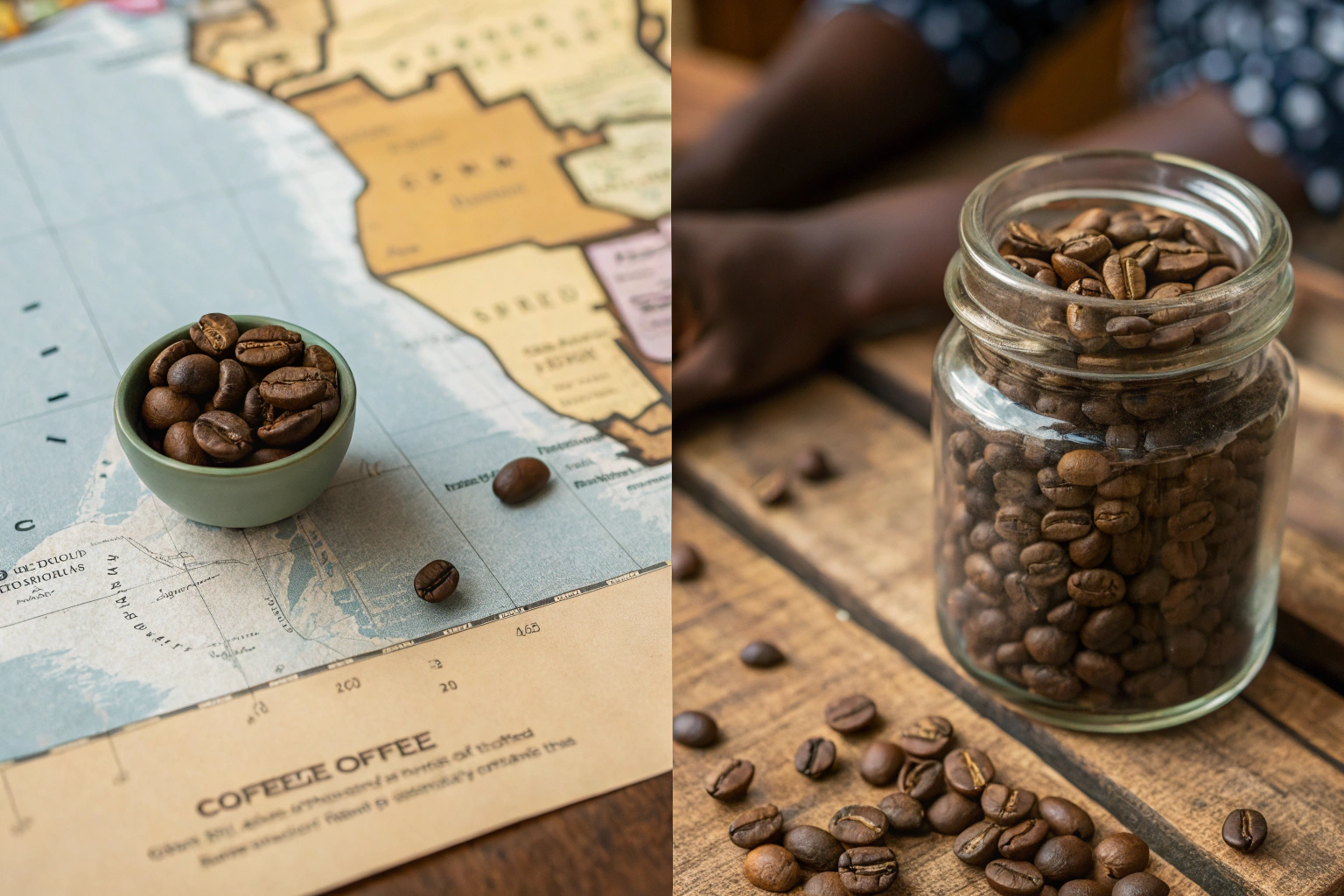
You're standing in a specialty coffee shop, looking at the menu. On one side, there's a "Single Origin Ethiopian Yirgacheffe." On the other, a "Masterpiece Espresso Blend." The single origin costs more. Is it worth it? Is it actually better? This debate divides coffee lovers, but the answer isn't about one being universally superior—it's about what each offers to your palate and your story.
Single origin coffee isn't inherently better than blends; it's different. It offers a unique, terroir-driven experience that tells the story of a specific place, while blends provide consistency and balanced flavor profiles. The choice depends on what you value: the exploration of distinct flavors or the reliability of a crafted taste.
So, why has single origin coffee gained such a devoted following? It's about transparency, traceability, and the pure expression of a coffee's origin. Let's explore what makes single origin special and when a blend might actually be the smarter choice.
What Exactly Defines a Single Origin Coffee?
The term gets used a lot, but what does it really mean? Single origin isn't just a marketing term—it's a commitment to specificity that tells you exactly where your coffee came from.
Single origin coffee comes from one single geographic location. This could be a single country, a specific region within that country, or even a single farm or cooperative. The key is traceability; you can trace the beans back to their specific source.
How Specific Does "Single Origin" Get?
The level of specificity can vary dramatically, and it matters. "Single Origin from Brazil" is very different from "Single Origin from Sul de Minas, Brazil," which is different again from "Single Origin from Fazenda Santa Rosa in Sul de Minas, Brazil." The more specific the origin, the more unique and traceable the flavor profile. This farm-level specificity is what we champion at BeanofCoffee with our Yunnan offerings. It’s the difference between saying you met someone from Europe versus someone from a specific village in Italy. This precision is at the heart of coffee traceability.
What is the "Terroir" Effect in Coffee?
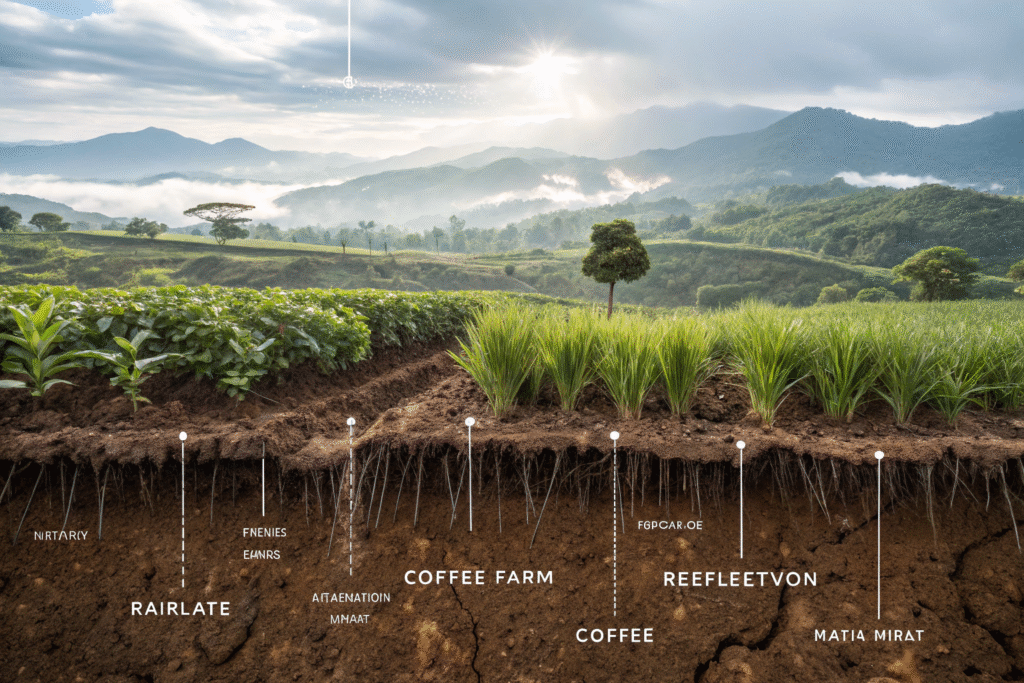
Terroir is a French term that, put simply, means "a sense of place." It’s the combination of environmental factors that gives a coffee its unique character: the soil composition, the altitude, the rainfall patterns, and even the direction of the sunlight. A single origin coffee from our high-altitude Yunnan farms will have a brighter acidity and more complex floral notes than a coffee from a lower, warmer region. You're not just tasting a coffee bean; you're tasting the landscape it grew in. This concept is central to understanding specialty coffee grading.
What Unique Experiences Does Single Origin Offer?
Drinking a single origin coffee is like visiting an art gallery to see a painting by one master artist. You get to appreciate the nuances, the technique, and the story behind that one specific piece without other influences.
Single origin coffee provides a pure, unblended expression of its origin. It allows drinkers to experience the unique flavor characteristics—the bright citrus of an Ethiopian, the heavy body of a Sumatran, the chocolatey notes of a Yunnan—without any alteration or masking from other beans.
Can You Really Taste the Difference?
Honestly, yes. And it's not subtle. Because single origin beans are processed and roasted to highlight their innate qualities, the flavor profiles are often more distinct and pronounced. You might taste specific fruits, flowers, or spices that are characteristic of that region. A well-roasted single origin coffee from our Catimor harvest in Baoshan has a distinct nutty and chocolatey character that would be blended away in a darker espresso mix. This is the joy of coffee cupping and flavor exploration.
Why is There a Story in Every Cup?
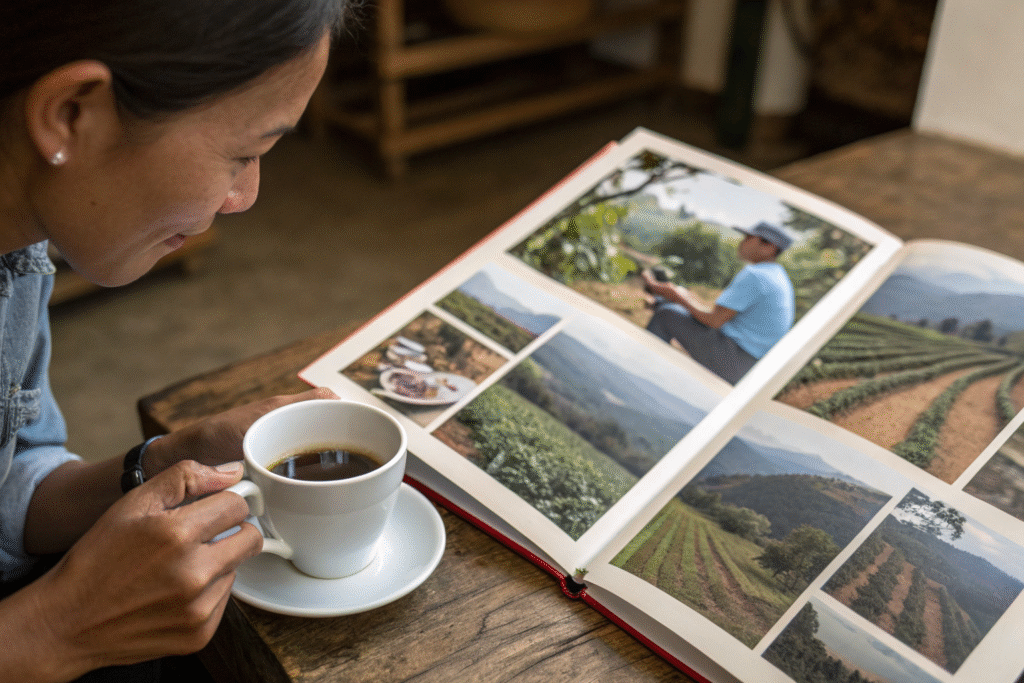
Single origin coffee has a narrative. When you drink a single origin from our Yunnan farm, you're connected to that place. You're supporting the specific farmers who grew it. You're experiencing a particular harvest from a particular year. This story—of the people, the place, and the process—adds a layer of appreciation that goes beyond mere taste. It transforms the drink from a commodity into an experience. This connection is a powerful part of the coffee culture that has developed around specialty coffee.
When Might a Blend Be the Smarter Choice?
Let's be fair to blends. They aren't the "cheap" option they're sometimes made out to be. Creating a consistent, delicious blend is an art form in itself, and for many coffee applications, a blend is actually the superior product.
Blends are crafted to achieve a consistent flavor profile year-round, to balance acidity and body for specific brewing methods (especially espresso), and to provide a reliable taste experience that doesn't change with harvest variations.
Why Do Most Espresso Drinks Use Blends?
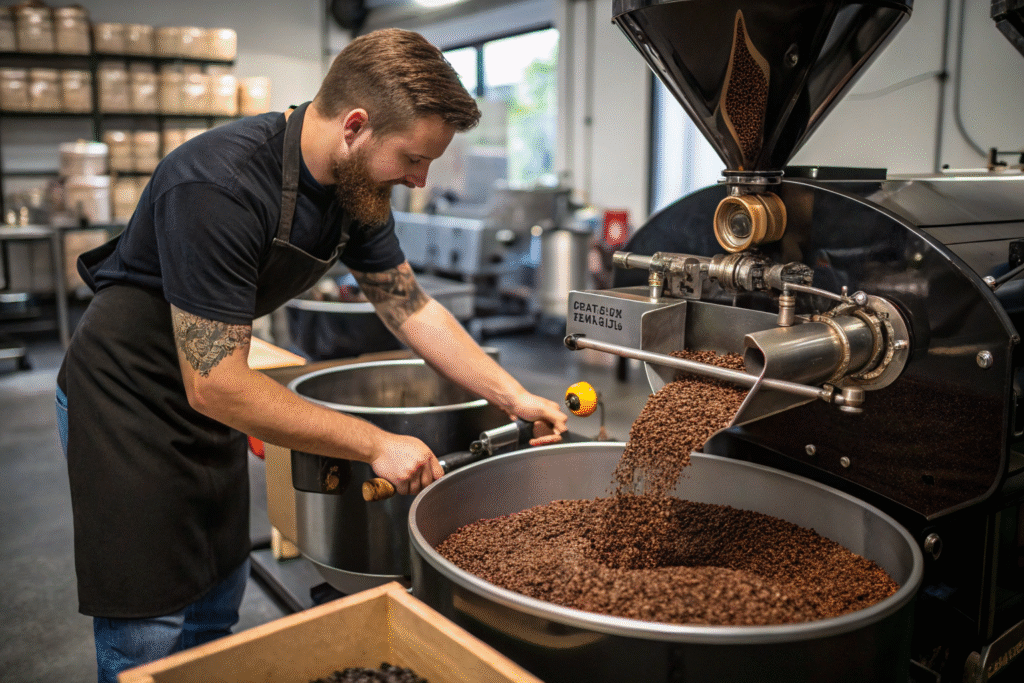
There's a good reason for this. Espresso is a high-pressure extraction method that can exaggerate the acidic or bitter notes of a single origin bean. A skilled roaster creates an espresso blend by combining beans with complementary characteristics—perhaps a bright African bean for acidity, a South American bean for sweetness, and an Asian bean for body and chocolate notes. The result is a balanced, complex shot that stands up well to milk. It’s the art of coffee roasting and blending at its finest. This consistency is crucial for cafe owners who need their signature drinks to taste the same every day.
What About Cost and Consistency?
This is a practical point. A well-crafted blend can often provide a more complex and balanced cup at a lower price point than a premium single origin. Because blenders can use beans from different sources, they aren't at the mercy of one bad harvest. If a drought affects one region in the blend, they can adjust the recipe without dramatically changing the final flavor. For businesses that prioritize a stable product and cost management, this makes blends an incredibly smart choice. It’s a fundamental aspect of managing risk in the coffee business.
How Should You Choose Between Single Origin and Blends?
The "better" choice ultimately comes down to your purpose. Are you exploring and tasting, or are you seeking a reliable daily drink? Understanding your own preferences and brewing habits will guide you to the right answer.
Choose single origin when you want to explore distinct flavors, appreciate terroir, and experience the pure character of a coffee from one place. Choose a blend when you want consistency, balance, and a flavor profile crafted to perfection for a specific brewing method, like espresso.
What Questions Should You Ask Yourself?
Start simple. What do I want from my coffee right now? An adventure or a comfort? If it's an adventure, pick a single origin from a region you've never tried. If it's a comfort, go for a trusted blend. Also, consider your brewing method. A French Press or pour-over can beautifully highlight a single origin's nuances. An espresso machine often shines with a well-designed blend. At BeanofCoffee, we help our clients understand these distinctions to select the right beans for their needs. It’s all about understanding your palate.
Can You Enjoy Both?
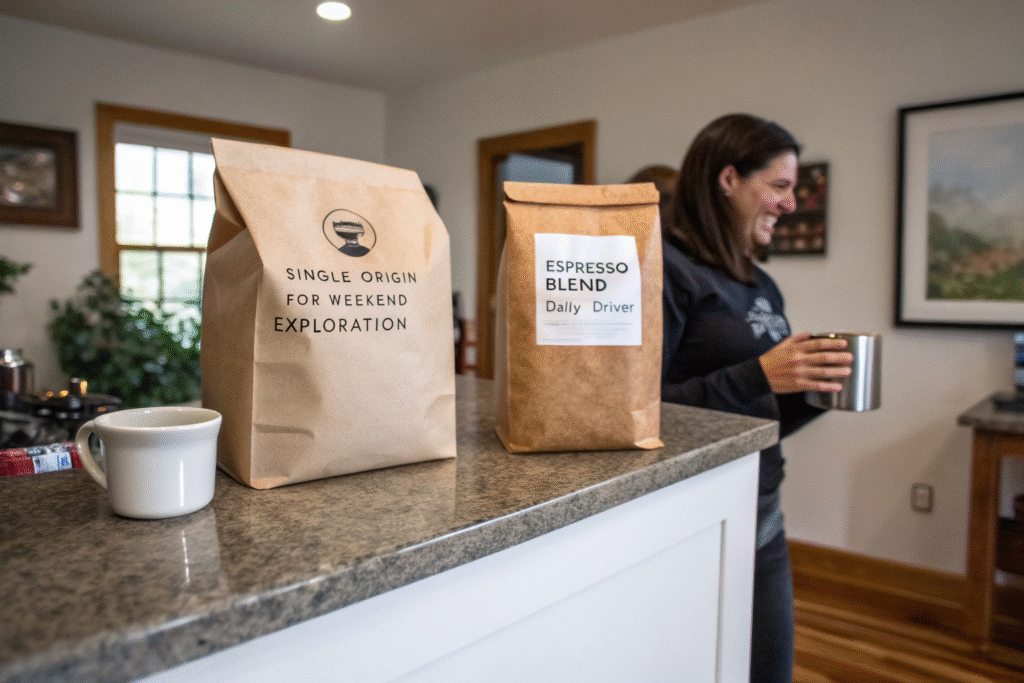
Absolutely. In fact, most coffee enthusiasts do. They might have a single origin for their weekend pour-over ritual, where they can take time to savor the details. And they'll have a dependable, delicious blend for their weekday morning espresso, which needs to be consistently good and fast. There's no rule that says you must choose one forever. The world of coffee is vast and meant for exploration. The Specialty Coffee Association promotes the appreciation of all high-quality coffee, regardless of its origin story.
Conclusion
Single origin coffee isn't universally "better" than blends—it serves a different purpose. It is the choice for transparency, for storytelling, and for experiencing the pure, unblended character of a specific place. A blend is the choice for consistency, for balanced complexity, and for a crafted flavor profile that remains stable over time.
The real victory is in understanding what each offers. Embrace single origin for its educational journey and unique expressions. Appreciate blends for their reliable craftsmanship and balanced perfection. For businesses, this means offering both to cater to different customer moments. If you are looking to explore the distinct, terroir-driven profiles of single origin Yunnan Arabica or to develop a consistent blend for your brand, we can provide the premium beans. Contact our export manager, Cathy Cai, at cathy@beanofcoffee.com to discover how our single origin lots and blending components can elevate your coffee offerings.