
You're facing a choice: buy conventionally grown coffee at a lower price or pay a premium for sustainably sourced beans. Your CFO is pressuring you to cut costs, but your customers are increasingly asking about your environmental and social impact. This isn't just an ethical dilemma—it's a strategic business decision that will determine your company's relevance in the coming decade.
Sustainability is crucial in the coffee supply chain because it addresses existential threats to coffee production itself while creating long-term business value. It ensures the continued availability of quality coffee, mitigates supply chain risks, meets growing consumer demand, and protects the livelihoods of farmers who form the foundation of the industry. Without sustainable practices, the entire coffee ecosystem faces collapse from climate change, soil degradation, and farmer abandonment.
So, why should this matter to you as a business owner or buyer right now? Because the choices you make today directly impact whether quality coffee will be available and affordable tomorrow. Let's explore the concrete business case for sustainability beyond the feel-good marketing.
How Does Sustainability Secure Your Long-Term Supply?
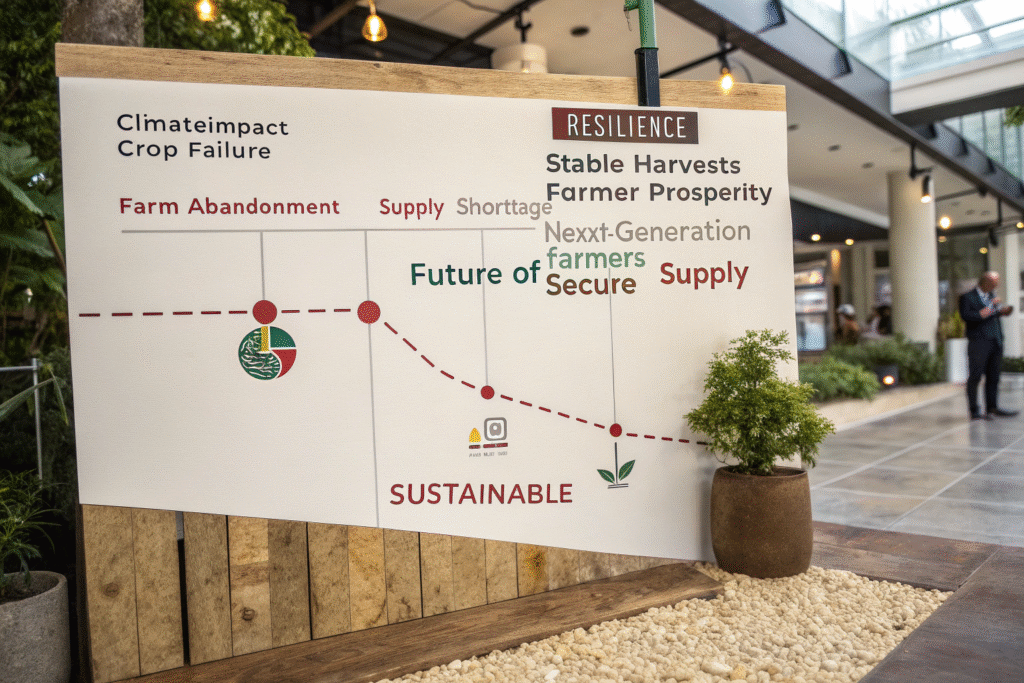
The most immediate business reason for supporting sustainability is risk mitigation. Climate change isn't a future threat—it's already disrupting harvests, increasing price volatility, and threatening the very regions where coffee grows.
Sustainable farming practices directly combat these threats by building resilience against climate change, protecting the soil and water resources needed for future harvests, and keeping the next generation of farmers on the land.
What is the Climate Change Reality for Coffee?
Rising temperatures are pushing coffee production uphill, while unpredictable rainfall and pests like coffee leaf rust are devastating harvests. Studies suggest that up to 50% of land suitable for coffee could disappear by 2050. Sustainable practices like shade-growing, soil conservation, and water management help farms adapt to these changes. When you source from farms implementing these methods, like many in our BeanofCoffee network in Yunnan, you're investing in supply chain resilience.
Why are Farmers Leaving Coffee?
When farming becomes unprofitable or unpredictable due to climate and market pressures, farmers abandon coffee for more reliable crops. This creates a generational crisis where knowledge is lost and supply dwindles. Sustainable practices that ensure fair prices and stable incomes, combined with methods that reduce input costs, make coffee farming viable for the long term. This is fundamentally about preserving the human capital of the coffee industry.
What are the Direct Business Benefits for Buyers?
Sustainability isn't just charity—it's a competitive advantage that delivers measurable returns. From brand differentiation to operational stability, the business case gets stronger every year.
The tangible benefits include enhanced brand reputation and customer loyalty, reduced supply chain volatility, access to growing market segments, and potential cost savings through more efficient farming practices.
How Does Sustainability Build Brand Value?
Modern consumers, particularly younger demographics, increasingly make purchasing decisions based on environmental and social values. A 2023 study showed over 60% of global consumers are willing to pay more for sustainable products. By transparently communicating your sustainable sourcing practices, you're not just selling coffee—you're selling values that build deep customer loyalty and justify premium pricing.
Can Sustainability Actually Reduce Costs?
Yes, through increased stability. The price volatility of coffee is a major cost for buyers. Sustainable sourcing often involves longer-term partnerships and contracts that provide price stability for both farmers and buyers. Additionally, sustainable farms often have more consistent quality and yield, reducing the hidden costs of supply chain disruption and quality inconsistency.

What Does "Sustainable Coffee" Actually Include?
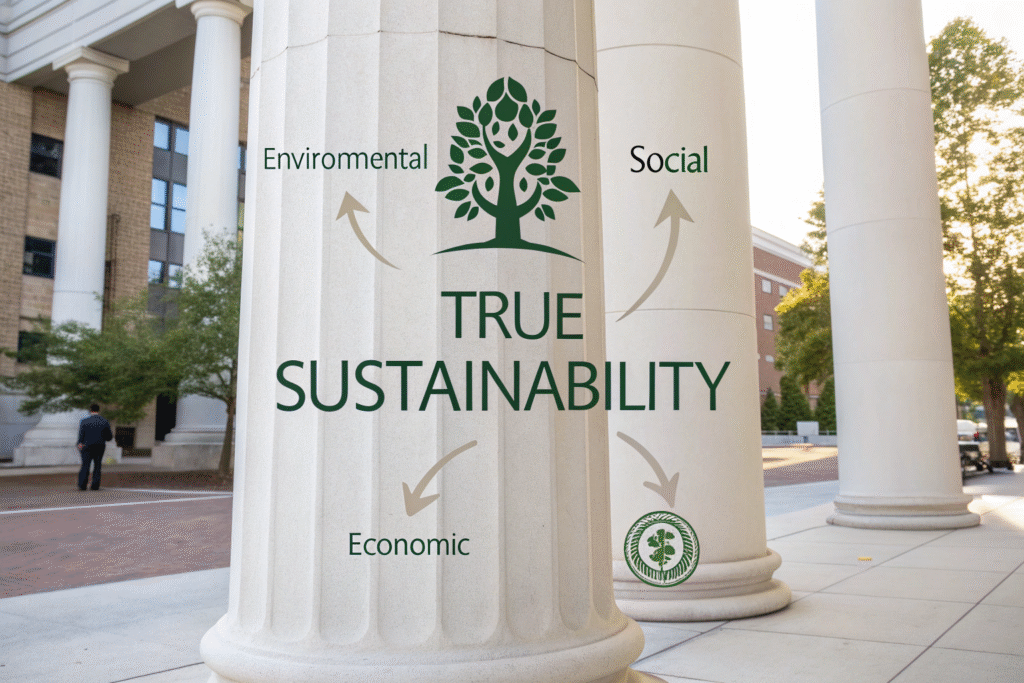
The term "sustainability" encompasses three interconnected pillars: environmental protection, social equity, and economic viability. Focusing on just one pillar creates imbalance and ultimately fails.
True sustainability requires healthy ecosystems, thriving communities, and profitable businesses throughout the supply chain—from farm to roastery. Each element supports the others in a virtuous cycle.
What are the Key Environmental Practices?
- Shade-growing: Preserves biodiversity and creates microclimates that buffer against temperature extremes
- Soil conservation: Techniques like composting and cover crops maintain soil health without chemical inputs
- Water protection: Reducing and treating wastewater from processing mills
- Agroforestry: Integrating trees with coffee creates additional income sources and carbon sequestration
These practices aren't just "green"—they're practical risk management for environmental stewardship.
Why is Economic Justice a Sustainability Issue?
A farmer living in poverty cannot invest in soil health or climate adaptation. Fair prices, access to credit, and long-term contracts provide the economic stability farmers need to implement sustainable practices. This is why initiatives like Fairtrade and direct trade relationships are crucial—they ensure the economic sustainability that enables environmental sustainability.
How Can You Implement Sustainable Sourcing Practices?
Knowing why sustainability matters is one thing—implementing it in your business is another. The good news is that there are multiple pathways, from certification systems to direct relationships.
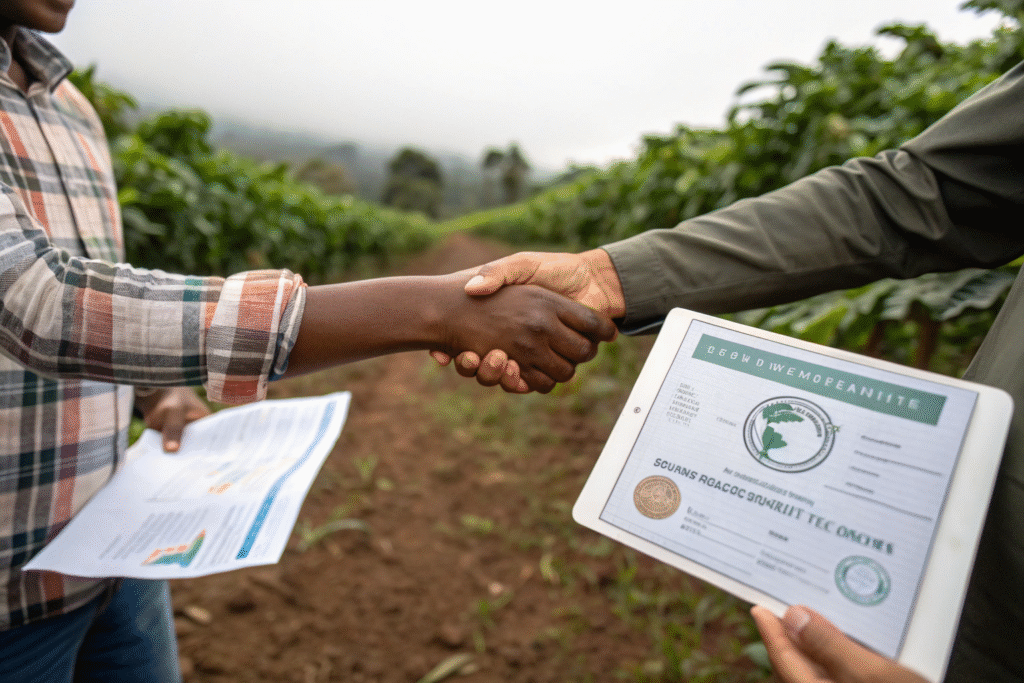
Practical steps include choosing certified coffees (Organic, Rainforest Alliance, Fairtrade), building direct trade partnerships, verifying claims through supply chain transparency, and educating your customers about your efforts.
Should You Prioritize Certifications or Direct Relationships?
Both have value. Certifications provide third-party verification and scalability, which is helpful for larger volumes. Direct relationships, like those we foster at BeanofCoffee, offer deeper transparency and the ability to collaborate on custom sustainability projects. Many successful companies use a hybrid approach, applying the principles of verified sourcing across their supply chain.
How Can You Verify Sustainability Claims?
"Greenwashing" is a real concern. To verify claims, ask specific questions: What percentage of your coffee is sustainably sourced? Can you provide traceability to specific farms? What environmental and social metrics do you track? Reputable suppliers will provide transparent answers and evidence. This supply chain diligence is becoming a standard business practice.
Conclusion
Sustainability in the coffee supply chain has evolved from a niche concern to a business imperative. It's no longer a question of whether to adopt sustainable practices, but how quickly you can integrate them into your core business strategy. The future of your coffee business depends on the health of the farms you source from and the stability of the communities that tend them.
The most forward-thinking companies now recognize that sustainability and profitability are not opposing forces—they're two sides of the same coin. By investing in sustainable practices today, you're not just doing good; you're ensuring your business can continue to thrive in a changing world. If you're ready to build a more resilient, sustainable supply chain, we invite you to partner with us. Contact our export manager, Cathy Cai, at cathy@beanofcoffee.com to learn about our verifiable sustainable practices at BeanofCoffee and how they can benefit your business for years to come.