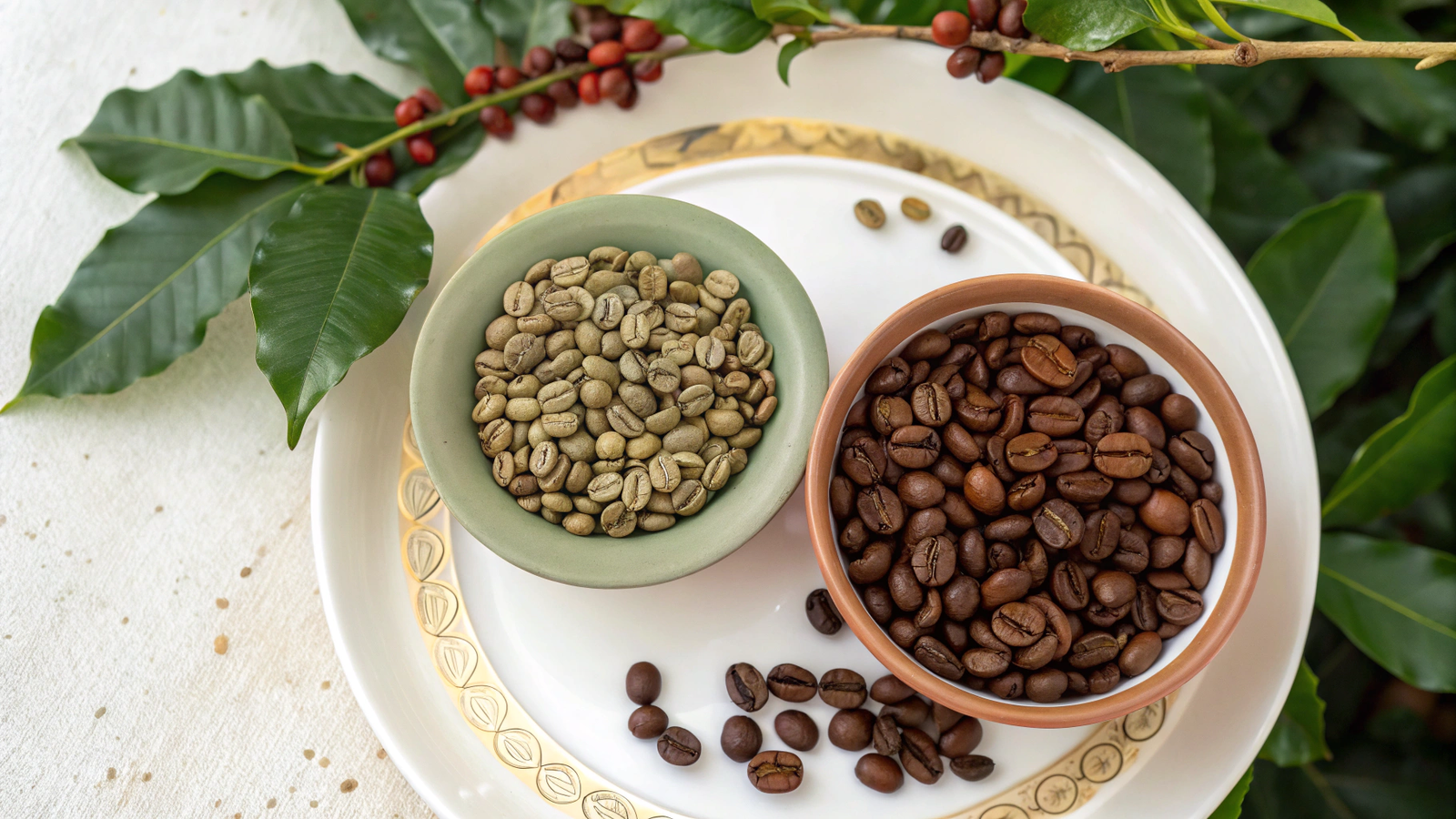
Are you a coffee buyer like Ron, meticulously managing your procurement costs but constantly baffled by the sheer price gap between Arabica and Robusta beans? It is a massive problem that keeps many roasters and business owners awake at night. You see the "Coffee C" market swinging wildly for Arabica while Robusta remains relatively stable and significantly cheaper. The pain is real: if you miscalculate the value of these beans, your margins shrink, your flavor profiles suffer, and you risk losing customers who demand consistency. You are worried that you are paying a "prestige tax" for Arabica without fully understanding the agricultural and economic machinery that drives that cost, or conversely, that you are dismissing Robusta as "cheap" without realizing its strategic potential in a volatile market.
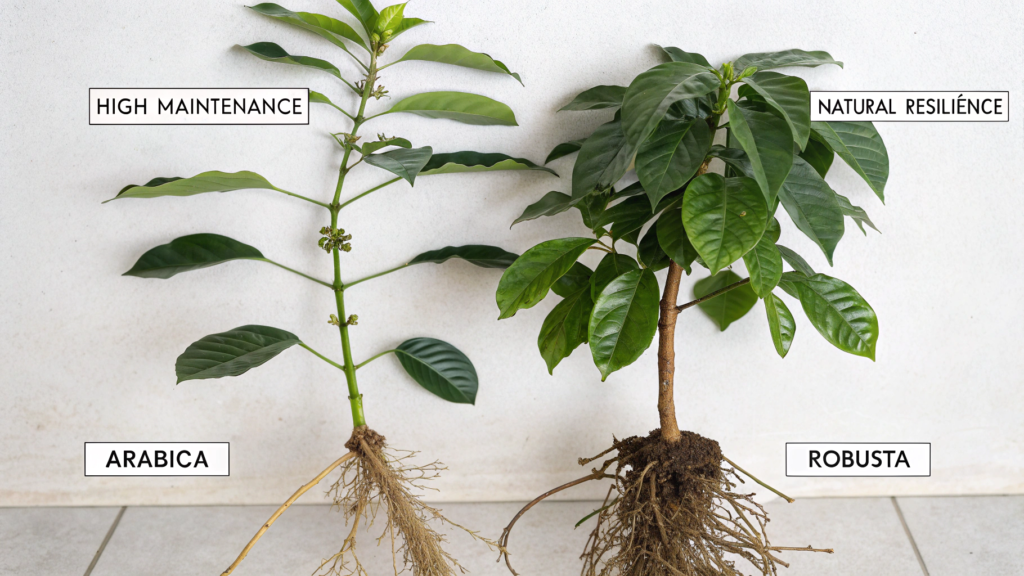
The truth is, the pricing disparity between these two species is not a marketing gimmick; it is rooted in fundamental biological, geographical, and logistical realities. Arabica is the "high-maintenance diva" of the coffee world—delicate, low-yielding, and demanding specific altitudes—while Robusta is the "resilient workhorse"—hardy, high-yielding, and capable of growing in harsher climates. Understanding these drivers is the key to mastering your coffee business. Whether you are sourcing specialty lots from our farms in Yunnan or looking for a robust base for an espresso blend, knowing why you pay what you pay is the first step toward building a sustainable and profitable supply chain.
As a plantation owner who manages thousands of acres in the Baoshan region of Yunnan, I deal with these pricing dynamics every single day. I see the labor costs, the climate risks, and the market fluctuations firsthand. In this exhaustive deep dive, I will break down the four pillars of coffee pricing: agricultural difficulty, market exchange mechanisms, flavor-driven demand, and the impact of global climate change. By the end of this guide, you won't just see numbers on a screen; you’ll see the entire ecosystem that defines the value of every bean you buy. This is the ultimate guide for Ron and every professional looking to demystify the coffee market.
How Does the Biological Complexity of the Plant Dictate the Base Production Cost?
The most immediate reason for the price gap starts in the soil. For a buyer like Ron, it’s easy to forget that coffee is an agricultural product before it is a commodity. Arabica (Coffea arabica) and Robusta (Coffea canephora) are two entirely different species with different DNA. Arabica is a tetraploid (4 sets of chromosomes), making it self-pollinating and genetically complex, but also physically fragile. Robusta is a diploid (2 sets of chromosomes), requiring cross-pollination but possessing a much more "robust" physical structure. This biological divide creates a massive difference in the "cost of production" (CoP) even before the beans leave the farm. The effort required to keep an Arabica tree healthy is significantly higher than that for a Robusta tree.
The "pain" for the farmer—which eventually becomes the price for the buyer—is that Arabica is simply harder to keep alive. It is susceptible to a wide range of pests and diseases, most notably "Coffee Leaf Rust" (Hemileia vastatrix), which can wipe out an entire plantation in a single season. To grow Arabica successfully, especially the specialty-grade beans we produce in Yunnan, farmers must invest heavily in organic fertilizers, careful pruning, and constant monitoring. Robusta, on the other hand, contains significantly more caffeine and chlorogenic acid, which act as natural pesticides, making it much easier and cheaper to maintain. This fundamental difference in "effort per kilogram" is the bedrock of the pricing structure. When you buy Arabica, you are paying for the survival of a delicate species.
The Impact of Altitude and Geography on Labor Intensity
Arabica is a mountain dweller. It thrives at altitudes between 1,000 and 2,000 meters, where the air is thin, the nights are cool, and the slopes are often incredibly steep. In our Baoshan plantations, this means that mechanical harvesting is virtually impossible. Every single cherry must be hand-picked by skilled workers who navigate treacherous terrain. This labor-intensive process adds a massive premium to the cost. Conversely, Robusta can grow at much lower altitudes, often on flat plains. This allows for mechanical harvesting in many regions (like Brazil or Vietnam), which dramatically lowers the labor cost per ton. When Ron buys Arabica, he isn't just buying coffee; he's paying for the thousands of hours of manual labor required to harvest on a mountainside. This geographic constraint is a permanent driver of higher prices for Arabica beans. You can learn more about the challenges of mountain farming on the World Coffee Research website.
Yield Per Hectare and the Efficiency Gap Between Species
Productivity is the second biological factor. A healthy Robusta tree is a powerhouse of production, often yielding twice as much coffee cherry as an Arabica tree of the same age. Furthermore, Robusta trees mature faster, reaching full production capacity years before an Arabica tree. This means a Robusta farmer can produce a much larger volume of coffee on the same amount of land with less initial investment. For a commercial buyer, this "efficiency gap" is the reason why Robusta is the backbone of the instant coffee industry and low-cost supermarket blends. It is simply more efficient at converting soil and sunlight into caffeine. When you see a low price for Robusta, you are seeing the result of high-volume, high-efficiency agriculture. This efficiency allows Robusta to maintain a lower price floor even when global demand is high. Our own data at Shanghai Fumao consistently shows that Arabica requires nearly triple the input per kilogram of yield compared to resilient hybrids.
Why Do Global Commodity Markets Treat Arabica and Robusta as Different Assets?
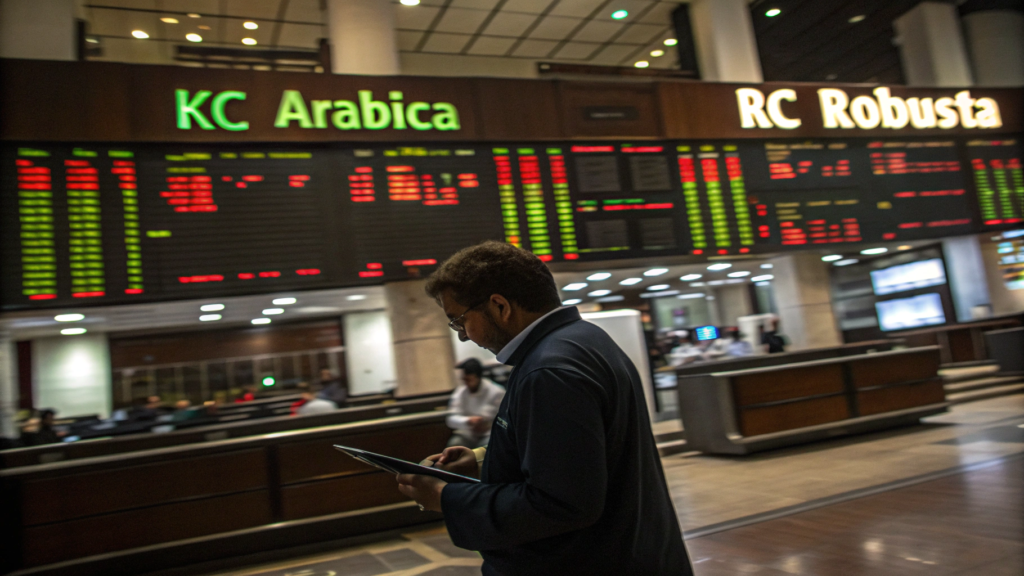
The second pillar of pricing is the financial world. Coffee is the second most traded commodity on earth, and it is traded on two different exchanges. Arabica is traded on the Intercontinental Exchange (ICE) in New York, known as the "C Market." Robusta is traded on the NYSE Liffe in London. These two markets operate under different rules and are influenced by different global players. For Ron, this means that the price he pays for Arabica might be influenced by a frost in Brazil or a hedge fund's speculation in New York, even if he’s buying beans from a quiet valley in China. The decoupling of these markets ensures that their prices rarely move in perfect synchronization, though they do influence each other.
The "C Market" for Arabica is notoriously volatile. Because Arabica is grown in specific, sensitive regions, any weather event—a drought, a freeze, or excessive rain—can cause prices to spike. Speculators love this volatility, which often pushes the price far above the actual cost of production. Robusta's market tends to be more stable because it is grown in a wider variety of climates and is less sensitive to minor weather fluctuations. However, because Robusta is often used as a "filler" or a substitute when Arabica prices get too high, the two markets are linked. When Arabica prices skyrocket, many industrial roasters switch to Robusta, driving up its demand and price in a "ripple effect." This market structure is a key reason for the pricing disparity Ron sees on his screen. For real-time data, Ron should monitor the Intercontinental Exchange.
The Role of Financial Speculation and "Paper Coffee" Contracts
A significant portion of the price Ron pays for Arabica is driven by "paper coffee"—contracts traded by people who will never actually touch a coffee bean. Financial institutions and hedge funds use coffee as a tool to balance their portfolios. When the global economy is uncertain, they might pour money into commodities like coffee, driving the price up regardless of the actual supply and demand on the ground. This speculation hits Arabica much harder than Robusta because Arabica is seen as a "premium" asset with higher profit potential for traders. As a producer, I find this frustrating; sometimes the price of my coffee is decided by someone in a skyscraper who has never seen a coffee tree. This layer of financialization adds a layer of cost that has nothing to do with the quality of the bean itself. This phenomenon is well-documented by experts at Perfect Daily Grind.
The "Quality Premium" and the Specialty Grade Price Floor
While commodity markets set the "base price," specialty Arabica—like the beans we focus on at Shanghai Fumao—operates on a different level. Specialty coffee is often "de-coupled" from the C Market. Instead of following the daily fluctuations of the exchange, the price is negotiated based on quality scores (SCA scores). If a lot scores 85 points or higher, it can command a price that is 2x, 3x, or even 10x the commodity price. Robusta is rarely traded this way, though "Fine Robusta" is a growing niche. For Ron, this means that if he wants the best flavor, he has to step away from the commodity price and pay a "quality premium" that reflects the skill of the farmer and the uniqueness of the terroir. This premium is a major contributor to the overall price gap between the two species. You can find more about grading standards at the Specialty Coffee Association.
How Does Consumer Taste and Flavor Perception Inflate Arabica's Value?
The third pillar is the most subjective: the human palate. For over a century, the global coffee industry has been built on the idea that Arabica is "superior" and Robusta is "inferior." This perception has created a self-fulfilling prophecy in the market. Because consumers are told Arabica is better, they are willing to pay more for it. Because they pay more, roasters invest more in sourcing and roasting Arabica, which makes it taste even better. This cycle has created a massive demand for Arabica in the specialty sector, while Robusta has been relegated to the "functional" sector—caffeine delivery via instant coffee or low-end blends. This demand-side pressure is a powerful force in maintaining high Arabica prices.
The flavor difference is real and measurable. Arabica contains more lipids (oils) and almost double the sugar of Robusta. These sugars caramelize during roasting, creating the complex sweetness, acidity, and aromatic range (from floral to fruity) that defines specialty coffee. Robusta has more caffeine and more chlorogenic acids, which contribute to a bitter, "rubbery," or "woody" flavor profile. For Ron, the price gap is essentially a "flavor tax." He is paying for the absence of bitterness and the presence of aromatic complexity. At Shanghai Fumao, we spend months "dialing in" our processing methods to ensure our Arabica highlights these desirable traits, which justifies the higher price point. Flavor is the ultimate arbiter of value in the coffee world. For a deep dive into coffee chemistry, check out Coffee Confidential.

The Psychological Power of "100% Arabica" Branding
The phrase "100% Arabica" is one of the most successful marketing campaigns in history. It has become a shorthand for "quality" in the mind of the average consumer. Major chains have spent billions of dollars reinforcing this brand. This has created a massive, inelastic demand for Arabica. Even when prices rise, many roasters are afraid to add Robusta to their blends because they don't want to lose the "100% Arabica" label. This psychological barrier keeps Arabica prices high. For a buyer like Ron, this means he is often paying for the label as much as the liquid. Breaking this cycle requires educating the consumer about "Fine Robusta" or the benefits of high-quality blends, but for now, the branding power of Arabica remains a dominant price driver. It is a premium paid for consumer trust.
The Espresso Exception: Why Robusta Crema Commands a Premium
There is one area where Robusta’s unique traits are highly valued: traditional Italian-style espresso. Robusta provides something that Arabica cannot: a thick, stable, and persistent "crema" (the golden foam on top of an espresso). It also adds a "punch" of caffeine and a heavy, syrupy body that many espresso drinkers love. In this specific context, high-quality Robusta can actually be quite expensive, sometimes rivaling mid-grade Arabica. For Ron, if he is building an espresso blend, he might find that "cheap" Robusta isn't actually the best choice; he needs a specialty-grade Robusta that has been processed with the same care as an Arabica. This "Fine Robusta" market is the only place where the price gap begins to narrow, proving that when quality is prioritized, the species matters less than the execution. Learn more about the rise of Fine Robusta here.
What Role Does Climate Change Play in the Future of Coffee Pricing?
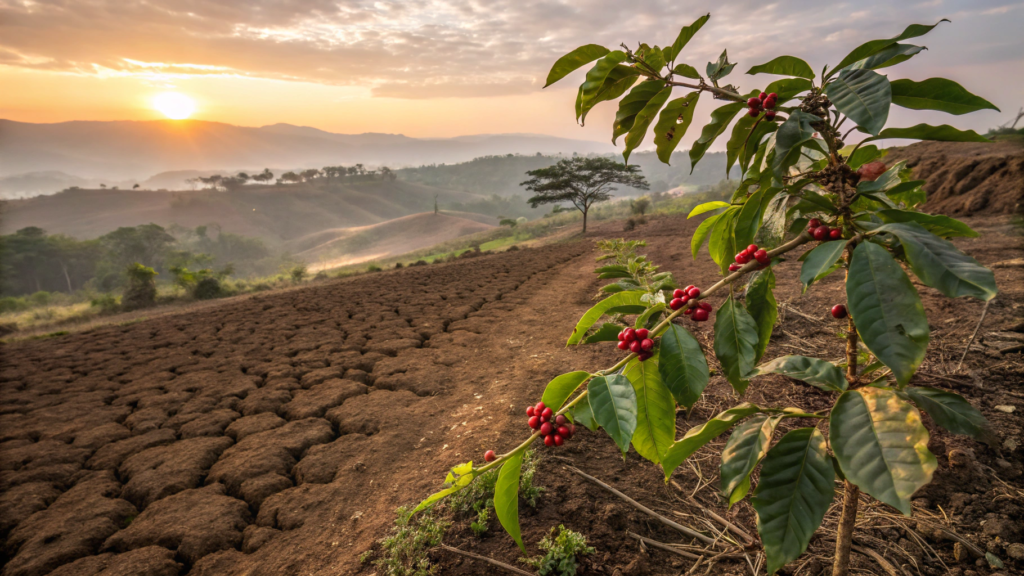
The final pillar is the most concerning: the changing climate. Coffee is a "canary in the coal mine" for climate change. Because Arabica is so sensitive to temperature and rainfall, it is being hit first and hardest. As the planet warms, the "sweet spot" for Arabica cultivation—the specific altitude and temperature range—is moving higher and higher up the mountains. In many regions, there is no more mountain left to climb. This is creating a "supply squeeze" that will inevitably drive Arabica prices to historic highs in the coming decades. The scarcity of suitable land is becoming a primary factor in the long-term price forecast for Arabica beans. This crisis is highlighted in reports by the IPCC.
Robusta, true to its name, is much more resilient to heat. As Arabica becomes harder and more expensive to grow, many farmers are switching to Robusta or hybrids like Catimor. This shift is changing the global supply balance. For Ron, this means the historical price gap might not last forever. We are entering an era where "clean" water and "stable" weather are becoming the most expensive inputs in coffee farming. At our Yunnan plantations, we are already investing in shade-grown techniques and water conservation to protect our Arabica, but these adaptations come with a cost that must be reflected in the price. Climate change is redrawing the map of coffee pricing and availability. We are committed to sustainability at Shanghai Fumao to protect these precious resources.
The Shrinking Arabica Map and the Emerging "Altitude Premium"
As temperatures rise, the amount of land suitable for Arabica is predicted to shrink by up to 50% by 2050. This is creating an "altitude premium." Coffee grown at 1,500 meters is becoming rarer and more valuable than coffee grown at 1,000 meters. This geographical scarcity is a major long-term driver of Arabica pricing. For a buyer like Ron, this means that "cheap" Arabica will soon disappear. The only Arabica left will be high-altitude, high-quality, and high-price. Sourcing from regions like Yunnan, which still has significant high-altitude land and a relatively stable climate, is becoming a strategic necessity for roasters who want to secure their future supply. The price Ron pays today is just a fraction of what it might be in twenty years.
The Rise of Resilient Hybrids and the New "Middle Ground" Price
To combat climate change and disease while maintaining flavor, researchers are developing new hybrids. Our Catimor beans are a perfect example—a cross between Arabica and a Robusta hybrid. These "Introgressed" varieties offer the disease resistance and yield of Robusta with a flavor profile that is remarkably close to pure Arabica. In the market, these hybrids are creating a "new middle ground" in pricing. They are cheaper to produce than pure heirloom Arabica but more expensive than commodity Robusta. For Ron, these hybrids represent the future of "value" coffee. They allow him to maintain a high-quality flavor profile at a price point that is sustainable for his business. The pricing gap of the future won't be between Arabica and Robusta; it will be between "Heirloom Specialty" and "Resilient Hybrids." Discover our range of Yunnan beans today.
Conclusion
The price gap between Arabica and Robusta is a reflection of the entire journey of the coffee bean—from its genetic code and the soil it grows in, to the global markets where it is traded and the palates of the people who drink it. It is a story of fragility versus resilience, of aromatic complexity versus functional strength. For Ron, and for every coffee buyer, understanding these four pillars—biology, markets, flavor, and climate—is the only way to navigate a market that is becoming increasingly complex and volatile.
Arabica will likely always command a premium because it is fundamentally harder to produce and offers a sensory experience that is unique in the plant kingdom. However, as the world changes, the role of Robusta and resilient hybrids is expanding. The "smart" buyer is the one who stops looking for the "cheapest" bean and starts looking for the best value—the bean that balances cost, quality, and sustainability. Whether that is a high-altitude Arabica for a flagship pour-over or a clean, honey-processed Catimor for a reliable espresso, the choice should be driven by data and a deep understanding of the source.
At Shanghai Fumao , we are proud to be at the forefront of this evolving market. We offer the best of both worlds: the exquisite, high-altitude Arabica that defines the specialty market, and the resilient, high-quality Catimor that represents the future of sustainable coffee. We invite you to join us in this journey. Please reach out to my colleague, Cathy Cai, at cathy@beanofcoffee.com to request samples of our latest harvest and to discuss how we can help you build a coffee program that is both delicious and profitable.