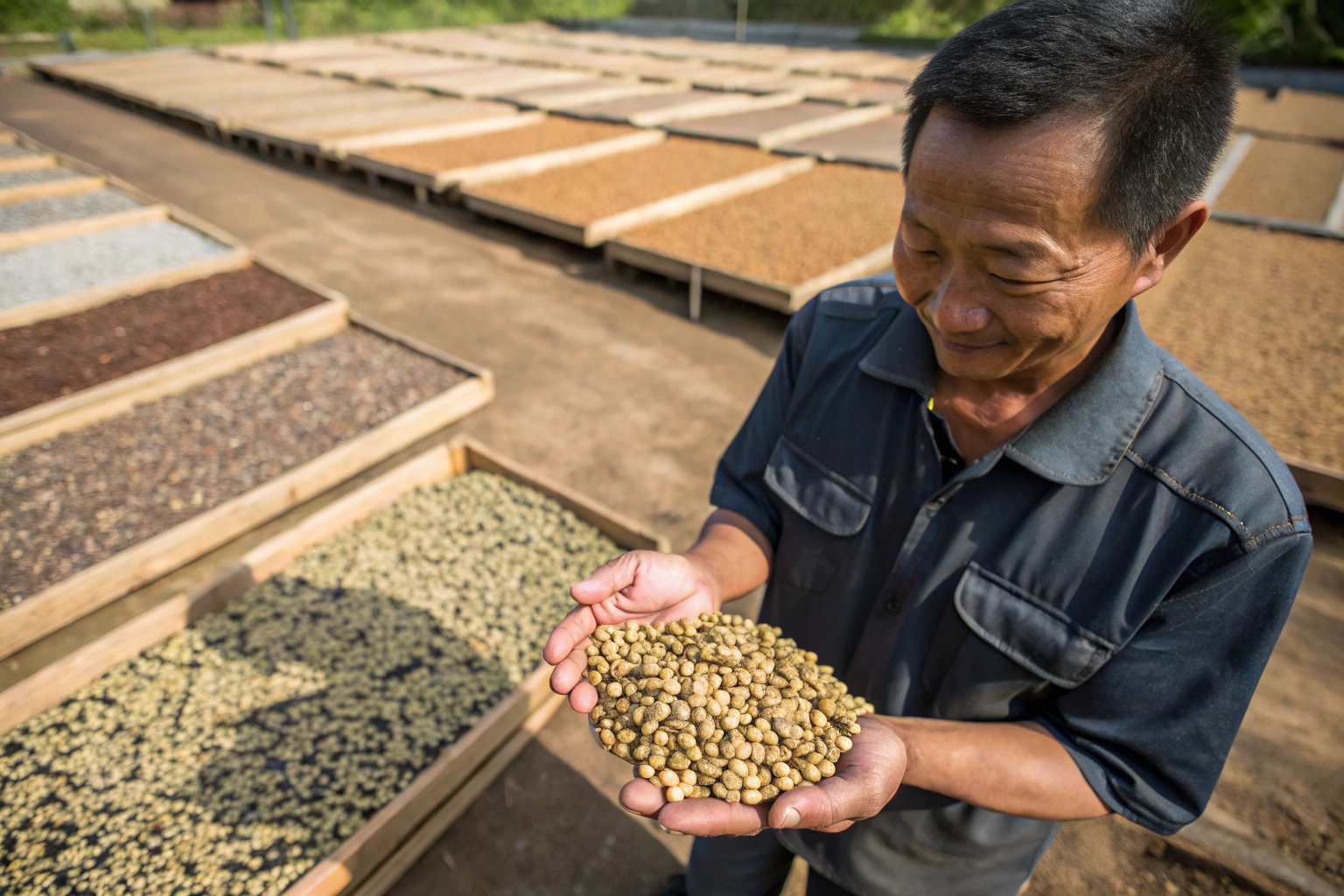
Ron, you have been buying coffee for years. You know your roaster. You know your customers. But when a supplier offers you two different lots—one washed, one pulped natural—you pause. What does that actually mean for the flavor? For the price? For your roasting profile? Honestly, this question trips up a lot of buyers. They taste the samples. They like both. But they do not know which one fits their brand story. I have been there myself. When we first started exporting from Yunnan, I had to learn these differences the hard way. Not from books. From walking the drying patios every day, watching the beans change color under the sun.
The core difference is simple. Washed coffee has all fruit removed from the bean before drying. Pulped natural coffee keeps some fruit on the bean while it dries. In the washed process, we take the cherry, squeeze out the beans, ferment them in water to remove the sticky mucilage, wash them clean, and then dry only the bean. In the pulped natural process, we remove the outer skin but leave that sticky mucilage attached. We dry the bean with that sugary layer still on it. This one decision changes everything. The flavor, the body, the acidity, even the color of the green bean. It is two different paths starting from the same cherry.
You might wonder why a farmer would choose one over the other. It is not random. It is about the story we want the coffee to tell. And honestly? It is also about resources. Water, sun, labor. Every farm makes a choice. At BeanofCoffee, with our 10,000 acres in Baoshan, we do both. We have to. Our buyers in North America, Europe, Australia, they all want different things. Some want that clean, bright cup. Some want sweetness and body. Let me walk you through the details. The stuff they do not always teach you in the roasting courses.
How Does the Washed Process Work in Yunnan?
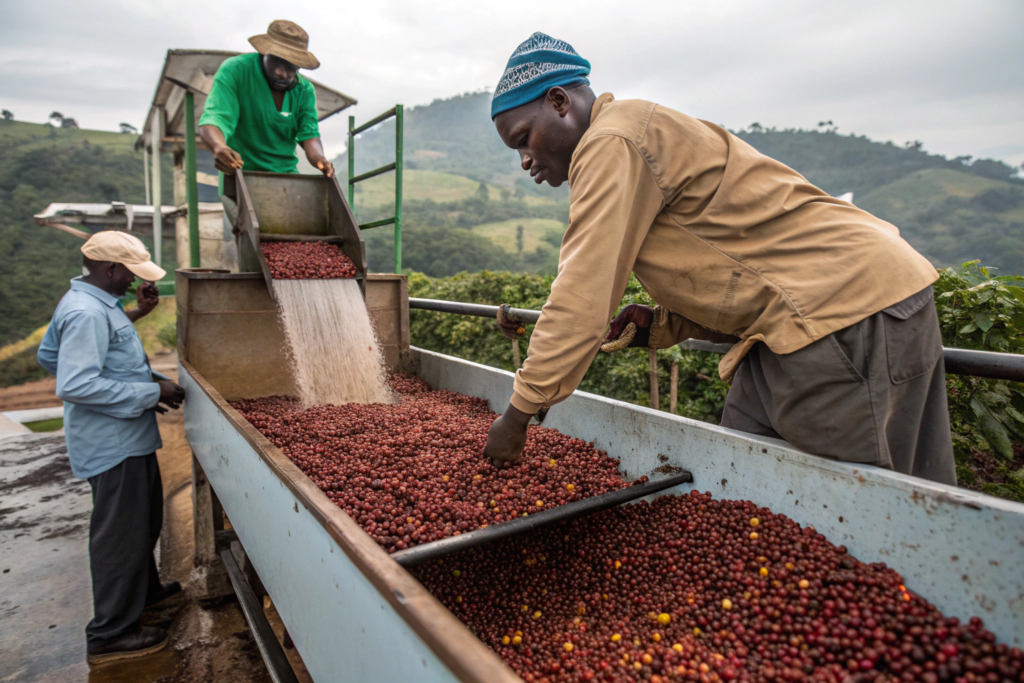
Picture this. It is early morning in Baoshan. The pickers bring in buckets of bright red cherries. We weigh them. We float them in clean water. The bad ones float. We scoop them out. This is where the washed process starts. We want only the best. You see, the washed method is really about control. We are trying to create a clean canvas. We want the bean's own character to shine. The origin. The soil. The altitude. We do not want the fruit to add too much of its own voice. We want the terroir to speak.
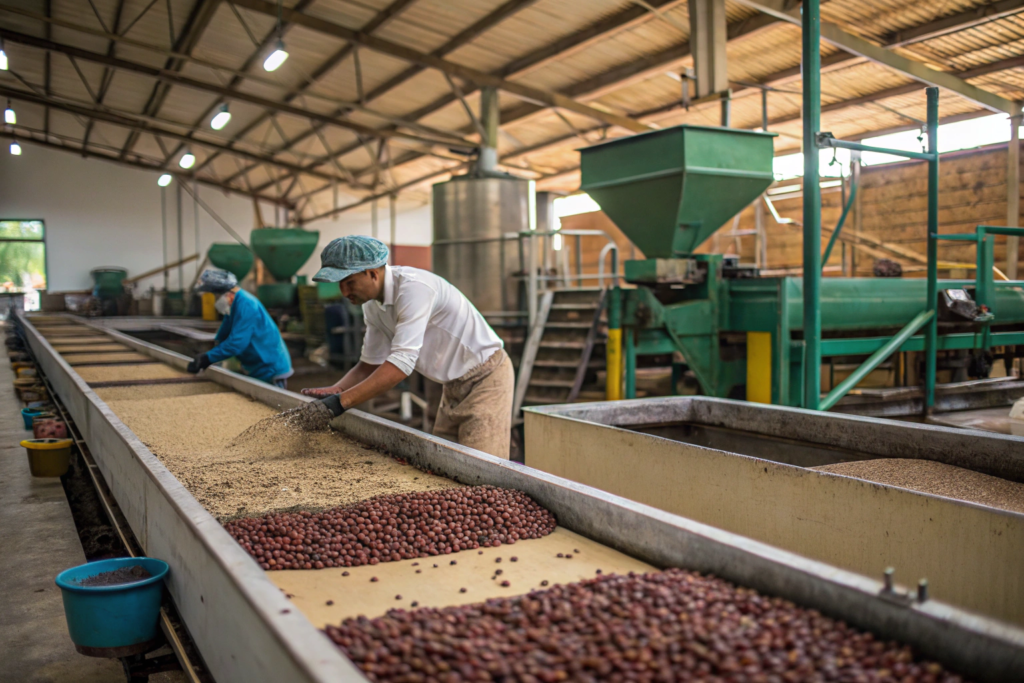
In the washed process, we remove everything. After floating, the cherries go into a machine called a depulper. It squeezes the beans out of the skin. But the beans come out sticky. They are covered in mucilage, a sweet, honey-like substance. We put these sticky beans into fermentation tanks. We cover them with water. They sit there for 12 to 36 hours. Natural microbes break down that mucilage. We check it constantly. A farmer sticks his hand in. If the beans feel gritty, not slippery, it is done. Then we wash them with fresh water. Again and again. Three times sometimes. Only then do we take the clean beans to the drying patios.
Now, drying washed beans is different. They are clean. They have no fruit left. So they dry faster. Usually 8 to 12 days, depending on the sun. We spread them on patios or raised beds. We rake them every hour. This is hard work. We want even drying. If some beans dry faster, the moisture gets uneven. That causes problems in your roaster later. Another way to look at this is through the lens of risk. Washed processing is safer. Less chance of mold because the fruit is gone. But it uses a lot of water. A lot. For every kilo of beans, we use something like 40 to 50 liters of water. That is a cost. That is a responsibility.
What specific flavors come from washed Yunnan coffee?
The flavor profile is clean. Bright. Think green apple. Lemon zest. White grape. Sometimes milk chocolate in the finish. The acidity is crisp. It hits your tongue and then fades. The body is lighter, more like tea than syrup. This is what many of our US roasters want for their single-origin offerings. They want their customers to taste Yunnan. Not fruit. Not fermentation. Just the bean. When you roast it, you need to be careful. Because the bean is dense, it takes heat differently. You might need a longer development time. We send detailed processing information with every shipment so you know exactly what you are getting. The Specialty Coffee Association has great resources on how to roast these dense washed beans.
Why do we ferment washed beans in water tanks?
Fermentation is the secret step. It is not just about removing goo. It is about flavor development. During fermentation, yeasts and bacteria eat the sugars in the mucilage. They create acids and other compounds. These soak into the bean. If you ferment too long, you get rotten, sour flavors. Too short, and the mucilage does not come off. You end up with sticky beans that will not dry right. We monitor the temperature. In Yunnan, nights are cool. So fermentation takes longer. That is okay. Slow fermentation can create more complex flavors. We have experimented for years to find the sweet spot. It changes slightly with every harvest. This is why coffee is farming, not manufacturing. You have to adapt.
What Makes Pulped Natural Processing Different?
Now let us switch scenes. Same farm. Same cherries. Same morning. But this time, after the depulper, we do something different. We skip the fermentation tanks. We skip the washing channels. We take those sticky beans, still covered in mucilage, and we put them straight on the drying beds. This feels wrong the first time you see it. The beans are sticky. They clump together. They look like they are covered in honey. Because basically, they are. That sugar is going to change everything.
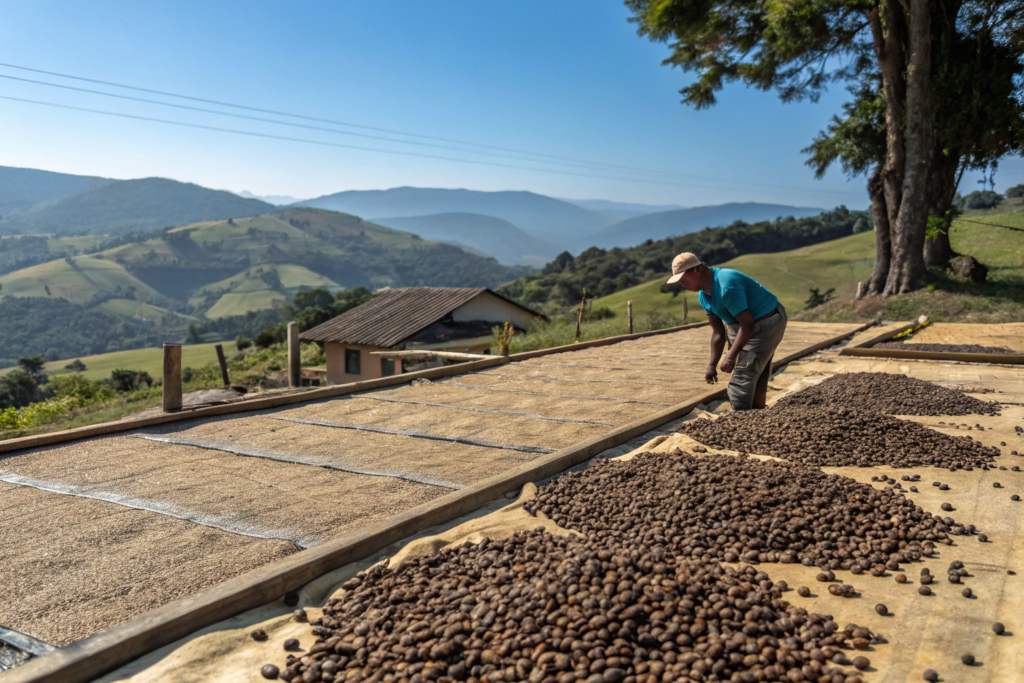
Pulped natural is the middle child. Between washed and natural. It was developed in Brazil in the 1990s as a way to save water but still get cleaner coffee than full natural. The beans come out of the depulper with all that mucilage attached. We spread them thinly. Very thinly. If they are too thick, they ferment badly. They rot. We turn them constantly, sometimes every 30 minutes in the first few days. As they dry, the mucilage darkens. It goes from clear to yellow to brown to almost black. This is where terms like "yellow honey" and "red honey" come from.
The science here is fascinating. While the bean dries, the sugars from the mucilage are slowly absorbed into the bean. It is like marinating. But you have to be careful. If it rains, or if the humidity is high, the mucilage can mold. You lose the whole batch. So pulped natural is riskier for the farmer. But when it works, the results are incredible. The bean gets sweeter. The body gets heavier. The fruit flavors come through, but not as wild as a full natural. It is more controlled. In Yunnan, we have the perfect climate for this. Our dry season during harvest means we can predict the weather. We can take that risk. Another way to look at this is water conservation. Pulped natural uses maybe 10% of the water that washed does. That matters. That is good for the planet. Good for our village.
How does the mucilage change the drying process?
Drying pulped natural beans is an art. You cannot just dump them on a patio. The mucilage makes them stick together. You get clumps. Inside those clumps, they ferment badly. So we spread them thin. On raised beds with good airflow. We turn them constantly. In the beginning, they are very wet. The mucilage holds moisture. So the first few days are critical. We want to dry the outside quickly to prevent mold, but not so fast that the inside stays wet. This is why we use shade cloth sometimes. To slow it down. To let the sugars do their work. The whole process takes longer. Maybe 18 to 25 days. Twice as long as washed. Time is money. But the flavor development during this slow drying is worth it. You get complexity you cannot get any other way.
What cup profile should you expect from pulped natural beans?
You should expect sweetness. Body. Lower acidity. Think of ripe berries. Plum. Dark cherry. Brown sugar. Maybe hazelnut or almond in the finish. The acidity is softer. Rounded. It does not cut like a washed coffee. It blends. The body is syrupy, almost thick on the tongue. This is a crowd-pleaser. Your customers who add milk? They will love this. It cuts through. Your espresso blend? This adds body. Many of our European buyers use our pulped natural Catimor specifically for espresso blends. It gives that mouthfeel. That sweetness. We work with Shanghai Fumao to ensure these beans are handled gently from our farm to the port. Rough handling can crack the dried mucilage and create defects. So we care. Every step.
How Do Processing Costs Compare for Buyers?
Let us be honest. You care about price. I care about price. Coffee is a business. The processing method changes the cost. Not just for us on the farm. For you too. Washed coffee takes more equipment. More water. More labor for fermentation and washing. Pulped natural takes more labor for drying and turning. More risk of loss. So which one costs more? It depends on the farm. It depends on the year. But you need to know what you are paying for. You need to see the value in the cup.
Generally, high-quality washed coffee costs more to produce. The infrastructure is expensive. The water is not free. The fermentation tanks need cleaning. The process is longer in terms of active work. But pulped natural has higher risk. If a farmer loses a batch to mold, that cost is spread across the good batches. So the prices can end up similar. For you, the buyer, the landed cost is what matters. The FOB price might be slightly different. But the value is in the flavor profile and how it fits your menu. A cheap coffee that does not sell is not a bargain.
Think about your roasting yield too. Washed beans are denser. They weigh more per bean. So a 60-kilo bag of washed might have fewer beans, but they are denser. Pulped natural beans can be slightly less dense because of the drying process. This affects your roasting. Dense beans take more heat. They take longer. So your fuel cost changes. Also, consider the defect rate. Because pulped natural is riskier, the defect rate can be slightly higher if the farmer is not careful. We cup every lot. We grade every bag. We send you third-party inspection reports so you see the actual quality. Not just a story.
What price difference should you expect between these methods?
Do not expect a huge difference. Maybe 10 to 20 cents per pound, depending on the grade. A top-tier washed micro-lot from a high altitude might cost more than a standard pulped natural. But a fancy pulped natural honey process with lots of mucilage? That can be premium too. It is not about one being better. It is about supply and demand. Right now, the market loves experimental processing. So some pulped naturals with specific honey labels can command high prices. My advice? Do not buy the method. Buy the cup. Taste it. If you love it, the price is secondary. If you are unsure, ask us for samples of both from the same farm. Same harvest. Then you can really compare.
How does processing affect shipping and storage?
This is a practical question. Washed beans are stable. They store well. They travel well. Pulped natural beans have that dried mucilage. It is like a thin, brittle layer. If you handle them roughly, that layer can flake off. Those flakes become "fines" in the bag. They can clog your grinder. They can burn in the roaster. So we pack pulped naturals carefully. We use GrainPro bags sometimes. We tell our shipping partners to be gentle. This is where Shanghai Fumao helps. They know our coffee. They know which containers are for delicate lots. They handle them accordingly. For you, when the coffee arrives, let it rest. Pulped naturals often need a few extra days to stabilize after a long voyage. The moisture can equalize slowly. Be patient. It will roast better.
Which Processing Method Fits Your Brand?
Ron, this is the real question. You have a brand. You have customers. You have a story you tell. Which coffee fits that story? If you are a roaster who talks about origin clarity, about the purity of Yunnan terroir, then washed is your choice. It is transparent. It is classic. If you talk about sweetness, about body, about innovative farming, then pulped natural tells that story better. There is no wrong answer. It is about matching the coffee to your message.
We see a clear split in our export data. North American buyers, especially on the West Coast, love washed coffees. They want that bright acidity. They want to showcase origin. European buyers, particularly in Italy and Spain, lean toward pulped natural. They want body for espresso blends. Australian buyers? They want both. They experiment. They offer a washed single origin and a pulped natural blend. It depends on their cafés and their customers.
Another way to look at this is seasonality. Washed coffees are ready to ship earlier. They dry faster. So they can be on the water sooner after harvest. Pulped naturals take longer to dry. They ship later. If you need coffee fast, right after harvest, washed is your friend. If you are planning for summer blends, pulped natural arrives later but with that heavier body that works well for iced drinks. Honestly, the best approach is to try both. Buy a bag of each. Roast them side by side. Taste them. See which one your staff loves. See which one your customers react to. Then order more.
How do you choose between washed and pulped natural for espresso?
For espresso, body wins. Usually. But not always. If you are doing a straight espresso, a single origin shot, washed can be beautiful. Bright. Complex. But if you are blending, especially for milk drinks, pulped natural is your workhorse. That body holds up to milk. That sweetness complements the lactose. Many top espresso blends use a washed Colombian for brightness and a pulped natural Brazilian for body. You could do the same with Yunnan. Use our washed for clarity. Use our pulped natural for sweetness. Blend them. Create your own signature.
What questions should you ask your supplier about processing?
Ask specific questions. Do not just accept "washed" or "pulped natural" as an answer. Ask: How long did you ferment? What temperatures? Did you use rainwater or river water? For pulped natural, ask: How much mucilage did you leave? Yellow? Red? Black? How thin did you spread the beans? Did you use shade? The more they answer, the more you know they care. A good farmer tracks these details. We do. We keep logs. We cup every batch. We know which drying bed produced which lot. This matters when you want consistency. When you reorder next year, you want the same profile. Ask us. We will tell you.
Conclusion
So, washed versus pulped natural. It comes down to a single question. Do you want the bean to speak alone, or do you want the fruit to sing with it? Washed gives you clarity, acidity, and a clean canvas. Pulped natural gives you sweetness, body, and ripe fruit notes. Both come from the same cherry. Both require skill and care. Both have a place in a good roastery.
At Shanghai Fumao, we do both. We have the land. We have the experience. We have the team to monitor fermentation tanks and rake drying beds. We know our buyers need options. Some weeks you want bright. Some weeks you want sweet. We can deliver both, from the same harvest, from the same soil. That consistency is hard to find. That is what we offer.
If you are curious, if you want to explore what Yunnan can do for your brand, reach out. Let us send you samples. Taste them side by side. See which one excites you. Then we can talk volumes and shipping dates. We make this process simple. No games. Just good coffee and clear communication. Contact Cathy Cai to set up your sample order. She knows the cupping scores for every lot. She can tell you which one will fit your roast profile best. Email Cathy Cai at: cathy\@beanofcoffee.com