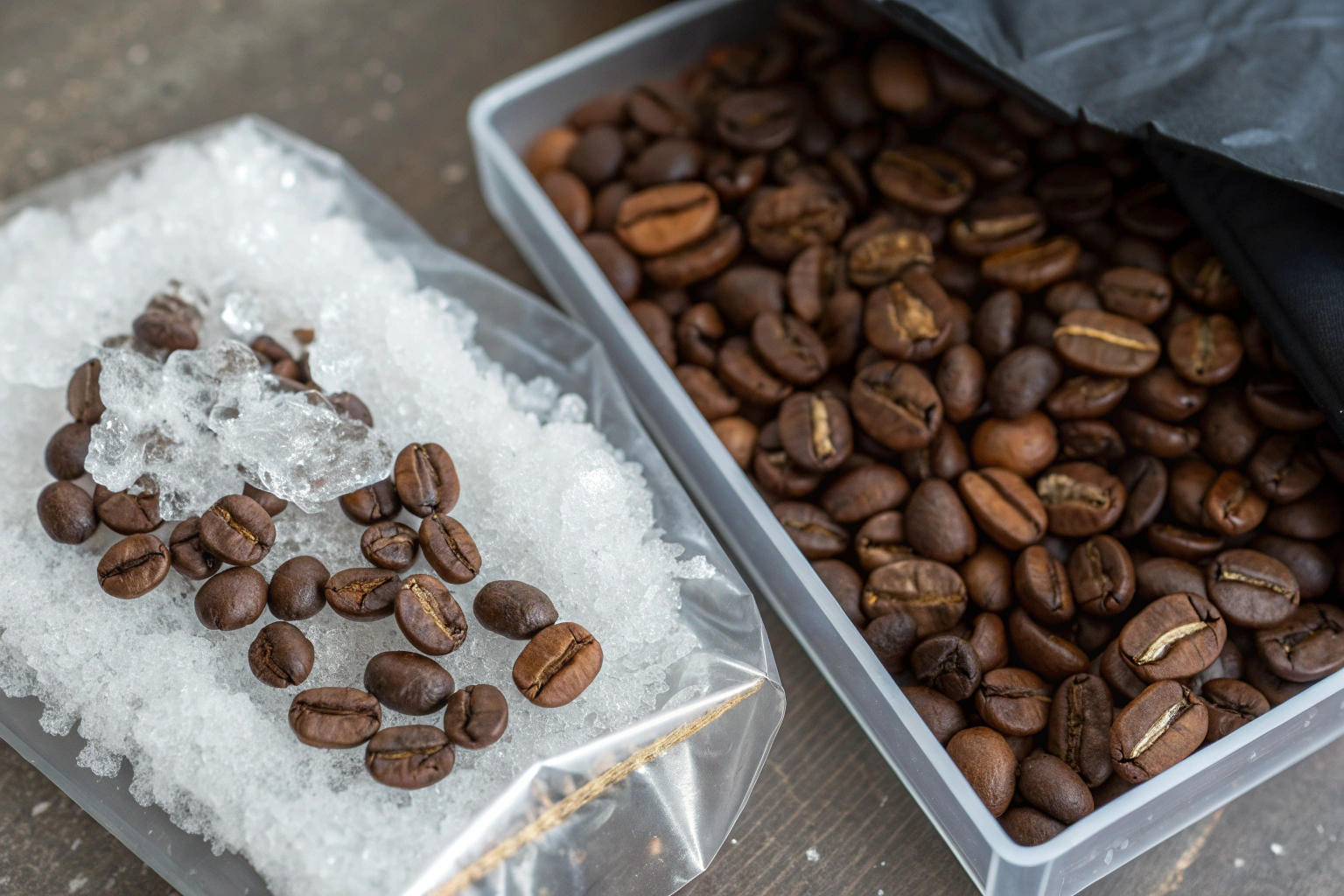
You've just invested in a beautiful, expensive lot of single-origin coffee, maybe even from our farms in Yunnan. As a buyer like Ron, you're focused on protecting that investment. You won't use it all at once, and the question that keeps you up at night is, "How do I preserve this peak flavor?" You've heard whispers in the industry that freezing coffee is a cardinal sin, that it will shatter the flavor and leave you with a dull, lifeless brew. This fear of ruining a prized batch of coffee is a major source of anxiety.
Let's settle this debate with a clear, definitive answer. Freezing coffee beans does not ruin their flavor IF—and this is a very important 'if'—it is done correctly. Done incorrectly, it will absolutely destroy them. The damage associated with freezing comes from improper packaging and handling, which exposes the beans to their mortal enemies: moisture, oxygen, and fluctuating temperatures.
As the owner of Shanghai Fumao, I see our coffee as the culmination of a year's hard work. The idea of its flavor being ruined by a simple storage mistake is something I take very seriously. The truth is, freezing can be a powerful tool for preservation, effectively acting as a "time capsule" for your beans. In this article, I will explain the science behind why freezing can go wrong and provide the exact, non-negotiable best practices to do it right.
Why Does Freezing Get Such a Bad Reputation?
Before we get to the right way, we have to understand the wrong way. Why are so many coffee professionals vehemently against freezing? You're worried because the warnings are dire: "It shatters the cellular structure," "It dries them out," "It makes them taste like your freezer." These warnings are all based on truth—the truth of what happens when coffee is frozen carelessly.
The bad reputation comes from two main culprits: ice crystal formation (freezer burn) and condensation. Coffee beans contain a small amount of water. When frozen slowly or in the presence of air, large, jagged ice crystals can form. These crystals physically rupture the cell walls of the coffee bean, damaging the delicate structures that house the aromatic oils and soluble compounds responsible for flavor. This is freezer burn.
Then there's condensation. When you take a bag of cold beans out of the freezer and open it in a warm room, moisture from the air instantly condenses on the cold beans. This moisture is a flavor killer. It dissolves the surface oils and accelerates staling at a shocking rate. If you repeatedly take a large bag in and out of the freezer, you are performing this destructive cycle over and over. This is why just tossing a bag in the freezer is the worst thing you can do.
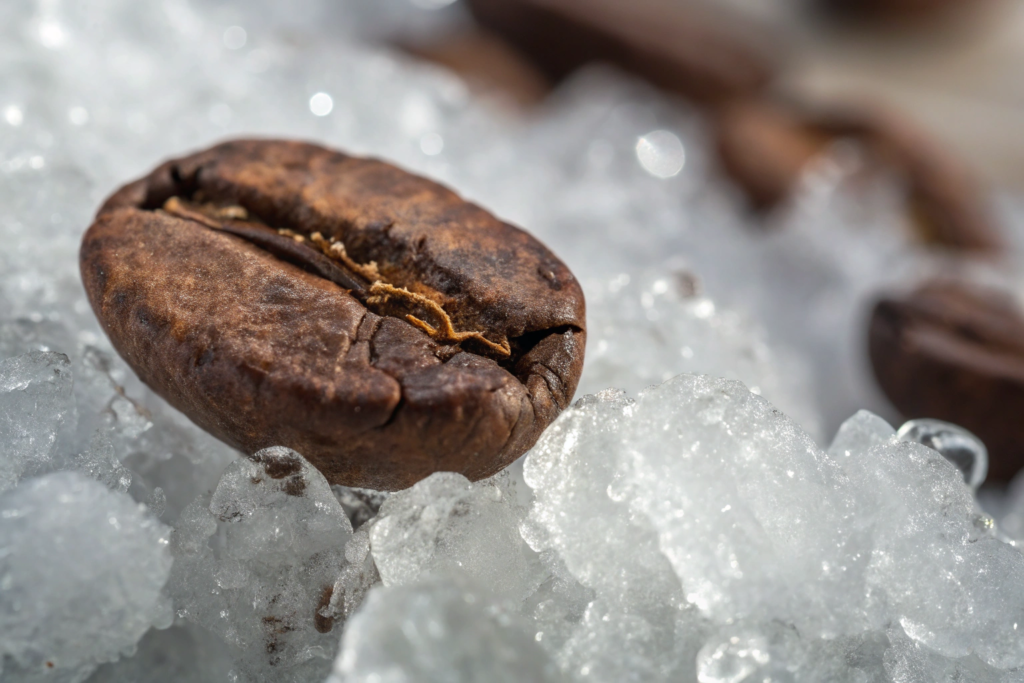
How Do Ice Crystals Damage the Bean?
Think of the coffee bean's cellular structure as a delicate honeycomb made of frozen oils and solids. When large ice crystals form, they act like tiny knives, puncturing and shredding this honeycomb. When the bean is later thawed and ground, these damaged cells can't properly hold onto their aromatic compounds. The result is a significant loss of flavor and aroma before the coffee even hits the brewer.
Is Freezer Odor a Real Problem?
Yes, it's a huge problem. Roasted coffee is porous and hygroscopic, meaning it's brilliant at absorbing moisture and odors from the surrounding environment. If your coffee is not in a truly airtight, non-permeable container, it will act like a sponge for the smells of frozen fish, leftovers, or just that generic "freezer" smell. This contamination is irreversible and will completely ruin the taste of your coffee.
What is the Correct, Scientific Way to Freeze Coffee?
So, how do you avoid the pitfalls and use the freezer to your advantage? You need a method that is scientific and repeatable. You're looking for a bulletproof process that guarantees your coffee will emerge from the freezer tasting just as vibrant as the day it went in.
The correct method is built on one guiding principle: create a completely stable, airtight, and moisture-free environment for the beans. This involves using the right packaging and adhering to a strict "no-touch" policy once the beans are frozen. This is the exact method used by coffee competitors and professional archives to preserve rare and valuable lots.
The process starts with portioning your coffee into small, single-use amounts—ideally, no more than you would use in a week. This is the most critical step. You then must use a vacuum sealer to remove all the air from the bag. This prevents oxidation and the formation of ice crystals. Once sealed, the bags go into the coldest part of your freezer and are not opened for any reason until it's time to thaw the entire portion. At Shanghai Fumao, we treat our beans like the precious agricultural product they are, and this preservation method honors that.
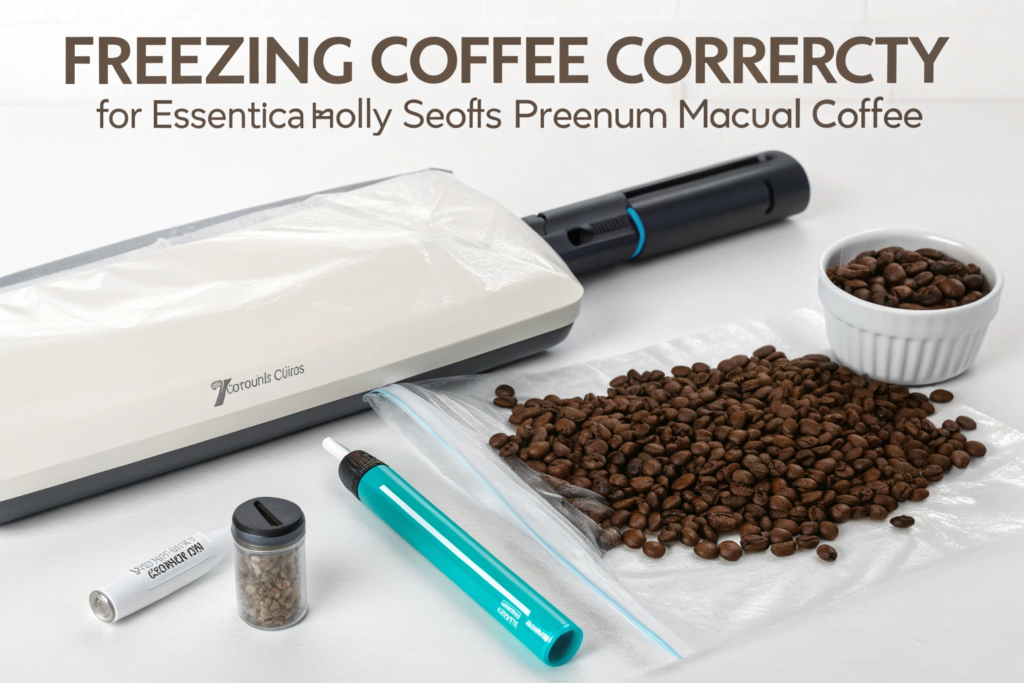
Why is a Vacuum Sealer Non-Negotiable?
A simple zip-top bag, even a good one, will not suffice. Oxygen is a primary driver of staling, even at cold temperatures. A vacuum sealer physically removes almost all the oxygen from the package, dramatically slowing down oxidative degradation. It also compacts the beans, preventing them from moving and creating friction, and provides the best possible defense against freezer burn and odor contamination.
Does the Type of Freezer Matter?
Yes, a chest freezer or a manual-defrost deep freezer is superior to the freezer compartment of a standard kitchen refrigerator. Why? Because they maintain a more stable, colder temperature and do not have automatic defrost cycles. These defrost cycles slightly warm up the freezer to prevent ice build-up, but these small temperature fluctuations can be detrimental to the long-term stability of your coffee.
How Do You Properly Thaw and Use Frozen Beans?
You've done everything right so far. Your beans are perfectly portioned and sealed in the deep freeze. But the process isn't over. The way you thaw the beans is just as critical as the way you froze them. If you mess up this final step, all your careful preparation will be for nothing.
The single most important rule of thawing is: let the coffee come to room temperature completely before you open the sealed bag. Take one package out of the freezer and place it on your counter for several hours (or overnight). As the cold bag warms up, condensation will form on the outside of the bag, not on the beans themselves. The airtight seal protects the beans from this moisture.
Once the bag is at room temperature and feels dry to the touch, you can cut it open. The beans inside will be dry and will have been protected from the damaging effects of condensation. From this point on, treat them as you would any bag of fresh coffee. Grind them and brew them, and you will be rewarded with a cup that is remarkably vibrant and aromatic, tasting nearly identical to how it did before it was frozen.
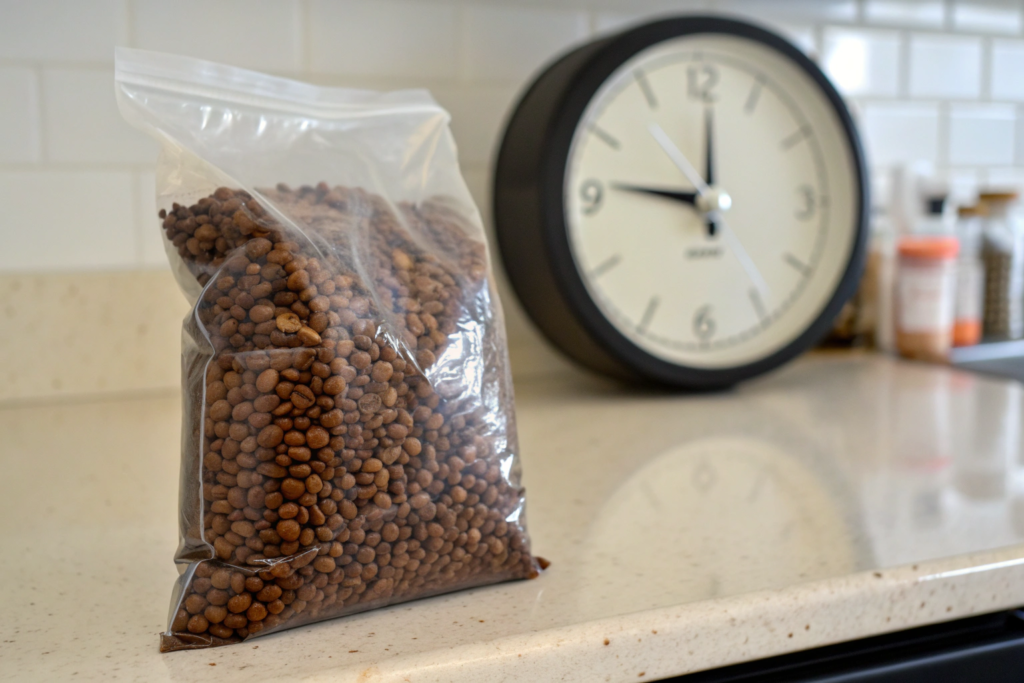
How Long Does it Take to Thaw?
The time will vary depending on the size of your portion and the ambient temperature of your room. A small 100g bag might take 2-3 hours, while a larger 1lb bag could take 6-8 hours or more. It's always better to err on the side of caution and give it more time than you think it needs. There is no harm in letting it sit on the counter for a few extra hours.
Can You Refreeze Thawed Coffee Beans?
Absolutely not. Never, ever refreeze coffee beans once they have been thawed. The process of thawing and refreezing will cause significant cellular damage and moisture issues, leading to a rapid and irreversible loss of flavor. This is the entire reason for the small, single-use portioning strategy. Once a bag is thawed, it's meant to be used.
What Are the Best Alternatives to Freezing?
Perhaps the freezing process seems too complicated, or you only buy enough coffee to last a few weeks. You're looking for the best way to store your beans for daily or weekly use. The freezer is a tool for long-term preservation, not for the coffee you're actively drinking.
For short-term storage (up to 3-4 weeks from the roast date), the best practice is simple and requires no freezing at all. Store your coffee as whole beans in an opaque, airtight container, and keep it in a cool, dark, and dry place like a pantry or cupboard. The four enemies of fresh coffee are oxygen, heat, light, and moisture. A proper container in a proper location neutralizes all of them.
The original bag your coffee came in is often a good starting point, especially if it has a one-way degassing valve and a zip-lock. However, for optimal freshness, transferring the beans to a dedicated coffee canister is a step up. There are many excellent models available, some of which even have features to actively pump out air. And remember, the single biggest favor you can do for your coffee's flavor is to grind the beans immediately before you brew.
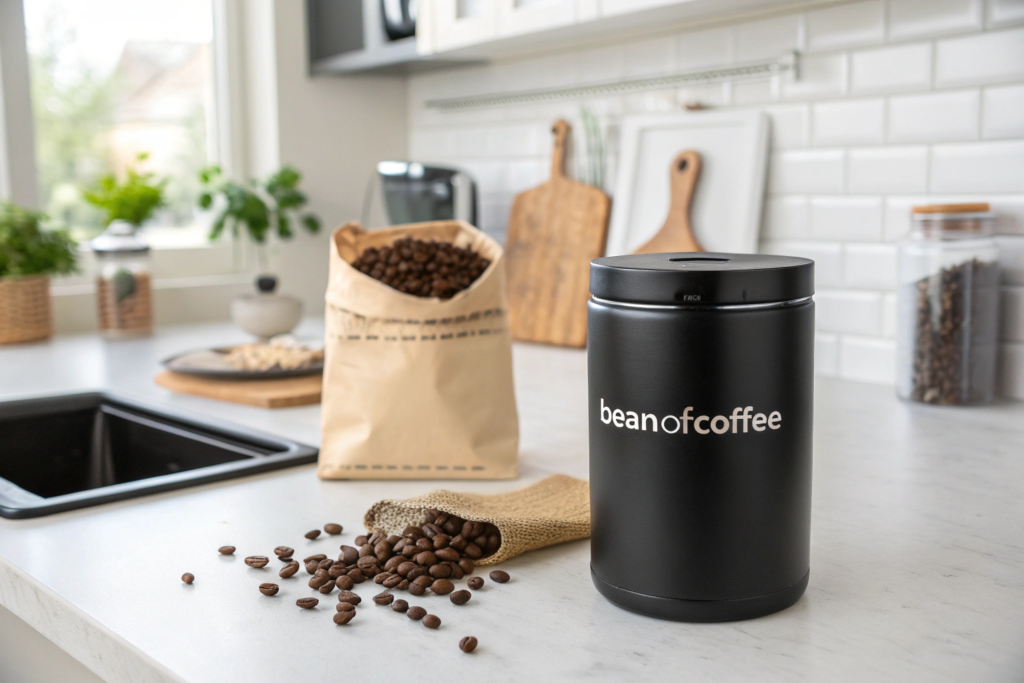
Why Must the Container Be Opaque?
Light, especially direct sunlight, contains UV rays that can accelerate the degradation of the delicate oils and aromatic compounds in roasted coffee. An opaque container completely blocks out this harmful light, protecting the beans from another source of staling. This is why you should never store your coffee in a clear glass jar on the countertop, no matter how nice it looks.
What is a Degassing Valve and Do I Need One?
A one-way degassing valve is a small plastic valve on a coffee bag that allows freshly roasted coffee to release carbon dioxide (CO2) without allowing oxygen to get in. This is most important in the first few days after roasting. For a canister you use at home for coffee that's already a week or two old, a simple, truly airtight seal is more than sufficient to protect it from oxygen. You can find more on this topic from industry resources like the Specialty Coffee Association (SCA).
Conclusion
So, does freezing ruin coffee? The answer is a clear and confident "no," provided you treat it like a precise, scientific procedure rather than a casual act. By portioning your beans, using a vacuum sealer, and thawing them patiently while still sealed, you can effectively pause time and preserve the peak flavor of your favorite coffee for months. The freezer is a tool for preservation, not a morgue for flavor.
For your daily coffee, however, the rules are simpler: keep it whole, keep it in the dark, and keep it in an airtight container. By understanding and respecting the nature of roasted coffee, you can ensure that every cup you brew—whether from a bag you just opened or one you carefully thawed from a six-month slumber—is as vibrant and delicious as the farmer and roaster intended.
If you're sourcing premium coffee that is truly worth preserving, we invite you to discover our lots from Yunnan. We pour our hearts into cultivating beans with exceptional flavor, and we want you to enjoy them at their absolute best. Please feel free to reach out to my colleague, Cathy Cai, at cathy@beanofcoffee.com to learn more about our current offerings.