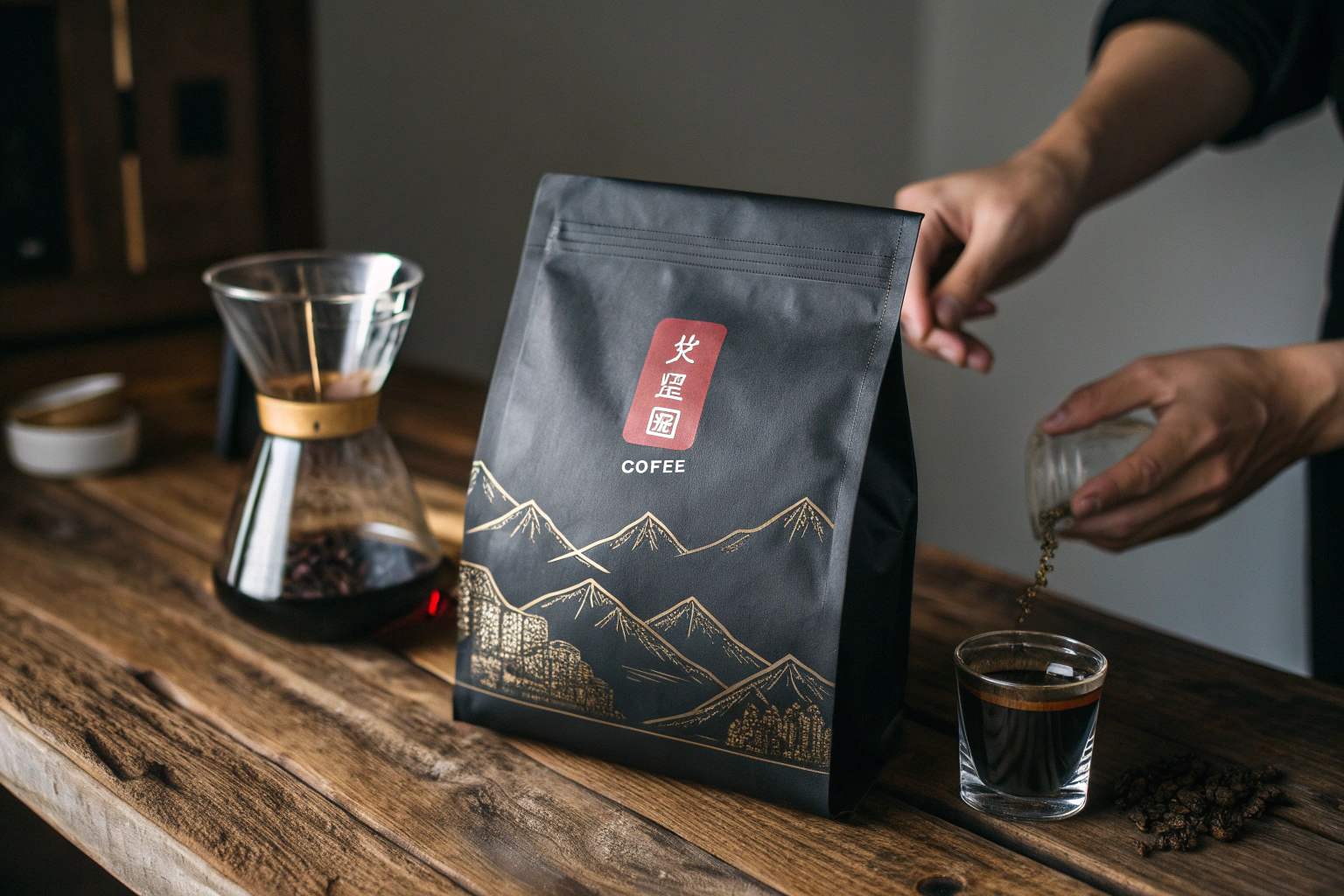
You have a problem. And it's not the coffee. The coffee is good. Really good. You've cupped it. You've roasted it. The body is heavy. The finish is clean. But when you put "Product of China" on the bag, it sits on the shelf. Customers pick up the Colombian next to it. They pay $2 more for it. They don't even smell yours. You're watching your margin evaporate because of a perception problem you didn't create. The "made in China" bias is real. And it's costing you money every single day.
The solution is not to hide the origin. That's dishonest. And it's also dumb. China's story is too good to bury. The solution is to reframe it. You don't sell "Chinese coffee." You sell high-altitude, single-estate Arabica from the ancient tea mountains of Yunnan. You sell a coffee grown at 1,400 meters by indigenous farmers who have cultivated the land for a thousand years. The perceived value is not in the country name. It's in the terroir, the traceability, and the novelty of discovery. You are not a commodity. You are a rare find. When we talk to buyers at Shanghai Fumao, this is the first thing we teach them. Stop apologizing for the origin. Start romanticizing it.
Rebranding is not about slapping a new logo on a bag. It's about rewriting the entire narrative from the ground up. It's about the farm's altitude. The varietal's history. The processing method's precision. It's about visually communicating quality before the customer even reads a word. It's about using data and transparency to build trust that overrides bias. When you do this right, the conversation changes. The customer doesn't ask, "Is Chinese coffee any good?" They ask, "Where can I get more of this Yunnan single-origin?" That is the pivot. Let's walk through exactly how to make it happen.
Why Does "Product of China" Trigger a Negative Quality Bias in Buyers?
Let's be blunt. The bias exists because of history. For decades, China exported cheap, mass-produced goods. Low-quality instant coffee. Tea was the hero. Coffee was an afterthought. The global coffee community built a mental model: China equals tea. China equals low cost. China does not equal specialty. This model is stuck in the heads of your customers. It's a cognitive shortcut. They don't think about it consciously. They just see the label and instinctively reach for the familiar.
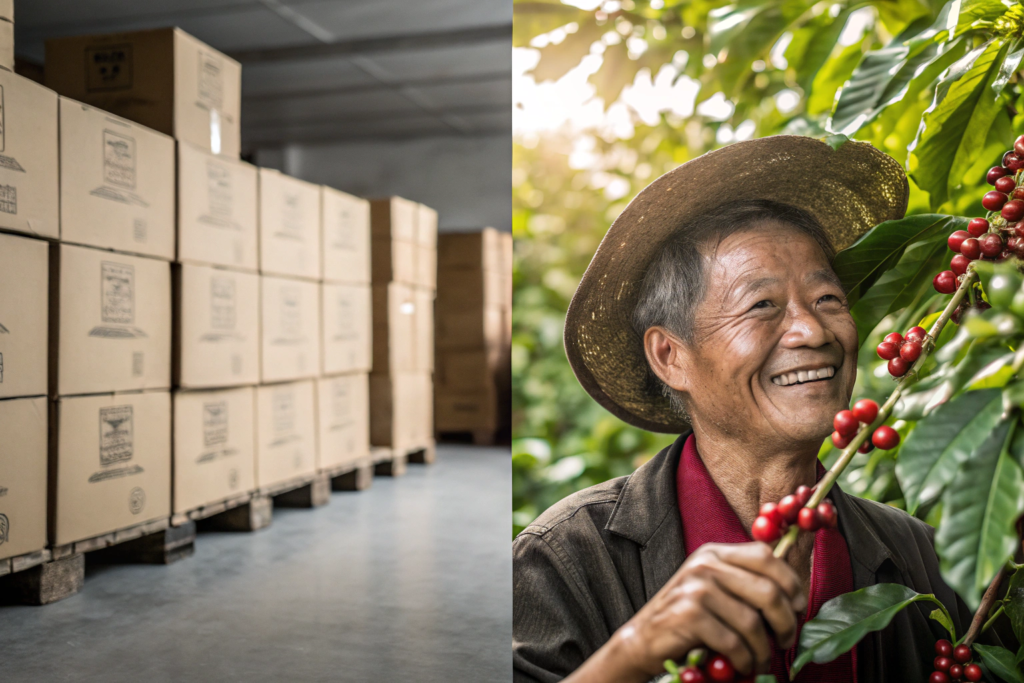
The psychological mechanism here is called "country-of-origin effect." It's well documented. Consumers use a country's reputation as a proxy for quality when they lack other information. A bag of "Colombian Coffee" triggers thoughts of Juan Valdez, lush mountains, and generations of expertise. A bag of "Chinese Coffee" might trigger thoughts of factories, pollution, and counterfeit goods. It's not fair. But it's real. You cannot fight this bias with arguments. You cannot hand a customer a pamphlet and lecture them. The brain doesn't work that way. You have to bypass the bias with a stronger, more specific story. You have to move the frame from the macro—"China"—to the micro—"this specific mountain, this specific farm, this specific farmer." The more specific you get, the weaker the generic bias becomes. A detailed story about Lao Li, a 60-year-old farmer in Baoshan who hand-sorts cherries on raised beds, replaces the vague factory image. The bias melts. It's replaced by curiosity. The Journal of International Business Studies has published research on how origin narratives can override country-of-origin effects. The data backs up the strategy.
How Can a Single-Estate Story Outweigh a Country-of-Origin Label?
The weapon against bias is specificity. "Product of China" is a bucket. It's huge. It contains everything. "Single Estate: Gaoligong Mountain, Baoshan, Yunnan" is a scalpel. It's precise. It signals something deliberate. It tells the customer that this is not an anonymous commodity scooped up from a million different farms. This is one place. One soil. One micro-climate. This precision triggers a different mental category. It shifts from "bulk product" to "craft product."
Here is the trick. You must connect the estate to something the customer already values. Yunnan is the birthplace of tea. Some of these coffee trees are planted on slopes that grew tea for a thousand years. That is a story no other origin can tell. Not Colombia. Not Ethiopia. They can talk about their coffee traditions, but they cannot talk about ancient tea traditions. This creates a unique memory hook. The customer might not remember the altitude or the varietal. But they will remember "the coffee from the tea mountains." That's sticky. That's shareable. When a home brewer serves this coffee to a friend, they will say, "Did you know this is from the tea mountains in China?" The friend leans in. The story does the selling for you. You are no longer defending the origin. You are leveraging it.
What Role Does Roaster Transparency Play in Overcoming Stigma?
Your roaster is your narrator. If they are secretive, the customer fills the silence with suspicion. If they are radically transparent, they become a trusted guide. The coffee bag should not be a mystery box. It should be a window. Print the GPS coordinates of the farm. Print the harvest date. Print the name of the farmer. Print the processing method. Print the cupping score. Stack the data on the package like a nutritional label. This wall of information does something psychological. It says, "We are hiding nothing. There is nothing to hide."
This transparency is especially potent for a stigmatized origin. It signals confidence. A seller with a weak product hides behind vague marketing words. A seller with a strong product gives you the raw data. When you, as a roaster, present a Yunnan coffee with a full traceability report, you are telling the customer, "This coffee is so good, I am putting my reputation on the line for it." That act of professional endorsement is powerful. It transfers the roaster's credibility to the bean. The customer trusts the roaster. The roaster trusts the farm. The trust flows down the chain. At Shanghai Fumao, we provide a transparency report with every lot. We want you to have that proof. It's your shield against doubt.
What Visual Cues on Packaging Elevate the Perception of Quality?
People judge books by covers. They judge coffee by bags. It's a fact of retail life. You have about three seconds to communicate quality before the customer flips the bag over or walks past it. The visual language you choose sets the price expectation. If your bag looks like a discount store brand, the coffee inside will taste like a discount store brand to the customer. Perception creates reality. This is not shallow. This is how the human brain processes value. You must design your packaging to whisper "premium" in every detail.
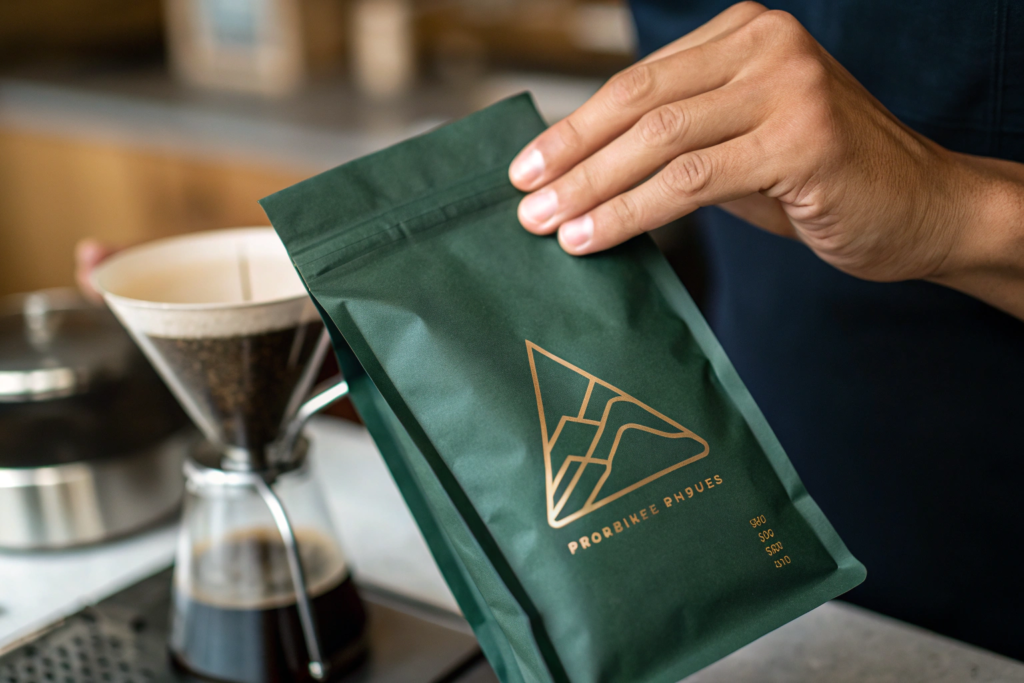
Color palette is the first signal. Stay away from bright, plastic-looking reds and yellows. Those scream "commodity" and "cheap." Go for deep, natural colors. Matte black. Forest green. Creamy off-white. These tones convey sophistication and earthiness. Then, add a tactile element. A textured paper stock. A matte finish. An embossed seal. When the customer's fingers touch the bag, they feel quality. It's a sensory confirmation of value. The weight of the bag matters too. Flimsy, crinkly plastic devalues the product. A thick, sturdy bag with a fold-over closure and a degassing valve signals that this product is worth protecting. Finally, keep the design minimal. Clean lines. One strong image. A single, well-placed piece of gold or copper foil. Luxury is quiet. It doesn't shout. It murmurs confidence. Look at how top specialty roasters design their bags. They don't use ten fonts and a rainbow. They use restraint.
Why Does Minimalist Design Outperform Complex Labels for New Origins?
Complexity signals confusion. A label covered in text boxes, certifications, and five different fonts looks desperate. It looks like the producer is trying too hard to prove something. Minimalism signals confidence. A clean, almost empty space around a single, powerful image tells the customer, "This coffee speaks for itself." This is especially critical for an origin like Yunnan that needs to establish a fresh visual identity. You are not competing on tradition. You are competing on purity and modernity.
Think of it as the art gallery effect. A painting on a huge white wall looks important. A painting surrounded by other paintings looks like clutter. Your coffee bag is the wall. The coffee's origin and name are the painting. Give it room to breathe. Use one striking icon—maybe an abstract line drawing of a mountain peak or a simple, elegant Chinese character for "mountain" or "cloud." This single focal point draws the eye. It creates a moment of contemplation. It makes the bag feel like a curated object, not a grocery item. This aesthetic is still rare enough in coffee that it catches attention. It says "new." It says "modern." It says "Asia, but not the Asia you think you know." It breaks the old visual association and builds a new one.
How Can the Color Palette of a Bag Influence the Expected Flavor?
Color is a silent suggestion of taste. It primes the palate. Warm, earthy tones—terracotta, deep ochre, burnt sienna—suggest notes of chocolate, nut, and caramel. Cool, pastel tones—mint green, pale blue, lavender—suggest floral, citrusy, and tea-like notes. This is a form of sensory marketing. You can use the bag's color to guide the customer toward the flavors you want them to find. If your Yunnan coffee has a heavy body and dark chocolate profile, wrap it in a warm, brownish-red bag. The customer will unconsciously expect those flavors. When they taste them, the confirmation feels satisfying. The coffee "delivers" on the promise.
For a bright, clean, washed Yunnan with stone fruit notes, you might use a cool slate grey with a pop of a warm coral accent. The grey conveys the minerality and cleanliness. The coral hints at the hidden sweetness. This creates a visual intrigue. The customer picks it up because the color combination is unexpected. The tasting experience then resolves the intrigue. "Oh, I see. The grey is the clean finish. The coral is the plum note." It becomes a complete sensory package. Do not underestimate this. The brain processes color before it processes words. Your label's color palette is the very first wordless sentence the customer reads. For guidance on color theory in branding, Pantone's color trend reports often illustrate how specific hues carry emotional weight. Use them intentionally.
How to Write Origin Descriptions That Build a Premium Narrative?
The words on the back of the bag are your movie trailer. They have a hard job. They must hook the reader in seconds. They must transport the reader from a grocery aisle to a mountainside in Yunnan. They must make the coffee feel like a discovery, not a purchase. Most origin descriptions fail. They read like a boring spec sheet. "Altitude: 1400 meters. Varietal: Catimor. Notes: Chocolate, Nut." That's a report. It's not a story. A report confirms a fact. A story creates emotion. Emotion drives perceived value.
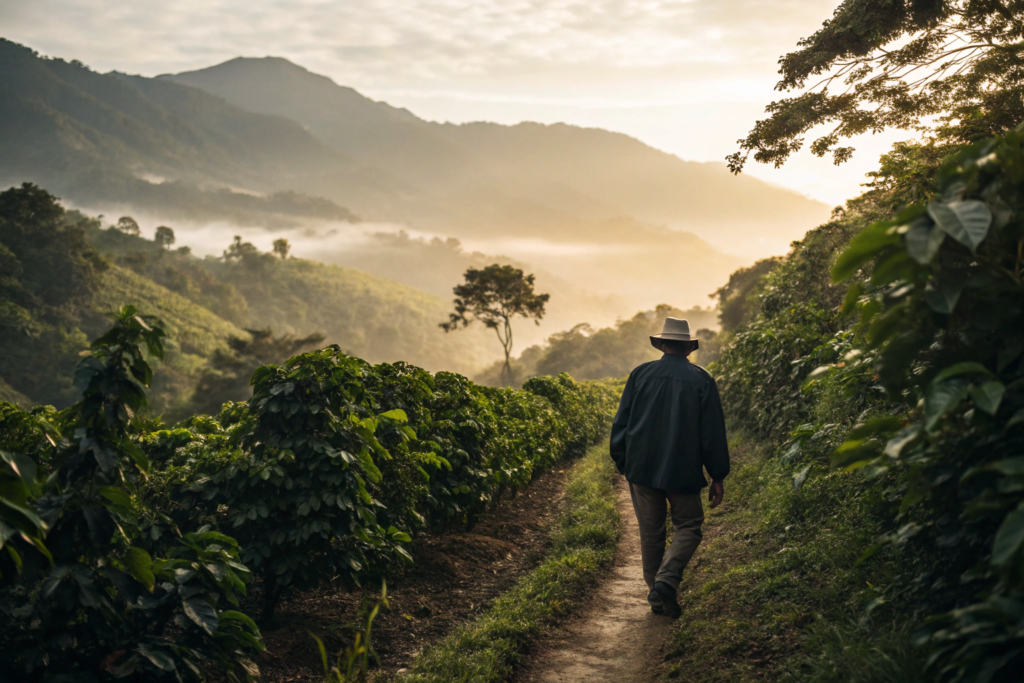
You must start with a human detail. Not the altitude. The person. "Lao Li wakes up at 4 a.m. to walk his coffee terraces before the Yunnan sun gets too hot." Instantly, you have a protagonist. The reader is not buying a bean. They are buying a morning in Lao Li's life. Then you weave the environment. Describe the Gaoligong Mountains. The mist that rolls through the valleys. The ancient tea trees that border the coffee plots. Use sensory words. The reader should hear the quiet. They should feel the altitude's chill. Then, and only then, do you introduce the tasting notes. But frame them as a consequence of the place and the person. "Because the cherries mature slowly in this cold air, they develop a dense, sugary fruit. The cup tastes of dark cacao and a hint of dried plum." The tasting note is no longer just a flavor. It's the taste of that mountain. That farmer. That specific air. You have bundled the entire supply chain into a sip. That is a premium narrative.
What Vocabulary Signals Specialty Grade Without Using the Word "Premium"?
The word "premium" is dead. It has been used by cheap instant coffee and gas station cups. It means nothing. It even signals the opposite now. To signal true specialty grade, you need the language of the cupping lab and the kitchen. Use words that are specific, sensory, and slightly technical. Instead of "good body," write "syrupy mouthfeel." Instead of "nice smell," write "aromatic notes of toasted hazelnut and cacao nib." The specificity is the signal. A generic word like "smooth" can apply to anything. "Velvety texture with a hint of brown baking spice" applies to this specific lot.
Also, borrow language from winemaking. The specialty coffee world looks up to wine. Words like "appellation," "terroir," "estate," and "vintage" carry a wine's halo of luxury. Use them. Describe your farm as a "single-estate appellation." Refer to the harvest as a "vintage." These linguistic cues slot your coffee into a mental category that already commands higher prices. You are not comparing yourself to other coffees. You are comparing yourself to fine wines. This elevates the entire conversation. It also educates the consumer. They learn that coffee, like wine, has a taste of place. That education makes them feel like an insider. Insiders pay more.
How Can Tasting Notes Be Structured to Tell a Story Rather Than a List?
A list is forgettable. A story is memorable. Do not write: "Notes of chocolate, cherry, almond." That's a grocery list. Nobody gets excited about a grocery list. Instead, structure the tasting experience as a sequence. A beginning, a middle, and an end. "The first sip opens with a burst of ripe black cherry. As the coffee cools, the flavor deepens. A rich, dark chocolate body emerges, coating the tongue. The finish is clean and lingering, with a whisper of toasted almond." This is a journey. It mimics the actual drinking experience.
This structure also guides the drinker. It tells them what to look for and when. When they actually taste the cherry note at the start, they feel smart. They feel like their palate is sophisticated. The description has validated their experience. This creates a moment of delight. It bonds them to your brand. You didn't just give them a bag of beans. You gave them a guided tasting session. For your wholesale clients, write these narratives for them. Provide them on a sell sheet. Make it easy for them to copy and paste into their own marketing. The more they sell, the more they reorder from you. You can find excellent examples of sensory storytelling on specialty roaster blogs like Counter Culture Coffee. They are masters of the tasting journey narrative.
Building a Digital Presence That Validates the Premium Repricing
You can have the most beautiful bag in the world. But if a curious customer Googles your farm and finds nothing, the illusion shatters. A dead website, an absent social media profile, and zero third-party mentions kill credibility instantly. The modern consumer validates everything online. Your digital presence is the silent verification of your packaging's loud promises. It must be cohesive, authentic, and alive.
A website needs a strong "Our Farm" page. Not a stock photo of a random mountain. Real photos of your actual farm. The pickers you employ. The drying beds you use. The cupping lab where you test. Video is even better. A 60-second drone video flying over the terraces of Baoshan, mist clinging to the peaks. This visual proof is irrefutable. It silences the skeptic. Instagram is your daily window. Do not post product shots only. Post the process. Show the red cherries being floated in the water tank. Show the parchment drying in the sun. Show the workers' hands. Hands tell stories that logos never will. The goal is to let the customer peer behind the curtain. When they see the pristine, modern mill at Shanghai Fumao, their factory mental model is replaced by a mountain lab mental model. The digital content rewires their association. It validates the higher price tag before the cup is even brewed.
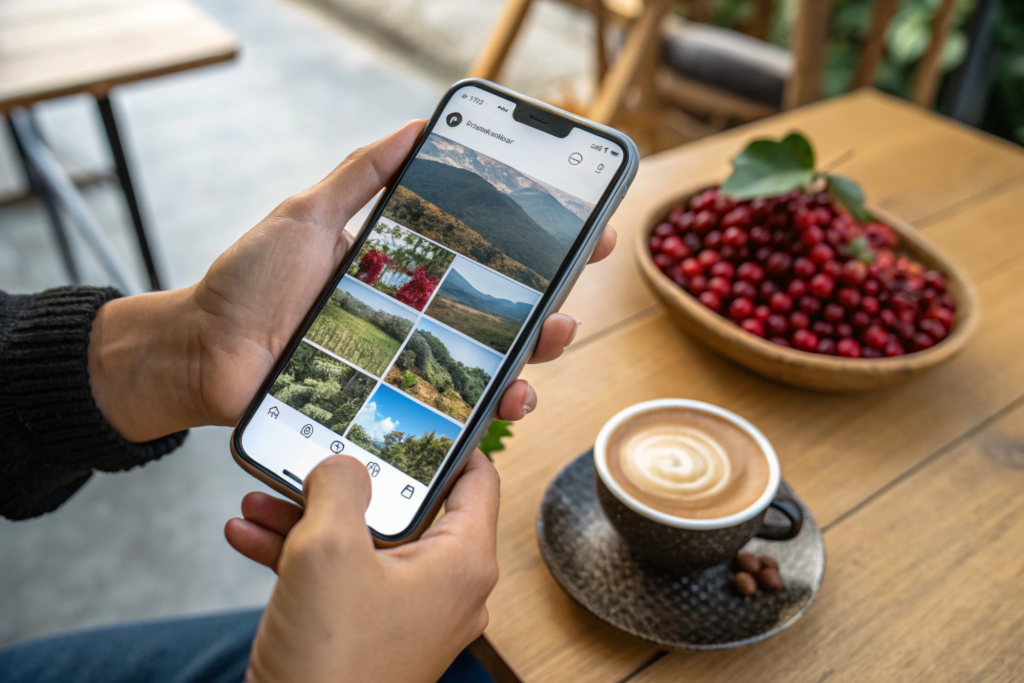
What Social Media Content Formats Demystify a Chinese Coffee Farm?
Video is the strongest tool. A static photo can still be a stock image in a skeptic's eye. A raw, unedited video of the processing mill in action is undeniable. Livestream a Q&A from the cupping lab. Let your export manager, Cathy, answer questions directly from buyers. This live format proves you are real and reachable. Short "Day in the Life" reels of a farm worker also work incredibly well. Show them eating lunch. Show them singing while they rake the beds. The human moment is the trust builder.
Another effective format is the "Process Explainer" carousel. A swipeable Instagram post that takes the viewer through the journey from cherry to green bean. Each slide is one step: Harvest, Float, Depulp, Ferment, Dry, Rest, Hull, Sort, Bag. Use simple graphics and real photos. This educates the buyer and demonstrates a high level of care. A farm that can articulate its process this clearly is a farm that values precision. Transparency is a marketing asset. Do not hide your process behind mystery. Flaunt it. The more you show, the less the customer has to take on faith. The World Coffee Research website has excellent diagrams of processing methods that can inspire this content.
How Can a Roaster's Online Shop Overcome the "First Purchase" Hesitation?
The first purchase is the hardest. The customer hovers over the "Add to Cart" button. Their bias is whispering. Their wallet is tight. You need a risk-removal mechanism. The most powerful one is the sample size. Offer a small, 4-ounce "Discovery Bag" at a low price point. This is not your main profit driver. This is your customer acquisition tool. It breaks the ice. The commitment is low. The curiosity can overpower the bias. Once they taste the quality, the full-size bag is a much easier sell.
The second mechanism is social proof on the product page. Embed genuine customer reviews. Video reviews are best. A short clip of someone saying, "I was skeptical about Chinese coffee, but this Yunnan is my new favorite," is solid gold. It addresses the objection directly. It gives permission to other skeptics to try it. Also, offer a money-back guarantee. "If you don't love it, we'll refund you." This is a bold statement of confidence. It says, "We know you'll be surprised." It flips the risk from the customer back to you. Most will not request a refund if the coffee is good. They will just become repeat buyers. This guarantee is often the final nudge needed. It shows you stand behind the origin.
Conclusion
Rebranding Chinese coffee is not about deception. It's about magnification. You are taking the true, inherent quality of the bean—a quality that cupping scores validate—and you are presenting it in a language the modern coffee consumer understands. You trade the generic for the specific. You trade the vague "Product of China" for the precise "Single-Estate Baoshan." You wrap that precision in a visual design that whispers luxury, and you back it with a digital trail of farm photos, transparency reports, and honest storytelling.
The bias against Chinese coffee is real, but it is shallow. It is a habit of thought, not a deeply held belief. Habits can be broken by a single, powerful experience. Your job is to package that experience so attractively that the customer takes the leap. Once they taste the rich, clean cup of Yunnan Arabica—the chocolate, the nut, the syrupy body—the bias is gone. It is replaced by a new belief: "This is one of the best coffees I've had." That new belief is your brand's asset. Protect it. Nurture it.
If you are a roaster or a brand looking to build a premium line around an origin with an incredible story and an unbeatable price-to-quality ratio, let's build that story together. We can provide you with high-resolution photography, full traceability data, and a consistent, clean lot that scores in the 83-86 range. Contact our export director, Cathy Cai, at cathy@beanofcoffee.com. She will get a sample kit and a brand asset package out to you. Let's change the narrative on the shelf, one bag at a time.