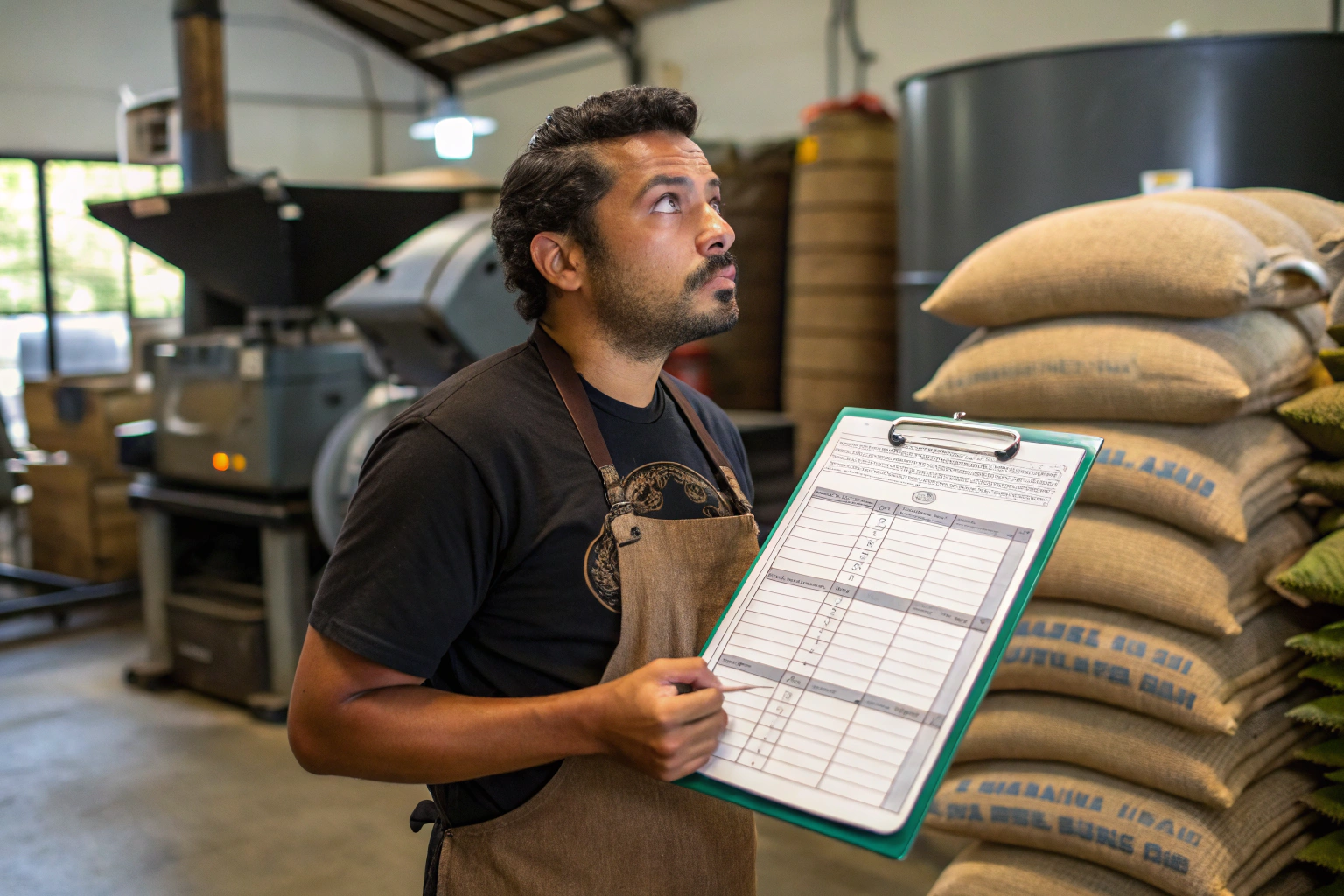
A coffee roaster in San Diego called me last month, voice tight with stress. His inventory tracking spreadsheet showed 12 days of green coffee left. His supplier had told him "about three weeks" for the ocean freight from Shanghai. He had assumed 21 days. He built his entire production schedule around that number. The actual transit time? The vessel took 14 days to cross the Pacific, but the container spent 4 days at the terminal in Shanghai waiting to load, and another 5 days at the Port of Los Angeles waiting for a truck chassis. Total door-to-door: 26 days. He almost ran out of coffee because he confused ocean transit with total logistics time. That distinction is everything.
The average ocean transit time from Shanghai to Los Angeles is 12 to 14 days. The average total door-to-door logistics time, including terminal waiting, customs clearance, and final trucking, is 21 to 28 days. This gap between vessel sailing time and actual delivery time is where most supply chain planning mistakes happen. The vessel itself is fast. The ports on both ends are the bottleneck.
At BeanofCoffee, we ship containers from our Baoshan farm to the U.S. West Coast regularly. We have learned to plan for the full timeline, not just the pretty sailing schedule the carrier advertises. I want to walk you through the real-world numbers, the hidden delays, and the specific strategies we use to keep our buyers' roasters running without interruption.
What Are the Different Stages of the Shanghai to LA Shipping Timeline?
A buyer in Portland once emailed me, "The vessel departed Shanghai on March 1st, so it will be here on March 13th, right?" Technically, yes. The vessel arrived at the LA terminal on March 13th. His container was not available for pickup until March 20th. He had not accounted for the terminal discharge queue, the customs inspection hold, or the chassis shortage that week. Seven extra days. He was furious, but not at me. At his own planning assumption.
The shipping timeline from Shanghai to LA consists of five distinct stages: origin trucking from the warehouse to the Shanghai port, terminal waiting and vessel loading, ocean transit across the Pacific, terminal discharge and customs clearance at LA, and final-mile truck delivery. Each stage has its own average duration and its own potential for delay. Treating the entire process as a single "shipping time" number is a planning disaster.
A smart coffee buyer plans each stage separately. They build buffers into the stages they cannot control. They negotiate aggressively on the stages they can influence. Understanding these five stages is the foundation of reliable inventory management.
How Long Does the Origin Handling in Shanghai Actually Take?
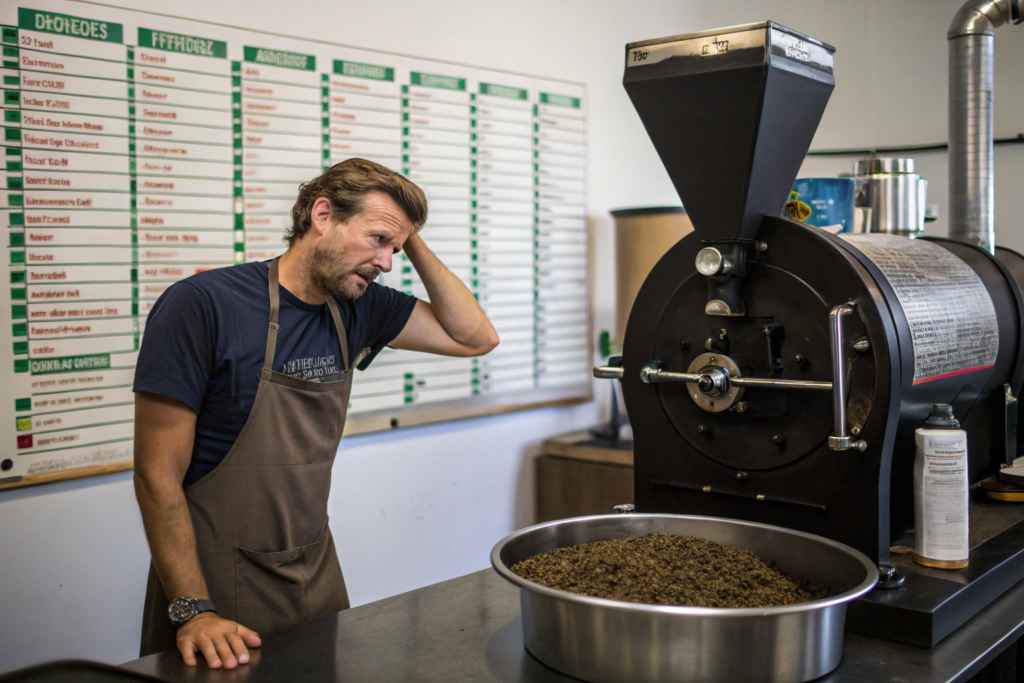
The clock starts ticking the moment the coffee leaves our warehouse in Baoshan. But for this specific stage, let's focus on the Shanghai port handling. The coffee arrives at a container freight station or port warehouse. It needs to be stuffed into a container if it is not already loaded. The container must be delivered to the terminal. It must clear Chinese export customs. It must be loaded onto the vessel.
In a perfect scenario, this Shanghai origin handling takes 3 to 5 days. The reality is often 5 to 8 days. Why the gap? Customs inspections happen. An officer might randomly select your container for a physical examination. That can add 2 to 3 days. The vessel might be running a day behind schedule. The terminal might be congested from a pre-holiday cargo rush.
I always ask our freight forwarder for the "terminal cut-off time." This is the deadline by which the container must be in the yard to make the scheduled vessel. We aim to deliver the container 48 hours before the cut-off. That buffer absorbs the random inspection delay without missing the ship. Missing the vessel and rolling to the next sailing can add a full week. That one week can break a roaster's production schedule. The Port of Shanghai operations guide provides the official terminal timelines, but the real-world experience is always a negotiation.
What Is the Realistic Transit Time from Vessel Departure to Container Availability?
The vessel departs Shanghai. The carrier's tracking website shows an ETA of 13 days later at the Port of Los Angeles. The vessel arrives on that date. Great. Now the real waiting begins.
The container must be discharged. A massive ship unloads thousands of containers. Yours might be in the first batch or the last. Discharge can take 1 to 2 days. Then the container must clear U.S. customs. For green coffee, which is a low-risk agricultural import, this is usually fast—1 to 2 days if the paperwork is clean. But U.S. Customs and Border Protection can hold a container for a food safety inspection. That is random. That can add 3 to 5 days.
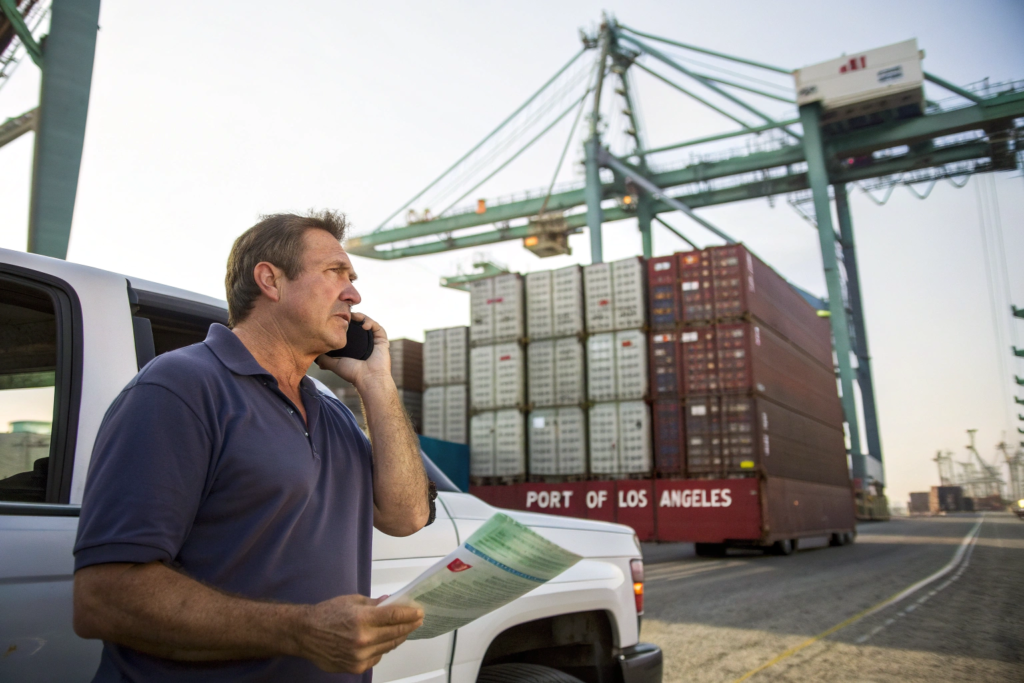
Then comes the hidden monster: chassis availability. A chassis is the wheeled frame that the container sits on for trucking. At the LA and Long Beach ports, chassis shortages are chronic. Your container might be cleared and ready, but sitting in a stack waiting for a chassis. This can add another 2 to 4 days. So, from vessel arrival to actual container availability, realistically plan for 5 to 9 days. Combine that with the 13-day ocean transit, and you are looking at 18 to 22 days from Shanghai departure to LA pickup. Not 13 days. Never 13 days.
How Does Shanghai to LA Compare to Other Coffee Shipping Routes?
A buyer in New York once asked me why I recommended he route his coffee through the West Coast instead of the Panama Canal to Newark. He assumed the direct all-water route to the East Coast would be simpler. I showed him the numbers. Shanghai to LA is 13 days. LA to Newark by rail is 7 days. Total: 20 days. Shanghai to Newark via Panama is 35 days. The West Coast route was 15 days faster. He switched immediately.
The Shanghai to LA route is the fastest ocean shipping lane for Chinese coffee entering the United States. It is significantly faster than routes to the U.S. East or Gulf Coasts, and it is competitive or faster than shipping from traditional coffee origins like Brazil, Colombia, or Vietnam. This speed advantage is a structural logistics benefit that Yunnan coffee exporters can offer to U.S. buyers.
The Trans-Pacific route to the West Coast is the backbone of China-U.S. trade. It has the most vessel capacity, the most frequent sailings, and the most competitive freight rates. For a coffee importer on the West Coast, Chinese coffee has a genuine transit time advantage over many Latin American origins.
Is Shanghai to LA Faster Than Santos to LA?
Let's compare two containers. Container A is our Yunnan Arabica, departing Shanghai. Container B is a Brazilian Arabica, departing Santos. Both destined for a roaster in Los Angeles.
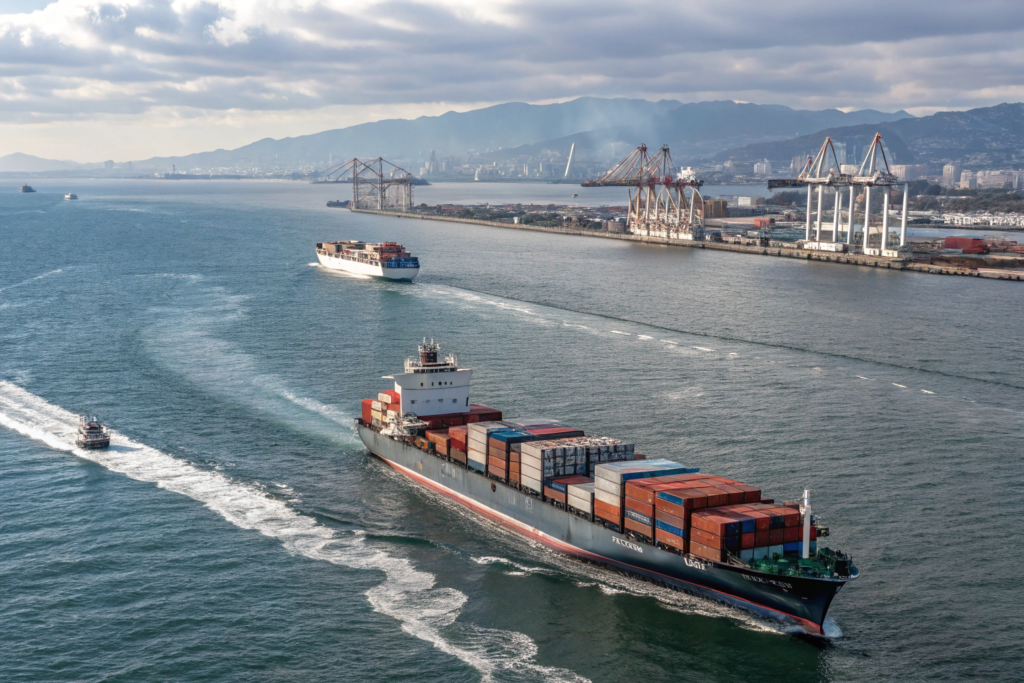
The Shanghai vessel steams directly across the Pacific. 12 to 14 days. The Santos vessel must either transit the Panama Canal or go around South America. The canal route takes about 25 days, assuming no canal transit delays. The around-the-horn route is even longer.
But the real difference is even larger. Santos port is notorious for congestion. Dwell times for containers waiting to load can be a week or more. Shanghai's dwell time is typically 3 days or less. Add the origin port waiting time, and the total logistics time from Santos to LA can easily reach 35 to 40 days. From Shanghai to LA? 21 to 28 days. That is a two-week advantage for the Chinese coffee. Two extra weeks of shelf life. Two fewer weeks of capital tied up in inventory. This is not a small edge. It is a decisive logistics win.
Why Is the West Coast Gateway Faster Than East Coast for Asian Coffee?
The geography is obvious. Asia faces the West Coast. But the logistics structure reinforces the geography. The major shipping alliances deploy their largest, fastest vessels on the Trans-Pacific to LA/Long Beach. These vessels operate on tight, express schedules. Daily sailings are common.
For an East Coast roaster, the Chinese coffee has two choices. It can go all-water through the Panama Canal to a port like Savannah or Newark. The canal adds distance, cost, and a potential bottleneck. The recent drought-related transit restrictions are a fresh memory. Or the coffee can land at LA and transload to rail. The rail route from LA to Chicago is a well-oiled machine. LA to New York is longer but still faster than the Panama all-water route.
The Pacific Merchant Shipping Association transit data consistently confirms the speed dominance of the Trans-Pacific express routes. For a coffee buyer who values speed and freshness, the West Coast gateway is not just an option. It is the strategic choice for Asian origins. This is why many of our Australian and U.S. West Coast clients specifically choose BeanofCoffee for their faster restocking cycles.
What Factors Can Delay a Coffee Shipment from Shanghai to LA?
I had a container sit at the LA port for 12 days. Twelve. The coffee was fine. The paperwork was perfect. No customs hold. The problem was a labor slowdown during a longshoreman contract negotiation. The cranes moved at half speed. The chassis pool ran empty. I could not do anything. I just watched the tracking page, refreshing like a nervous parent. My buyer in Seattle was patient, but his inventory buffer saved him. Without it, he would have been buying emergency spot coffee at a painful price.
Shanghai to LA shipments face four main categories of delay risks: port congestion at either end, customs inspection holds, chassis and trucking availability issues, and seasonal weather disruptions. Some of these are predictable. Some are random. All of them can be managed with proactive planning and buffer inventory.
The ocean itself is rarely the problem. The Pacific is vast, but modern vessels handle it efficiently. The problems happen on land. At the interfaces between vessel and dock, dock and customs, customs and truck. These handoff points are fragile.
How Do Chinese Holidays Affect the Shanghai Departure Schedule?
This is a calendar issue that surprises every new buyer once. Chinese New Year. It is not a single day. It is a two-week national slowdown, followed by a month of chaotic recovery. Factories close. Truck drivers go home to their villages. Port workers are on skeleton crews.
If your shipment is scheduled to depart Shanghai in the week after Chinese New Year, be very careful. The container might be physically at the port, but the customs office might be understaffed. The vessel might be cancelled due to low cargo volume because the factories had not yet restarted production. I always advise our buyers to either ship well before the holiday or plan for a 2 to 3 week buffer if the shipment falls in the post-holiday window.
The other holiday to watch is Golden Week in early October. Similar effect, but shorter. A week-long national shutdown. Vessel schedules get compressed. Space becomes tight. Booking a container for a Golden Week departure requires advance planning and usually a slightly higher spot rate. The Chinese Ministry of Transport holiday port advisory publishes the official closure schedules, but the operational ripple effects last much longer than the official holiday dates.
What Happens When Your Container Gets a U.S. Customs Exam Hold?
A buyer once sent me a frantic email. U.S. Customs had placed his container on hold. He assumed the worst. Contaminated coffee. Illegal shipment. A huge problem. I calmed him down. The hold was a "VACIS" exam, a non-intrusive X-ray scan. The container just had to sit in the inspection queue for three days. No one opened the bags. No contamination. Just a random security check.
Green coffee is a low-risk food product. Full FDA physical examinations are rare. But they happen. If your container is selected, an inspector will open the bags, take samples, and test for pesticides and mold. This can take 5 to 7 business days. You cannot speed this up. You just have to wait.
The key to managing this risk is documentation. A clean, complete set of documents—certificate of origin, phytosanitary certificate, organic certificate if applicable, and a detailed packing list—reduces the chance of a prolonged document review. If the paperwork is sloppy, a simple document check turns into a physical hold. I triple-check every document before we release it to the forwarder. One typo on the phytosanitary can trigger a hold. That hold can cost more in demurrage fees than the value of the paperwork error. A CBP guide on agricultural import inspections explains the process in detail. Read it. Know what your container faces.
How Can You Plan Your Inventory Around This Shipping Lane?
The difference between a roaster who sleeps well and one who panics at 2 AM is inventory planning. I have seen two roasters use the same Shanghai to LA shipping route with completely different stress levels. One planned their reorder point based on the 13-day ocean transit. They ran out of coffee twice a year. The other planned based on a 30-day total restock timeline. They never ran out. Same beans. Same vessel. Different math.
Inventory planning around the Shanghai to LA lane must use a 30-day total restock timeline, not the 13-day ocean transit. This 30-day plan should account for origin handling, ocean transit, port discharge, customs clearance, and final delivery. A disciplined reorder point triggers a new purchase order when your stock level hits 45 days of cover, giving you a 15-day safety buffer.
This sounds conservative. It is. But conservative inventory planning is the secret weapon of successful coffee importers. The ones who proudly run lean inventory are also the ones who pay premium spot prices when something inevitably goes wrong.
What Is the Smartest Reorder Point for West Coast Roasters Buying from China?
Let's build a concrete reorder formula. Assume your roastery burns 3,000 pounds of green coffee per week. Your realistic total lead time from Shanghai to your roastery door is 28 days, or 4 weeks. At your burn rate, you consume 12,000 pounds in those 4 weeks.
If you reorder when you have exactly 12,000 pounds left, you will run out the day the new container arrives. Any delay, even a single day, and you are roasting nothing. That is terrifying. Do not do that.
Add a safety stock buffer of 2 weeks, or 6,000 pounds. Your reorder point should be 18,000 pounds. When your inventory hits 18,000 pounds, you issue the purchase order to your Shanghai supplier. This gives you 6 weeks of cover at the time of reorder. The new coffee arrives when you have 2 weeks of coffee left. A 2-week buffer absorbs a 1-week port delay or a 1-week customs hold. You never hit zero. You never panic-buy.
This is not overstocking. This is respecting the inherent variability of global shipping. A lean inventory model for perishable goods suggests this type of buffered reorder point for products with variable lead times. Coffee is not a widget. Your supplier cannot FedEx a replacement container overnight. The buffer is your sanity.
How Should You Adjust Your Roast Schedule During a Known Delay?
The tracking page shows your container is stuck. The vessel is anchored outside LA, waiting for a berth. Four-day delay, minimum. You have 10 days of coffee left. Do you just roast slower? No. You change your blend ratios now, not later.
Immediately increase the percentage of your more abundant coffee in your blends. If you have plenty of your base Brazilian bean but your Yunnan single-origin is on the delayed vessel, shift the blend. Go from 60/40 to 70/30. This extends your runway. Communicate the change to your wholesale accounts. A simple note: "Due to a shipping delay, our winter blend will feature a slightly higher percentage of our Brazilian component this week. The flavor profile remains chocolate-forward and full-bodied." Customers accept this. They do not accept "we are out of coffee."
Also, immediately reduce production of any low-volume, specialty SKU that depends on the delayed coffee. Consolidate your menu. Protect your core blends. This is not panic. This is professional demand management. At BeanofCoffee, we alert our buyers the moment we see a vessel delay on the carrier's tracking. We often know about the delay before the buyer does. That early warning gives them an extra 3 to 4 days to adjust their production plan. That is the value of a supplier who thinks like a partner, not just a vendor.
Conclusion
The average ocean transit from Shanghai to LA is 13 days. That is the number on the carrier's website. The real number a coffee buyer needs to plan with is 28 days. That covers the trucking from our Baoshan warehouse to the Shanghai terminal, the waiting, the loading, the Pacific crossing, the LA discharge, the customs clearance, and the final delivery to your roastery. The ocean is fast. The land is slow. Plan for the land.
This route is the fastest path for Chinese coffee into the U.S. market. It beats Santos to LA by two weeks. It beats Shanghai to the East Coast by two weeks. It is a genuine logistics advantage for roasters who want fresher coffee and faster restocking cycles. But the advantage only works if you respect the port delays and build your inventory buffer accordingly.
We ship this route every month. We know the customs brokers in LA. We know the freight forwarders in Shanghai. We know the calendar of holidays that can disrupt the flow. If you want a supplier who understands not just the coffee, but the container journey that brings it to you, let's talk. Contact Cathy Cai at cathy@beanofcoffee.com. Tell her your weekly volume and your delivery zip code. She will build a shipping timeline and a reorder plan specific to your roastery. You focus on roasting. We will focus on the ocean.