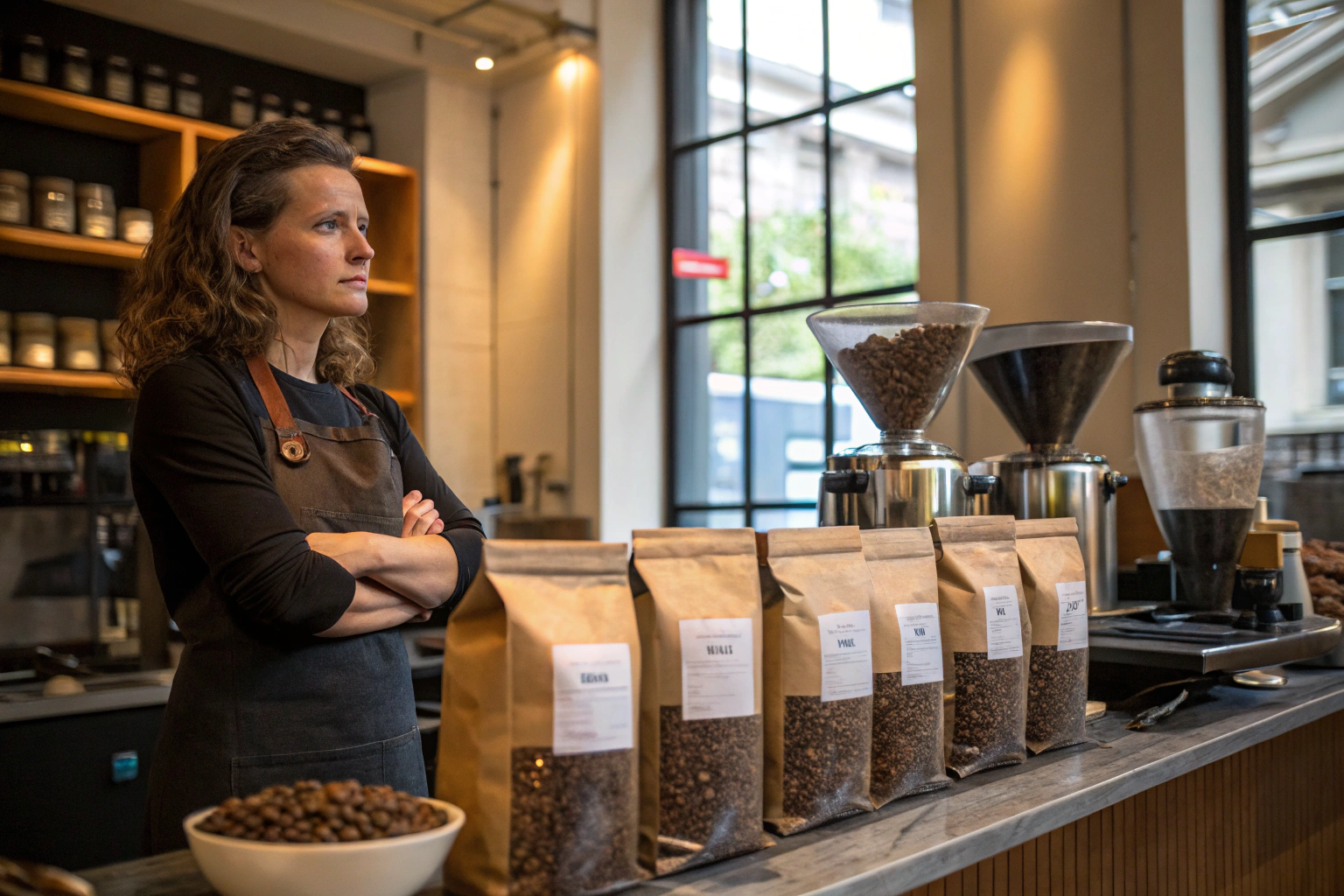
A roaster in Melbourne once told me she felt stuck. She wanted to sell sustainable coffee. But she could not afford a fair trade certification. She could not afford a rain forest alliance audit. The fees were too high for her small business. So she did nothing. She said nothing about sustainability on her bags. That was a mistake. Because she was already doing many good things. She just was not talking about them. I have seen this happen with farmers too. They do the right work and stay silent. Certification is useful. But it is not the only path. Honest storytelling can be just as strong. At BeanofCoffee, we do not hold every certificate. But we do hold real practices. And we explain them clearly. Let me show you how to do the same.
So let me explain how to market sustainability without a certificate, and how to do it in a way that builds trust instead of doubt.
Can You Claim Sustainability Without Certification?
Yes, you can claim sustainability without certification. But you must be careful. You cannot invent a label. You cannot use a logo that looks official. That is misleading. Instead, you tell your story. You share specific practices. You share numbers. You share photos. You share names. This is called transparency. It is stronger than a generic badge in some ways. A badge says "trust us." A story says "here is the proof." Buyers today want proof. They want details. They want to know where the coffee came from and who grew it. So if you do real work, talk about it. Do not hide it. Honesty is your best marketing tool. And it costs nothing.
What counts as a real sustainability practice?
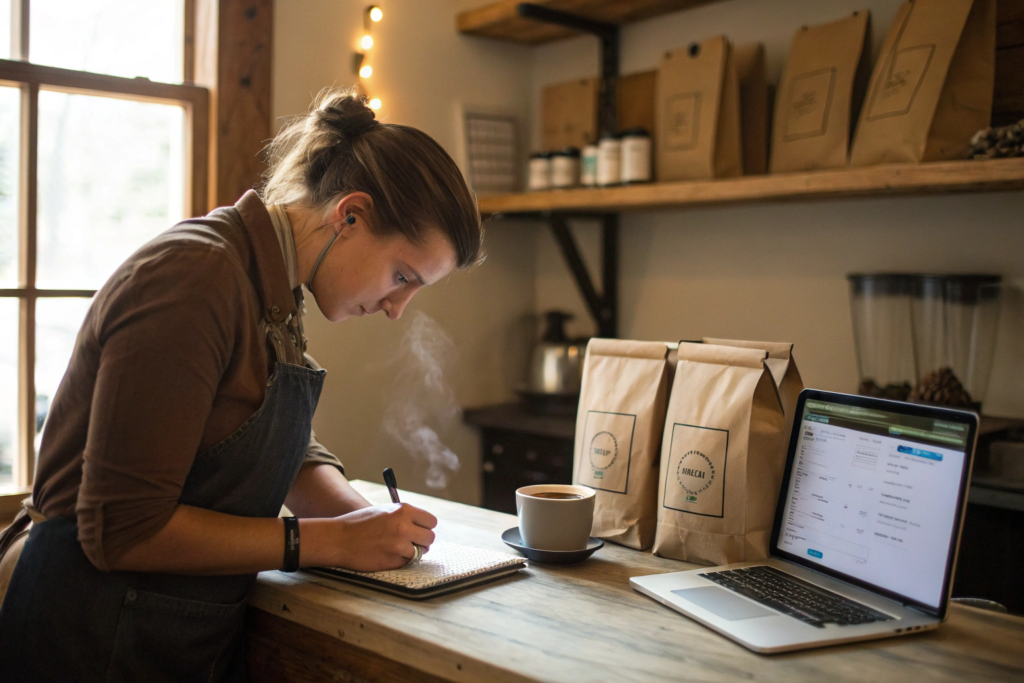
A real sustainability practice is something you actually do. Not something you plan to do. Not something you wish you did. Examples include water recycling at a washing station. Composting coffee pulp. Planting shade trees. Paying farmers above market price. Using recyclable packaging. Reducing energy in the roastery. Supporting local schools. These are concrete actions. You can point to them. You can measure them. You can photograph them. So make a list of what you already do. You may be surprised. Many small roasters and farmers do more than they realize. Then tell that story. Specific actions beat vague claims. Always.
Why is honesty more powerful than a badge?
Honesty is powerful because people are tired of greenwashing. They have seen too many fake claims. A badge can feel empty if there is no story behind it. But a real story feels human. It feels true. When you say "we pay our pickers 20 percent above the local rate," that is a fact. When you say "we use a water recycling system that saves 60 percent of water," that is a fact. Facts build trust. Trust builds loyalty. Loyalty builds sales. So do not chase a badge if you cannot afford it. Chase honesty instead. It is cheaper. And it often works better.
How Do You Tell Your Sustainability Story?
Telling your story takes a plan. You cannot just say "we are sustainable" and expect people to believe it. You need structure. Start with your farm or your source. Explain the practices. Explain the people. Explain the impact. Use simple words. Use real photos. Use videos. Put this story on your website. Put it on your bags. Put it on social media. Make it easy to find. Make it easy to understand. Do not use jargon. Do not use complicated terms. Speak like a person, not a corporation. People connect with people. So be a person. Share your reasons. Share your struggles. Share your wins. That is how you tell a story that sticks.
What stories should you share first?
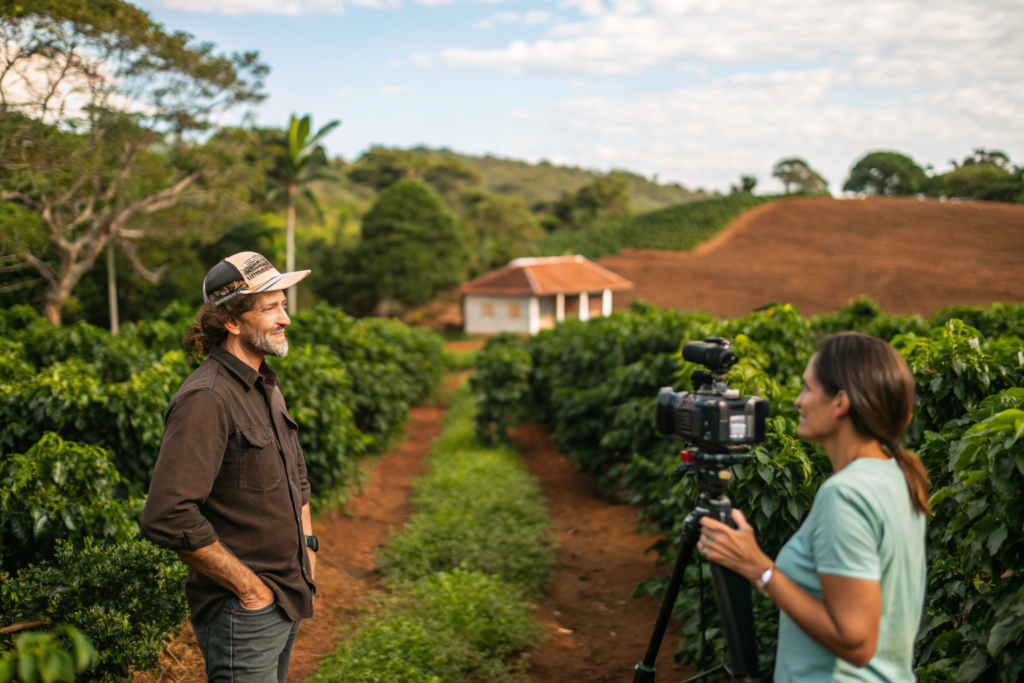
Share the stories that are easiest to prove. Start with farming. Talk about shade trees. Talk about water use. Talk about composting. Talk about picking methods. Then talk about people. Talk about wages. Talk about housing. Talk about training. Then talk about your own operation. Talk about packaging. Talk about energy. Talk about waste. These three areas cover most of sustainability. Pick the strongest ones. Do not try to say everything at once. Focus on two or three clear points. Repeat them. Make them your brand message. Simple messages stick. Complicated messages confuse. So keep it simple. Keep it true.
How do you use photos and videos as proof?
Photos and videos are proof. They show real places and real people. A photo of a shade tree says more than a paragraph. A video of a washing station says more than a report. So use them often. Show the farm. Show the workers. Show the process. Show the packaging. Show the final cup. Do not use stock photos. People can tell. Use your own images. They do not need to be perfect. They need to be real. A slightly rough video from a phone can work better than a polished ad. It feels honest. So pick up your phone. Take pictures. Take short videos. Post them. Share them. That is your proof.
What Should You Avoid When Marketing Sustainability?
Avoid vague claims. Avoid fake badges. Avoid copying another brand's language. Avoid saying "eco-friendly" without proof. Avoid saying "carbon neutral" unless you can show the math. Avoid using words you cannot explain. These habits hurt your brand. They also invite criticism. If a customer asks for proof and you have none, you lose trust. So be careful. Only claim what you can show. Only promise what you can keep. That rule keeps you safe. It also keeps you honest. And honesty is the best long-term strategy. So watch your words. They matter more than you think.

Why is greenwashing so risky?
Greenwashing is risky because people check. They search online. They ask questions. They post on social media. If they find a false claim, they share it. That can damage your brand fast. Regulators also watch. In the U.S., the FTC has rules about environmental claims. In Europe, similar rules exist. So a false claim can lead to fines or legal action. Beyond the law, there is reputation. Trust takes years to build. It can break in a day. So do not risk it. Be honest. Be specific. Be humble. Say what you do. Say what you do not do. That approach protects you.
How do you handle customer questions about proof?
Handle questions with openness. If a customer asks for proof, give it. Share a photo. Share a report. Share a name. Share a date. Do not get defensive. Do not ignore the question. Answer it. If you do not have the answer, say so. Then find it. Then follow up. This builds respect. Customers appreciate honesty. They also appreciate effort. So treat every question as a chance to build trust. One good answer can turn a doubter into a supporter. So welcome the questions. They make you better.
How Do You Build Trust Over Time?
Trust builds over time. It does not happen in one post. It happens in many small moments. You share an update. You answer a question. You post a photo. You fix a mistake. You keep a promise. Each action adds a brick. Over months, you build a wall of trust. That wall protects your brand. It also attracts loyal customers. So be patient. Be consistent. Do not chase quick wins. Chase long-term relationships. Those relationships carry your business through hard times. And they cost nothing but honesty and effort. So start today. Share one real story. Then share another. Keep going. The results will come.
How do you turn transparency into sales?
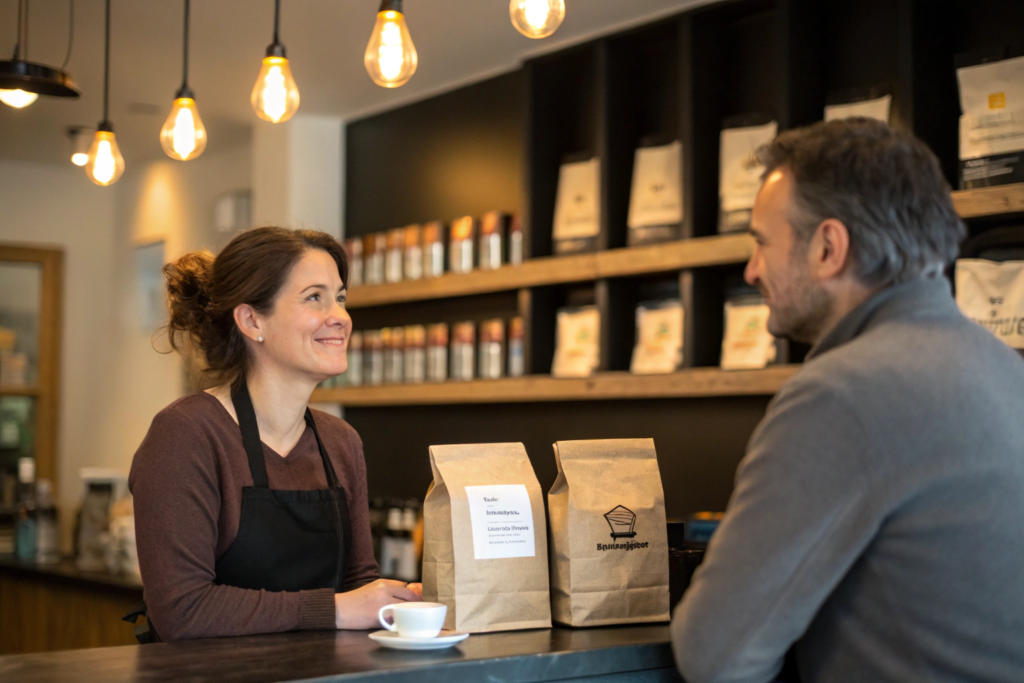
Transparency turns into sales when you connect it to value. Do not just say "we are sustainable." Say what that means for the customer. Better taste. Better supply. Better ethics. Better future. Then make it easy to buy. Put the story on the product page. Put it on the bag. Put it in your emails. Give people a reason to choose you. Then give them a way to act. A clear call to action helps. So link your story to your shop. Link your values to your products. That connection turns interest into orders. And orders turn into growth.
What role do reviews and community play?
Reviews and community play a big role. Happy customers talk. They post. They recommend. That word of mouth is powerful. It is also free. So encourage reviews. Ask for feedback. Share customer stories. Build a community around your brand. Host events. Start a newsletter. Create a space where people feel involved. When people feel involved, they stay loyal. They also forgive small mistakes. So invest in community. It is slower than ads. But it lasts longer. And it costs less. So build it step by step.
Conclusion
You do not need a certificate to market sustainability. You need honesty. You need proof. You need a story. Certification is useful. But it is not the only path. Many small farmers and roasters do real good work. They just do not talk about it. So start talking. Share your practices. Share your photos. Share your numbers. Be specific. Be humble. Be consistent. That is how you build trust without a badge. We follow this approach at BeanofCoffee. We share our farming practices, our processing methods, and our results. If you want to source coffee from a supplier that tells the truth, we can help. Please contact Cathy Cai at cathy@beanofcoffee.com to discuss your order with BeanofCoffee. We will share our practices and our proof with you.