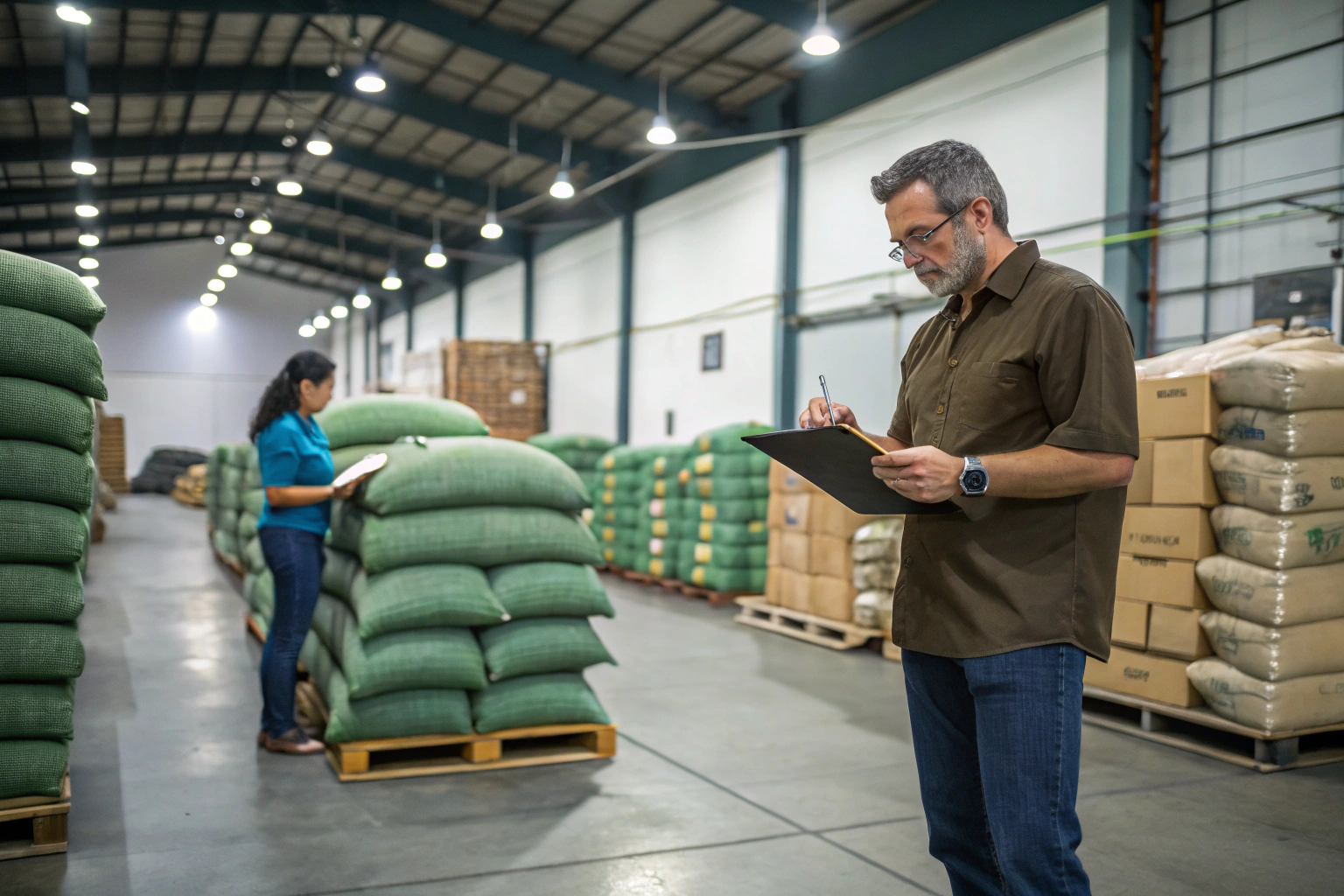
A recall nearly destroyed a roaster I know in Ohio. It was not his fault. A shipment of green coffee arrived with mold. He roasted it. He packed it. He shipped it to 40 stores. Then a customer complained. Then another. Then the stores pulled the product. He had no recall plan. He had no records. He had no idea which lot was bad. So he pulled everything. He lost a full month of sales. He almost lost his business. That story stuck with me. A recall can happen to anyone. It can start with one bad bag. It can end with your brand on the news. So you need a plan. Not because you expect a problem. But because problems do not ask permission. At BeanofCoffee, we build traceability into every export lot. Let me explain how to protect your brand before, during, and after a recall.
So let me walk you through the real steps that protect a brand when things go wrong.
What Causes a Green Coffee Recall?
Recalls start with many causes. Mold is one. Moisture damage is another. Pests are a third. Foreign objects like stones or glass are a fourth. Pesticide residue is a fifth. Improper labeling is a sixth. Sometimes the cause is a supplier error. Sometimes it is a shipping problem. Sometimes it is a storage problem at your own warehouse. So the source can be anywhere in the chain. That is why traceability matters. If you know where the coffee came from, you can find the problem fast. If you do not, you must recall everything. Everything means more cost, more waste, and more damage to your brand. So the goal is simple. Find the problem before it spreads. And prove where it came from.
What are the most common defects that trigger recalls?
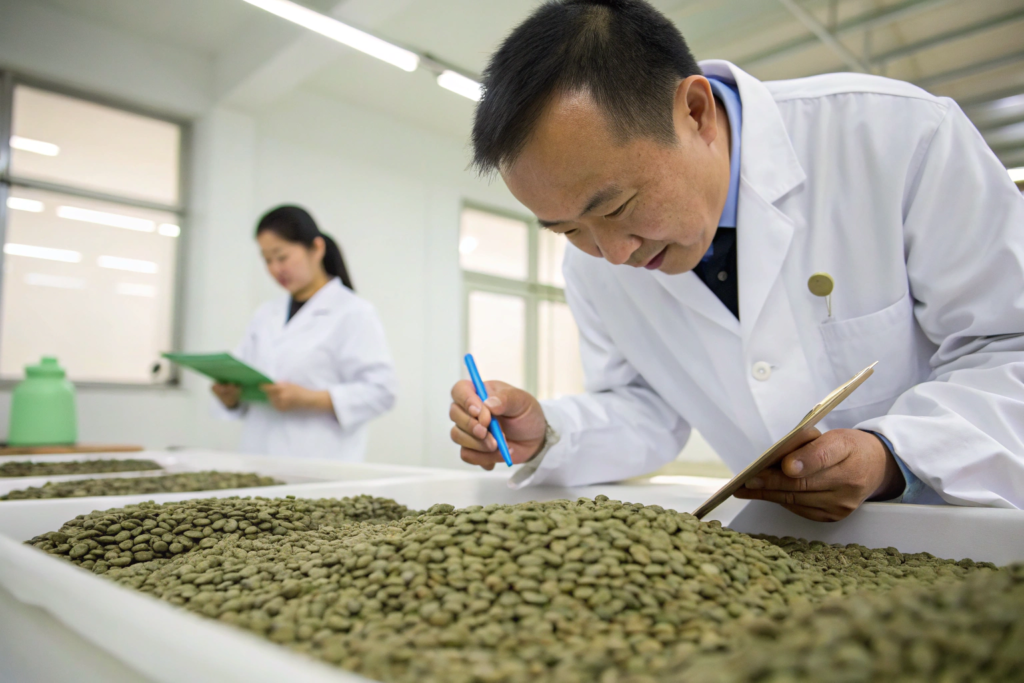
The most common triggers are visible defects. Mold is the biggest one. Mold can grow from moisture during shipping. Stones and glass are also common. They can damage grinders or hurt customers. Pests like beetles can appear in stored bags. Pesticide residue is rarer but serious. Labeling errors are also common. A missing allergen warning or a wrong origin can force a recall. So most recalls come from simple things. Not exotic problems. That is good news. Simple problems have simple solutions. Good inspection. Good storage. Good records. These basic habits prevent most recalls. So focus on the basics. They matter more than fancy systems.
How do shipping and storage create recall risks?
Shipping and storage create risks in quiet ways. Green coffee absorbs moisture. If a container sits in the heat, condensation forms. That can cause mold. If a warehouse is damp, the same thing happens. If bags sit on a concrete floor, they can absorb water. If bags sit too long, pests can appear. So the risks are real. But they are manageable. Use clean containers. Use moisture barriers. Keep bags on pallets. Rotate stock. Check moisture on arrival. These steps cost little. But they prevent big problems. So do not skip them. A small check today saves a big recall tomorrow.
How Does Traceability Prevent a Recall?
Traceability is your best defense. It means you can track every bag from farm to roastery. You know the harvest date. You know the lot number. You know the processing method. You know the shipping route. You know the storage conditions. So if a problem appears, you can find the source fast. You can also limit the recall. Instead of pulling every bag, you pull only the affected lot. That saves money. It also saves trust. Customers see that you handled the problem well. That can actually strengthen your brand. So traceability is not just a safety tool. It is a brand tool. It protects your reputation when things go wrong.
What records should you keep for every lot?
Keep records for every lot. Start with the farm name and location. Add the harvest date. Add the processing method. Add the moisture reading. Add the screen size and defect count. Add the shipping date and container number. Add the arrival date and storage location. Add the cupping score. Keep these records in one place. Digital is best. Paper gets lost. Digital files are easy to search. They are also easy to share with buyers or regulators. So build a simple system. It does not need to be fancy. A spreadsheet works fine. The key is consistency. Every lot. Every time. No exceptions.
How do lot numbers and barcodes help?
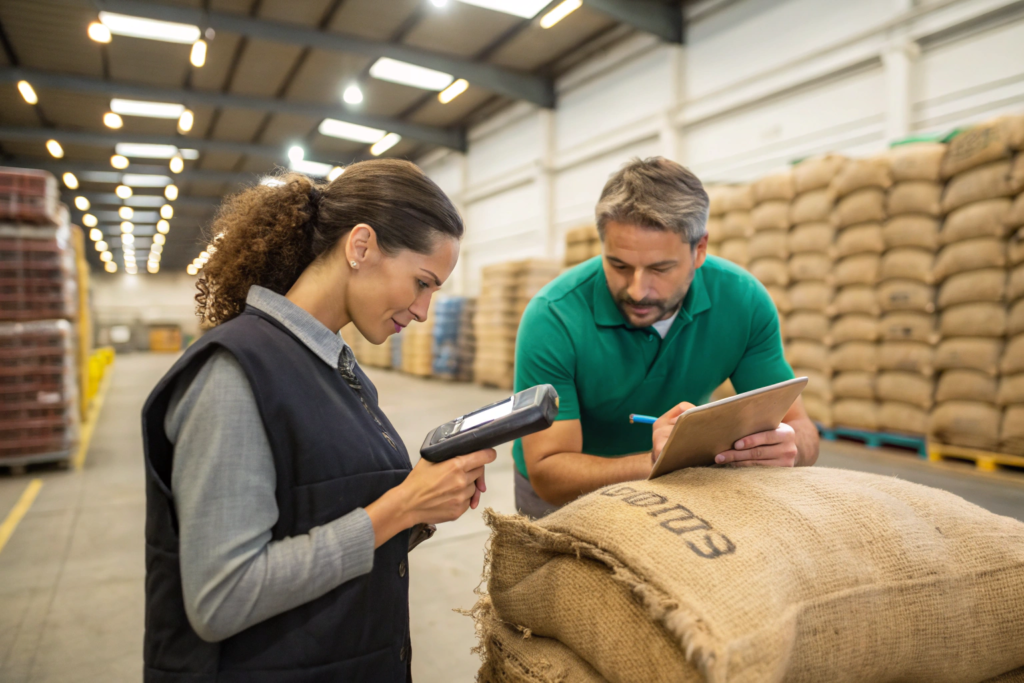
Lot numbers and barcodes make tracking fast. A lot number is a simple code. It tells you which batch the coffee came from. A barcode lets you scan the bag. The scan links to your records. So you can see everything in seconds. That speed matters in a recall. You cannot afford to search through paper files for hours. You need answers now. Barcodes also help with rotation. You can scan bags to see which ones are oldest. Then you ship those first. So barcodes do double duty. They support quality and safety. That is a good return on a small investment.
What Should Your Recall Plan Include?
A recall plan has several parts. First, a team. Who leads the recall? Who talks to customers? Who talks to regulators? Second, a contact list. You need phone numbers and emails for suppliers, buyers, and authorities. Third, a tracing system. You need to find affected lots fast. Fourth, a communication plan. You need clear messages for customers and the public. Fifth, a recovery plan. How do you get the product back? How do you dispose of it? Sixth, a review process. After the recall, what went wrong? How do you prevent it next time? So build the plan before you need it. Then test it once a year. A plan on paper is better than no plan. A tested plan is better still.

Who should be on your recall team?
Your recall team should be small but clear. Include the owner or manager. Include the quality lead. Include the person who talks to customers. Include the person who handles logistics. Include a legal or compliance advisor if you have one. Each person needs a clear role. One person should lead. One person should handle records. One person should handle communication. So there is no confusion. In a crisis, confusion is your enemy. Clear roles solve that. So write them down. Share them with the team. Practice them. That way, everyone knows what to do. Even under pressure.
How do you communicate with customers and regulators?
Communication must be fast and honest. Tell customers what happened. Tell them what you are doing. Tell them what they should do. Do not hide the problem. Hiding makes it worse. Regulators need the same information. In the U.S., you may need to work with the FDA on a recall. In other countries, similar agencies exist. So know the rules before you need them. Prepare template messages. Then fill in the details when a problem happens. That saves time. It also keeps your message clear. Honest communication builds trust. Even in a bad moment. So do not delay. Speak early. Speak clearly. Speak truthfully.
How Do You Handle a Recall Step by Step?
A recall has clear steps. First, confirm the problem. Do not act on rumor. Test the product. Second, identify the affected lots. Use your records. Third, stop shipping those lots. Fourth, notify your team. Fifth, notify customers and regulators. Sixth, recover the product. Seventh, investigate the cause. Eighth, fix the cause. Ninth, document everything. Tenth, review and improve. Each step matters. Skipping steps creates new problems. So follow the process. It feels slow at first. But it is faster than chaos. A calm, organized recall protects your brand. A panicked one damages it. So stay organized. Stay calm. Follow the plan.
What are the first 24 hours like?
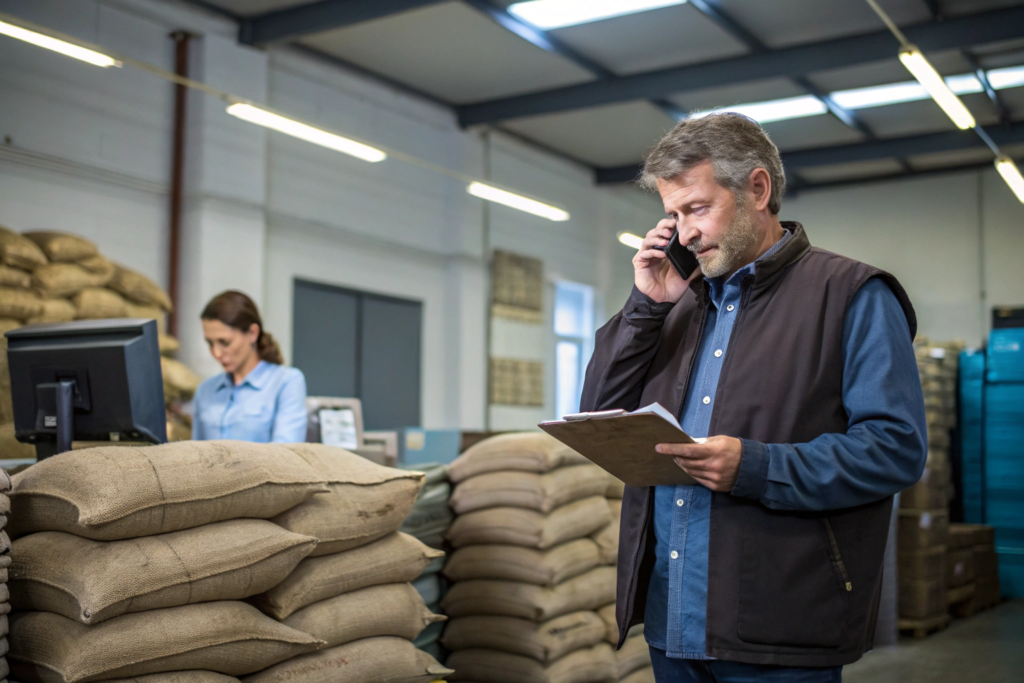
The first 24 hours are intense. You get a report. You check the facts. You test the product. You find the lot number. You check your records. You call your team. You decide on the recall scope. You prepare messages. You contact regulators. You contact customers. You stop shipments. You start recovery. It is a lot of work in a short time. So preparation matters. If you have a plan, you follow it. If you do not, you improvise. Improvisation is risky. So build your plan now. Train your team. Keep your records clean. That way, the first 24 hours are hard but manageable. Not chaotic.
How do you recover and rebuild trust?
Recovery takes time. First, fix the cause. Do not just apologize. Show the fix. Second, share the results. Tell customers what you changed. Third, offer refunds or replacements. Make it easy for them. Fourth, follow up. Check in with key customers. Fifth, keep communicating. Silence creates doubt. So stay visible. Stay honest. Trust rebuilds slowly. But it does rebuild. I have seen brands come back stronger after a well-handled recall. Customers respect honesty. They respect action. So do not hide. Step forward. Show your work. That is how you recover.
Conclusion
A green coffee recall is a nightmare scenario. But it is not unstoppable. Traceability limits the damage. Records speed up the response. A clear plan keeps your team calm. Honest communication protects your reputation. So prepare before you need it. Keep good records. Know your lots. Train your team. Test your plan. These steps cost little. But they save everything. We build traceability into every shipment at BeanofCoffee. We keep lot records. We share moisture reports. We document the whole chain. So our buyers can act fast if a problem appears. If you want a supplier who supports your recall plan, we can help. Please contact Cathy Cai at cathy@beanofcoffee.com to discuss your order and our traceability process with BeanofCoffee. We will share our records and our farm with you.