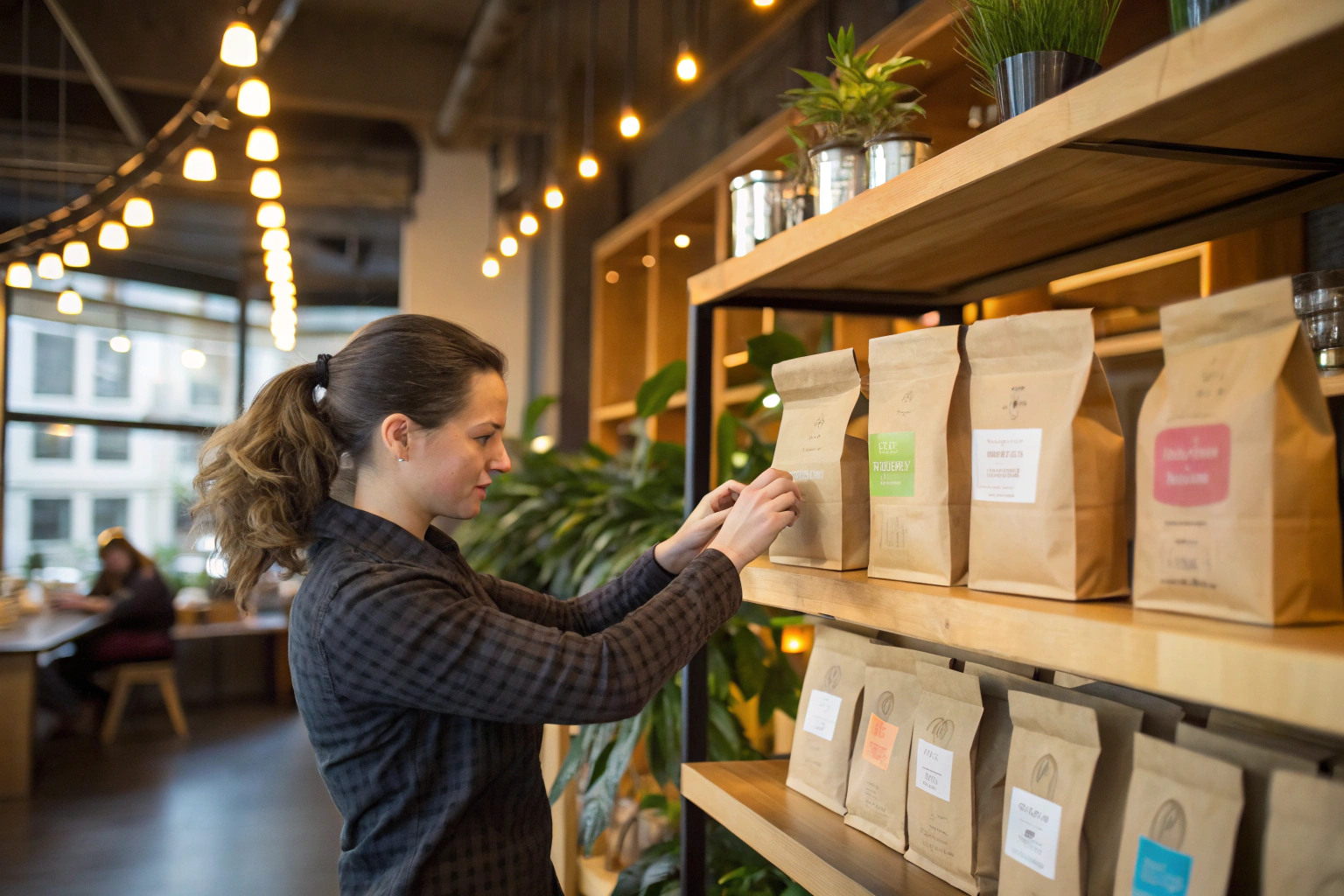
I once watched a roaster lose a sale for a silly reason. A customer picked up a bag of Yunnan coffee. She turned it over. She read the label. It said "Single Origin. Medium Roast. Notes of chocolate and nuts." That was it. No farm name. No story. No people. She put it back on the shelf and picked a bag from Ethiopia. That bag told a story about a village and a washing station. Same price. Same roast level. But one bag had a story and one did not. The story won. I have seen this happen again and again. A good origin story is not decoration. It is a sales tool. It turns a commodity into a brand. It turns a buyer into a fan. At BeanofCoffee, we help our buyers tell the Yunnan story because it sells. Let me show you how to do it well.
So let me walk you through how to turn your coffee's origin story into real sales, not just nice words.
Why Does an Origin Story Sell Coffee?
An origin story sells because people buy meaning. They do not just buy caffeine. They buy a connection. They buy a feeling. They buy a story they can share. Think about it. Two coffees taste similar. One has a story about a family farm in Yunnan. The other has no story. Which one do you remember? Which one do you tell your friends about? The story wins almost every time. This is not just a marketing theory. It is how the brain works. Stories are easier to remember than facts. They also create emotion. Emotion drives action. So a good origin story does real work. It helps you stand out. It helps you charge more. It helps you build loyalty. So treat your story as an asset. Because it is.
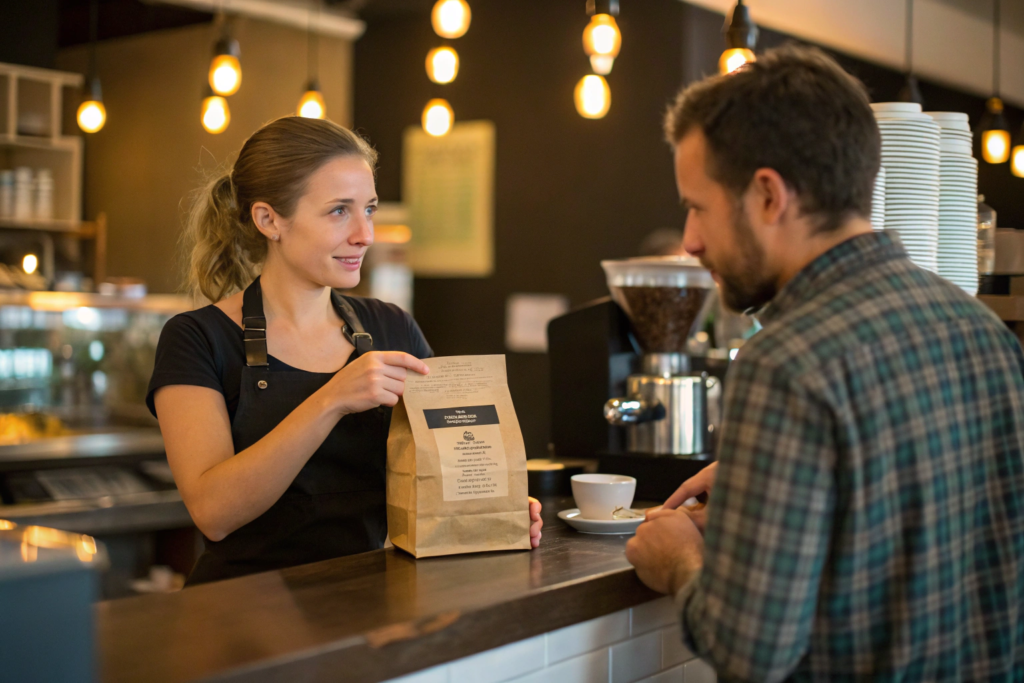
What makes a story memorable?
A memorable story has several parts. First, it has a place. A real place with a name. Second, it has people. Real people with names and faces. Third, it has a struggle. Something hard that was overcome. Fourth, it has a result. Something good that came from the work. Fifth, it has details. Small, specific details that feel real. So do not say "our coffee comes from China." Say "our coffee comes from a family plot in Baoshan, Yunnan, where the farmer checks every cherry by hand." That is specific. That is memorable. That is a story. So use names. Use places. Use details. They make the story stick.
How do buyers use stories to decide?
Buyers use stories to reduce risk. A story feels human. It feels honest. It feels safe. So a buyer who knows your story feels more confident. They feel like they know you. That trust lowers the barrier to purchase. It also raises the price they will pay. A study by a major research firm found that customers pay more for brands with a clear story. Not a little more. Often 10 to 20 percent more. So stories are not soft. They are hard business. They affect the bottom line. So build your story with care. It pays real money.
What Makes a Good Origin Story?
A good origin story is true. That is the first rule. It is also specific. It has names, places, and dates. It is short. You cannot tell a long story on a coffee bag. So pick the best parts. It is visual. It gives people something to picture. It is emotional. It makes people feel something. It is also simple. Do not use big words. Do not use jargon. Speak like a person. So a good story is true, specific, short, visual, emotional, and simple. That is a lot of rules. But they all point to one idea. Make it real. Make it human. Make it easy to understand. That is what works.
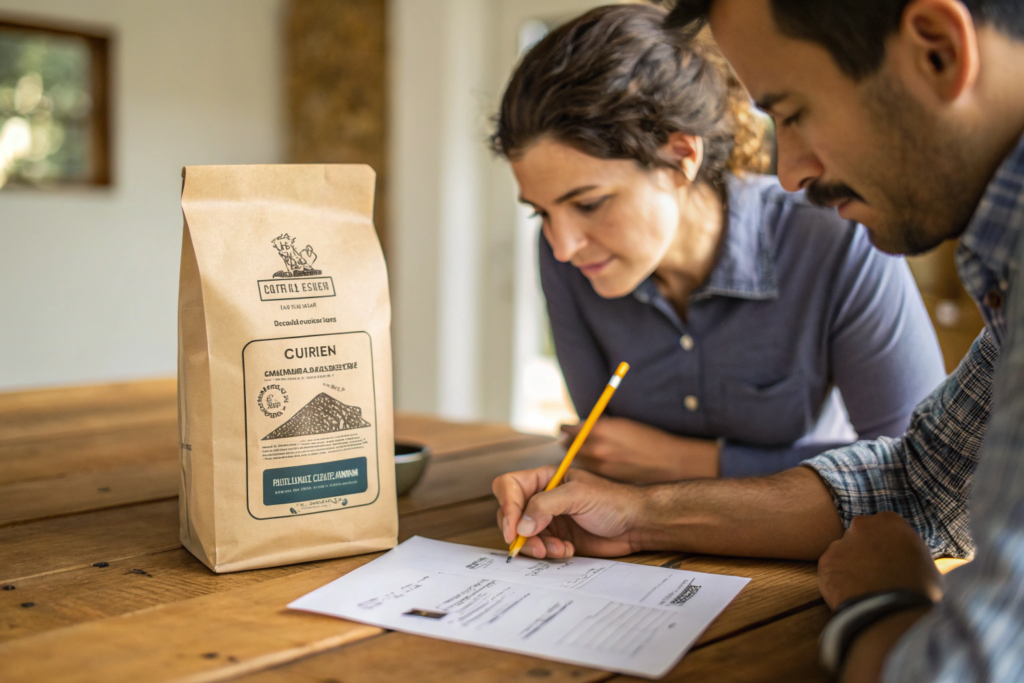
What details should you include?
Include details that people can picture. The altitude of the farm. The name of the farmer. The variety of the coffee. The processing method. The harvest month. The flavor notes. The drying method. The number of workers. The size of the farm. These details make the story concrete. They also build trust. A buyer who sees "1,800 meters" and "washed process" and "harvested in December" knows you are serious. So do not be vague. Be specific. Specific details are more believable. They are also more interesting. So use them. Do not hide them.
How long should your story be?
Your story should be short. On a coffee bag, you have maybe 50 to 100 words. On a website, you can go longer. But even there, keep it tight. People skim. They do not read every word. So put the most important parts first. Use short paragraphs. Use bullet points. Use images. Then let people go deeper if they want. A good rule is this. If you cannot explain your story in 30 seconds, it is too long. So cut it down. Then cut it again. Simple stories spread. Complicated stories die.
How Do You Tell Your Story on Packaging?
Packaging is your first chance to tell the story. Most buyers see the bag before they taste the coffee. So the bag must do work. Use the front for the brand and the key message. Use the back for the story. Keep it clean. Do not crowd the bag. Use one or two strong images. Use short text. Make it easy to read. Use a QR code to link to a longer story online. That way, the bag stays simple and the story stays deep. Also, use real photos. Do not use stock images. People can tell. Real photos build trust. So invest in good photos of your farm and your people. They sell the coffee before anyone tastes it.
What should go on the front of the bag?
The front of the bag should be simple. Put your brand name and logo. Put the origin. Put the roast level. Put the flavor notes. Put one strong image. That is it. Do not add too much. The front is a billboard. It has three seconds to grab attention. So make it clear. Make it bold. Make it easy to read from a distance. A clean front invites people to pick up the bag. Then the back can tell the story. So keep the front focused. Let the back do the deeper work.
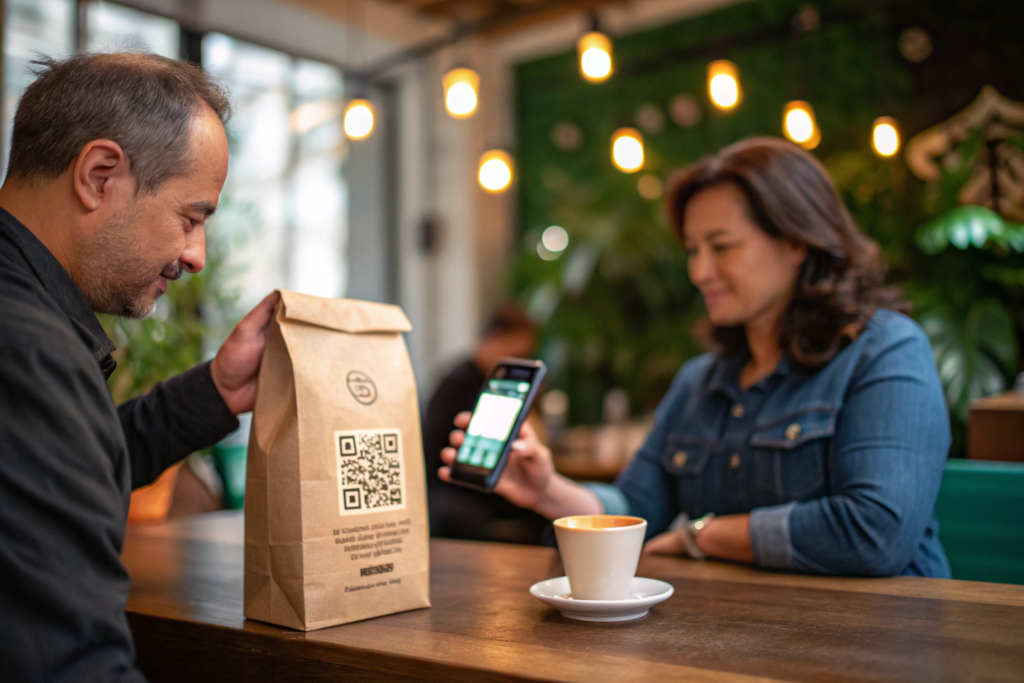
How do you use QR codes and links?
QR codes and links bridge the gap between the bag and the full story. The bag has limited space. The website has unlimited space. So use a QR code to send people online. There, they can watch a video. They can see photos. They can read the full story. They can meet the farmer. They can see the farm. This creates a deeper connection. It also gives you data. You can see how many people scan. You can see what they do next. So QR codes are not just a gimmick. They are a tool. Use them to turn a bag into an experience. That experience sells coffee.
How Do You Tell Your Story Online?
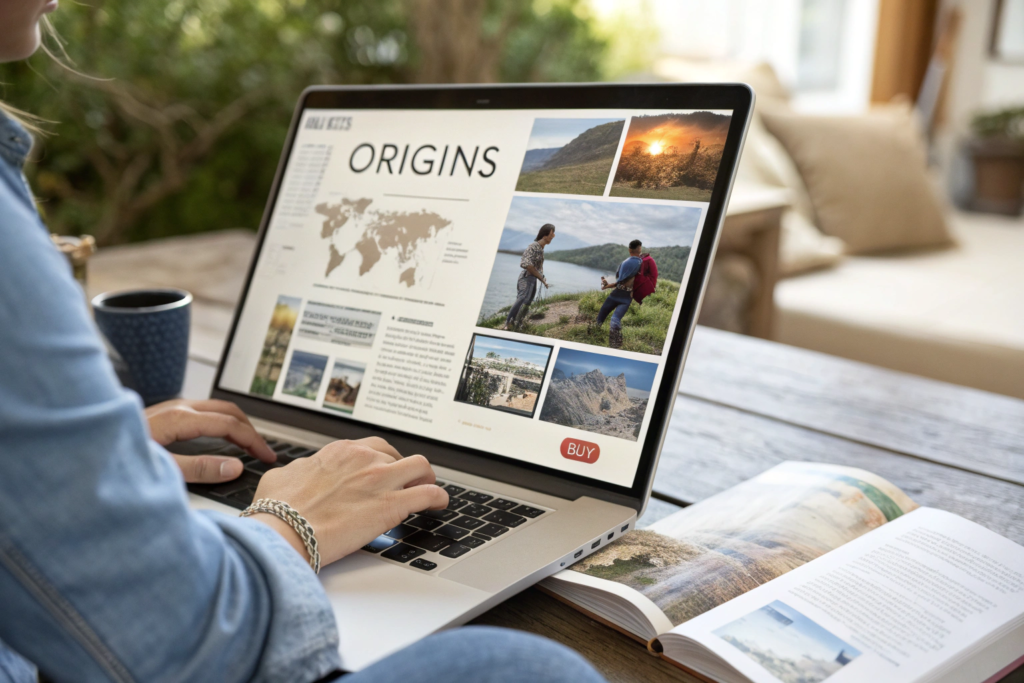
Online, you have more room. So use it well. Create a page for each origin. Include photos, videos, and maps. Tell the story in short sections. Use headings. Use bullet points. Make it easy to scan. Then link to the shop. Make it easy to buy. Do not make people search. Do not make them click ten times. Put the "buy" button right there. Also, use the story in your emails. Use it on social media. Use it in your ads. Repeat the key points. Repetition builds memory. So tell the story often. Tell it in different ways. Then watch the sales grow.
What content works best on a website?
The best website content is visual and simple. Use a hero image of the farm. Use a short video of the farmer. Use a map to show the region. Use a timeline to show the harvest. Use photos of the process. Use quotes from the farmer. Use the cupping notes. Use a clear call to action. So mix images, video, and short text. Do not write long paragraphs. People will not read them. Instead, use short blocks. Use headings. Use white space. Make the page feel calm and clear. A calm page feels trustworthy. A crowded page feels stressful. So design for trust. Design for clarity. Design for sales.
How do you use social media to tell the story?
Social media is perfect for stories. It is visual. It is fast. It is personal. So post photos from the farm. Post short videos. Post updates during harvest. Post the farmer's name and face. Post the process. Post the cup. Use stories and reels. Use live video. Let people ask questions. Answer them. This builds a community. A community buys from you. They also tell others. So do not just post product photos. Post the story. Post the people. Post the place. That is what people share. That is what sells.
How Do You Measure the Impact?
You can measure the impact of your story. Track sales before and after you add the story. Track website traffic. Track QR code scans. Track email open rates. Track social media engagement. Ask customers how they found you. Ask what made them buy. Then use that data. If one story works better than another, use it more. If one channel drives more sales, invest more there. So treat your story like any other marketing asset. Measure it. Improve it. Then measure again. That is how you turn a good story into a sales engine.

What metrics should you track?
Track a few key metrics. First, conversion rate. That is the share of visitors who buy. Second, average order value. That is how much each customer spends. Third, repeat purchase rate. That is how many customers come back. Fourth, engagement. That is likes, shares, and comments. Fifth, scan rate for QR codes. These numbers tell you what works. So check them monthly. Look for trends. Then adjust your story. Maybe one image works better. Maybe one phrase sells more. Small changes can make a big difference. So test and learn. That is how you grow.
How do you turn stories into repeat sales?
Repeat sales come from connection. A customer who feels connected to your farm will come back. So keep telling the story. Send updates. Share harvest news. Share photos. Share the farmer's progress. Make the customer feel like part of the journey. Then offer them the next lot. Give them a reason to buy again. A subscription works well here. So does a limited release. So does a loyalty program. The key is to stay in touch. Stay relevant. Stay human. That is how a story becomes a relationship. And a relationship becomes repeat sales.
Conclusion
Your coffee's origin story is not a nice extra. It is a sales tool. It helps you stand out. It helps you charge more. It helps you build loyalty. So tell it well. Be true. Be specific. Be short. Be visual. Use your packaging. Use your website. Use social media. Then measure the results. Improve the story. Repeat. That is how you turn a story into sales. We help our buyers tell the Yunnan story at BeanofCoffee. We share farm photos, farmer names, and process details. So our buyers have real material to work with. If you want a supplier who gives you a story worth telling, we can help. Please contact Cathy Cai at cathy@beanofcoffee.com to discuss your order with BeanofCoffee. We will share our farm story and our cupping results with you.