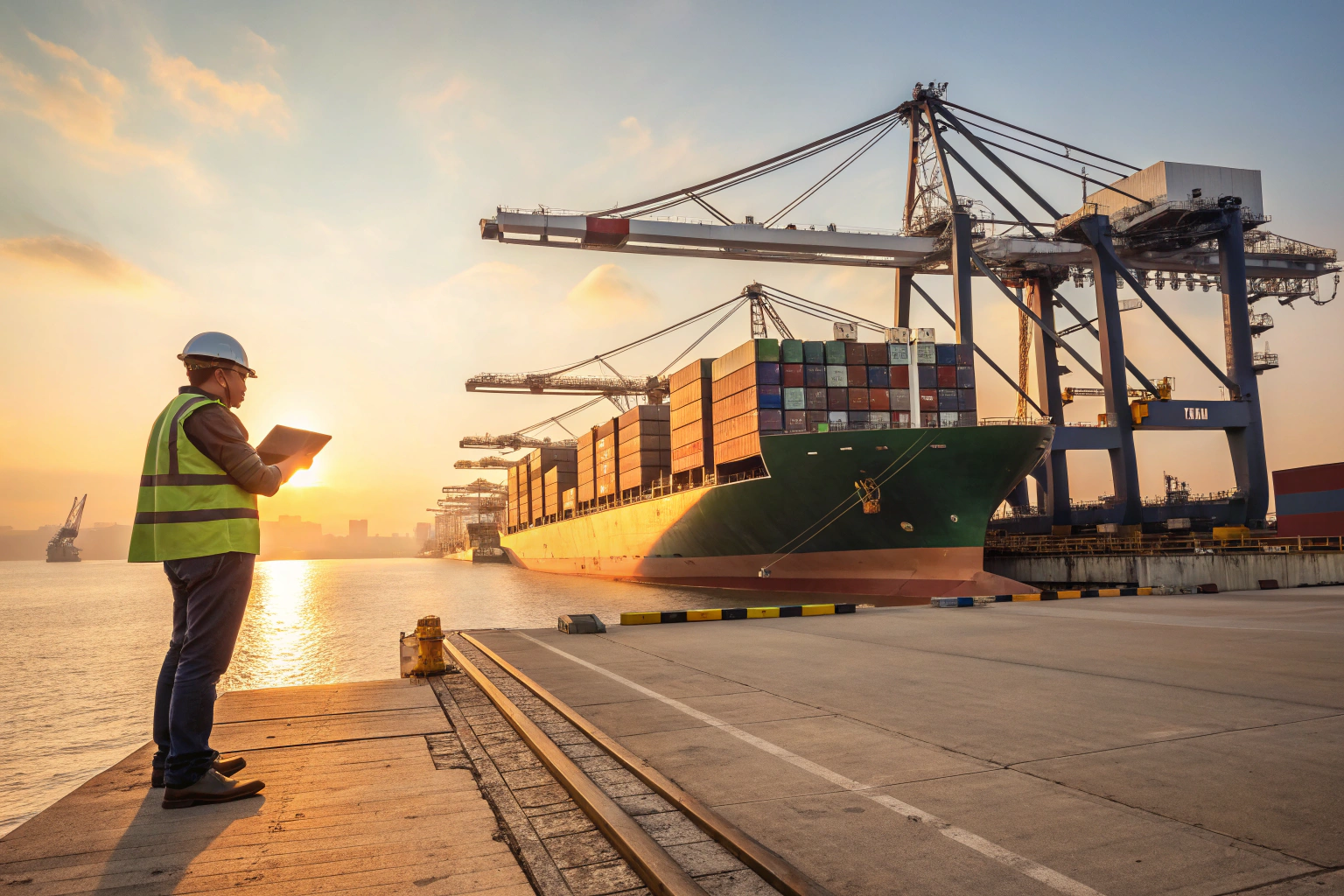
A buyer from Los Angeles once asked me a simple question. He said, "Which port does my coffee leave from?" I gave him a long answer. He stopped me and said, "Just tell me the short version." So here it is. Most Chinese coffee leaves through a handful of ports. Each one has strengths and weaknesses. The choice affects your cost, your transit time, and your risk. Pick the wrong port and your coffee sits for a week. Pick the right one and it moves like clockwork. I have shipped through several of these ports over the years. Some runs went smooth. Some did not. That experience taught me what really matters. At BeanofCoffee, we plan port choice before we even pack the bags. Let me walk you through the main options and how to choose.
So let me break down the real port options and what each one means for your shipment.
Which Ports Handle Chinese Coffee Exports?
Chinese coffee exports mostly move through a few key ports. Shanghai is the biggest and busiest. Shenzhen and Guangzhou serve the south. Ningbo-Zhoushan handles huge volumes near Shanghai. Qingdao serves the north. Tianjin is another northern option. For Yunnan coffee, the route usually starts inland. Containers move by truck or rail to a coastal port. Then they load onto a vessel. So the port is not always the first step. The inland leg matters too. Some exporters use border crossings to Southeast Asia. Then the coffee ships from Vietnam or Thailand. That can save money. But it adds complexity. So the port question is really a route question. Let me explain the main paths.
Why is Shanghai the main gateway?
Shanghai is the main gateway for several reasons. First, it is the largest port in the world by container volume. Second, it has the most shipping routes. You can reach almost any major port from Shanghai. Third, it has strong infrastructure. Roads, rail, and warehouses are all well developed. Fourth, it has many freight forwarders. That means more options and better prices. Fifth, it has frequent sailings. If you miss one ship, another leaves soon. So Shanghai is the safe choice for most coffee exports. It is not always the cheapest. But it is the most reliable. And reliability matters when you have a roast schedule to protect.
What about Shenzhen and Guangzhou?
Shenzhen and Guangzhou serve southern China. They are close to Hong Kong. They have strong links to Southeast Asia. So they work well for buyers in that region. They also serve some U.S. and European routes. But they have fewer direct sailings than Shanghai for some destinations. So transit times can be longer. They can also be more expensive for certain lanes. Still, they are good options if your coffee moves through southern China. Some exporters use them for shipments to Australia and Southeast Asia. So they are worth considering. It depends on your destination and your schedule.
How Do You Choose the Right Port?
Choosing a port takes several factors. First, your destination. Some ports have better routes to the U.S. West Coast. Others are better for Europe. Second, your inland route. The closest port may not be the fastest. Third, your freight rate. Rates change often. So compare quotes. Fourth, your schedule. Some ports have more frequent sailings. Fifth, your risk tolerance. A busy port can face congestion. A smaller port may be slower but steadier. So weigh these factors. Then decide. There is no single best port. There is only the best port for your specific shipment. So think about your whole route, not just the port name.
How does your destination affect the choice?
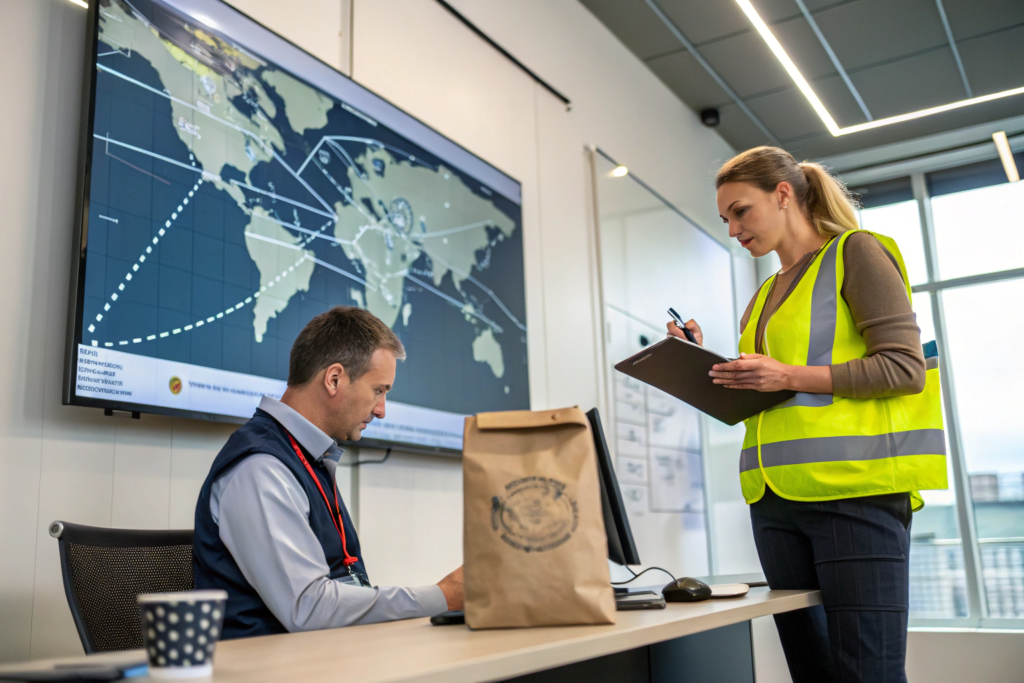
Your destination affects the choice a lot. For the U.S. West Coast, Shanghai and Ningbo offer strong routes. For the U.S. East Coast, you may need a longer route through the Panama Canal or Suez. For Europe, Shanghai and Ningbo work well. For Australia, southern ports like Shenzhen can be competitive. For Southeast Asia, southern ports are often faster. So match the port to the destination. A port that is great for Europe may be weak for Australia. So do not assume one port fits all. Ask your forwarder for route options. Then compare transit times and rates. That comparison guides your choice.
What role do freight rates play?
Freight rates play a big role. Rates change every week. They depend on fuel, demand, and capacity. A port with more sailings often has lower rates. A port with fewer sailings may charge more. So compare rates before you book. But do not choose on rate alone. A cheap rate with a slow route can cost more in the end. Storage, demurrage, and lost sales add up. So look at the total cost. Not just the freight line. A slightly higher rate with a faster, more reliable route is often the better deal. So think in totals. Not in single numbers.
What Are the Inland and Border Options?
Inland and border options matter for Yunnan coffee. Yunnan sits in southwest China. It borders Vietnam, Laos, and Myanmar. So some exporters truck coffee to those countries. Then it ships from ports like Ho Chi Minh City or Laem Chabang. This can save money on some routes. It can also be faster for Southeast Asian buyers. But it adds complexity. You deal with more borders. You deal with more paperwork. You deal with more risk. So it is not always better. It depends on your destination and your volume. For large shipments to the U.S. or Europe, coastal Chinese ports are usually better. For regional shipments, border routes can work well. So consider both. Then choose what fits.
How does trucking from Yunnan work?
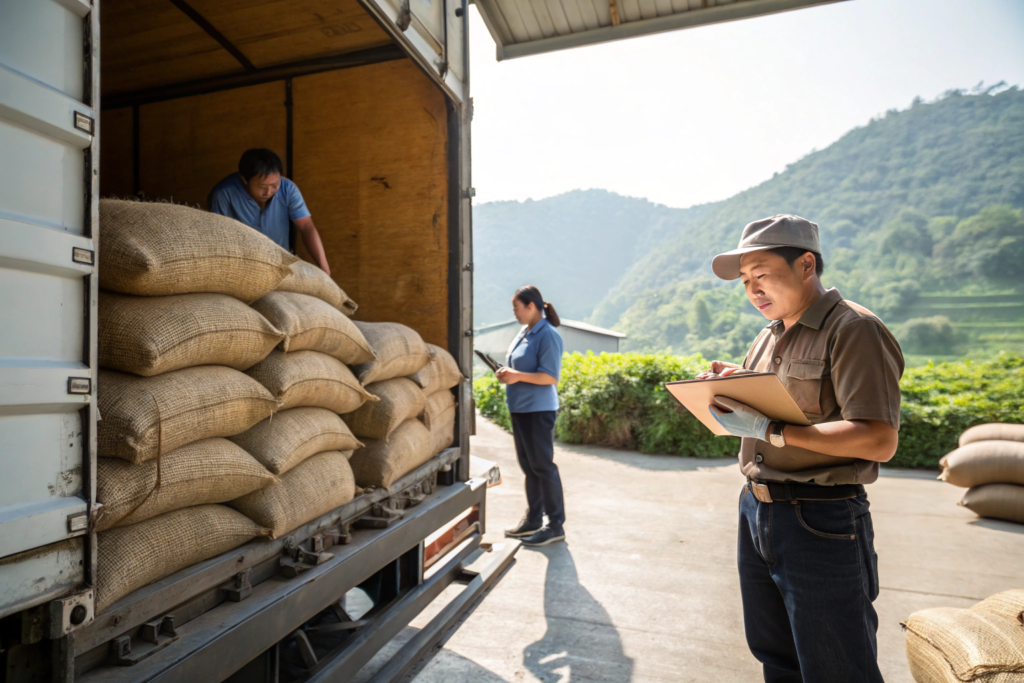
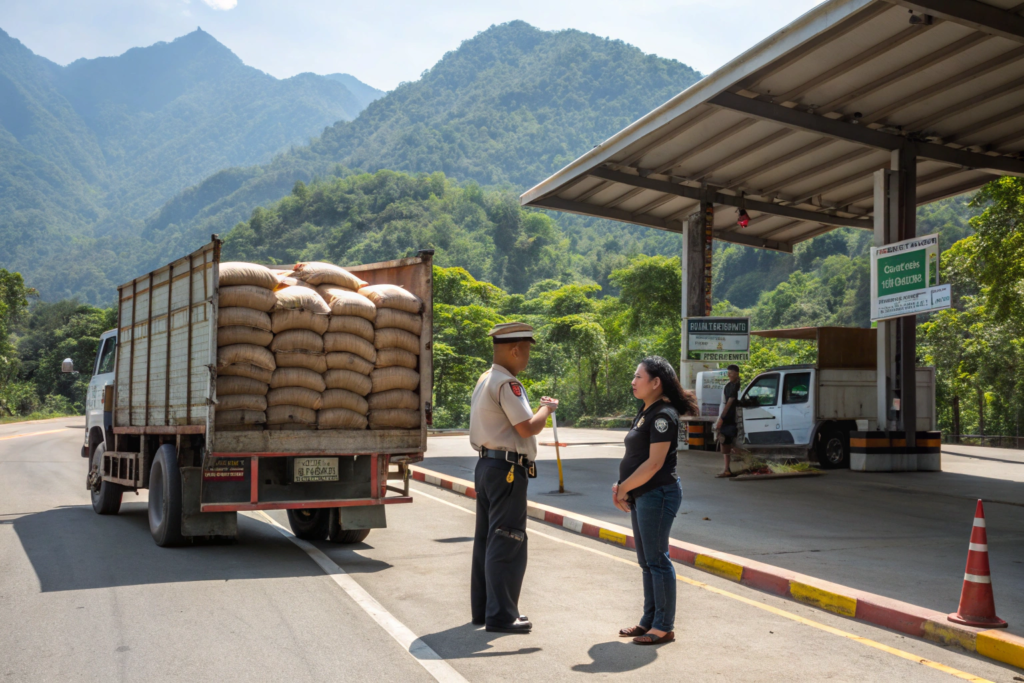
Trucking from Yunnan works in stages. First, coffee moves from the farm to a local warehouse. Second, it loads onto trucks for the long haul. Third, it travels to a coastal port or a border crossing. The trip can take several days. It depends on distance and road conditions. Good roads make it faster. Bad weather slows it down. So plan for extra time. Also, use reliable trucking partners. A breakdown can delay your whole shipment. So check their track record. Ask about insurance. Ask about tracking. Then book with confidence. A good trucking partner is worth the cost.
When should you use border crossings?
Use border crossings when the math works. If your buyer is in Southeast Asia, a border route may be faster and cheaper. If your volume is small, it may be more flexible. If your destination is far, coastal ports are usually better. So look at the full picture. Compare cost, time, and risk. Then decide. Border routes are not for everyone. But they are a real option. So do not ignore them. Just understand the trade-offs. Then choose the path that protects your margin and your schedule.
What Are the Risks at Each Port?
Each port has risks. Big ports face congestion. That can delay loading and unloading. Small ports face fewer sailings. That can delay your shipment too. Some ports have labor issues. Others have weather issues. Some have customs backlogs. So no port is risk-free. The key is to know the risks. Then plan around them. Check port news before you book. Ask your forwarder about current conditions. Build buffer time into your schedule. Then you are ready for problems. A prepared buyer handles delays well. An unprepared buyer panics. So prepare. It saves money and stress.

How do you manage congestion and delays?
Manage congestion with early planning. Book space early. Avoid peak seasons if you can. Use ports with more sailings. That gives you backup options. Also, track your container. Know where it is. If a delay happens, tell your buyer right away. Honest updates protect trust. Then adjust your schedule. Maybe you ship part of the order by air. Maybe you wait. Either way, communicate. Silence makes buyers nervous. Information keeps them calm. So stay in touch. It is part of the job.
What documents do you need at each port?
Documents are similar at most ports. You need a commercial invoice. You need a packing list. You need a bill of lading. You need a certificate of origin. You need a phytosanitary certificate. For the U.S., you may need FDA documents. For Europe, you may need other certificates. So check the rules for your destination. Then prepare the documents early. Mistakes cause delays. Delays cost money. So double-check everything. Then send copies to your broker. That way, clearance goes smoothly. Good paperwork is boring. But it saves real problems.
Conclusion
Port choice is a real decision. It affects cost, speed, and risk. Shanghai is the main gateway. Shenzhen, Guangzhou, Ningbo, Qingdao, and Tianjin are also options. Border routes through Southeast Asia can work for some shipments. The right choice depends on your destination, your volume, and your schedule. So compare routes. Compare rates. Then plan for delays. That is how you protect your coffee and your margin. We plan port routes for every shipment at BeanofCoffee. We compare options and share the details with our buyers. If you want a supplier who thinks about logistics, we can help. Please contact Cathy Cai at cathy@beanofcoffee.com to discuss your order with BeanofCoffee. We will share our route options and shipping schedules with you.