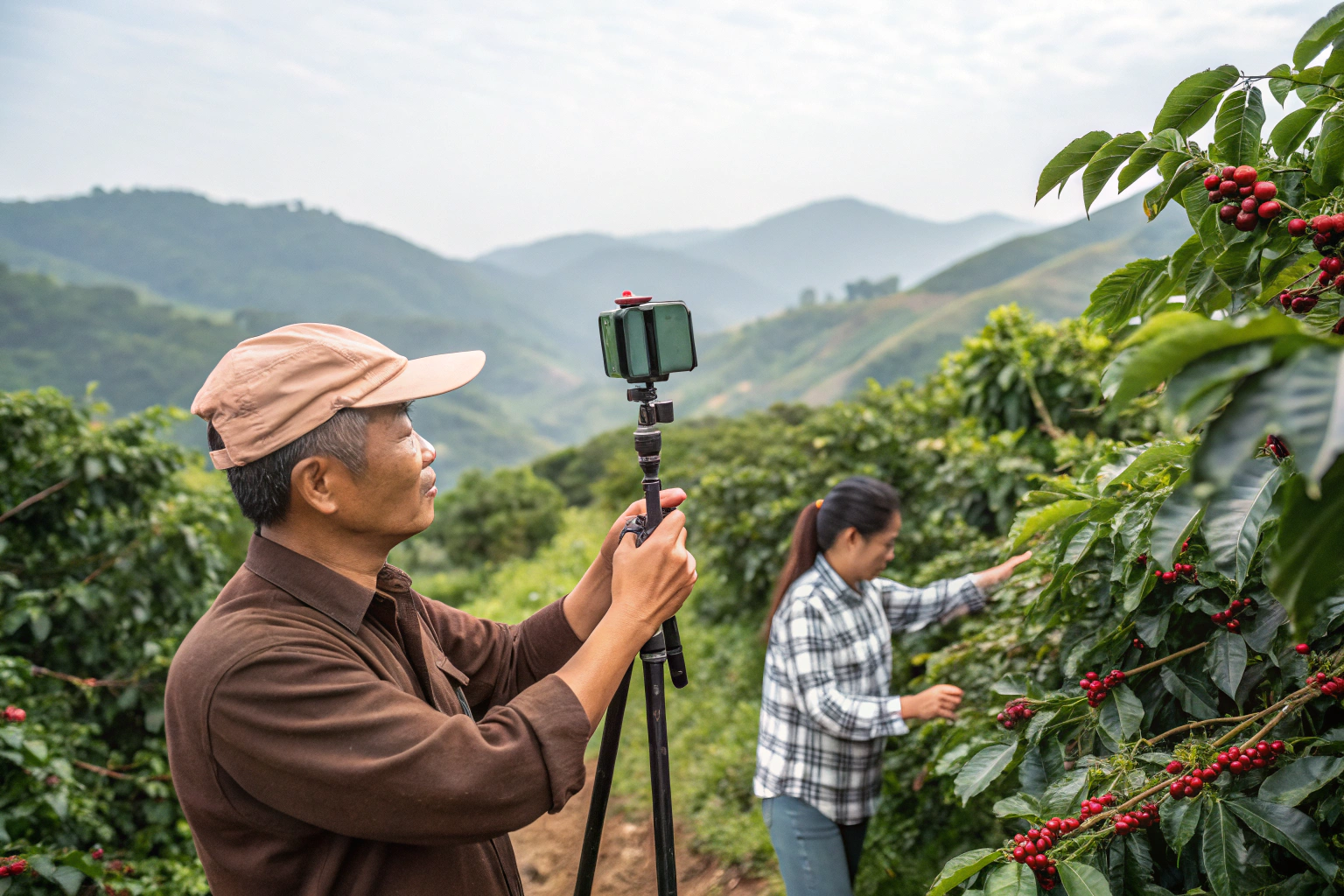
In 2021, a buyer from Germany asked me a hard question. He said, "I want to buy your coffee, but I cannot fly to China. How do I know your farm is real?" I understood his concern. Trust is hard to build from 8,000 kilometers away. So I did something simple. I grabbed my phone, walked into our fields in Baoshan City, and started a live video call. I showed him the trees. I showed him the cherries. I showed him our workers. I showed him the processing station. He asked questions. I answered them live. Twenty minutes later, he placed his first order. That call changed how we work with overseas buyers. Live video is now a core part of our export process. It is not a gimmick. It is a real audit tool. And it costs almost nothing. Let me explain how to use it well.
So let me walk you through how a remote video audit works, what to look for, and how to avoid being fooled.
Why Would You Audit a Farm Remotely?
Remote audits solve a real problem. Travel is expensive. Flights cost money. Hotels cost money. Time away from your business costs money. For many small and mid-size importers, a farm visit is simply not possible. But you still need to verify your supplier. So live video fills that gap. It lets you see the farm without leaving your office. It lets you ask questions in real time. It lets you meet the people who grow your coffee. That personal connection matters. It also builds trust on both sides. The farmer feels respected. The buyer feels secure. So remote audits are not a replacement for visits. They are a practical first step. And for many buyers, they are enough.
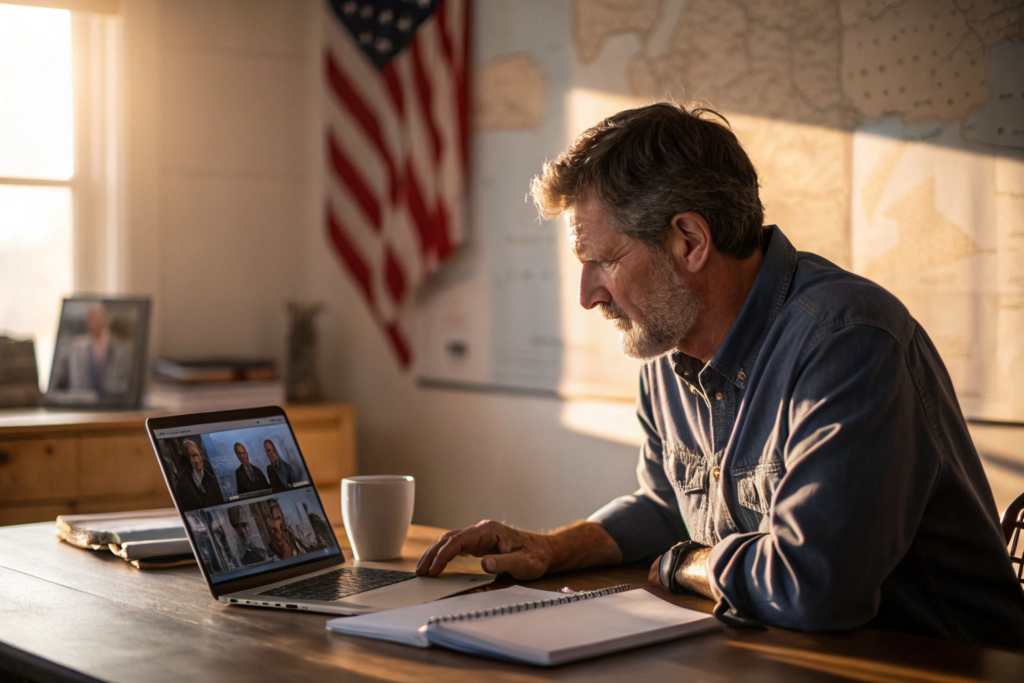
What can you verify without traveling?
You can verify a lot without traveling. You can see the farm size. You can see the coffee trees. You can see the cherries. You can see the workers. You can see the processing station. You can see the drying beds. You can see the storage area. You can see the bags and labels. You can also check documents on camera. Ask to see the phytosanitary certificate or the food safety records. Ask to see the moisture meter reading. Ask to see the cupping setup. All of these things build a picture. A real farm has nothing to hide. A fake supplier will struggle to show these details live. So video is a strong filter.
What are the limits of a remote audit?
Remote audits have limits. You cannot smell the farm. You cannot feel the soil. You cannot taste the coffee through a screen. You also cannot control where the camera points. A dishonest supplier could show you one good plot and hide the rest. So remote audits are not perfect. They are a first layer of checks. You should still ask for samples. You should still review documents. You should still use third-party labs if you need more proof. So treat video as one tool, not the only tool. Use it with other checks. That combination gives you a strong picture. No single method is enough on its own.
What Equipment Do You Need?
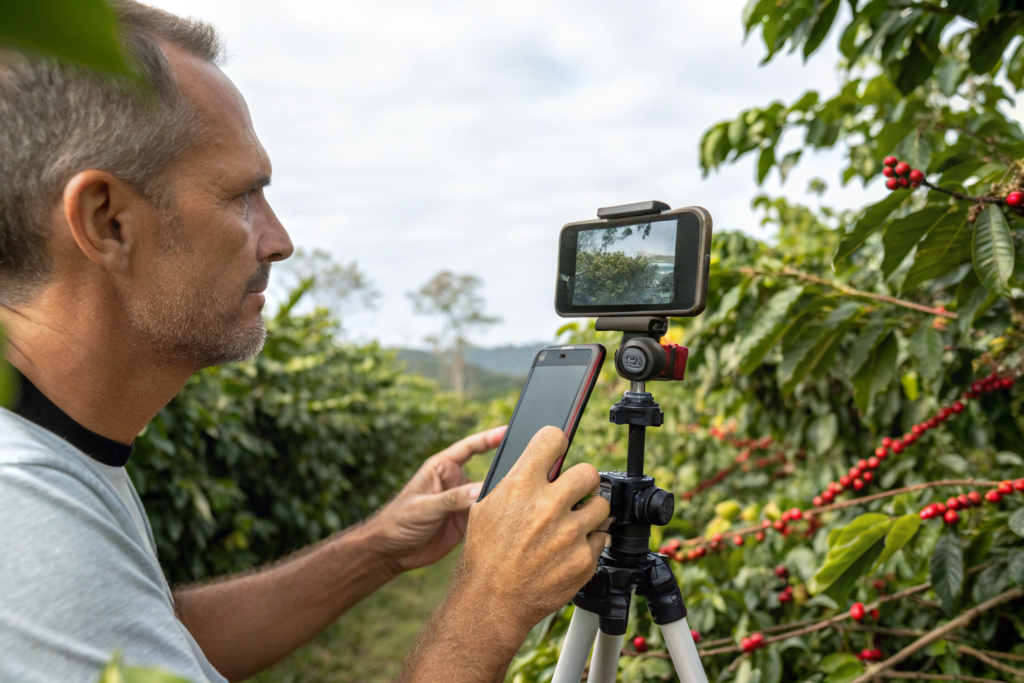
The equipment is simple. You need a smartphone with a good camera. You need a stable internet connection. You need a tripod or a steady hand. You need a video app like Zoom, WhatsApp, or WeChat. You may also want a small microphone for clear sound. That is it. No fancy gear. No drone. No film crew. A phone and a signal are enough. I have done audits with just a phone and 4G. The picture was clear. The sound was fine. The buyer was happy. So do not overthink the technology. Focus on the content. Show the real farm. Answer the real questions. That is what matters.
What internet and video tools work best?
Good internet matters more than a good camera. A blurry picture ruins the audit. So test your connection first. If the farm has weak signal, move to a higher spot. Or use a mobile hotspot. For tools, pick one that both sides know. Zoom works well for scheduled calls. WhatsApp is easy for quick calls. WeChat is common in China. Some buyers prefer Google Meet. The tool matters less than the connection. So test before the call. Do a short trial run. Check the sound. Check the lighting. Then start the real audit. A little preparation saves a lot of frustration.
How do you handle language barriers?
Language barriers are real. Not every farmer speaks English. So you need a plan. First, work with an exporter who can translate. We do this for our buyers. We join the call and translate both ways. Second, use simple words. Avoid jargon. Speak slowly. Third, use visuals. Point at things. Hold up samples. Show documents on camera. Fourth, use a translation app as a backup. Fifth, send a written summary after the call. This confirms what was discussed. So do not let language stop you. With the right support, it is not a big problem.
How Do You Run a Live Video Audit?
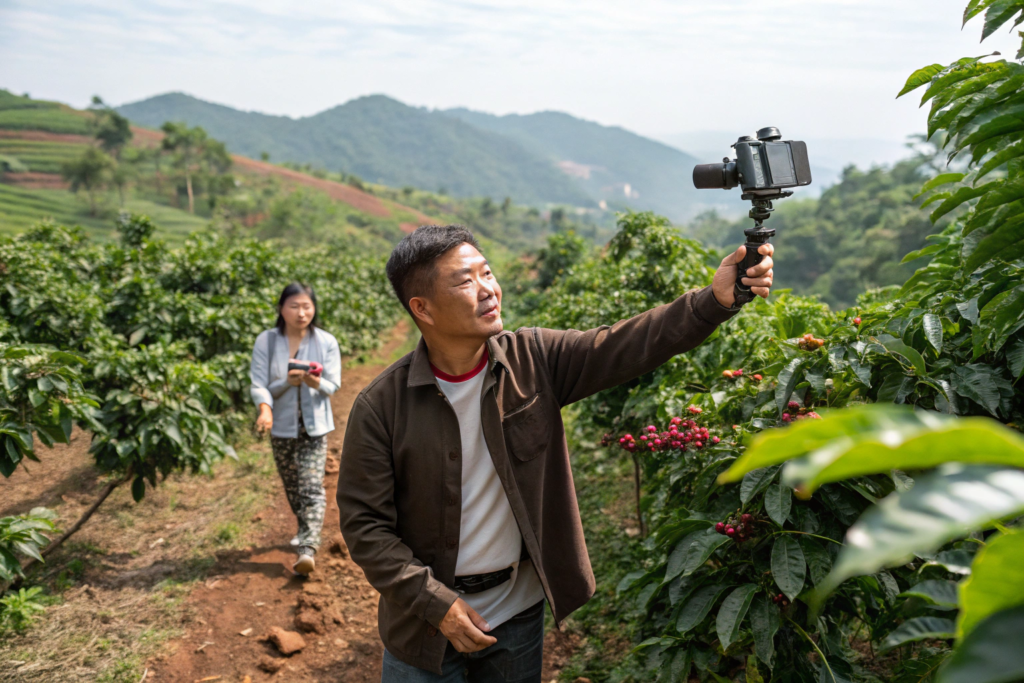
Running a good audit takes structure. Do not just wander around. Make a plan. Start with an introduction. Meet the people. Then walk the farm. Show the trees. Show the cherries. Show the workers. Then show the processing area. Show the drying beds. Show the storage. Then show the documents. Then answer questions. End with a summary. This flow keeps the call organized. It also covers the key points. A good audit takes 30 to 60 minutes. Longer is fine if there are many questions. Shorter is fine for a simple check. So build a simple script. Then follow it. That way, nothing important gets missed.
What should you ask to see on camera?
Ask to see specific things. Ask for a wide shot of the farm. Ask for a close-up of the cherries. Ask for a view of the shade trees. Ask for the processing station. Ask for the drying beds. Ask for the storage room. Ask for the bags and labels. Ask for the moisture meter. Ask for the cupping table. Ask for the documents. Each request tests the supplier. A real farm can show all of these. A fake one will struggle. So make a list before the call. Then check off each item. This turns a casual chat into a real audit. It also gives you records to review later.
How do you record and document the audit?
Recording the audit is smart. Ask permission first. Then record the call. Save the file. Take screenshots of key moments. Write notes during the call. After the call, write a short summary. Include the date, the people, and the main points. Save this with your supplier file. If a problem comes up later, you have proof. You also have a record of what was promised. This protects both sides. So do not rely on memory. Memory fades. Records last. A simple folder with videos and notes is enough. It takes a few minutes. It saves hours of confusion later.
What Are the Risks and How Do You Reduce Them?
Remote audits carry risks. The biggest risk is a staged view. A supplier could show you a clean area and hide a messy one. Another risk is a borrowed farm. Someone could film a neighbor's field and claim it as their own. A third risk is technical. A bad connection can hide details. So reduce these risks with simple steps. Ask for a live tour, not a recorded video. Ask to see the farm from different angles. Ask to see the boundary markers. Ask to meet workers by name. Ask for GPS coordinates. Cross-check the farm on a map app. These steps make faking much harder. So use them. They cost nothing.
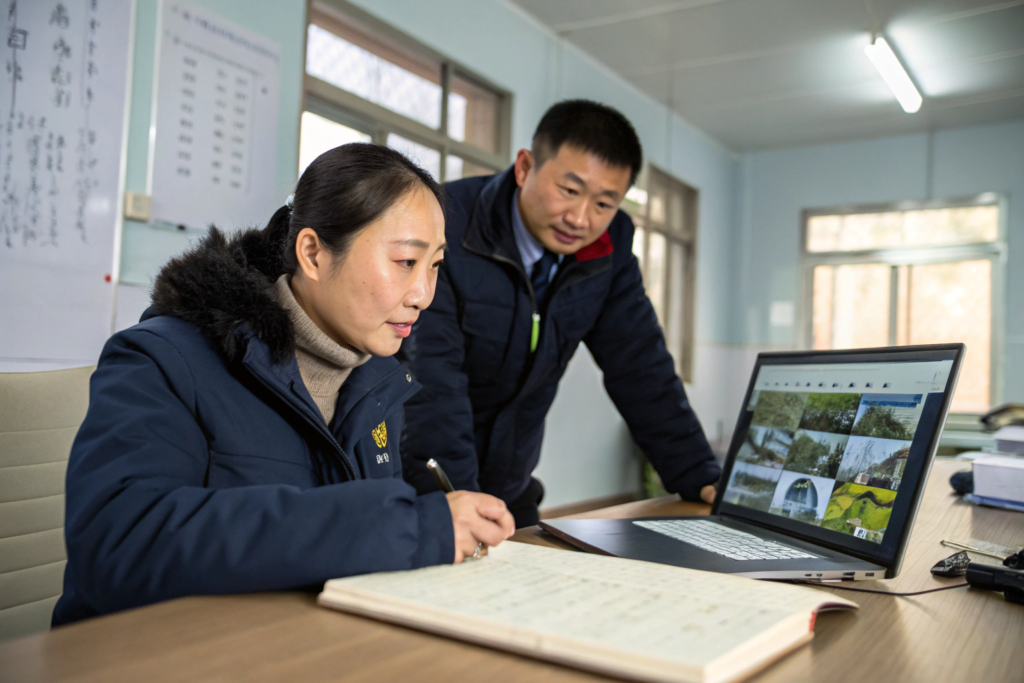
How do you spot a staged or fake farm?
Spotting a fake takes attention. Look for small details. Does the farm size match the story? Do the workers know the manager? Do the trees look healthy and consistent? Is the processing station active? Are there signs of daily work? A staged farm often looks too clean. Or too empty. Ask unexpected questions. Ask about weather last week. Ask about the last harvest date. Ask about pest problems. A real farmer answers easily. A faker hesitates. Also, ask to see the same area twice on different calls. If it looks different, ask why. These small tests reveal a lot. So stay sharp. Do not just watch. Think.
How do you combine video with other checks?
Combine video with documents and samples. Video shows the place. Documents show the records. Samples show the taste. Together, they give a full picture. So after the video call, ask for samples. Ask for certificates. Ask for lab reports. Compare the sample to the video. Does the coffee match what you saw? If yes, trust grows. If no, ask questions. You can also hire a third-party inspector for a deeper check. That costs more. But it adds certainty. So layer your checks. Video is the first layer. It is fast and cheap. The other layers add depth. Use them together.
Conclusion
A remote farm audit is not complicated. You need a phone, a signal, and a plan. You need good questions and a sharp eye. You need to record what you see. Do these things, and you can verify a supplier without buying a plane ticket. It is not perfect. But it is far better than trusting a brochure. We use live video with our buyers every season. It builds trust fast. And it solves problems early. If you want to see our farm in Yunnan without traveling, we can set up a call. Please contact Cathy Cai at cathy@beanofcoffee.com to schedule a live video tour with BeanofCoffee. We will show you our trees, our processing, and our team.