
I have shipped hundreds of containers from Yunnan. I have seen almost every mistake you can imagine. A misspelled company name. A wrong HS code. A missing certificate that sat in a drawer while the container sat at the port. Every one of those mistakes cost someone money. Usually it cost me. Sometimes it cost the buyer. And honestly, most of them were avoidable. That is the frustrating part. Documentation errors are not acts of God. They are small oversights that turn into large bills.
So, what are the most common documentation errors in coffee export? The most common errors are mismatched names and addresses across documents, wrong HS codes, missing or late FDA prior notice, incorrect weights on the packing list, missing phytosanitary certificates, and errors in the certificate of origin. These mistakes cause customs holds, demurrage fees, delayed releases, and sometimes rejected shipments. The good news is that every one of them can be prevented with a simple checklist and a second pair of eyes.
You might think this is boring. It is not. Documentation is where trust gets tested. A supplier who gets the documents right is a supplier who cares about your business. A supplier who gets them wrong is a supplier who will cost you money. Let me walk you through the most common errors, what they cost, and how to avoid them. This is practical information. It comes from real shipments. And it will save you money.
Which Documents Matter Most in Coffee Export?
Every coffee shipment needs a set of core documents. If one is missing or wrong, the whole shipment can stall. The core documents are the commercial invoice, the packing list, the bill of lading, the certificate of origin, the phytosanitary certificate, and the FDA prior notice for US-bound shipments. Some destinations also require a quality certificate, a weight certificate, or a fumigation certificate. The requirements vary by country. But the core set is almost always the same. Knowing what each document does helps you spot errors before they become problems.
The commercial invoice tells customs what you bought and what it cost. The packing list tells customs how the goods are packed and how much they weigh. The bill of lading is the contract between the shipper and the carrier. The certificate of origin proves where the coffee was grown. The phytosanitary certificate proves the coffee is free from pests and diseases. The FDA prior notice tells US authorities that food is arriving. Each document must match the others. If the invoice says 40,000 pounds and the packing list says 39,500 pounds, that is a red flag. Customs will hold the shipment. You will pay storage fees while someone fixes the error.
Here is a quick reference table for the core documents.
| Document | Purpose | Common Error |
|---|---|---|
| Commercial invoice | Declares value and sale terms | Wrong value, missing Incoterms |
| Packing list | Declares weight and packaging | Weight mismatch with B/L |
| Bill of lading | Contract with carrier | Wrong consignee name |
| Certificate of origin | Proves origin | Wrong origin code |
| Phytosanitary certificate | Proves pest-free status | Expired or missing |
| FDA prior notice | Notifies US authorities | Filed late or not at all |
The US Customs and Border Protection website explains the basic import process. The FDA prior notice page explains what food importers must file. Read both. Then build your own checklist. Do not rely on your supplier to remember everything. You are the importer. You are responsible.

What Goes on a Commercial Invoice for Coffee?
A commercial invoice for coffee must include the seller's name and address, the buyer's name and address, the invoice date, the invoice number, a description of the goods, the quantity, the unit price, the total value, the currency, the Incoterms, and the country of origin. It must also include the HS code. For green coffee, the HS code is usually 0901.11. For roasted coffee, it is 0901.21. For decaffeinated coffee, it is 0901.12 or 0901.22. Getting the HS code wrong can change your duty rate. It can also trigger a customs audit. The US International Trade Commission maintains the Harmonized Tariff Schedule. Use it. Do not guess. I have seen buyers pay 15% duty on coffee that should have been duty-free because the supplier used the wrong code. That is an expensive mistake.
Why Does the Certificate of Origin Matter?
The certificate of origin proves where the coffee was grown. It matters for two reasons. First, it determines whether your coffee qualifies for preferential duty rates under a trade agreement. Second, it helps customs authorities verify that the coffee is not from a restricted region. For Yunnan coffee, the certificate of origin is issued by the China Council for the Promotion of International Trade or a similar authority. The document must show the origin as China. It must match the invoice and the bill of lading. If the origin is wrong or missing, customs may reject the shipment. The World Customs Organization publishes guidance on origin rules. The International Trade Administration also has resources on rules of origin. Check them before you ship.
What Are the Most Common Documentation Errors?
I have compiled a list of the most common errors from my own experience and from talking to customs brokers. The list is not long. But each item on it has caused real problems. Some errors are small. A typo here. A missing digit there. Some are larger. A missing certificate. A wrong code. The small ones are annoying. The large ones are expensive. Both are preventable. Most of them come down to one thing: lack of attention to detail.
The most common documentation errors in coffee export are name and address mismatches, weight discrepancies, wrong HS codes, missing or late FDA prior notice, missing phytosanitary certificates, incorrect Incoterms, and expired certificates. I have seen all of these. I have fixed most of them. The ones I could not fix cost me money. One shipment to Los Angeles was held for eight days because the consignee name on the bill of lading did not match the name on the commercial invoice. The buyer had recently changed their company name. They did not tell us. We did not ask. The container sat at the port. Demurrage was $2,400. That was a costly lesson.
Here is a table of the most common errors and their typical consequences.
| Error | Typical Consequence | Typical Cost |
|---|---|---|
| Name mismatch | Customs hold | $500-$2,500 |
| Weight discrepancy | Customs inspection | $300-$1,500 |
| Wrong HS code | Duty overpayment, audit | 5-20% of value |
| Late FDA prior notice | Shipment refused | Full value plus freight |
| Missing phytosanitary cert | Shipment held or returned | $1,000-$5,000 |
| Wrong Incoterms | Payment dispute | Varies |
| Expired certificate | Shipment rejected | Full value plus freight |
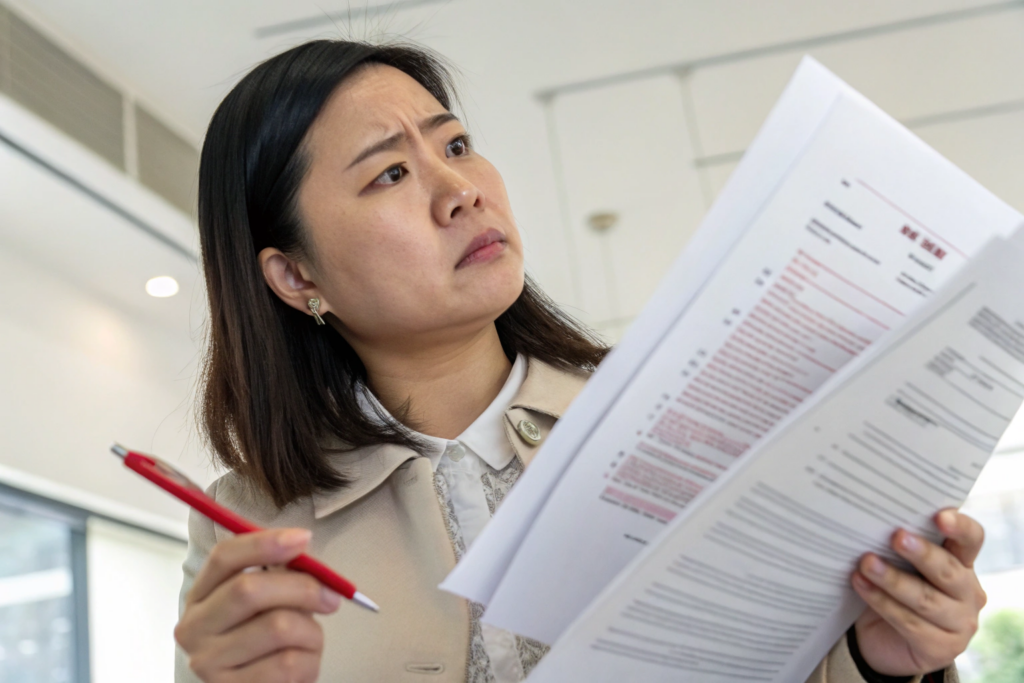
How Do Name and Address Mismatches Happen?
Name and address mismatches happen for three reasons. First, the buyer changes their company name but does not update their supplier. Second, the supplier uses a different spelling or abbreviation on different documents. Third, the freight forwarder enters the name manually and makes a typo. All three are common. All three are avoidable. The solution is simple. The buyer should send a one-page document with their exact legal name, address, and tax ID. The supplier should use that document for every shipment. The forwarder should copy and paste the name, not retype it. I do this for every buyer. I keep a file with their exact details. I update it every time they tell me something changed. The US Census Bureau has a guide to filing import documentation. The Federal Trade Commission also has resources on business records. Use these to build your own system.
What Happens When Weights Do Not Match?
When weights do not match, customs notices. The packing list might say 40,000 pounds. The bill of lading might say 40,200 pounds. That 200-pound difference triggers a question. Sometimes it is a simple rounding error. Sometimes it is a real discrepancy. Customs does not know. So they hold the shipment until someone explains. That hold costs money. The coffee sits in a container. The container sits at the port. The port charges demurrage. I have seen a 0.5% weight difference cause a three-day hold. The demurrage was $900. The fix took five minutes. The cost took three days. The lesson is simple. Weigh the coffee before you load it. Use the same scale for the packing list and the bill of lading. Do not estimate. Do not round. The National Institute of Standards and Technology publishes standards for weighing and measuring. The Food and Agriculture Organization also has resources on agricultural trade. Follow the standards.
How Do Documentation Errors Delay Your Shipments?
Documentation errors cause delays. Delays cost money. That is the simple equation. A one-day delay might cost you $300 in demurrage. A one-week delay might cost you $2,000. A one-month delay might cost you a customer. The worst part is that delays are unpredictable. You cannot plan for them. You cannot budget for them. You can only prevent them. And prevention starts with getting the documents right the first time.
Documentation errors delay shipments because customs authorities cannot release goods until the paperwork is correct. If the paperwork is wrong, the goods sit. The clock ticks. The fees add up. The buyer gets frustrated. The supplier gets frustrated. Everyone loses. I have seen a shipment held for three weeks because a phytosanitary certificate was missing. The coffee was fine. The documents were not. The buyer had to reschedule a roast. The roaster had to reschedule a production run. The customers had to wait. That is a chain reaction. It starts with one missing piece of paper. It ends with lost sales. The World Trade Organization publishes research on trade facilitation. The Organisation for Economic Co-operation and Development also has data on the cost of border delays. The numbers are clear. Delays are expensive.
Here is a table showing how delay length affects cost for a typical 20-foot container.
| Delay Length | Typical Cost | Main Fee Type |
|---|---|---|
| 1-2 days | $200-$500 | Demurrage |
| 3-5 days | $500-$1,500 | Demurrage, storage |
| 1-2 weeks | $1,500-$4,000 | Demurrage, storage, rescheduling |
| 3-4 weeks | $4,000-$10,000 | All of the above plus lost sales |
| 1 month or more | $10,000+ | Contract penalties, lost customers |
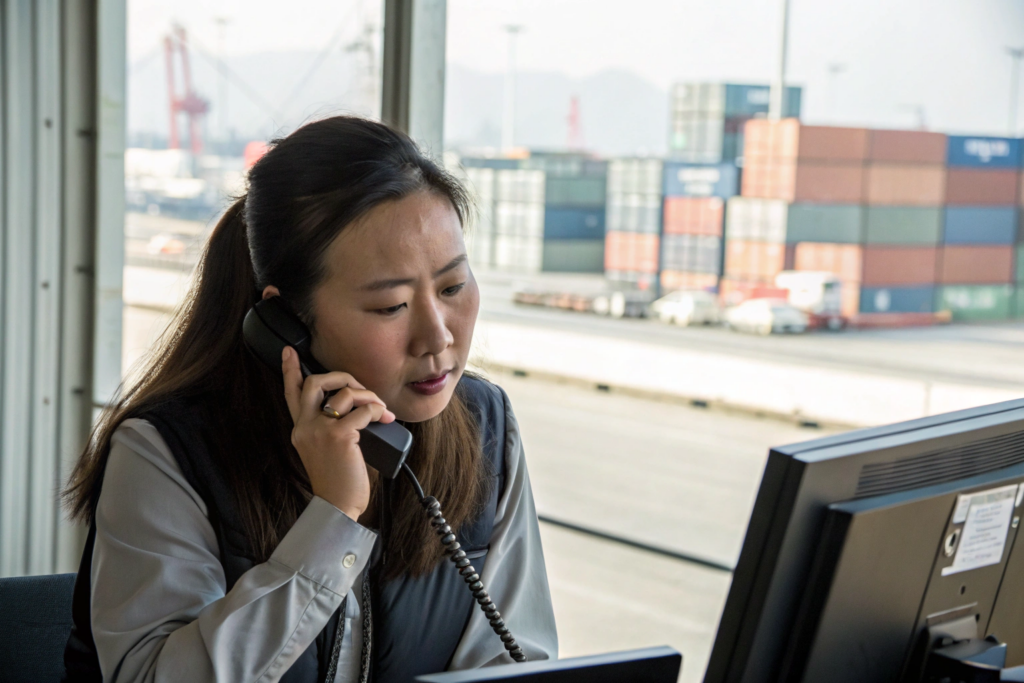
What Is Demurrage and How Do You Avoid It?
Demurrage is a fee charged by the shipping line when a container sits at the port longer than the allowed free time. The free time is usually three to five days. After that, the fees start. They are charged per container per day. The rates vary by port and by carrier. In Los Angeles, demurrage can be $200 to $400 per day. In New York, it can be higher. The way to avoid demurrage is simple. Clear customs before the container arrives. That means filing your documents early. It means having your customs broker ready. It means paying your duties on time. If you do all three, your container will be released quickly. If you do not, you will pay. The Federal Maritime Commission regulates demurrage and detention. The US Customs and Border Protection website explains the clearance process. Read it. Know the rules. Then follow them.
How Do You Fix a Documentation Error Quickly?
Fixing a documentation error quickly requires three things. First, you need to know what is wrong. Second, you need to know who can fix it. Third, you need to act fast. The first step is the hardest. Customs does not always tell you exactly what is wrong. They send a notice. The notice is vague. You have to call your broker. Your broker calls customs. Customs explains. Then you fix it. That takes time. The best way to shorten the process is to have a good customs broker. A good broker knows the local customs officials. They know what questions to ask. They know how to escalate. I use the same broker for every US shipment. He knows my business. He knows my buyers. He fixes problems before they become crises. The Customs Brokers and Forwarders Association of America can help you find a broker. The International Trade Administration also has resources on customs brokerage.
How Can You Avoid Documentation Errors?
You can avoid documentation errors. It is not complicated. It just takes discipline. You need a system. You need a checklist. You need a second person to review everything before it goes out. I have used the same system for ten years. It has saved me from hundreds of mistakes. It has saved my buyers from thousands of dollars in fees. The system is simple. Anyone can copy it. You do not need special software. You need a process.
The way to avoid documentation errors is to create a master checklist, use a single source of truth for buyer details, review every document before submission, and file documents early. Do not leave anything to memory. Do not assume the forwarder will catch it. Do not assume the buyer will tell you about a name change. Verify everything. Then verify it again. I know that sounds tedious. It is. But it is cheaper than demurrage. The Specialty Coffee Association publishes resources on coffee trade. The National Coffee Association also has guides for importers. Use them. Then build your own system.
Here is the checklist I use for every shipment.
| Step | Action | Who Does It |
|---|---|---|
| 1 | Confirm buyer legal name and address | Sales team |
| 2 | Confirm HS code and duty rate | Documentation team |
| 3 | Prepare draft documents | Documentation team |
| 4 | Review drafts for consistency | Manager |
| 5 | Send drafts to buyer for approval | Sales team |
| 6 | File FDA prior notice | Documentation team |
| 7 | Submit documents to forwarder | Documentation team |
| 8 | Confirm customs release before arrival | Customs broker |

What Should Be on Your Documentation Checklist?
Your documentation checklist should include every document required for your destination. It should include the commercial invoice, the packing list, the bill of lading, the certificate of origin, the phytosanitary certificate, and the FDA prior notice. It should also include any destination-specific documents. For example, some countries require a fumigation certificate. Some require a quality certificate. Some require a weight certificate. Check the requirements for your destination. Then add them to the checklist. The USDA Foreign Agricultural Service publishes country-specific import requirements. The Food and Agriculture Organization also has resources on agricultural trade. Use these resources. They are free. They are official. They will save you money.
How Do You Train Your Team to Avoid Errors?
Training your team is the most important step. A checklist is useless if no one follows it. You need to train your documentation staff on every document. You need to show them what a good document looks like. You need to show them what a bad document looks like. You need to explain why each field matters. Then you need to test them. I do this with my team. Every new hire spends two weeks in documentation. They review old shipments. They find the errors. They fix them. Then they do it for real. The Society for Human Resource Management has resources on training and development. The American Society for Quality also has resources on quality management. Use them to build a training program. It is worth the investment.
Conclusion
Documentation errors are the silent killer of coffee shipments. They do not announce themselves. They hide in a misspelled name. They hide in a wrong digit. They hide in a missing certificate. Then they cause a hold. A delay. A fee. The best defense is a system. A checklist. A second pair of eyes. And a supplier who takes documentation as seriously as you do.
If you want a coffee export partner who gets the documents right, contact our export manager Cathy Cai at cathy@beanofcoffee.com. We own over 10,000 acres of coffee plantations in Baoshan City, Yunnan Province. We export raw beans and packaged products to North America, Europe, and Australia. We review every document before it goes out. We use a master checklist. We file early. You can learn more at BeanofCoffee. Let us handle the paperwork so you can focus on selling coffee.