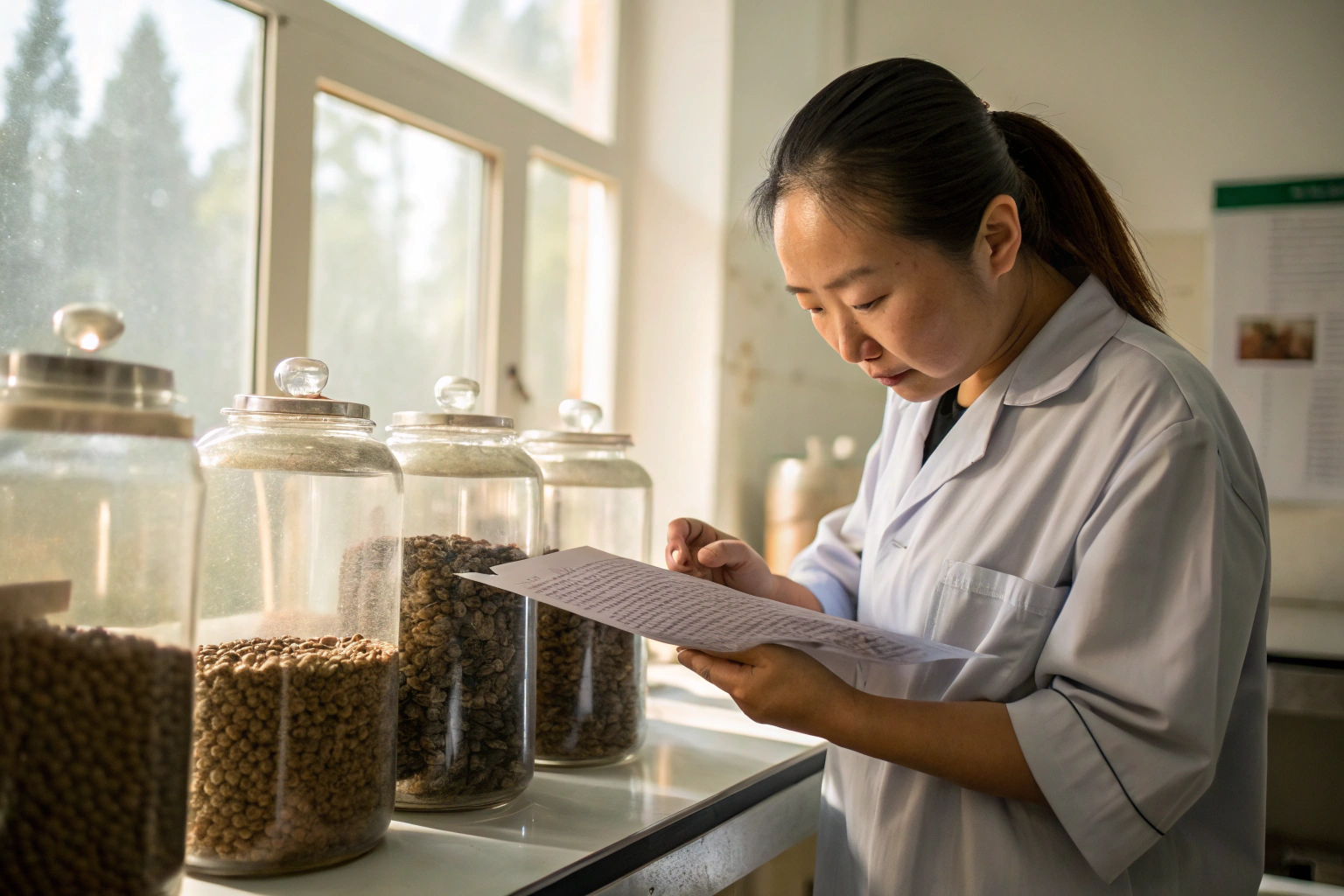
I get samples from roasters all the time. They want to know if Yunnan coffee is worth trying. Five years ago, I would have said "yes, but manage your expectations." Today, I say "yes, and you might be surprised." The difference is not the beans. The difference is how we process them. A roaster in Portland told me last month that he stopped buying from a well-known Central American origin because our anaerobic natural lot cupped better. He was not being polite. He placed a larger order. That story is becoming common. And it is all because of new processing methods.
So, why are roastmasters praising Yunnan's new processing methods? Because these methods are producing cup profiles that rival established origins — at a price point that still makes sense. Anaerobic fermentation, honey processing, and experimental yeast inoculation are transforming what Yunnan coffee can taste like. The results are measurable. At the 2025 First Gems of Yunnan Green Coffee Competition, 19 out of 144 entries scored above 87 points, a threshold that puts them in the world-class range. The top-scoring beans fetched a record 13,000 yuan per kilogram at auction. Roasters notice that. Their customers notice too.
You might be wondering what exactly changed. It is not one thing. It is a combination of technique, investment, and a willingness to experiment. Let me explain what these new methods are, how they affect flavor, why roasters are paying attention, and how you can source coffee that uses them. This is not marketing talk. These are operational facts. And they matter for your next contract.
What Are Yunnan's New Coffee Processing Methods?
Most coffee from Yunnan used to be washed. That is still the most common method. Washed coffee is clean, predictable, and easy to export. But it does not create excitement. A washed Yunnan coffee tastes like coffee. It does not stand out on a cupping table. That was the problem. Roasters wanted something unique. They wanted Yunnan to taste like Yunnan. So farmers started experimenting. They borrowed methods from other origins. They adapted them to local conditions. Then they improved them.
Yunnan's new processing methods fall into three main categories: anaerobic fermentation, honey processing, and experimental fermentation with specific yeast strains. Anaerobic fermentation uses sealed tanks to control oxygen exposure. Honey processing leaves some mucilage on the bean during drying. Experimental fermentation uses cultured microorganisms to steer flavor development. Each method produces a different cup profile. Each method requires different skills. And each method is now being used at scale in Yunnan.
Here is a comparison table of the three main methods.
| Method | Process | Flavor Impact | Skill Level | Typical Cost Increase |
|---|---|---|---|---|
| Anaerobic | Sealed tank, controlled temp | Fruity, winey, complex | High | 15-25% |
| Honey | Partial mucilage, raised bed | Sweet, balanced, syrupy | Medium | 10-15% |
| Experimental | Cultured yeast, monitored | Unique, often tropical | Very high | 20-40% |
| Traditional Washed | Full mucilage removal | Clean, predictable | Low | Baseline |
The cost increase matters. Not every buyer wants to pay 25% more per pound. But not every buyer is chasing the same market. A roaster selling $28 bags needs a coffee that stands out. A roaster selling $14 bags needs consistency at a good price. Both are valid. The key is knowing which one you are.
What Is Anaerobic Fermentation in Yunnan Coffee?
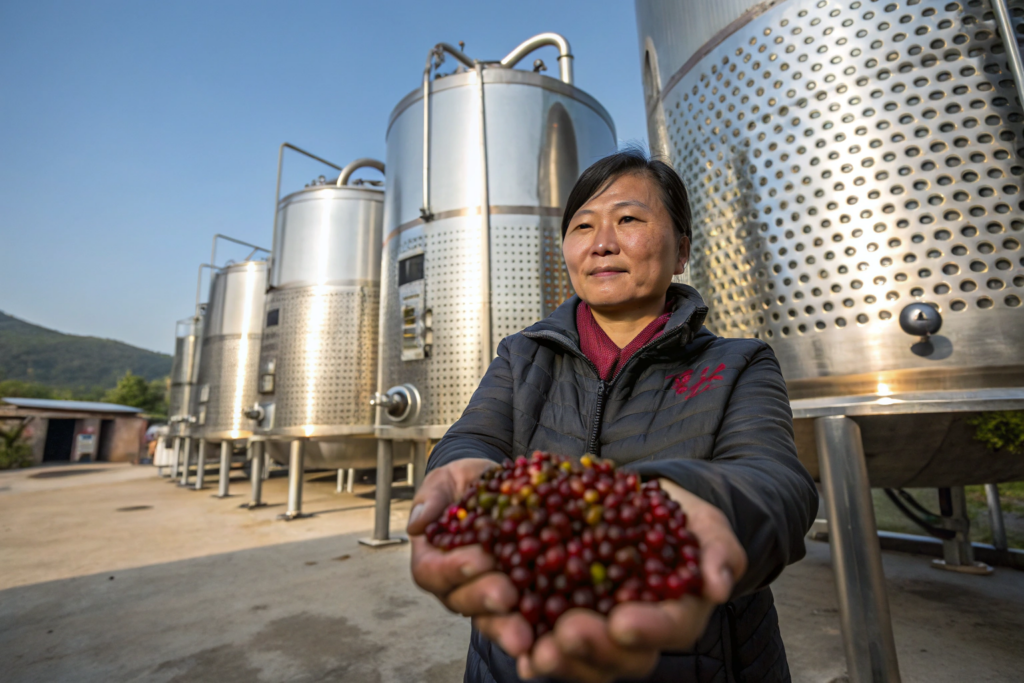
Anaerobic fermentation is not new. It has been used in wine for centuries. Coffee producers started using it around 2015. The basic idea is simple. You put coffee cherries in a sealed tank. You remove the oxygen. The microorganisms that thrive without oxygen produce different acids and alcohols than those that need oxygen. The result is a more complex flavor. In Yunnan, producers have adapted the method for local conditions. The altitude is high. The temperature is cooler than in many other origins. That slows fermentation. Slower fermentation means more control. More control means fewer defects. A 2026 study published in Beverage Plant Research found that anaerobic fermentation dry processing produced the strongest enrichment of flavor-related compounds in Yunnan Catimor beans, including amino acids, nucleotides, organic acids, flavonoids, and tannins. Five certified Q-Graders confirmed that the anaerobically fermented coffees scored higher than conventionally processed coffees in dry and wet aroma, flavor, aftertaste, acidity, body, and balance. The Specialty Coffee Association has published research on fermentation that explains these chemical pathways. You can also read more about processing standards on the Coffee Quality Institute website. These resources help you understand what the science says. Not just what the marketing says.
How Does Honey Processing Differ in Yunnan?
Honey processing is a middle ground. You remove the skin but leave some of the mucilage. The mucilage is sticky. It looks like honey. That is where the name comes from. The more mucilage you leave, the sweeter and heavier the cup. In Yunnan, honey processing has become a specialty. Producers use raised beds. They control the drying time. They turn the beans by hand. The result is a coffee with more body than washed coffee but less funk than natural coffee. It is a crowd-pleaser. A 2025 coffee from No Stone Estate in Simao, Yunnan, used a bergamot enzyme honey process with over 150 hours of anaerobic fermentation. It scored 88 points. The roaster described it as "bright and precise" with notes of citrus, lemongrass, and ginger lily. That is a Yunnan coffee competing directly with high-end African and Central American lots. For more on honey processing techniques, the National Coffee Association has useful guides. The Food and Agriculture Organization also publishes resources on sustainable coffee production.
How Do New Processing Methods Change Coffee Flavor?
You cannot taste a process. You taste a cup. The process is just the path. But the path matters. A washed coffee and an anaerobic coffee from the same farm can taste completely different. That is the point. That is why roasters are experimenting. They want to find the process that makes the coffee taste the way they want. It is not about better or worse. It is about different.
New processing methods change flavor by changing the chemical composition of the bean. Anaerobic fermentation increases the concentration of organic acids and esters. Honey processing increases the concentration of sugars and polysaccharides. Experimental fermentation can introduce specific flavor precursors that the bean would not produce on its own. A 2026 study on Yunnan anaerobic coffee found that the method significantly increased the relative abundance of key bacteria such as Leuconostoc mesenteroides and Lactiplantibacillus plantarum, as well as fungi such as Lachancea lanzarotensis and Hanseniaspora uvarum. These microbial shifts directly regulate the formation of flavor-active compounds. The sensory result was a pronounced enhancement of winey, fruity, and floral attributes. That is not an opinion. That is data.
So what does this mean in practice? It means you can choose a process to match a flavor goal. If you want a bright, clean coffee, choose washed. If you want a sweet, heavy coffee, choose honey. If you want a complex, winey coffee, choose anaerobic. If you want something completely different, choose experimental. The table below shows the relationship between process and flavor profile.
| Process | Acidity | Body | Sweetness | Funkiness | Best For |
|---|---|---|---|---|---|
| Washed | High | Medium | Medium | Low | Filter, clarity |
| Honey | Medium | High | High | Low | Espresso, milk drinks |
| Anaerobic | Medium-High | Medium-High | High | Medium-High | Filter, competition |
| Experimental | Variable | Variable | Variable | High | Limited releases |
What Flavor Notes Do Yunnan's New Methods Create?
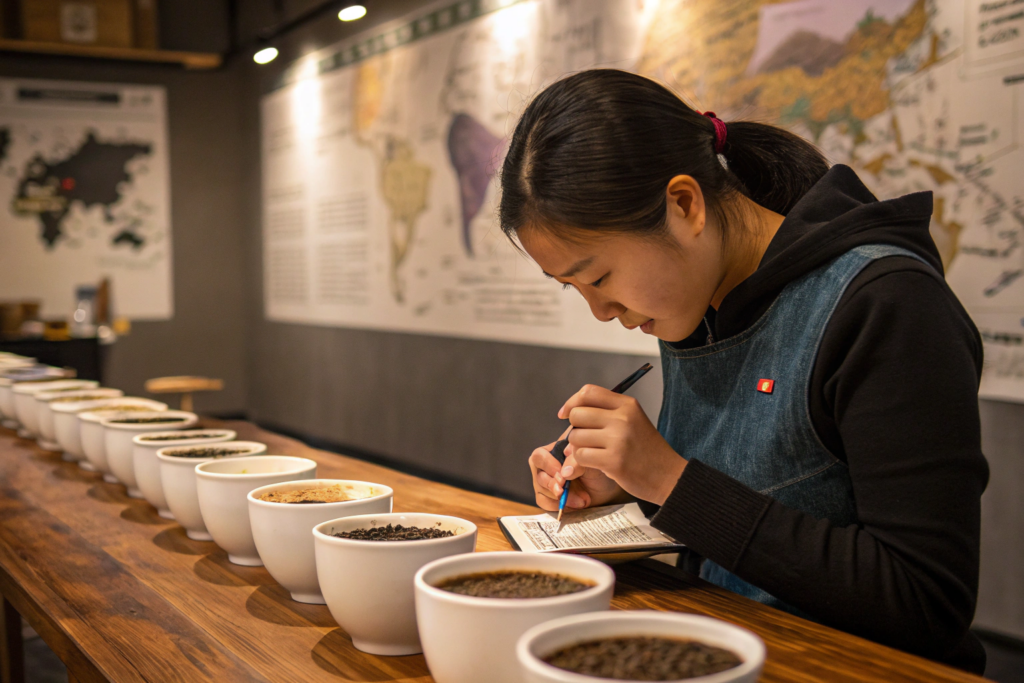
Yunnan anaerobic coffees often show notes of red wine, dried fruit, and dark chocolate. Honey-processed coffees show notes of brown sugar, stone fruit, and caramel. Experimental fermentations can show tropical fruit, floral, and even spicy notes. These are not random. They come from specific chemical compounds. A 2026 study on anaerobic pretreated sun-drying processing found that the method enriched specific volatiles in roasted coffee, including γ-butyrolactone, ethyl lactate, and phenylacetaldehyde. These compounds contribute to the winey, fruity, and floral notes that roasters are looking for. A separate study on Yunnan Arabica coffee found that anaerobic fermentation significantly enhanced hazelnut, almond, and floral notes while decreasing furan content from 46.88% to 32.5%. For more on coffee chemistry, the American Chemical Society publishes accessible overviews. The International Coffee Organization also has resources on flavor development.
How Do Processing Methods Affect Acidity and Body?
Acidity and body are the two most discussed attributes in coffee. Acidity is the bright, tangy sensation. Body is the weight and texture. Processing affects both. Washed coffees tend to have higher acidity because the mucilage is removed before fermentation. That removes some of the sugars that buffer acidity. Honey coffees tend to have higher body because the remaining mucilage adds polysaccharides that increase viscosity. Anaerobic coffees can have both high acidity and high body. It depends on the fermentation time and temperature. The 2026 Beverage Plant Research study found that wet-processed coffee showed higher cleanliness but lower sweetness than dry-processed coffee. The anaerobically fermented coffees scored better across the board in acidity, body, and balance. You can learn more about how acidity and body are measured from the Coffee Quality Institute. The USDA also publishes research on coffee quality.
Why Are Roasters Switching to Yunnan Coffee?
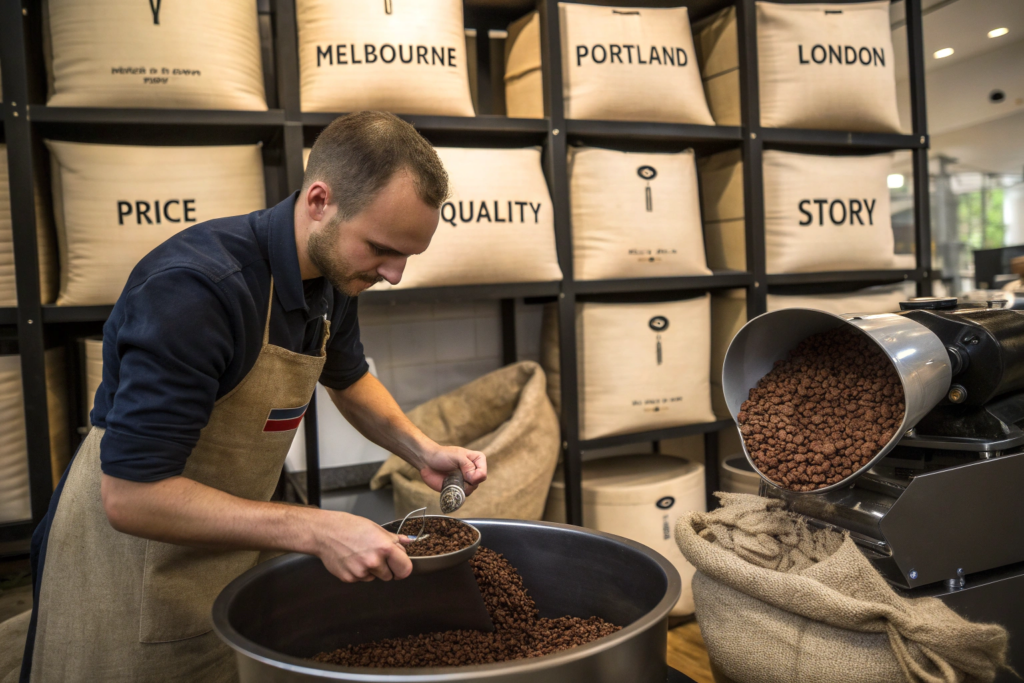
Roasters switch suppliers for three reasons. Price. Quality. Story. Yunnan now delivers on all three. Five years ago, it only delivered on price. That was not enough. Roasters wanted to sell the coffee as a specialty product. They could not do that with a cheap origin that tasted generic. Now they can. And they are. I have seen Yunnan coffee on the menus of specialty cafes in Melbourne, Portland, and London. Not as a blend component. As a single origin. That is a change.
Roasters are switching to Yunnan coffee because the quality has improved dramatically. The cup scores are higher. The flavor profiles are more distinctive. The supply is more reliable. And the story is compelling. A woman-led cooperative in Baoshan producing anaerobic natural coffee is a story that sells. Mark Respinger, CEO of Manlao River Coffee in Kunming, told China Daily that "this diversity makes Yunnan an exciting 'new frontier' for roasters looking for distinct flavor profiles". He has seen the transformation firsthand since he first visited Yunnan in the 2000s. The province's specialty-grade bean proportion rose from 40 percent in 2022 to 70 percent in 2024, while deep processing rates jumped from 60 percent to 85 percent. That is not a small shift. That is a fundamental change in what Yunnan can offer.
Here is what roasters say when I ask them. They say the consistency is better than it used to be. They say the price is still competitive. They say the shipping time is manageable. They say the customer response is positive. One roaster told me that his Yunnan anaerobic lot sold out in two weeks. He ordered double the next season. That is the feedback loop. Good coffee leads to good sales. Good sales lead to more orders. More orders lead to more investment in quality. It is a cycle. And it is working. At BeanofCoffee, we have seen this cycle repeat across our own buyer base for three consecutive harvests.
| Factor | 2020 | 2025 | Change |
|---|---|---|---|
| Avg cup score | 82 | 85 | +3 points |
| Specialty share | 40% | 70% | +30 points |
| Deep processing rate | 60% | 85% | +25 points |
| Export destinations | 29 countries | 34 countries | +5 countries |
What Do Roasters Say About Yunnan Coffee Quality?
I hear the same things from roasters. They say the cleanliness is better. They say the defects are fewer. They say the flavor is more interesting. A roaster in Chicago told me that his customers started asking where the coffee came from. That had never happened with Yunnan before. They wanted to know about the farm. They wanted to know about the process. That is the mark of a coffee that connects. The 2026 Yunnan CoE Pilot Program saw two coffees from Lincang score above 90 points, with the top lot reaching 91.78 points. For context, 90 points is the threshold for "outstanding" in the specialty coffee industry. That is not a marketing claim. That is a blind cupping result from international judges. For more on how roasters evaluate quality, the Specialty Coffee Association publishes cupping protocols. The Coffee Quality Institute also has resources on Q Grading. These are the standards your supplier should be meeting.
How Does Yunnan Coffee Compare to Other Origins?
Yunnan coffee is not the same as Ethiopian coffee. It is not the same as Colombian coffee. It has its own profile. It tends to be softer and sweeter. It has lower acidity than Kenyan coffee. It has more body than washed Peruvian coffee. That is not better or worse. It is different. And different is valuable. A roaster who already has a Kenyan and a Colombian on the menu can add a Yunnan and offer something new. For a comparison of origins, the International Coffee Organization publishes market reports. The USDA Foreign Agricultural Service also publishes origin-specific reports.
How Can Buyers Source Yunnan Specialty Coffee?
Sourcing specialty coffee from Yunnan is not hard. But it requires care. The market is growing. Not every supplier is legitimate. Some will claim to sell anaerobic coffee that is actually just washed coffee in a fancy bag. Some will promise a cup score they cannot deliver. You need to ask the right questions. You need to verify the answers. I have seen buyers get burned. I do not want that to happen to you.
To source Yunnan specialty coffee, you should focus on three things: processing transparency, certification, and sample verification. Ask your supplier what process they use and how they control it. Ask for certification documents. Ask for a pre-shipment sample and compare it to the delivered coffee. A trustworthy supplier will welcome these questions. A supplier who avoids them is a risk. The specialty coffee market in Yunnan is becoming more professional. Farmers are using IoT sensors to monitor microclimates. They are using precise fermentation parameters to control flavor outcomes. As one cooperative leader in Lincang put it, "A cup test data and a set of fermentation parameters can now adjust the flavor you want". That kind of precision is what you should be looking for.
Here is a sourcing checklist I use with new buyers.
| Step | Action | What to Look For |
|---|---|---|
| 1 | Request process details | Specific method, fermentation time, temperature |
| 2 | Request certifications | Rainforest Alliance, 4C, Organic |
| 3 | Request sample | Pre-shipment sample for cupping |
| 4 | Verify sample | Compare to delivered coffee |
| 5 | Check references | Talk to other buyers |
| 6 | Start small | Trial order before large commitment |
What Should Buyers Look for in Yunnan Coffee?
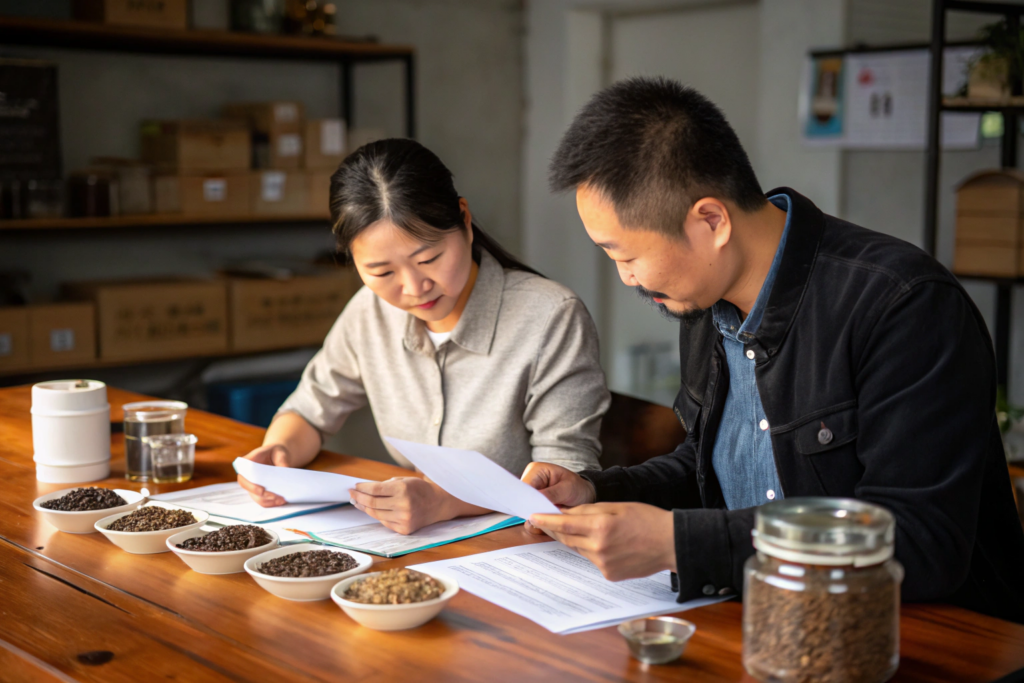
Look for specific information. Not vague claims. A supplier who says "we use anaerobic fermentation" is not giving you enough. A supplier who says "we ferment in stainless steel tanks for 72 hours at 18 degrees Celsius" is giving you useful information. Ask for the fermentation log. Ask for the cupping score from a certified Q Grader. Ask for the moisture content. Ask for the water activity. These are the numbers that matter. The Specialty Coffee Association has a useful guide to green coffee contracts. The 4C Services website also has resources on sustainable sourcing.
How Do You Verify Processing Method Claims?
Verification is the hardest part. You cannot taste a process. You can only taste the result. But you can look for evidence. Ask for photos of the fermentation tanks. Ask for the processing log. Ask for the name of the person who managed the fermentation. Then compare the cup profile to what that process should produce. If the coffee claims to be anaerobic but tastes like a standard washed coffee, something is wrong. If it claims to be honey-processed but has no sweetness, something is wrong. Trust your palate. But also trust the data. A 2026 study on native yeast starter cultures for Yunnan coffee identified Pichia kluyveri as a top-performing strain that achieved a sensory score of 82.42 out of 100 by boosting sweetness and fruitiness. That is the kind of specific information you should expect from a serious supplier. The Food and Agriculture Organization has resources on sustainable coffee production. The International Trade Administration also has guides on importing food products.
Conclusion
Yunnan's new processing methods are changing what this origin can offer. Anaerobic fermentation, honey processing, and experimental fermentation are producing cup profiles that rival established origins. Roasters are noticing. They are buying. They are selling. The data supports the hype. Cup scores are up. Export destinations are expanding. Price premiums are up.
If you want to source Yunnan specialty coffee with verified processing methods, contact our export manager Cathy Cai at cathy@beanofcoffee.com. We own over 10,000 acres of coffee plantations in Baoshan City, Yunnan Province. We export raw beans and packaged products to North America, Europe, and Australia. We can provide processing logs, cupping scores, and samples. You can learn more at BeanofCoffee. Let us help you find a Yunnan coffee that fits your menu.