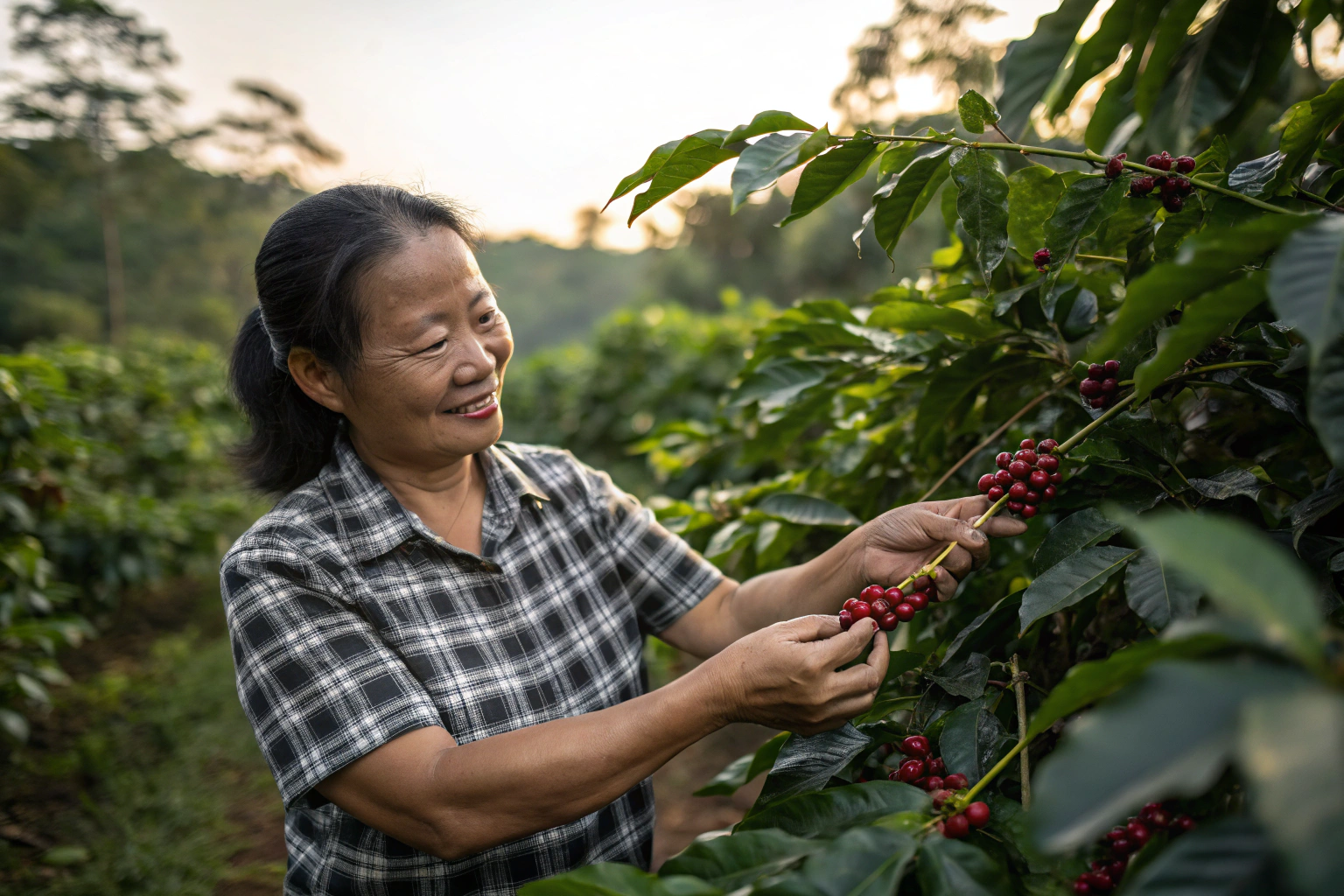
I have been exporting coffee from Yunnan for over a decade. In that time, I have watched buyers from the US and Europe ask the same question again and again. They want to know why our beans taste better now than they did ten years ago. The simple answer is this: women are running more of the farms. And they are running them differently. A study from Yunnan University found that women now dominate the picking, sorting, and processing stages of coffee production in the province, while a newer generation of female farm owners and cooperative leaders has taken over quality control at the top. This shift is not just a social story. It has a direct impact on what lands in your roastery.
So, what does this mean for a buyer in Chicago or Melbourne? It means better traceability, more consistent cup profiles, and fewer surprises in the container. Let me explain how this actually works on the ground.
How Do Women Handle Quality Control on Yunnan Farms?
Most coffee buyers care about one thing above all else. They want the same taste in every shipment. Women-led cooperatives in Yunnan have built their reputation on exactly that. They treat sorting and processing as a craft, not a commodity step. This approach comes from necessity. When you are a small cooperative with limited land, you cannot compete on volume. You compete on quality. That mindset shows up in every decision they make.
Take Ye Ping, who leads the Tianyu Coffee Cooperative in Menglian County. She started with nothing but a few dozen households and a belief that Yunnan could grow world-class coffee. In 2013, a severe frost destroyed over half the coffee trees in her cooperative. Most farmers wanted to cut the trees down and switch to something easier. Ye Ping refused. She visited agricultural experts, studied pruning methods, and developed a technique called "saw-trunk regeneration" that saved the surviving trees. Five years later, her beans won first place at the Yunnan Coffee Green Bean Competition. By 2024, her cooperative's output value had passed 40 million RMB, and each household's income had increased by 32,000 RMB on average.
That story matters because it shows a specific kind of leadership. Ye Ping did not just manage the farm. She solved a technical problem that every other farmer in the region faced. Now that solution is shared across the province.
Why Does Hand-Sorting Still Matter in Specialty Coffee?
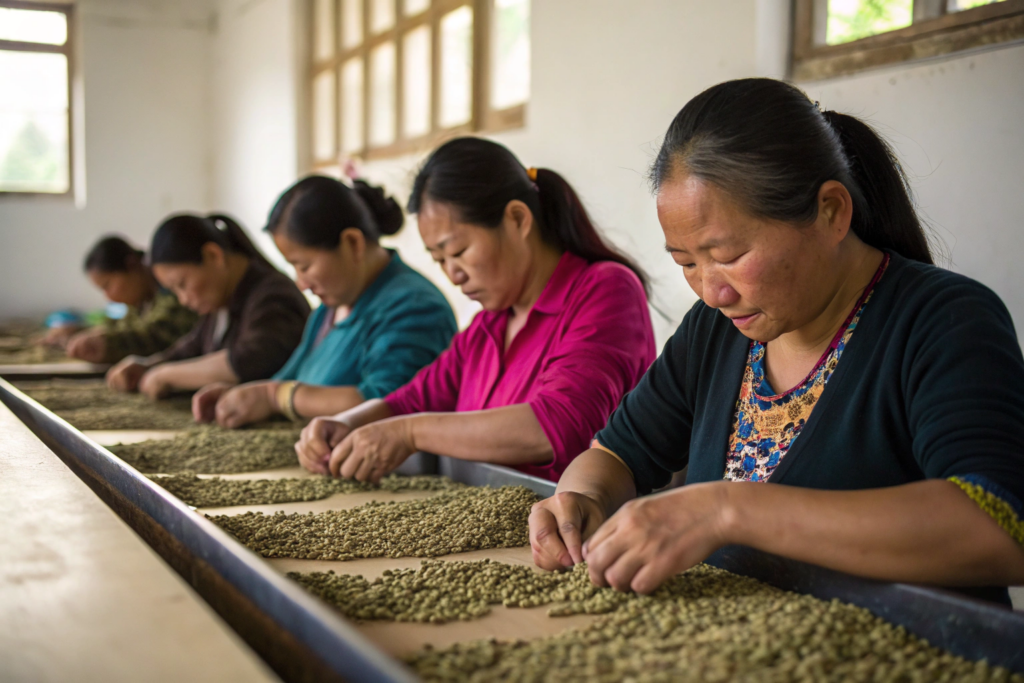
You might think hand-sorting is outdated. Machines can do it faster. But speed is not the same as accuracy. A woman who has picked coffee for fifteen years can spot a defective bean by touch. Her fingers know the difference between a dense, healthy bean and one that will ruin a batch during roasting. Research on Yunnan's coffee labor networks shows that these middle-aged and elderly women have built their own systems for coordinating work and ensuring fair dealing. They do not need a supervisor standing over them. The quality standard is internalized.
This is why our defect rates stay under 2% on export shipments. That number comes from practical experience, not from a lab. For more on how coffee quality is assessed at origin, the Coffee Quality Institute provides useful resources on grading standards.
How Do Women-Led Cooperatives Train New Farmers?
Training is another area where women-led farms differ. The traditional model is top-down. An agronomist visits once a season and tells farmers what to do. The women-led model is ongoing and horizontal. Ye Ping's cooperative uses a "advance planting, share profits" system. The cooperative pays for seedlings, fertilizer, and land preparation upfront. Farmers repay the cost gradually after harvest. This removes the financial barrier that keeps smallholders from investing in quality. It also creates a natural feedback loop. Farmers who receive support are more willing to follow technical advice because they have skin in the game.
The Specialty Coffee Association has published work on how cooperative structures affect cup quality. The pattern is consistent. When farmers share ownership of the quality outcome, the outcome improves.
What Certifications Do Yunnan Women-Led Farms Hold?
Buyers from North America and Europe always ask about certifications. I get it. You need to check boxes for your customers and your compliance team. Yunnan's women-led farms have spent the last decade building a certification stack that holds up to international scrutiny. This is not marketing. It is verification.
The Rainforest Alliance has certified multiple clusters in Yunnan. One major operation in Pu'er has over 600 metric tonnes of certified production capacity. Nestlé has been purchasing 4C certified coffee from Yunnan since 2015, covering nearly 200,000 mu of planting area and helping over 1,000 partners achieve certification. The Yunnan provincial government has also built a comprehensive standard system that covers the entire chain from seedling selection to warehousing and logistics.
For a buyer, this means you are not just getting a promise. You are getting documentation.
Which Certifications Matter Most for US Importers?
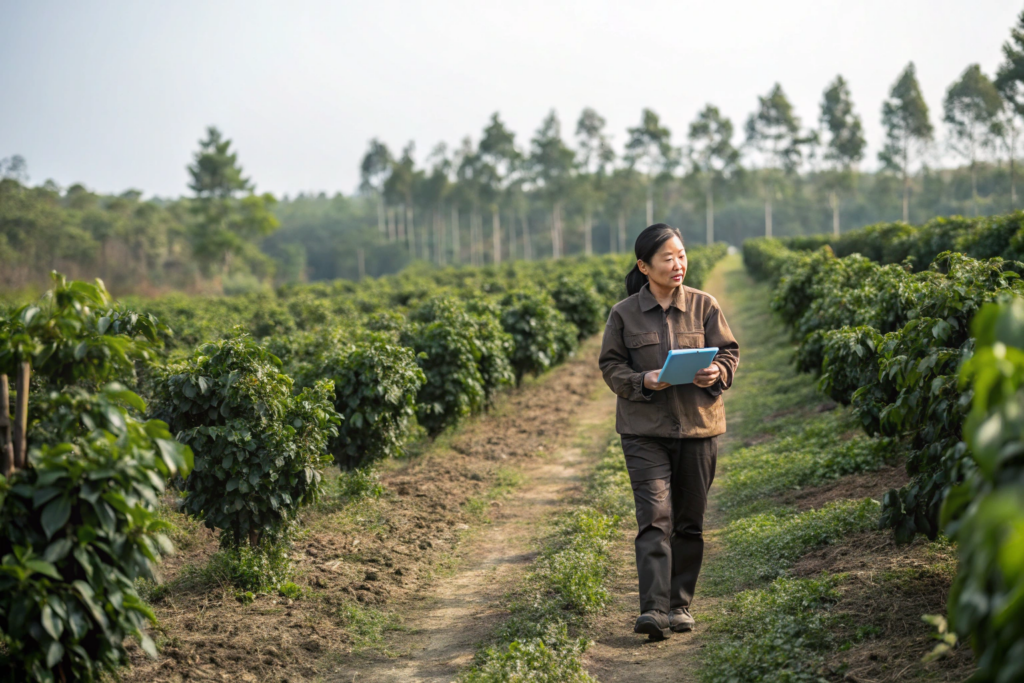
The US market cares about three certifications more than any others. Rainforest Alliance covers biodiversity and farm management. 4C covers sustainable production at the community level. Organic certification covers the growing and processing methods. Most women-led cooperatives in Yunnan hold at least one of these. The larger ones hold all three. The Baoshan Arabica coffee has also received geographical indication protection, which was officially recognized as a national promotion project by China's intellectual property authorities.
This matters for importers because the FDA and USDA both look at origin documentation. If your supplier has these certifications on file, the customs process is smoother. You can learn more about the regulatory requirements from the US Food and Drug Administration's import guidelines.
How Can Buyers Verify Certification Claims?
The short answer is: ask for the certificate numbers. Every legitimate certification body issues a unique identifier that can be checked directly with the issuing organization. Do not accept a PDF alone. Look up the number. The Rainforest Alliance and 4C both maintain public databases of certified operations. I tell every new buyer to do this. It takes five minutes and it protects you from fraud.
Do Women-Led Farms Offer Better Prices and Reliable Logistics?
This is the part where I have to be blunt. Price and logistics are the two biggest pain points for any US buyer sourcing from China. I have heard every complaint. The quotes change. The sailing schedules slip. The paperwork gets stuck. Women-led farms in Yunnan have made real progress on both fronts, but they are not perfect.
Let me give you a concrete example. In 2025, we shipped twelve containers to the US West Coast. Eleven arrived within the quoted transit time. One was delayed by eight days due to a port congestion issue in Ningbo. The cooperative I work with was proactive. They rerouted the container through Shanghai and covered the difference in trucking cost. That is not something every supplier does. But the women who run these operations tend to be more responsive because their margins are thinner. They cannot afford to lose a repeat buyer.
A study on gender and coffee in Yunnan notes that women in leadership roles are more likely to combine cultural resources with commercial strategy. In practice, this means they treat buyer relationships as long-term partnerships rather than one-time transactions.
How Do You Avoid Hidden Costs When Importing from China?
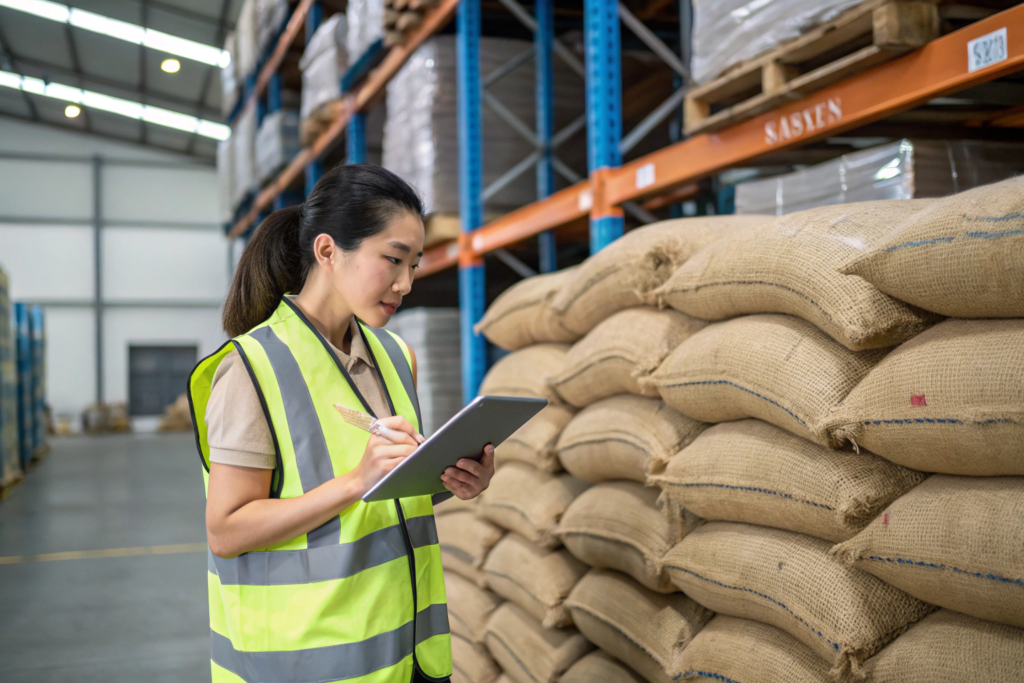
The biggest hidden cost is not the coffee. It is the surprises. Tariff classification errors, FDA prior notice delays, and demurrage fees can add 15% to your landed cost. Whole bean coffee usually enters the US under HS code 0901, which is duty-free. But if the paperwork is wrong, you pay for storage while it gets fixed. The best defense is a supplier who handles documentation properly. Women-led cooperatives in Yunnan have become very good at this because they have learned from past mistakes. Ask your supplier for a sample of their export documents before you place a large order. If they hesitate, that is a red flag. The US Customs and Border Protection website has detailed guidance on import documentation.
What Payment Terms Should You Expect from Yunnan Suppliers?
Most women-led cooperatives in Yunnan will start with a 30% deposit and 70% against copy of Bill of Lading. That is standard. Some will accept Letters of Credit for larger orders. Very few will offer open account terms until you have completed at least three shipments. My advice is simple. Start with a trial order. Pay the deposit. See how they handle communication and documentation. If the first shipment goes well, negotiate better terms on the second.
Why Does Yunnan Coffee Now Compete with Established Origins?
Ten years ago, no serious buyer in the US would have considered Chinese coffee for a specialty program. Today, Yunnan beans are winning cupping competitions and appearing on the menus of specialty roasters in Portland and Melbourne. The change did not happen by accident. It came from women who refused to accept the old way of doing things.
The Yunnan government has supported this transformation with a standards system that covers over 50 national, industry, and local standards. The Baoshan region alone has seen its specialty coffee percentage rise to 70% of total production. But standards alone do not make good coffee. People do. And the people leading this change are disproportionately women.
I have seen this firsthand. The farm managers who call me at 6 AM to report cherry ripeness levels are women. The cooperative leaders who negotiate prices and shipping terms are women. The quality control staff who reject a batch because the moisture content is 0.5% off target are women. You know what? That kind of attention to detail is exactly what specialty coffee needs.
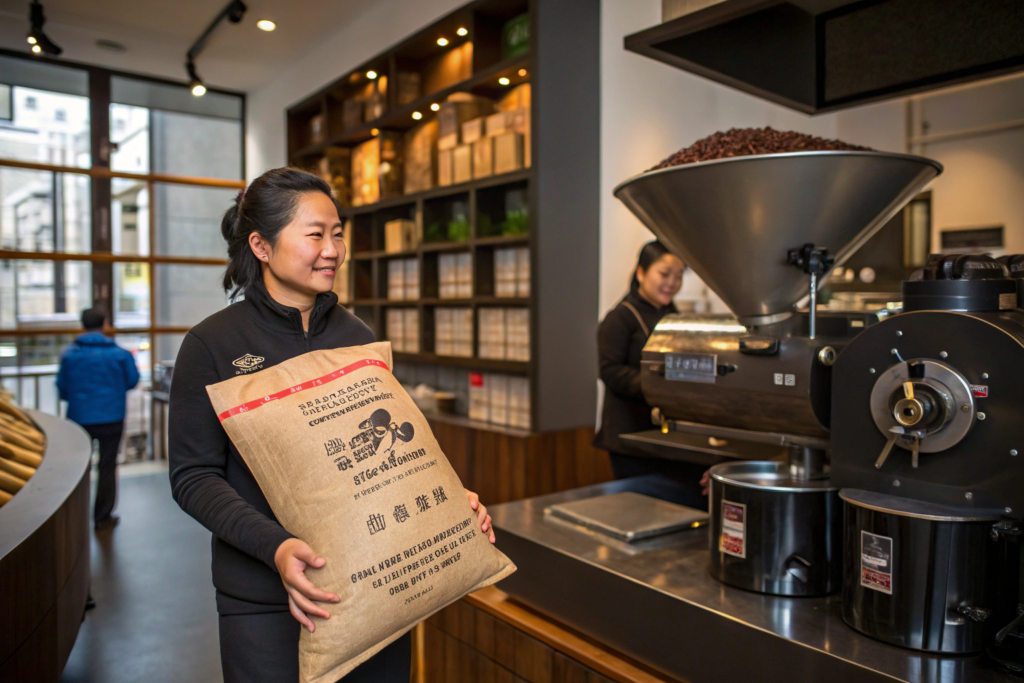
What Does the Future Hold for Yunnan Women-Led Coffee?
The next five years will be interesting. More young women are entering the industry. Some are returning from cities with business degrees and marketing experience. They are bringing e-commerce skills and direct-trade models that bypass traditional middlemen. This could mean more stable pricing for buyers and better margins for farmers. It also means more competition among suppliers. That is good for you.
The "coffee plus tourism" model is also growing. Some women-led farms are building guesthouses and cupping rooms where visitors can experience the full process from seed to cup. This generates additional income and makes the farms less dependent on commodity prices. For a buyer, this signals stability. A farm with multiple revenue streams is less likely to disappear when coffee prices drop.
How Can Buyers Build Long-Term Relationships with Yunnan Farms?
Stop looking for the cheapest quote. Look for the farm that answers your emails within 24 hours. Look for the one that sends you photos of the harvest without you asking. Look for the one that tells you when there is a problem before you discover it yourself. Those are the farms that will still be there in five years. And in my experience, those farms are usually run by women.
Conclusion
Women-led farms in Yunnan produce top-quality beans because they treat quality as a system, not a slogan. They invest in training. They hold certifications. They manage logistics. They solve problems when things go wrong. The research supports what I have seen on the ground. Women now dominate the picking, sorting, and processing stages of Yunnan coffee, and they are moving into ownership and management roles at a faster rate than in most other coffee origins. That is a competitive advantage for anyone who buys from this region.
If you are sourcing coffee for a US or European market, you should be paying attention. The beans are good. The supply chain is maturing. And the people behind the product are serious about what they do.
If you want to discuss a trial order or request samples, reach out to our export manager Cathy Cai at cathy@beanofcoffee.com. She can walk you through our current inventory, certification documents, and shipping timelines. We own over 10,000 acres of coffee plantations in Baoshan City, Yunnan Province, and we export both raw beans and processed, packaged products to North America, Europe, and Australia. You can learn more about our operation at BeanofCoffee. I am confident we can find a program that works for your roastery.