I have seen buyers lose money in this business. Not because the coffee was bad. Not because the price was wrong. They lost money because they trusted the wrong exporter. One buyer I know paid a $12,000 deposit to a trading company in 2021. The company disappeared. No coffee. No refund. No way to recover the money. That story is not rare. It happens more than people admit.
So, what is the true value of a trustworthy coffee exporter? The value is not just the beans. The value is risk reduction. A trustworthy exporter protects your money, your timeline, your brand, and your customer relationships. A trustworthy exporter gives you documents that clear customs. They give you coffee that matches the sample. They tell you when a shipment will be late. They do not hide fees. They do not disappear after payment.
You know, price is easy to compare. Trust is hard to compare. That is why so many buyers get burned. They compare quotes on a spreadsheet. They pick the lowest number. Then they learn the real cost later. I want to help you avoid that. I run BeanofCoffee, a coffee export company based in Yunnan, China. We own over 10,000 acres of coffee plantations in Baoshan City. We export raw beans and packaged products to North America, Europe, and Australia. You can learn more about us at BeanofCoffee. In this article, I will explain how to verify an exporter, what certifications matter, how logistics should work, and why price transparency is the real test of trust.
How Do You Verify a Coffee Exporter's Trust?
I get asked this question all the time. A buyer meets a new supplier at a trade show. The supplier looks professional. The website looks good. The price looks great. But the buyer still feels unsure. That feeling is normal. You should not ignore it. Trust is not a feeling you switch on. Trust is something you verify step by step.
The short answer is this. You verify a coffee exporter by checking three things. First, check their legal documents. Second, check their past shipments. Third, check how they communicate when there is a problem. Anyone can send a nice quote. Not everyone can send a clean Bill of Lading, a certificate of origin, and a phytosanitary certificate on time. Not everyone will call you when the vessel is delayed. The difference shows up in the details.
Another way to look at this is simple. A trustworthy exporter does not hide from questions. They answer them. They send documents before you ask twice. They introduce you to their team. They let you talk to other buyers. If an exporter avoids these steps, that is a red flag. I have walked away from deals because the supplier would not share basic information. That decision saved me money.
Here is a simple table I use when I screen a new supplier for my own purchases.
| Checkpoint | What to Ask | Good Sign | Red Flag |
|---|---|---|---|
| Legal identity | Business license, export license | Clear PDFs with numbers | Blurry images, no numbers |
| Banking | Account name matches company | Same legal name | Personal account |
| Past shipments | Bill of Lading samples | Real routes, real dates | Refuses to share |
| Communication | Reply time, problem response | Within 24 hours | Days of silence |
| References | Other buyer contacts | Willing to connect | Says "confidential" |
What Documents Prove a Coffee Exporter Is Legitimate?
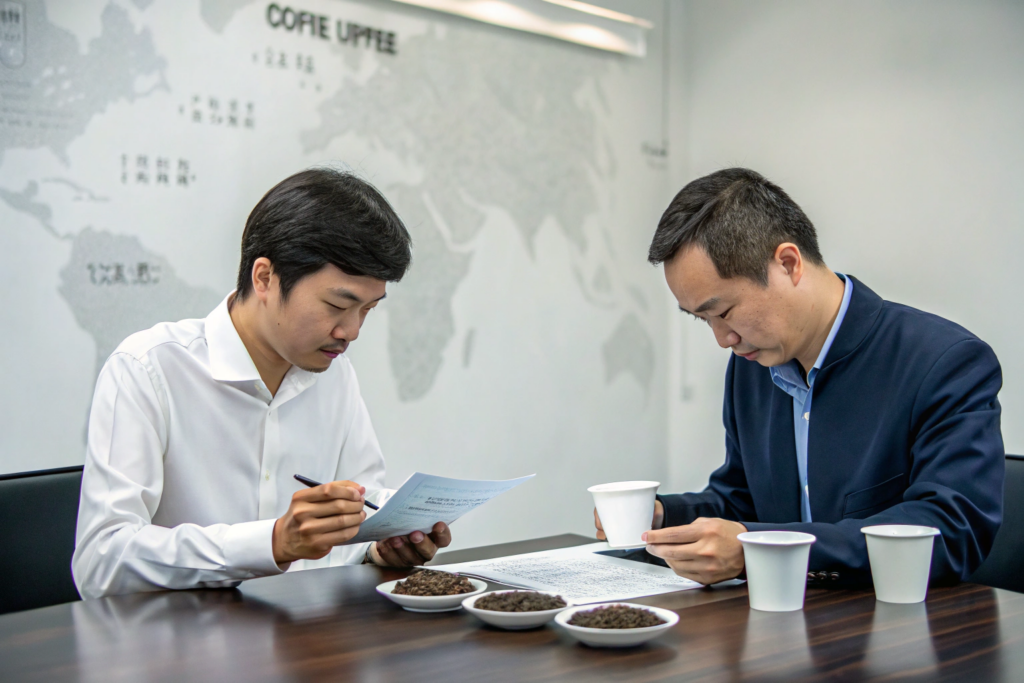
A legitimate coffee exporter can show you a business license, an export license, and a tax registration. They can also show you a certificate of origin. For coffee going to the US, you need more. You need a prior notice for the FDA. You need a commercial invoice. You need a packing list. You need a Bill of Lading. You need a phytosanitary certificate. These documents must match each other. If the weight on the packing list does not match the Bill of Lading, customs will stop your shipment. I have seen this happen. It cost the buyer $3,500 in storage fees. The US Customs and Border Protection website explains the basic import process. The FDA prior notice page explains what food importers must file. Read both. Then ask your exporter for samples of each document. If they cannot provide them, walk away.
How Can You Check a Coffee Exporter's Reputation?
You check reputation by talking to people. Not just the references the exporter gives you. Find your own references. Ask other roasters in your city. Ask in online groups. Ask on LinkedIn. I have found good suppliers through other buyers. I have also found bad ones. The Green Coffee Association and the National Coffee Association are good places to start. They do not certify every exporter. But they can help you understand industry standards. You can also ask the exporter for their Alibaba trade history. Look at how long they have been active. Look at their response rate. Look at their transaction level. A company with five years of history and a 90% response rate is safer than a new company with a fancy website.
What Certifications Should a Coffee Exporter Have?
Certifications are not decorations. They are proof. They show that an exporter meets a standard. They show that a third party checked the farm, the processing, and the paperwork. For a US buyer, certifications reduce risk. They also help you sell coffee to your customers. More and more consumers want to know where their coffee comes from. They want to know it was grown responsibly. They want to know it is safe.
But not all certifications are equal. Some are expensive. Some are hard to maintain. Some matter more in certain markets. I tell buyers to focus on three things. Food safety. Environmental responsibility. Social responsibility. A trustworthy exporter should have at least one certification in each area. If they have none, that is a problem. If they claim to have many but cannot show proof, that is a bigger problem.
Here is a comparison I share with new buyers.
| Certification | Main Focus | Best For | How to Verify |
|---|---|---|---|
| Rainforest Alliance | Environment, farm management | EU and US retail | Check certificate number online |
| Fair Trade Certified | Social and economic fairness | Brand storytelling | Check Fair Trade database |
| 4C | Sustainable production | Large volume buyers | Ask for audit summary |
| USDA Organic | Organic growing and processing | US natural market | Check USDA organic database |
| ISO 22000 | Food safety management | Food service and retail | Ask for current certificate |
Which Coffee Certifications Matter Most for US Buyers?
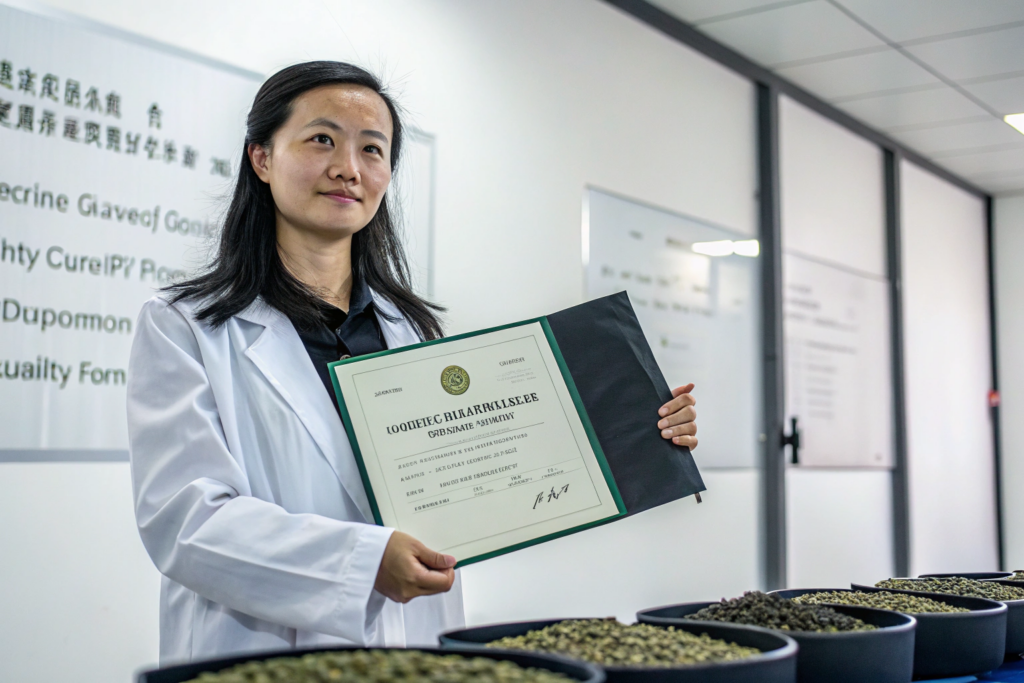
For US buyers, four certifications come up again and again. Rainforest Alliance, Fair Trade Certified, USDA Organic, and 4C. Rainforest Alliance is strong for environmental claims. You can learn about their business certification on the Rainforest Alliance page. Fair Trade Certified is strong for social claims. Their Fair Trade Certified page explains the label. USDA Organic is important if you sell in the natural channel. 4C is common for large roasters and private label programs. You do not need all four. But you need at least one that your customers recognize. I always ask exporters for the certificate number. Then I check it myself.
How Do You Verify Coffee Certifications Are Real?
You verify by going to the source. Do not trust a PDF alone. Anyone can edit a PDF. Go to the certifier's website. Enter the certificate number. Check the company name. Check the expiry date. Check the scope. For 4C, you can visit the 4C Services website. For coffee quality labs and Q Grader programs, the Coffee Quality Institute is a good resource. If the certificate does not appear in the database, it is not real. I have caught two fake certificates this way. Both times, the buyer avoided a serious legal problem. That is the value of verification.
How Does a Trustworthy Exporter Handle Logistics?
Logistics is where trust gets tested. Anyone can promise a smooth shipment. But things go wrong. Ports get congested. Vessels get delayed. Containers get rolled. Customs asks for more documents. A trustworthy exporter does not panic. They do not hide. They communicate. They solve the problem. They protect your interest, not just their own.
I tell buyers to judge an exporter by what happens after the sale. The sales process is easy. The after-sale process is hard. If your exporter goes silent after payment, you have a problem. If they blame you for every delay, you have a problem. If they ask for more money after the contract is signed, you have a problem. A good exporter plans for problems before they happen. They build buffer time into the schedule. They use reliable forwarders. They keep you informed.
Here is a simple logistics checklist I use for every shipment.
| Stage | Key Action | Who Owns It | What Can Go Wrong |
|---|---|---|---|
| Booking | Reserve container early | Exporter | No space during peak season |
| Loading | Check weight and seals | Exporter | Short weight, broken seals |
| Documents | Send drafts before sailing | Exporter | Customs holds, fines |
| Sailing | Track vessel and report | Exporter | Rolled container, delay |
| Arrival | Clear customs fast | Buyer and broker | Demurrage, storage fees |
| Delivery | Confirm condition | Buyer | Damage, missing pallets |
What Should a Coffee Exporter Do When Shipments Delay?
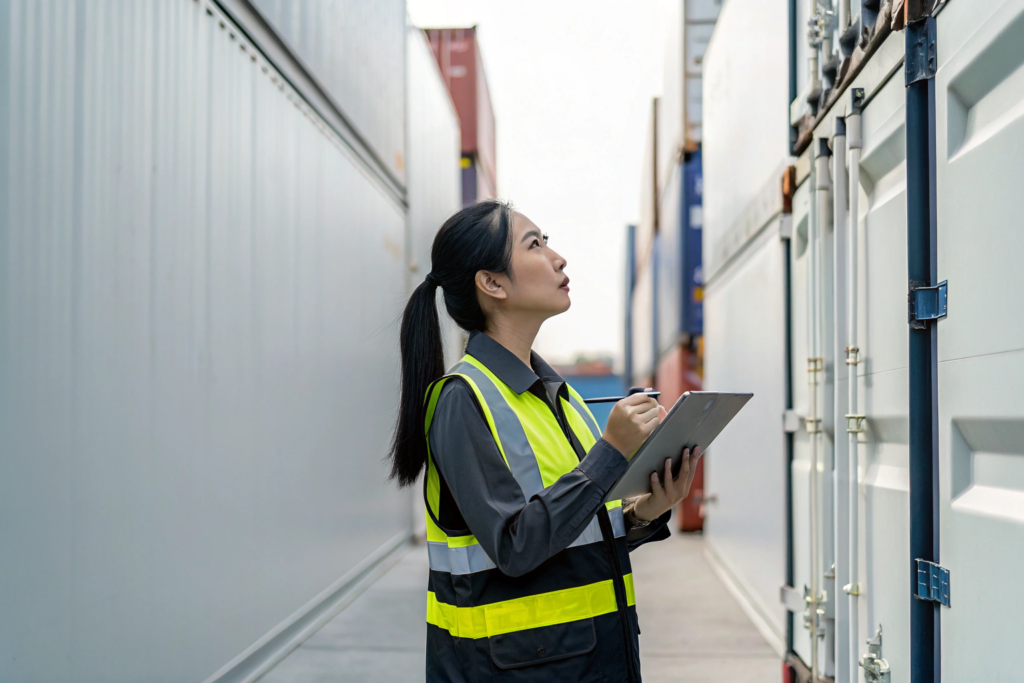
When a shipment delays, a good exporter does three things. First, they tell you before you ask. Second, they give you a new estimated arrival date. Third, they offer a solution. For example, if the container is stuck in Ningbo, they can reroute through Shanghai. If the vessel is slow, they can ask the carrier for a faster service. I have done this for buyers. In 2024, one container to Seattle was delayed by ten days. We rerouted it through Oakland. The buyer paid a small trucking difference. But they got the coffee in time for a contract. That is what trust looks like. You can check carrier schedules on Maersk. You can also compare forwarders on Flexport. Do not just wait. Act.
How Do You Avoid Hidden Fees in Coffee Shipping?
Hidden fees are the silent killer of profit. I hate them. You should hate them too. The way to avoid them is to ask for an all-in quote. Not just ocean freight. Not just port-to-port. Ask for door-to-door. Ask for all origin charges. Ask for all destination charges. Ask what is not included. Then write it into the contract. If a fee is not listed, it should not appear on the final invoice. Use a tool like Freightos to check market rates. Use the USITC HTS database to check tariff codes. If your exporter refuses to give a full breakdown, find another exporter. There are honest ones. We are one of them.
Why Does Price Transparency Matter in Coffee?
Price transparency is the fastest way to know if an exporter is honest. If they show you every cost, they have nothing to hide. If they hide costs, they are playing games. I have seen quotes that looked cheap. Then the buyer received three extra invoices. One for terminal handling. One for documentation. One for "market adjustment." That is not a quote. That is a trap.
A trustworthy exporter gives you a clear price. They tell you what is included. They tell you what is not included. They tell you when the price will change. They do not change it after you pay a deposit. They do not add fees without your approval. This matters for your cash flow. It matters for your customer pricing. It matters for your reputation. If you cannot trust your supplier's price, you cannot run a business.
Here is a simple price transparency table.
| Cost Item | Included in Quote? | Notes |
|---|---|---|
| Coffee bean price | Yes | Based on grade and crop year |
| Export packaging | Yes | Burlap bags or vacuum bags |
| Origin handling | Yes | Port charges in China |
| Ocean freight | Yes | To destination port |
| Destination handling | Sometimes | Ask for details |
| Customs brokerage | No | Buyer usually pays |
| Tariffs and duties | No | Depends on country and product |
| Inland trucking | Sometimes | Ask for door delivery |
| Demurrage | No | Avoid by clearing fast |
How Do You Compare Coffee Export Quotes Fairly?
You compare quotes fairly by comparing the landed cost, not the FOB price. FOB means free on board. It only covers the coffee until it leaves the origin port. It does not cover ocean freight. It does not cover destination fees. It does not cover tariffs. So a low FOB price can become a high landed cost. The International Coffee Organization publishes trade statistics that help you understand market prices. The USDA Foreign Agricultural Service publishes reports on coffee supply and demand. Use these resources. Then build a landed cost sheet. Add every cost. Divide by the pounds you receive. That is your true cost. Compare that number. Not the FOB number.
What Payment Terms Protect Coffee Buyers?
Payment terms are a trust test. A new supplier may ask for 100% upfront. That is risky for you. A trustworthy exporter will accept a deposit and balance against documents. The most common terms are 30% deposit and 70% against copy of Bill of Lading. For larger orders, you can use a Letter of Credit. A Letter of Credit protects both sides. The International Trade Administration explains how letters of credit work. The Specialty Coffee Association also has resources on coffee contracts. Do not pay 100% upfront to a new supplier. Start small. Test them. If they perform, increase the order. If they refuse any risk, that tells you something.
Conclusion
A trustworthy coffee exporter is worth more than a low price. They protect your money. They protect your timeline. They protect your brand. They answer questions. They share documents. They solve problems. They tell you the truth about costs. That is the real value. You cannot put a number on it. But you feel it when a shipment arrives on time and matches the sample.
If you are looking for a coffee export partner who operates this way, contact our export manager Cathy Cai at cathy@beanofcoffee.com. We own over 10,000 acres of coffee plantations in Baoshan City, Yunnan Province. We export raw beans and packaged products to North America, Europe, and Australia. You can learn more at BeanofCoffee. Let us help you build a supply chain you can trust.