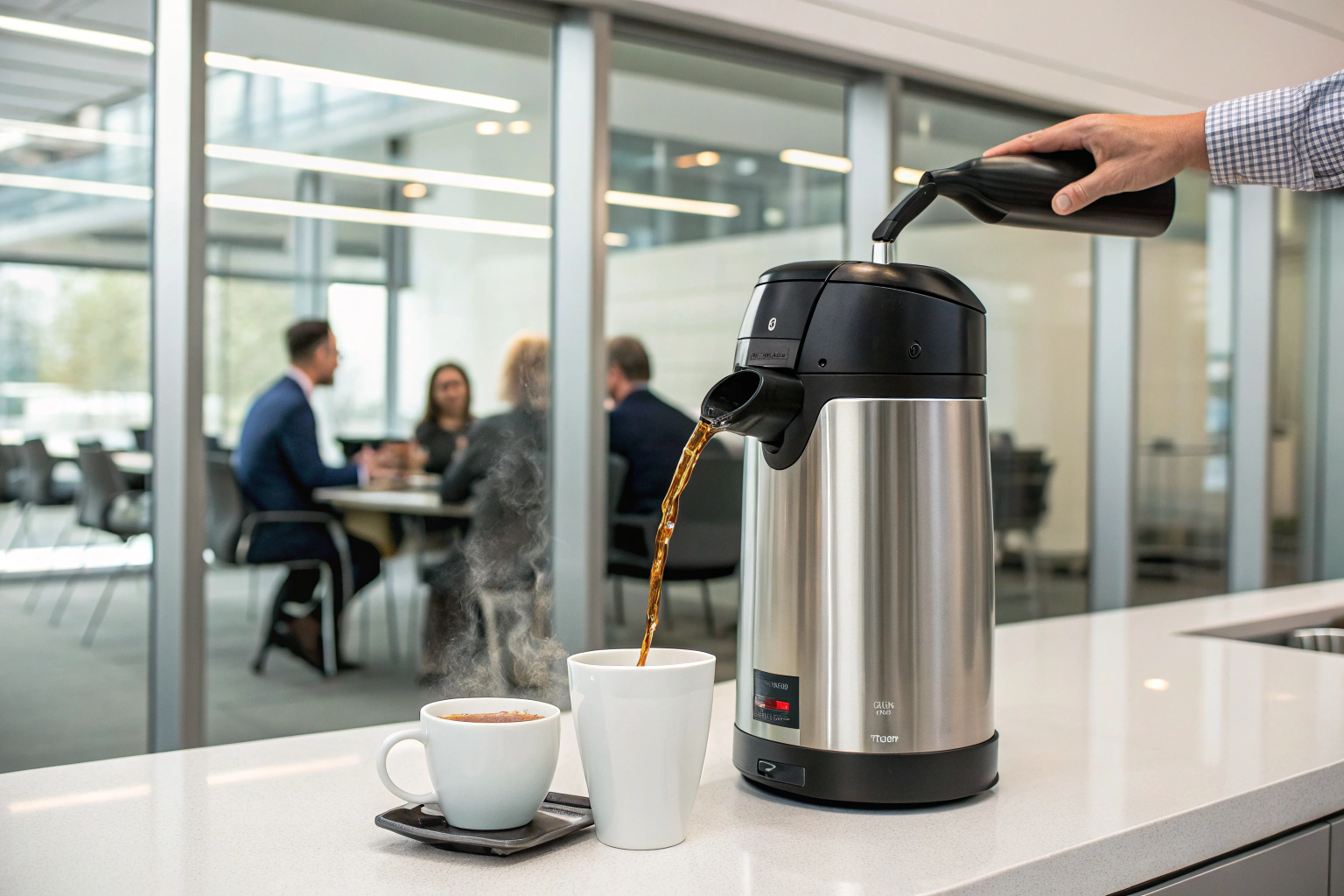
You run an office coffee service. You know the pain. Every Monday morning, the phone rings. "The coffee tastes burnt." "It's too bitter." "Do you have anything better?" But when you suggest a premium single-origin, the procurement manager balks at the price. You're stuck in the middle. You need something that tastes way better than stale commercial sludge, but costs way less than a fancy microlot. And you need it available by the pallet, every single month, without any drama. So where do you look without losing your shirt?
The answer, honestly, is Asia. But not the Asia you might think. Skip the overpriced, overhyped lots. Look at Yunnan, China. Here is why: you can get a genuinely specialty-grade Arabica—clean, sweet, heavy-bodied—at a price point that lets you hit a 4x to 5x markup comfortably while keeping the client happy. We grow Catimor and Arabica on over 10,000 acres in Baoshan. We ship direct. No middlemen. No mystery fees. Just a solid, 82-85 point coffee that works perfectly in a batch brewer or a super-automatic machine in a break room. It won't offend anyone. And it has a cool story about the birthplace of tea. That sells itself.
But value isn't just about the lowest price per pound. That's a trap. Value is about the landed cost plus the consistency plus the zero complaints. It's about a supply line that doesn't snap when a bridge washes out in Colombia or when the C-market spikes. Asian coffee, specifically Chinese coffee, is still a bit of a secret weapon. The infrastructure is modern. The logistics are reliable. And the flavor profile is exactly what the average American office worker wants: chocolate, nuts, a little caramel sweetness. Nothing weird. No fermented blueberry notes that make Brenda in accounting ask if the milk went bad. Let me show you exactly how to find that sweet spot.
Why Asian Green Coffee Offers Superior Margins for OCS Providers
Office Coffee Service is a volume game with razor-thin margins. You sell a pound of roasted coffee for maybe $8 to $12 wholesale to an office. Your green cost has to stay below $4 per pound, ideally lower, to cover your roasting, packaging, labor, and delivery. Most specialty origins can't do that consistently. A good Colombian might run you $3.80 FOB one month and $4.50 the next. That volatility kills your budget. Yunnan Arabica, right now, sits in a stable band that lets you plan.
Look at the structure. Our farm-gate price is competitive not because we exploit labor, but because the coffee industry here is integrated. We aren't paying ten different brokers. Our Shanghai Fumao operation controls the seedling nursery, the farm, the wet mill, the dry mill, and the export license. That vertical integration shaves off layers of cost. You get a price that reflects the coffee, not the supply chain overhead. Plus, the shipping lanes from Shanghai to the U.S. West Coast are mature and frequent. You don't pay a premium for a rare logistics route.
Another thing on the margin side is yield in the roaster. Our dense, high-altitude beans have a low defect rate. You aren't paying for 15% shrinkage from sorting out quakers and shells after roasting. The moisture is stable at 10.5%. That means you get predictable weight loss during roasting. You can calculate your exact cost per roasted pound without any nasty surprises. For an OCS operator running a 25-kilo roaster, this consistency is pure gold. It means your spreadsheet actually matches reality at the end of the month.
How Does Direct Sourcing from Yunnan Beat Importing from Traditional Markets?
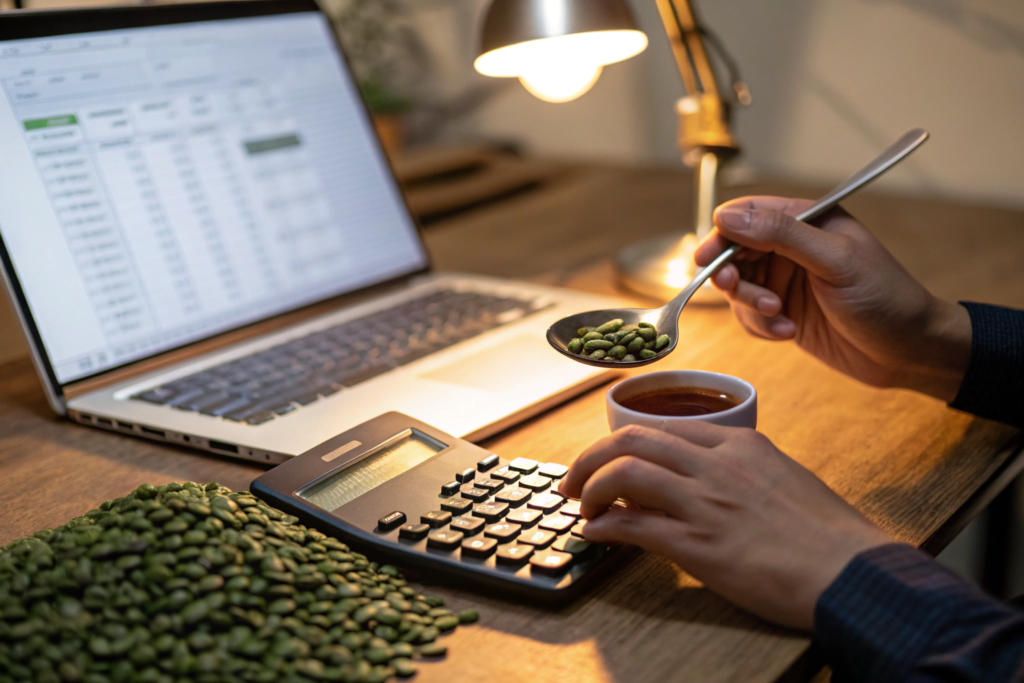
Traditional importing is slow and fat. A broker in Miami buys from an exporter in Bogota who bought from a cooperative. Each layer takes a cut. You pay for the broker's kids' college fund, basically. Direct sourcing from Yunnan cuts that chain down to one link: you and us. We negotiate one price. That price includes the coffee, the milling, the bagging, and the FOB charge. You pay the ocean freight and customs on your end. That is it. You might save 10% to 20% on the green cost compared to a similar cup score from a broker's catalog.
And there is the communication speed. Our export team speaks English. I don't mean that they can say "hello" and "goodbye." I mean they understand U.S. warehousing and just-in-time delivery. You can email Cathy and say, "I need a 20-foot container of screen 18 Catimor, packed in 60-kilo GrainPro bags, in Portland by March 1st." She will give you a sailing schedule within hours. Try getting that kind of turn-around from a broker who has to check with three different suppliers. The Specialty Coffee Transaction Guide often shows that shorter supply chains correlate with higher buyer satisfaction. It's not just about money. It's about time and trust.
What Is the True Cost Breakdown of Shipping a Container from China to the U.S.?
Let's get real numbers on the table. Guessing costs is dangerous. Here is a rough model for a 20-foot container holding about 19,000 kilos of green coffee from Yunnan to Los Angeles.
| Cost Component | Estimated Cost (USD) | Notes |
|---|---|---|
| FOB Price (Coffee + Mill + Bag) | $3.20/kg | Based on 82-point washed Arabica |
| Ocean Freight (Shanghai to LA) | $1,800 per container | Subject to carrier fluctuations |
| Insurance | $200 | Covers total cargo value |
| U.S. Customs & Brokerage | $450 | Filing and clearance |
| Trucking to Warehouse (local) | $350 | Inside delivery |
| Total Landed Cost Est. | $3.45/kg approx. | Delivered to your door |
Note: Prices are estimates. Tariffs on green coffee are currently 0% but always check current HTS codes.
So, your landed cost per pound is roughly $1.56. For an 82-point specialty coffee. Look at the price of a comparable Guatemalan or Colombian coffee landed today. You are probably looking at $1.90 to $2.20 per pound. The difference is $0.34 to $0.64 per pound. On 42,000 pounds, that's $14,000 to $26,000 in your pocket. You can reinvest that in better packaging or a lower price for your office clients. That's how you win contracts. Check the Shanghai Shipping Exchange for up-to-date freight indices. The rates change, but the margin advantage for Yunnan usually holds.
What Certifications Do You Really Need for Asian Office Coffee?
You walk into a corporate pitch. The facility manager asks, "Is it organic? Fair Trade? Rainforest Alliance?" You need to have a clean answer. Not a mumble. Not a "we're working on it." You need the paper. For office coffee, the bar is rising. Companies have ESG goals. They want their break room to reflect their values. So, what do you actually need to win the bid without overpaying for certifications nobody uses?
Here is the hierarchy. Organic is the king for marketing. USDA Organic certification sells bags. We have it. Our isolated mountain plots are certified by ECOCERT, which maps to the USDA National Organic Program. Fair Trade is trickier for China. It is not a major label here. But we hold Rainforest Alliance certification. That covers the environmental and social responsibility checkboxes most corporations require. It proves no deforestation, no forced labor, decent wages. For most office clients, Rainforest Alliance is the sweet spot. It is credible. It is not as expensive as Fair Trade premiums. And it tells a story the HR department can put in their internal newsletter.
Beyond the social stamps, you need food safety certifications. Offices are liable if their coffee makes someone sick. You must have a clean HACCP plan. Our mill runs a strict hazard analysis. We test every lot for mycotoxins. We provide those lab results with your shipment. If a client ever questions your supply chain safety, you forward them the PDF. The conversation ends. That level of transparency is what turns a small OCS into the preferred vendor for a national tech company. A good resource for understanding these requirements is the Global Food Safety Initiative. It sets the benchmark for what big buyers expect.

Is Organic Certification Worth the Extra Cost for Your Office Clients?
Honestly? It depends on your zip code. If you serve tech campuses in California, Seattle, or Austin, organic is almost table stakes. You need it. The client will pay a premium, maybe 10% to 15% more per cup. That covers the higher green cost. Our organic Yunnan Arabica runs maybe 20 to 30 cents more per pound FOB. But the retail perception is that it is "healthier" and "cleaner." You are not just selling coffee. You are selling a benefit to the HR team. They want to tell employees, "We care about your wellness."
But in the Midwest or the South, organic might not carry the same weight. You might be better off sticking with conventional specialty grade and pushing the "Direct Trade" story. The cost saving is real. The taste difference between our organic and our top-tier conventional is, honestly, undetectable to 95% of people. It is a marketing decision, not a quality decision. Look at your client roster. Ask them. Survey the office managers. If three out of five say organic matters, get the organic line. We can segregate and certify the lot for you. But don't pay the organic premium if your market doesn't value it. That extra 30 cents will eat your margin alive. The USDA Organic Integrity database is public. You can check any supplier's cert status there. Trust but verify.
How Does Rainforest Alliance Compare to Fair Trade for Asian Beans?
Fair Trade has a minimum price floor. That floor can be higher than the market price. When the C-market dips, Fair Trade protects the farmer. When the C-market is high, Fair Trade can be irrelevant. In Yunnan, the market price for specialty often floats above the Fair Trade floor anyway. So the Fair Trade mechanism doesn't add much value here. But Rainforest Alliance is different. It focuses on farm management, biodiversity, and climate resilience.
For an Asian farm like ours, Rainforest Alliance is more practical. It teaches us how to manage waste water from the wet mill. It teaches us how to keep shade trees for bird habitat. It teaches us how to protect our workers with safety gear and fair contracts. When you buy our RFA-certified coffee, you're not just paying a premium. You're getting a product from a farm that is built to last. For your office client, this is an easier story. "Fair Trade" can sound like a charity handout. "Rainforest Alliance" sounds like smart environmental stewardship. It fits better with corporate sustainability reports. I have seen clients switch from Fair Trade to RFA specifically because the farm-level improvements are more visible and documentable. Check the Rainforest Alliance standards yourself. They are publicly available and rigorous.
How to Evaluate Flavor Profiles That Suit the Office Palate Perfectly
Offices are not cupping labs. The average employee drinks coffee with cream and sugar, or they grab it black in a hurry between meetings. They don't want a challenging Ethiopian natural that tastes like blueberry wine. They want comfort. They want consistency. They want a coffee that tastes like "coffee." But it also can't be boring. You need a profile that is clean, sweet, and heavy enough to hold up to milk, but with enough character that a black-coffee drinker says, "Hey, this is actually good."
Yunnan Arabica is built for this. The washed Catimor we grow has a classic profile: dark chocolate, toasted almond, and a hint of stone fruit like plum. The acidity is low and soft—malic, not citric. It doesn't bite. It doesn't sour the stomach. The body is heavy, almost syrupy. It coats the mouth. This means it blends perfectly with milk. It also stands alone as a pleasant, no-drama drip coffee.
When you are selecting a lot for OCS, ask for a roast sample at a medium level. Not light. Not dark. A nice Agtron 55. Brew it in a standard Bunn batch brewer. That's the test. Not a V60. Not a Chemex. A Bunn. Because that's what the office has. Taste it hot. Then taste it after it has sat on the burner for an hour. Does it get bitter? Does it turn sour? Our Yunnan coffee holds up remarkably well on the hot plate. It develops a caramelized sugar note rather than a harsh, tarry bitterness. That's the real test for office coffee. Survivability.
What Roast Level Is Most Forgiving for Automatic Drip Machines?
Automatic drip machines are brutal. They brew hot. They hold on a hot plate. They scorch coffee. If you roast too light, the coffee will taste sour and under-extracted because the machine can't hit the right temperature stability. If you roast too dark, the coffee will turn to bitter, ashy tar within 20 minutes on the warmer. The sweet spot for office brewers is a solid medium roast. Think City+ to Full City. Just a few snaps into second crack, then cool it fast.
At this level, the bean's cell structure is open enough to extract easily in a flat-bottom basket. The sugars are fully caramelized but not burnt. The acidity is mellowed out. Our Yunnan green beans can take this roast beautifully. They don't need kid-gloves handling like a fragile Gesha. You can push them a little harder in the roaster. A key detail: avoid oily surface on the bean. That oil will go rancid in the grinder hopper. It will make the whole break room smell like old fish. A medium roast with a dry, velvety surface is your target. It tells the office manager, "This coffee is fresh and clean." For roasters, following the SCA brewing standards for batch brew extraction can help dial in this perfect profile.
How Does the Body of a Coffee Affect Milk-Based Office Drinks?
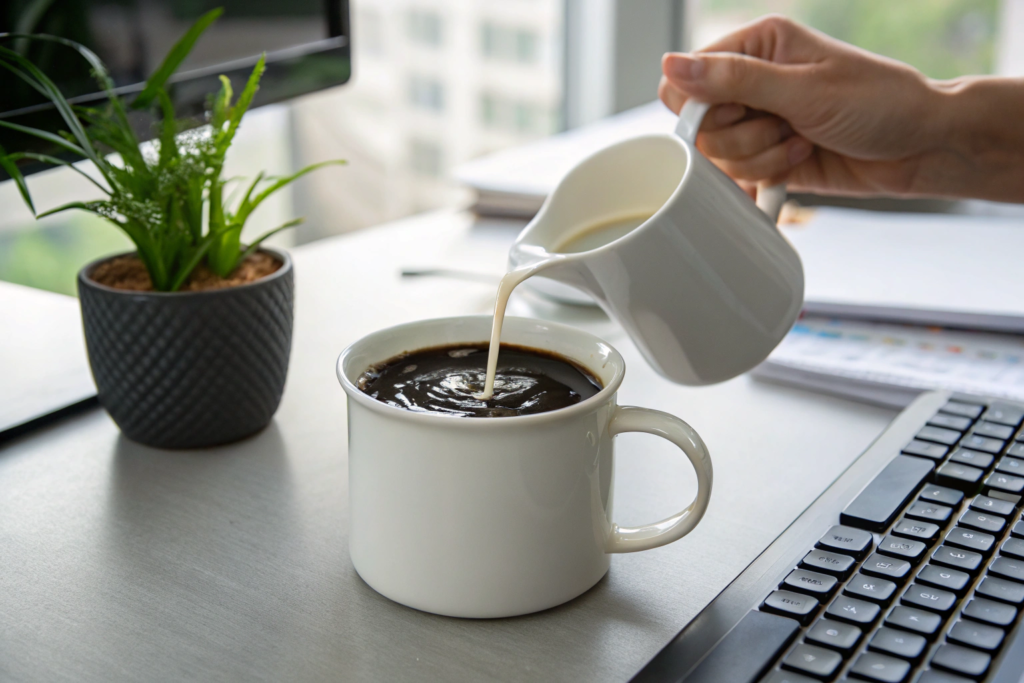
Here's a truth: most office coffee gets milk. Creamer. Half-and-half. Maybe oat milk in a trendy startup. If the coffee body is thin and watery, it disappears under the dairy. It tastes like warm milk with a hint of brown. You need a coffee with backbone. Body is the tactile sensation of weight and thickness on the tongue. It comes from dissolved solids, fibers, and lipids.
Our Yunnan Arabica, grown in the high, dry mountains of Baoshan, develops a naturally thick body. It is not just the variety. It's the terroir. The slow maturation under intense sun concentrates the nutrients in the bean. When brewed, it has a round, almost buttery mouthfeel. This body cuts through the milk. You still taste the coffee. The chocolate notes amplify the creaminess. It's a classic partnership, like cookies and milk. When you set up a tasting for a potential office client, brew a pot of our coffee and another pot of a thin, high-acid Central American. Put out a pitcher of half-and-half. Let them taste both with milk. The one with the heavy body always wins. It just tastes more substantial and satisfying. They might not articulate "body," but they will say, "This one tastes stronger and better." That's the body talking.
Building a Reliable Office Supply Chain from Chinese Origins
The worst phone call in the OCS business? "Sorry, your coffee is backordered. ETA is unknown." Your client has 200 employees. They are out of coffee. You look like a fool. Reliability is the real value. Not just the coffee bean. The system behind it. If you cannot deliver the same blend, same taste, same box, every two weeks, forever, you lose the contract. So how do you build a supply chain from Asia that doesn't break?
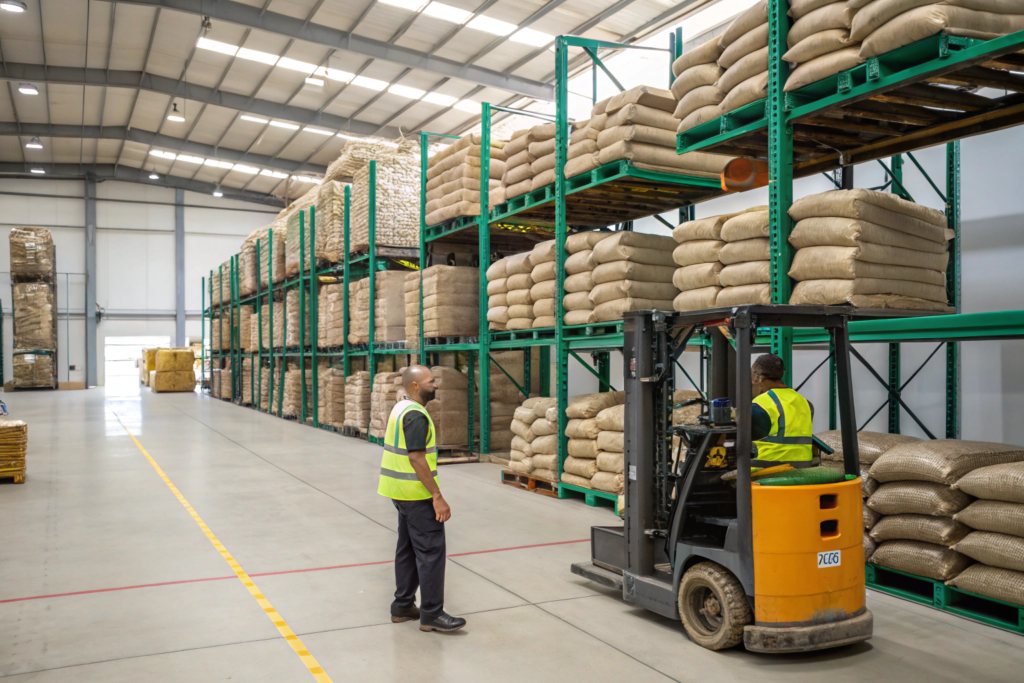
First, you need a supplier with scale. Small farms run out of coffee by March. We don't. Our 10,000 acres produce a massive, staggered harvest. We have coffee in climate-controlled storage year-round. Second, you need a supplier who understands rotation. We ship your coffee in a way that it arrives at its peak, not at the end of its shelf life. We don't send you a two-year-old crop and hope you don't notice. We rotate our stock. We label every bag with a harvest date. Third, you need packaging that holds freshness. Our vacuum-sealed GrainPro bags lock in moisture and aromatics for up to 14 months. So even if you buy a six-month supply to lock in a price, it won't stale in your warehouse.
The human element matters too. Our logistics team in Shanghai, at Shanghai Fumao, treats your shipment like it's their own. They don't just dump your booking at a freight forwarder and disappear. They track the vessel. They send you the ETA. They alert you if there is a port strike or a weather delay. This proactive communication lets you manage your client's expectations. If the boat is two days late, you know. You can tell the office manager, "Hey, just a heads up, we'll deliver on Wednesday instead of Monday." They appreciate the honesty. It builds trust. This is the opposite of the black box you get with huge, anonymous importers.
How Can You Lock In a Year-Round Contract Without Quality Fading?
Spot buying is gambling. You need a forward contract. We do them. You negotiate a volume—say, one container per quarter—at a fixed price with a fixed quality spec. This contract covers you for the entire year. The price is based on our cost of production plus a reasonable margin, not the volatile C-market. We both win. You get budget stability. We get a committed buyer.
The contract includes a quality clause. We specify the screen size, the defect count, the moisture, and the cup score floor. Every shipment we send must meet that spec. You can pre-order your entire year's needs. We ship you every three months. Because the coffee is vacuum-packed in GrainPro, the lot we ship in month three is just as fresh as the lot we shipped in month one. You don't have to accept a fading, baggy-tasting bean in September that was harvested in November. That shouldn't happen. If it does, it's because the packaging failed. We don't let that happen. We also store our stock in a cool, high-altitude warehouse in Yunnan before shipping. The natural climate helps preserve the bean. We just hold it there until you need it. It is a natural cold-storage solution. For global contract standards, GAFTA provides useful arbitration frameworks, though they are more for grains, the principles of force majeure and quality claims apply.
What Packaging Options Keep Office Blends Fresh During Transit?
The ocean is a brutal place for coffee. High heat, high humidity, salt air. Bare jute is a sponge. Jute plus a plastic liner is better. But the gold standard, and what we recommend for all OCS providers, is GrainPro hermetic bags inside strong jute sacks. The GrainPro bag creates a one-way barrier. Carbon dioxide from the beans can escape, but oxygen and moisture cannot enter. It stops the container sweat completely.
For convenience, we also offer 5-kilo and 10-kilo vacuum-packed boxes. These are perfect for smaller roasters or for direct-to-office drop-shipping. The box is strong. It stacks well on a pallet. The inner bag is foil-lined and nitrogen-flushed. It keeps the coffee at peak freshness for a year. An office manager can slit open the bag, dump it in the hopper, and know the coffee is as fresh as the day it was roasted. There is no stale aroma. No dusty smell. It screams quality. The packaging itself becomes a selling point for your OCS brand. Premium packaging reduces waste from staling. You don't have to throw away unsold inventory. That alone can justify the slight extra cost. Look at GrainPro's research on shelf-life extension. The data is solid.
Conclusion
Finding the best value Asian coffee for your office coffee service isn't about hunting the absolute cheapest pound. It's about finding that perfect intersection of landed cost, cup profile, and ironclad reliability. You need a coffee that pleases the crowd, holds up in a Bunn brewer, and makes your margin math work every single month. Yunnan Arabica from our farms in Baoshan checks all those boxes. It has the classic chocolate-and-nut profile. It has the heavy body to stand up to milk. And it comes with a supply chain that doesn't snap under pressure.
We've walked through the margin advantages, the certification strategies, the flavor science, and the logistics of building a year-round program. The coffee market is chaotic. Prices jump. Freight rates spike. But a direct relationship with a large-scale, vertically integrated farm cuts through that chaos. It gives you a stable platform to build your OCS business on. You get a product that makes offices happy and a logistics partner who answers emails.
You can keep fighting with brokers over pennies and dealing with inconsistent container arrivals. Or you can take a different route. If you want to taste what a truly reliable, high-margin Asian office coffee tastes like, reach out to us. Our export team will send you a sample kit roasted to a perfect medium, ready for your batch brewer test. Contact Cathy Cai at cathy@beanofcoffee.com. Let's set up a trial container that will make your clients forget all about that burnt, bitter stuff they were drinking before.