You open a fresh bag of green coffee. It looks fine. You roast it. But the flavor is flat. The roast is uneven. Some beans scorch while others barely crack. What went wrong? Chances are, moisture killed your batch. Not obviously. Not with mold. But with a sneaky, silent degradation that ruined your profile. If you're buying containers from origins like China—or anywhere, really—you have to know what moisture numbers to demand. And the difference between what's acceptable for "commercial" and what's required for "specialty" is a bigger gap than most buyers realize.
The simple answer is this: specialty grade green coffee requires a moisture content between 10% and 12%, with the ideal sweet spot sitting at 10.5% to 11.5%. Commercial grade can slide a bit—9% to 13% is often the accepted range, depending on the contract. But here is the thing. That range is dangerous. At 13%, you risk mold in transit. At 9%, your beans are brittle and dead. They will roast like gravel. The Specialty Coffee Association (SCA) sets the 10-12% standard for a reason. It preserves volatile aromatics. It ensures even heat transfer in the drum. And it keeps the water activity low enough to stop bacteria without sucking the life out of the seed. This isn't just a number on a spec sheet. It's the line between a vibrant, juicy cup and a boring, papery mess.
But just knowing the numbers isn't enough. You need to understand why they shift, how to test them, and what happens inside the bean when the percentage is off. Because here is a detail most suppliers won't tell you: moisture content is a moving target. It changes from the drying patio to the warehouse to the container ship to your roastery. A lot can score 86 points in Yunnan and arrive tasting like cardboard in New Jersey because nobody managed the moisture curve properly. Let me break this down so you know exactly what to demand and how to verify it.
Why Does the Ideal Moisture Percentage Matter for Coffee Roasting?
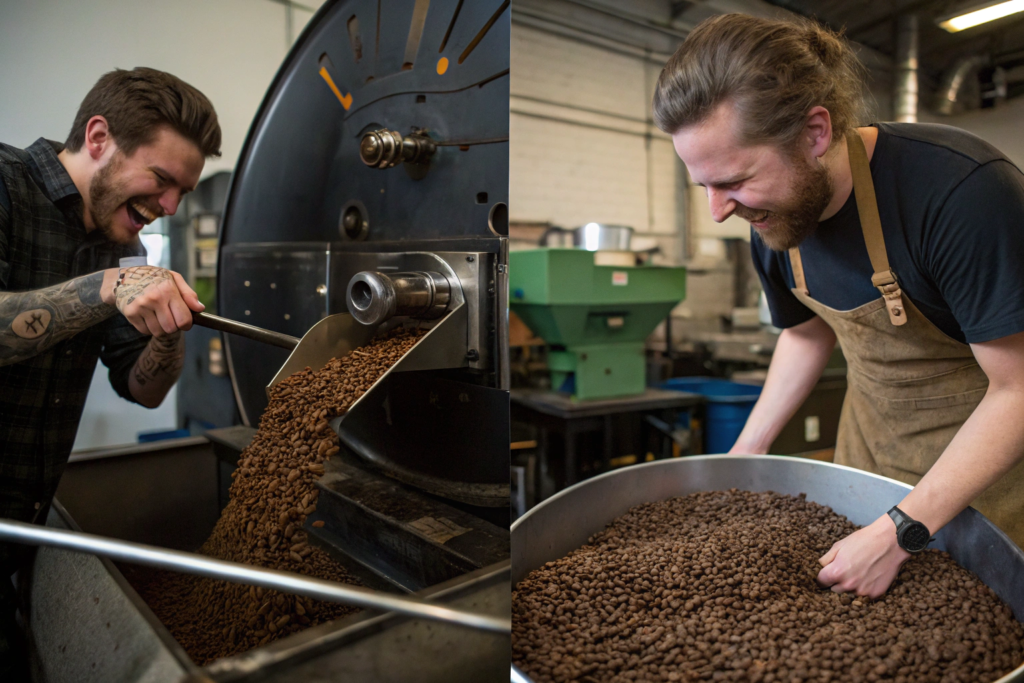
Roasting is just physics, really. You apply heat. The bean absorbs it. Water turns to steam. Pressure builds. The bean expands. If the moisture is too low, there is no steam to transfer heat evenly. The outside scorches. The inside stays underdeveloped. You get a flat line on your RoR curve right before first crack. It tastes bready. Hay-like. If the moisture is too high, you waste the first three minutes just evaporating water. You have to push more gas to hit your milestones. Then you tip the beans. The outside chars, and the inside bakes.
You know that grassy note you sometimes get in cheap commercial coffee? That is often high moisture. The bean hasn't dried sufficiently, so it retains some of that raw, vegetal character. During roasting, the Maillard reactions get delayed. You can't develop sweetness properly. On the other side, a bean stored at 9% moisture for too long loses its free amino acids. The browning reactions have nothing to work with. You get a pale, cinnamon-colored roast that tastes like toasted cardboard.
Professional roasters rely on predictability. They build profiles expecting a consistent density and moisture level. If your container lands with 12.5% moisture when the sample had 10.5%, your profile is trash. You have to re-dial everything. That wastes time, gas, and green coffee. We see this happen a lot with poor warehousing. The coffee sits in a humid port for two weeks, and the moisture creeps up two points. When we ship from Shanghai Fumao, we use dry liners and sealed containers specifically to prevent this shift. Check the SCA cupping protocols if you want the deep dive on how moisture affects sensory scores. They treat it as a baseline prerequisite.
How Can You Check Moisture Content Accurately Before Shipment?
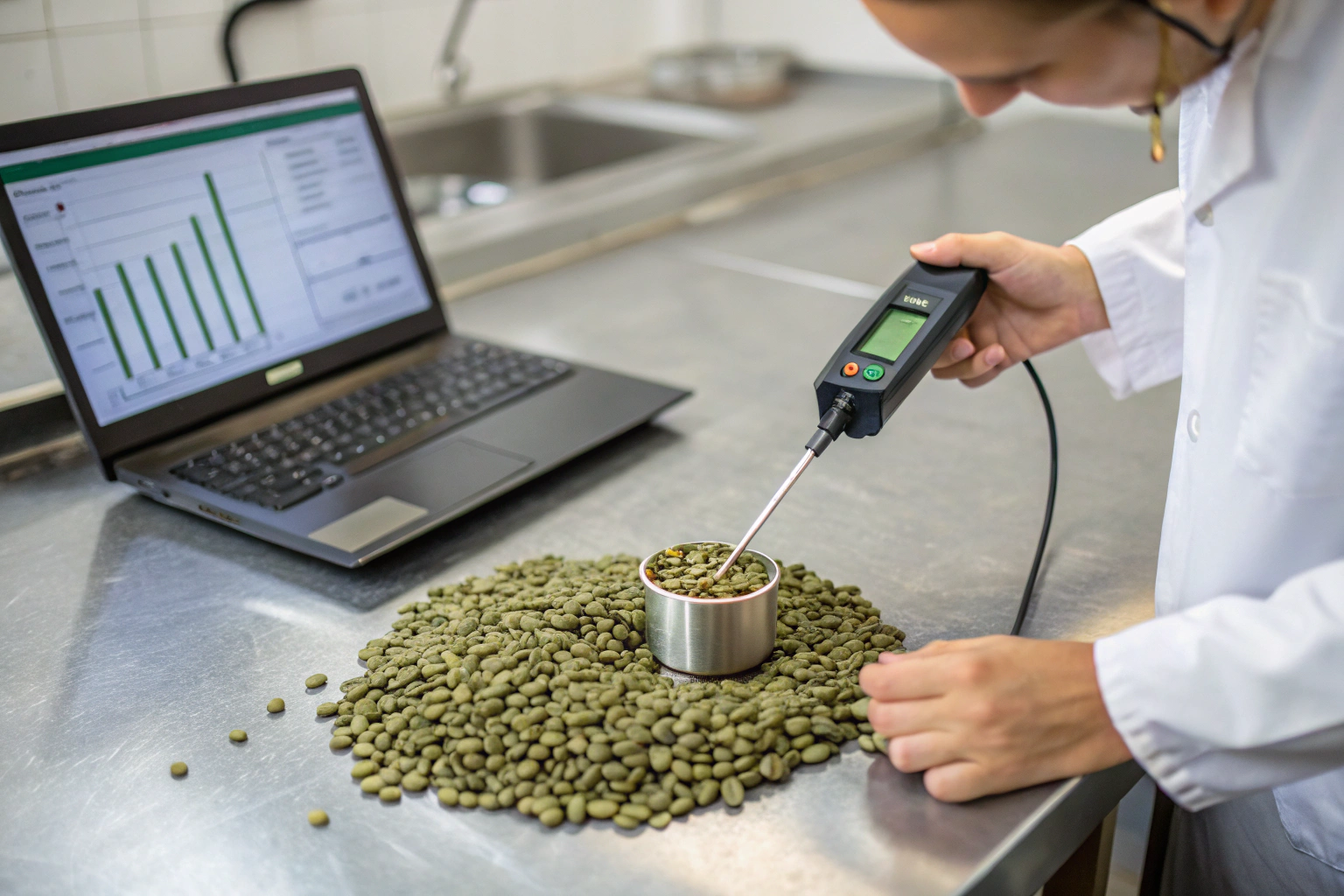
You cannot rely on the supplier's word alone. You need proof. And you need to know how that proof was gathered. The cheapest way is a handheld capacitance meter. You stick it in a bag, it gives you a reading in five seconds. But these are sensitive to temperature and bean density. A cold bean reads differently than a warm bean. So you have to calibrate. The standard is the oven-drying method. You weigh a ground sample, bake it at 105 degrees Celsius for 24 hours, and weigh it again. The weight loss equals the moisture content. It is slow, but it is absolute. Disputes are settled with this method.
We do something practical for our U.S. buyers. Two weeks before your container sails, we pull a representative sample from your specific pallets. We test it with a calibrated meter, then we oven-test a subset to confirm. We send you the full report as a PDF. Then we express-mail a sealed 200-gram sample to your office. You can run your own test. If your meter gives you 10.8% and ours gave 10.9%, we are within a statistical margin of error. But if ours reads 11% and yours reads 13% when the container arrives, something happened in transit. Condensation damage, usually. That is why we use GrainPro sealed bags. They stop the container sweat from ruining your investment.
What Happens When Storage Conditions Shift Moisture Levels Post-Export?
The boat docks. The container sits on a hot tarmac in Long Beach for four days. The sun beats down. Inside the metal box, the temperature swings wildly. The coffee inside a jute bag is now breathing that humid, salty air. The moisture level climbs. You take delivery, and suddenly your 11% coffee is 13%. It is not the seller's fault, but it is your loss. Or is it?
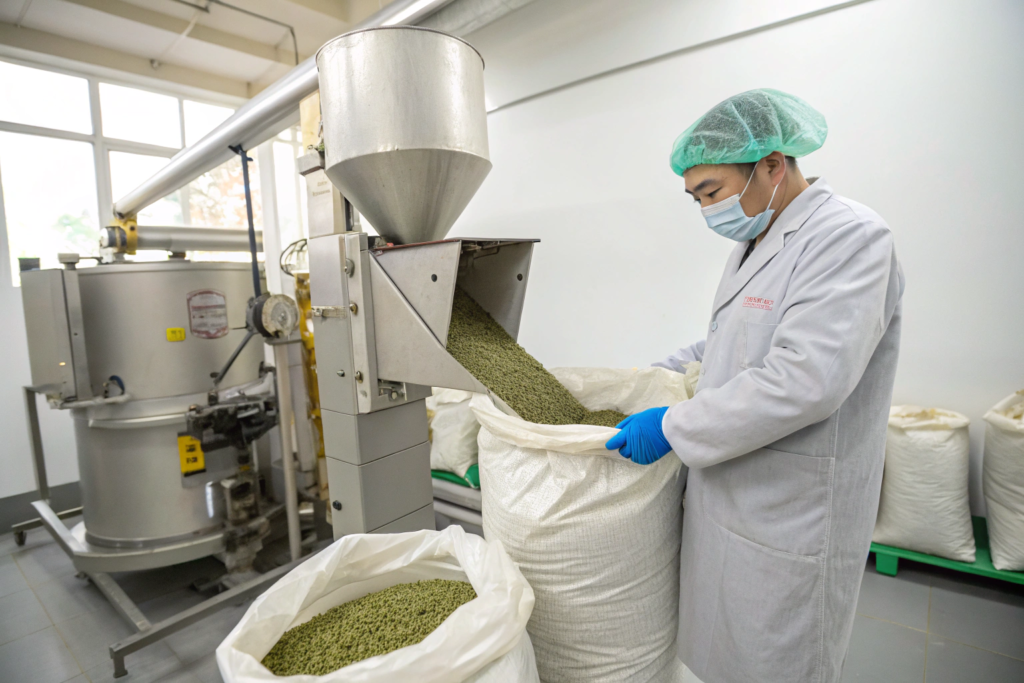
This is why packaging is part of the moisture standard negotiation. We don't ask if you want GrainPro. We make it the default for specialty lots. The hermetic seal locks the internal humidity at the bagging point. As long as the seal is intact, the external humidity cannot touch the beans. The temperature can swing, but the moisture stays locked. We also advise buyers on the receiving end. Don't unload the container and leave it in a non-climate-controlled warehouse near a loading dock door. Move it to a cool, dry space within 24 hours. Monitor the dew point. A simple digital hygrometer on the wall of your green storage room can save you thousands. If the air in the room is wetter than the beans, the beans will drink it up. It is passive absorption. You cannot stop it unless you control the environment. For a larger look at global logistics impacts, Ico.org has historical data on how shipping conditions correlate with quality claims. The pattern is clear: good packaging prevents 90% of moisture disputes.
How Do Harvesting Methods Influence the Initial Bean Moisture?
Moisture doesn't start in the warehouse. It starts on the tree. The cherry itself is 60% to 70% water when picked. The moment you pick it, the clock starts ticking. If you use strip-picking—grabbing every cherry on the branch regardless of ripeness—you get a mix of high-moisture under-ripes and low-moisture over-ripes. Drying that mix evenly is a nightmare. The under-ripes dry faster, become brittle, and shatter. The over-ripes dry slower and ferment. The final blend has an inconsistent moisture distribution even if the average number looks okay.
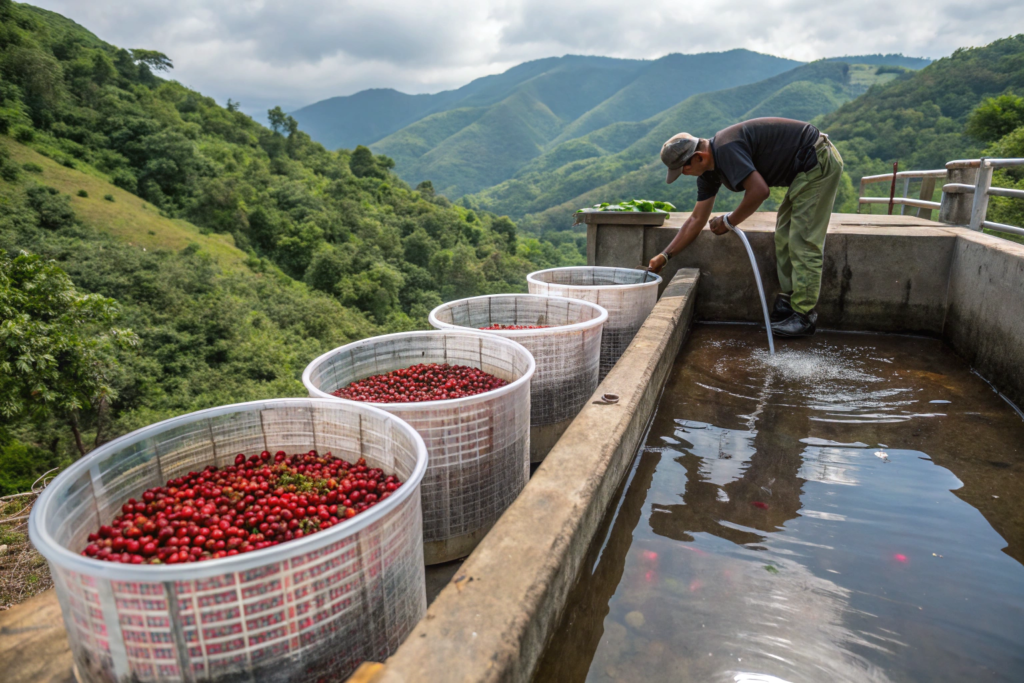
We only hand-pick ripe cherries on our Baoshan farms. Yes, it costs more in labor. But the starting moisture of the batch is uniform. That means we can dry it faster and more evenly without damaging the cell structure. Then we float the cherries in water tanks. Floaters? They are often bug-damaged or dried out on the tree. They get discarded. The sinkers? They are dense, fully developed, and have that optimal internal moisture that allows slow, controlled dehydration. This sorting step is basic, but you'd be shocked how many commercial suppliers skip it because water is a cost and time is money.
Another thing about harvesting: the time of day matters. We pick in the morning when the cherries are cool. If you pick at noon under the blazing sun, the cherry starts respiring like crazy. It burns its own sugars before it even hits the drying patio. That internal chemical change affects how water is bound inside the seed. Bound water is chemically attached to the cellulose. Free water is just sitting there, waiting to evaporate. You want to remove the free water without stripping the bound water too fast. Picking cool cherries gives you a head start on that gentle curve. It is a small detail, but stack up ten small details, and you get a lot that wins a cupping competition.
Why Is the Drying Phase So Critical for Preventing Future Mold?
Mold spores are everywhere. In the air. On the cherry skin. On the drying patio. You will never eliminate them. You manage them by controlling the one thing they need to grow: free water. A coffee bean with a water activity level (Aw) below 0.65 will not support mold growth, even if spores are present. To hit that Aw, you usually need moisture content below 12.5% during storage. But during the actual drying process, you have to move fast through the danger zone.
The danger zone is roughly 25% down to 13% moisture. In this range, if the coffee sits too long, mold establishes a foothold. Then even if you dry it down to 10% later, the damage is done. The metabolic waste from the mold—mycotoxins—remains in the bean. It tastes musty. Dirty. And it is a health liability, especially Ochratoxin A. We dry our washed Catimor on raised African beds under parabolic covers. The air flows over and under the beans. We rake them every 30 minutes in the peak sun. We get through the danger zone in about two to three days. Then we slow-dry for another week to stabilize the moisture at 10.5%. This dual-phase drying is standard in specialty. The FAO coffee processing guide outlines the microbiology here. Slow but safe wins the race.
Does the Wet-Hulled Process Create a Different Moisture Risk Profile?
You know about Sumatra wet-hulled coffee. But the technique is creeping into other Asian origins now, too. Wet-hulling strips the parchment at around 40% moisture instead of 11%. The naked bean dries in the sun. It swells. It gets that bluish, swollen look. The moisture risk profile here is completely different and much more volatile. Because the protective parchment is removed so early, the bean is directly exposed to the elements. Fungi and bacteria colonize the surface almost instantly. This is what gives it that earthy, spicy, sometimes polarizing flavor.
From a moisture standard view, wet-hulled coffee can pass the 12% test at the final dry stage. But its water activity is often higher than a washed coffee at the same moisture reading. Why? Because the rapid drying and structural damage create more "bound" water? No. Actually, it creates microscopic fissures that trap moisture unevenly. Your meter might say 12%, but pockets inside the bean are at 14%. When you roast it, these pockets don't crack properly. You get a muffled sound, an uneven roast. For a buyer sourcing from China, we stick to the fully washed process. It is the global standard for clean, stable moisture. If you see wet-hulled coffee from Asia, test the water activity separately. Don't trust just the moisture meter reading on the invoice.
Maintaining Your Brand’s Integrity Through Strict Moisture Control
Your company’s name is on the bag. If a customer opens a pound of your "micro-lot" and it smells like a basement, your reputation tanks. They don’t blame the exporter in Kunming. They blame you. Moisture failure is a direct brand failure. It suggests you are not inspecting your supply chain. It suggests you are cutting corners. The sad part? It is the easiest variable to control. You just have to refuse to accept shipments that are out of spec, and you need a supplier who loves precision.
We see our role as brand guardians for our clients. When you buy a lot from Shanghai Fumao and sell it under your label, our obsession with moisture becomes your invisible quality guarantee. Your customer never thinks about water activity. They just taste the clean, snappy acidity, the chocolatey sweetness, the clean finish. They become repeat buyers. That is how integrity works in the supply chain. It is quiet. No one notices until it’s absent. Then everyone notices the off-taste.
An often overlooked detail is the packaging room humidity. We dehumidify our packing room to 50% relative humidity. We don't pack green coffee on a rainy day with the doors open. That sounds obvious, but many mills operate with open walls. We seal the room. We condition the beans to the ambient environment before bagging. If you bag hot coffee straight from the dryer into a cold warehouse, it sweats inside the bag. Condensation forms. Localized mold starts. You see it as a small cluster of fuzzy beans stuck together. That's a rejection criterion for any roaster. We eliminate that variable entirely by stabilizing the temperature. It is meticulous. But the specialty market demands meticulous. Your market demands it.
How Do You Write a Contract That Penalizes Bad Moisture Levels?
Contracts aren't just friendship handshakes. They are weapons against quality failure. You need to specify the moisture range as a condition of sale. The contract should state: "Green coffee moisture content to be between 10.0% and 12.0% at the time of stuffing, measured by ISO 6673 oven-dry method." If the container arrives and the moisture is above 12.5% due to packaging failure, that should trigger a discount or a rejection clause. But here’s the tricky part: you have to agree on the measuring point. Is it at the port of loading or port of discharge? We settle this by doing a joint inspection at loading. The sealed report is part of the export docs.
Another provision: include a water activity clause. "Water activity (Aw) to be below 0.65 at time of packaging." This is a belt-and-suspenders approach. Moisture content can mislead; Aw does not. If the Aw is above 0.70, mold risk is active even if the moisture is 11%. This dual specification protects you. It also scares off sloppy suppliers who can't hit those numbers. They will self-select out of the negotiation. You don't want to argue over a claim for $50,000 of ruined coffee. The contract should also state that the arbitration is in a neutral location, maybe Singapore or London, under Gafta or similar rules. A good resource on standard trade terms is the Global Coffee Platform, which pushes for baseline specs. Your lawyer will thank you for keeping it specific.
What Role Does Technology Play in Real-Time Moisture Monitoring?
The days of trusting a handwritten note on a clipboard are over. We are implementing remote monitoring systems that track the temperature and humidity inside the sealed container in real time. A small data logger sits inside the bag of beans. It transmits a signal during the voyage via satellite. You, sitting in your office in Chicago, can open a dashboard and see the dew point curve of your coffee as it crosses the Pacific. If the humidity spikes inside the sealed bag, you know there’s a leak. You can reject the container at the dock without even opening it. Just send it back on the shipping company’s dime.
On the farm level, we use moisture meters that log data to a cloud server. Every batch that goes into the warehouse gets a digital birth certificate. Date, time, ambient temp, grain temp, and moisture reading. When you request a specific lot, we can pull up its entire drying history. You can see that it never went above 40 degrees Celsius during mechanical drying. You can see the curve. This is the future of specialty trading. It ends the arguments. There is no more "my word against yours" on moisture. There is just the data. When you partner with Shanghai Fumao, you get access to this data. It is not proprietary secrets. It is just proof of quality. And it costs us very little to provide. A data logger is cheaper than a single rejected pallet.
Conclusion
Moisture content might be the most boring topic in coffee. Until it destroys your flagship blend. Then it becomes your only topic. The difference between specialty grade and commercial grade is not just a few percentage points. It is a completely different approach to handling the bean. Specialty demands precision—from the morning harvest to the sealed container to the climate-controlled warehouse. Commercial grade often leaves it to luck. Luck runs out. It always does.
We have walked through the roasting impacts. You saw how high moisture kills your Maillard reaction and how low moisture shatters your beans. We talked about the testing methods you can use to verify the truth, from the handheld meter to the oven test. We explored how harvesting and processing lay the foundation, and why even a perfect coffee can die a slow death in a humid shipping container. The standards are clear: 10% to 12% for specialty, a tight 10.5% to 11.5% for premium consistency, and a strict water activity cap.
You can't taste a moisture spec sheet. But you can taste what it represents. It represents security. It represents a coffee that will roast exactly the same in December as it did in July. If you care about the numbers behind the quality, and you want a supplier who treats moisture control as a religion, not an afterthought, let's talk directly. Reach out to our export director, Cathy Cai, at cathy@beanofcoffee.com. She can send you a sample lot with the full moisture log and a data logger on the package so you can see the proof for yourself.