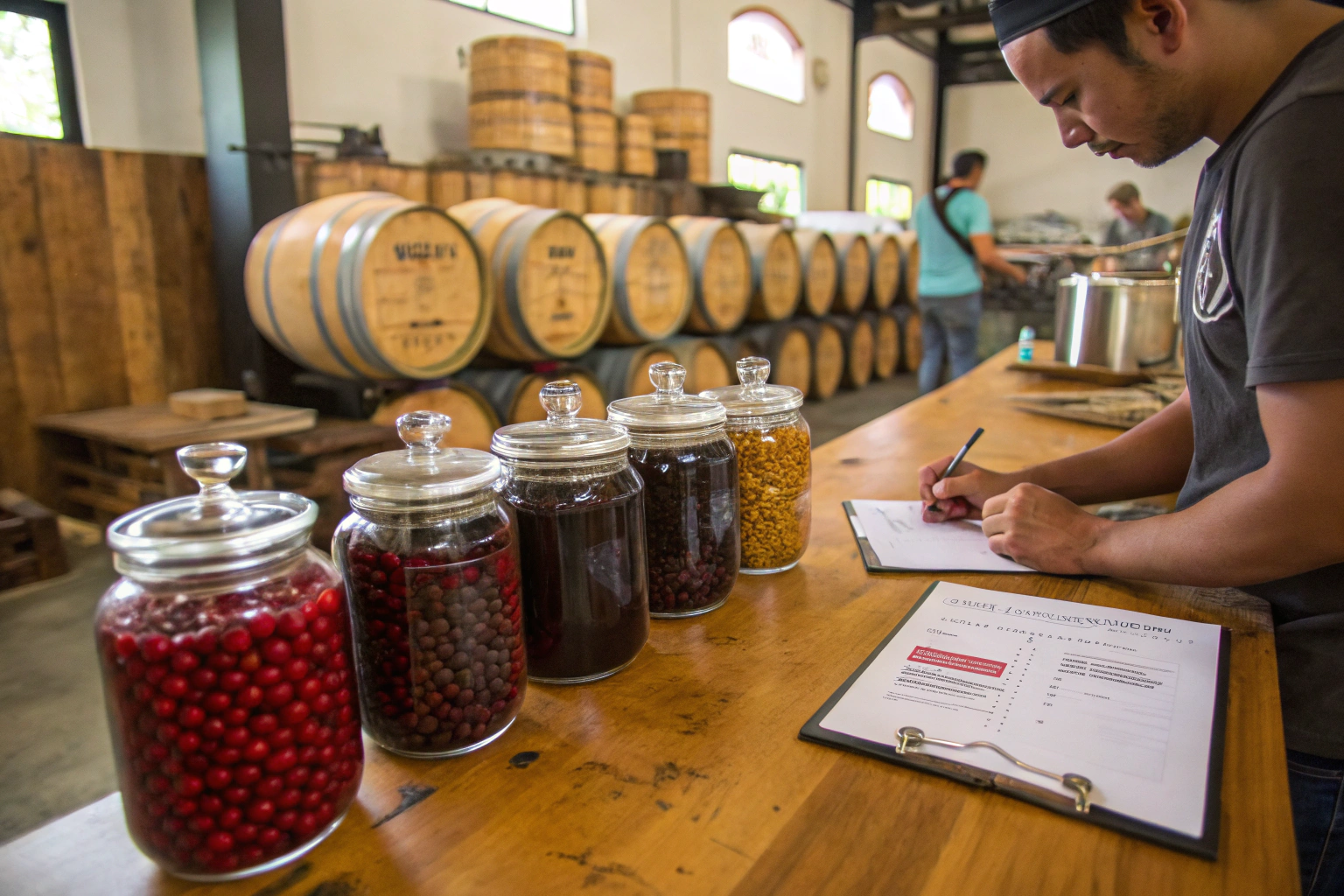
A fast-growing specialty roaster from Texas sat across from me at a cupping table two years ago. His brand was doing well, but he had a problem. "Everyone has a washed Yunnan and a natural Yunnan," he said. "I need something that no one else has. Something that makes my customers stop and ask, 'What is this?'"
He was not the first buyer to ask me that, and he will not be the last. The specialty coffee market is crowded. Hundreds of roasters offer similar origins with similar flavor notes. Standing out requires more than good sourcing. It requires a product that is genuinely unique. Not just a different farm, but a different coffee.
Custom green bean processing allows a roaster to create an exclusive product by specifying the fermentation method, yeast strain, drying protocol, or barrel aging for a specific lot, resulting in a coffee that no other roaster in the world can offer and a flavor story that cannot be replicated.
This is not a service for every roaster. It requires trust, communication, and a willingness to invest. But for the roaster who wants to build a brand around exclusivity and innovation, custom processing is the ultimate competitive advantage. Here is how it works, what options are available, and how to bring a custom lot from concept to cup.
What Is Custom Green Bean Processing and How Does It Work?
Custom processing is a collaboration between the roaster and the producer. Instead of buying a finished lot from a catalog, the roaster works with the producer to design a specific processing protocol for a specific coffee. The roaster specifies the variables. The producer executes the protocol. The resulting lot is exclusive to that roaster.
The process starts with a conversation. The roaster describes the flavor profile they want to achieve—bright and floral, heavy and fruity, wine-like and complex. The producer recommends a variety, a plot, and a processing method that can deliver that profile. The variables are discussed: fermentation time, temperature, pH targets, yeast strain, drying speed, barrel type. A protocol is agreed upon.
The producer then executes the protocol on a small batch of coffee. The batch is processed, dried, milled, and cupped. A sample is sent to the roaster. The roaster cups the sample and provides feedback. If the profile is on target, the protocol is locked. If adjustments are needed, the producer modifies the protocol for the next batch. The cycle repeats until the coffee is exactly what the roaster wants.
Custom processing is a collaborative, iterative process where the roaster defines the target flavor profile, the producer designs and executes a bespoke processing protocol, and the two parties refine the result through sampling and feedback until an exclusive, signature coffee is created.
Once the protocol is locked, the custom lot becomes an annual offering. The same plot, the same variety, the same processing, year after year. The roaster has a signature coffee that is consistent, exclusive, and impossible for competitors to replicate. The producer has a committed buyer and a premium price for the extra labor and risk.
At Shanghai Fumao, we offer custom processing on our high-altitude Catimor, SL28, Typica, and Geisha lots. The minimum batch size depends on the complexity of the protocol, but typically starts at 60 to 120 kilos. The roaster receives full documentation—fermentation logs, drying curves, pH data—and exclusive rights to the lot.
What Variables Can a Roaster Control in a Custom Protocol?
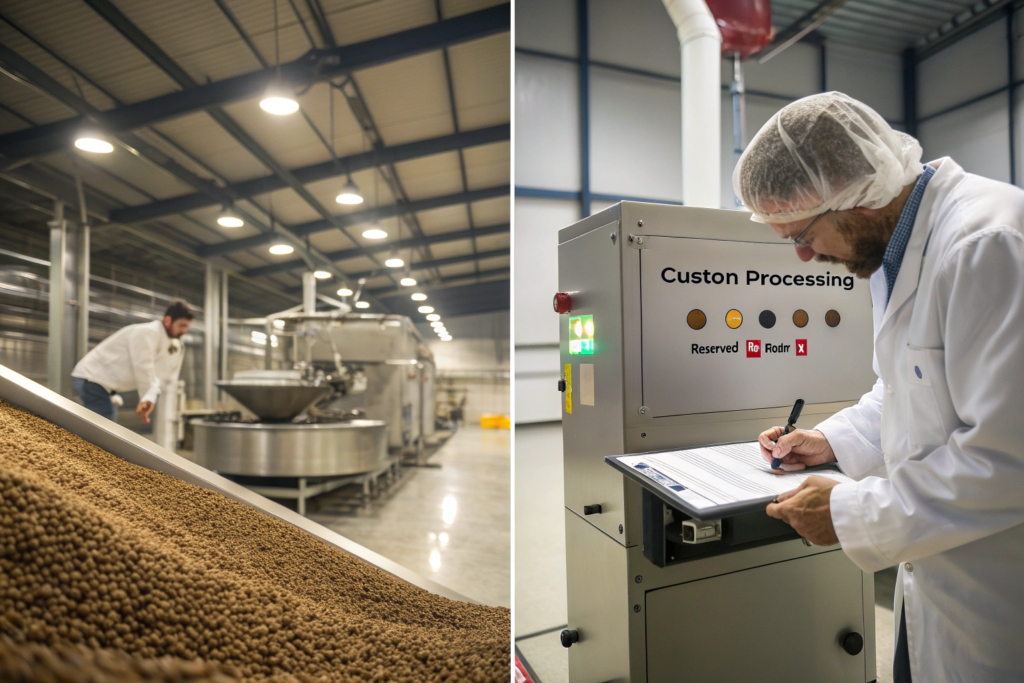
The range of variables that a roaster can specify in a custom protocol is extensive. It covers every stage of processing from cherry selection to final drying. The more variables the roaster specifies, the more unique the resulting coffee.
Cherry selection is the first variable. The roaster can specify a minimum Brix level at harvest—22, 24, 26—to ensure maximum sugar content. They can specify a stricter defect tolerance than standard specialty—zero primary defects, hand-sorted only. The starting material defines the quality ceiling.
Fermentation is the second and most impactful variable. The roaster can choose the fermentation method—anaerobic, aerobic, carbonic maceration, or a sequence of methods. They can specify the duration—48 hours, 72 hours, 96 hours. They can specify the temperature—20 degrees, 22 degrees, 24 degrees. They can choose the yeast or bacteria strain—a specific Saccharomyces cerevisiae strain, a Lactobacillus culture, or a combination.
A roaster can specify nearly every critical control point in a custom protocol, including cherry ripeness standards, fermentation method and duration, yeast or bacteria inoculation strains, drying speed and surface, and optional post-fermentation aging in spirit barrels.
Drying is the third variable. The roaster can specify the drying surface—raised beds, parabolic dryers, or shaded patios. They can specify the drying duration and the target moisture curve. A fast, hot dry produces different flavors than a slow, cool dry. The roaster can choose the profile that best suits their target.
Post-fermentation aging is an emerging variable. The roaster can specify barrel aging—bourbon, whiskey, rum, wine—for a defined period. The barrel type, the aging duration, and the post-aging drying protocol are all customizable. The result is a coffee with the integrated oak, vanilla, and spirit notes that only barrel aging can provide.
How Long Does It Take to Develop a Custom Lot from Scratch?
Developing a custom lot is not a quick process. It requires patience, planning, and a realistic timeline. The roaster who wants a custom lot for their autumn menu should start the conversation in January.
The timeline begins with the harvest. The custom lot must be harvested at the specified ripeness from the specified plot. The harvest in Yunnan runs from November to February. The conversation about the custom protocol should happen in October or November, before the harvest begins.
The processing occurs during and immediately after the harvest. Depending on the protocol, this can take anywhere from a few days for a washed lot to several weeks for an extended anaerobic natural or a barrel-aged lot. The coffee then rests for one to two months before dry milling.
Dry milling typically occurs in March or April. The sample is milled, cupped, and sent to the roaster. The roaster cups the sample and provides feedback. If the protocol needs adjustment, the next harvest is the opportunity to refine. If the protocol is locked, the coffee is ready to ship in May or June.
The total timeline from initial conversation to shipped coffee is typically 6 to 8 months. The first batch is a learning experience. The second batch is refined. By the third harvest, the protocol is dialed in and the coffee is a signature offering. The investment in time is significant, but the reward is a product that no competitor can duplicate.
Which Custom Processing Methods Create the Most Distinctive Cups?
The custom processing methods available today go far beyond "washed" and "natural." The modern specialty coffee producer has a toolkit that includes microbiology, winemaking techniques, and barrel aging. Each method creates a different flavor signature.
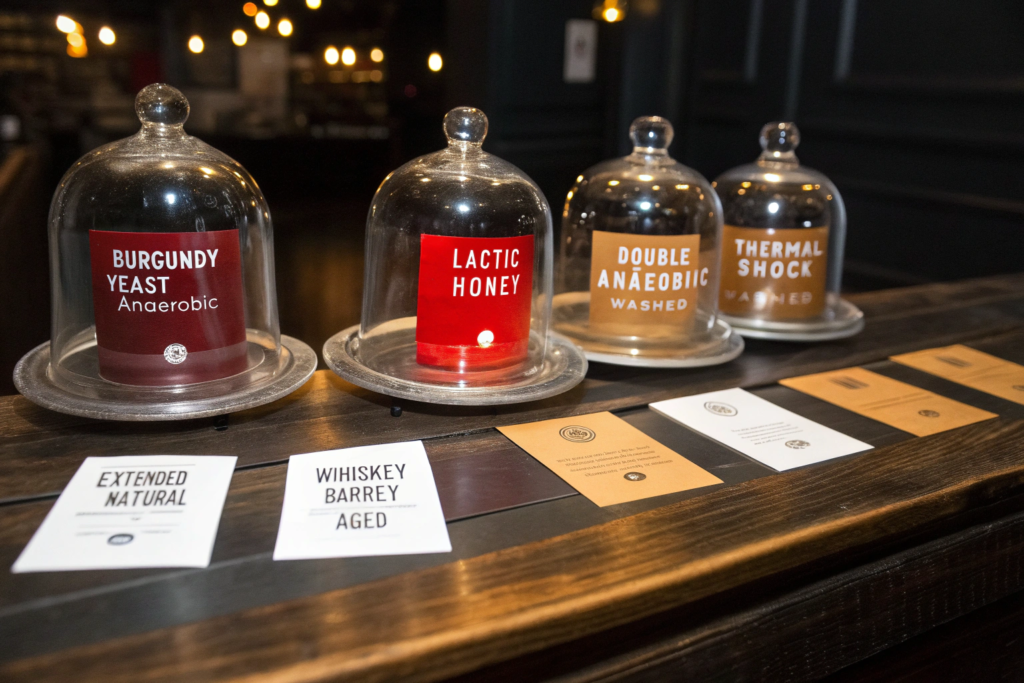
Wine yeast fermentation is one of the most impactful custom options. A specific Saccharomyces cerevisiae strain—Burgundy, Champagne, Sauternes—is inoculated into the fermentation tank. The yeast produces esters and other volatile compounds that are characteristic of the wine made from that strain. A Burgundy yeast produces red berry, earth, and spice notes. A Sauternes yeast produces honey, apricot, and vanilla. The coffee tastes like a collaboration between a winemaker and a coffee farmer.
Lactic fermentation is another powerful option. Lactobacillus bacteria are inoculated into the tank, either alone or in combination with yeast. The bacteria produce lactic acid, which tastes creamy, tangy, and yogurt-like. The resulting coffee has a heavy, creamy body and notes of yogurt, tropical fruit, and cream. It is unlike any standard washed or natural coffee.
The most distinctive custom processing methods are wine yeast fermentation for varietal wine-like complexity, lactic fermentation for creamy, tangy body, thermal shock for intensified floral expression, and barrel aging for integrated oak and spirit notes—each creating a flavor profile unavailable through standard methods.
Thermal shock is an emerging method that involves rapidly cooling the fermentation tank to near-freezing temperatures at a specific point in the process. The thermal shock stresses the yeast, causing it to produce unique stress-response compounds. The method is still experimental, but early results suggest it can amplify floral and citrus notes dramatically.
Barrel aging, which we discussed in a previous session, is a post-fermentation method. The dried green coffee is aged in freshly emptied spirit barrels for weeks or months. The beans absorb vanillin, lactones, and residual spirit notes from the wood. The result is a coffee with integrated oak, vanilla, and whiskey or rum notes.
The choice of method depends on the roaster's brand identity and target customer. A roaster with a wine-enthusiast customer base might choose Burgundy yeast fermentation. A roaster with a wellness-focused brand might choose lactic fermentation for its yogurt-like creaminess and probiotic story. A roaster with a luxury, limited-release model might choose barrel aging.
How Does Lactic Fermentation Create a Creamy, Tangy Profile?
Lactic fermentation is one of the most requested custom protocols I receive. The flavor profile is intensely distinctive and highly marketable. The science behind it is straightforward.
Lactobacillus bacteria consume sugars and produce lactic acid. Lactic acid is the acid found in yogurt, sour cream, and sourdough bread. It tastes creamy, tangy, and smooth—very different from the sharp, citric acidity of a washed coffee or the acetic tang of an over-fermented natural.
In a custom lactic protocol, the pulped beans or whole cherries are placed in a sealed tank with a lactobacillus culture. The tank is purged of oxygen. The bacteria ferment the mucilage sugars for 48 to 72 hours at a controlled temperature. The pH drops as lactic acid accumulates. When the target pH is reached, the fermentation is stopped and the coffee is dried.
The resulting coffee has a heavy, creamy body and notes of yogurt, tropical fruit, and vanilla. The acidity is soft and round, not sharp. The finish is long and clean. On the cupping table, a lactic processed coffee is immediately recognizable. It does not taste like a washed coffee. It does not taste like a natural. It tastes like a lactic coffee.
For a roaster, a lactic processed lot is a powerful differentiator. The "yogurt coffee" story is memorable and consumer-friendly. The flavor is accessible despite being unusual—most people like yogurt, and the tropical fruit notes are appealing. The coffee performs well as a filter brew and exceptionally well in milk drinks, where the creamy body complements the milk texture.
Can You Combine Thermal Shock with Yeast Inoculation?
Thermal shock and yeast inoculation are not mutually exclusive. In fact, combining them can create an even more distinctive flavor profile. The yeast produces specific esters. The thermal shock stresses the yeast, causing it to produce additional stress-response compounds that can amplify florals and citrus.
The protocol for a combined thermal shock and yeast inoculation might look like this. The coffee is pulped and sealed in a tank with the selected yeast strain. The fermentation proceeds at 22 degrees Celsius for 24 hours. The temperature is then rapidly dropped to 5 degrees Celsius for 12 hours, using a thermal jacket or cold water circulation. The yeast is stressed. The fermentation slows dramatically. The yeast produces shock compounds. The temperature is then raised back to 22 degrees Celsius, and the fermentation continues for another 24 hours. The coffee is then washed and dried.
The result is a coffee that has the specific varietal character of the wine yeast, plus an additional layer of floral and citrus intensity from the thermal shock. The acidity is more complex. The aroma is more intense. The cup is more distinctive.
This combination is still experimental. The exact temperature drop, the duration of the shock, and the timing within the fermentation all affect the outcome. I have run trials with different protocols. The results vary. The best combination is still being discovered. For a roaster who wants to be on the cutting edge, a combined thermal shock and yeast inoculation protocol is a compelling option.
How to Market a Custom Processed Coffee as a Flagship Product?
A custom processed lot is not just a coffee. It is a flagship product. It represents the pinnacle of a roaster's sourcing capability and brand identity. The marketing should reflect this elevated status.
The product should have a distinct name and identity. Not just "Yunnan Catimor," but something that signals its uniqueness. "Reserve Series: Burgundy Yeast Fermentation." "Limited Edition: Lactic Process Micro-Lot." "Barrel Aged Signature." The name tells the customer that this is different from the everyday offerings.
The packaging should be premium. A special bag design, a numbered edition, a card with the processing details and the producer's signature. The customer should feel that they are buying something rare and special. The unboxing experience should be memorable.
Marketing a custom processed flagship requires a distinct product name, premium numbered packaging, a transparent "process story" that explains the bespoke protocol in simple terms, and a limited release model that leverages genuine scarcity to drive urgency.
The story is the core of the marketing. The customer needs to understand what makes this coffee different and why it is worth the premium price. The story should explain the custom process in simple, sensory terms. "We worked with the producer to ferment this coffee with a Burgundy wine yeast, the same strain used to make some of the world's greatest Pinot Noir. The yeast transforms the coffee's natural sugars into notes of raspberry, cherry, and spice."
The story should include the collaboration narrative. "This lot was created exclusively for us. No other roaster has this coffee." The exclusivity is a powerful selling point. The customer is not just buying a coffee. They are buying access to something that is not available anywhere else.
The release should be an event. A launch date announced to the email list. A limited quantity—only 200 bags. A countdown on social media. The genuine scarcity of a custom micro-lot creates urgency without manipulation. The coffee sells out quickly. The customers who buy it feel like insiders. The customers who miss out are motivated to act faster next time.
How Do You Educate Consumers Without Overwhelming Them?
The custom processing story is complex. There is a risk of overwhelming the customer with technical details. The education must be layered, allowing the customer to engage at their preferred depth.
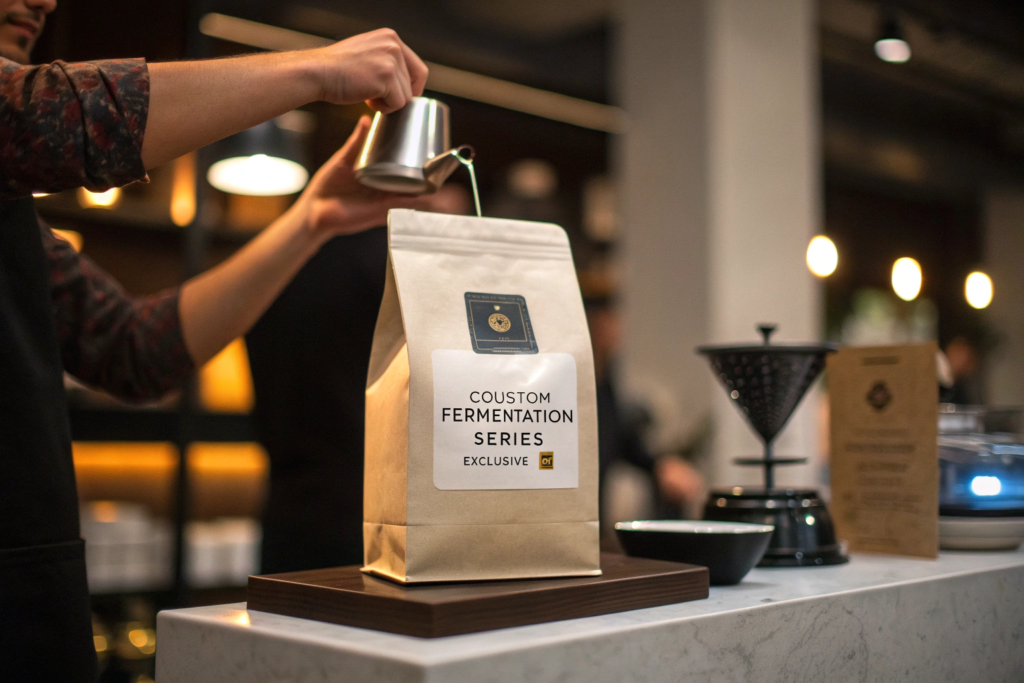
The front of the bag should be simple and sensory. The coffee name, the flavor notes, the limited edition number. "Tastes Like: Raspberry, Dark Cherry, and Baking Spice." The customer can buy the coffee based on the flavor alone.
The back of the bag should provide the essential story in a short paragraph. "This coffee was created through a custom fermentation with a Burgundy wine yeast, a collaboration between our roastery and the farmer. Only 200 bags exist." The curious customer reads the back while their coffee brews.
A QR code on the bag links to a dedicated page on the roaster's website. The page includes the full processing details—the yeast strain, the fermentation duration, the temperature log, the drying curve—along with photos and videos of the process. The coffee geek who wants the full story can find it.
The barista in the café is the final educator. They should be trained to describe the coffee in one sentence: "This is our custom fermented lot—it tastes like raspberry and spice, and it was made with the same yeast they use to make Burgundy wine." The sentence is intriguing, accessible, and invites further questions. The barista is not a lecturer. They are an enthusiast sharing something cool.
What Is the Pricing Strategy for a One-of-a-Kind Micro-Lot?
A custom processed micro-lot is a premium product with a premium cost. The pricing must reflect the higher green coffee cost, the smaller volume, and the exclusivity. It must also be positioned correctly in the market.
The green coffee cost for a custom lot is typically 50 to 150 percent higher than the standard lot price for the same origin and variety. The premium covers the extra labor, the specialized equipment, the yeast or bacteria cultures, the barrel costs if applicable, and the risk of batch loss. The custom lot is a bespoke product, and bespoke products cost more.
The retail price should be in the premium specialty range—$28 to $45 per 12-ounce bag, depending on the processing method, the cupping score, and the roaster's brand positioning. A wine yeast fermented micro-lot at 88 points might retail at $38. A lactic processed lot at 86 points might retail at $30. A barrel aged lot at 85 points might retail at $35.
The pricing should be transparent. The customer is paying for a unique product created through a specific, labor-intensive process. The price is not arbitrary. It reflects the cost and the value.
The limited volume supports the premium pricing. A micro-lot of 60 to 120 kilos produces a fixed number of retail bags. The scarcity is real. The customer who pays $38 for a bag of a custom lot is not just buying coffee. They are buying access to an exclusive experience. The price is part of the story.
Conclusion
Custom green bean processing is the ultimate expression of a roaster's brand. It transforms the roaster from a buyer of available lots into a co-creator of unique products. The process is collaborative, iterative, and requires patience and trust. The result is a coffee that no other roaster can offer, with a flavor story that cannot be replicated.
The range of custom options—wine yeast fermentation, lactic fermentation, thermal shock, barrel aging—allows a roaster to create a coffee that perfectly matches their brand identity and their customers' tastes. The marketing of a custom lot, as a limited edition flagship, builds brand prestige and customer loyalty.
The investment is significant, but the return is a differentiated brand in a crowded market. The roaster with a custom processed flagship is not competing on price. They are competing on uniqueness, quality, and story.
If you are interested in developing a custom processed lot for your roastery, contact Cathy Cai at BeanofCoffee. She can discuss the available varieties, processing methods, yeast strains, and barrels. She can walk you through the development timeline and the pricing. She can help you create a coffee that is yours alone. Her email is cathy@beanofcoffee.com. She responds quickly and welcomes the opportunity to collaborate on something extraordinary.