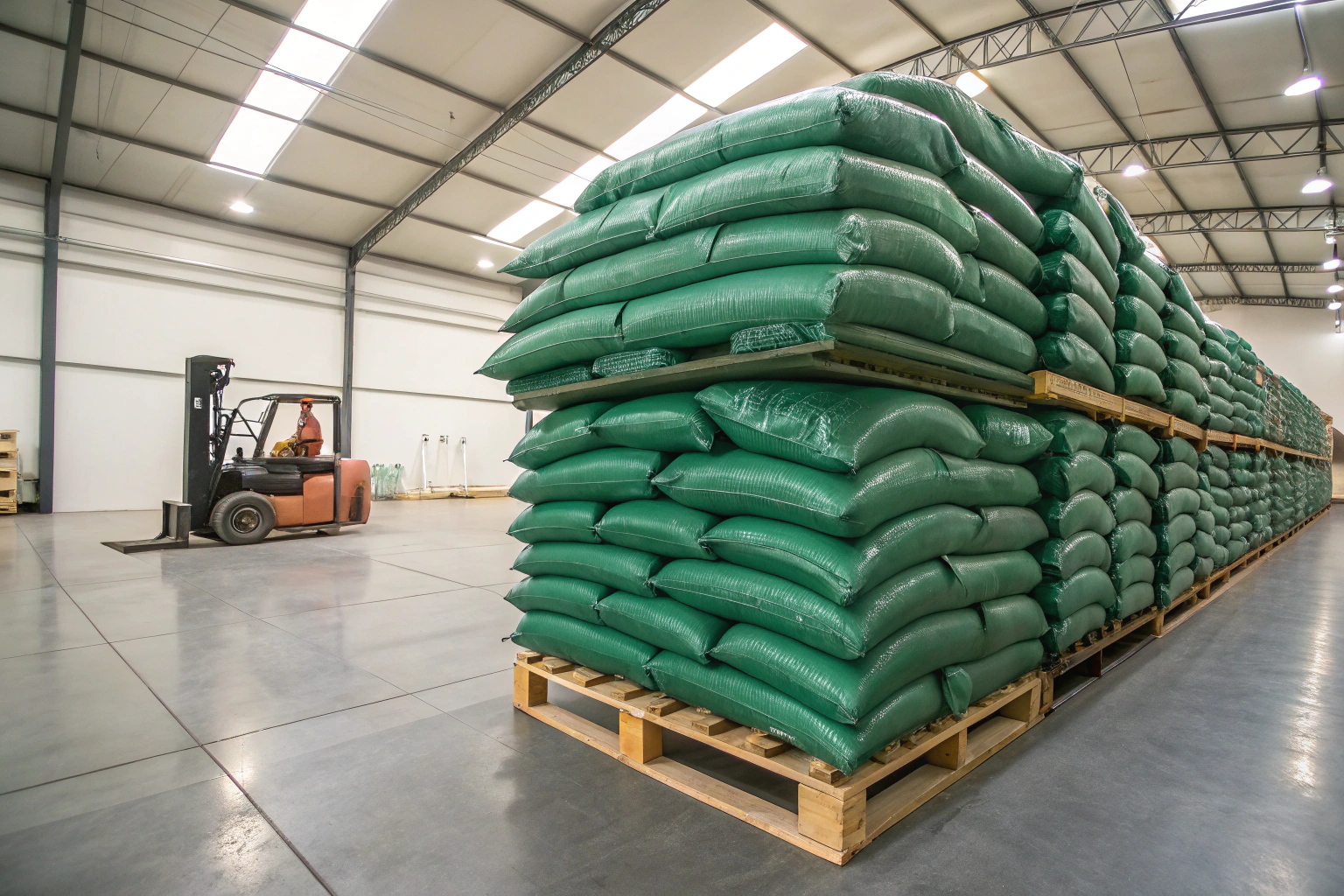
As a coffee buyer, you've just confirmed a large order of premium green coffee. Your thoughts immediately turn to logistics. You're like my client, Ron; you're focused on efficiency and security. You start to worry: Will the sacks shift and get damaged during the long sea voyage? Will the container be loaded inefficiently, wasting space and money? A poorly stacked pallet isn't just an eyesore; it's a major financial risk that can lead to damaged product, rejected shipments, and costly delays.
Let's get this right. Palletizing coffee sacks is a science. It's the critical, final step in protecting the beans that we've worked so hard to cultivate. The best practices for palletizing coffee involve using high-quality pallets, employing a stable interlocking stacking pattern, ensuring the pallet is not overloaded, and securing the entire load properly with shrink wrap and strapping. This isn't just about neatness; it's about creating a solid, stable, and safe unit for transport.
From our export facility in Yunnan, where we ship our Shanghai Fumao coffee worldwide, I can tell you that a perfect pallet is a promise of quality. It signals that we care about our coffee from the moment it leaves our warehouse to the moment it arrives at yours. In this article, I'll detail the professional standards we adhere to, giving you a complete guide to what a perfectly palletized coffee shipment should look like.
How Do You Prepare for Palletization?
Before the first sack is even lifted, proper preparation is essential. You can't build a strong house on a weak foundation. For a buyer, knowing that your supplier is using the right materials from the very beginning provides immense peace of mind. You're worried about issues like pests, mold, or structural failure, all of which can stem from poor preparation.
The foundation of any good pallet is, quite literally, the pallet itself. You must start with a high-quality, structurally sound pallet that meets international shipping standards. This means using pallets that are free from cracks, protruding nails, or any signs of weakness. For international shipments, it is a legal requirement to use pallets that are heat-treated or fumigated according to ISPM 15 (International Standards for Phytosanitary Measures No. 15). This prevents the cross-border transport of pests.
Equally important is the condition of the coffee sacks themselves. Each sack (typically jute or a similar material) should be inspected to ensure it's not torn or leaking. The weight should be uniform across all sacks to ensure a balanced load. At our facility, we weigh each sack before it goes to the palletizing station. This initial quality check on both the pallet and the sacks is a non-negotiable first step to prevent problems down the line.
Why is the ISPM 15 Standard So Important?
The ISPM 15 standard is a global regulation designed to prevent the spread of plant diseases and insects through wood packaging materials. Pallets compliant with this standard are stamped with a specific mark of certification. Using a non-compliant pallet will result in your entire shipment being quarantined, fumigated at your expense, or even destroyed by customs authorities. It's a simple check that can save you from a logistical and financial nightmare. You can verify the requirements on official trade sites like the International Plant Protection Convention (IPPC).
What is the Ideal Pallet Size and Type?
The ideal pallet size depends on the container dimensions and the destination country's standards. The most common sizes are 1200x1000 mm and 1200x800 mm (Euro Pallet). The key is to choose a size that maximizes the floor space of a standard shipping container with minimal gaps. Using a consistent pallet size throughout a shipment is crucial for stability and efficient loading. Four-way entry pallets (which can be lifted by a forklift from any of the four sides) are also highly preferred for their flexibility in handling.
What is the Correct Stacking Technique?
This is where the real skill comes in. You've seen photos of collapsed pallets, with coffee sacks strewn across a container floor. This is a buyer's worst nightmare, leading to damaged product and complex insurance claims. The cause is almost always an improper stacking pattern.
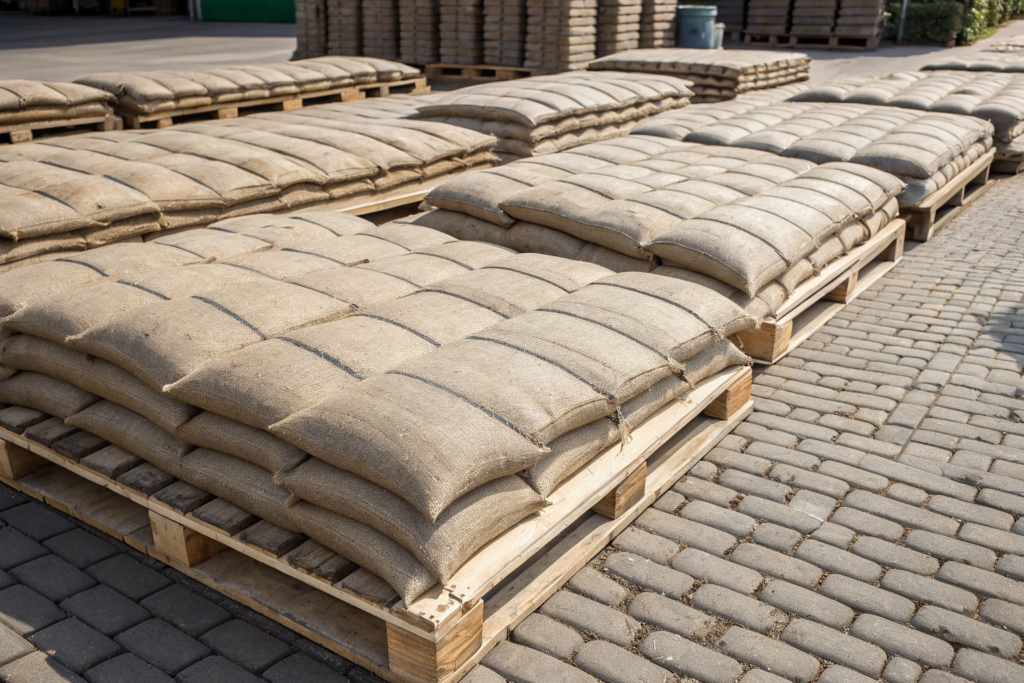
The single most important technique for stability is to use an interlocking stacking pattern, often called a "brick" or "chimney" pattern. This means that the orientation of the sacks in each layer is perpendicular to the layer below it. You should never simply stack the sacks one directly on top of another in columns (column stacking), as this creates vertical seams that make the entire load incredibly unstable and prone to toppling.
Each layer should be built from the outside in, ensuring the outer sacks are flush with the pallet's edge but do not overhang. The sacks should be placed snugly against each other to minimize gaps. As you build up the layers, the interlocking pattern creates a single, solid block where the weight is distributed evenly and the layers support each other, preventing shifting during transit.
How Many Layers and Sacks Are Ideal?
The ideal number of layers depends on the weight of the sacks and the height of the container. For standard 60-70 kg coffee sacks, a pallet is typically stacked 4 to 5 layers high. A common configuration is to have 4 or 5 sacks per layer, resulting in a total of 16 to 25 sacks per pallet. The goal is to maximize height without compromising stability or exceeding the weight limits of the pallet or the container floor.
Why Should Sacks Not Overhang the Pallet Edge?
Sacks that overhang the edge of the pallet are highly susceptible to damage from forklifts, other pallets, or the container walls. This can easily tear the sack, leading to spillage and product loss. Furthermore, overhanging creates an unstable load profile and can make it impossible to fit the pallets snugly side-by-side in the container, leading to inefficient use of space and a higher risk of the load shifting.
How Do You Secure the Final Load?
You've built a beautiful, interlocked stack of coffee. But the job isn't done. An unsecured pallet is just a temporary arrangement. You're worried about the violent motions of a ship at sea—the pitching and rolling that can easily undo even a well-stacked pallet if it's not properly secured as a single unit.
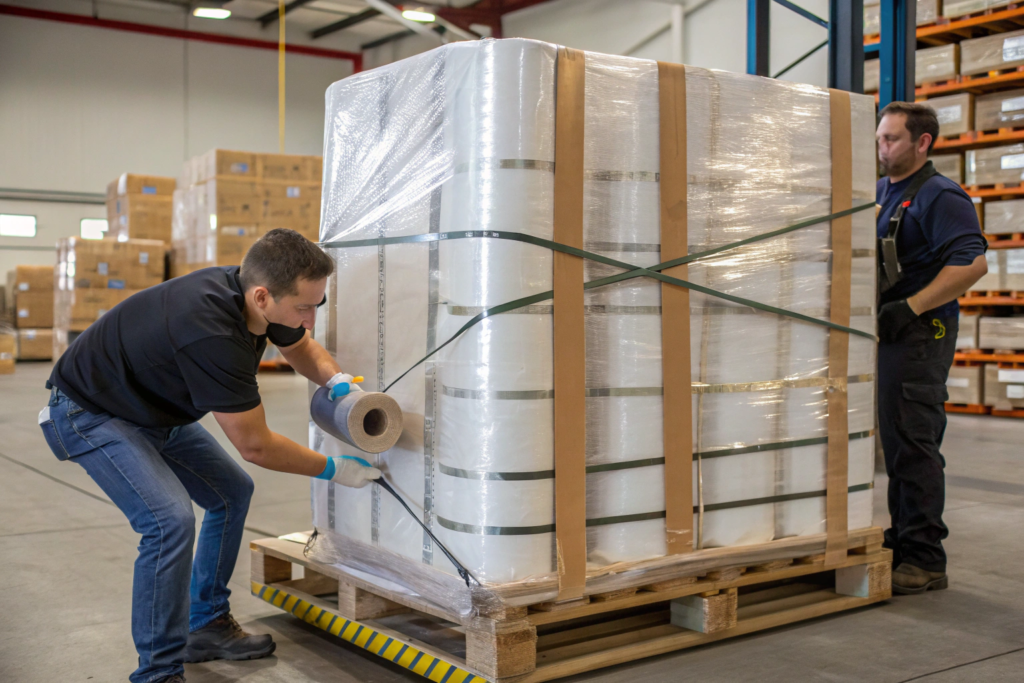
Securing the load is the final step that transforms a stack of individual sacks into a solid, monolithic block. The primary method for this is to tightly wrap the entire pallet in multiple layers of high-quality stretch or shrink wrap. You should start from the bottom, ensuring the wrap adheres to the pallet itself, and work your way up to the top, overlapping each layer by about 50%. The wrap should be applied with tension to compact the load.
For added security, especially for heavy loads or long journeys, plastic or metal strapping should be applied over the shrink wrap. Typically, two straps are applied in each direction (four straps total), running under the top deck of the pallet. This strapping provides crucial vertical and horizontal reinforcement and is the ultimate defense against the load shifting or deforming under pressure. At Shanghai Fumao, every export pallet gets this full wrap-and-strap treatment.
How Many Layers of Shrink Wrap are Enough?
A good rule of thumb is to apply at least 3 to 5 full wraps around the pallet. The key is tension. The wrap should be pulled taut as it's applied, so it actively compresses the load. A loose, baggy wrap offers almost no structural support. The goal is to make the individual sacks behave as one solid object.
Is Strapping Always Necessary?
While not always strictly required, it is a highly recommended best practice, especially for international shipping. The forces inside a moving container can be immense. Strapping provides an extra layer of security that shrink wrap alone cannot offer, particularly in preventing the upper layers from shifting. For a high-value product like specialty coffee, the small additional cost of strapping is cheap insurance against catastrophic failure.
How Should Pallets Be Loaded into the Container?
The final piece of the puzzle is loading the container. A perfectly built pallet can still be damaged if it's loaded improperly. You're worried about empty spaces in the container that allow the pallets to slide around, or about improper weight distribution that could make the container unsafe to transport.
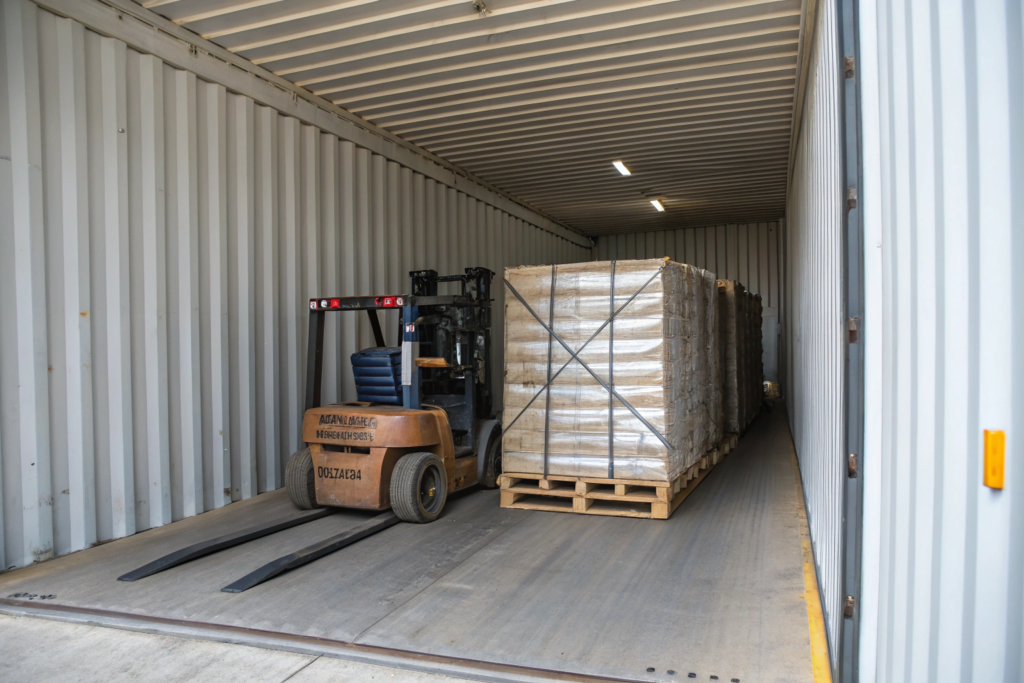
Proper container loading is about creating a tight, balanced, and secure block of cargo. Pallets should be loaded snugly against each other and against the container walls to minimize any empty space (voids). The weight should be distributed as evenly as possible throughout the container, both side-to-side and front-to-back.
Any significant voids should be filled with dunnage—such as airbags, cardboard, or wood braces—to prevent the load from shifting forward, backward, or sideways. The last two pallets loaded at the container doors are often secured with a load bar or additional strapping to prevent them from falling out when the doors are opened at the destination. This meticulous loading process is the final handshake, ensuring the coffee arrives as perfectly as it left.
What is "Pinwheeling" a Pallet?
"Pinwheeling" is a loading technique where you alternate the orientation of pallets (e.g., one lengthwise, one widthwise) to create a tighter fit and reduce empty space in the container. This is often used when the pallet dimensions don't perfectly divide into the container's width. It's an advanced technique that maximizes space utilization and load stability.
Why is Even Weight Distribution Important?
Even weight distribution is critical for the safe transport of the container by truck, rail, and ship. An unbalanced container can be dangerously unstable, increasing the risk of accidents. It can also put undue stress on the container structure and the chassis carrying it. All reputable logistics providers, following guidelines from bodies like the International Maritime Organization (IMO), will insist on a properly balanced load.
Conclusion
The seemingly simple act of palletizing coffee sacks is, in reality, a critical discipline that blends science, skill, and a deep respect for the product. From selecting the right ISPM 15 pallet to applying the final strap, every step is designed to ensure the coffee's safety, quality, and integrity across thousands of miles. A perfectly built pallet is more than just good logistics; it's a clear signal of a supplier's professionalism and commitment.
By understanding these best practices, you are no longer just a buyer; you are an informed partner in the logistics chain. You know what to look for, what to ask for, and how to identify a supplier who treats your investment with the care it deserves. It allows you to mitigate risk, reduce costs, and ensure the beautiful coffee you purchased arrives at your door in perfect condition.
If you are looking for a supplier who obsesses over these details and who can provide you with not only exceptional coffee but also the peace of mind that comes from world-class logistics, we are ready to be your partner. Please reach out to my colleague, Cathy Cai, at cathy@beanofcoffee.com to discuss how our commitment to quality extends all the way to the pallet.