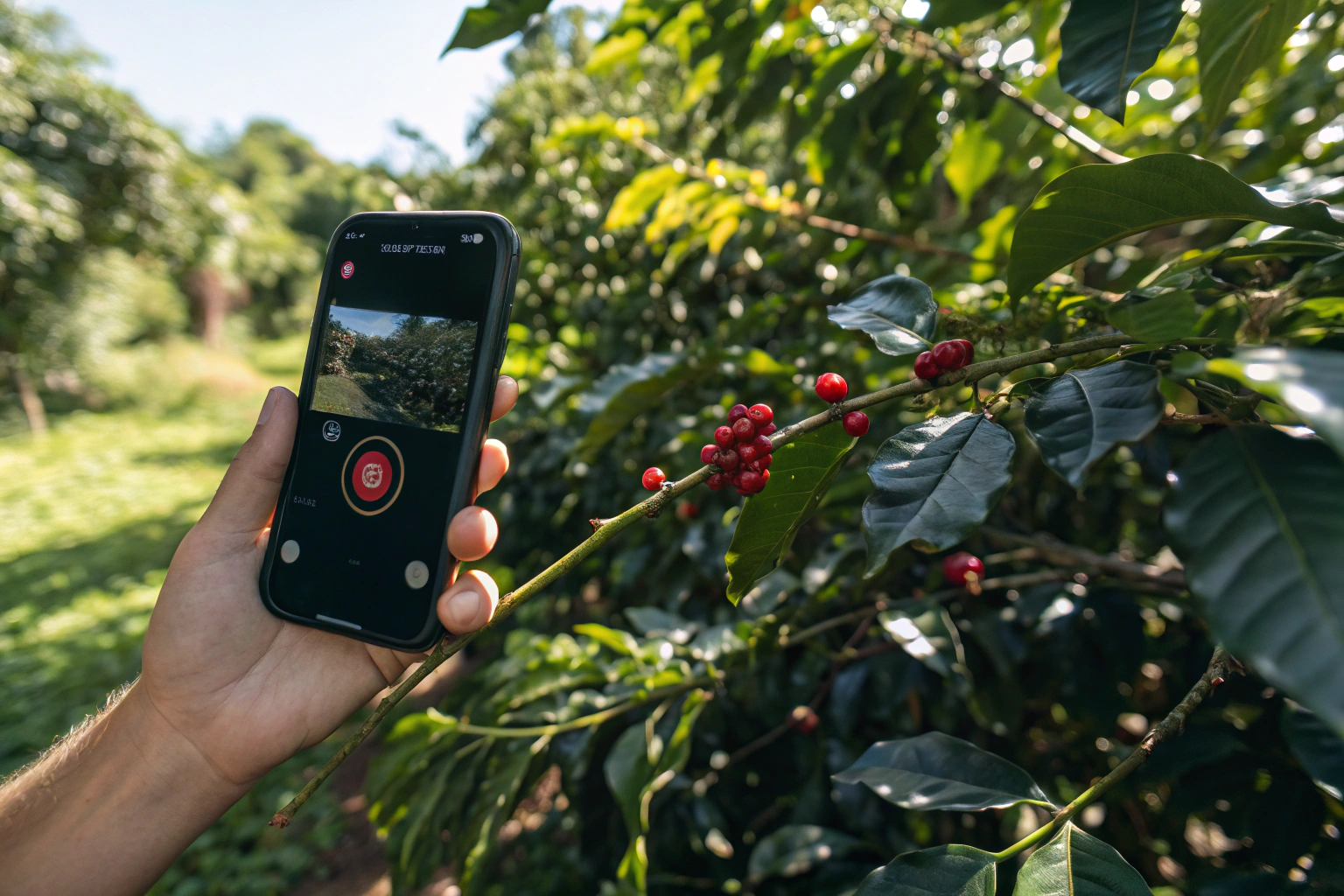
You are a coffee roaster. You have excellent beans. Maybe they are from a single estate in Yunnan. Maybe they are your own blend. The quality is there. The story is there. But your sales are flat. You post on Instagram. You send emails. And you hear the same thing from every marketing guru: "You have to be on TikTok." So you download the app. You scroll. It is all dancing, lip-syncing, and viral sounds. You think, "I sell roasted coffee beans. How on earth does this help me?" You feel lost. You feel old. You feel like the opportunity is passing you by.
Here is the shift you need to make. TikTok is not a dancing app. It is a discovery engine. People don't just go there for entertainment. They go there to learn, to explore, and to find new obsessions. The #coffeetok community is massive and passionate. They want to learn about brew ratios. They want to see the beans they drink being grown on a real farm. They want to buy from real people, not faceless corporations. Your high-quality coffee is not out of place on TikTok. It is exactly what the platform's users are hungry for. You just have to learn to speak their visual language.
I know this from experience. When we started showing our farm, our wet mill, and our cupping sessions from Shanghai Fumao on social media, the response was immediate. Buyers and home enthusiasts alike wanted to connect with the actual source. They didn't want a polished advertisement. They wanted the truth. The mist on the mountain. The sound of the depulper. The face of the farmer. TikTok rewards authenticity and education with wild, organic reach. A single video of a coffee cherry being squeezed can get half a million views and drive real sales. Let me walk you through exactly how to use this platform to turn your premium beans into a scroll-stopping, cash-generating story.
Why Does Educational Content Outperform Hard Selling on TikTok?
Hard selling on TikTok is like shouting in a library. It is awkward. Everyone ignores you. The platform's algorithm and user culture are built on value. Users ask, "What am I getting from this video?" If the answer is "a sales pitch," they scroll instantly. If the answer is "a new skill" or "a fascinating fact," they watch. They like. They follow. And then, they buy. Educational content is the Trojan horse of TikTok commerce. You deliver genuine value. You build trust. And the sale happens naturally on the back end.
Think about your customer. They buy high-quality coffee. They likely brew it at home. They probably have questions. "Why does my coffee taste bitter?" "What is a natural process?" "How do I dial in my grinder?" These are video topics. When you answer these questions, you position yourself as the expert. The source of wisdom. When they are ready to buy beans, who will they buy from? The anonymous brand with a pretty ad? Or the person who taught them how to fix their bitter brew? You. You have earned their business. This approach is called "value-first marketing." It drops the barrier to entry. A user doesn't need to be ready to buy. They just need to be curious. And the internet is full of curious people. A short, punchy video that teaches a micro-skill travels far. Check the TikTok for Business creative guide. It emphasizes that the top-performing videos provide real value to the viewer. A sales pitch provides zero value. Education is the new sales pitch.
What "How-To" Formats Generate the Most Coffee Equipment Views?
The most powerful format on TikTok for coffee is the quick fix. A common mistake and its immediate solution. The "Stop Doing This, Do This Instead" model. It hooks the viewer because it challenges their current behavior. They watch because they don't want to be wrong. "Stop tapping your portafilter with a spoon. Do this instead to avoid channeling." Boom. You have their attention. They are watching because they want to improve.
Another winning format is the "2-Minute Masterclass." It is a deep dive into one tiny topic. "Today, let's learn how the bloom phase works." You show a close-up of the coffee bed bubbling. You explain the release of CO2. You make the viewer feel smart. This format builds intense loyalty. The viewer saves the video. They share it with a friend. The algorithm loves saves and shares even more than likes. To maximize views, use a common search term as your opening line. "You've been wondering why your pour-over stalls. I'll show you." This mirrors exactly how someone types a query into the search bar. It signals to the algorithm that your video answers a specific question. The Specialty Coffee Association's brewing resources are full of scientific principles you can translate into these simple, visual lessons.
How Does an "Origin Story" Series Build Long-Term Trust?
A single origin video is nice. A recurring series is a relationship. You can create a playlist on your profile called "From Farm to Cup." Episode 1: The Seedling. Episode 2: The First Flower. Episode 3: The Harvest. Episode 4: The Wash. Episode 5: The Dry Mill. Episode 6: The Roast. Episode 7: The Brew. You take the viewer on a literal journey over the course of weeks. They become invested. They follow to make sure they don't miss the next episode.
This series format builds monumental trust because it proves you have nothing to hide. You show the entire process. The viewer sees the laborers' hands, the clean machinery, the pristine drying beds. This is your silent certification. You never say "we are high quality." You prove it visually. This series also becomes a permanent asset. A new customer discovers your profile. They binge the entire series in an hour. By the end, they feel a deep connection to your farm. They have spent an hour with your brand. That is priceless brand equity. At Shanghai Fumao, we regularly share this type of content with our wholesale partners so they can use it on their own channels. It is ready-made, authentic storytelling.
How Can Small Coffee Roasters Showcase Their Unique Beans on TikTok?
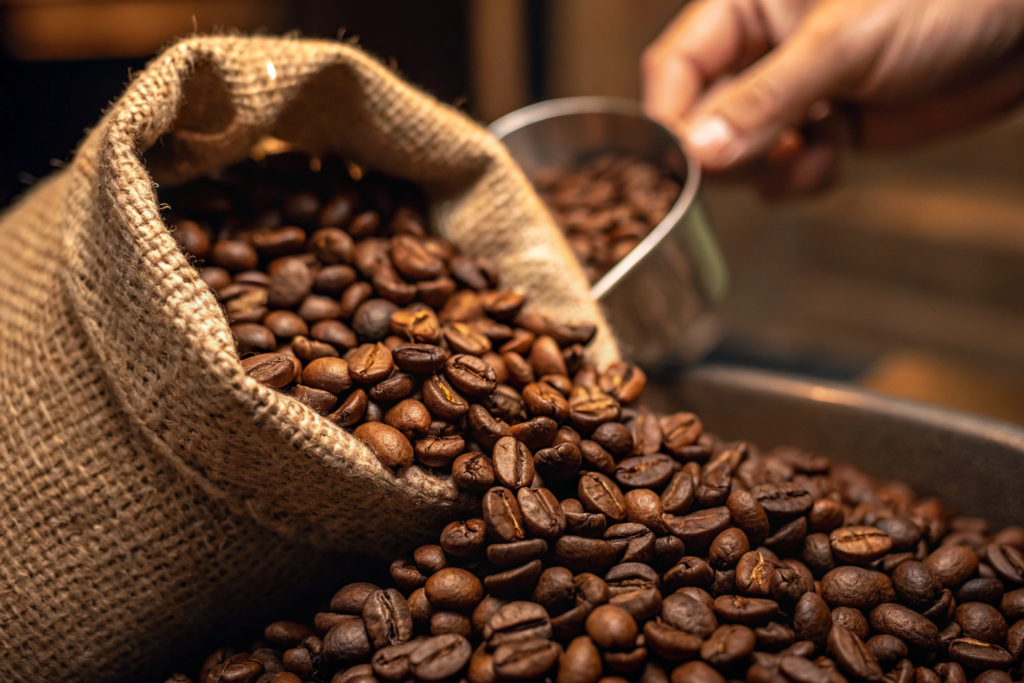
Your beans have a personality. You just have to show it. Stop filming static bags on a shelf. That's what everyone does. That's invisible. You need to create a sensory experience through the screen. The user cannot smell your coffee. But you can show them the oils glistening on a dark roast. You can show them the crackle of first crack. You can show them the dramatic color change of the bean during roasting. You use high-definition macro shots to make the coffee look edible through the glass.
A simple, highly effective video is the "Slow Pour." You film a slow-motion shot of a pour-over bloom. The coffee bed swells. The bubbles pop. It is mesmerizing. It is satisfying. It makes the viewer crave that fresh, aromatic experience. Then, in the caption, you simply say, "This is what fresh, single-origin Yunnan Arabica looks like. Link in bio." You don't have to scream. The visual is the sales pitch. The quality is undeniable. Another idea is the "Commodity vs. Specialty" comparison. Two glasses. One with cheap, broken commodity beans. One with your uniform, screen-18 specialty beans. You zoom in. The visual difference is shocking. It justifies your higher price instantly. The viewer thinks, "Oh, I'm paying for the real thing." These visual demonstrations convert viewers into customers because they provide the proof of quality that a written description never can.
What Visual Cues Make a Coffee Bag Look "Premium" in a Video?
The unboxing experience is a whole genre on TikTok. It is about anticipation. To make your coffee bag look premium, you must slow down. Don't just rip the bag open. Show the details. A matte-finished box. A gold foil stamp. A neatly folded closure. A handwritten note inside. A vacuum-sealed inner bag that hisses when you open it. Each small detail is a signal of care. The viewer's brain adds these signals up. They equal "premium."
Lighting is everything for this. Do not film under harsh, overhead office lights. Use soft, natural window light. Side lighting creates shadows that show off the texture of the paper, the embossing on the label. Run your finger slowly over an embossed logo. The tactile nature of the shot makes the viewer imagine touching it. This imagined touch creates a phantom sensation of luxury. Also, show the functionality. Pull out the degassing valve. Show the resealable zip. These practical, thoughtful touches are what separate a premium product from a commodity. When you pair your bag with beautiful props—a matte black ceramic dripper, a linen cloth, a fresh plant—you aren't just selling beans. You are selling a lifestyle aesthetic. This aesthetic is what gets shared and saved. Check packaging design trends on platforms like The Dieline for inspiration on what visual cues currently signal high-end craft to consumers.
How to Use Audio Trends Without Distracting from Your Product?
A trending audio track is a shortcut to the algorithm. When a sound is trending, TikTok pushes videos using it. The trick is to use the sound as a mood setter, not the star. The star is always your coffee. Find a trending sound that is chill, jazzy, or lo-fi. Not a screaming meme. Not a dance track. The sound should feel like the inside of a cozy coffee shop. You turn the volume to about 20% so it is a background texture. Then, you let your own voiceover take the lead.
Your voiceover delivers the value. The trending audio just gets you in the door. The structure is: "I bet you didn't know this about our Yunnan beans." (Trending chill beat plays softly). "These beans are grown at 1400 meters where the air is thin and cool." (Cut to farm shot). "This stress makes the cherry denser, which means more flavor in your cup." (Cut to blooming pour-over). The audio trends ebb and flow. You ride the wave for discovery, but your voice is the brand anchor. Never let a trend completely swallow your product's story. The viewer should remember the coffee, not the meme. Use the sound. Don't let the sound use you.
Which TikTok Formats Drive the Most Click-Throughs to Your Website?
Views are vanity. Clicks are cash. You need a strategy to turn a passive viewer into an active visitor on your website. The most effective format for this is the "Micro-Cliffhanger." You tell a story that cannot be concluded in a short video. You build curiosity and then stop. The only resolution is the link in your bio. This format drives massive click-through rates.
For example, you start a video: "We cupped a new lot from our farm yesterday. The cupping score was shocking." You show a clip of the cupping table. You show your reaction. "I did not expect this flavor from a Catimor." You pause. "I posted the full cupping notes, the score, and a limited pre-order link on our website. It is in the bio. Go check it before the lot is gone." The viewer's curiosity is at its peak. They want to know the score. They want to know the secret flavor. They click. Another format is the "Question & Lead-In." You answer a common question. "Where do I buy these beans?" (Show beans). "These are our washed Yunnan. They are available now. The link is in the bio. But hurry, the free sample pack offer ends Friday." You provided value by answering the question. You created urgency. You made the next step clear. A clear call to action is not spammy if you have just delivered value. It is a fair trade. You gave them a tip. You invite them to learn more. Make sure your bio link is a clean, mobile-optimized landing page, not a generic homepage. A service like Linktree can help, but a branded page on your own site is even better.
How to Use "Behind the Scenes" Packing Videos to Create Urgency?
A packing video shows an order being fulfilled. It is incredibly satisfying. The viewer watches their future order come together. It creates a tangible sense of transaction before the transaction even happens. You film a stack of your premium boxes. A hand grabs one. It opens it. It places a bag of beans inside. It adds a handwritten thank-you note. It adds a small free sample. It seals the box with a branded sticker. You play a trending, upbeat track. The caption says, "Packing orders for this week's drop. There are only 20 boxes left from this micro-lot. Link in bio to get one."
This works on multiple psychological levels. It is social proof. Other people are buying. I don't want to miss out. It is a scarcity trigger. "Only 20 left" is a classic, honest lever if it is true. It is also a quality trigger. The care taken in packing reflects the care taken in growing and roasting the coffee. A messy, rushed packing video would signal the opposite. The hand-written note is a crucial touch. It signals human connection. On a platform built on authenticity, that human touch is what seals the deal. Do these videos on shipping days. They convert viewers who are on the fence. They see the real, tangible product leaving the door. They want to be part of that batch.
What Role Does "Customer Reaction" Content Play in the Sales Cycle?
A testimonial from a happy customer is pure gold. But on TikTok, a staged, scripted testimonial is a lead balloon. It feels fake. You need raw, authentic customer reactions. This is called User-Generated Content. You encourage your customers to post a video of themselves brewing your coffee and tag you. You then stitch or duet their video with their permission. You react to their reaction.
Here is the play. A customer posts a video of their morning pour-over. They say, "Just brewed this Yunnan from @YourBrand. The chocolate notes are insane." You then duet it. Your face appears next to theirs. You are smiling, maybe a bit surprised and genuinely grateful. "This made my morning! I'm so glad you're loving the lot. That's our favorite harvest." This is a double-hit. It validates the original customer, making them a superfan for life. It shows your entire audience a real, unpaid person enjoying your product. The trust in this format is astronomical. It is not the brand talking about the brand. It is a peer talking to a peer. Your duet is the grateful nod, not the sales pitch. This is the most authentic form of social proof available. You should run a monthly contest. "Post your brew with our beans and tag us for a chance to win a free bag." The content you get back is worth far more than the cost of the free bag. It is a perpetual testimonial engine.
How to Turn Your Wholesale Knowledge into Viral TikTok Content
You know things the average coffee drinker does not. You know about green bean density. You know about the moisture content for export. You know why a direct trade relationship with a farm like ours is valuable. This knowledge is not boring. It is exclusive. It is content that no one else can make. You transform it into a series called "Coffee Secrets from a Roaster." You demystify the industry. The algorithm loves insider secrets.
An example video. You look into the camera. "One reason your supermarket coffee tastes stale?" (Cut to a jute bag on a dock). "It sat in a hot container for weeks without a sealed liner." (Cut to a GrainPro bag). "Our beans are vacuum-sealed right at the farm. They don't breathe the ocean air." You just taught the viewer something they never knew. You justified your price and your quality without saying "we're better." You educated. In another video, explain the price. "Why do our beans cost $18 a bag?" You break it down transparently. The farm cost. The fair wage. The shipping. The roasting. "When you buy from us, you're directly supporting a family farm in Yunnan, not a middleman." This radical transparency is viral catnip. It respects the consumer's intelligence. It invites them into the business side of coffee. When you treat your viewers like insiders, they become loyalists. To get these technical details right, reference resources like the International Coffee Organization's market reports. The data adds credibility to your story.
Why Does "Myth Busting" Perform Well for Coffee Roasters?
Myth busting is an automatic engagement engine. When you challenge a commonly held belief, you invite a reaction. People comment. "I thought the same thing!" "No way, is that true?" The algorithm sees the debate and pushes the video further. A classic coffee myth: "Darker roast means stronger coffee." You can make a 30-second video that shatters this myth and explains caffeine content relative to roast level. The viewer has a "mind blown" moment. They share the video.
Another myth: "You should store coffee in the freezer." You can explain the science of condensation and why a cool, dark, airtight container is better. In the video, you can hold up a bag of your beans and say, "This valve bag is designed to keep it fresh on the counter." The myth-busting is the hook. Your product is the solution. The key is to be friendly. Don't be a know-it-all. Say, "I used to think this too!" It makes you relatable. You are learning together. This humility actually increases your authority. You are seen as someone who bases their knowledge on experience and science, not ego. This is the perfect soil for a purchase decision to grow. The viewer thinks, "This person really knows their stuff. Their coffee must be good."
How to Exploit the "Green Coffee Sourcing" Niche for B2B Leads?
TikTok is not just for consumers. Wholesale buyers, cafe owners, and roasters are on there too. They are looking for the same value as consumers. You can create content specifically for them. Use hashtags like #coffeebusiness, #coffeeroaster, #cafeowner. Film a video about your cupping session. "Just cupped a new arrival from our direct trade partner in Yunnan. Clean, 84 points, heavy body. Perfect for a milk-friendly espresso blend. DM me for a sample." This is a B2B lead generation machine disguised as a casual video.
You can also create content about the business of coffee. "How to cut your green coffee cost without sacrificing quality." You explain the concept of sourcing from origins like Yunnan and buying direct. You don't even need to mention your own company name forcefully. Your profile is your brand. The viewer is a professional. They will research you. They will see you have access to these beans. They will DM you. "Hey, saw your video on Yunnan sourcing. Can you connect me?" This is an incredibly warm lead. You have already educated them and provided value. The selling process is just a friendly conversation after that. You are not cold-calling. You are providing thought leadership. The Specialty Coffee Transaction Guide is a great source of data to cite in these B2B content pieces. It makes you sound deeply knowledgeable about the economic realities of the trade.
Conclusion
TikTok is not a frivolous distraction for a high-quality coffee business. It is the most powerful storytelling engine currently available. It lets you bypass the gatekeepers of traditional media and speak directly to a global audience of coffee lovers. The key is to abandon the old advertising mindset. You are not making ads. You are making educational micro-content, behind-the-scenes documentaries, and myth-busting explainers. You are sharing your authentic passion and deep knowledge. The sales are the natural consequence of the trust and authority you build.
We have walked through how to educate instead of sell, how to visually showcase your premium beans and packaging, how to drive clicks with cliffhangers and packing videos, and how to turn your wholesale knowledge into viral B2B content. The tools are simple. A phone. Good natural light. Your genuine voice. The coffee you already have. The story of our farm in Yunnan, of the mountains and the processing, is a story that performs exceptionally well on this platform because it is real. It is a hidden world that people are curious about.
Start today. Film a short clip of the next batch you roast. Talk over it. Explain what you are doing. Post it. The momentum builds from there. And if you need an amazing origin story to fuel your content, you know where to find it. We are here to help you succeed.
If you are a roaster looking for a reliable, high-quality, and content-rich coffee origin to build your brand around, we would love to talk. Contact our export director, Cathy Cai, at cathy@beanofcoffee.com. She can set you up with a sample kit and a library of farm footage you can use for your own TikTok channel. Let's get your beans in front of the world.