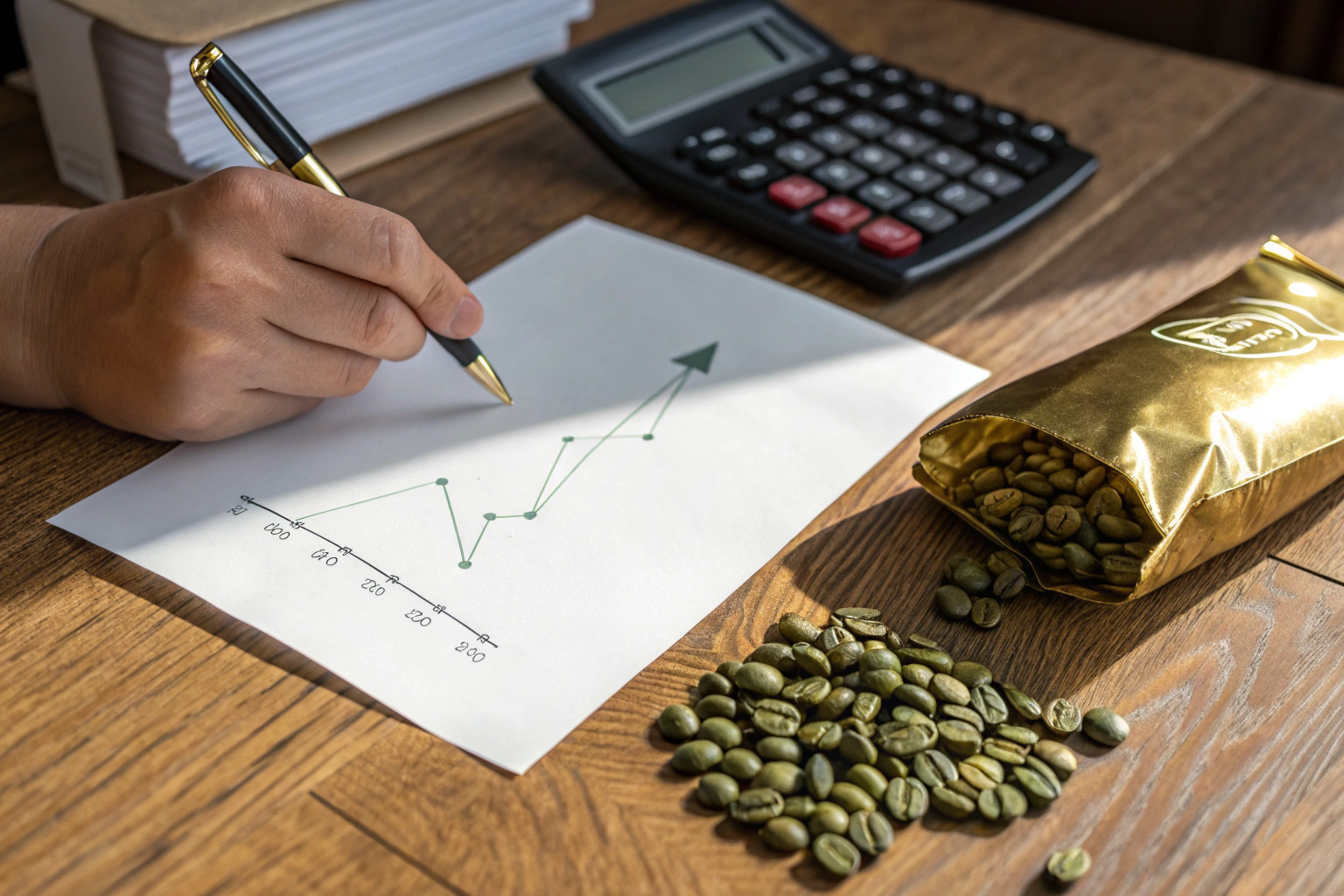
You have a dream. You want your own coffee brand. Your name on the bag. Your logo on the shelf. You see other small brands popping up in cafes and grocery stores. They seem to be doing well. So you start running the numbers. You get a quote for green beans. You get a quote for roasting and packaging. You add it all up. And then you look at the retail price. The gap looks big. But the more you dig into the hidden costs, the more confused you get. The margin that looked healthy on a napkin starts to look razor-thin on a spreadsheet. You are stuck wondering: is this actually a viable business in 2026, or am I just buying myself a very expensive hobby?
The honest answer is this: yes, private label coffee can be very profitable in 2026. But the margin is not a single, magical number. It is a range that depends entirely on your sourcing strategy, your fulfillment model, and your brand positioning. If you buy commodity coffee from a local importer, pay a co-packer to roast it, and sell it on a discount website, your net margin might be a painful 10% to 15%. But if you source high-quality green coffee directly from a farm like Shanghai Fumao, control your own roasting, and sell direct-to-consumer with a premium brand story, your net margin can comfortably sit between 40% and 55%. That is the difference between a side hustle and a serious business. The key variable is not the retail price. It is the landed cost of your green coffee and the efficiency of your route to market.
In 2026, the coffee market is more bifurcated than ever. The commodity price is volatile. The specialty consumer is discerning but willing to pay for authenticity and quality. The private label space is crowded, but most of it is mediocre. A genuinely excellent coffee, with a compelling origin story and a professional brand presentation, can command a premium price and generate exceptional margins. You just have to build the model correctly from the ground up. Let me break down exactly where the money is made and lost, so you can build a brand that is not just beautiful, but profitable.
What Is the True Landed Cost of Green Coffee for a Private Label Brand?
Your entire profit model rests on this one number. The landed cost of your green coffee. This is not just the FOB price per pound. This is the total cost to get one pound of green coffee inside your roastery or your co-packer's facility. Too many new brand owners make the mistake of looking at the FOB quote and thinking that is their cost. It is not. The landed cost includes the coffee itself, the ocean freight, the insurance, the customs clearance, the duties, the trucking to the warehouse, and the warehousing itself. If you are not careful, these add-ons can inflate your cost by 30% to 50%.
The most profitable private label brands in 2026 are the ones who bypass the middlemen and buy direct from origin under Delivered Duty Paid terms. DDP means the farm or exporter handles everything from the mountain to your door. You get one single, all-in price. This eliminates the surprise fees and the currency fluctuations that kill your margin on the logistics side. For example, a high-quality, 82-point washed Arabica from our farm in Yunnan can land on your dock under DDP terms for a price that is consistently below a comparable Colombian or Brazilian coffee bought through a traditional importer. This lower base cost is the foundation of a high-margin brand. You are starting with a structural advantage. You are not cutting quality. You are cutting out the layers of middlemen who take a cut. This is the new sourcing reality for agile brands. For more on global logistics pricing trends, the Freightos Baltic Index provides real-time container cost data that can inform your budgeting.
How Does DDP Shipping Protect My Margin from Volatility?
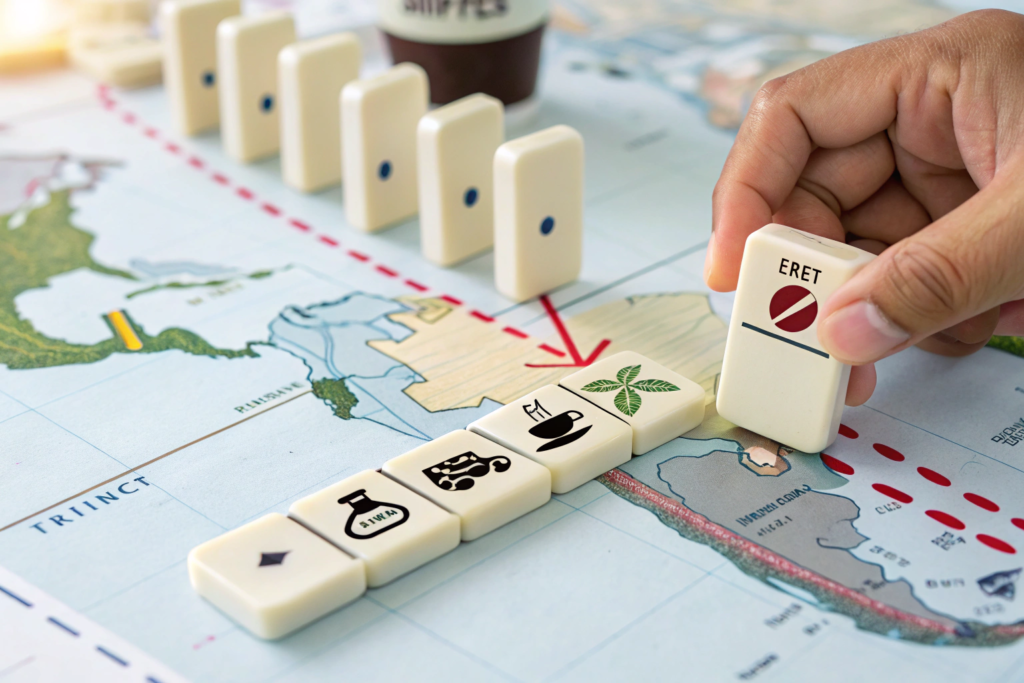
Volatility is a margin killer. You set your retail price for the year. You print your packaging. You sign up your wholesale accounts. Then, a global shipping crisis hits. Freight rates triple. Your local importer slaps a surcharge on your next shipment. Your margin evaporates overnight. You either raise your price and anger your customers, or you swallow the loss and bleed cash. This is the nightmare of the FOB buyer.
DDP shipping acts as a volatility shield. When you sign a DDP contract with us, the price is fixed. We have already factored in our long-term carrier contracts and our logistics expertise into that single number. If freight rates spike, we absorb that cost, not you. Our business is built on managing these logistics efficiently. We have scale and relationships that a single small brand does not. You are essentially buying a financial hedge against logistics chaos. This stability lets you price your product confidently and predict your cash flow. You can invest in marketing and growth because you know your cost of goods sold will not suddenly jump by 20%. This certainty is worth more than a slightly lower FOB quote that comes with unlimited risk. It is a strategic choice to pay for peace of mind and margin protection.
Can a Single-Origin Direct Source Really Beat an Importer's Blend Price?
The old logic says blends are cheaper. You mix a cheap Brazilian with a cheap Vietnamese Robusta. You hit a price point. But in specialty private label, that logic is dying. The consumer can taste the difference. A cheap commodity blend is a race to the bottom. You will always be undercut by someone with more scale. The real value, and the real margin, is in a distinctive single-origin coffee that tastes expensive.
Because we are the farm, not a middleman, our single-origin Yunnan Arabica can be landed for a price that competes directly with the importers' generic blends. We can offer an 83-point, fully traceable single-origin lot for the same or even less than what an importer charges for a mystery blend of similar cup quality. This is the secret weapon. You get to put "Single Origin: Baoshan, Yunnan" on your bag. You get to tell the story of the ancient tea mountains. You get a tasting profile that is clean, chocolatey, and unique. And your cost basis is a generic blend price. This means your private label brand can be positioned as a premium, craft product while enjoying a commodity-level cost structure. That gap between premium perception and modest cost is the definition of a healthy profit margin. It is the holy grail of private label. The Specialty Coffee Transaction Guide consistently shows that direct trade relationships improve value for both the producer and the buyer.
What Is the Margin Stack for a Direct-to-Consumer Coffee Bag?
Let's open the books on a single bag of coffee sold directly from your website. The economics of direct-to-consumer are the most favorable in the coffee business. You capture the full retail price. You own the customer relationship. You control the entire experience. Here is a realistic margin stack for a premium private label brand in 2026, assuming you are roasting yourself or using a transparent co-packer. We will use a 12-ounce bag of single-origin Yunnan coffee, selling for $18 with free shipping.
The first layer is your landed green coffee cost. With a direct DDP source, this might be around $2.25 per pound. With a typical 15% weight loss during roasting, your roasted cost per pound is about $2.65. For a 12-ounce bag, the coffee cost is roughly $1.99. The second layer is the physical fulfillment. The bag itself, if you are using a premium matte pouch with a valve, a tin-tie, and a label, could cost $1.10. The labor to roast, bag, and seal might be around $0.90 per bag. The third layer is the shipping. This is the big one. Shipping a single bag via USPS or a small-package carrier can average $5.50. So your total cost of goods and fulfillment is around $9.49. Your gross profit is $8.51, or a 47% gross margin. From that, you subtract your overhead: website hosting, marketing, insurance, credit card fees. A well-run brand might spend another $2 per bag on these. That leaves a net profit of roughly $6.51 per bag, a 36% net margin. On a 2,000-bag run, that is over $13,000 in net profit. These are healthy numbers. They are achievable because you bypassed the wholesale distributor's 30% cut.
How Does Free Shipping Affect the Perceived Value vs. Actual Cost?
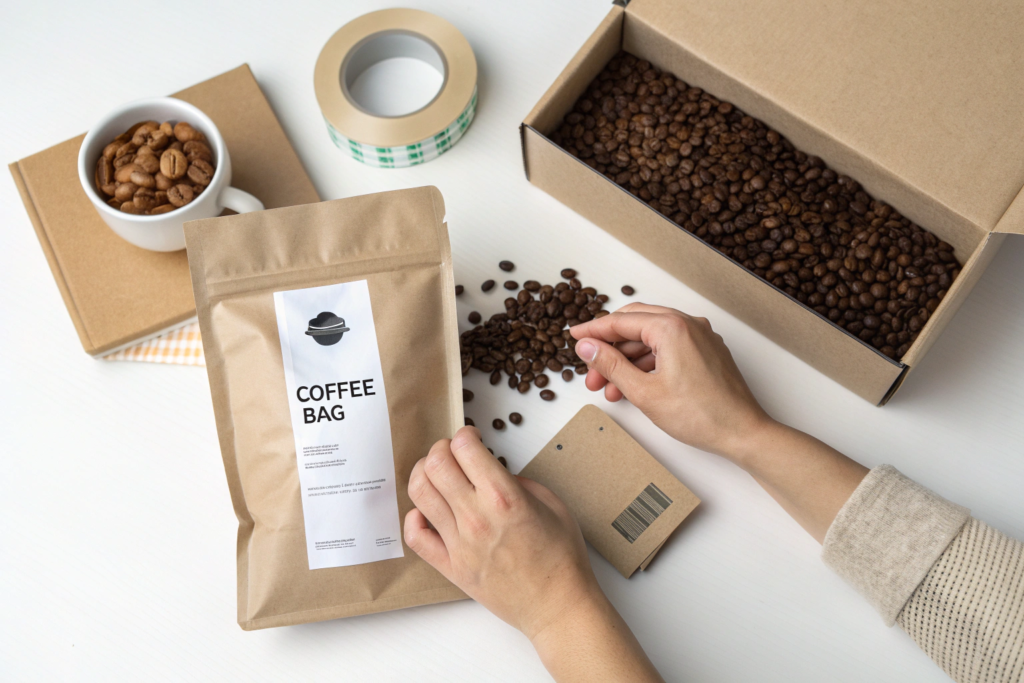
Free shipping is a psychological powerhouse. It is the number one reason for cart abandonment. When you offer it, conversion rates jump. But it is not free. You are just building the cost into your retail price. The customer perceives a value-add. They feel they are getting something for nothing. In reality, you have already included the $5.50 average shipping cost in your $18 price tag. The customer pays $18 and thinks, "Great deal, free shipping." If you priced the bag at $12.50 and charged $5.50 for shipping, they would feel nickel-and-dimed.
The key is to set a free shipping threshold that protects you. For orders over $35, shipping is free. This encourages the customer to buy two or three bags. Your shipping cost for two bags might only be $7, not $11. You just increased your average order value and your margin on the shipping variable. For a single bag, you can offer a "Flat Rate" shipping of $4. This covers most of your cost and feels fair. The private label brands that win in 2026 are the ones that master this pricing psychology. They present a clean, simple offer that feels like a luxury experience. The shipping cost is a hidden profitability lever. Manage it wisely, and it protects your margin without the customer ever feeling a thing.
Why Is a Subscription Model the Ultimate Margin Protector?
Customer acquisition cost is the silent margin killer. You might make a great margin on the first sale, but if you spent $15 on Facebook ads to get that customer, you lost money. The subscription model solves this. A customer signs up for a monthly delivery. The acquisition cost is amortized over their lifetime. Their second, third, and tenth orders have zero acquisition cost. Your net margin on those recurring orders skyrockets. You also gain predictability. You can forecast your green coffee needs months in advance. You can buy larger lots from us at better prices, improving your base margin further.
Subscriptions also reduce the shipping cost variable. You can batch your subscription fulfillment on a single day. Your labor becomes more efficient. Your packaging use is predictable. You can negotiate better rates with your carrier. The customer likes subscriptions because they never run out of coffee. You like subscriptions because they create a sticky, predictable revenue stream with a much higher lifetime value. The math is compelling. A one-time customer might be worth $20 in lifetime profit. A subscriber might be worth $300. The brands that dominate in 2026 are not just selling bags of coffee. They are selling coffee relationships. The subscription box is the contract for that relationship. It is the ultimate margin-building mechanism. Platforms like Shopify make the technical integration of subscriptions very straightforward for small brands.
How Do Wholesale and B2B Channels Change the Private Label Equation?
Selling to offices, cafes, and grocery stores is a volume game. The margin per bag is lower than direct-to-consumer, but the absolute profit can be larger because of the bulk nature of the deals. A typical wholesale model sells a 5-pound bulk bag to a cafe at roughly 50% of the retail equivalent. If your 12-ounce bag retails for $18, that is $1.50 per ounce. The 5-pound bag (80 ounces) would retail for $120. Your wholesale price might be $60. Your costs are much lower for this bag. It's a single bag, a single label, minimal labor. Your green coffee cost for the 5 pounds is about $13.25. The bag and label cost $1.50. The shipping is a single, cheaper box, maybe $10. Your total cost is $24.75. You sell it for $60. Your gross margin is 58%. You made $35 in gross profit on one order.
The challenge is the sales cycle. Finding and securing a wholesale account takes time and often involves samples and meetings. But once secured, it is recurring revenue. A cafe might order two 5-pound bags every week. That is $70 in gross profit, week after week. The key to a profitable private label wholesale channel is having a brand story compelling enough that the cafe does not want to switch. Your single-origin Yunnan coffee, with its beautiful packaging and origin narrative, becomes a point of pride for them. They are not just buying coffee. They are buying a story they can tell their customers. This makes the relationship sticky. You are not competing on price alone. You are competing on value. And in a value-based negotiation, your margin is protected. To find potential wholesale accounts, attending trade events listed by the Specialty Coffee Association can be an excellent investment.
What Is a Realistic Margin for a Coffee Subscription Box for Offices?
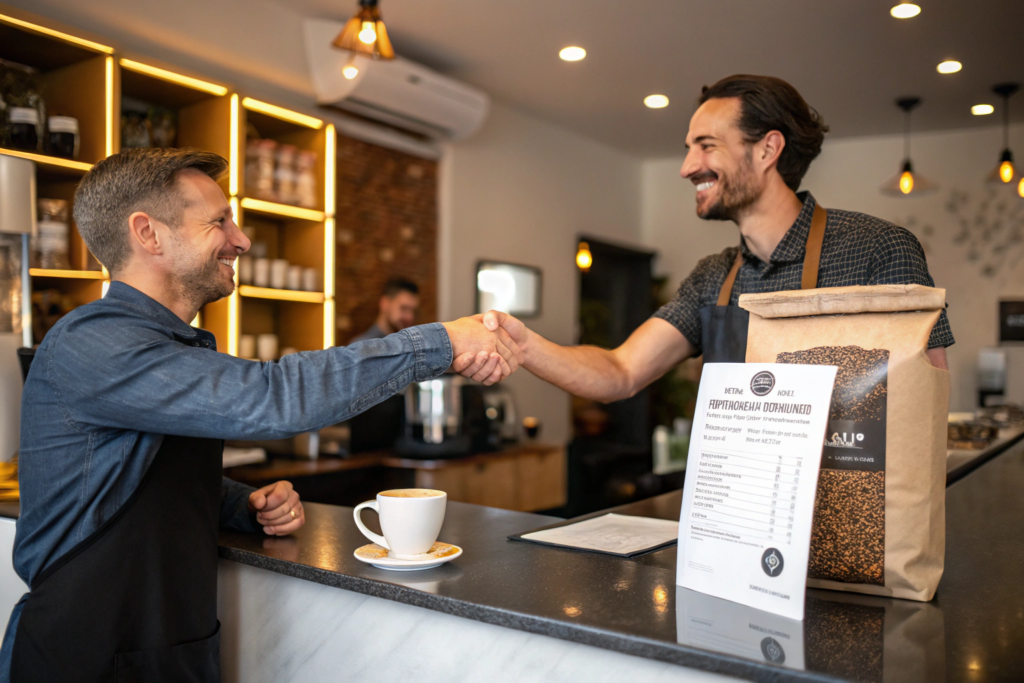
The office coffee service channel is a hybrid. It is B2B, but it functions like a subscription. An office of 50 people might go through 20 pounds of coffee a month. They want a simple, recurring delivery. They are less price-sensitive than a cafe because the coffee is an employee benefit, not a direct profit center for them. You can price a monthly 20-pound subscription box at a premium over your standard wholesale rate.
If your standard 5-pound wholesale to a cafe is $60 ($12 per pound), you might offer an office a "Premium Office Subscription" of 20 pounds for $280 ($14 per pound). You add a bit more service, maybe a nicer box, a brewing guide, a monthly tasting note. Your cost on the 20 pounds is about $53 for the coffee and $8 for the packaging and shipping preparation. Your gross profit is $219. You are capturing margin from the service and the convenience, not just the beans. The office manager is happy because the coffee is excellent, the price is within their budget, and the delivery is automatic. This channel is gold. The margins are strong, the order sizes are large, and the churn is very low. Once an office gets hooked on your Yunnan single-origin, they rarely switch back to the bitter, generic stuff from the big distributors.
How Can I Use Custom Branded Assets to Justify a Higher Wholesale Price?
Your wholesale customers are not just buying beans. They are buying a turnkey marketing solution. If you provide them with a suite of professional brand assets, you can command a higher price. You can create a "Wholesale Partner Kit." It includes the coffee, of course. But it also includes a beautiful acrylic display stand for the retail bags. It includes a stack of tasting note cards. It includes a small, framed photo of our farm in Baoshan. It includes a USB drive with high-resolution photos and a short video about the farm they can play on their cafe screen.
This kit transforms your coffee from a commodity input to a complete cafe upgrade. The cafe owner sees it and thinks, "This will make my shop look more professional and tell a great story to my customers." The materials might cost you $15 to produce. But they allow you to charge an extra $50 to $100 per wholesale account in setup fees, or they justify a higher ongoing per-pound price. The margin on the physical coffee is just the base. The margin on the brand story and the marketing support is the bonus. Private label is not just about slapping a logo on a bag. It is about building a brand experience for your wholesale partners that makes their lives easier and their business better. That value-add is directly reflected in your profit margin.
Conclusion
The profit margin on private label coffee beans in 2026 is not a fixed number. It is a variable you control through your sourcing, your sales channels, and your brand storytelling. The old model of buying generic blends from importers and selling at thin margins is a trap. The new model is based on direct farm relationships, like the one we offer at Shanghai Fumao, which gives you a premium product at a commodity-competitive cost. It is based on a direct-to-consumer subscription model that builds predictable, high-margin recurring revenue. And it is based on a wholesale strategy that sells a complete brand experience, not just a pound of beans.
The math we walked through is realistic. A 35% to 50% net margin on DTC bags. A 50% to 60% gross margin on wholesale 5-pound bags. A healthy, service-based margin on office subscriptions. These numbers are achievable. They are not a fantasy. They require discipline, a great product, and a compelling story. You cannot cut corners on quality. The modern coffee consumer is too smart. But if you commit to quality and authenticity, the financial rewards are there. The market is rewarding brands that can tell a true story and back it up with a great cup.
If you are ready to build a private label brand with a margin structure that actually works, let's talk. We can supply you with the exceptional green coffee, the farm story, and the reliable DDP logistics to keep your costs predictable and your quality high. Contact our export director, Cathy Cai, at cathy@beanofcoffee.com. She can walk you through our private label green coffee options and help you run the real numbers for your specific business model.