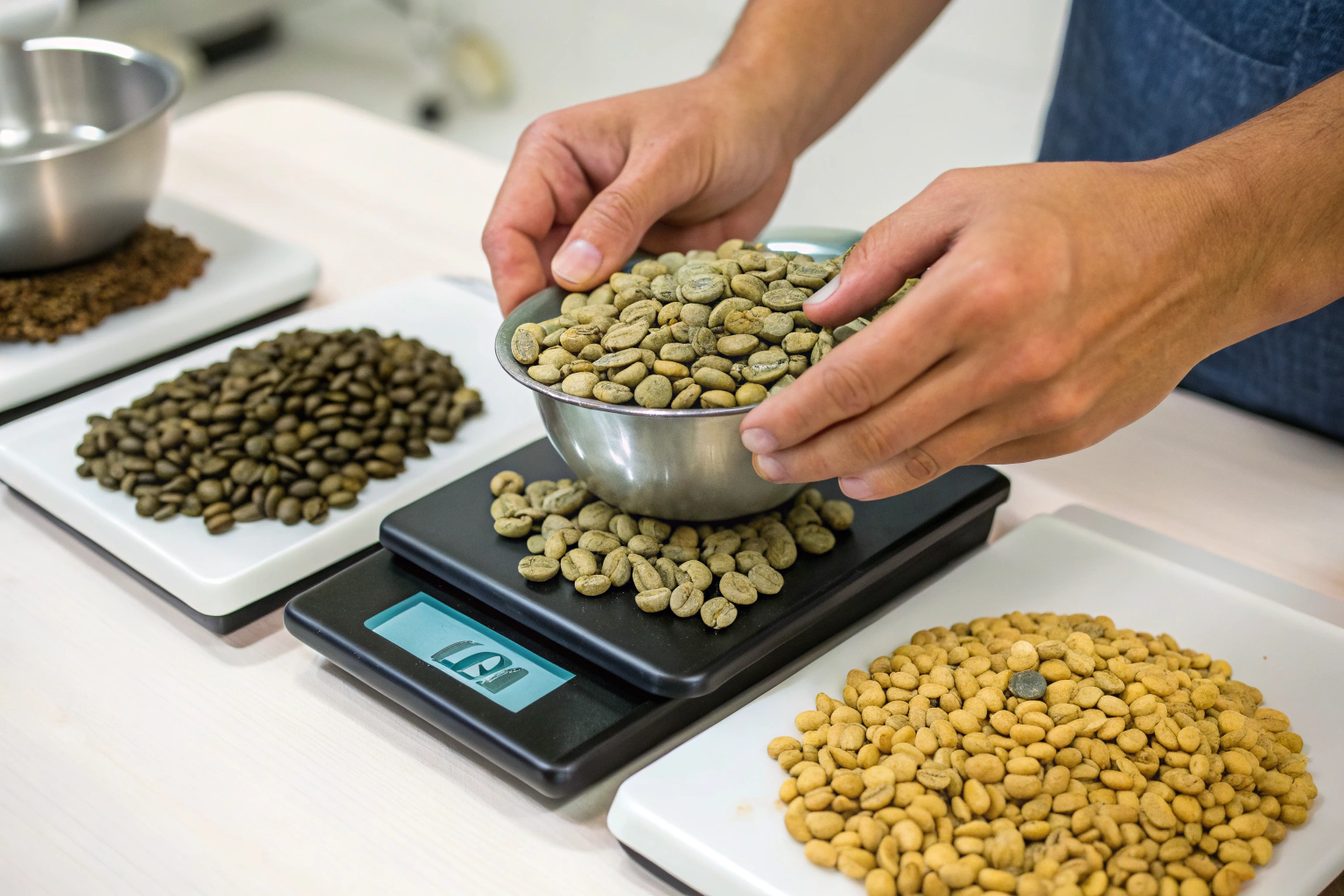
You are staring at a cupping table. You have samples from Brazil, Colombia, Ethiopia. The usual suspects. Your espresso blend is fine. It works. But it tastes like everyone else's. You want something signature. Something that stops a customer mid-sip. You think about Asia. Vietnam. Indonesia. China. But then the doubts creep in. Isn't Asian coffee too earthy? Too bitter? Too wild? You worry that an all-Asian espresso blend will be a muddy, heavy mess that kills milk and offends palates. So you put the idea back on the shelf and order another bag of Colombian.
The reality is the complete opposite. An all-Asian espresso blend is not a compromise. It is an opportunity to create one of the most distinctive, memorable, and profitable espressos in your market. Asia is a massive, incredibly diverse coffee continent. You have the syrupy, spicy depth of a wet-hulled Sumatra. The clean, chocolatey, heavy body of a washed Yunnan Arabica. The wild, fruity intensity of an anaerobic processed lot from Thailand or China. When you understand how to layer these origins, you can build a blend that delivers complexity, balance, and a story that no one else can tell. You stop being a follower. You become a pioneer.
At Shanghai Fumao, our Yunnan Arabica is specifically grown and processed to be a world-class espresso component. It has a dense body from the high-altitude Baoshan terroir, a sweet, nutty core, and virtually none of the earthy "funk" that people wrongly associate with all Asian coffee. It can be the base of your blend, replacing a Brazilian natural, or it can be the bright, clean top note, replacing an Ethiopian washed. The key is in the architecture of the blend. You are not just mixing beans. You are designing a sensory experience built for 9 bars of pressure. Let me show you exactly how to design an all-Asian signature espresso that your customers will crave.
What Are the Basic Principles of Building an Espresso Blend?
Blending espresso is not about throwing together beans you like. It is about engineering a specific physical and sensory outcome. A single-origin espresso can be delicious, but a blend gives you control. You can design for a specific flavor target, a specific mouthfeel, and a specific visual crema. The machine will amplify everything: sweetness, bitterness, acidity. You must build a blend that can handle the extraction pressure and still taste balanced. The core principle is layering three roles: the Base, the Body, and the Highlight.
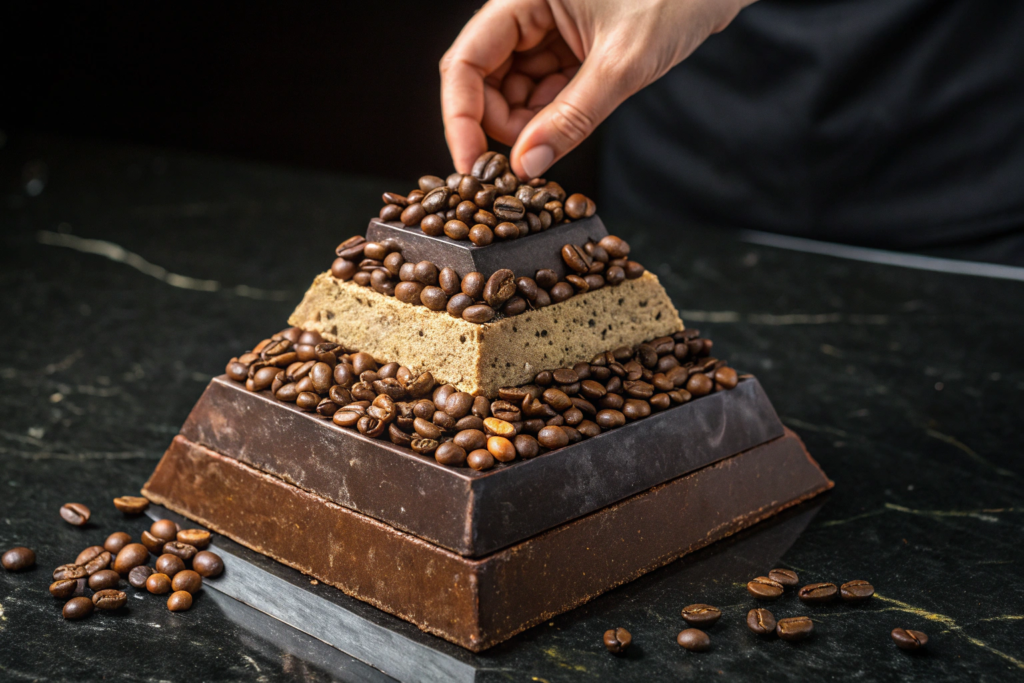
The Base is the anchor. It provides the core flavor and the bulk of the volume. It must be consistent, clean, and sweet. It cannot have any sharp defects because it dominates the cup. In traditional blends, this is often a washed Brazilian or Colombian. In your Asian blend, a washed Yunnan Catimor is the perfect candidate. It has a milk chocolate sweetness, a clean finish, and a stable, predictable profile. The Body component adds texture and depth. It makes the espresso feel heavy and syrupy on the tongue. A wet-hulled Sumatra is the classic choice here. It adds weight, a hint of spice, and a lingering finish. The Highlight is the accent. It is a smaller percentage, maybe 10% to 20%. It adds a flash of excitement. A fruit-forward natural or anaerobic processed coffee from Yunnan or Thailand can provide a distinct top note of dried cherry or tropical fruit that cuts through milk and makes the blend instantly recognizable. You balance these three components. The base is the canvas. The body is the paint. The highlight is the signature. You can find detailed green bean sourcing guides on platforms like Cropster Hub to explore the physical characteristics of different origins.
Why Is the "Base" Component the Most Critical for Consistency?
The base is your insurance policy. It is 50% to 60% of the blend. If your base is inconsistent, your entire blend is inconsistent. Espresso drinkers expect their morning latte to taste the same every day. They will forgive a bad single-origin pourover more easily than a bad flat white. So your base must be a rock. It must be available year-round, with a stable moisture content and a predictable roast behavior. It must be clean, with zero defects that would be magnified in an espresso extraction.
A washed Yunnan Arabica, like our Catimor, is purpose-built for this role. Because we control the farm, the processing, and the storage, the lot-to-lot consistency is exceptionally high. The flavor profile is naturally sweet and chocolatey, without the sharp, citric acidity that can clash with milk. It provides a soft, malic acidity that gives the espresso life without making it sour. It also has a naturally dense cell structure from the high altitude. This density means it roasts evenly and predictably, which is crucial when you are roasting large batches for a cafe's daily service. You want a base that forgives a slight roast curve variation. Our washed Yunnan does exactly that. It is a coffee that works with you, not against you.
How Does a Wet-Hulled Component Enhance Mouthfeel?
Mouthfeel is the most underrated weapon in espresso. A shot that tastes good but feels thin and watery is a disappointment. You want the liquid to coat the tongue. You want it to feel creamy and heavy, especially when mixed with milk. This is where a wet-hulled Asian coffee, like a classic Sumatra, is irreplaceable. The wet-hulling process, called Giling Basah, strips the parchment from the bean at a high moisture content. The naked bean dries directly in the sun. This creates a swollen, porous structure. The bean absorbs its environment.
The result is a unique combination: very low acidity, a deep, forest-like earthiness, and an incredibly heavy, almost oily body. When you add 20% to 30% of this to your blend, you are not really adding flavor. You are adding a tactile sensation. The crema becomes thicker, stickier. The latte art floats on top. The sip feels substantial. It stands up to large volumes of milk without disappearing. A word of caution: a little goes a long way. Too much wet-hulled coffee, and the blend becomes muddy, drying, and tastes like damp soil. You must cup your Sumatra carefully. Look for one with a clean, spicy profile rather than a dirty, over-fermented one. The goal is a velvet texture, not a funky barnyard. The body is the anchor for the milk.
How to Use Chinese Yunnan Arabica as the Signature Base?
Yunnan Arabica is a hidden ace for espresso. It has a quality that is rare in Asian coffees: a clean, washed profile that can go toe-to-toe with the best Central American bases. It lacks the earthy funk that defines Sumatra. It lacks the divisive ferment of some naturals. Instead, it offers pure, sweet comfort. Dark cacao. Toasted almond. Brown sugar. These are classic espresso flavors that people crave. It is a coffee that tastes like a coffee shop smells.
Using it as your signature base allows you to build an "Asian Blend" that is immediately accessible to a skeptical customer. When you tell them, "This is an all-Asian espresso," they might hesitate. When they taste it and get a warm, chocolatey, comforting shot, their bias evaporates. Yunnan is the gateway. It proves that Asian coffee can be clean, balanced, and world-class. We process our Catimor specifically with espresso in mind. We wash it meticulously to remove any traces of ferment. We dry it slowly on raised beds to preserve the sweetness. The result is a bean that takes a medium-dark roast beautifully, developing a rich, dark chocolate intensity without turning bitter or ashy. It is the steady heartbeat of the blend. You can read more about Yunnan's emergence as a specialty origin on the Specialty Coffee Association's blog, which has featured its rapid quality improvements.
What Roast Level Unlocks Yunnan's Sweetness Without Bitterness?
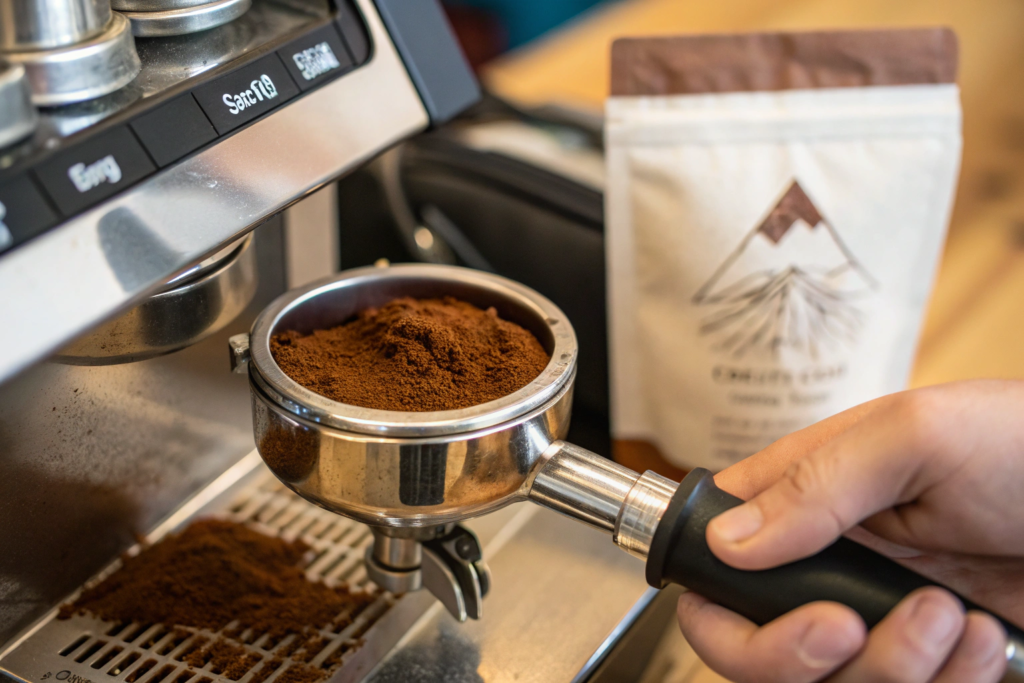
Yunnan Arabica, specifically the Catimor variety, has a hidden sweet spot. Roast it too light, and you get a pleasant but unremarkable cup—a bit grainy, a bit like tea. Roast it too dark, and you risk developing a harsh, carbon-y bitterness that masks the chocolate. The magic happens right at the first few snaps of second crack. A Full City roast. This is where the sugars have fully caramelized. The bean's internal structure is fully developed. The oils have not yet migrated to the surface.
At this level, the natural cacao notes transform into a deep, rich dark chocolate flavor. The body becomes incredibly creamy. The acidity drops to a soft, integrated level, just enough to keep the shot lively. The finish is clean and sweet, with zero astringency. For an espresso base, this roast level is ideal. It provides intensity without the roast character dominating. It extracts evenly and predictably. It handles the heat and pressure of the machine with grace. You can use it as a standalone single-origin espresso or as the 60% anchor of your signature blend. Try a sample lot roasted to Agtron 55 and pull a straight shot. You will taste what I mean. The sweetness is obvious. It tastes like a dark chocolate bar, not a dark roast char.
How Does the Altitude of Baoshan Affect Extraction Under Pressure?
Altitude is the invisible ingredient. Our farm sits between 1,200 and 1,600 meters in the Gaoligong Mountains. The air is thin. The nights are cold. The coffee cherries mature slowly. This slow maturation produces a bean that is physically very dense. The cell walls are packed tightly together. This density has a direct impact on how the coffee behaves in an espresso basket. A less dense bean would crumble under fine grinding and create dust, causing channeling. A dense Yunnan bean grinds more uniformly. The particles are consistent. This consistency means more even water flow through the puck.
The result is a higher, more even extraction yield without the bitter, astringent over-extraction that comes from channeling. You can grind it finer to get the full body without choking the machine. The dense structure also holds onto the volatile aromatic compounds better during the roast. When the hot water hits the puck, the release of these compounds is controlled and sustained. You get a longer, more syrupy pull. The body is heavy, but the flavor is clean. This is the physical expression of terroir in the cup. It is not just marketing. It is measurable physics. The altitude of Baoshan directly contributes to a more forgiving and more delicious espresso.
Selecting the Right "Highlight" Origin for Complexity
The highlight is the fun part. It is where you give your blend a personality. It is the coffee that makes a customer say, "What IS that note?" It should be used in a small dose, usually 10% to 15%, so it does not dominate but adds a flash of intrigue. In an all-Asian context, you have some thrilling options for the highlight role. You can use a fruit-forward natural from Yunnan itself. A honey-processed lot from Thailand. Or, for a truly wild ride, a clean anaerobic fermented lot.
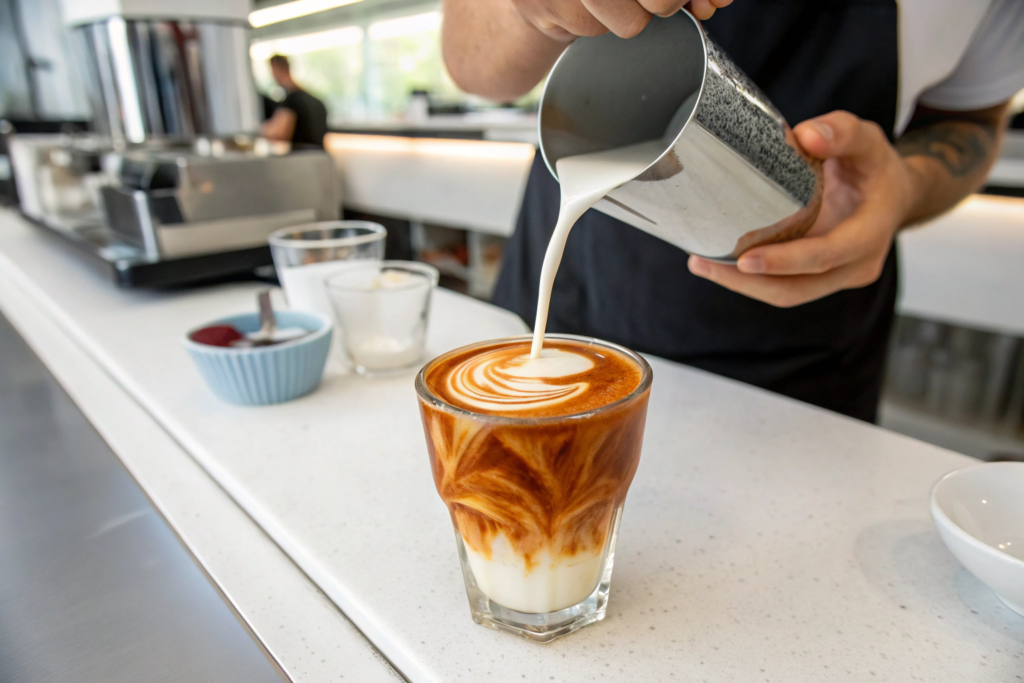
The key function of the highlight is to cut through the milk. A shot of pure chocolate and earth can be a bit one-dimensional in a latte. It is comfortable, but not exciting. A small addition of a bright, fruit-forward bean changes the entire perception. When the milk hits the espresso, the chocolate and body create the foundation. The fruit note flashes on the palate and then disappears. It creates a layered tasting experience. The drinker's first thought is "creamy, sweet." Their second thought is, "Was that cherry?" The highlight adds mystery. Do not choose a highlight that is too acidic. A sharp, citric natural will curdle milk and taste sour. Look for a processed coffee with a heavy, syrupy fruit note. Think dried strawberry, ripe mango, or black cherry. These dense, jammy fruit notes weave into the creamy body instead of fighting it. Our honey-processed micro-lot can be a perfect choice for this. It is processed on our farm with extended drying, creating a raisin-like sweetness and a complex, winey body. Just 15% of this in a blend with our washed base and a Sumatran body component makes an espresso that is classic and adventurous at the same time.
Can a Chinese Anaerobic Coffee Be a Reliable Blend Component?
Anaerobic coffees are the rebels of the coffee world. They taste like fruit punch, tropical candy, or sometimes even cinnamon. They can be mind-blowingly good, or they can be wildly inconsistent. As a blend component, they offer a unique advantage: an instantly recognizable "pop" that can define a signature blend. A 10% addition of a clean, controlled anaerobic Yunnan can be the secret ingredient that no other roaster in your city has. Because we produce these micro-lots on our farm, we can control the fermentation with lab-grade precision. This is not a wild, risky gamble.
The reliability question is fair. In the past, anaerobics were a lottery. But now, with strict protocols, they can be incredibly stable. We use sealed, chilled tanks and specific yeast strains. The flavor target is predictable: a deep, cooked fruit note, like jam or compote. In an espresso blend, this note integrates beautifully. It does not taste separate or artificial. It deepens the perceived sweetness of the chocolate base. It adds a long, lingering finish. The key is to cup every single lot we produce and only use the ones that are clean and consistent. If you want to build a reputation as an innovator, an anaerobic highlight from a controlled source is the way. It signals to your customers that you are at the edge of coffee, not stuck in the past.
How Does a Thai Honey Process Complement a Washed Base?
Thailand is emerging as a specialty origin with a particular strength in honey and natural processes. Thai honey processed coffees often have a distinct profile: brown baking spices, dried apple, and a silky, medium-heavy body. They lack the intense funk of some Indonesians and the sharp acidity of some Africans. They sit in a beautiful, balanced middle ground. This makes them an almost perfect highlight for an espresso blend anchored by a clean washed Yunnan.
The spice note—cinnamon, cardamom, clove—is a natural partner for the chocolatey base. It makes the espresso taste like a Mexican hot chocolate, or a spiced mocha. It is a cozy, comforting complexity. The dried apple note adds a mellow fruitiness that brightens the cup without souring it. The honey process also adds a tactile silkiness that enhances the body from the wet-hulled component. A blend of 60% washed Yunnan, 25% wet-hulled Sumatra, and 15% Thai honey process is a masterpiece. It is approachable, complex, heavy, and spiced. It tells a story of the entire Asian continent. And it is entirely unique to your brand. When sourcing Thai greens, look for producers who prioritize clean processing and avoid heavy fermentation defects.
Building a Roast Profile for a Multi-Origin Asian Blend
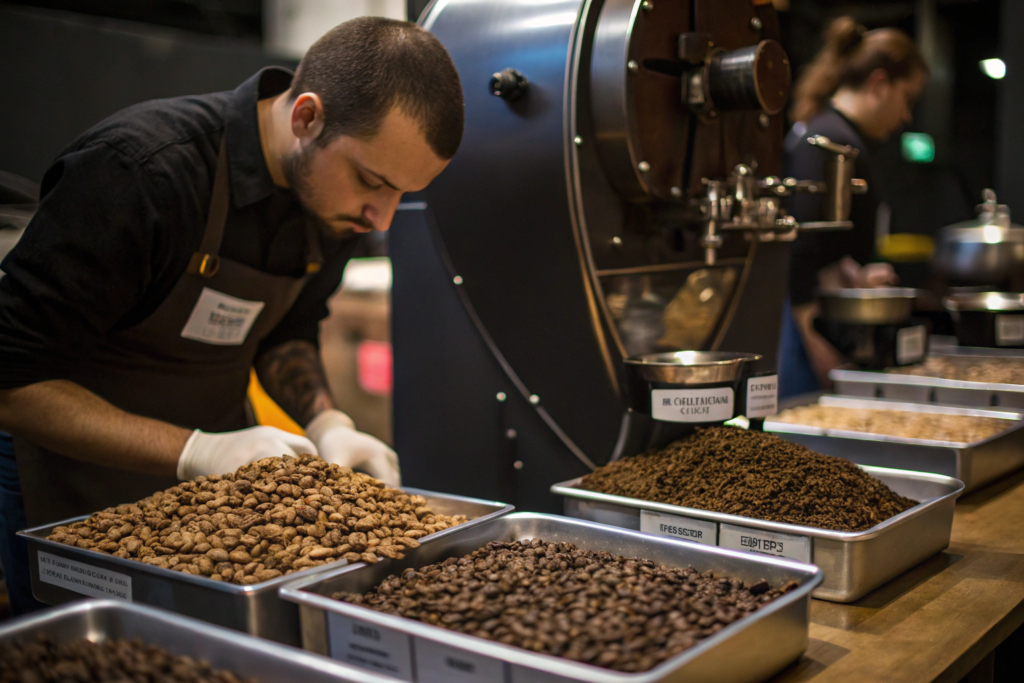
You have your three green components. Now the real craft begins. You cannot just dump them all in the roaster together and hope for the best. A washed Yunnan, a wet-hulled Sumatra, and a Thai honey process are three radically different bean densities. The Yunnan is hard and dense. The Sumatra is swollen and porous. The honey process is somewhere in the middle. They will not absorb heat at the same rate. The dense Yunnan will lag. The porous Sumatra will race ahead and potentially scorch. If you roast them together from start to finish, you will get an uneven, muddy mess. The Sumatra will be dark and oily, the Yunnan might be underdeveloped in the center.
The standard practice is to roast each component separately to its ideal profile and then blend them post-roast. This gives you ultimate control. You can take the Yunnan base to a perfect Full City to develop the dark chocolate notes. You can take the Sumatra just to the edge of second crack to maximize body without introducing excessive burnt rubber notes. You can take the Thai honey process to a light City+ to preserve the delicate spice and fruit. Then, you blend the roasted beans together. This method is more work, but it is the only way to achieve a signature blend that is perfectly balanced. Some roasters do a "pre-blend" for similar-density beans. In an all-Asian context with these diverse origins, post-roast blending is almost always superior. The separate profiling is where your skill as a roaster shines through. It is the final, critical layer of the creation.
Should You Blend Before or After Roasting for Optimal Flavor?
The debate is old. Pre-blend versus post-blend. For a multi-origin Asian espresso, the answer is clear: post-blend. Pre-blending green beans of vastly different moisture contents and densities is a recipe for inconsistency. The heat transfer in the drum is not uniform. The soft, low-density Sumatra beans will absorb heat faster, roast darker, and lose more moisture. The dense Yunnan beans will be shielded, roast slower, and potentially taste grassy. You cannot control the individual development of each origin.
Post-blending allows you to apply a bespoke roast curve to each component. You can profile the Yunnan for sweetness and body. You can profile the Sumatra for texture and spice. You can profile the natural for fruit and top notes. Then, you mix them in exact proportions. The flavor is cleaner. The components are more distinct, yet they harmonize better because each one is fully realized. The downside is labor. It takes longer. It ties up your roaster. But for a signature blend, the extra effort is the value. You are not a commodity factory. You are a craft producer. Your signature espresso should taste like it. The post-blend method is the hallmark of a serious roasting operation. It justifies a higher price tag and builds a reputation for uncompromising quality.
What Is the Ideal Resting Period for an Asian Post-Roast Blend?
Resting, or degassing, is vital for espresso. Freshly roasted coffee releases a significant amount of carbon dioxide. If you pull a shot too early, the high-pressure water hits the CO2 and creates an uneven, chaotic extraction. The crema will be huge but unstable, full of large bubbles that disappear quickly. The shot will taste sharp, gassy, and hollow. An Asian post-roast blend, with its mix of densities and roast levels, needs a careful, slightly longer rest.
A good starting point is 7 to 10 days after roast. The dense Yunnan base will degas slowly. The Sumatra, with its more developed roast, might degas a bit faster. By waiting a week, you allow the blend to equalize. The internal pressure in the beans stabilizes. The volatile aromatic compounds settle and integrate. The shot will pull smoothly. The crema will be dense, fine, and long-lasting. The flavors will be unified, not separate. You will taste the chocolate, the spice, and the hint of fruit as a single chord, not as individual notes. If you are in a rush, 5 days is the absolute minimum. But for the best possible representation of your signature blend, give it time. Tell your customers the roast date. Encourage them to wait. Frame the resting period as part of the craft. It is like a wine decanting. The patience is rewarded in the cup.
Conclusion
Creating a signature espresso blend using only Asian beans is not a limitation. It is a liberation. It forces you to leave the well-worn path of Brazilian bases and Ethiopian highlights. It pushes you to explore the incredible diversity of the continent, from the syrupy depth of Sumatra to the clean, chocolatey sweetness of Yunnan, to the exotic fruit of a Thai honey process. The result is a blend that is distinctively yours. It cannot be copied by a competitor using the same commodity importer. It is a true signature.
We have walked through the architecture of the blend. The base of washed Yunnan Arabica provides the sweet, consistent anchor. The wet-hulled body component provides the velvet texture. The highlight of a honey or anaerobic process provides the flash of excitement. We have talked about the precision of post-roast blending and the patience of proper degassing. All of this is within your reach. You do not need a massive factory. You need great green coffee, a thoughtful plan, and a commitment to quality.
If you want to build your signature all-Asian espresso around a world-class Yunnan base, we are ready to help. Our farm in Baoshan is producing washed Arabica that is perfectly suited for this role. We can provide you with consistent, traceable lots, and we can also talk about micro-lots for your highlight component. Let's create something memorable.
Contact our export director, Cathy Cai, at cathy@beanofcoffee.com. She can set up a sample kit with our washed base, a body component suggestion, and a few highlight options. Taste the possibilities for yourself.