So you’re starting a coffee brand, or maybe you’re sourcing for a large company. You know consumers care about sustainability. But where do you even begin? The idea of building an ethical, environmentally sound, and still profitable supply chain from zero can feel overwhelming. It's a journey I started years ago with our own plantations, and I’ve learned it’s not about being perfect from day one. It’s about making clear, deliberate choices at each link of the chain.
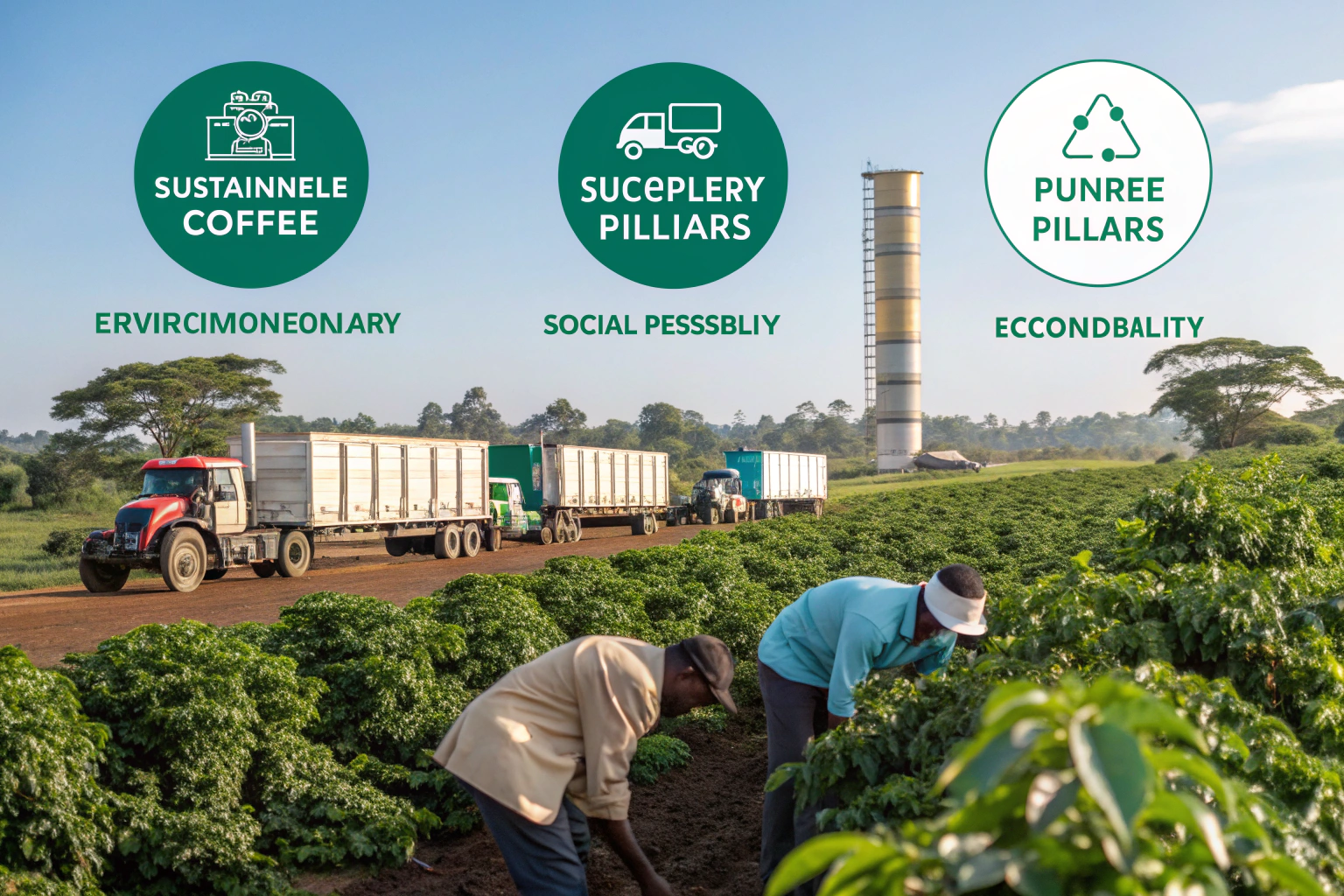
Building a sustainable coffee supply chain from scratch requires a foundational commitment to three core pillars: environmental stewardship at the origin, verifiable social responsibility for farmers and workers, and economic viability that ensures long-term resilience. The process starts with selecting the right origin and farm partners who share these values, then designing transparent traceability and logistics that minimize environmental impact, and finally communicating this story authentically to your market. It’s a strategic investment that builds a moat of trust and quality around your brand.
It sounds like a big checklist, right? But the truth is, sustainability is a path you walk step by step. You don't have to do everything at once. Let’s break down those steps into practical actions you can take, whether you’re working with a farm you own or building partnerships.
Why is Origin Selection the First Critical Step?
Choosing where your coffee grows isn’t just about flavor profiles for your blend. It’s the first and most significant decision for your sustainability footprint. The environmental conditions, farming traditions, and socio-economic context of a region set the baseline for everything that follows. A good origin for sustainability is one where your involvement can have a positive, measurable impact.
Origin selection is critical because it determines the inherent environmental footprint and the potential for social good. Coffee grown under shade canopies in biodiverse regions like parts of Yunnan has a lower direct environmental impact than sun-grown monocultures. Furthermore, origins with established farmer cooperatives or direct-trade models offer a clearer path to ensuring fair wages and community investment. For a new brand, partnering with a region and supplier already on a sustainability journey, like many in the Baoshan area of China who focus on reducing water usage in processing, gives you a head start. You build on existing progress rather than starting from a deficit.
What Makes a Coffee-Growing Region "Sustainable"?
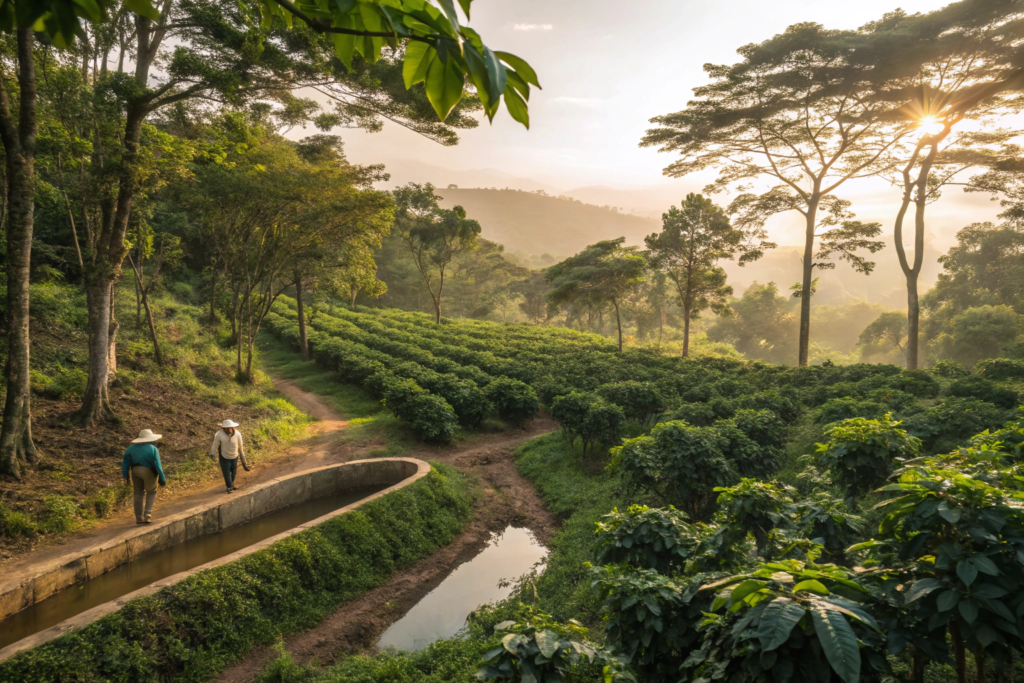
A "sustainable" coffee region balances ecological health, social well-being, and economic viability. Ecologically, look for regions that promote agroforestry (coffee grown with other trees), protect water sources, and use integrated pest management over heavy chemical use. Socially, it’s about the presence of organized farmer groups, access to education and healthcare, and the absence of unfair labor practices. Economically, it means farmers earn enough to reinvest in their farms and livelihoods. For example, in our operations in Yunnan, we’ve focused on soil health and water conservation for years—not because it was a marketing term, but because it’s essential for the long-term productivity of our 10,000 acres. This practical, ground-up approach is what creates real sustainability, not just a certificate.
How Do You Assess Potential Farm or Exporter Partners?
You assess partners by looking beyond certificates to on-the-ground practices. Ask direct questions: What is your average yield per hectare? How do you manage soil fertility and water? Can you show me your wage records for seasonal workers? Request a virtual tour of the farm and processing station. A trustworthy partner, like Shanghai Fumao, will be transparent. Look for evidence of long-term investment. Are they planting shade trees? Building water treatment ponds? Funding farmer training? These actions show a commitment to the future of the land and people. Also, review their existing quality control and traceability systems. Can they tell you which lot of beans came from which section of the farm? This level of detail is often correlated with careful, sustainable management.
How to Design Transparent and Low-Impact Logistics?
You’ve sourced ethically grown beans. Now, how do you get them to your roastery without undoing all that good work? The supply chain’s middle miles—processing, packaging, and shipping—are where carbon footprints can skyrocket. Transparency here is also crucial; you need to prove your beans’ journey is as clean as their origin.
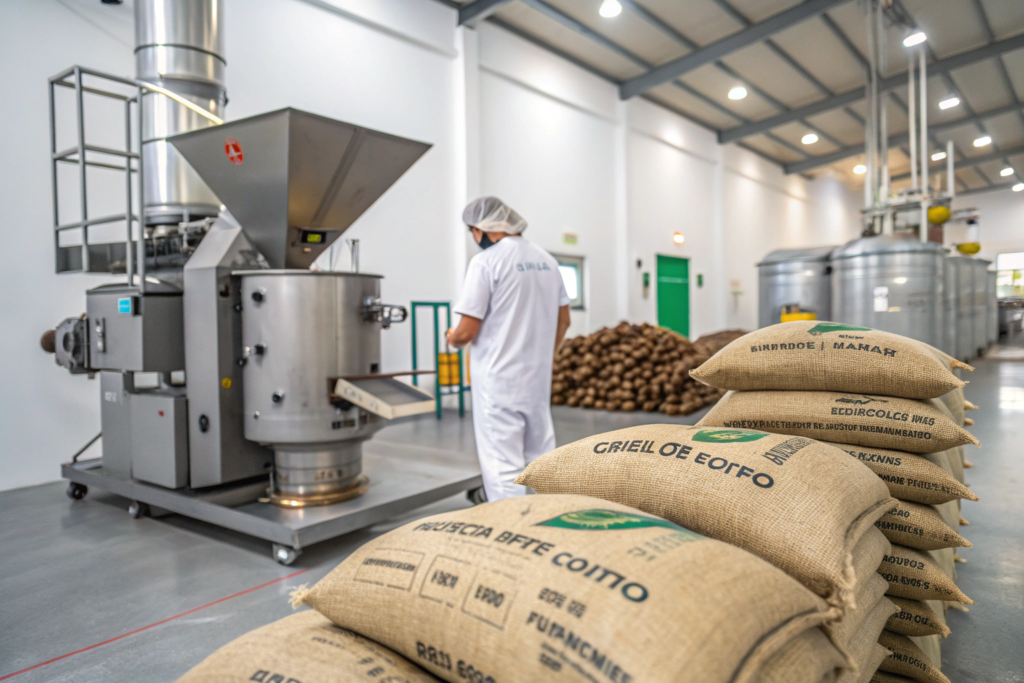
Designing low-impact logistics involves making intentional choices at each transfer point. It starts with on-farm processing: using energy-efficient, water-recycling pulping machines. For packaging, selecting materials that are recyclable or biodegradable, and minimizing plastic use. For shipping—the biggest carbon contributor—the focus is on efficiency: optimizing container loads to ship more beans per voyage, choosing ocean freight over air freight whenever possible, and working with logistics partners who have carbon offset programs. Transparency is built through technology. Using blockchain or simple QR code systems that track the bean batch from the farm through milling, export, and shipping, all the way to the warehouse. This digital trail provides the proof for your sustainability claims.
What Are the Key Decisions in Eco-Friendly Processing and Packaging?
The key decisions happen at the washing station and the packing line. For processing, the choice between washed, natural, and honey methods impacts water usage. Investing in a water re-circulation system is a major step towards sustainability. For dry milling and sorting, using gravity tables and optical sorters powered by renewable energy where possible reduces the carbon footprint. In packaging, the dilemma is between preservation and waste. For green beans, using GrainPro sacks inside jute bags is industry-standard for quality, but researching biodegradable liner alternatives is a forward-thinking move. For roasted beans, nitrogen-flushed bags with recyclable or compostable layers are a premium, sustainable choice. The decision hinges on your market: are your customers willing to pay a slight premium for fully compostable packaging? Starting with the best option your budget allows shows commitment.
Can Shipping Ever Be Truly "Green"?
Absolute zero-impact shipping is currently impossible, but you can make it dramatically "greener." The core strategy is modal shift: committing to sea freight over air freight cuts emissions by over 95% per ton-mile. Then, maximize container utilization—a fully loaded container has a lower per-unit carbon cost. The next step is partner selection. Work with freight forwarders who offer carbon offset programs or use newer, more fuel-efficient vessels. Some companies now calculate the emissions for each shipment and invest in certified reforestation or renewable energy projects to offset them. You can then share this data—the footprint and the offset—with your customers. It turns a necessary evil into a point of authentic communication. It’s about taking responsibility for the entire journey.
How to Implement and Verify Social Responsibility?
Sustainability is environmental, yes. But if the people growing and processing your coffee aren’t treated fairly, the chain is broken. Social responsibility is the heart of a truly sustainable operation. For a new brand, this can feel like the hardest part to influence, especially from afar. Verification is the key—you can’t just take a supplier’s word for it.
Implementing social responsibility starts with your direct partners. Establish a clear code of conduct that prohibits child and forced labor, guarantees safe working conditions, and ensures fair wages that meet or exceed local legal minimums. For smallholder farmers, this often means paying a significant premium over the commodity C-price—this is the core of Fair Trade models. Verification means conducting regular, often third-party, audits. These audits check payroll records, interview workers privately, inspect housing and facilities, and review health and safety protocols. For a brand building from scratch, partnering with an exporter that already has these systems in place, and that is open to sharing audit reports, is the most effective path. It provides immediate credibility and impact.
What Does "Fair Wage" Mean in Coffee Farming?
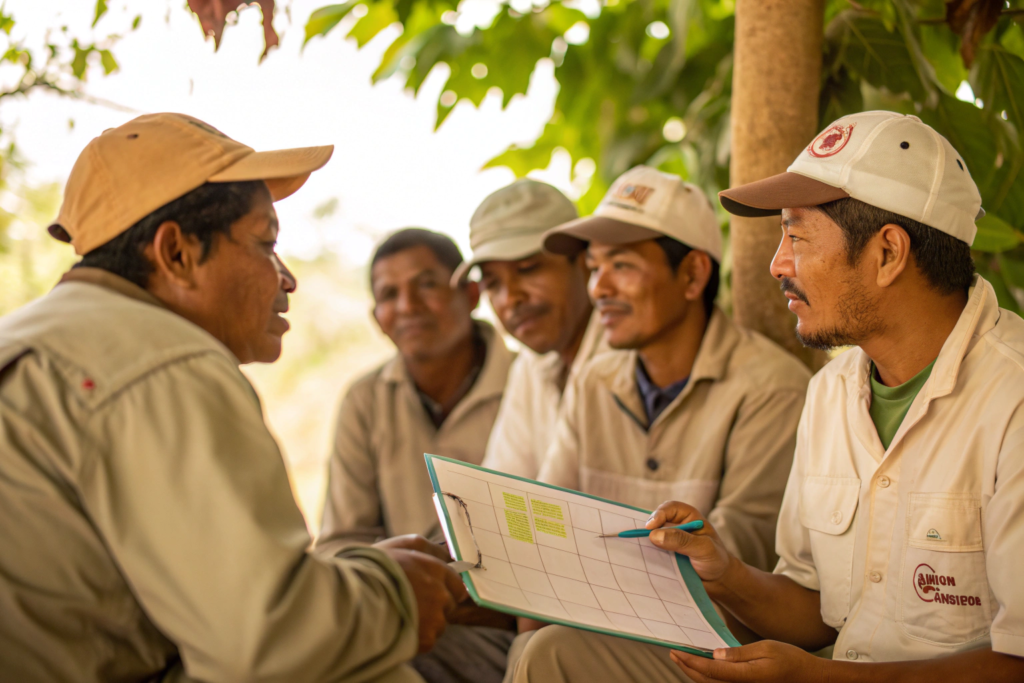
A "fair wage" is one that allows a worker or farmer to afford a decent standard of living—housing, food, education, healthcare, and some discretionary income—and the ability to invest back into their farm. It’s often higher than the local minimum wage. For smallholder farmers who sell their cherry, it means a price per kilogram that covers their cost of production and leaves a profit margin. Programs like Fair Trade set a minimum price floor to protect against market crashes. At Shanghai Fumao, as a plantation owner, it means we pay our full-time and seasonal workers wages that are competitive and reviewed regularly, plus we provide training and safe equipment. The proof is in stability: low staff turnover and long-term relationships with local communities. This isn’t charity; it’s the foundation of a reliable and skilled workforce, which directly impacts quality.
How Are Third-Party Audits and Certifications Used?
Third-party audits are the independent verification tool. A body like Fair Trade International, Rainforest Alliance, or SMETA sends auditors to visit the farm or cooperative. They spend days reviewing documents, walking the fields, and interviewing workers without management present. They produce a report detailing compliance and any corrective actions needed. Certifications are the public-facing seal that comes from passing these audits. For a new brand, sourcing certified beans (like Fair Trade or Rainforest Alliance) is a fast way to ensure baseline social and environmental standards. However, many truly impactful direct-trade relationships go beyond these certificates with their own, sometimes stricter, private standards. The best approach is to use major certifications as a foundation, then add your own partnership criteria for deeper goals, like funding a specific school or healthcare clinic in the community.
How to Communicate Your Sustainability Story Authentically?
You’ve done the hard work. Now, how do you talk about it without sounding like every other brand making green claims? Consumers are skeptical of “greenwashing.” Authentic communication is about transparency, specificity, and humility. It’s showing, not just telling.
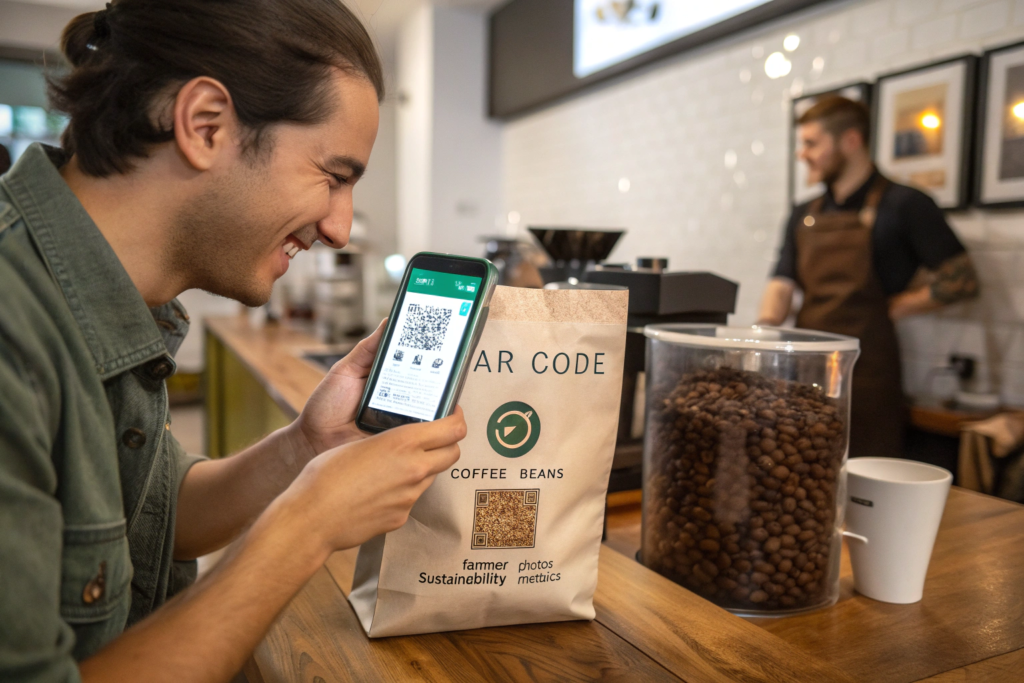
Authentic communication starts by sharing both your progress and your challenges. Use specific data and stories, not vague language. Instead of saying “we support farmers,” say “In 2023, we paid an average of 30% above the local market price to the 200 smallholder families in our Yunnan partner cooperative.” Use visuals—photos and videos from the origin, of the people, the farms, the processing. Implement traceability tools like QR codes on your bags that tell the story of that specific batch. Be honest about where you’re still working to improve. This builds trust. Your website, packaging, and marketing should all reflect this consistent, detailed narrative. It turns your supply chain from a cost center into your most powerful brand asset.
What Specific Information Should You Share with Customers?
Share information that is concrete, verifiable, and human. Specifics to include: 1. Origin Story: The exact region, farm names, and even farmer names (with permission). 2. Environmental Practices: Details like “shade-grown,” “water recycling rate,” “hectares of land under conservation.” 3. Social Impact: Numbers on wages, community projects funded (e.g., “funded the construction of one new school classroom”). 4. Logistics Footprint: Your shipping choices and any carbon offset calculations. 5. Proof: Links to certification pages, audit summaries, or your traceability platform. For example, on our BeanofCoffee site, we detail our soil management practices and annual community investments. This level of detail gives a buyer like you—a CEO or distributor—a powerful story to tell your own customers.
How Can Technology Like Blockchain Aid Traceability?
Technology like blockchain provides an immutable, transparent record for traceability. Here’s a simple way it works: When a batch of coffee is harvested, data (farm location, date, farmer ID) is logged on a blockchain. At each step—milling, exporting, shipping—new data (processing logs, bill of lading number, temperature records) is added. This creates a digital “passport” for the beans. The end consumer scans a QR code and sees this verified journey. For you as a business buyer, this technology offers unparalleled security against fraud and dilution in your supply chain. It proves the single-origin claim is real. While implementing a full blockchain system can be complex, starting with a simple batch-ID-based tracking system on your website is a great first step. It demonstrates a commitment to radical transparency.
Conclusion
Building a sustainable coffee supply chain from scratch is a deliberate, step-by-step construction project. It begins with choosing an origin and partners aligned with your values, extends into designing logistics that respect the planet, requires rigorous verification of social equity, and is ultimately shared with your market through specific, honest storytelling. This journey creates more than just a product line; it builds a resilient business foundation, deep supplier partnerships, and a brand that stands for something real.
It transforms your sourcing from a transactional cost into a core competitive advantage. For a large buyer, distributor, or brand owner, this is how you future-proof your business against market volatility and shifting consumer demands.
If you are looking to establish such a supply chain with a partner who has already built this foundation—with owned plantations, transparent practices, and a commitment to stable partnerships—we should talk. At Shanghai Fumao, we’ve walked this path and can help you build yours efficiently.
To discuss how we can be the sustainable origin partner for your brand, please contact our dedicated sustainability and sales lead, Cathy Cai. She can provide detailed reports, samples, and insights into our supply chain. Reach her at cathy@beanofcoffee.com. Let's build something enduring together.