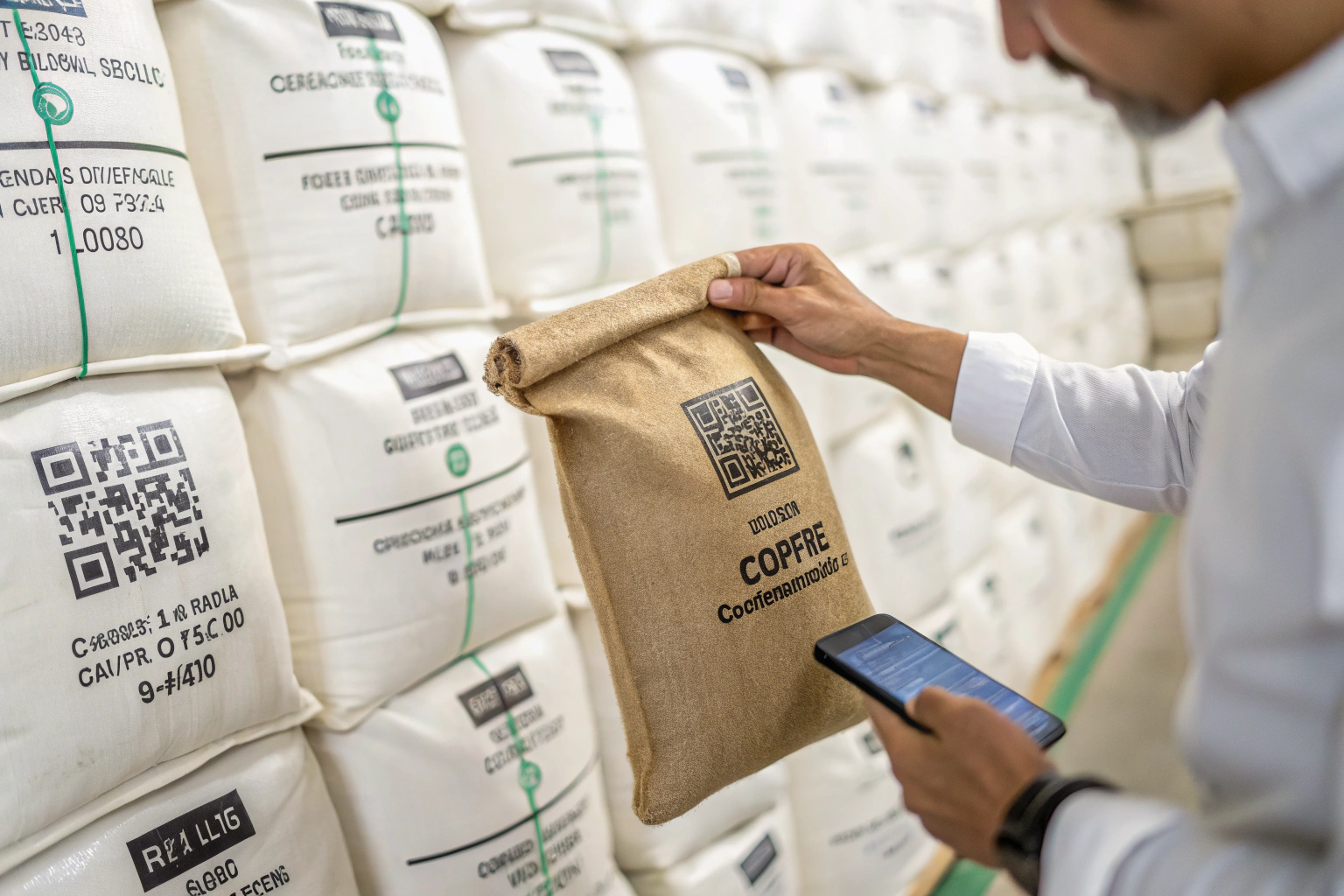
The word "authentic" gets thrown around a lot in the coffee business. Everyone claims their beans are the real deal. But I've been in this industry long enough to know that not all coffee is what it seems. I remember a buyer from Europe who came to me frustrated. He had paid a premium for what he thought was high-altitude Arabica from a well-known origin. Turned out, the shipment was mixed with lower-grade Robusta. He lost money, and worse, he lost trust with his own customers. That story stuck with me. It made me realize that authenticity isn't just a buzzword. It's the foundation of trust. And trust is the only thing that keeps a business going.
Ensuring coffee authenticity starts with traceability. You need to know exactly where your coffee comes from, how it was processed, and who handled it at every step. Work with suppliers who own their farms or have direct relationships with farmers. Ask for documentation like certificates of origin, cupping scores, and third-party certifications. And most importantly, build a relationship with your supplier so you can verify the story behind the beans.
Now, you might be thinking, "I'm a buyer, not a detective." And that's fair. But the reality is, the coffee supply chain is long and complex. Beans can change hands multiple times before they reach you. And at each step, there's a chance for mislabeling, mixing, or outright fraud. So let me walk you through how we do things at BeanofCoffee, and how you can protect yourself when sourcing authentic coffee.
Why Is Coffee Authenticity Hard to Guarantee?
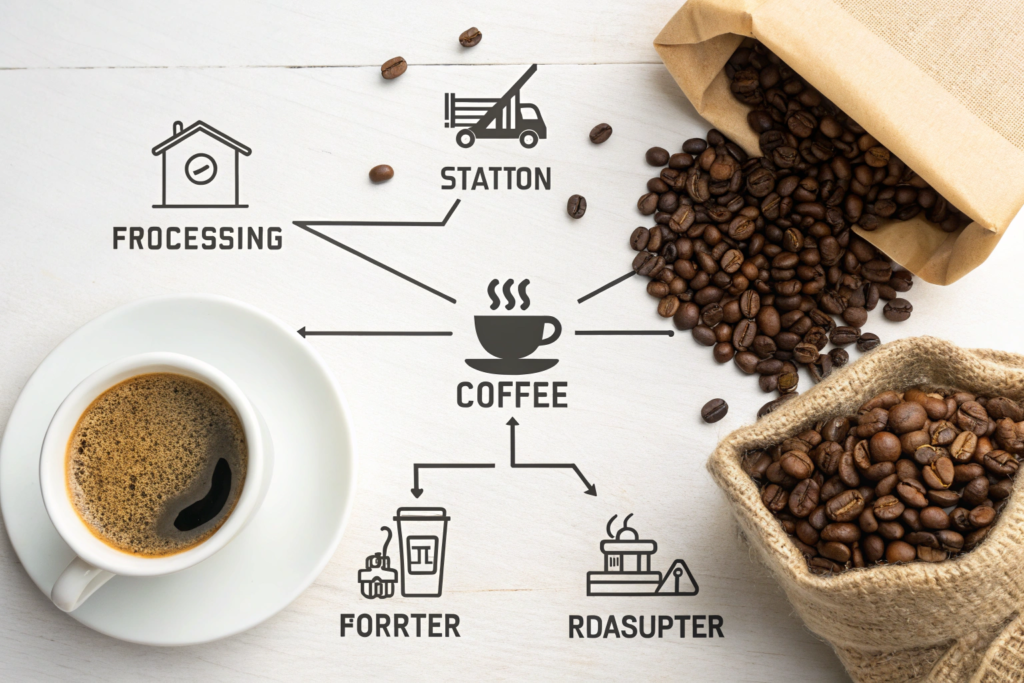
Let's start with the problem. The coffee supply chain is messy. Most coffee in the world comes from smallholder farmers. They sell their cherries to a cooperative or a local middleman. That middleman sells to a larger exporter. The exporter sells to an importer. The importer sells to a roaster. By the time the coffee reaches you, it's passed through four or five hands. Each step adds a layer of abstraction. And each step creates an opportunity for the story to get fuzzy.
The complexity of the global coffee supply chain makes authenticity a challenge. Beans from multiple farms are often blended at processing stations. Paperwork can be incomplete or, in some cases, falsified. Without direct relationships and rigorous documentation, it's difficult for buyers to verify claims about origin, variety, and processing method.
What Are Common Forms of Coffee Fraud?
I've seen a few things over the years. One common issue is origin substitution. A supplier might claim a coffee is from a famous region like Ethiopia Yirgacheffe, but it's actually from a less prestigious area. Another issue is variety mixing. You pay for pure Arabica, but the shipment contains some Robusta to pad the volume. Sometimes, the problem is mislabeling of processing method. A natural-processed coffee might be sold as washed because washed commands a higher price.
I had a client in Australia who bought what he thought was a single-origin Arabica from a specific region. He roasted it, marketed it, and built a brand around it. Then a customer did a DNA test on the beans—yes, that's a thing now—and found it contained other varieties. The trust was broken. He lost the customer. And he had no recourse because the supplier was a middleman who had since disappeared. That's the risk of not knowing your supply chain.
How Does Traceability Solve This Problem?
Traceability is the answer. When you can trace a bag of coffee back to the specific farm or cooperative, you eliminate the guesswork. You know what you're buying. You can verify the claims. And if something goes wrong, you know who to hold accountable.
At our operation, we own our farms. So when you buy from us, you're buying coffee that came from our 10,000 acres in Baoshan. We can tell you which block of land it was harvested from. We can tell you when it was processed. We can give you a lot number and link it to a cupping report. That level of traceability is only possible when you have direct control over the supply chain. And it's the best way to guarantee authenticity.
What Should You Look for in a Coffee Supplier?
So, how do you find a supplier you can trust? I've been on both sides of this equation. I know what buyers should look for. And I know what good suppliers should be willing to provide. It's not just about the coffee. It's about the relationship, the documentation, and the transparency.
When evaluating a coffee supplier, look for direct ownership or long-term relationships with farms. Ask for traceability documentation, including lot numbers, processing details, and cupping scores. Request third-party certifications like UTZ/Rainforest Alliance, Organic, or Fair Trade, which require audited supply chains. And most importantly, ask for references from other buyers who can vouch for the supplier's honesty and reliability.

What Documentation Should You Request?
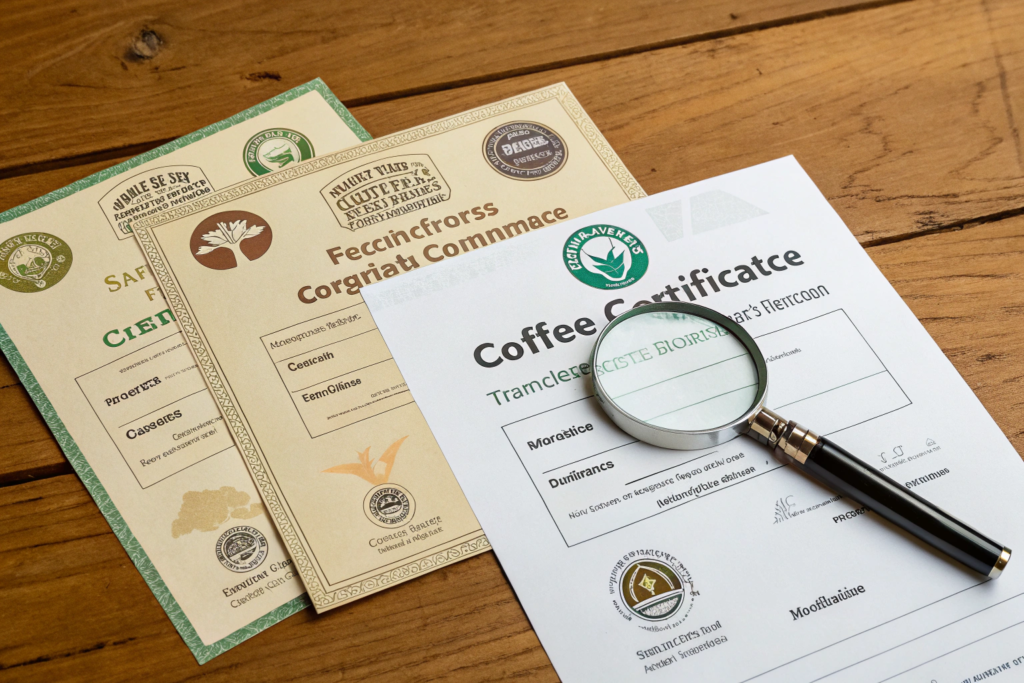
Paperwork matters. A serious supplier will have documentation ready. Ask for the certificate of origin. This shows where the coffee was grown. Ask for processing details. Was it washed, natural, or honey? Ask for cupping scores and tasting notes. A reputable supplier will have cupped the coffee and can tell you its flavor profile. Ask for certification documents if the coffee is certified.
If a supplier hesitates or says they don't have that information, that's a red flag. We provide all of this to our clients. For our Arabica, we share lot numbers, harvest dates, and cupping scores. We want our buyers to feel confident. And we want them to be able to pass that confidence on to their own customers.
Why Are Direct Relationships Important?
Here's something I've learned. The best way to ensure authenticity is to buy from someone who owns the coffee. That means a supplier who owns their own farms, or at least has a direct, exclusive relationship with a cooperative. When you buy from a trading company that sources from multiple unknown farms, you're trusting that they did the verification for you. Sometimes they do. Sometimes they don't.
We own our farms. That's unusual in this industry, especially at our scale. But it's also the reason we can guarantee authenticity. When I tell you that a bag of Catimor came from our plantation in Baoshan, I know that's true because I was there. I walked the fields. I talked to the harvesters. I watched it being processed. That's a level of certainty that's hard to get from a trading company.
How Can Certifications Help Verify Authenticity?
Certifications aren't perfect. I'll be the first to say that. But they do provide a layer of verification that's valuable. When a coffee is certified, it means an independent third party has audited the supply chain. They've checked that the coffee comes from the claimed origin. They've verified that the practices meet certain standards.
Third-party certifications like UTZ (now Rainforest Alliance), Organic, and Fair Trade provide independent verification of coffee authenticity and sustainability. These certifications require audited supply chains, traceability systems, and regular inspections. While no system is foolproof, certified suppliers are generally more transparent and accountable than uncertified ones.
What Does Rainforest Alliance Certification Guarantee?
Rainforest Alliance certification, which incorporates the former UTZ program, focuses on sustainability and traceability. Certified farms must follow strict environmental and social standards. And the certification includes a traceability system that tracks coffee from farm to roaster. This means you can verify that the coffee in your bag actually came from a certified source.
We've maintained our certification for years. It's not easy. The audits are rigorous. But we do it because our buyers want that assurance. When you buy our Arabica with the Rainforest Alliance seal, you know it's authentic. You know it was grown with care. And you have a story you can tell your customers.
What About Organic Certification?
Organic certification is another layer. It verifies that no synthetic chemicals were used in growing the coffee. But it also requires traceability. The organic supply chain is closely monitored to prevent mixing with non-organic coffee. So when you buy organic certified coffee, you're getting additional assurance that the coffee is what it claims to be.
We offer organic options for some of our Catimor lots. The certification process is demanding, but it's worth it for buyers who need that guarantee. And it gives them another tool to market their coffee as authentic and sustainable.
What Role Does Technology Play in Authenticity?
The coffee industry is catching up with technology. And that's a good thing for authenticity. New tools are making it easier to track coffee from farm to cup. And as a buyer, you should look for suppliers who are using these tools.
Technology is transforming coffee traceability. Blockchain platforms, QR code tracking systems, and digital cupping databases allow buyers to verify origin, processing, and quality with a few clicks. Suppliers who invest in these technologies are demonstrating a commitment to transparency and authenticity.
How Does Blockchain Traceability Work?
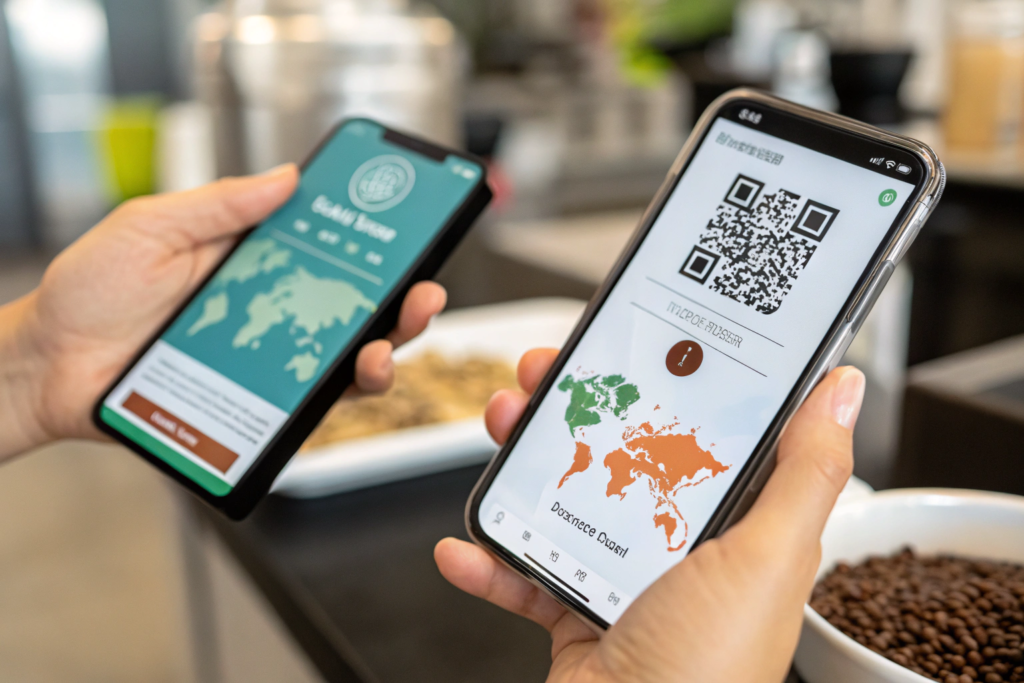
Blockchain is a big word, but the concept is simple. Each transaction in the supply chain is recorded in a permanent, unchangeable ledger. When a coffee lot moves from farm to processor to exporter to roaster, each step is logged. The buyer can then scan a code and see the entire journey.
We've started implementing this for some of our premium Arabica lots. It's a bit of an investment, but we believe it's the future. Buyers want to know the story behind their coffee. And blockchain gives them the proof.
What About Simple QR Codes?
Not every supplier needs a full blockchain system. Sometimes a simple QR code is enough. A QR code on the bag can link to a webpage with information about the farm, the processing, and the cupping score. It's not as rigorous as blockchain, but it shows that the supplier has nothing to hide.
We use QR codes on our packaging. When a customer scans it, they see photos of our farms in Baoshan, details about the harvest, and the flavor profile. It builds trust. And it lets the end consumer feel connected to the origin. That connection is what makes coffee authentic.
How Can You Protect Yourself as a Buyer?
Alright, let's get practical. You're a buyer. You want to ensure the coffee you're buying is authentic. What steps should you take? I've been in your shoes. I've bought coffee from other origins before we started farming our own. And I've learned a few things about protecting yourself.
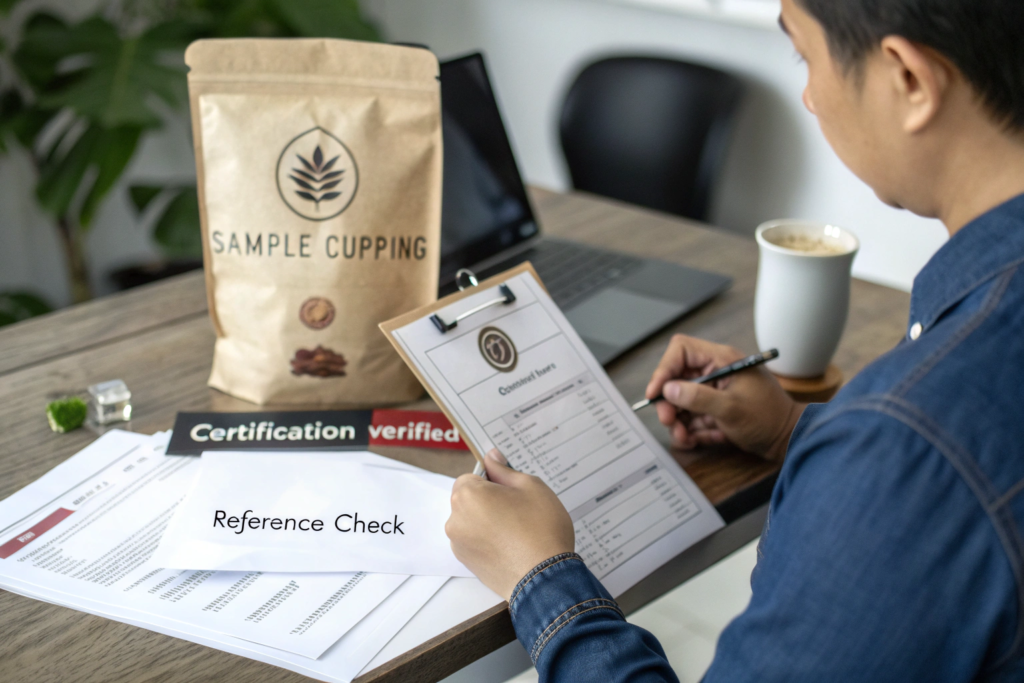
To protect yourself as a coffee buyer, always request and cup samples before placing a bulk order. Verify certifications directly with the issuing body. Ask for references from other buyers. Start with a small trial order to test consistency. And build a long-term relationship with your supplier. Authenticity is easier to verify when you're working with someone you trust.
Why Is Cupping Samples Non-Negotiable?
You cannot buy coffee without tasting it. I've said this a hundred times. The sample tells you the story. If the supplier won't send a sample, walk away. If the sample is great but the bulk order is different, you have a problem.
When we send samples of our Arabica or Robusta, we guarantee that the bulk shipment will match. We keep samples from every lot. We cup them alongside the bulk before shipping. It's part of our quality control. And it's part of our commitment to authenticity.
How Do You Verify a Supplier's Claims?
Don't take their word for it. Verify. If they say they're certified, ask for the certificate number and check it with the certification body. If they say they own their farms, ask for documentation or even better, ask to visit. A transparent supplier will welcome your questions.
We've had buyers visit our farms in Baoshan. They walk the fields. They meet our workers. They see our processing facilities. It's a lot of effort, but it builds trust. And it's the surest way to verify that the coffee is authentic. If a supplier isn't willing to let you see their operation, that's a red flag.
Conclusion
Ensuring your coffee is authentic takes work. But it's work worth doing. Authenticity is the foundation of trust. And trust is the foundation of any successful business. By understanding the supply chain, choosing the right suppliers, verifying documentation, and using technology, you can protect yourself and your customers from fraud.
At BeanofCoffee, we've built our business on authenticity. We own our 10,000 acres in Yunnan. We control our processing. We cup every lot. We provide documentation. And we're happy to share our story with anyone who asks. Whether you're looking for Arabica, Catimor, or Robusta, you can trust that what you're buying is exactly what we say it is. And with our logistics partners like Shanghai Fumao, we ensure that authenticity carries through to delivery.
If you're ready to source authentic, traceable coffee from a supplier you can trust, let's talk. Contact our team lead, Cathy Cai, at cathy@beanofcoffee.com. She can send you samples, share documentation, and help you build a partnership based on authenticity. Let's make sure your coffee tells the real story.