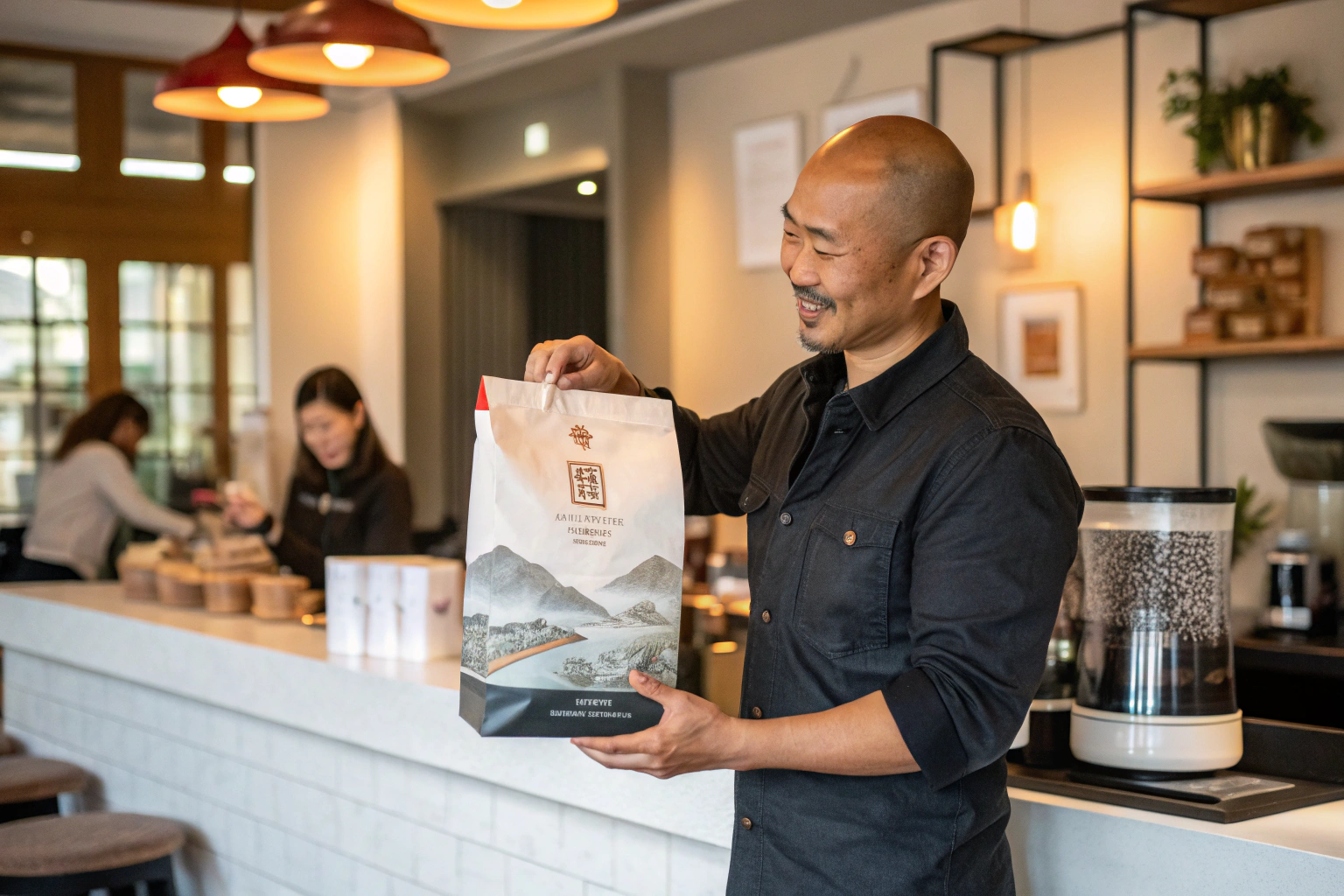
So, you've taken a chance on a new origin. You've cupped some incredible single-origin coffee from Yunnan, China, and you're impressed. But now comes the hard part. You're a buyer like Ron; you're practical. You're thinking, "How do I sell this?" Your customers are used to coffees from Colombia, Ethiopia, and Brazil. You're worried that "Made in China" will be a tough sell, that you'll be met with skepticism, and that this beautiful coffee will end up sitting on your shelves. It's a huge marketing challenge.
Let's tackle this head-on. The key to marketing Chinese coffee is not to hide its origin, but to lean into it. You must build a compelling narrative around its unique terroir, exceptional quality, and the story of its dedicated producers, while strategically using education and targeted positioning to overcome preconceived notions. It's about reframing the conversation from "Made in China" to "Discovered in Yunnan."
As the owner of Shanghai Fumao, a 10,000-acre coffee estate in the mountains of Baoshan, Yunnan, this isn't just a marketing theory for me—it's my daily reality. We've successfully helped partners across North America and Europe turn our Yunnan coffee into a celebrated, premium offering. In this article, I will share the exact strategies we've developed. This is your playbook for turning a new origin into your next bestseller.
How Do You Build a Compelling Origin Story?
Your first and most powerful tool is the story. People don't just buy coffee; they buy an experience, a connection to a place. You're worried that the story of "China" is one of factories, not farms. The problem is, if you don't define the narrative, your customers' old biases will.
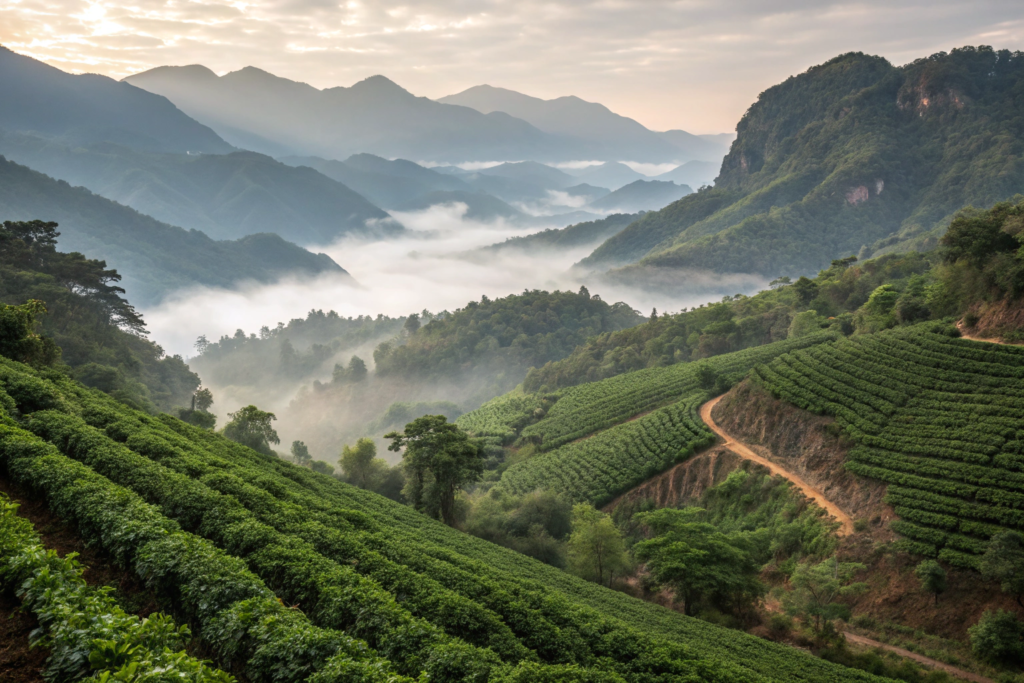
You must craft a narrative that transports your customers to the mountains of Yunnan. Focus on the "Three T's": Terroir, Tradition, and Team (the farmers). This isn't just any place; it's a region with a rich agricultural history, high altitudes, and a unique microclimate that produces exceptional coffee. This is your story's foundation.
Talk about the Terroir: Describe the "Lush mountains of Yunnan," the "sub-tropical highlands," and the "rich, volcanic soil." Use evocative language. Talk about the Tradition: Mention the region's long history of cultivating other high-quality agricultural products, like world-famous teas. This frames coffee as the next chapter in a long story of quality. Finally, introduce the Team: Share photos and stories of the farmers. Show their dedication. At our Baoshan estate, we are a community. Highlighting this human element builds an emotional bridge that bypasses stereotypes and creates a genuine connection.
How Do You Describe the Terroir of Yunnan?
Focus on sensory and romantic language. Describe it as "A hidden coffee paradise nestled in the same latitude as the world's finest growing regions." Mention the specific altitude—often upwards of 1,300 meters—which allows for slow cherry development and complex flavor. Use phrases like "cool mountain nights and warm, sunny days" and "ancient tea trails now lined with coffee plants." This paints a picture of a pristine, ideal environment for specialty coffee.
Why is the Connection to Tea Important?
Connecting coffee to tea is a powerful marketing angle. Many consumers already associate Yunnan with high-quality, artisanal teas like Pu'er. By saying, "From the same soil that produces world-renowned teas comes a new generation of specialty coffee," you are "borrowing" the established reputation of tea. It creates an instant mental shortcut to quality and craftsmanship. This is a story that is both unique to China and easy for Western consumers to understand and appreciate.
How Can You Showcase Quality and Build Trust?
A good story is not enough; you need proof. Your customers, especially discerning ones, are skeptical. They've been burned by marketing hype before. You need to back up your narrative with undeniable evidence of quality. The pain point here is credibility. How do you prove that this coffee isn't just a novelty, but a legitimately high-scoring specialty bean?
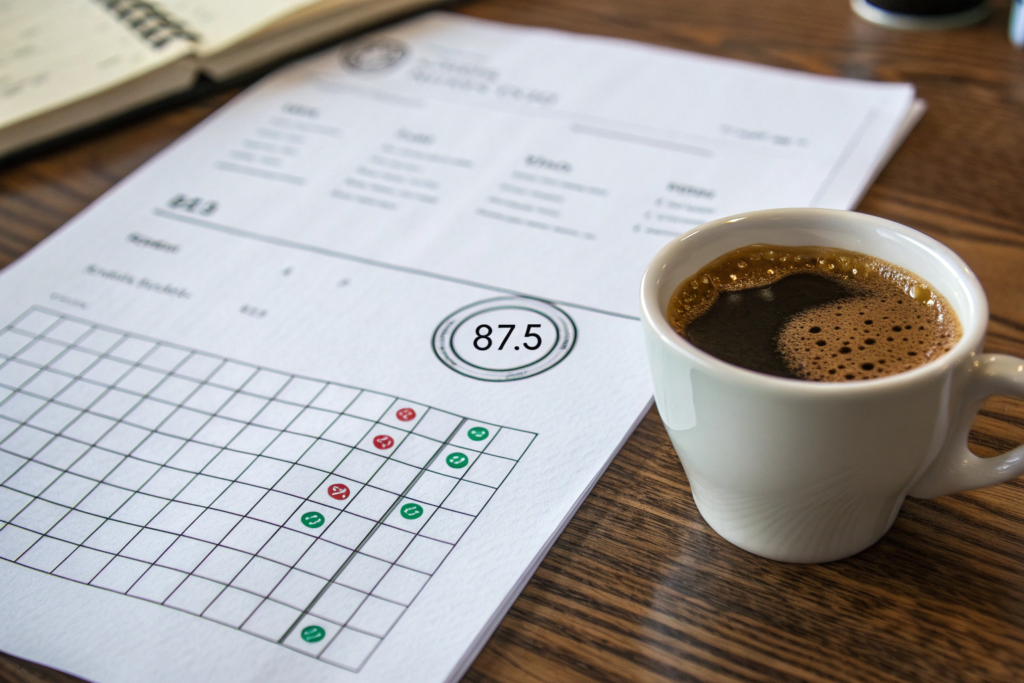
You must use the universal language of the specialty coffee industry: third-party validation and transparent data. This means leading with the coffee's cupping score. A score of 85, 86, or 87+ from a certified Q Grader speaks for itself. It's an objective measure that instantly places your Chinese coffee on the same level as high-quality lots from established origins.
Beyond the score, be transparent with the details. Provide clear information on the varietal (e.g., Catimor, Typica), the processing method (Washed, Natural, etc.), the altitude, and the harvest date. This data demonstrates professionalism and allows coffee geeks to engage with the product on a technical level. At Shanghai Fumao, we provide a full spec sheet with every lot because we believe transparency is the foundation of trust. It shows you have nothing to hide and are proud of your product's quality.
Should You Lead with the Cupping Score?
Yes, absolutely. On your retail bags, your website, and your cafe's info cards, the cupping score should be prominent. A headline like "Discover Yunnan: A Single-Origin with an 87 Point Score" is incredibly effective. It immediately answers the quality question and justifies the premium price point. It's a powerful tool to overcome hesitation, as you can learn from industry marketing resources like Roast Magazine.
How Do You Present the Tasting Notes?
Be specific and enticing, but also connect the notes back to the origin story. For example, instead of just saying "sweet and fruity," try "Notes of Lychee and Brown Sugar, reflecting the sub-tropical sweetness of the Yunnan highlands." This reinforces the link between the flavor and the unique place it comes from. Using familiar yet slightly exotic flavor calls (like lychee, red date, or osmanthus) can also add to the sense of discovery.
What Are the Most Effective In-Store and Online Strategies?
You've built the story and gathered the proof. Now, how do you get people to actually try and buy the coffee? This is the final hurdle. You're worried that despite your best efforts, customers will stick with what they know. You need practical, effective tactics to drive trial and conversion.
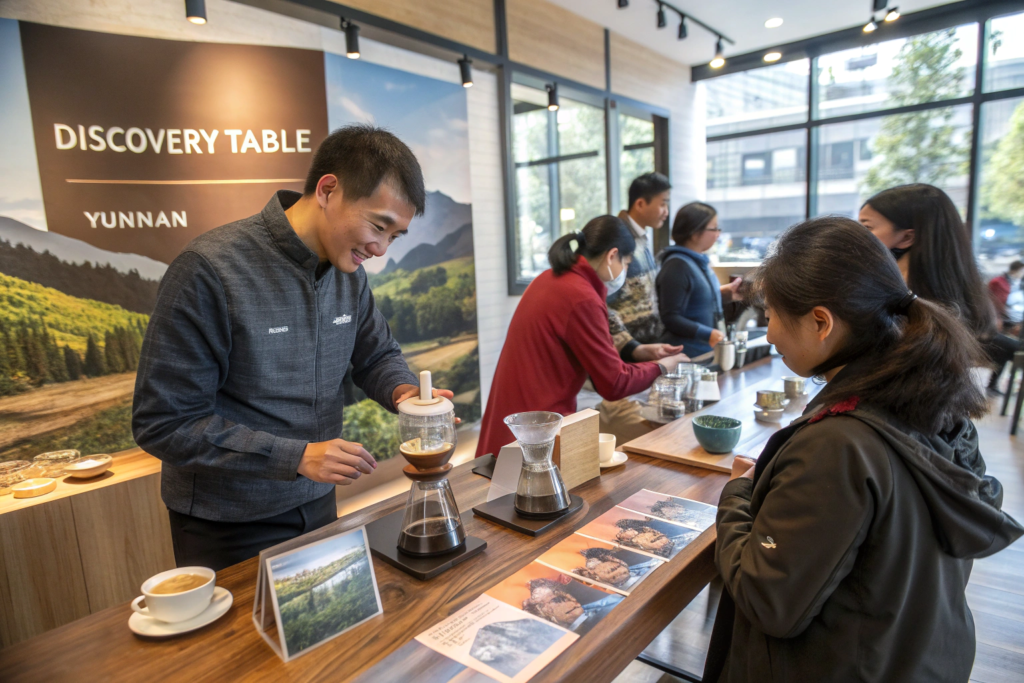
Your strategy should be centered on education and experience. Offer free tastings and create a "discovery" moment for your customers. Set up a dedicated brew station in your cafe and offer small, complimentary pours. Call it a "Yunnan Discovery Tasting." When people can taste the quality for themselves, without risk, their skepticism melts away.
Online, your strategy should be visual and narrative-driven. Create a dedicated landing page on your website for your Chinese coffee. Feature the stunning landscape photos, the farmer stories, and a video of a cupping session. Use social media to post a "Meet the Producer" series. Run a promotion like "Get a free sample of our new Yunnan single-origin with any online order." The goal is to lower the barrier to entry and make trying the coffee an exciting, educational event.
How Do You Train Your Staff to Sell It?
Your baristas are your most important ambassadors. Host a special training session just for the Chinese coffee. Share the story, the data, and conduct a tasting. Give them the key phrases: "It's from the same region as famous teas," "It has a really surprising sweetness and a clean finish." When a customer asks, "What's new?" your staff should be genuinely excited to say, "You have to try this incredible new single-origin we just got from Yunnan, China."
What Kind of Promotions Work Best?
Bundles and comparisons are very effective. Create a "New Horizons" bundle that pairs the Chinese coffee with a familiar coffee from South America, encouraging customers to taste them side-by-side. Or, offer an introductory discount, like "20% off our new Yunnan Discovery coffee this week only." This creates a sense of urgency and rewards early adopters for their curiosity.
How Do You Position It for Long-Term Success?
You've had a successful launch. People are trying it, and they like it. But how do you ensure this isn't just a one-time fad? You need to position your Chinese coffee for sustained sales and integrate it into your core offering. The fear is that the novelty will wear off and sales will drop.
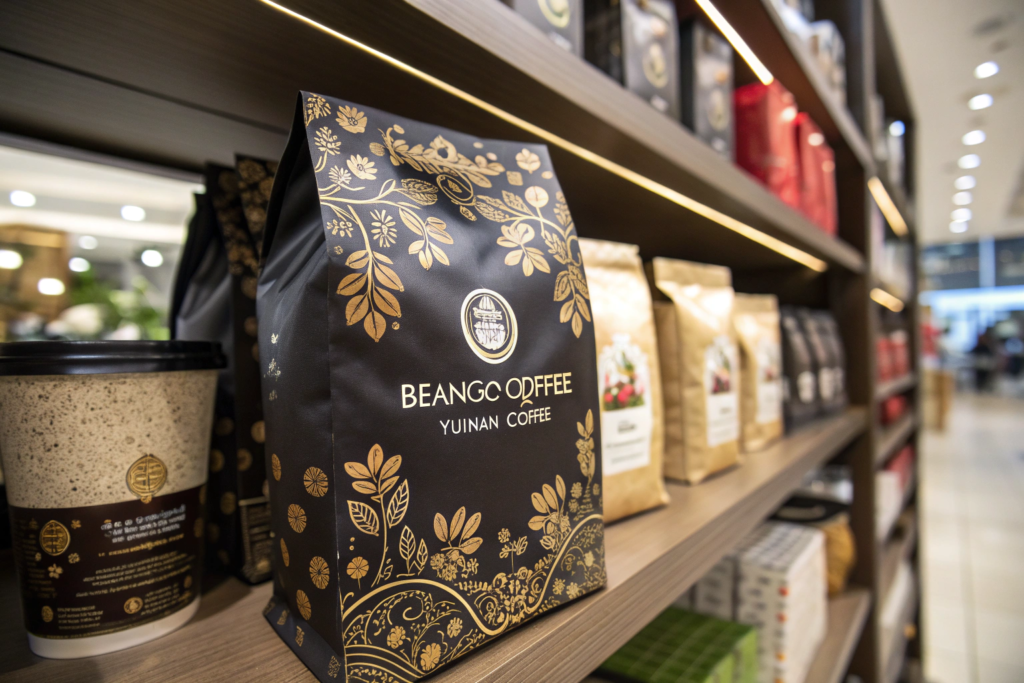
For long-term success, you must position Chinese coffee not as a novelty, but as a core pillar of your premium single-origin program. It should sit on the shelf, both physically and conceptually, right alongside your offerings from other world-class coffee regions. Don't relegate it to a "miscellaneous" or "exotic" section. This confident placement normalizes it as a top-tier origin.
Continuously reinforce the quality narrative. Enter the coffee into competitions. If it wins an award, broadcast that success widely. Feature it as a key component in a new signature blend and tell that story. The goal is to build a loyal following for the origin itself. When customers start coming in and asking, "Do you have that Yunnan coffee back in stock?" you know you have succeeded. It's about transforming it from "that new Chinese coffee" into "our beloved Yunnan."
How Do You Handle Pricing?
Price it according to its quality, not its origin. If the coffee has an 86-point score, it should be priced similarly to your 86-point coffees from other regions. Underpricing it sends a message that you believe it's inferior. Pricing it confidently, based on its objective quality score, reinforces the message that it belongs among the best.
Should You Seek Out Press or Influencers?
Yes. Once you have built a solid foundation, reaching out to local food bloggers, coffee influencers, or even trade publications can be a powerful next step. Send them a sample along with your beautiful story and data. A positive review from a trusted third party can provide a huge boost in credibility and reach a wider audience than you could on your own. This is a key tactic in modern brand building.
Conclusion
Marketing single-origin Chinese coffee is not about overcoming a weakness; it's about showcasing a unique strength. It's a chance to be a pioneer, to introduce your customers to the next great frontier in specialty coffee. By building a powerful narrative around the pristine terroir of Yunnan, backing it up with undeniable proof of quality, and engaging your customers with educational, experience-driven tactics, you can overcome any initial skepticism.
The key is to act as a confident guide on a journey of discovery. You are not just selling a product; you are expanding your customers' palates and their understanding of the coffee world. You are reframing the conversation and establishing a new benchmark for quality.
If you are ready to embark on this journey and are looking for a partner who can provide you with not only exceptional single-origin Yunnan coffee but also the stories, data, and marketing support to ensure its success, we are here for you. We have helped businesses just like yours thrive with our coffee. Please reach out to my colleague, Cathy Cai, at cathy@beanofcoffee.com to begin our partnership.