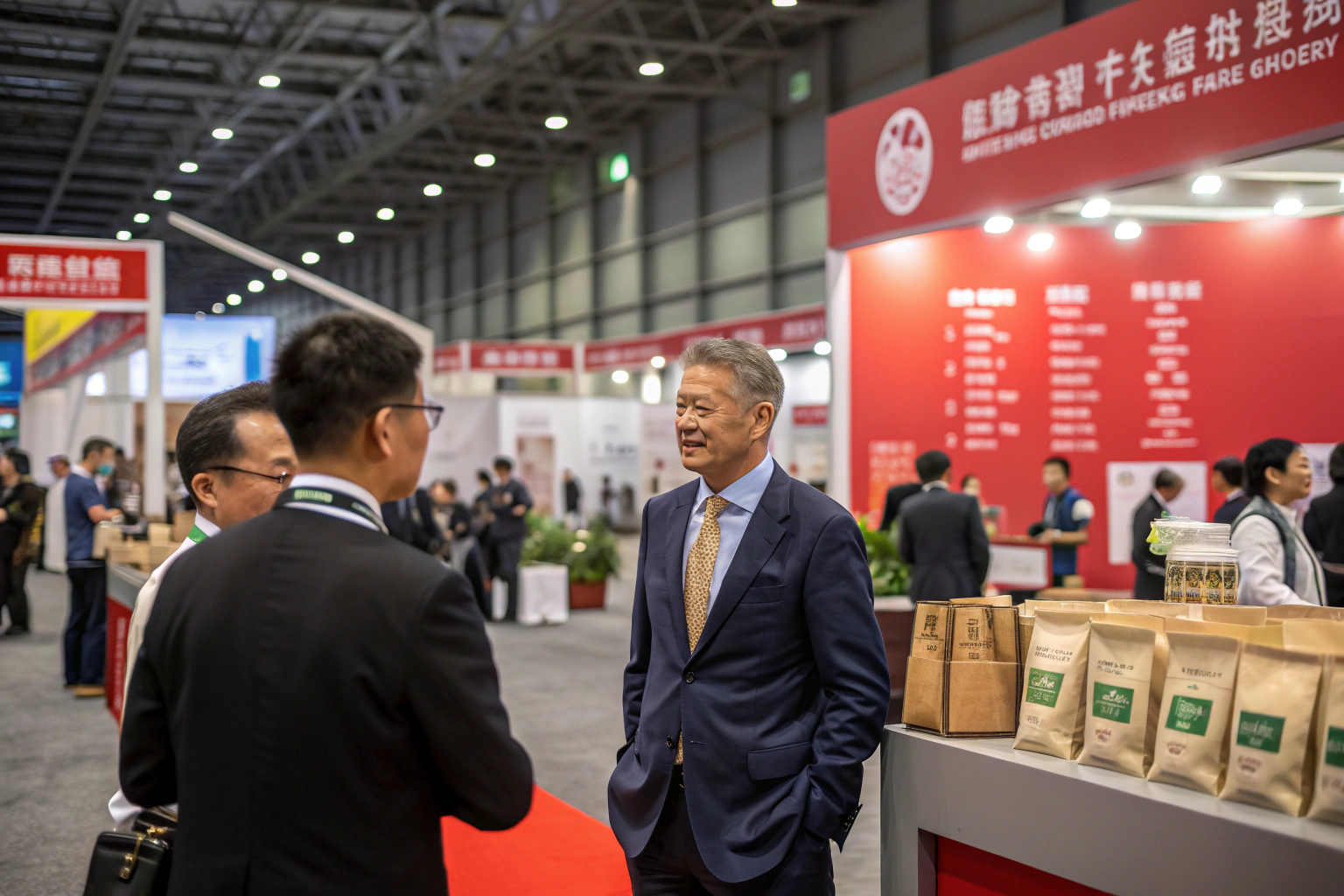
You're planning your sourcing trip. The goal is clear: find reliable, high-quality coffee bean suppliers from China to secure your supply chain. But where do you start? Google searches and Alibaba messages only go so far. For a hands-on buyer like Ron, who values trust and direct relationships, meeting face-to-face is irreplaceable. The right trade event can compress months of online vetting into a few days of concentrated networking, cupping, and factory tours. But with many events worldwide, which ones truly connect you with the decision-makers from Chinese plantations and major exporters like us?
The best events to meet Chinese coffee suppliers are major international trade fairs in China and Asia, specialized coffee exhibitions, and key import-focused shows in your target market. Top choices include the China International Coffee Expo (CIC) in Beijing, the Hotelex series in Shanghai, the ASEAN Coffee Federation events, and the large import-facing shows like SCA Expo in the USA where leading Chinese exporters exhibit. These events offer direct access to suppliers, live product sampling, and critical insights into market trends and logistics.
That list is a starting point. But showing up is only half the battle. Knowing why these events work, how to navigate them effectively, and what to look for in a supplier there is what turns a trip into a triumph. Let's map out the event landscape and the strategy to make the most of it.
Which Major Trade Fairs in China Are Must-Attend?
If you want to meet Chinese suppliers, going to China is the most direct path. The country's major trade fairs are where entire industries gather under one roof. For coffee, this means meeting not just exporters, but also roaster manufacturers, packaging companies, and logistics providers—the full ecosystem. The scale is immense, and the access is unparalleled.
These fairs are typically held in major commercial hubs like Beijing, Shanghai, and Guangzhou. They are organized by government trade bodies and large exhibition companies, ensuring high participation from established suppliers. For a first-time visitor, it can be overwhelming, but also incredibly efficient.
Here are two of the most significant platforms for sourcing green and roasted coffee from China.
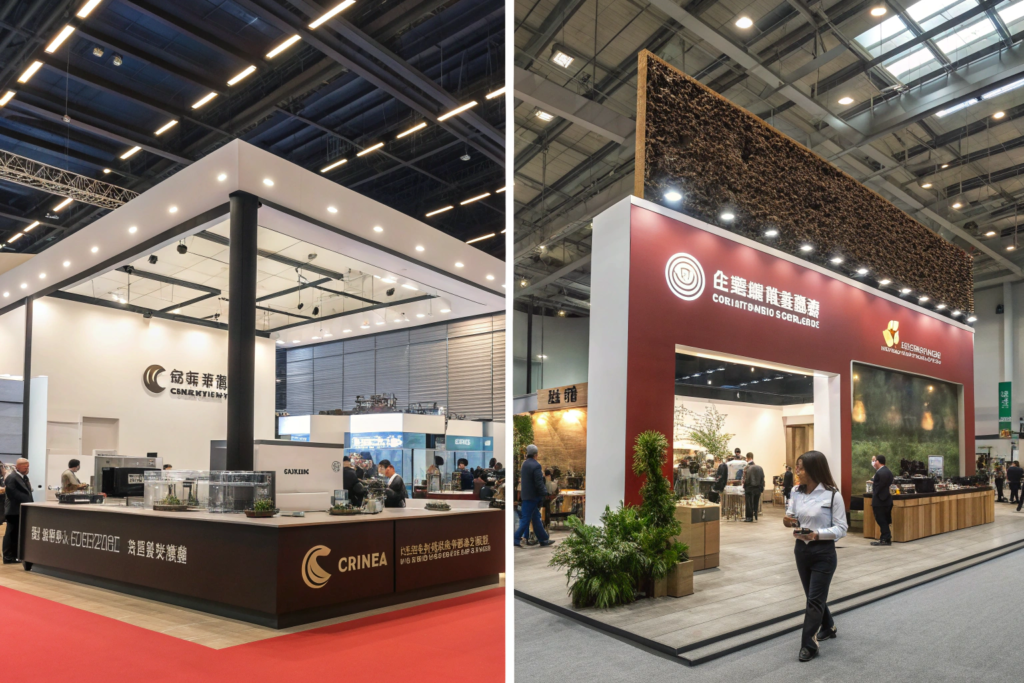
Why is the China International Coffee Expo (CIC) in Beijing a Top Choice?
The China International Coffee Expo (CIC), usually held in Beijing, is arguably the premier national-level coffee event in China. It's organized by the China Coffee Association and supported by the Ministry of Commerce. Why does this matter? It means the most serious players are there. You'll find state-owned agricultural groups, large plantation owners from Yunnan (like our operations in Baoshan), and major export companies all in one place. The focus is on the Chinese coffee industry itself—promoting Yunnan Arabica, Catimor, and Robusta to the world. It's the best event to understand the scale, quality, and government support behind Chinese coffee. You're not just meeting salespeople; you're meeting farm directors and export managers who can discuss volumes, contracts, and long-term supply stability.
What Makes the Hotelex Shanghai / Food & Hotel China Series So Valuable?
Hotelex Shanghai (part of the larger Food & Hotel China series) is a gigantic trade fair focused on the hospitality industry. Its coffee section is massive. While it features many equipment brands, it also hosts a huge number of green bean exporters, roasters, and instant coffee manufacturers. The value here is commercial practicality. Suppliers at Hotelex are intensely focused on B2B deals and export. They are set up to answer questions about MOQs, packaging, certifications, and shipping on the spot. It's a more transaction-ready environment. Furthermore, being in Shanghai—China's financial and logistics hub—you can often arrange quick visits to nearby company offices or warehouses, turning a trade show contact into a tangible due diligence visit. Our export team at Shanghai Fumao regularly exhibits at Hotelex to meet international buyers like you.
What International Events Attract Key Chinese Exporters?
Chinese suppliers don't just wait for you to come to them; they go where the global buyers are. Attending major international coffee events in your region or key consuming markets can be a more time-efficient way to connect. At these shows, Chinese exporters are there specifically to court international clients, so they are prepared with English-speaking staff, export documentation, and samples ready for shipment.
These events filter for suppliers who are serious about the global market and have the capacity to handle international logistics. It's a great pre-qualification step.
Let's look at the two types of international events where you're most likely to find a concentrated group of Chinese suppliers.
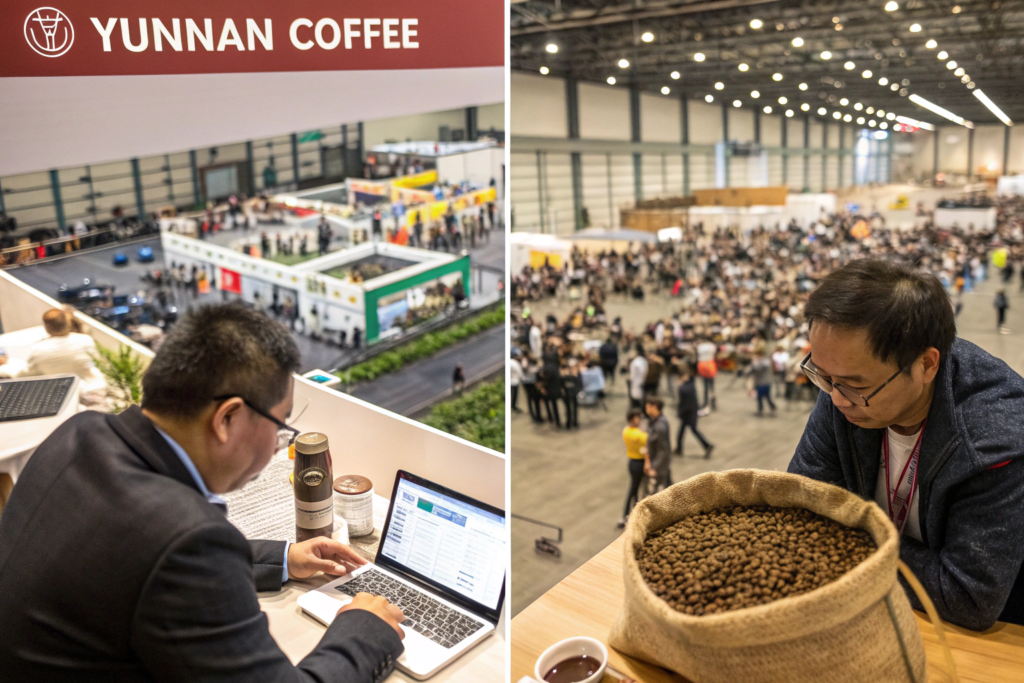
How Does the SCA Expo (Specialty Coffee Association) Facilitate Meetings?
The SCA Expo (formerly hosted in the USA and now in rotating global locations) is the world's largest specialty coffee trade event. Leading Chinese exporters aiming for the premium market exhibit here to build brand recognition and connect with roasters, importers, and distributors from North America and Europe. Meeting a Chinese supplier here signals they are investing in the specialty segment. You can cup their coffees alongside competitors from around the world, providing an immediate quality benchmark. Conversations here tend to focus on quality metrics, microlots, processing methods, and direct trade stories—perfect if your brand is built on provenance. It's also a chance to meet the Specialty Coffee Association community, which many progressive Chinese producers are now joining.
Why are ASEAN Coffee Federation Events in Asia Strategic?
Events like Vietnam International Coffee Expo or ASEAN Coffee Week are strategically important. China is a major player in the Asian coffee landscape. Chinese suppliers attend these regional events to network with buyers from across Asia and to showcase their beans alongside Vietnamese, Indonesian, and Thai coffees. For a global buyer, this offers a unique comparative sourcing opportunity. You can evaluate Yunnan Arabica's profile against other regional origins in one location. The business culture and logistics discussions at these events are also very Asia-focused, which can be beneficial if your supply chain runs through the region. The scale is large but often more accessible than the massive Chinese domestic fairs.
How to Prepare for and Maximize a Sourcing Event?
Walking into a vast exhibition hall without a plan is a recipe for missed opportunities and exhaustion. Effective event participation is a project with clear pre-, during-, and post- phases. Your goal isn't to collect as many brochures as possible; it's to initiate 3-5 qualified, potential supplier relationships that you can pursue seriously after the show.
Preparation turns you from a casual visitor into a serious buyer, commanding more attention and better information from exhibitors. Here’s how to structure your approach.
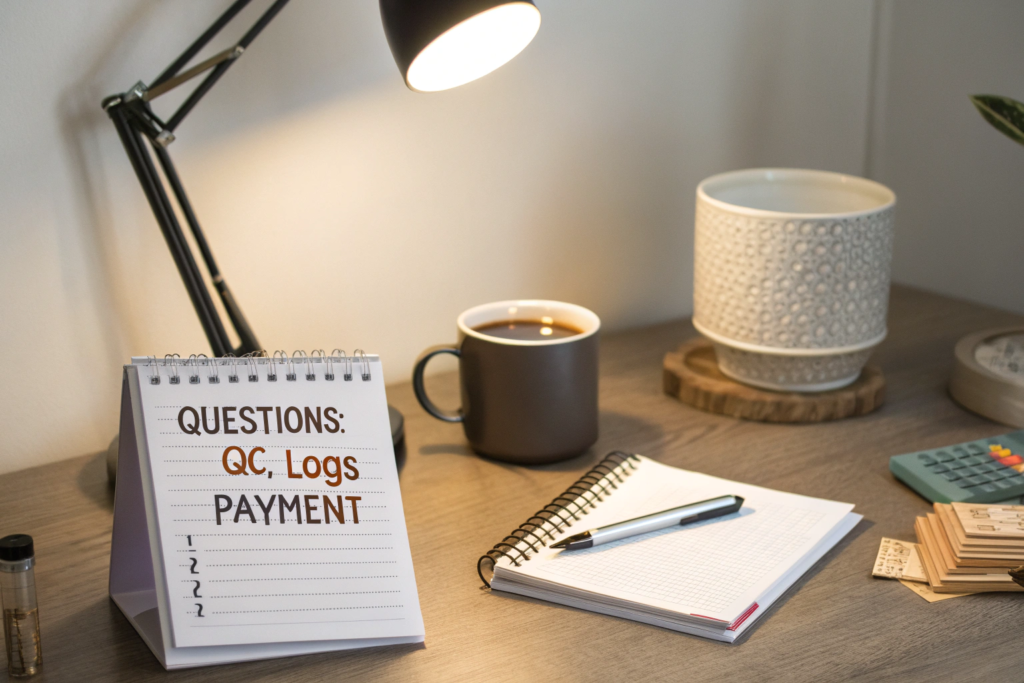
What Pre-Event Research is Critical?
Do your homework. First, identify the exhibitor list on the event website. Search for keywords like "Yunnan," "China," "Arabica," "Export." Make a target list of 10-15 booths. Visit their websites beforehand. Do they have the certifications you need? Do they list export experience to your region? Second, prepare your questions. Go beyond "What's the price?" Prepare specific questions about:
- Quality Control: "Can I see your most recent lab test for Ochratoxin A?"
- Logistics: "What is your typical sailing schedule from Ningbo to Long Beach?"
- Capacity: "What is your available volume for the next harvest of Catimor?"
- Terms: "What are your standard payment terms for a first container order?"
This preparation shows you are a professional and will lead to more substantive conversations. Pre-schedule meetings if possible via LinkedIn or email.
What On-Site Strategies Separate Serious Buyers from Tourists?
At the event, be strategic. Start with cupping. A supplier's coffee must pass your quality threshold before any business discussion. Use the event's cupping pavilion or request a private cupping at their booth. Ask for the "decision-maker." After a positive initial chat, ask to speak with the export manager or owner. This is where you discuss real business. Take detailed notes on each conversation directly on their business card or in a dedicated app. Note specific promises, samples offered, and follow-up actions. Collect physical samples from your top candidates, ensuring they are labeled with the exact lot number. Finally, visit the booths of supporting industries—like packaging and logistics companies—to gather intelligence on local costs and practices, which can be useful in later negotiations.
What Are the Red Flags and Green Flags at a Trade Show?
Not all suppliers are created equal. A trade show is a live audition. You can observe their professionalism, organization, and transparency in real-time. Knowing what to look for—both positive and negative—can save you from costly partnerships down the line.
A supplier's booth, their team, and how they handle your questions are a microcosm of their entire business. Pay close attention to the details.
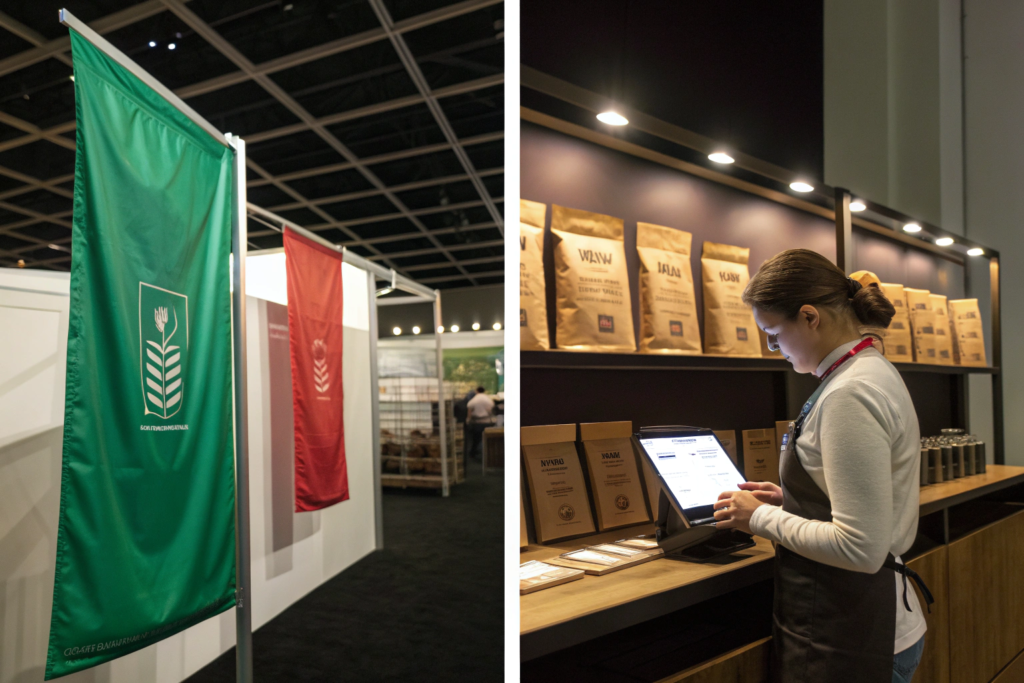
What Are the Green Flags of a Professional Supplier?
Look for these positive signs:
- Samples with Details: They provide green or roasted bean samples with clear labels stating origin (farm/region), variety, process, harvest date, and roast date.
- Displayed Certifications: Organic, Fair Trade, SCA, or food safety (ISO 22000) certificates are visibly displayed or readily available.
- Technical Staff Present: They have a cupper, QC manager, or agronomist on hand who can speak knowledgeably about acidity, flavor notes, and farming practices.
- Transparent Communication: They openly discuss challenges (like weather impacts on harvest) and their mitigation strategies, rather than giving only generic sales pitches.
- Full Supply Chain Info: They can immediately explain their process from farm to port, including their owned assets (like our 10,000 acres) versus outsourced steps.
What Are the Red Flags to Avoid Immediately?
Be cautious of suppliers who:
- Have No Physical Samples: They only have photos or vague promises. "The coffee is still at the farm" is a common deflection.
- Cannot Discuss Quality Control: They avoid or cannot answer specific questions about moisture content, defect counts, or lab testing.
- Pressure for Immediate Commitment: They push for a deposit or contract signature at the show, using "special show prices" as high-pressure tactics.
- Vague on Logistics: They are unclear about shipping terms, lead times, or who handles export documentation.
- Inconsistent Information: Different staff members give different answers about price, volume, or product specs.
A professional supplier understands that building trust takes time. They will welcome your due diligence.
Conclusion
The best events to meet Chinese coffee suppliers are those that align with your sourcing goals: the massive domestic fairs in China (CIC, Hotelex) for depth and scale, and the major international expos (SCA, ASEAN events) for pre-qualified, export-ready suppliers. Success, however, depends on meticulous preparation, strategic on-site execution, and a sharp eye for distinguishing professional partners from mere brokers.
For buyers like Ron, who value efficiency and building trustworthy, long-term relationships, these events are unparalleled tools. They transform an abstract supply chain into a network of real people and tangible products. At BeanofCoffee, we invest in exhibiting at these key global events precisely to connect with serious buyers face-to-face, to cup our Yunnan coffees together, and to demonstrate our operational transparency. If you are planning to attend any of these events, let's schedule a meeting in advance. Contact our sales director, Cathy Cai, at cathy@beanofcoffee.com to coordinate and ensure you get dedicated time with our technical and export team. Let's turn a trade show connection into your most reliable supply chain partnership.