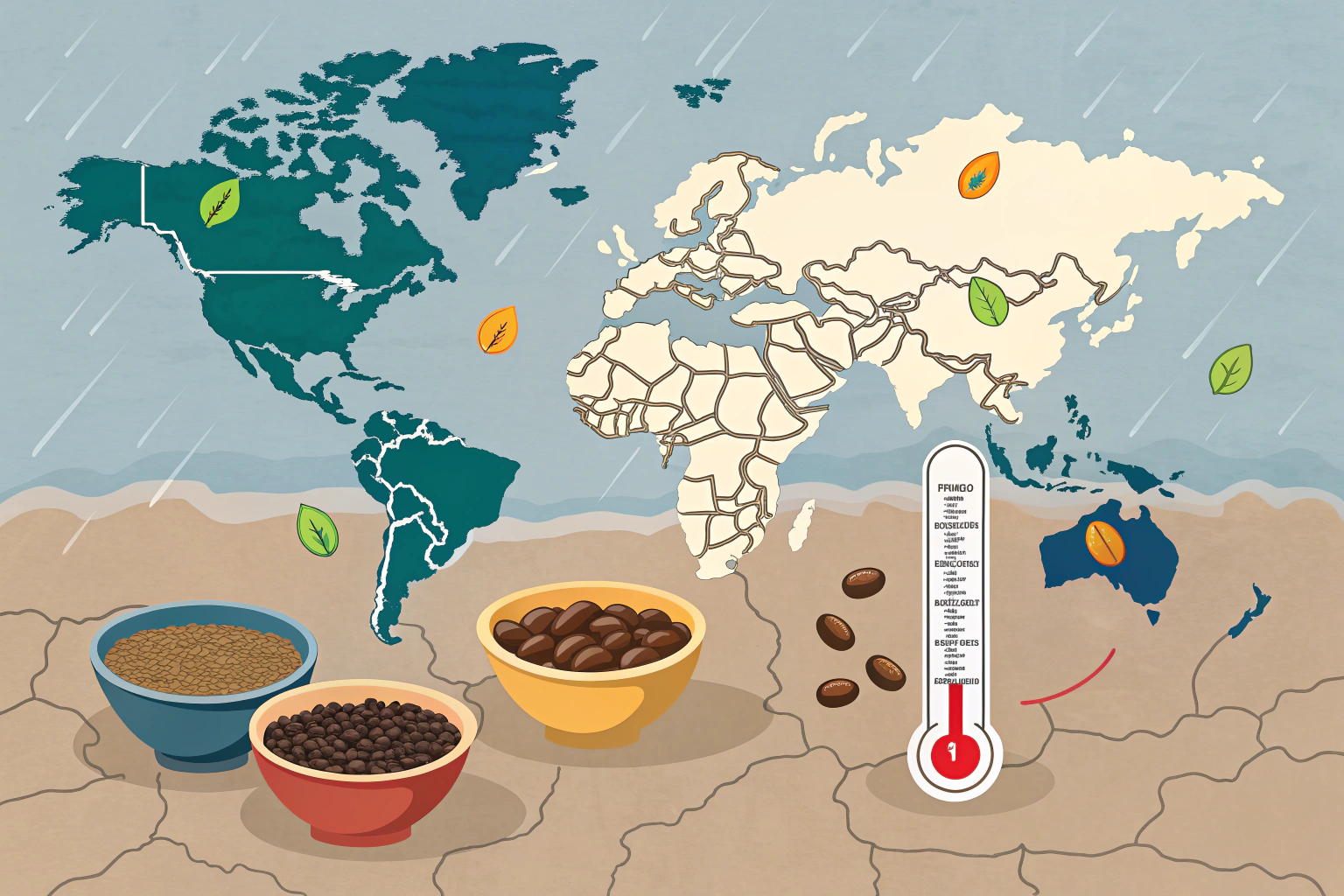
The roaster’s nightmare: Your signature blend from Colombia tastes different this year. It’s not your roast profile. The problem likely started 5,000 miles away, in a shifting climate. For anyone sourcing coffee—whether you're a multi-roaster café in Seattle or an importer in Hamburg—the annual report card on bean quality is no longer just about farming skill; it's increasingly a report on the weather. A single degree of temperature change or an unseasonal rain can rewrite the flavor notes you and your customers depend on.
Climate directly impacts coffee bean quality by altering the delicate balance of sugars, acids, and aromatic compounds during cherry development. The key factors are: temperature (affecting ripening speed and metabolism), rainfall timing (crucial for flowering and preventing disease), and altitude suitability (as warming pushes farms higher). From Brazil’s droughts to unpredictable rains in Ethiopia, climate volatility is now the single biggest factor creating inconsistency in cup profile, bean density, and ultimately, your supply stability from year to year.
But this isn't just a story of loss. It's a story of adaptation, foresight, and new opportunities. How can you, as a buyer, navigate this new reality to protect your quality standards and supply chain? Let's examine the science and the sourcing strategies that can turn climate risk into a managed variable.
How Do Temperature and Rainfall Directly Alter Bean Chemistry?
Think of the coffee cherry as a tiny biochemical factory. Sunlight, water, and heat are its raw materials and its controls. When those inputs change, the factory's output—the chemical composition of the bean—changes too. This isn't subtle; it's measurable in a lab and unmistakable on the cupping table.
Higher temperatures accelerate cherry maturation. The bean has less time to develop complex sugars and lipids, leading to a simpler, flatter cup profile with less acidity—often described as "baked" or "soft." Conversely, cooler than average temperatures can delay ripening, sometimes improving complexity, but also risking frost or an off-cycle harvest that disrupts supply. Rainfall is the master scheduler. A dry period triggers uniform flowering; a subsequent timely rain plumps the cherries. Too much rain during ripening dilutes flavors, promotes fungal diseases like Coffee Leaf Rust, and can ruin the drying process, leading to musty, fermented defects.
What is the "Goldilocks Zone" for Arabica vs. Robusta?
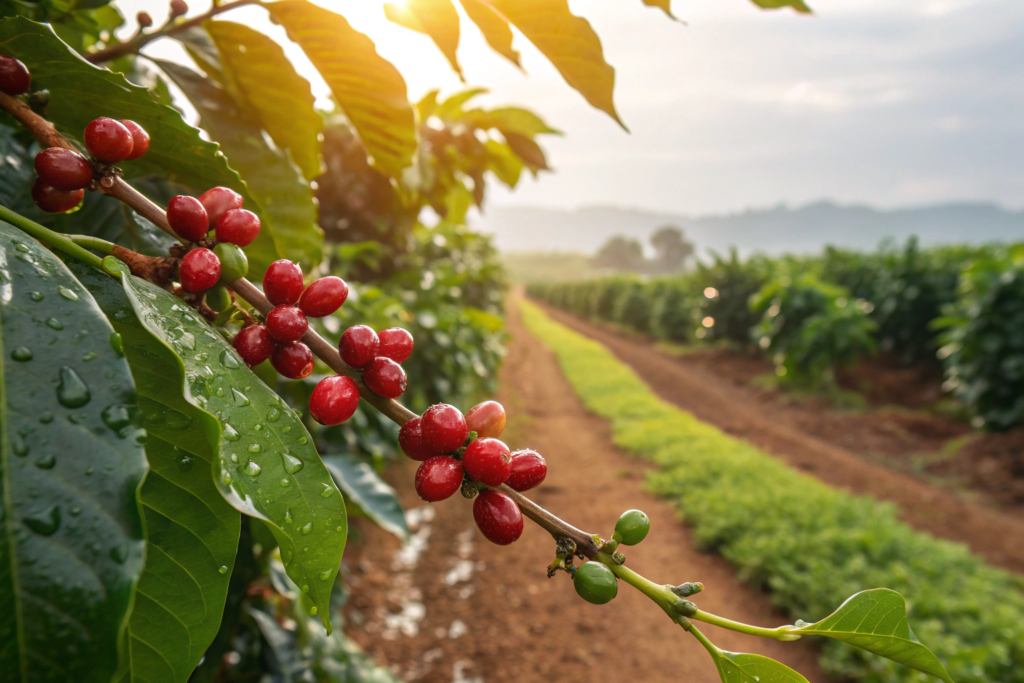
Arabica coffee thrives in a very narrow annual temperature range of 18-22°C (64-72°F). A study by the International Center for Tropical Agriculture (CIAT) shows that for every 1°C increase above this range, quality and yield significantly decline. This is why altitude is so critical—it provides this cool climate. Robusta, on the other hand, prefers 22-26°C (72-79°F) and is more tolerant of heat and humidity. As low-altitude Arabica regions warm, farmers are facing a brutal choice: move upslope (if possible), switch to Robusta, or abandon coffee. This directly impacts your supply of high-quality, complex Arabica beans. In Yunnan, we monitor our high-altitude Arabica plots (above 1400m) even more closely now, as they are our primary defense for maintaining the crisp, winey acidity our buyers expect.
How does drought stress manifest in the cup?
Drought doesn't just mean smaller cherries; it triggers a survival response in the plant. The bean prioritizes resilience over flavor, often producing higher concentrations of caffeine and chlorogenic acids as antioxidants. In the cup, this can translate to heightened, sometimes harsh, bitterness and astringency, masking the origin's characteristic fruit or floral notes. The 2020/21 Brazilian drought, for instance, led to many lots being described as "hard" and "medicinal," a stark departure from the typical chocolate-nut profile. For buyers, this means a lot that tasted one way last year might taste fundamentally different this year, even from the same farm.
Which Key Origins Are Facing the Most Severe Climate Threats?
Climate change is not a uniform global blanket; it's a patchwork of extreme and disruptive local events. The vulnerability of an origin depends on its geography, its predominant coffee species, and its socioeconomic capacity to adapt. Some origins are on the frontline, and their struggles are a preview of challenges to come for others.
The most severe threats are converging in origins that are: 1) Low-altitude Arabica producers (like parts of Brazil and Central America), 2) Regions dependent on predictable seasonal rains (like Ethiopia and Kenya), and 3) Areas with high exposure to tropical storms (like Vietnam and parts of the Caribbean). The impact isn't just a bad year; it's a trend of increasing volatility that makes multi-year contracts and quality consistency a major challenge for importers.
Is Brazil's "New Normal" of droughts and frosts changing its cup profile?
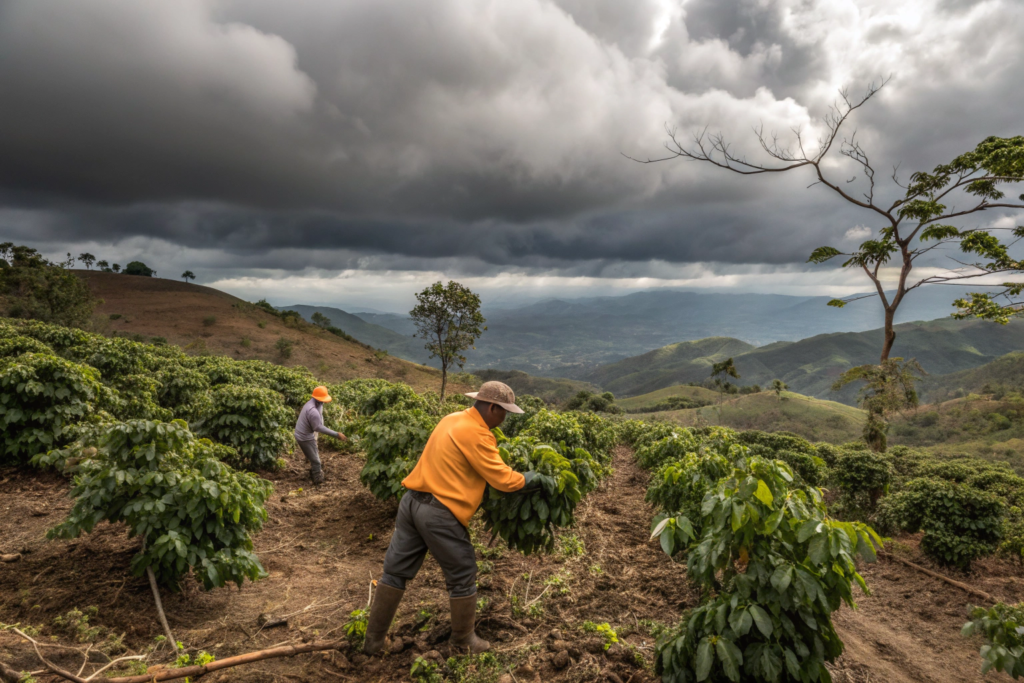
Absolutely. Brazil, the world's largest producer, is experiencing more frequent and severe droughts in its Cerrado and Mogiana regions, followed by unprecedented frost events in Minas Gerais. The combined stress produces smaller, denser beans with altered chemistry. The classic Brazil profile—heavy body, low acidity, chocolatey—is becoming more variable, with some lots showing unwanted grassy or saline notes from stress. For buyers of Brazilian naturals, this means pre-shipment cupping is more critical than ever. You can no longer assume consistency based on region alone. The need for rigorous lot-by-lot selection has never been higher.
How is East Africa's unpredictable rainfall affecting its famed acidity?
Ethiopia and Kenya are celebrated for their vibrant, complex acidity—the "sparkle" of their coffees. This acidity is tied to slow, steady ripening at high altitudes. Now, erratic rainfall is disrupting this cycle. Rains arriving late can cause "false flowering," leading to uneven ripening within a single branch (meaning you have green and red cherries together, a picker's nightmare). Heavy rain during harvest washes away the mucilage too quickly in washed processes, stripping flavor. The result is a dilution of the very terroir expression buyers seek. Coffees can taste "muddled" or "watery," lacking the explosive clarity they're famous for. This pushes prices for the small lots that do achieve classic quality through the roof.
How Can Buyers Adapt Their Sourcing Strategy for Climate Volatility?
The old model of finding a reliable origin and sticking with it for years is becoming riskier. Climate volatility demands a more agile, informed, and relationship-driven approach to sourcing. Your strategy must shift from simply buying coffee to managing climate risk in your supply chain.
Adaptation means diversifying your origin portfolio, deepening supplier relationships for better information, and being flexible with your blends. It means paying for quality and stability, not just volume. A buyer who partners with a forward-thinking exporter that invests in climate adaptation—like shade management, irrigation, or new varietals—is investing in their own future supply security.
Should I diversify my origin portfolio as a risk mitigation strategy?
Yes, unequivocally. If 40% of your volume depends on a single origin facing high climate risk (e.g., Brazil), you are vulnerable. The goal is to build a portfolio where the climate risks in one region are uncorrelated with another. For example, balance Brazilian supply with coffee from Colombia or Peru, where the climate risks (mostly related to rainfall patterns) are different. Also, consider incorporating Asian coffees from our Yunnan, China estates or from Indonesia. Their monsoon climate patterns operate on a different cycle. This doesn't mean abandoning your favorite origin; it means not being over-reliant on it. BeanofCoffee often advises clients to use our Yunnan Arabica as a stable, high-altitude component in blends to offset volatility from other origins.
How important is it to partner with suppliers who invest in climate adaptation?
This is your most strategic long-term move. Ask your suppliers: What are you doing about climate change? Look for partners who are:
- Planting shade trees to lower farm temperature.
- Investing in irrigation for drought resilience.
- Experimenting with climate-resistant varieties like Starmaya or Centroamericano.
- Implementing soil health programs to improve water retention.
At Shanghai Fumao, we've been introducing shade-canopy systems in our Yunnan plantations and trialling hybrid varietals that maintain cup quality under wider temperature ranges. Partnering with such suppliers means you're not just buying this year's crop; you're helping secure the quality of next year's and the year after.
What Role Do New Varietals and Farming Practices Play?
When the environment changes, agriculture must evolve. The answer isn't just to find cooler mountains; it's to develop coffee plants that can produce quality in the face of new challenges. This is where agricultural science and on-farm innovation become directly relevant to every roaster and importer.
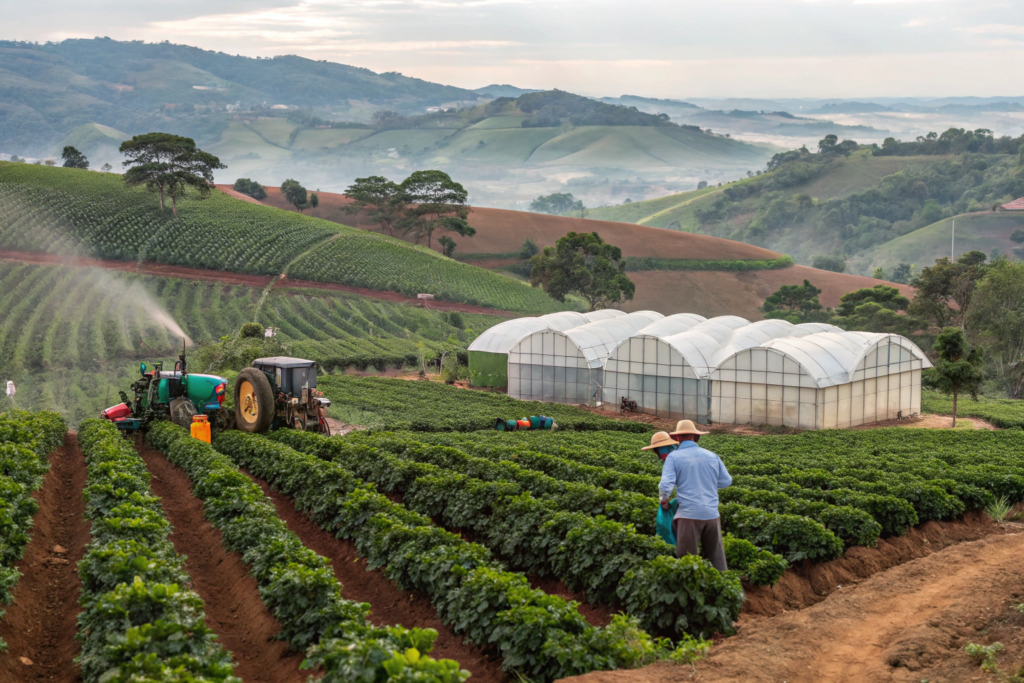
New, disease-resistant and climate-resilient varietals (like those developed by World Coffee Research) are being planted to combat Leaf Rust and tolerate higher temperatures. Simultaneously, regenerative farming practices—such as deep mulching, composting, and agroforestry—are being adopted to build healthier, more resilient soils that can buffer against both drought and heavy rain. These innovations are critical for maintaining both yield and quality, but they require investment and a long-term perspective from the entire supply chain.
Can new hybrid varietals really match the quality of traditional heirlooms?
This is the million-dollar question. Early disease-resistant hybrids were often criticized for bland cup quality. The latest generation, however, is promising. Varieties like Starmaya (rust-resistant) and Marsellesa are showing that resilience and complexity can co-exist. They won't taste exactly like a classic Geisha or Bourbon, but they can offer excellent, clean, and distinctive profiles of their own. For buyers, this means being open to new names on the spec sheet. The future of quality may depend on these adapted plants. We are evaluating several such hybrids in Yunnan to future-proof our offerings for clients in North America and Europe.
How do regenerative practices like mulching improve bean quality?
It starts with the soil. Healthy soil with high organic matter acts like a sponge, holding water during droughts and preventing erosion during floods. It also provides a steady, balanced nutrient supply to the coffee plant. A well-nourished, unstressed plant produces cherries with optimal sugar and acid development. In practical terms, coffee from regeneratively farmed plots often shows better sweetness, clarity, and complexity because the plant isn't struggling to survive. When you source from estates investing in these practices, you're buying coffee from a healthier ecosystem, which is inherently more stable and quality-focused.
Conclusion
The impact of climate on annual coffee bean quality is no longer a distant concern; it is the defining variable in today's green coffee market. From altered biochemistry in the cherry to existential threats to entire origins, climate volatility is introducing a new layer of complexity and risk for every business in the coffee chain. The consistent, high-quality supply that roasters and importers have relied upon is under direct pressure.
However, this challenge also clarifies the path forward. Success will belong to buyers who are informed, agile, and collaborative. By understanding the science, diversifying sourcing, forging partnerships with adaptive suppliers, and supporting agricultural innovation, you can build a more resilient supply chain. In doing so, you protect not only your business but also the future of the farms and flavors we all depend on.
If you are looking to build a more climate-resilient supply chain with a partner who actively manages these risks at the farm level, let's connect. At Shanghai Fumao, we are investing in the future of our Yunnan estates to ensure consistent quality in a changing climate. We can provide detailed information on our farming practices and varietal selections to meet your quality standards year after year. For a conversation about building a stable, forward-looking partnership, contact our export manager, Cathy Cai. Reach Cathy at: cathy@beanofcoffee.com.