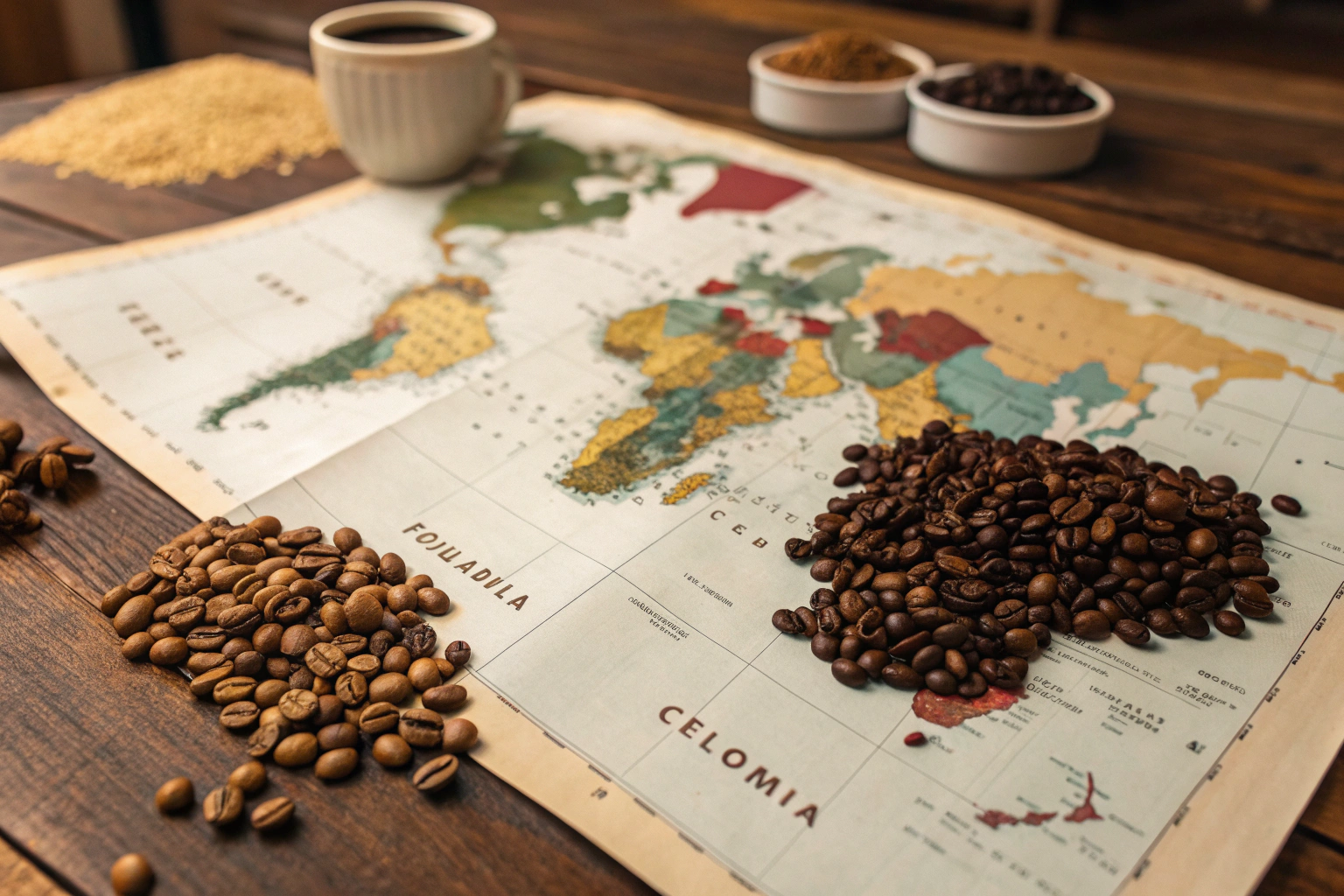
You have likely stood in front of a cupping table, spoon in hand, listening to a broker wax poetic about a micro-lot from a farm you have never heard of. They throw around names like "Geisha" and "Blue Mountain" like they are religious artifacts. As a buyer, you are constantly told that to have the "best" coffee, you must source from these specific, often astronomically expensive, regions. But does "best" on the cupping score sheet always translate to "best" for your business strategy? I have spent my life in this industry, from the red soils of Yunnan to the trade shows in Seattle, and I can tell you that the geography of quality is shifting faster than most buyers realize.
The "best" coffee beans generally come from the "Bean Belt" regions that possess high altitude, volcanic soil, and distinct micro-climates, with Panama (Geisha), Ethiopia (Yirgacheffe/Guji), and Colombia (Huila) currently dominating the specialty rankings. However, emerging origins like China (Yunnan) are rapidly climbing the quality ladder, offering competitive profiles that challenge these traditional heavyweights at a fraction of the cost.
We need to stop looking at a map from 2010. The coffee world is dynamic. Climate change, processing innovation, and agricultural investment are rewriting the rules of origin. If you are only looking at the big three, you are missing out on the value plays that can actually secure your margins. Let's take a tour of the world's top origins, not just to taste the terroir, but to understand the economics behind the flavor.
Is Panama Geisha really worth the price?
If we are talking about pure status, Panama is the undisputed king right now. You see the auction prices. You see the headlines: "$1,000 per pound." It is intimidating. Many of my clients ask me if they need a Panamanian Geisha on their menu to be taken seriously. The answer is... complicated. It is the "Rolex" of coffee—you are paying for the mechanics, yes, but you are also paying heavily for the brand name.
Panama produces the world's most expensive and highly-rated coffee, specifically the Geisha variety, known for its tea-like body and intense floral notes of jasmine and bergamot. But for a volume buyer, this is a marketing tool, not a volume driver. You buy a bag to create hype, not to pay the rent.
Why does Panama dominate cupping competitions?
It comes down to a perfect storm of terroir and marketing. The Boquete region has specific volcanic soil and a "bajareque" mist that slows down cherry maturation. This stress creates flavor density. But more importantly, Panamanian farmers treat coffee like vintage wine. They are masters of processing.
When you cup a high-end Panama Geisha, it doesn't taste like coffee. It tastes like Earl Grey tea mixed with peach juice. It breaks the mold. This uniqueness scores massive points with Q-Graders. The Best of Panama auction results set the benchmark for the entire luxury market. It creates a halo effect. Even their non-Geisha coffees get a price bump just by association.
However, this perfection is fragile. The yields are low. As a buyer, relying on Panama for volume is dangerous. It is a "loss leader" or a "prestige product." You can read about the economics of these high-end auctions on Daily Coffee News, which often analyzes the gap between auction prices and street prices.
Can you sell ultra-premium beans profitably?
This is the hard question. If you pay $50/lb for green beans, you need to sell a cup for $15. Is your customer base Ron, in America, ready for that? For most businesses, the answer is no. The "best" bean is the one that sells.
I often advise my clients to use these top-tier beans as "anchors." You have one expensive Panama on the menu to show you know quality, which makes your $20 bag of BeanofCoffee Yunnan blend look like a steal. It is psychological pricing.
The risk is inventory. These delicate floral notes fade fast. If that expensive bag sits for three months, you just torched your profit. You can verify market trends for luxury consumables at Forbes, which frequently covers the investment side of luxury goods.
Why is Ethiopian coffee the flavor standard?
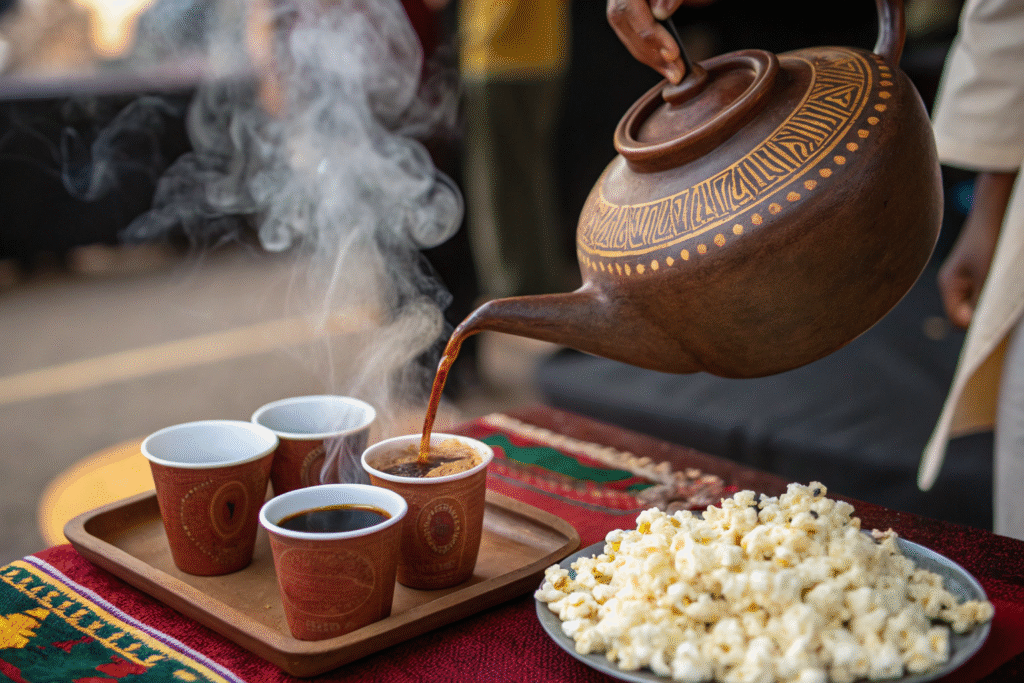
If Panama is the new money, Ethiopia is the old aristocracy. This is the birthplace of coffee. When I walk through farms in Yirgacheffe, it is not like a plantation; it is a garden. The genetic diversity here is wild. There are thousands of varieties that haven't even been cataloged yet. For a buyer, Ethiopia is where you go for distinctiveness that you cannot replicate anywhere else.
Ethiopian beans are the global benchmark for fruit and floral flavors, with washed coffees offering bright citrus and jasmine notes, while natural processed beans deliver intense blueberry and wine-like profiles. If you want a coffee that punches the customer in the face with fruit flavor, you buy Ethiopian.
What makes Ethiopian genetics so unique?
In most of the world, farmers plant one or two varieties (like Bourbon or Caturra). In Ethiopia, they harvest "Heirloom" varieties. These are indigenous plants that have evolved in that specific forest for centuries. This genetic complexity creates flavor compounds that simply don't exist in Latin American beans.
That distinct "blueberry bomb" flavor of a natural Sidamo? That is genetics plus processing. It is hard to fake. When we blend at BeanofCoffee, we often use a touch of Ethiopian to add "high notes" to a deeper, chocolatier base. It is the spice in the recipe.
However, the supply chain in Ethiopia can be chaotic. Traceability is improving, but it is still a challenge compared to the organized estates of Brazil. You can explore the genetic mapping of these varieties at World Coffee Research, which helps explain why these flavors are so chemically distinct. Also, the Royal Botanic Gardens, Kew has done extensive work on Ethiopian wild coffee resilience.
How does processing affect Ethiopian flavor?
Ethiopia is famous for two styles: Washed and Natural. Washed Yirgacheffe is the definition of "clean." It is tea-like, lemony, and elegant. Natural Guji is the opposite—it is jammy, heavy, and sweet.
Understanding this difference is key for your portfolio. A "Natural" Ethiopian is often a gateway drug for new coffee drinkers because it tastes so sweet. A "Washed" is for the purist. Knowing which one fits your customer demographic is crucial.
But be careful with "Naturals." If not processed perfectly, they can taste fermented or "rotten." Quality control is vital. You need a supplier who cups every lot. You can learn about these processing defects at Sweet Maria's Library, which is a fantastic resource for understanding defects. Also, Barista Hustle offers deep dives into how processing changes cellular structure and flavor.
Is Colombia leading the innovation race?
Colombia used to be the "safe" choice. You bought a container of "Supremo," and it tasted like caramel and nuts. Reliable. Boring. But in the last decade, Colombia has reinvented itself. They are no longer just the volume players; they are the mad scientists of the coffee world. If you want the "best" experimental coffee today, you look to Colombia.
Colombia has become the global leader in processing innovation, producing exotic profiles through anaerobic fermentation and cultivating rare varietals like Pink Bourbon that challenge the dominance of Panama and Ethiopia. They are proving that "best" is made, not just grown.
What is the Pink Bourbon revolution?
Pink Bourbon is a hybrid variety found in the Huila region. It has a recessive gene that turns the ripe cherries pink instead of red. Why does this matter? Because it tastes incredible. It has the body of a Bourbon but the floral complexity of a Geisha.
Farmers in Colombia realized they could sell this for three times the price of regular coffee. It is a "unicorn" bean. As a buyer, finding a good lot of Pink Bourbon allows you to offer a "luxury" experience without the insane Panama price tag. It is high value.
I have started seeing similar experimentation in Yunnan, but Colombia is five years ahead. They have the infrastructure. You can read about the rise of this variety on Perfect Daily Grind, which covers varietal trends extensively. Also, importers like Cafe Imports often publish harvest reports detailing these specific micro-lot availabilities.
Why are fermentation experiments changing the market?
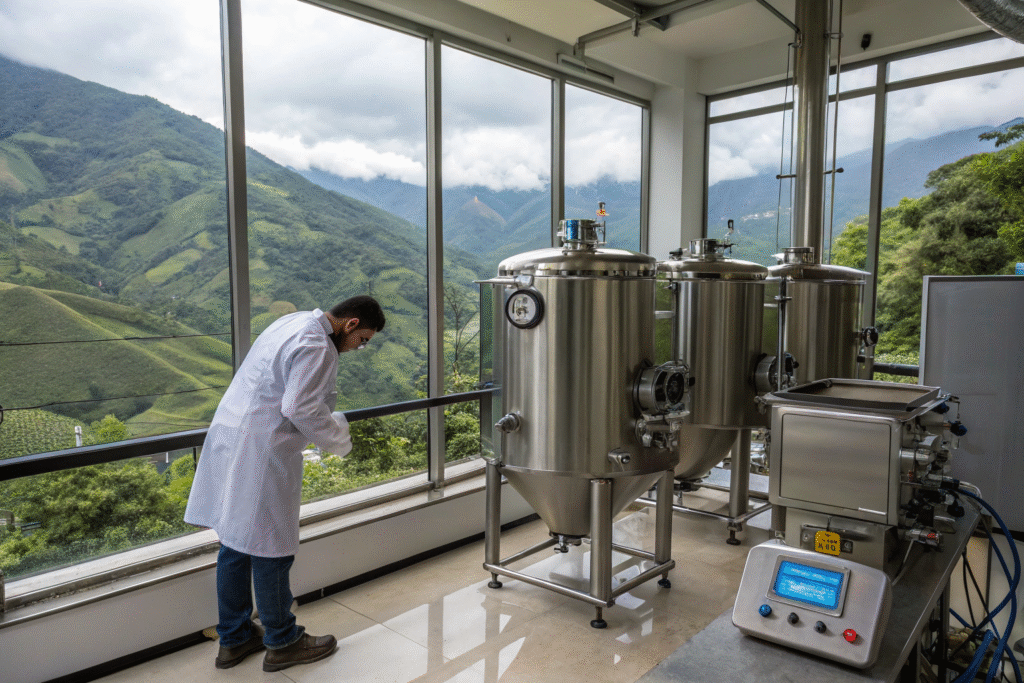
"Anaerobic," "Lactic," "Carbonic Maceration." These are terms borrowed from the wine and beer industry. Colombian farmers are fermenting coffee in sealed tanks to control the bacteria and yeast. The result? Flavors like bubblegum, cinnamon, and strawberry yogurt.
Some purists hate it. They say it masks the terroir. But the market loves it. These coffees score 90+ points and sell out instantly. It creates a "wow" factor. If your brand needs to look cutting-edge, you need a Colombian experimental lot.
However, these coffees are volatile. They age differently. A coffee that tastes like grape soda today might taste like vinegar in six months. Buying small is key. You can look into the science of fermentation in Scientific American, or check Coffee Review to see how these experimental lots are scoring in blind tastings compared to traditional beans.
Can Chinese coffee compete with the giants?
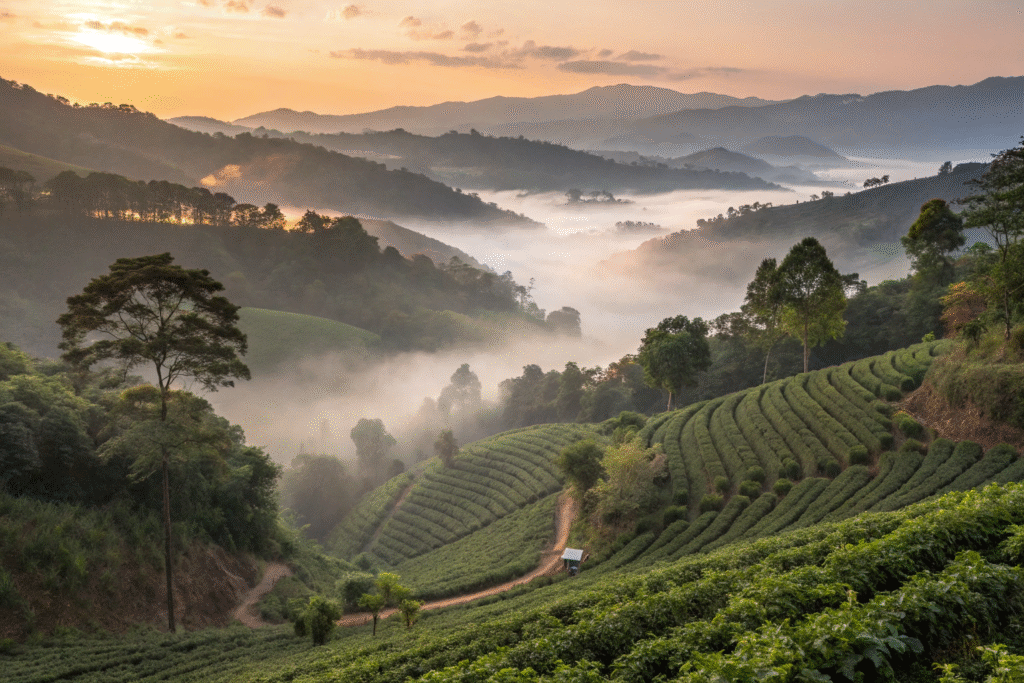
Now, let's talk about the elephant in the room. Or rather, the dragon. For years, China was known for tea, not coffee. But if you haven't tasted high-grade Yunnan Arabica in the last two years, you are operating on outdated data. We aren't just growing volume; we are hitting the specialty market hard.
Yunnan, China is rapidly emerging as a top-tier origin, producing Catimor and Typica varieties that offer a unique chocolate-tea hybrid profile with increasing consistency and a significantly better price-to-quality ratio than established origins. We are the "best" choice for the smart buyer who wants quality without the inflation.
How has Yunnan coffee quality improved recently?
Ten years ago, Yunnan coffee was sold as "commercial grade" filler. Today, we are processing it with the same rigor as the Colombians. At BeanofCoffee, we use optical sorting and controlled fermentation. The result is a cup that is incredibly sweet, with notes of black tea, brown sugar, and dried plum.
It is a familiar yet distinct profile. It bridges the gap. It has the body of a Central American coffee but the herbal finish of an Asian coffee. Q-Graders are starting to take notice. We are seeing scores in the mid-80s regularly now.
The major advantage here is logistics. We are not landlocked like Ethiopia. We have massive infrastructure. This means we can get the beans to you faster and cheaper. You can check the improving scores of Chinese coffee at the Coffee Quality Institute (CQI), where recent projects have highlighted the region. Sprudge has also featured several articles on the "Yunnan Coffee Awakening."
Why is Yunnan the smart choice for blends?
Here is the secret: You can use a high-scoring Yunnan bean to replace a more expensive Guatemalan or Brazilian in your blend. It provides the chocolatey base and the body, but at a lower FOB price.
It allows you to keep your retail price stable while your competitors are raising theirs. "Best" in business means "Best Margin" combined with "Happy Customer." Yunnan delivers that balance. We are seeing large chains switch to Yunnan for their espresso bases because the crema is thick and the flavor cuts through milk perfectly.
We invite you to blind cup it. Put our Baoshan Arabica next to a standard Santos or a Honduras SHG. You will be surprised. You can read industry analysis on emerging origins in Global Coffee Report. Also, our own blog at BeanofCoffee details the specific harvest conditions that are creating these new flavor profiles.
Conclusion
So, where do the "best" beans come from? If you want to win a competition, maybe you go to Panama. If you want a fruit bomb, you go to Ethiopia. If you want wild experiments, you go to Colombia. But if you want to build a sustainable, profitable business in 2025, you need to broaden your horizon. The best bean is the one that fits your flavor profile, your logistics needs, and your profit margin.
The world of coffee is bigger than the "Big Three." Emerging origins like Yunnan are offering quality that rivals the masters at a price that makes sense. Don't just follow the hype; follow the cup. If you are ready to explore what the new world of coffee tastes like, and specifically what our plantations in China can offer your portfolio, let's talk. Contact Cathy Cai at cathy@beanofcoffee.com. Let us send you a sample box that might just change your definition of "best."