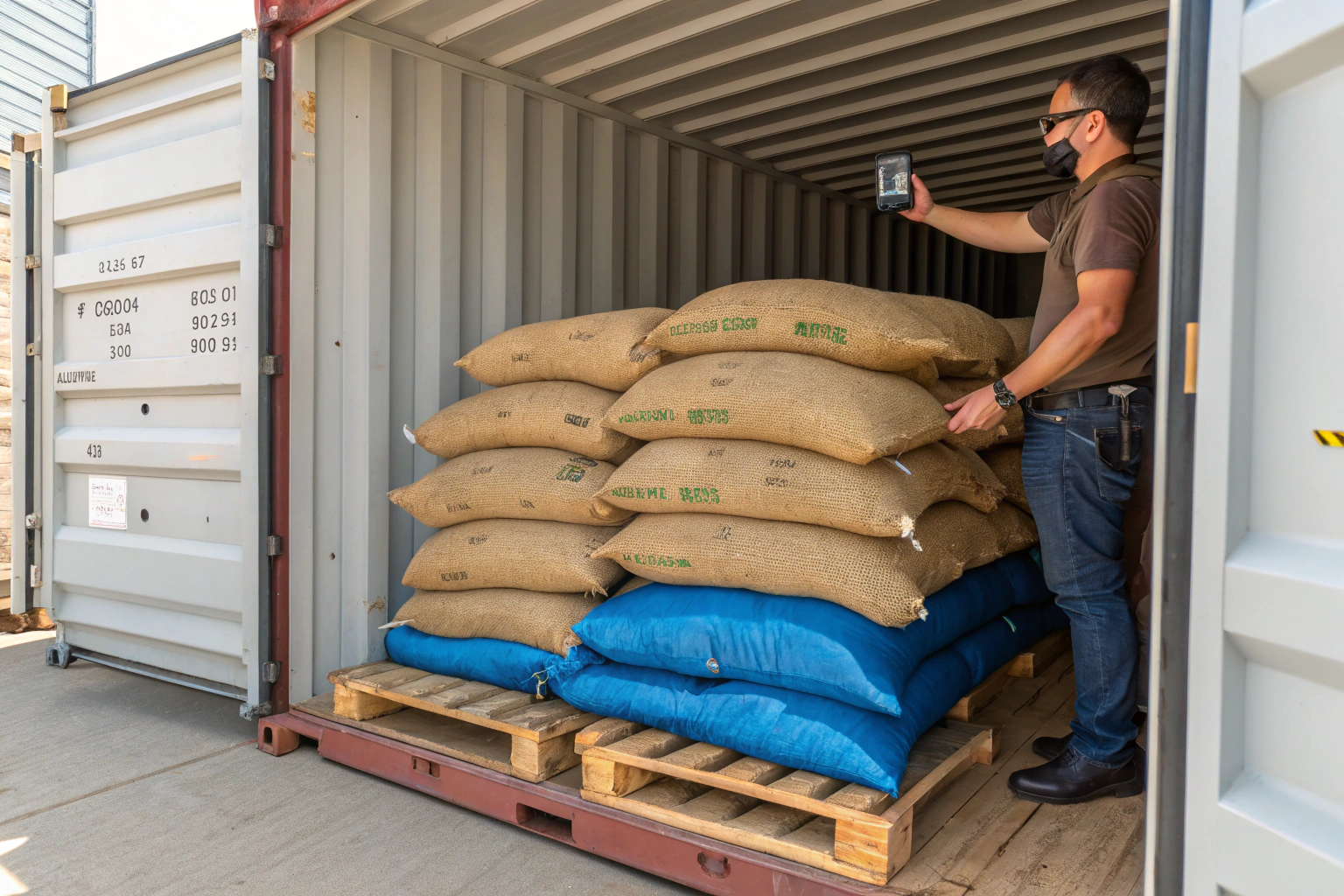
I learned a painful lesson about packaging early in my export career. I shipped a container of beautiful Baoshan Arabica to Europe. It left our warehouse at 11% moisture, cupping at 85 points. It arrived tasting like wet cardboard and old books. The container had a tiny, invisible leak in the roof. Rainwater had dripped onto the top pallets for three weeks. The coffee was ruined. The insurance claim was a nightmare. The client relationship was damaged. That was the day I stopped thinking of packaging as a cost and started thinking of it as the single most important insurance policy for our coffee's journey.
The best packaging for long distance coffee bean transport is a multi-barrier system consisting of a high-barrier hermetic liner (such as GrainPro TranSafeliner) sealed inside a durable outer bag (traditionally jute), further protected by a moisture-proof container lining and, ideally, palletization with desiccant packs to manage the microclimate inside the shipping container.
This is not just about putting beans in a bag. It is about creating a stable, protective microclimate that shields the coffee from the extreme temperature swings, humidity, and physical hazards of a 14-40 day ocean voyage. Let me break down the science and the materials that ensure your coffee arrives as fresh as the day it left our dry mill.
Why Are Hermetic Liners Like GrainPro Non-Negotiable for Ocean Freight?
Standard jute bags are beautiful. They are traditional. They are also completely inadequate for protecting coffee during ocean transit. Jute is a natural fiber. It breathes. It absorbs moisture. It offers zero protection against the humid, salty air of the Pacific Ocean.
Hermetic liners like the GrainPro TranSafeliner are non-negotiable for ocean freight because they create an impermeable vapor barrier that prevents the exchange of moisture and oxygen between the coffee beans and the external environment, thereby locking in the bean's optimal 10.5-11.5% moisture content, preventing mold growth and staling, and protecting against external odors and insect infestation.
If you are shipping coffee in just a jute bag, you are gambling with your investment. The odds are not in your favor.
How Does a GrainPro Liner Prevent Moisture Migration and Mold?
The science of the hermetic liner is simple but powerful. It is all about the barrier.
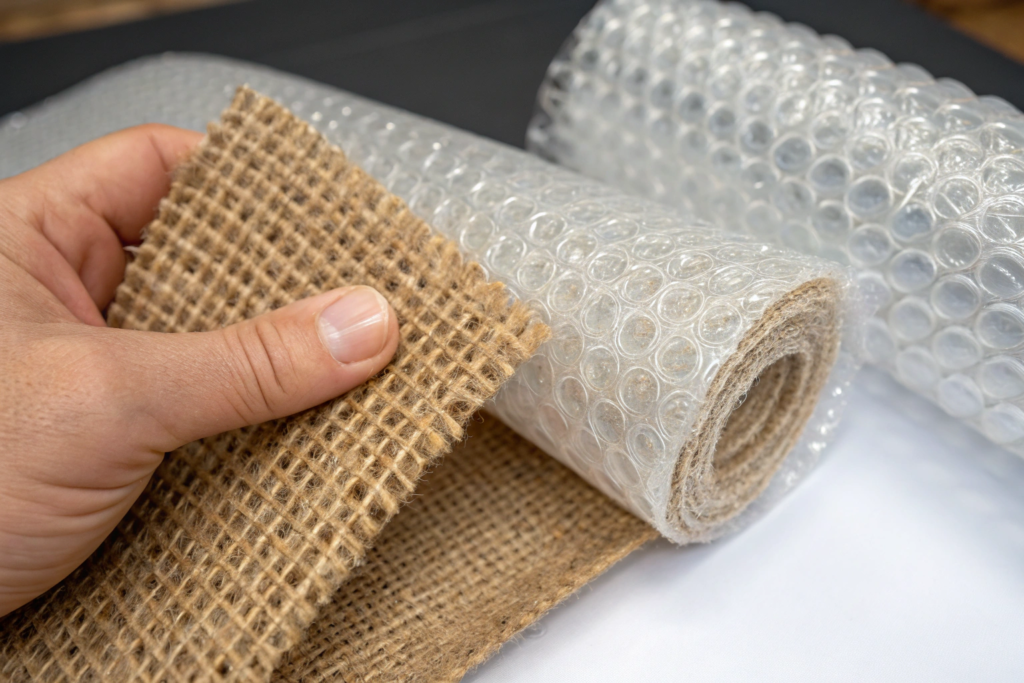
- Moisture Migration: Coffee beans are hygroscopic. They naturally seek equilibrium with the humidity of the surrounding air. In a standard jute bag on a ship, the beans will absorb moisture from the humid ocean air. Their moisture content can creep up from 11% to 13% or higher. As we discussed, above 12.5% moisture, the risk of mold growth and Ochratoxin A development skyrockets.
- The GrainPro Barrier: The GrainPro liner is made of a multi-layer film with a central layer of EVOH (Ethylene Vinyl Alcohol) . EVOH is a plastic with exceptional gas and moisture barrier properties. When we heat-seal the liner, we create an environment that is isolated from the outside world. The external humidity cannot penetrate the film. The coffee's internal moisture content remains perfectly stable at 11%.
- Modified Atmosphere: The coffee beans are still alive. They respire. They consume the small amount of oxygen trapped inside the sealed liner and release carbon dioxide. This creates a low-oxygen, high-CO2 atmosphere inside the bag. This natural process further suppresses any dormant mold spores and insect eggs that might be present.
This is why coffee shipped in a sealed GrainPro liner arrives in the same condition it left. The moisture is stable. The water activity is stable. The risk of mold is virtually eliminated. At Shanghai Fumao, every single export bag—whether it's our Grade 1 Arabica or a Custom Blend—is packed in a GrainPro TranSafeliner. It is a non-negotiable part of our quality standard. You can learn more about the technical specifications on the GrainPro website. The World Coffee Research also has studies on the impact of hermetic storage on coffee quality.
What Is the Difference Between a Standard GrainPro and a "Super GrainPro"?
For most coffee applications, the standard GrainPro TranSafeliner is excellent. It provides a robust barrier. However, for extremely long transit times (e.g., 45+ days to remote ports), for ultra-premium, high-scoring micro-lots, or for shipments during the hottest, most humid months, we sometimes recommend an upgrade.
GrainPro SuperGrainPro Liner:
- Enhanced EVOH Layer: The SuperGrainPro liner has a thicker layer of EVOH and an additional outer layer of polyethylene. This provides an even greater barrier to oxygen and moisture transmission.
- Higher Puncture Resistance: The film is more durable and resistant to punctures from sharp coffee parchment or rough handling.
When to Specify SuperGrainPro:
- You are shipping a Geisha lot that cupped at 88 points.
- The container will be transshipped through a hot, humid equatorial port and may sit on the dock for an extended period.
- You are shipping to a destination known for port delays.
The cost difference is small—perhaps $0.50 to $1.00 more per bag. For a $5.00/lb premium coffee, this extra insurance is well worth the investment. At Shanghai Fumao, we can offer SuperGrainPro liners upon request for your most valuable lots. It is part of our commitment to delivering your coffee in perfect condition.
How Do Outer Jute Bags and Palletization Protect the Hermetic Liner?
The hermetic liner is the primary defense against moisture and oxygen. But it is a relatively thin plastic film. It needs physical protection. This is the job of the outer bag and the palletization process.
Outer jute bags protect the fragile hermetic liner from punctures, abrasion, and tearing during the rough physical handling of container stuffing, port movements, and unpacking, while palletization creates a stable, modular unit that prevents the bags from shifting and rubbing against each other during the constant motion of ocean transit.
These two layers of physical defense are essential to ensure the hermetic seal is never breached.
Why Is the Jute Bag Still Used If the Liner Does All the Work?
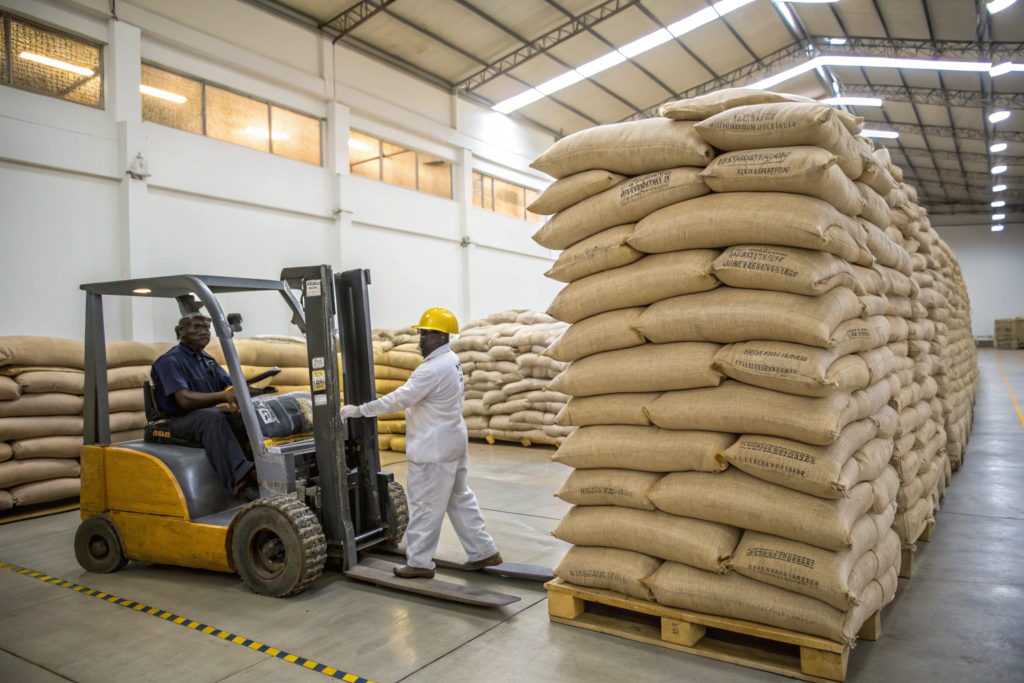
You might ask, "If the GrainPro liner is so good, why bother with the heavy, dusty jute bag?" It is a fair question. Some specialty exporters are experimenting with plastic woven outer bags. But jute remains the industry standard for several good reasons.
The Functions of the Jute Outer Bag:
- Abrasion and Puncture Resistance: Jute is a thick, fibrous material. It is excellent at absorbing the scrapes, bumps, and friction that occur when bags are stacked, moved by forklifts, and shifted during transit. It acts as a sacrificial layer, protecting the pristine GrainPro liner inside.
- Stacking Stability: Jute has a rough, high-friction surface. When you stack jute bags on a pallet, they grip each other. They do not slide easily. A plastic woven outer bag is slippery. Stacks of slippery bags are much more likely to shift and collapse during ocean transit, causing damage to the bags and the coffee.
- Tradition and Perception: The sight and smell of a jute coffee bag is deeply ingrained in the coffee industry. It signals "green coffee" to warehouse workers and customs officials worldwide. It is a universal visual language.
At Shanghai Fumao, we use high-quality, clean, new jute bags for all exports. We ensure they are free of the "burlap" odor that can sometimes taint coffee. The jute is the bodyguard. The GrainPro is the VIP inside. For more on jute standards, the Jute Corporation of India provides information on quality specifications.
How Does Proper Palletization Prevent Container Sweat and Damage?
"Container Sweat" is a phenomenon that can ruin a shipment even if every individual bag is perfectly sealed. It happens when a container travels from a warm climate to a cold climate.
The Physics of Container Sweat:
- The container is loaded in warm, humid Shanghai. Warm air can hold more moisture.
- The vessel travels across the cold North Pacific. The container walls cool down rapidly.
- The warm, moist air inside the container hits the cold metal walls and roof.
- Condensation forms. Water drips from the ceiling onto the top layer of coffee bags.
If the bags are just stacked loosely, this water can pool and seep into the top bags, even through the jute. It can also create a humid microclimate that encourages mold.
How Palletization and Dunnage Prevent This:
- Airflow: Palletizing the bags onto wooden pallets creates air channels between the pallets. This allows for better air circulation, reducing the temperature differential and minimizing condensation.
- Elevation: The pallet keeps the bottom layer of bags off the container floor, which can get very cold or wet.
- Desiccants: We hang desiccant bags (moisture-absorbing packs) inside the container before closing the doors. These act like giant silica gel packets, actively pulling moisture out of the air and reducing the dew point.
- Cardboard / Dunnage: We place sheets of cardboard or specialized dunnage material on top of the pallets and against the container walls to absorb any minor condensation that does form.
At Shanghai Fumao, our container stuffing protocol is precise. We use a specific pallet configuration, we install high-capacity desiccant poles, and we line the container walls with kraft paper. This is the attention to detail that prevents the "wet cardboard" phone call. For more on container moisture, resources from the World Shipping Council discuss best practices.
What Role Do Container Liners and Desiccants Play in Long-Haul Shipments?
For standard shipments of our Grade 1 coffee, the combination of GrainPro liners, jute bags, palletization, and a few desiccant bags is usually sufficient. But for extremely long voyages, for shipments during peak summer heat, or for the most sensitive natural processed lots, we add another layer of defense: the Container Liner.
Container liners and desiccants work together to create a more stable and protected macro-environment inside the shipping container, with the liner providing a physical barrier and thermal insulation against the metal walls, and the desiccants actively reducing the humidity and dew point to prevent condensation.
This is the "belt and suspenders" approach to coffee logistics. It adds a small cost but provides immense peace of mind.
What Is a "Thermal" or "Reefer" Liner and When Is It Necessary?
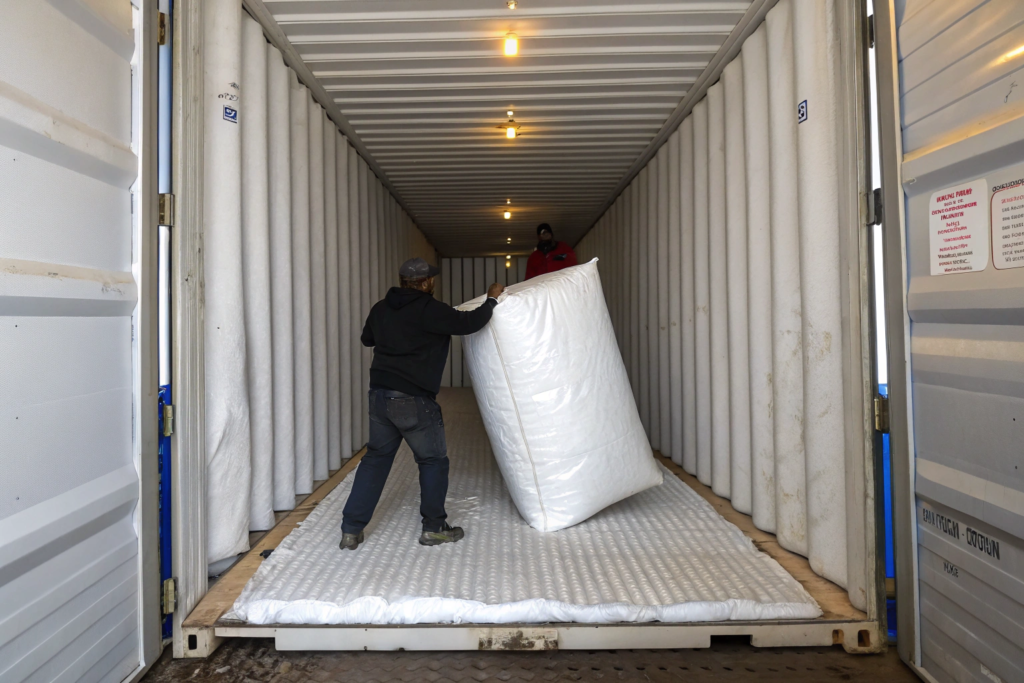
A standard container liner is a large, food-grade plastic bag that lines the entire interior of the container. The coffee pallets are loaded inside this giant bag, which is then sealed. This provides a secondary vapor barrier.
A Thermal Container Liner goes a step further. It is made of a quilted, multi-layer material with a layer of aluminum foil or metalized film.
The Function of a Thermal Liner:
- Radiant Heat Reflection: The reflective foil layer bounces radiant heat away from the cargo. This is critical when containers are sitting on hot asphalt docks in the Middle East or crossing the equator. It can reduce the internal container temperature by 5-10°C (9-18°F) .
- Insulation: The quilted layers provide insulation, slowing down the rate of temperature change inside the container. This minimizes the rapid temperature swings that cause condensation.
When We Recommend a Thermal Liner:
- Summer Shipments to the Middle East: Extreme external heat.
- Natural Process Coffees: These coffees are more prone to continued fermentation and mold if they get warm.
- Premium Micro-Lots: For our 86+ point Geisha lots, we often use a thermal liner as standard operating procedure. The cost is minimal compared to the value of the coffee.
At Shanghai Fumao, we can arrange for container liners upon request. We work with our clients to assess the risk of the specific voyage and recommend the appropriate level of packaging protection. You can learn more about thermal container technology from industry suppliers like Tiger Cool Express or other logistics providers.
How Many Desiccant Packs Are Needed for a 20ft Coffee Container?
There is a science to desiccant usage. You cannot just throw in a few small packets and hope for the best.
The Calculation:
A typical 20-foot container has an internal volume of about 33 cubic meters. The amount of desiccant needed depends on the expected voyage duration, the climate zones traversed, and the type of coffee. For a standard 4-6 week voyage from Shanghai to a U.S. or European port, we follow this guideline:
- Standard Desiccant Poles: We use 8 to 12 high-capacity desiccant poles, each weighing 1-2 kg. These are long, flexible bags that can be hung from the ceiling lashing rings or placed on the floor along the walls.
- Placement: The poles are distributed evenly throughout the container, with extra attention to the door area where air infiltration is greatest.
The Goal:
The goal is to lower the dew point of the air inside the container so that condensation does not form on the ceiling, even if the walls get cold. The desiccants actively absorb moisture vapor from the air, keeping the relative humidity low.
This is a standard part of our container preparation at Shanghai Fumao. Our logistics team, led by Cathy Cai, specifies the exact desiccant configuration for each shipment based on the destination and time of year. It is a small detail that makes a big difference. For more on the science of desiccants, companies like Clariant Cargo & Device Protection provide detailed technical guides.
Conclusion
The best packaging for long distance coffee bean transport is a carefully engineered system, not a single product. It starts with the hermetic GrainPro liner at the core, which locks in the coffee's precise moisture and water activity. It is physically protected by a durable jute outer bag and the stability of professional palletization. The container environment itself is managed with desiccants to prevent condensation and, for the most valuable or sensitive shipments, a thermal container liner to moderate temperature swings.
Each layer of this system addresses a specific risk: moisture ingress, oxygen exposure, physical damage, and temperature fluctuation. Together, they ensure that the coffee you cupped and approved in our Baoshan lab is the exact same coffee that arrives at your roastery door, ready to perform.
At BeanofCoffee, our commitment to quality does not end at the farm gate. It extends across the ocean. Our standard packaging protocol is designed to deliver your coffee in pristine condition, and we offer upgraded options for your most precious lots.
If you have specific concerns about a shipping route or want to discuss the optimal packaging for a particular high-value lot, let's talk. Email Cathy Cai. She can walk you through our standard packaging specifications and any available upgrades. Contact Cathy at: cathy@beanofcoffee.com