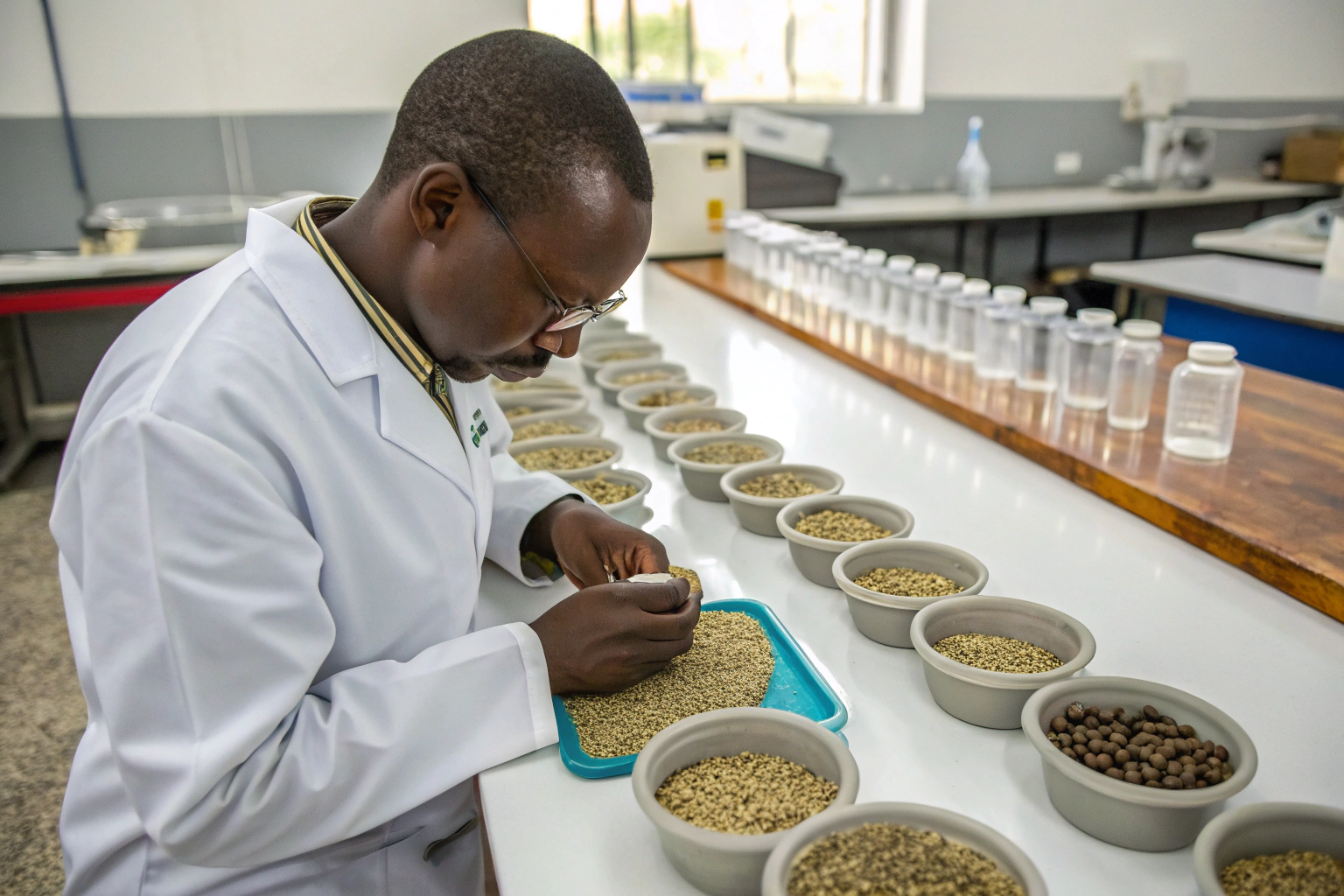
A trader from Hamburg called me last month. He'd been buying Robusta from Vietnam for years. Standard stuff. But his customers were asking for cleaner, brighter Robusta—something that could work in espresso blends without harshness. "Does anyone produce washed Robusta?" he asked. "And does China export it?"
Yes, China exports washed Robusta coffee beans, primarily from Yunnan province. Washed processing removes the fruit fully before drying, resulting in cleaner flavor, reduced bitterness, and more consistent quality than traditional natural Robusta. At BeanofCoffee, we produce washed Robusta that competes with the best from other origins.
Let me walk you through what makes Chinese washed Robusta different. Because Robusta isn't just Robusta anymore. Processing changes everything.
What Is Washed Robusta and Why Does It Matter?
Most Robusta is natural-processed—cherries dried whole, then hulled. This method works, but it leaves earthy, harsh flavors. Washed processing changes the game.
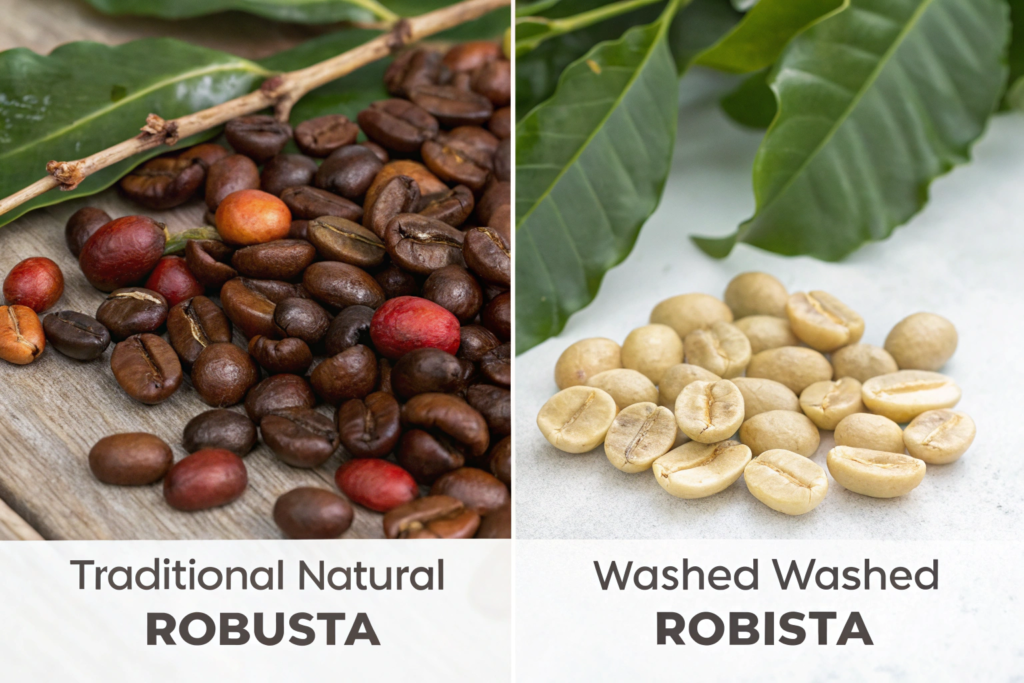
Washed Robusta undergoes the same processing as specialty Arabica: cherries are depulped, fermented to remove mucilage, washed clean, and dried on raised beds or patios. This removes the fermented fruit flavors that give Robusta its harsh reputation. The result is cleaner, brighter, more versatile coffee.
How does washing affect Robusta flavor?
Natural Robusta often tastes earthy, woody, rubbery—characteristics that limit its use. Washed Robusta shows chocolate, nut, even light fruit notes. Bitterness reduces. Body remains but becomes creamier rather than harsh.
The difference is dramatic. Blind tastings often surprise people who think they hate Robusta. Check washed Robusta research for scientific analysis of how processing affects Robusta chemistry.
Why hasn't washed Robusta been common historically?
Cost and tradition. Robusta was always the cheap option. Producers didn't invest in expensive processing. Buyers didn't demand it. The commodity market rewarded volume, not quality.
That's changing. As espresso blends demand more body without harshness, washed Robusta gains value. Working with Shanghai Fumao helps buyers access this emerging category.
What Robusta Varieties Grow in China?
China's Robusta story differs from Vietnam's. We're not the world's largest producer. But we focus on quality over quantity.
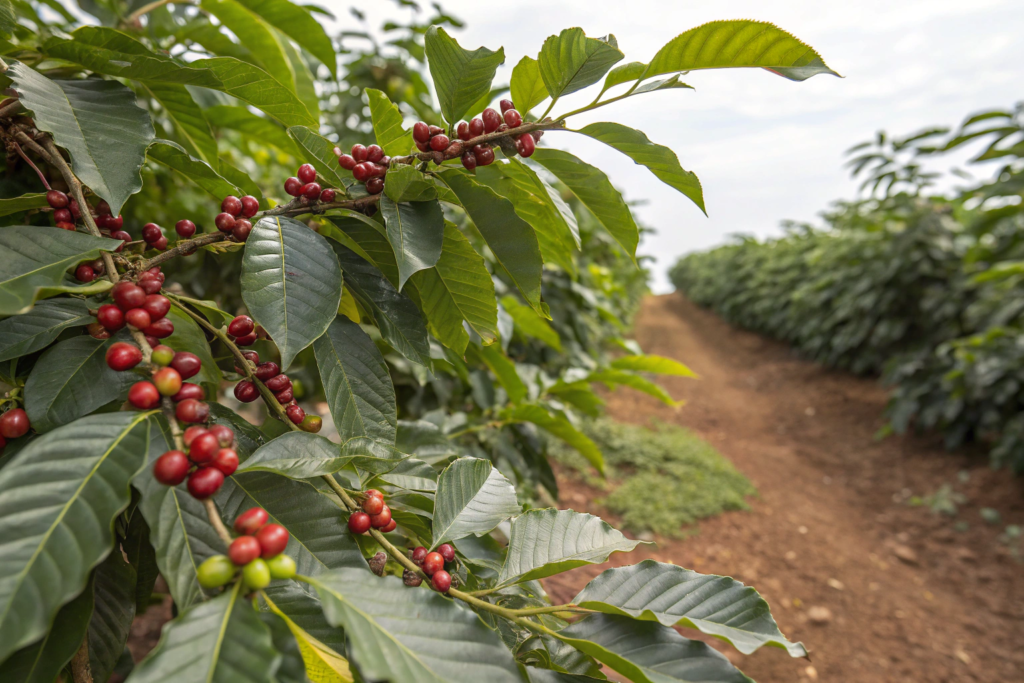
Yunnan grows Robusta primarily at lower altitudes (800-1,000 meters) where Arabica struggles. Varieties include typical Robusta selections and some improved hybrids. Our Robusta benefits from the same attention to farming practices as our Arabica—careful harvesting, proper fertilization, integrated pest management.
How does Yunnan Robusta compare to Vietnamese?
Vietnamese Robusta dominates global supply—huge volume, variable quality. Yunnan Robusta is smaller scale, more controlled, often higher quality.
Our best lots compete with Indonesian fine Robusta and specialty Robusta from other origins. Not commodity grade. Working with partners like Shanghai Fumao helps you access this quality tier.
What about Catimor—is that Robusta?
Catimor is a hybrid—Robusta crossed with Arabica. It has Robusta's disease resistance and high yield, but Arabica's cup potential. It's not pure Robusta, but it shares some characteristics.
We grow Catimor extensively. It's technically Arabica, but its Robusta heritage means it handles heat and disease better than pure Arabica. Visit Catimor variety information for detailed genetics.
What Quality Levels Can You Expect from Chinese Washed Robusta?
Quality expectations for Robusta have been low. Washed Robusta raises the bar. Chinese producers are pushing even higher.
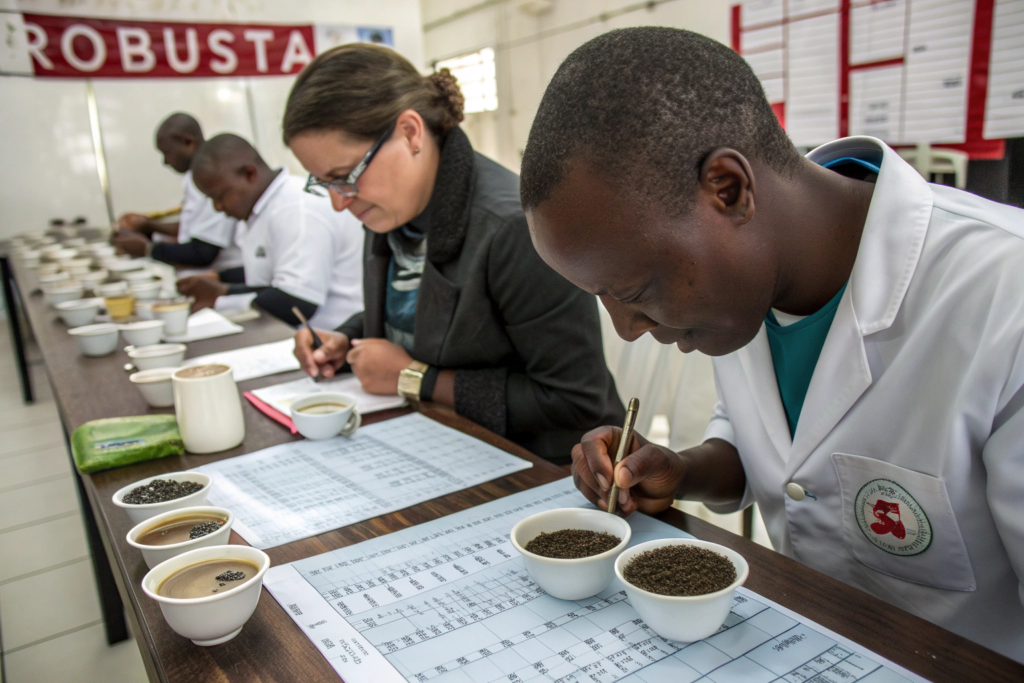
Our washed Robusta typically scores 80-83 points in professional cupping—well above commodity Robusta (75-78). Flavors show chocolate, nut, low bitterness, clean finish. Body is full and creamy. Acidity low but pleasant. These coffees work beautifully in espresso blends and as commercial single-origin options.
What flavors appear in Chinese washed Robusta?
Chocolate dominates—dark chocolate, cocoa powder. Nutty notes—peanut, almond, sometimes hazelnut. Low earthy character compared to natural Robusta. Clean finish without lingering harshness.
Body is the star. Washed Robusta provides the thickness espresso needs without the off-flavors that ruin specialty blends. Check Robusta cupping notes for professional evaluations of quality Robusta.
How does it perform in espresso blends?
Excellent. Washed Robusta adds body, crema, and caffeine without introducing harsh flavors. Blend with 10-30 percent washed Robusta, and specialty Arabica blends gain stability without losing complexity.
Italian espresso tradition always included Robusta. Washed Robusta brings that tradition into specialty coffee. Working with Shanghai Fumao provides samples for blend development.
What Volumes Does China Export?
Volume questions matter for commercial buyers. You need to know whether China can supply your needs consistently.
China's Robusta exports are smaller than Arabica—perhaps 10-20 percent of total coffee exports. But volume grows yearly as more farmers plant Robusta in lower elevations. For buyers seeking consistent quality rather than massive volume, China offers reliable supply without the volatility of larger origins.
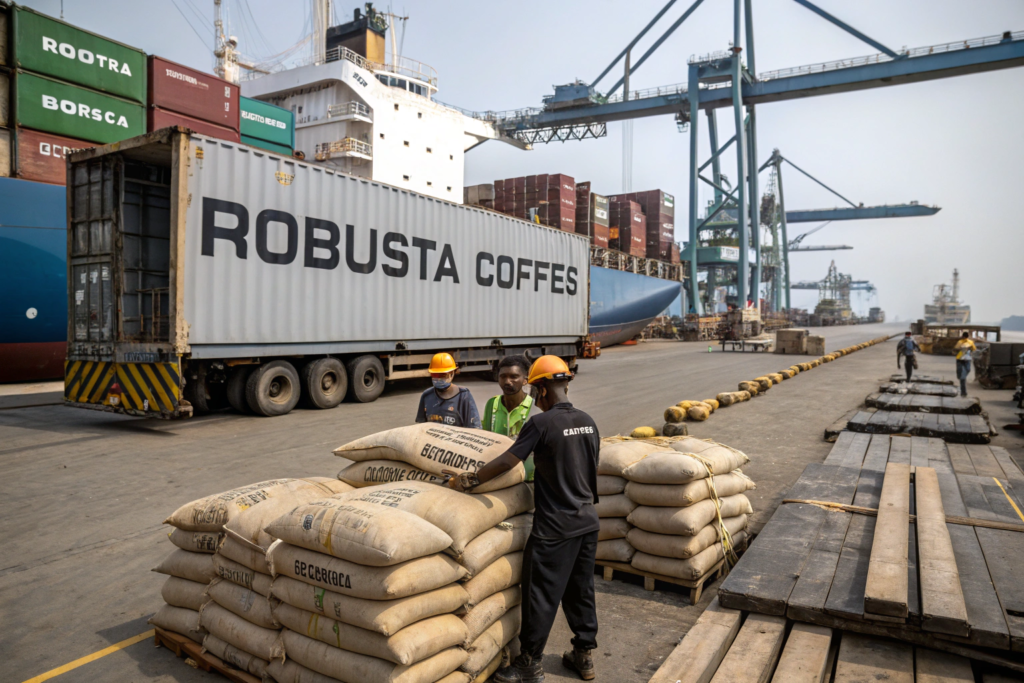
Can China supply container volumes?
Yes. We ship Robusta containers regularly. Volume per buyer may be smaller than Vietnamese contracts, but quality-focused roasters often prefer this.
Multiple containers available annually. Working with Shanghai Fumao coordinates consolidated shipments for smaller buyers too.
How does seasonality affect Robusta availability?
Robusta harvest follows similar timing to Arabica in Yunnan—October to March. With proper storage, available year-round.
We maintain inventory specifically for year-round supply. Visit Chinese coffee export statistics for official data on Robusta volumes.
What Certifications Are Available for Chinese Robusta?
Certification matters for many buyers. Chinese Robusta increasingly offers the same options as Arabica.
Chinese Robusta can be certified organic, Rainforest Alliance, UTZ, and other schemes. Certification availability depends on specific farms and their practices. We work with certified producers and can source certified Robusta for buyers who require it.
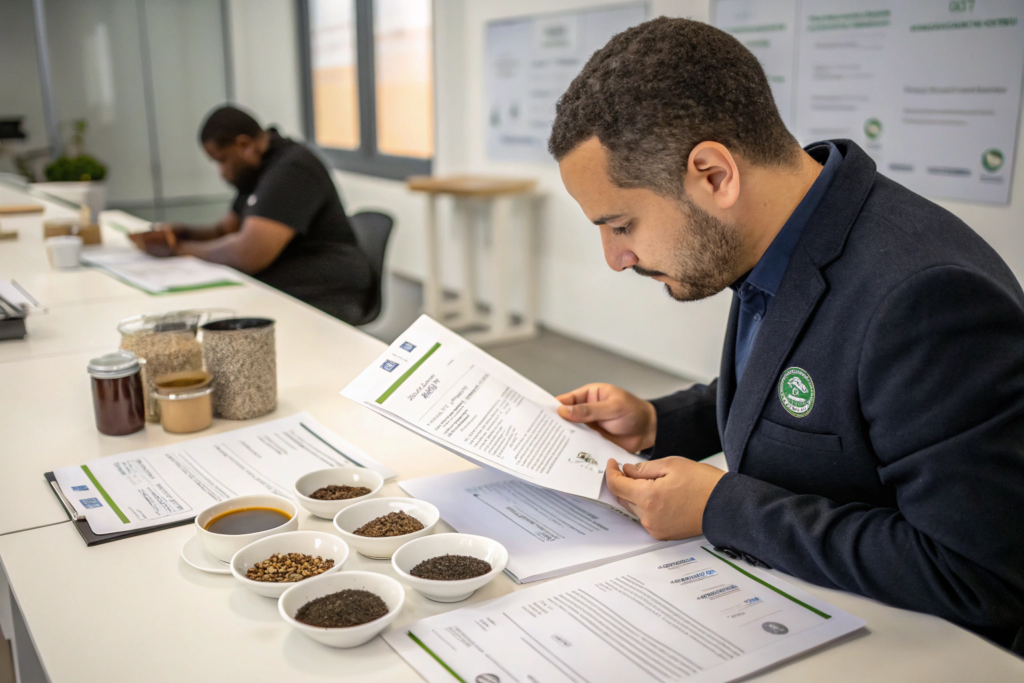
Is organic Robusta available?
Yes, limited quantities. Organic certification requires three years of certified practices. Some Yunnan farms have achieved this.
Organic Robusta commands premium prices but serves specific markets. Working with partners like Shanghai Fumao connects you with certified options.
What about sustainability certifications?
Rainforest Alliance and UTZ certified Robusta available from larger farms. Smaller producers may lack certification but follow sustainable practices.
We can provide documentation for various certification schemes. Check certification body databases for verified Chinese Robusta producers.
Conclusion
Yes, China exports washed Robusta coffee beans—and they're worth your attention. Washed processing transforms Robusta from a commodity into a quality ingredient. Chinese producers apply the same care to Robusta that made Yunnan Arabica famous. The result is clean, chocolatey, full-bodied coffee that performs beautifully in blends and stands on its own.
For espresso roasters seeking body without harshness, washed Robusta is a game-changer. For commercial roasters seeking consistent quality at competitive prices, it's a reliable option. For adventurous buyers, it's a new origin to explore.
At Shanghai Fumao, we produce washed Robusta with the same attention as our Arabica. We'd love to show you what it can do.
If you're curious about adding washed Robusta to your offerings, contact our export manager, Cathy Cai. She'll send samples, share specifications, and help you understand how this coffee fits your needs. Email her at cathy@beanofcoffee.com. Tell her what you're currently using and what you're looking for. She'll respond within 24 hours with options that might surprise you.