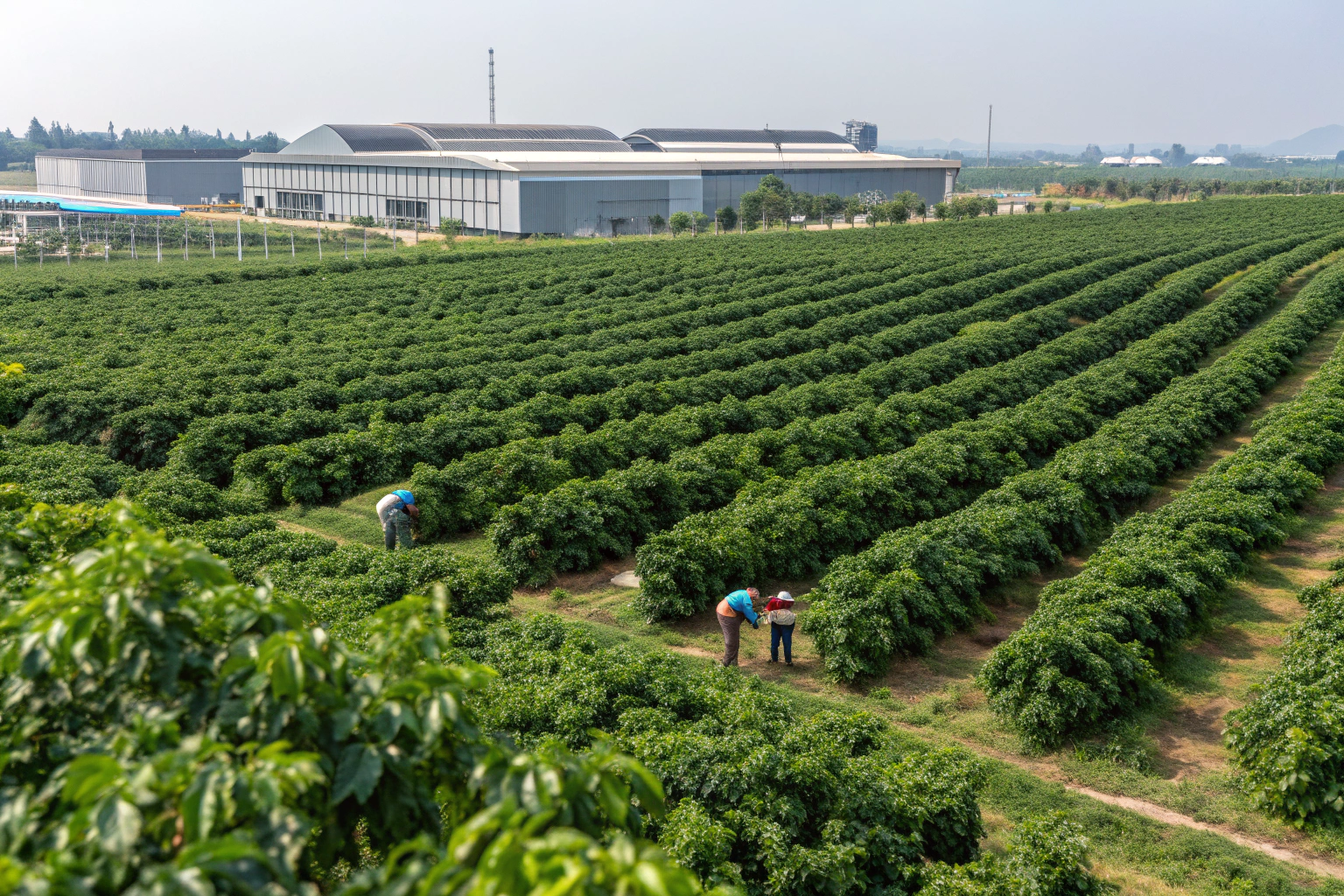
You are a forward-thinking buyer. You do not just source for the next container. You source for the next five years. You want to know if the origin you are investing in today will still be there tomorrow, with the same quality and volume. This is a smart question. The coffee world is volatile. Origins rise and fall. Brazil has frost. Colombia has rain. Vietnam swings between coffee and pepper. So, what about China? Specifically, what about the Arabica coming from the mountains of Yunnan? I have a unique perspective on this. I am not a market analyst reading reports. I am a farmer, planting trees, building mills, and shipping containers from Baoshan. I am the long-term trend, made visible.
The long-term outlook for Chinese Arabica supply is one of steady, quality-driven growth. The Chinese government is actively supporting the industry, domestic consumption is booming, and a new generation of farmers is focused on specialty quality. At BeanofCoffee, my 10,000 acres are just one part of this larger transformation. The supply will increase, and the quality will continue to rise.
This is not a speculative bet. It is a structural shift. Let me explain the forces that are reshaping Chinese coffee for the next decade and beyond.
Why Is the Chinese Government Investing in Coffee Agriculture?
In the West, agriculture is often a private sector affair. In China, the government plays a central role. This is a double-edged sword, but for coffee in Yunnan, it has been a powerful engine of growth. The local and national government has identified coffee as a strategic crop for rural development.
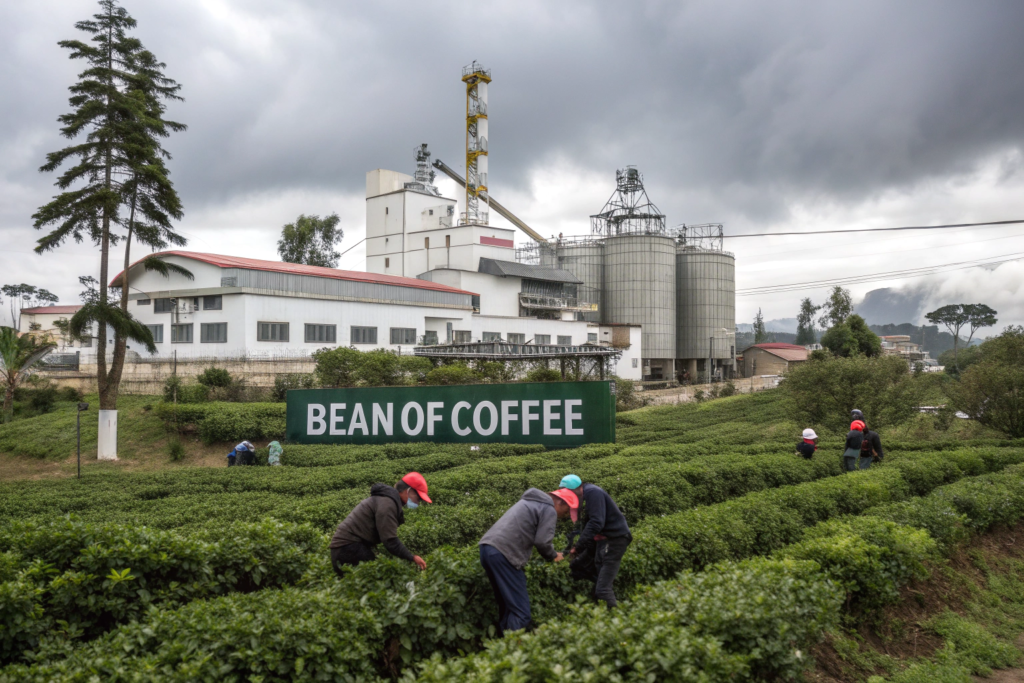
The Chinese government is investing in coffee agriculture as a tool for poverty alleviation and rural economic development in Yunnan. This investment takes the form of subsidies for planting, funding for processing infrastructure, and support for international marketing. At BeanofCoffee, this governmental support has helped us upgrade our milling equipment and expand our export capacity.
The government sees coffee as a way to lift mountain communities out of poverty. Coffee is a cash crop. It brings money into remote, hilly areas where other crops struggle. The investment is working. It is creating a more professional, better-capitalized coffee sector.
How Do Agricultural Subsidies Help Yunnan Coffee Farmers Expand?
Subsidies lower the financial risk of farming. The government provides direct payments for planting new coffee trees. This encourages farmers to expand their acreage and to replant old, unproductive trees with new, disease-resistant varieties. There are also subsidies for building processing facilities. A farmer who wants to build a wet mill can apply for a government grant. This is how many of the new, high-quality washing stations in Yunnan were built. These subsidies are not handouts. They are strategic investments. They are building the physical and human infrastructure of a modern coffee industry. As a buyer, you benefit from this. The infrastructure that produces your coffee is more robust and more professional than it was a decade ago.
How Does Government Support Improve Quality Standards?
The government is not just interested in volume. They want Yunnan coffee to be a premium product. They are funding training programs for farmers, teaching them better agronomy and processing techniques. They are establishing quality standards and supporting cupping competitions. The Yunnan Coffee Exchange, a government-backed trading platform, has created a transparent marketplace for graded coffee. This institutional push for quality aligns perfectly with the goals of specialty buyers. It means the baseline quality of Yunnan coffee is rising. A rising tide lifts all boats. At BeanofCoffee, I benefit from this improved ecosystem. My farm is surrounded by other farmers who are also improving their practices. The shared knowledge and competition drive us all to be better.
How Is Booming Domestic Consumption Changing the Export Landscape?
This is the big one. For decades, China was an export-only coffee producer. The Chinese drank tea. Coffee was for foreigners. That is no longer true. China's coffee market is exploding. Shanghai now has more coffee shops than any city in the world. Young Chinese consumers are embracing coffee culture with a passion.
Booming domestic consumption is a double-edged sword for international buyers. It creates competition for the best lots, but it also strengthens the overall industry. At BeanofCoffee, I prioritize my long-term international partners. I allocate a fixed percentage of my harvest to export contracts before the domestic market can bid on it.
The domestic market is a hungry competitor. It is also a sign of a mature, sustainable industry. A farm that can sell locally has a more stable financial base. This stability is good for international buyers in the long run.
Will Domestic Demand Soak Up All the Premium Yunnan Coffee?
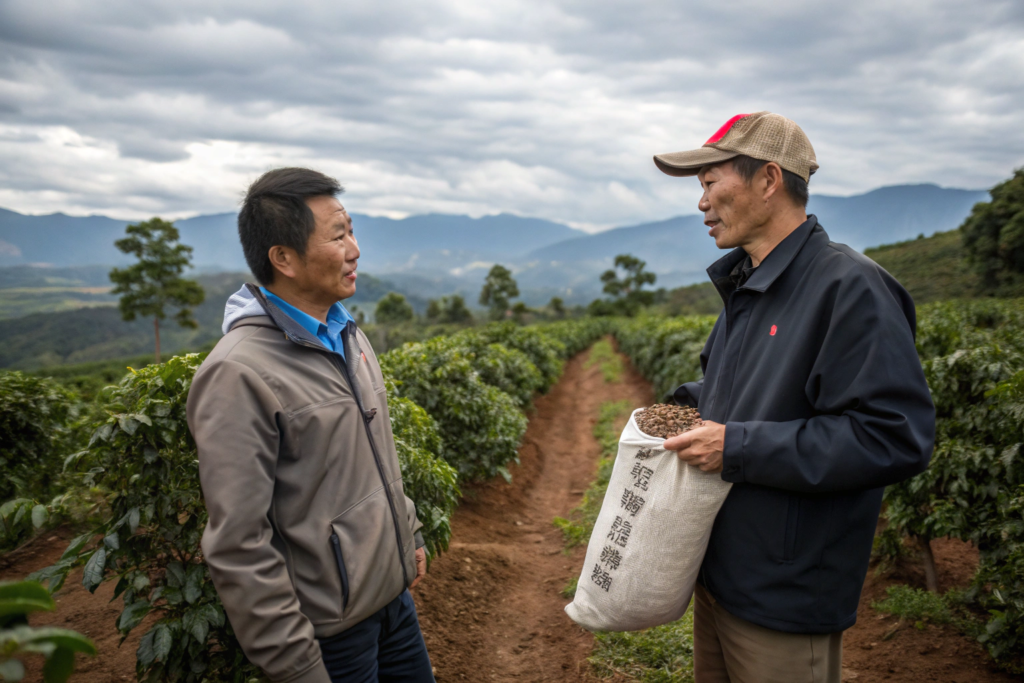
There is a fear among international buyers that China will consume all its own best coffee. This fear is not unfounded. Domestic roasters are paying premium prices for top Yunnan lots. They are also sourcing directly from farms, building relationships just like you are. However, the pie is growing. Production is increasing every year. And the international market still offers something the domestic market does not: prestige and foreign currency. For a Yunnan farmer, selling to a roaster in Berlin or Portland is a mark of global recognition. It is a validation of quality. I know farmers who could sell their entire harvest domestically but choose to reserve their best lots for export because they value the international reputation. At BeanofCoffee, my export business is my pride. It is not going anywhere.
How Does a Strong Local Market Stabilize Farm Incomes?
A farmer who depends entirely on export is vulnerable to global price swings and currency fluctuations. A farmer who has a strong local market has a safety net. They can sell their lower-grade coffee locally for a decent price, and export their premium lots for a higher price. This diversified income stream makes the farm more resilient. It allows for long-term investment in quality. It also means the farm is less likely to abandon coffee for another crop when the global market dips. This is a very real concern in other origins. A farmer who only grows for export will rip out their coffee trees if the price drops. A farmer with a local market will keep farming. This stability is a gift to the international buyer. It means your supply chain is not going to disappear overnight.
How Is a New Generation of Yunnan Farmers Driving Specialty Quality?
The old image of a Chinese farmer is a peasant with a straw hat, using centuries-old methods. That image is outdated. The new generation of Yunnan coffee farmers is young, educated, and globally connected. They have traveled. They have cupped coffee in other origins. They are bringing this knowledge home.
A new generation of Yunnan coffee farmers is transforming the industry. They are experimenting with new processing methods, adopting data-driven agronomy, and building direct trade relationships with international roasters. At BeanofCoffee, my own team includes young agronomists and Q Graders who are pushing the boundaries of what Yunnan coffee can be.
This generational shift is the most exciting trend in Chinese coffee. It is the engine of quality improvement.
What Role Do Q Graders and Processing Schools Play?
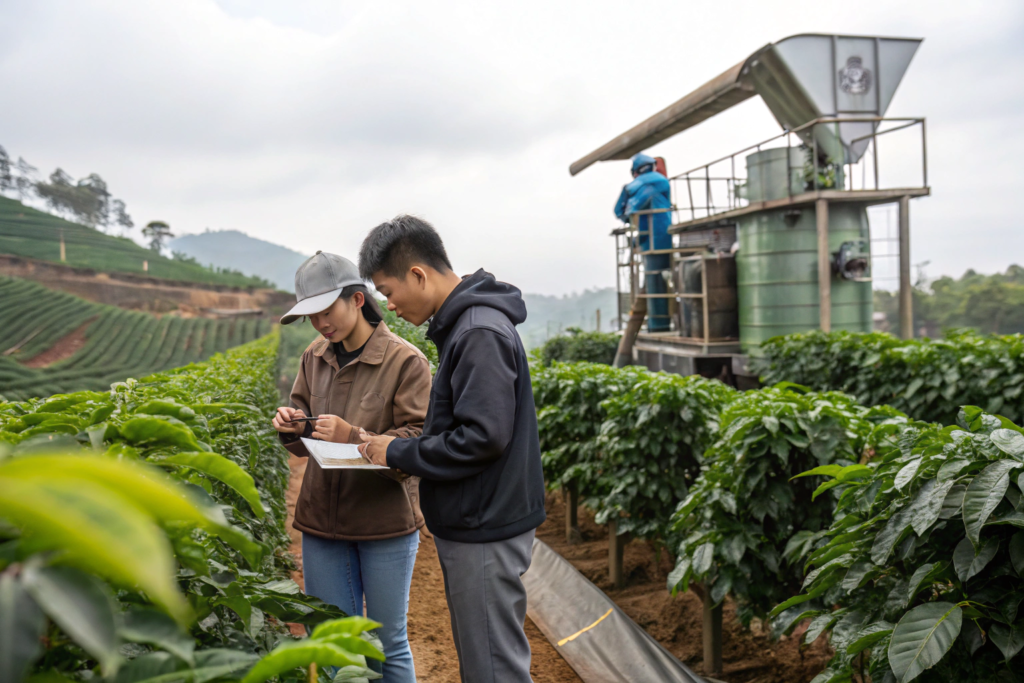
A Q Grader is a certified coffee taster, trained to evaluate coffee using the SCA cupping protocol. A generation ago, there were almost no Q Graders in China. Today, there are hundreds, and many of them work in Yunnan. They are elevating the standard of sensory evaluation. They are teaching farmers to taste their own coffee, to understand the impact of their processing decisions. There are also coffee processing schools, where farmers learn the science of fermentation, drying, and milling. This knowledge is spreading rapidly. The result is a more sophisticated, quality-obsessed farming community. At our farm, we cup every lot before it is exported. We know the score. We know the flavor profile. This is the new normal in Yunnan.
How Are Experimental Processing Methods Gaining Traction?
The specialty market loves novelty. A unique processing method can create a unique flavor profile that commands a premium price. Yunnan farmers are experimenting. Anaerobic fermentation. Carbonic maceration. Yeast inoculation. These techniques, borrowed from the wine industry and from innovative coffee farms in other origins, are being adapted to Yunnan varieties and Yunnan terroir. The results are often stunning. A well-executed anaerobic Yunnan can have an explosive fruit character, unlike anything else in the coffee world. This experimentation is a sign of a dynamic, forward-looking industry. It is also a draw for international buyers who are looking for the next big thing. At BeanofCoffee, my team runs a small experimental processing program. We test new methods on micro-lots. If they are exceptional, we offer them to our premium clients. This keeps our product line fresh and exciting.
What Are the Climate Risks and Resilience Strategies for Yunnan Coffee?
No honest discussion of long-term supply can ignore climate change. Yunnan is not immune. Rising temperatures, erratic rainfall, and new pest pressures are real challenges. The farmers who survive and thrive will be the ones who adapt.
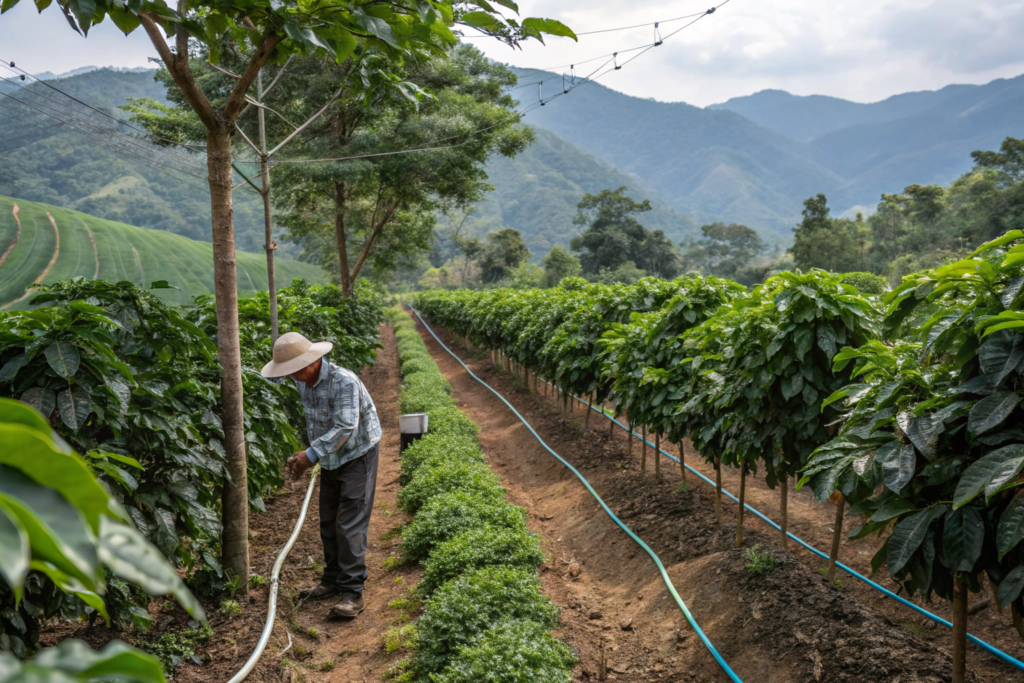
Climate change poses a real threat to Yunnan coffee, but the industry is responding with resilience strategies. At BeanofCoffee, I have invested in drip irrigation, shade agroforestry, and drought-resistant varieties to buffer my farm against climate volatility. The future of Yunnan coffee belongs to the farmers who prepare for a changing climate.
The risk is serious. The response is equally serious. The farms that are investing in resilience are the ones that will be supplying you in 2035.
How Are Farmers Adapting to Warmer Temperatures and Drought?
The classic adaptation is altitude. Coffee needs a cool, stable climate. As temperatures rise, the optimal altitude for coffee rises too. Farmers in Yunnan are planting at higher elevations, moving up the slopes of the Gaoligong Mountains. This is a simple but effective strategy. Another adaptation is water management. The drip irrigation systems I have installed are not a luxury. They are a necessity in a future where the monsoon may be less reliable. Shade trees are also critical. They lower the ambient temperature at the coffee bush level, reducing heat stress. These are practical, on-the-ground adaptations. They require investment, but they are the difference between a farm that survives and a farm that fails.
What Role Does Variety Research Play in Long-Term Resilience?
The coffee variety is the genetic foundation of the farm. The old Catimor varieties are productive and disease-resistant, but they are not the most exciting in the cup. Newer Arabica varieties, like Geisha, Pacamara, and SL28, are being trialed in Yunnan. They offer more complex flavors, but they are often more delicate and susceptible to disease. The long-term answer is a portfolio of varieties. Some for resilience, some for quality. The Yunnan Academy of Agricultural Sciences and private nurseries are actively breeding and selecting new varieties. This genetic diversification is a hedge against climate risk. A farm with a monoculture is vulnerable to a single catastrophic event. A farm with diversity is resilient. At BeanofCoffee, I am gradually diversifying my variety portfolio, while keeping my Catimor backbone for its proven performance.
Conclusion
The long-term outlook for Chinese Arabica supply is fundamentally positive. The government is investing. The domestic market is growing, creating a stable financial base for farmers. A new generation of skilled, quality-focused professionals is taking over. And the industry is actively adapting to the threat of climate change. There will be challenges. There will be difficult harvests. But the trajectory is clear. China, and specifically Yunnan, is not a fringe origin. It is a rising power in the specialty coffee world. The supply will be there. The quality will be there. The question is whether you, as a buyer, are positioned to benefit from this growth.
Position yourself for the long term. Contact me, Cathy Cai, at cathy@beanofcoffee.com. I will share my long-term production plan, my variety trial results, and my climate resilience strategy. Let's build a supply partnership that is not just for the next container, but for the next decade. The future of Yunnan coffee is being built today. Be part of it.