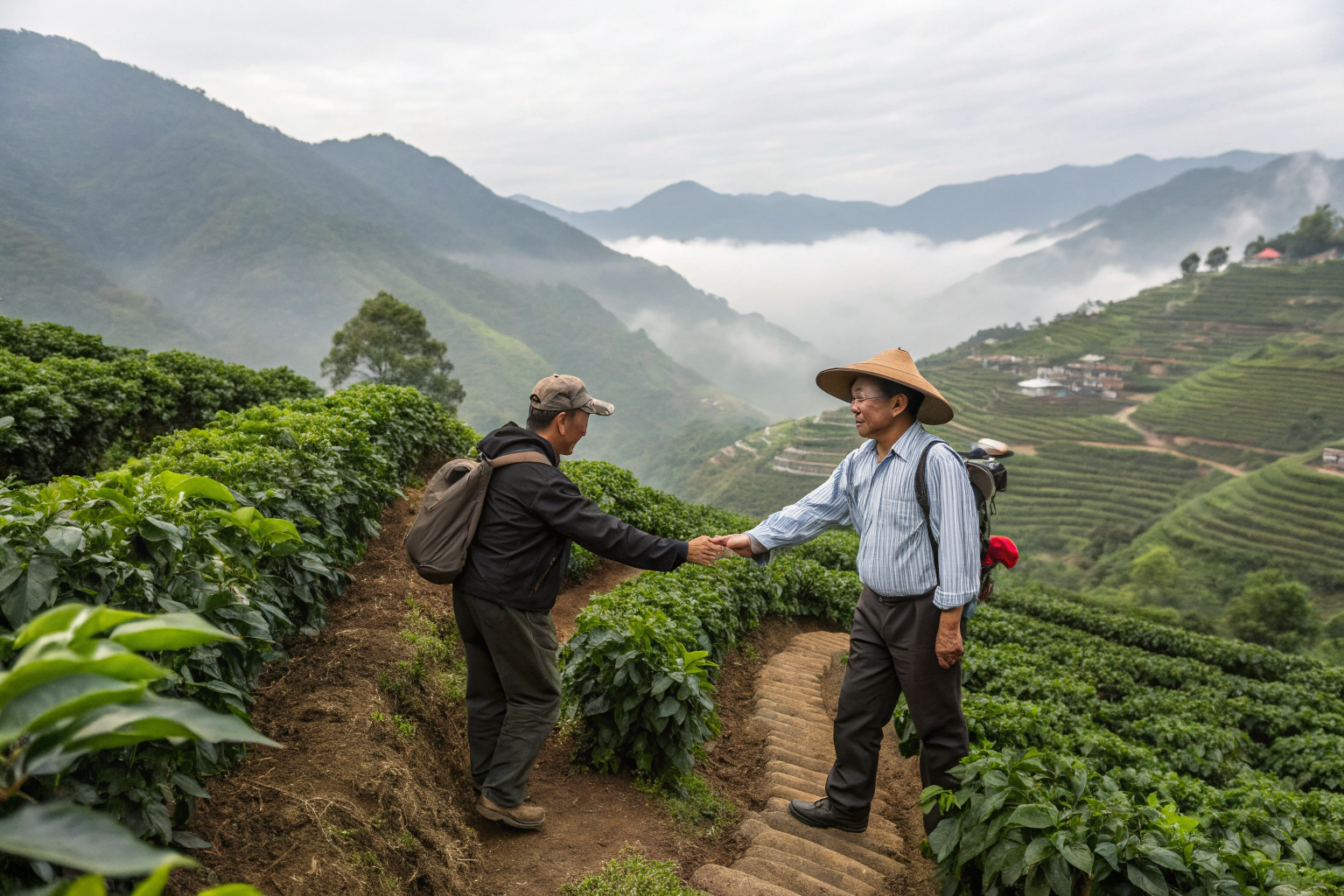
You have been buying coffee from me for a year. The relationship is good. The coffee is consistent. Now, you want to visit. You want to walk the terraces in Baoshan, shake my hand, and see the mill with your own eyes. This is a smart move. A farm visit deepens a business partnership in ways that no video call can match. But China is not a simple place to visit. The visa process can be confusing. The geography of Yunnan is vast. You are not flying into a major international hub and stepping onto the farm in an hour. This trip requires planning. I have hosted many buyers at our farm. I know the route, the paperwork, and the pitfalls. Let me be your guide.
Visiting Yunnan coffee farms requires a valid Chinese visa, a well-planned flight route through Kunming, and a domestic connection to Baoshan. At BeanofCoffee, I provide all my visiting clients with a detailed travel pack, including a visa invitation letter, hotel recommendations, and a farm itinerary. My team picks you up at Baoshan airport and handles all the local logistics.
The trip is an investment. It will pay dividends in trust and understanding. But only if you get the logistics right. Here is everything you need to know.
How to Obtain a Chinese Visa for a Coffee Farm Visit?
The first hurdle is the visa. You cannot just book a flight and show up. You need a visa issued by the Chinese embassy or consulate in your country. The process is bureaucratic, but it is manageable if you know what type of visa to apply for and what documents to prepare.
The correct visa for a coffee farm visit is the M visa, which is issued for commercial and trade activities. At BeanofCoffee, I provide a formal invitation letter to my visiting clients. This letter is a key document for the visa application. It states the purpose of your visit, the dates, and the details of our business relationship.
The M visa is the right tool. Do not apply for a tourist visa, which is not appropriate for a business trip and may raise questions at the border.
What Documents Do You Need for the M Visa Application?
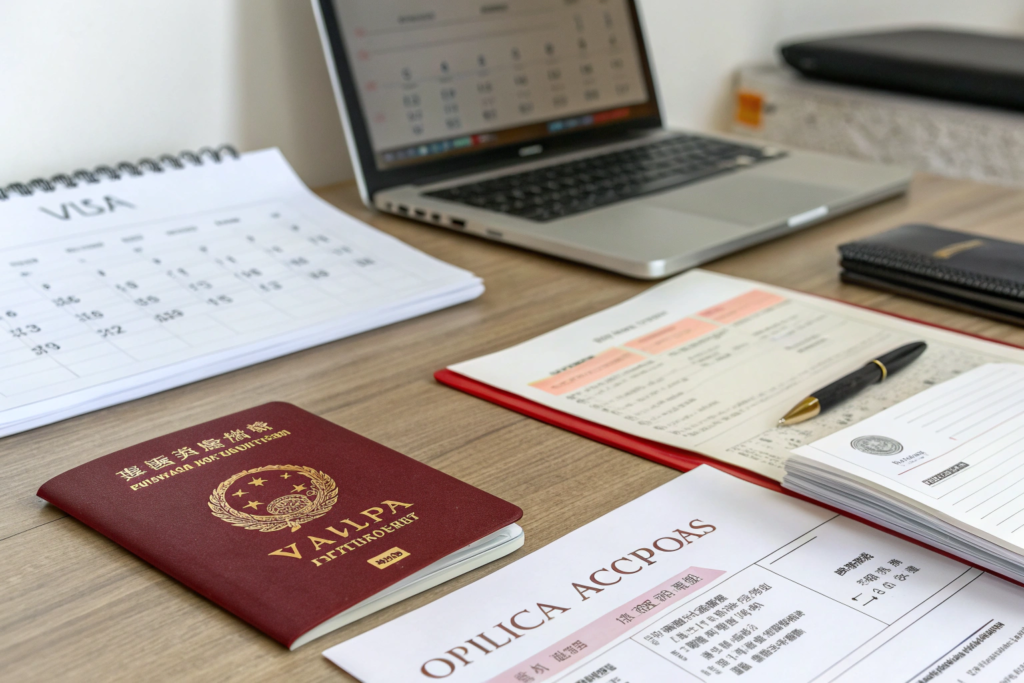
The M visa application requires a set of standard documents. You need your passport, valid for at least six months beyond your planned stay. You need a completed visa application form, which is done online and printed. You need a recent passport photo. You need the invitation letter from our company. This letter must include our business license number and our official stamp. You also need proof of your own business, such as your company registration and a letter from your bank. The exact requirements vary slightly by country. Check the website of the Chinese embassy in your country for the precise list. The process typically takes one to two weeks. You can use a visa agency to expedite it, but the basic work is the same. The invitation letter from me is the linchpin. It transforms your application from a generic tourist request into a legitimate business visit.
How Long Is the M Visa Valid and Can It Be Extended?
The M visa is typically issued for a single entry with a stay of 30 days, or a multiple entry visa valid for one year with stays of 30 to 60 days. For a farm visit, a single entry visa is sufficient. It is not a document you can easily extend from within China. You must apply for the correct duration before you travel. Plan your trip carefully. A visit to Yunnan farms rarely requires more than a week on the ground. The travel time from the US or Europe is long, so factor in two or three days for flying. A 30-day stay is more than enough. The visa is not a work permit. It allows you to attend meetings, inspect goods, and conduct business negotiations. It does not allow you to take employment in China. For a coffee buyer, this is exactly the right scope.
What Are the Flight Routes to Reach Baoshan from the US or Europe?
Yunnan is a remote province. It is not on the direct flight map from major Western hubs. You will need to connect. The main gateway is Kunming, the capital of Yunnan province, which has an international airport with flights from several Asian hubs and some European cities.
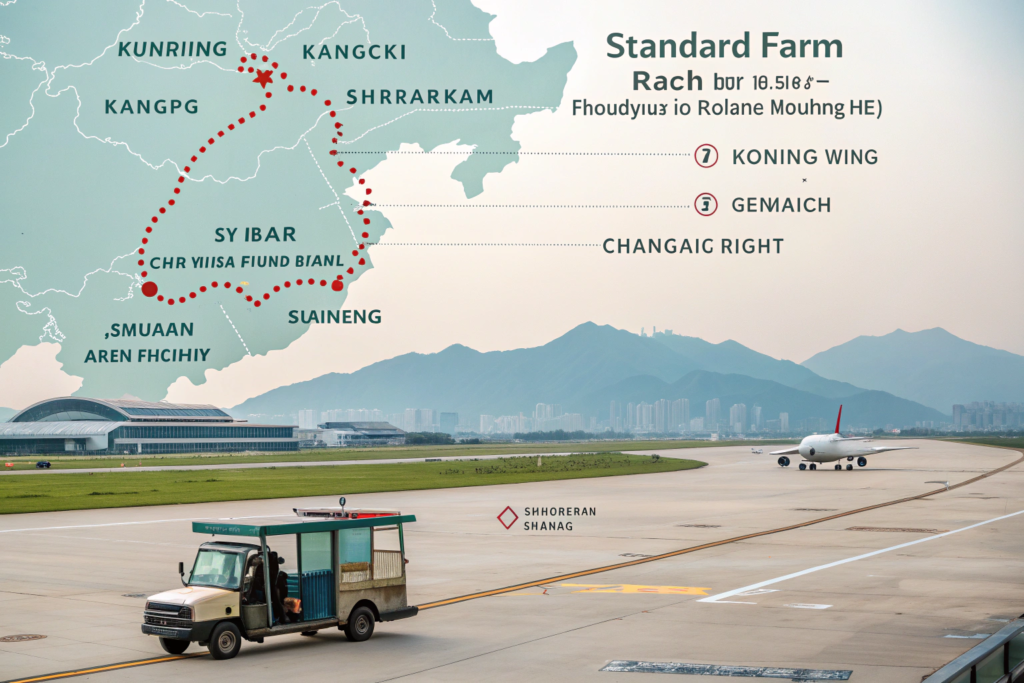
The standard route is to fly into a major Asian hub, such as Bangkok, Singapore, or Shanghai, and then take a connecting flight to Kunming. From Kunming, you take a short domestic flight to Baoshan. At BeanofCoffee, my team meets you at Baoshan Yunrui Airport, which is a 45-minute drive from our farm.
The journey is long, but the destination is worth it. The key is to break it into manageable legs.
Why Is Kunming the Key International Gateway for Yunnan?
Kunming Changshui International Airport is the fourth largest airport in China. It has direct international flights from cities like Bangkok, Kuala Lumpur, Singapore, and Paris. From the US, you might fly to Shanghai, Beijing, or Seoul, and then connect to Kunming on a domestic flight. Kunming is a beautiful city, known as the "Spring City" for its mild climate. It is worth a day of rest after the long flight. From Kunming, the domestic flight to Baoshan takes about 55 minutes. It is a small, modern airport. The flights are frequent and inexpensive. This two-step approach, international to Kunming, domestic to Baoshan, is the most efficient route. Do not try to take a train or a bus from Kunming to Baoshan. It is a long, exhausting journey through mountainous terrain. The flight is the way.
How to Plan for the Altitude and Terrain of Baoshan?
Baoshan sits at an altitude of around 1,600 meters. Our coffee farms are higher, between 1,200 and 1,800 meters. This altitude is not extreme, but it can cause mild symptoms for some visitors. You might feel a little short of breath or have a slight headache on the first day. This is normal. Drink plenty of water. Do not overexert yourself. The terrain on the farm is steep. We walk on terraced paths, some of which are uneven and muddy. You need good footwear. Bring a pair of sturdy walking shoes or hiking boots. The sun at altitude is strong. Bring a hat and sunscreen. The weather in Baoshan is mild, but it can change quickly. Bring a light rain jacket, even in the dry season. A little preparation makes the visit comfortable and enjoyable.
What Should You Expect During a Professional Farm Tour?
The farm tour is the heart of your visit. It is not a casual stroll. It is a structured inspection of our operation, from the nursery to the dry mill. I will show you everything. You will see the coffee trees, the processing equipment, and the cupping lab.
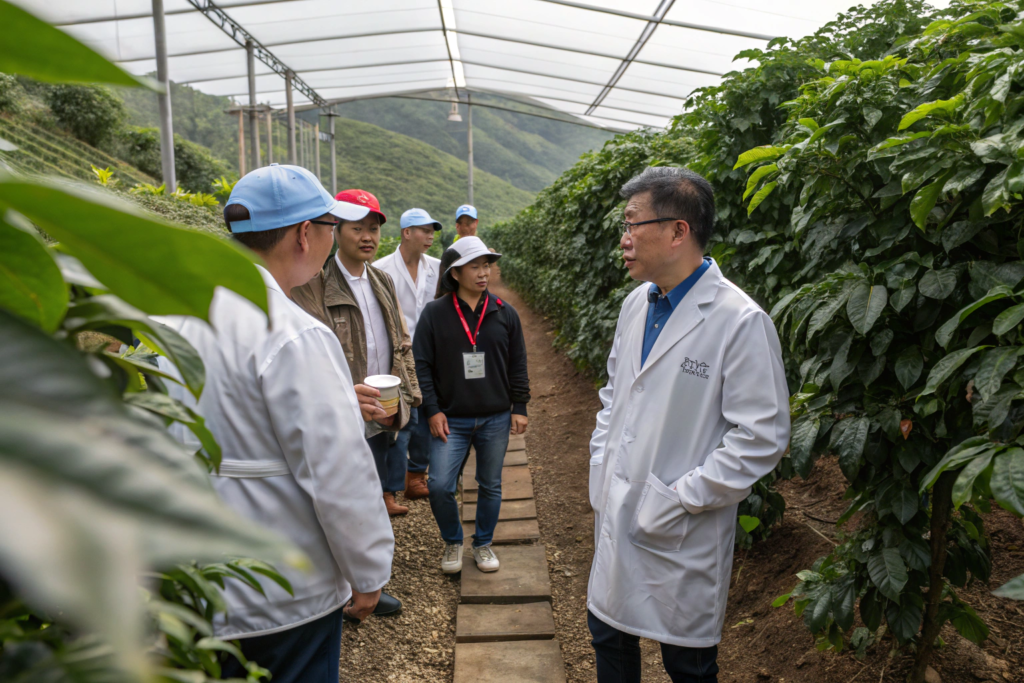
A professional farm tour at BeanofCoffee covers the entire production chain. You will walk the organic blocks and the conventional blocks. You will see the wet mill, the drying beds, and the mechanical dryer. You will cup coffee in our lab. You will meet the team that grows and processes your coffee. The tour is tailored to your specific interests, whether you are a roaster, a green buyer, or a brand owner.
The tour is your chance to verify everything I have told you. Ask hard questions. I welcome them.
What Questions Should You Ask During the Mill Inspection?
The mill is where the coffee is transformed from cherry to exportable green bean. The condition of the mill tells you a lot about the supplier's commitment to quality. Ask about the fermentation protocols. How long is the fermentation? How do they control the temperature? Ask about the drying process. Do they use raised beds, a mechanical dryer, or a combination? Ask about the sorting. Do they use a density table? An optical sorter? How many people work on the hand-sorting line? Ask about the storage. Is the warehouse climate-controlled? How do they manage pests? A professional supplier will answer these questions with pride and specificity. A vague answer is a red flag. The mill is the engine of quality. You are inspecting the engine.
How to Cupping with the Farm Team Builds a Deeper Partnership?
The cupping session is the highlight of the visit. You sit at a table in our lab. We brew samples of the current lots. You taste alongside me and my cupping team. We discuss the flavors. We share our perceptions. This is not a test. It is a conversation. It builds a shared vocabulary. When you cup with the farm team, you understand the coffee in a deeper way. You understand the relationship between the field and the cup. You see the pride in our work. You taste the terroir. This shared sensory experience is the foundation of a long-term partnership. It is the moment when a supplier becomes a partner.
What Cultural Etiquette Should You Know Before Visiting Yunnan?
China has a rich and complex culture. Yunnan has its own unique character, shaped by its diverse ethnic groups and its borderland history. A little cultural awareness goes a long way. It shows respect and builds goodwill.
Basic etiquette in Yunnan includes accepting tea when it is offered, using both hands when giving or receiving a business card, and showing respect for elders. At BeanofCoffee, I will guide you through the local customs. The most important rule is to be polite, patient, and curious. A smile is a universal language.
You are a guest in my home. Respect is the foundation of friendship.

How Should You Handle Business Card Exchange in China?
The business card is a symbol of your professional identity. The exchange is a small ritual. When you present your card, hold it with both hands, with the text facing the recipient. When you receive a card, take it with both hands. Look at it carefully. Do not shove it into your back pocket immediately. This is considered disrespectful. Place it on the table in front of you, or put it in a card holder. This shows that you value the person and their position. A small gesture, but it speaks loudly. It is the first step in building guanxi, the network of relationships that is so important in Chinese business.
What Is the Proper Way to Accept or Decline a Toast at a Business Dinner?
Dinner is a central part of Chinese business culture. It is where relationships are cemented. Alcohol, usually baijiu, a potent rice liquor, is often served. Toasting is a ritual. If you drink, accept the toast with both hands, touching your glass slightly lower than the other person's, a sign of respect. If you do not drink alcohol, do not be afraid to decline. A polite "I do not drink, but I appreciate the gesture" is perfectly acceptable. You can toast with tea or a soft drink instead. The key is to participate in the spirit of the occasion, even if you are not drinking the baijiu. The dinner is not about the food. It is about the shared time and the deepening of the relationship.
Conclusion
A visit to a Yunnan coffee farm is an unforgettable experience. It is also a significant logistical undertaking. You need the right visa, the right flights, and the right preparation for the altitude and terrain. But the payoff is immense. You see the farm with your own eyes. You inspect the mill. You cup the coffee. You meet the people. This transforms a digital relationship into a human one. It builds a level of trust that cannot be achieved through emails and video calls. The business card you exchange, the toast you share, the walk through the coffee terraces, these moments cement a partnership for years to come.
Start planning your visit. Contact me, Cathy Cai, at cathy@beanofcoffee.com. I will send you the official invitation letter for your visa application, a detailed travel itinerary, and a list of recommended hotels in Kunming and Baoshan. My team will arrange your airport pickup and your farm tour. Come and taste the mountain with me. I look forward to meeting you in person.