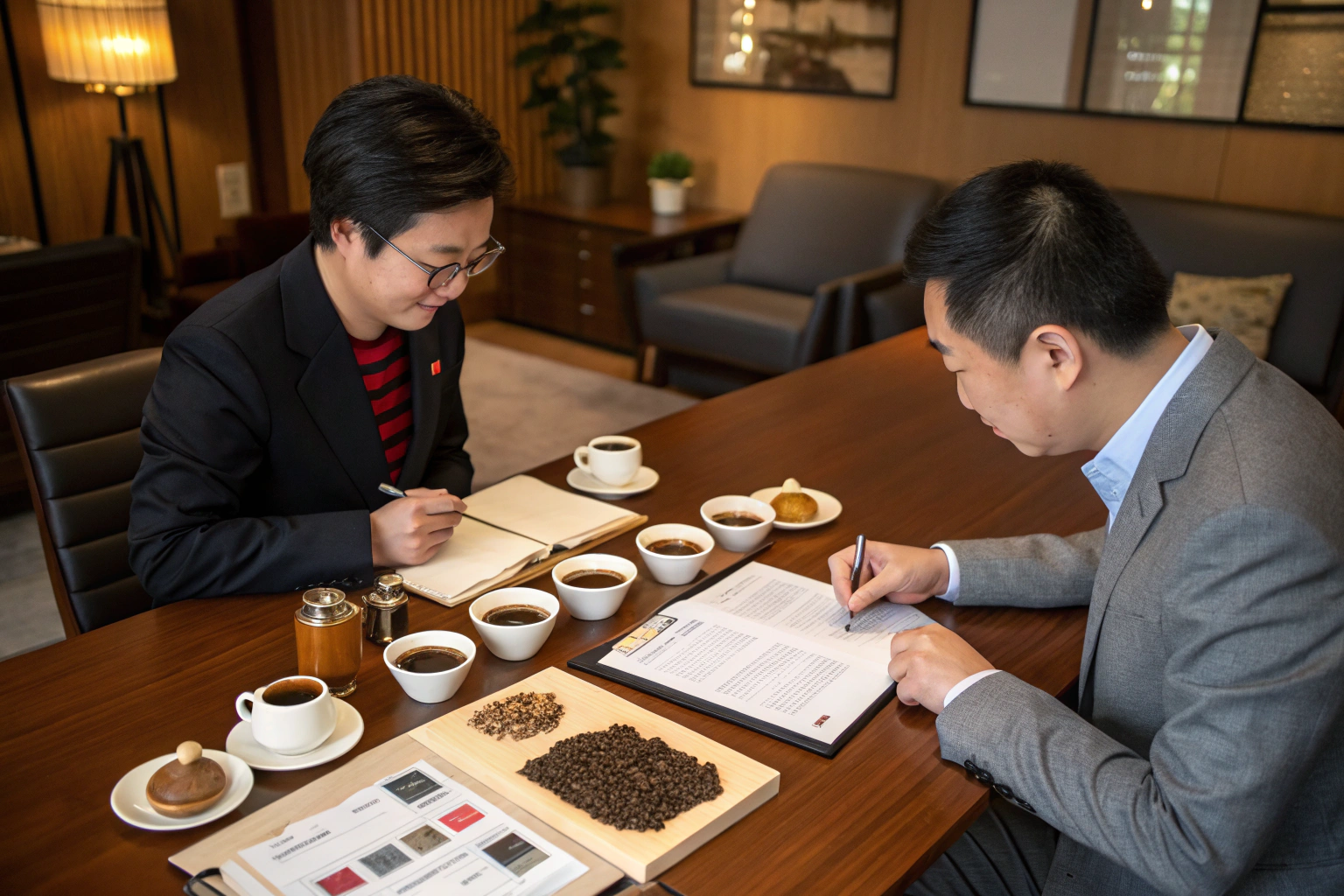
You fly to Yunnan. You have a price in mind. You ask direct questions. The meeting feels slow. The other side smiles. They say, "We will study it." You push for a yes. The room goes quiet. You leave confused. That is the cultural gap. It costs deals. It delays shipments. It damages trust. But it can be bridged. You just need to learn the rules. The rules are not written in the contract. They are written in the culture.
The key to bridging the cultural gap in Chinese coffee negotiations is to slow down, build trust first, respect hierarchy, avoid direct confrontation, listen for indirect signals, use written summaries, and share meals. Do not treat silence as agreement. Do not treat a vague answer as a yes. Confirm details in writing after every meeting. Then follow up with patience.
I run BeanofCoffee. We negotiate with buyers every week. I have seen deals saved by a cup of tea. I have seen deals lost by a hard push. So let me share what I learned.
Why Does Face Matter in Chinese Coffee Deals?
Face is not a small idea. It is the currency of respect. In China, a person's dignity is public. If you embarrass someone, you lose the deal. If you protect someone, you build trust. I have seen a buyer correct a supplier in front of the team. The supplier smiled. Then he stopped replying. The deal died. So learn face. Then protect it.
Face means dignity, reputation, and social standing. In negotiations, avoid correcting someone publicly, avoid blunt rejection, and avoid showing anger. Give the other side room to change position without losing face. Use private conversations for hard points. Praise publicly. Correct privately. That is how you keep the deal alive.
Another way to look at face is to compare it to credit. You build it with respect. You spend it when you ask for a concession. If you have no face, you have no credit. So build it early. Then use it wisely.
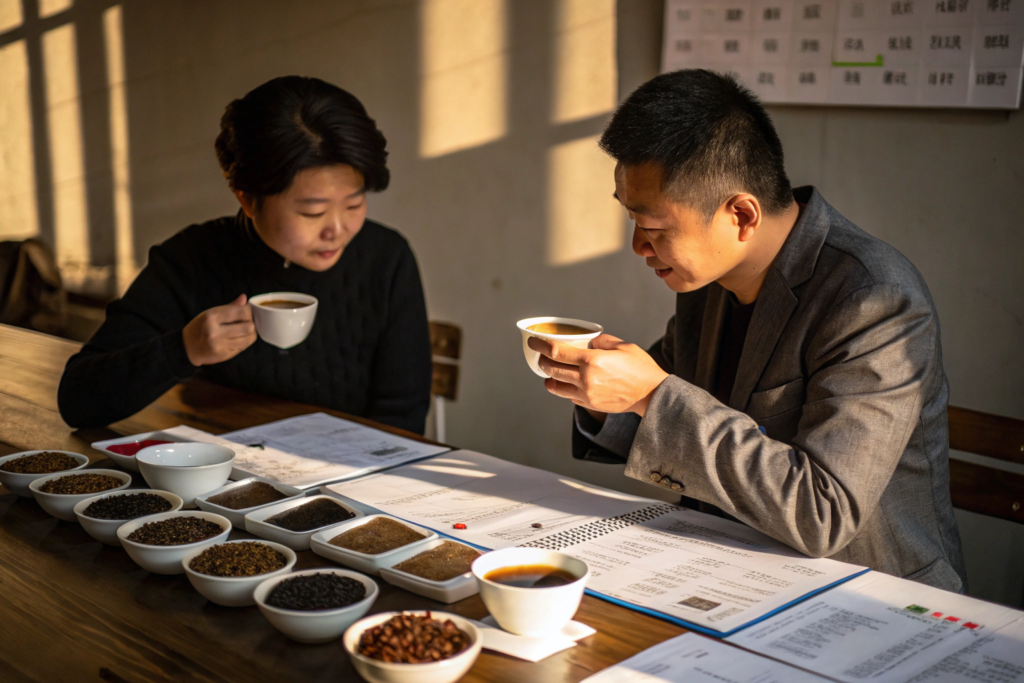
How Do You Avoid Causing Loss of Face?
You avoid causing loss of face by watching your words and your tone. Do not say "you are wrong." Say "we see it differently." Do not reject an offer in public. Say "we need to study this." Do not criticize the coffee in front of the farmer. Give private feedback. Use a soft voice. Use a smile. Use a pause. The Commisceo China guide explains these etiquette rules. The Hofstede China page shows how collectivism and long-term orientation shape behavior. I use these when I train our team. A small correction in private is better than a big correction in public. So protect face. Then protect the deal.
Why Is Indirect Communication Important?
Indirect communication is important because a direct "no" can feel like an attack. A Chinese negotiator may say "it is difficult" instead of "no." They may say "we will consider it" instead of "we disagree." You must listen for the real meaning. The China Briefing etiquette guide explains these soft signals. The British Council business guide shares practical tips. I use these when I coach buyers. Do not push for a yes. Ask open questions. Say "what would need to change?" Then listen. Then confirm in writing. That is how you avoid a misunderstanding.
How Do You Build Trust Before the First Meeting?
Trust is the first deal. If the buyer does not trust you, price is the only topic. If the buyer trusts you, price is one topic among many. I have seen buyers spend months on price. I have seen buyers close in one meeting because trust was already there. So build trust before you talk about numbers.
Build trust before the meeting by researching the company, finding a mutual contact, showing respect for Chinese business culture, being punctual, bringing small gifts, and being patient. Use WeChat to stay in touch. Send a clear agenda in advance. Do not rush to price. Ask about the farm, the harvest, the family, the region. Trust grows through small consistent actions.
In China, business is personal. A meal is not a break. It is part of the negotiation. So accept the meal. Offer to pay. But do not fight over the bill. Build the relationship first. At BeanofCoffee, we often host buyers for meals and farm visits. That time together does more than a price sheet.

What Role Do Relationships and Guanxi Play?
Guanxi means relationships. It is not corruption. It is a trust network. It helps people solve problems. It helps people find opportunities. In coffee trade, guanxi matters because you need repeat orders. You need someone who answers the phone at midnight. You need someone who holds a lot for you. The eDiplomat China etiquette page explains relationship building. The SCMP China economy section covers business culture and news. I use these when I host buyers. A warm introduction beats a cold email. So ask for one. Then build the relationship.
How Do You Use WeChat and Gift-Giving Properly?
WeChat is a business tool in China. Use it for quick updates, photos, and voice messages. Do not use it for long contracts. Use email for formal documents. For gifts, bring something small and thoughtful. Branded coffee items are good. Local snacks from your country are good. Avoid clocks, sharp objects, and anything with a number four. The Trade.gov site offers export and import guidance. The ICC publishes trade rules and model contracts. I use these when I prepare for a meeting. Give gifts with two hands. Then say thank you. That small gesture builds trust.
What Communication Styles Cause Misunderstandings?
Language is not the only gap. Style is the gap. Direct questions can feel like attacks. Silence can feel like agreement. A soft answer can feel like a yes. But it may be a no. I have seen a buyer ask "Can you do this price?" The supplier said "It is difficult." The buyer heard "maybe." The supplier meant "no." That gap cost a week. So learn the styles.
Misunderstandings come from directness, silence, hierarchy, and context. Chinese communication is often high-context. The message is in the situation, not just the words. American communication is often low-context. The message is in the words. So slow down. Ask clarifying questions. Use a translator if needed. Repeat key points. Confirm in writing. Do not assume silence means yes.
Another way to look at this is to compare it to a dance. If one person steps fast and the other steps slow, someone gets stepped on. So match the rhythm. Then move together.
How Do You Handle Silence and Indirect Answers?
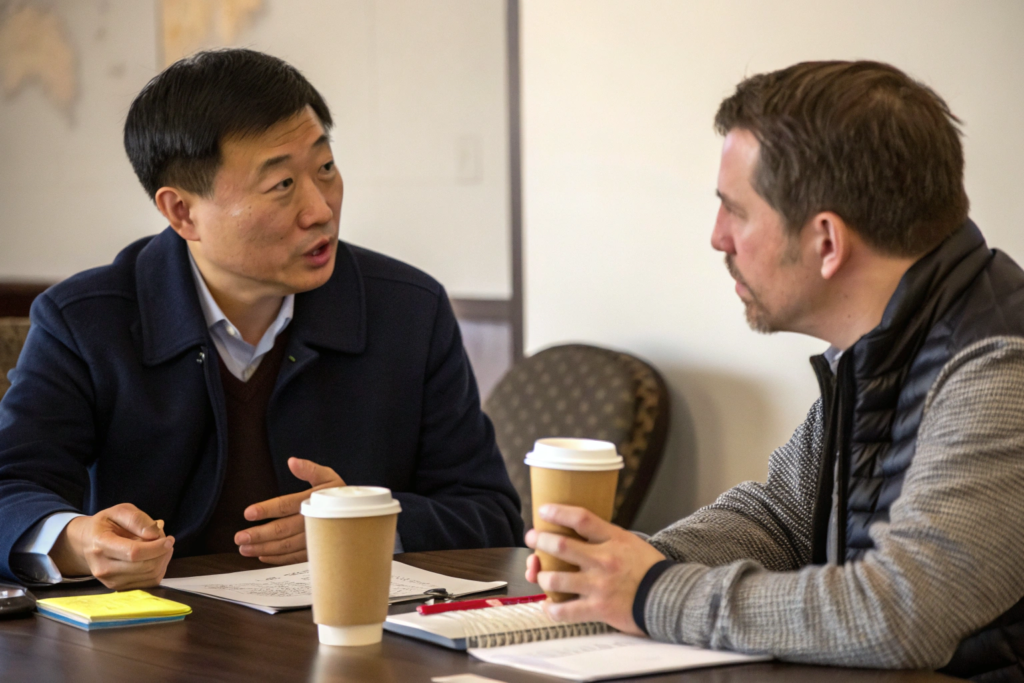
Silence is not empty. It can mean thinking. It can mean disagreement. It can mean respect. Do not fill it with pressure. Wait three to five seconds. Then ask a soft question. Say "I want to understand your view." Say "What would need to change for this to work?" The WTO tariffs page explains trade rules that may affect the discussion. The USITC provides tariff and trade data. I use these when I prepare for a negotiation. A soft question gets a real answer. A hard push gets a wall. So ask softly. Then listen.
When Should You Use a Translator or Local Partner?
You should use a translator when the topic is complex or the stakes are high. A translator is not just language. A translator is culture. A local partner is useful for legal, tax, and customs. The USTR publishes trade policy information. The Federal Register publishes official notices. I use these when I prepare for a meeting. Brief your translator before the meeting. Give them the key terms. Do not blame the translator in public. That causes loss of face. So choose a good translator. Then treat them with respect.
How Do You Close a Deal Without Losing Face?
Closing is delicate. A hard close can kill the deal. A soft close can save it. I have seen buyers push for a signature at dinner. The supplier smiled. Then he delayed. The deal never closed. I have seen buyers summarize the deal and give the supplier time. The deal closed in a week. So close softly. Then win.
Close a deal without losing face by summarizing agreements, giving credit to the other side, avoiding public pressure, offering a range of options, and confirming next steps in writing. Use a soft close: "Based on our discussion, we propose..." Then give them time. Do not ask for a final yes in the room. Let them review. Follow up in 24 hours. Then sign.
A signed contract is important. But the relationship is the real contract. So protect both. If you must say no, say it privately. Give a reason. Offer an alternative. That is how you keep the door open.

What Should You Put in a Written Summary After Negotiation?
A written summary should include the date, the attendees, the topics, the agreements, the open issues, the next steps, and the deadlines. The FDA prior notice page explains U.S. food import rules. The CBP page explains U.S. customs entry. I use these when I prepare export documents. Send the summary within 24 hours. Write it in English and Chinese. Ask for corrections. This prevents memory gaps. It also creates a record. A good summary builds trust. A missing summary creates doubt.
How Do You Handle Price Disagreements Politely?
Do not say "too expensive." Say "we need to find a way to make this work within our budget." Offer something in return. Offer volume. Offer a longer contract. Offer faster payment. The Global Coffee Platform shares sustainable sourcing practices. The Fairtrade website explains fair trade standards. I use these when I negotiate with buyers. Use objective data. Mention the ICE price. Mention the freight rate. Mention the moisture. Then find a fair number. That is how you solve a price gap without losing face. That is how you keep the deal.
Conclusion
Bridging the cultural gap in Chinese coffee negotiations is not about speaking perfect Chinese. It is about respect, patience, and clarity. Protect face. Build trust before you talk price. Listen for indirect signals. Use a translator when needed. Close softly. Confirm everything in writing. Then follow up. These habits turn a tense meeting into a long-term partnership. They turn a one-time deal into a repeat order. And they turn a cultural gap into a cultural bridge.
At BeanofCoffee, we work with international buyers every season. We own more than 10,000 acres in Baoshan City, Yunnan. We export Catimor, Arabica, and Robusta. We work with large buyers, brand owners, distributors, and trading companies. We understand both sides of the table. If you want to negotiate coffee in China with confidence, please contact Cathy Cai at cathy@beanofcoffee.com. She will help you with samples, pricing, specifications, and meeting arrangements. You can also visit BeanofCoffee to learn more. Let us build a respectful and profitable coffee partnership together.