
A roaster in Amsterdam once asked me for help. She had an investor meeting in three weeks. The investor wanted to see her sustainability work. She had plenty of good practices. She composted chaff. She paid farmers well. She used recyclable bags. But she had nothing written down. No numbers. No photos. No report. So she scrambled. She pulled old receipts. She called her farm partners. She built a rough document in ten days. It worked. She got the funding. But she told me it was the most stressful ten days of her year. That story taught me a lesson. A sustainability report is not something you write when you need it. It is something you build all year. Then you assemble it when asked. So let me show you how to build one that investors trust.
So let me walk you through what investors want, what to include, and how to build the report step by step.
Why Do Investors Want a Sustainability Report?
Investors want proof, not promises. They have heard too many green claims. They have seen too many brands fail on ethics. So they ask for data. A sustainability report gives them that data. It shows what you do. It shows how you measure it. It shows how you improve. That reduces their risk. It also protects their money. A brand with a real sustainability story is more resilient. It faces fewer legal risks. It faces fewer reputation risks. It also attracts loyal customers. So investors see sustainability as a business asset. Not a charity project. So your report should speak their language. Numbers. Progress. Risk. Return.

What do investors care about most?
Investors care about a few key things. First, risk. Are you exposed to climate, labor, or legal problems? Second, cost. Does sustainability save money or cost money? Third, growth. Can your story help you sell more? Fourth, proof. Can you show numbers, not just words? Fifth, governance. Who checks your work? So build your report around these points. Show how your practices reduce risk. Show how they cut costs. Show how they drive sales. Show the data behind each claim. Then show who verifies it. That structure answers their real questions. It also builds confidence fast.
How is sustainability a financial issue?
Sustainability is a financial issue in direct ways. Water recycling cuts utility bills. Shade trees reduce crop loss. Fair wages reduce turnover. Good storage reduces waste. Each practice has a money impact. So track that impact. Then report it. For example, we cut water use by 40 percent at one washing station. That saved thousands of dollars a year. That is a financial fact. Investors love facts. So do not talk about values alone. Talk about value. Show the savings. Show the revenue. Then link it to sustainability. That link is what investors want to see.
What Should Your Report Include?
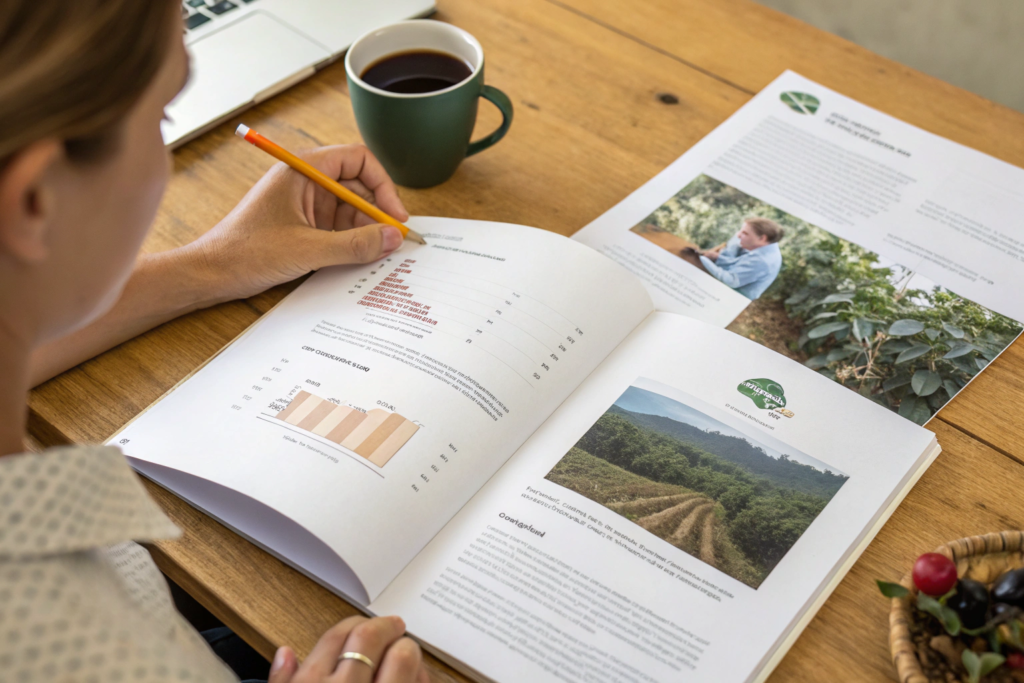
A good report has several sections. Start with an introduction. Explain your business and your goals. Then cover your environmental practices. Then cover your social practices. Then cover your governance. Then show your data. Then show your targets. Then show your challenges. Ending with challenges is important. It shows honesty. Investors trust honest reports more than perfect ones. So do not hide problems. Name them. Then explain your plan to fix them. That approach builds credibility. So structure the report clearly. Use simple headings. Use short paragraphs. Use charts and photos. Then make it easy to read.
What environmental data should you track?
Track several environmental numbers. First, water use per pound of coffee. Second, energy use in the roastery. Third, waste and recycling rates. Fourth, packaging materials and their recyclability. Fifth, shade tree coverage on farms. Sixth, carbon footprint if you can measure it. Seventh, chemical use on farms. So start with two or three. Measure them monthly. Then build a baseline. Then set a target. Then track progress. So the report shows a trend, not a snapshot. Trends are more convincing. They show you are serious. So pick your numbers. Then stay consistent. Consistency builds trust.
What social data matters to investors?
Social data matters a lot. Track wages compared to local averages. Track the number of workers employed. Track training hours. Track safety incidents. Track housing conditions if you provide it. Track gender balance in your workforce. Track community investments. So pick the numbers that fit your business. Then report them honestly. If a number is bad, say so. Then explain your plan. Investors respect that. They know no business is perfect. So honesty beats a polished image. So track real data. Then share it. That is how you build trust.
How Do You Collect and Verify Data?
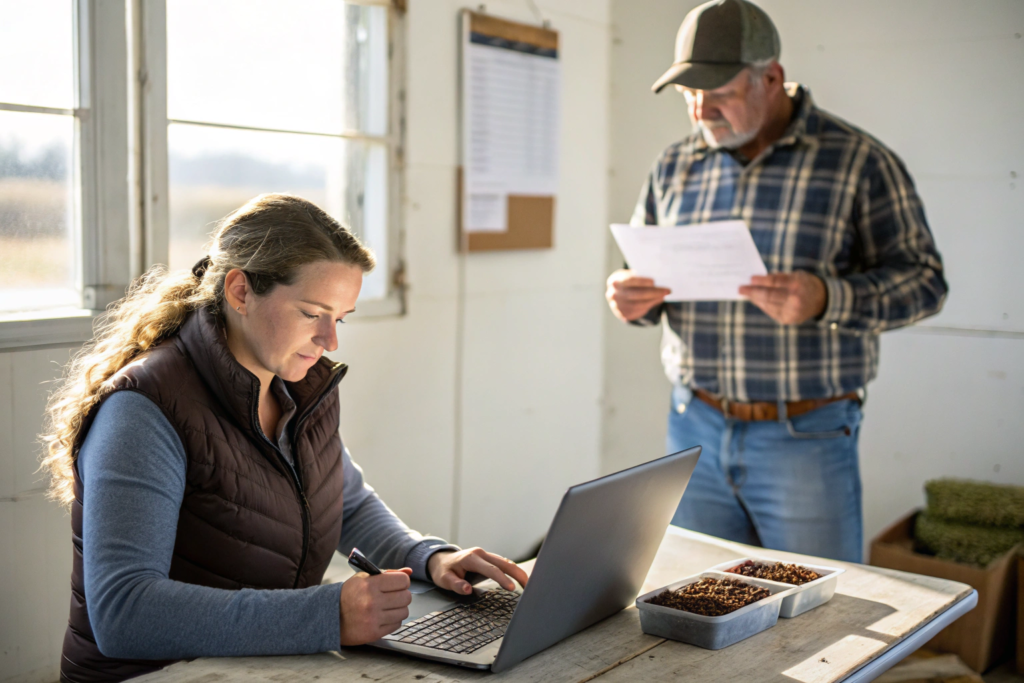
Collecting data takes a system. Start with a simple spreadsheet. Add a column for each metric. Add a row for each month. Then assign one person to update it. That person should check the numbers. Then a second person should review them. That double check reduces errors. For farm data, work with your farm partners. Ask them to record water use, wages, and harvest numbers. Then review those records together. For verification, consider a third party. A simple audit from a trusted group adds weight. So build the system first. Then add verification. That order keeps things simple.
What tools make data collection easier?
Simple tools work best. Use a spreadsheet for tracking. Use a shared drive for photos and documents. Use a mobile app for field data if you have signal. Use a moisture meter and a scale for farm records. Use energy meters for the roastery. So you do not need expensive software. You need consistent habits. A cheap tool used well beats an expensive tool used poorly. So start simple. Then upgrade if you grow. The key is to record data every week. Then review it every month. That habit builds a strong report. So build the habit first.
How do you verify your claims?
Verify claims in three ways. First, internal checks. A second person reviews the numbers. Second, external checks. A third-party auditor reviews your records. Third, documentation. Keep receipts, photos, and logs. So every claim has a paper trail. That trail protects you. It also convinces investors. So do not make claims you cannot prove. If you cannot verify a number, do not include it. Or label it as an estimate. Honesty is the best policy here. So verify what you can. Then report only what you verified. That keeps your report strong.
How Do You Present the Report to Investors?
Presentation matters. Keep it short. Investors are busy. So lead with the key numbers. Then add detail. Use charts. Use photos. Use short text blocks. Avoid long paragraphs. Make the report easy to scan. Then prepare a short verbal summary. Practice it. Then be ready for questions. Investors will ask about data, risks, and targets. So know your numbers. Know your weak points. Then answer honestly. A calm, honest presenter builds trust. So prepare well. Then present with confidence.

What format works best?
A simple format works best. Start with a one-page summary. Then add sections for environment, social, and governance. Then add data tables. Then add photos. Then add targets. Then add challenges. Keep the design clean. Use your brand colors. Use clear fonts. Then make a digital version. Also make a printed version. Some investors prefer paper. So have both ready. Then share the digital file before the meeting. That gives them time to read. Then use the meeting for questions. That structure respects their time. It also makes you look organized.
How do you answer tough questions?
Answer tough questions with honesty and data. If you do not know an answer, say so. Then promise to follow up. Then do it. If a number is bad, explain why. Then explain your plan. If a claim is weak, admit it. Then show how you will strengthen it. So do not get defensive. Do not exaggerate. Just be clear. Investors respect honesty more than perfection. They know every business has problems. What matters is how you handle them. So stay calm. Stay honest. Then follow up. That approach builds long-term trust.
What Mistakes Should You Avoid?
Avoid several common mistakes. First, do not exaggerate. Second, do not use vague words like "eco-friendly" without proof. Third, do not hide bad numbers. Fourth, do not copy another company's report. Fifth, do not wait until the last minute. Sixth, do not ignore governance. Seventh, do not forget to update the report each year. So build the report over time. Then update it regularly. That way, it stays accurate. And it stays ready. So avoid the mistakes. Then enjoy the benefits. A strong report opens doors. It also protects your brand.

Why is greenwashing so dangerous?
Greenwashing is dangerous because people check. Investors check. Customers check. Regulators check. If they find a false claim, they act. That can mean fines, lost funding, or lost sales. It can also mean reputation damage. Trust takes years to build. It can break in a day. So do not risk it. Be honest. Be specific. Be humble. Say what you do. Say what you do not do. That approach protects you. So avoid greenwashing. It is not worth the risk. Honesty is safer and stronger.
How do you keep the report current?
Keep the report current with a simple routine. Update your data monthly. Review your targets quarterly. Then refresh the full report once a year. Add new photos. Add new numbers. Add new challenges. Then share the update with investors. This shows progress. It also shows commitment. So do not treat the report as a one-time project. Treat it as a living document. Then it stays useful. And it stays ready for the next meeting. So build the routine. Then follow it. That keeps you prepared.
Conclusion
A sustainability report is not a marketing brochure. It is a business document. It shows investors that you understand risk, cost, and growth. It shows that you measure your work. It shows that you are honest about problems. So build it all year. Track real numbers. Verify your claims. Then present it clearly. That is how you earn investor trust. We follow this approach at BeanofCoffee. We track our farm data, our water use, and our labor practices. Then we share that data with buyers and partners. If you want a supplier who can support your sustainability report, we can help. Please contact Cathy Cai at cathy@beanofcoffee.com to discuss your order with BeanofCoffee. We will share our farm data and our practices with you.